جدیدترین مطالب

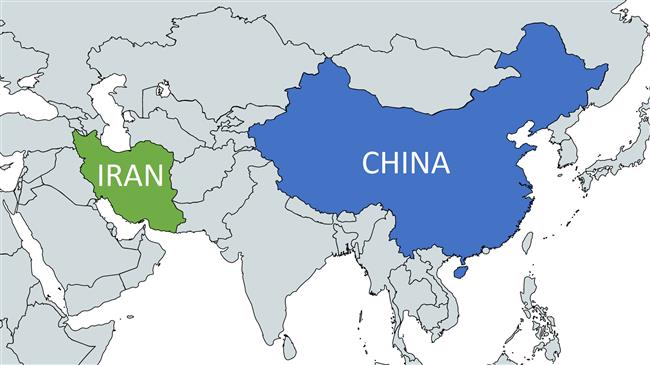
China’s Rejection of US Sanctions; Strengthening Iran’s Geopolitical Leverage

SCFR Online – Opinion: Concurrent with the official commencement of the United States’ economic war against our country, focusing on sanctions instruments, isolation, and economic pressure, what has now become increasingly important is the lack of alignment of other major global powers, especially China, with this policy.

The Makkah Pact; Reasons for its Formation and Challenges Ahead

SCFR Online – Opinion: The Makkah Pact, signed between Saudi Arabia, Pakistan, and Turkey under the motto “an attack on one is an attack on all,” is viewed by some analysts less as a full-fledged military coalition and more as an attempt to reduce security dependence on an external power and to establish a regional security mechanism.

Implications of the US-Saudi Nuclear Agreement

SCFR Online – Opinion: The new US-Saudi nuclear agreement, despite legal and political ambiguities, could alter previous non-proliferation standards in West Asia and intensify nuclear competition, ushering it into a new phase.

An Analysis of Recent Turkey-Israeli Regime Tensions

SCFR Online – Opinion: Recent developments in Syria indicate an intensification of strategic rivalry between Turkey and the Israeli regime, but mutual considerations and the role of the United States have limited the likelihood of direct war.

Loading

public diplomacy

The war of narratives; a tool for geopolitical competition

The war of narratives; a tool for geopolitical competition

Strategic Council Online – Note: In today’s global politics, the creation of narratives has become as important as territorial control and economic management, and has turned into the main tool of great power competition.

The 12-Day War: An Opportunity for Designing Targeted Public Diplomacy

The 12-Day War: An Opportunity for Designing Targeted Public Diplomacy

Strategic Council Online – Interview: A researcher on West Asian affairs stated: The 12-day war of the Israeli regime against Iran, despite its aggressive and destructive nature, can turn into a strategic opportunity for our country; a chance to legitimize defense policies and strengthen the Resistance Discourse in the international system. In a world where public opinion plays an increasing role in shaping policies, effective narrative-building about this war is the key to turning threat into opportunity. Iran, relying on public diplomacy and transnational media, can present the Israeli regime’s attacks as a blatant violation of international law and emphasize its legitimate right to defense and deterrence. Furthermore, by portraying itself as logical, resistant, and oppressed, it can pave the way for increased regional and global empathy. Ultimately, this war can provide a platform for domestic consensus, cohesion of the Resistance Axis, and redefining Iran’s position as a responsible actor in regional security equations.

Return of Cold War Aura to Munich Security Conference

Return of Cold War Aura to Munich Security Conference

Strategic Council Online – Interview: An expert on international affairs stated that not inviting Iran to the Munich conference is a political and symbolic action against the Islamic Republic of Iran, and stated: Such events may continue and somehow seek isolation, defamation and delegitimization of Iran which should be confronted.

The role of Norooz civilizational domain in advancing foreign policy

The role of Norooz civilizational domain in advancing foreign policy

Strategic Council Online—Opinion: Under the present global economic and political circumstances, the role of cultural and public diplomacy is very significant as a chain which links diplomatic relations. Cultural diplomacy and public diplomacy are the cornerstone and a proper ground for the advancement of foreign policy and Norooz here can play a significant role as an important global event.
Mirqasem Momeni—Managing Director of Cheshm Andaz Abrar Novin Institute

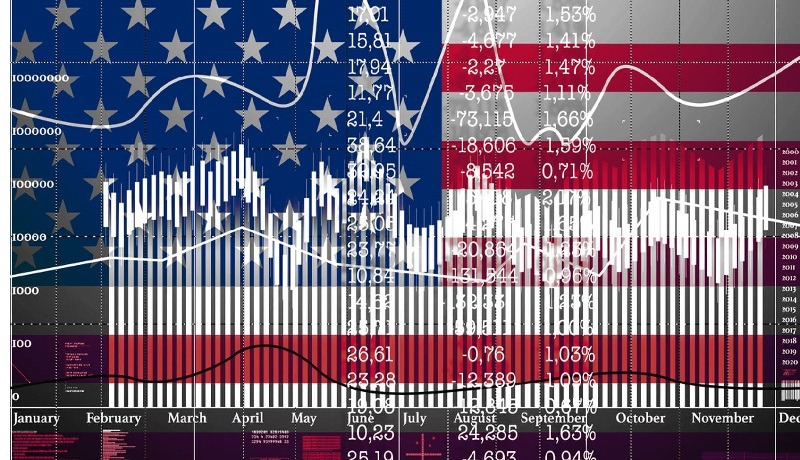
Consequences of Economic Sanctions for US Economy

Consequences of Economic Sanctions for US Economy

Strategic Council Online: Michigan Journal on International Law forecasts $15 to $19 billion in sanctions losses caused by losing export markets, which is equivalent to 200,000 to 260,000 jobs lost.
Reza Tavakoli – International Economic Relations Researcher, Office of Economic Diplomacy Studies, Imam Sadegh University

أحدث الوظائف

China’s Rejection of US Sanctions; Strengthening Iran’s Geopolitical Leverage

SCFR Online – Opinion: Concurrent with the official commencement of the United States’ economic war against our country, focusing on sanctions instruments, isolation, and economic pressure, what has now become increasingly important is the lack of alignment of other major global powers, especially China, with this policy.

The Makkah Pact; Reasons for its Formation and Challenges Ahead

SCFR Online – Opinion: The Makkah Pact, signed between Saudi Arabia, Pakistan, and Turkey under the motto “an attack on one is an attack on all,” is viewed by some analysts less as a full-fledged military coalition and more as an attempt to reduce security dependence on an external power and to establish a regional security mechanism.

Implications of the US-Saudi Nuclear Agreement

SCFR Online – Opinion: The new US-Saudi nuclear agreement, despite legal and political ambiguities, could alter previous non-proliferation standards in West Asia and intensify nuclear competition, ushering it into a new phase.

An Analysis of Recent Turkey-Israeli Regime Tensions

SCFR Online – Opinion: Recent developments in Syria indicate an intensification of strategic rivalry between Turkey and the Israeli regime, but mutual considerations and the role of the United States have limited the likelihood of direct war.

Loading

public diplomacy

The war of narratives; a tool for geopolitical competition

The war of narratives; a tool for geopolitical competition

Strategic Council Online – Note: In today’s global politics, the creation of narratives has become as important as territorial control and economic management, and has turned into the main tool of great power competition.

The 12-Day War: An Opportunity for Designing Targeted Public Diplomacy

The 12-Day War: An Opportunity for Designing Targeted Public Diplomacy

Strategic Council Online – Interview: A researcher on West Asian affairs stated: The 12-day war of the Israeli regime against Iran, despite its aggressive and destructive nature, can turn into a strategic opportunity for our country; a chance to legitimize defense policies and strengthen the Resistance Discourse in the international system. In a world where public opinion plays an increasing role in shaping policies, effective narrative-building about this war is the key to turning threat into opportunity. Iran, relying on public diplomacy and transnational media, can present the Israeli regime’s attacks as a blatant violation of international law and emphasize its legitimate right to defense and deterrence. Furthermore, by portraying itself as logical, resistant, and oppressed, it can pave the way for increased regional and global empathy. Ultimately, this war can provide a platform for domestic consensus, cohesion of the Resistance Axis, and redefining Iran’s position as a responsible actor in regional security equations.

Return of Cold War Aura to Munich Security Conference

Return of Cold War Aura to Munich Security Conference

Strategic Council Online – Interview: An expert on international affairs stated that not inviting Iran to the Munich conference is a political and symbolic action against the Islamic Republic of Iran, and stated: Such events may continue and somehow seek isolation, defamation and delegitimization of Iran which should be confronted.

The role of Norooz civilizational domain in advancing foreign policy

The role of Norooz civilizational domain in advancing foreign policy

Strategic Council Online—Opinion: Under the present global economic and political circumstances, the role of cultural and public diplomacy is very significant as a chain which links diplomatic relations. Cultural diplomacy and public diplomacy are the cornerstone and a proper ground for the advancement of foreign policy and Norooz here can play a significant role as an important global event.
Mirqasem Momeni—Managing Director of Cheshm Andaz Abrar Novin Institute

Consequences of Economic Sanctions for US Economy

Consequences of Economic Sanctions for US Economy

Strategic Council Online: Michigan Journal on International Law forecasts $15 to $19 billion in sanctions losses caused by losing export markets, which is equivalent to 200,000 to 260,000 jobs lost.
Reza Tavakoli – International Economic Relations Researcher, Office of Economic Diplomacy Studies, Imam Sadegh University

public diplomacy

The war of narratives; a tool for geopolitical competition

The war of narratives; a tool for geopolitical competition

Strategic Council Online – Note: In today’s global politics, the creation of narratives has become as important as territorial control and economic management, and has turned into the main tool of great power competition.

The 12-Day War: An Opportunity for Designing Targeted Public Diplomacy

The 12-Day War: An Opportunity for Designing Targeted Public Diplomacy

Strategic Council Online – Interview: A researcher on West Asian affairs stated: The 12-day war of the Israeli regime against Iran, despite its aggressive and destructive nature, can turn into a strategic opportunity for our country; a chance to legitimize defense policies and strengthen the Resistance Discourse in the international system. In a world where public opinion plays an increasing role in shaping policies, effective narrative-building about this war is the key to turning threat into opportunity. Iran, relying on public diplomacy and transnational media, can present the Israeli regime’s attacks as a blatant violation of international law and emphasize its legitimate right to defense and deterrence. Furthermore, by portraying itself as logical, resistant, and oppressed, it can pave the way for increased regional and global empathy. Ultimately, this war can provide a platform for domestic consensus, cohesion of the Resistance Axis, and redefining Iran’s position as a responsible actor in regional security equations.

Return of Cold War Aura to Munich Security Conference

Return of Cold War Aura to Munich Security Conference

Strategic Council Online – Interview: An expert on international affairs stated that not inviting Iran to the Munich conference is a political and symbolic action against the Islamic Republic of Iran, and stated: Such events may continue and somehow seek isolation, defamation and delegitimization of Iran which should be confronted.

The role of Norooz civilizational domain in advancing foreign policy

The role of Norooz civilizational domain in advancing foreign policy

Strategic Council Online—Opinion: Under the present global economic and political circumstances, the role of cultural and public diplomacy is very significant as a chain which links diplomatic relations. Cultural diplomacy and public diplomacy are the cornerstone and a proper ground for the advancement of foreign policy and Norooz here can play a significant role as an important global event.
Mirqasem Momeni—Managing Director of Cheshm Andaz Abrar Novin Institute

Consequences of Economic Sanctions for US Economy

Consequences of Economic Sanctions for US Economy

Strategic Council Online: Michigan Journal on International Law forecasts $15 to $19 billion in sanctions losses caused by losing export markets, which is equivalent to 200,000 to 260,000 jobs lost.
Reza Tavakoli – International Economic Relations Researcher, Office of Economic Diplomacy Studies, Imam Sadegh University

LATEST CONTENT

China’s Rejection of US Sanctions; Strengthening Iran’s Geopolitical Leverage

SCFR Online – Opinion: Concurrent with the official commencement of the United States’ economic war against our country, focusing on sanctions instruments, isolation, and economic pressure, what has now become increasingly important is the lack of alignment of other major global powers, especially China, with this policy.

The Makkah Pact; Reasons for its Formation and Challenges Ahead

SCFR Online – Opinion: The Makkah Pact, signed between Saudi Arabia, Pakistan, and Turkey under the motto “an attack on one is an attack on all,” is viewed by some analysts less as a full-fledged military coalition and more as an attempt to reduce security dependence on an external power and to establish a regional security mechanism.

Implications of the US-Saudi Nuclear Agreement

SCFR Online – Opinion: The new US-Saudi nuclear agreement, despite legal and political ambiguities, could alter previous non-proliferation standards in West Asia and intensify nuclear competition, ushering it into a new phase.

An Analysis of Recent Turkey-Israeli Regime Tensions

SCFR Online – Opinion: Recent developments in Syria indicate an intensification of strategic rivalry between Turkey and the Israeli regime, but mutual considerations and the role of the United States have limited the likelihood of direct war.

Loading

public diplomacy

The war of narratives; a tool for geopolitical competition

The war of narratives; a tool for geopolitical competition

Strategic Council Online – Note: In today’s global politics, the creation of narratives has become as important as territorial control and economic management, and has turned into the main tool of great power competition.

The 12-Day War: An Opportunity for Designing Targeted Public Diplomacy

The 12-Day War: An Opportunity for Designing Targeted Public Diplomacy

Strategic Council Online – Interview: A researcher on West Asian affairs stated: The 12-day war of the Israeli regime against Iran, despite its aggressive and destructive nature, can turn into a strategic opportunity for our country; a chance to legitimize defense policies and strengthen the Resistance Discourse in the international system. In a world where public opinion plays an increasing role in shaping policies, effective narrative-building about this war is the key to turning threat into opportunity. Iran, relying on public diplomacy and transnational media, can present the Israeli regime’s attacks as a blatant violation of international law and emphasize its legitimate right to defense and deterrence. Furthermore, by portraying itself as logical, resistant, and oppressed, it can pave the way for increased regional and global empathy. Ultimately, this war can provide a platform for domestic consensus, cohesion of the Resistance Axis, and redefining Iran’s position as a responsible actor in regional security equations.

Return of Cold War Aura to Munich Security Conference

Return of Cold War Aura to Munich Security Conference

Strategic Council Online – Interview: An expert on international affairs stated that not inviting Iran to the Munich conference is a political and symbolic action against the Islamic Republic of Iran, and stated: Such events may continue and somehow seek isolation, defamation and delegitimization of Iran which should be confronted.

The role of Norooz civilizational domain in advancing foreign policy

The role of Norooz civilizational domain in advancing foreign policy

Strategic Council Online—Opinion: Under the present global economic and political circumstances, the role of cultural and public diplomacy is very significant as a chain which links diplomatic relations. Cultural diplomacy and public diplomacy are the cornerstone and a proper ground for the advancement of foreign policy and Norooz here can play a significant role as an important global event.
Mirqasem Momeni—Managing Director of Cheshm Andaz Abrar Novin Institute

Consequences of Economic Sanctions for US Economy

Consequences of Economic Sanctions for US Economy

Strategic Council Online: Michigan Journal on International Law forecasts $15 to $19 billion in sanctions losses caused by losing export markets, which is equivalent to 200,000 to 260,000 jobs lost.
Reza Tavakoli – International Economic Relations Researcher, Office of Economic Diplomacy Studies, Imam Sadegh University

ÚLTIMAS PUBLICACIONES

China’s Rejection of US Sanctions; Strengthening Iran’s Geopolitical Leverage

SCFR Online – Opinion: Concurrent with the official commencement of the United States’ economic war against our country, focusing on sanctions instruments, isolation, and economic pressure, what has now become increasingly important is the lack of alignment of other major global powers, especially China, with this policy.

The Makkah Pact; Reasons for its Formation and Challenges Ahead

SCFR Online – Opinion: The Makkah Pact, signed between Saudi Arabia, Pakistan, and Turkey under the motto “an attack on one is an attack on all,” is viewed by some analysts less as a full-fledged military coalition and more as an attempt to reduce security dependence on an external power and to establish a regional security mechanism.

Implications of the US-Saudi Nuclear Agreement

SCFR Online – Opinion: The new US-Saudi nuclear agreement, despite legal and political ambiguities, could alter previous non-proliferation standards in West Asia and intensify nuclear competition, ushering it into a new phase.

An Analysis of Recent Turkey-Israeli Regime Tensions

SCFR Online – Opinion: Recent developments in Syria indicate an intensification of strategic rivalry between Turkey and the Israeli regime, but mutual considerations and the role of the United States have limited the likelihood of direct war.

Loading

public diplomacy

The war of narratives; a tool for geopolitical competition

The war of narratives; a tool for geopolitical competition

Strategic Council Online – Note: In today’s global politics, the creation of narratives has become as important as territorial control and economic management, and has turned into the main tool of great power competition.

The 12-Day War: An Opportunity for Designing Targeted Public Diplomacy

The 12-Day War: An Opportunity for Designing Targeted Public Diplomacy

Strategic Council Online – Interview: A researcher on West Asian affairs stated: The 12-day war of the Israeli regime against Iran, despite its aggressive and destructive nature, can turn into a strategic opportunity for our country; a chance to legitimize defense policies and strengthen the Resistance Discourse in the international system. In a world where public opinion plays an increasing role in shaping policies, effective narrative-building about this war is the key to turning threat into opportunity. Iran, relying on public diplomacy and transnational media, can present the Israeli regime’s attacks as a blatant violation of international law and emphasize its legitimate right to defense and deterrence. Furthermore, by portraying itself as logical, resistant, and oppressed, it can pave the way for increased regional and global empathy. Ultimately, this war can provide a platform for domestic consensus, cohesion of the Resistance Axis, and redefining Iran’s position as a responsible actor in regional security equations.

Return of Cold War Aura to Munich Security Conference

Return of Cold War Aura to Munich Security Conference

Strategic Council Online – Interview: An expert on international affairs stated that not inviting Iran to the Munich conference is a political and symbolic action against the Islamic Republic of Iran, and stated: Such events may continue and somehow seek isolation, defamation and delegitimization of Iran which should be confronted.

The role of Norooz civilizational domain in advancing foreign policy

The role of Norooz civilizational domain in advancing foreign policy

Strategic Council Online—Opinion: Under the present global economic and political circumstances, the role of cultural and public diplomacy is very significant as a chain which links diplomatic relations. Cultural diplomacy and public diplomacy are the cornerstone and a proper ground for the advancement of foreign policy and Norooz here can play a significant role as an important global event.
Mirqasem Momeni—Managing Director of Cheshm Andaz Abrar Novin Institute

Consequences of Economic Sanctions for US Economy

Consequences of Economic Sanctions for US Economy

Strategic Council Online: Michigan Journal on International Law forecasts $15 to $19 billion in sanctions losses caused by losing export markets, which is equivalent to 200,000 to 260,000 jobs lost.
Reza Tavakoli – International Economic Relations Researcher, Office of Economic Diplomacy Studies, Imam Sadegh University

ÚLTIMAS PUBLICACIONES

China’s Rejection of US Sanctions; Strengthening Iran’s Geopolitical Leverage

SCFR Online – Opinion: Concurrent with the official commencement of the United States’ economic war against our country, focusing on sanctions instruments, isolation, and economic pressure, what has now become increasingly important is the lack of alignment of other major global powers, especially China, with this policy.

The Makkah Pact; Reasons for its Formation and Challenges Ahead

SCFR Online – Opinion: The Makkah Pact, signed between Saudi Arabia, Pakistan, and Turkey under the motto “an attack on one is an attack on all,” is viewed by some analysts less as a full-fledged military coalition and more as an attempt to reduce security dependence on an external power and to establish a regional security mechanism.

Implications of the US-Saudi Nuclear Agreement

SCFR Online – Opinion: The new US-Saudi nuclear agreement, despite legal and political ambiguities, could alter previous non-proliferation standards in West Asia and intensify nuclear competition, ushering it into a new phase.

An Analysis of Recent Turkey-Israeli Regime Tensions

SCFR Online – Opinion: Recent developments in Syria indicate an intensification of strategic rivalry between Turkey and the Israeli regime, but mutual considerations and the role of the United States have limited the likelihood of direct war.

Loading

public diplomacy

The war of narratives; a tool for geopolitical competition

The war of narratives; a tool for geopolitical competition

Strategic Council Online – Note: In today’s global politics, the creation of narratives has become as important as territorial control and economic management, and has turned into the main tool of great power competition.

The 12-Day War: An Opportunity for Designing Targeted Public Diplomacy

The 12-Day War: An Opportunity for Designing Targeted Public Diplomacy

Strategic Council Online – Interview: A researcher on West Asian affairs stated: The 12-day war of the Israeli regime against Iran, despite its aggressive and destructive nature, can turn into a strategic opportunity for our country; a chance to legitimize defense policies and strengthen the Resistance Discourse in the international system. In a world where public opinion plays an increasing role in shaping policies, effective narrative-building about this war is the key to turning threat into opportunity. Iran, relying on public diplomacy and transnational media, can present the Israeli regime’s attacks as a blatant violation of international law and emphasize its legitimate right to defense and deterrence. Furthermore, by portraying itself as logical, resistant, and oppressed, it can pave the way for increased regional and global empathy. Ultimately, this war can provide a platform for domestic consensus, cohesion of the Resistance Axis, and redefining Iran’s position as a responsible actor in regional security equations.

Return of Cold War Aura to Munich Security Conference

Return of Cold War Aura to Munich Security Conference

Strategic Council Online – Interview: An expert on international affairs stated that not inviting Iran to the Munich conference is a political and symbolic action against the Islamic Republic of Iran, and stated: Such events may continue and somehow seek isolation, defamation and delegitimization of Iran which should be confronted.

The role of Norooz civilizational domain in advancing foreign policy

The role of Norooz civilizational domain in advancing foreign policy

Strategic Council Online—Opinion: Under the present global economic and political circumstances, the role of cultural and public diplomacy is very significant as a chain which links diplomatic relations. Cultural diplomacy and public diplomacy are the cornerstone and a proper ground for the advancement of foreign policy and Norooz here can play a significant role as an important global event.
Mirqasem Momeni—Managing Director of Cheshm Andaz Abrar Novin Institute

Consequences of Economic Sanctions for US Economy

Consequences of Economic Sanctions for US Economy

Strategic Council Online: Michigan Journal on International Law forecasts $15 to $19 billion in sanctions losses caused by losing export markets, which is equivalent to 200,000 to 260,000 jobs lost.
Reza Tavakoli – International Economic Relations Researcher, Office of Economic Diplomacy Studies, Imam Sadegh University

ÚLTIMAS PUBLICACIONES

China’s Rejection of US Sanctions; Strengthening Iran’s Geopolitical Leverage

SCFR Online – Opinion: Concurrent with the official commencement of the United States’ economic war against our country, focusing on sanctions instruments, isolation, and economic pressure, what has now become increasingly important is the lack of alignment of other major global powers, especially China, with this policy.

The Makkah Pact; Reasons for its Formation and Challenges Ahead

SCFR Online – Opinion: The Makkah Pact, signed between Saudi Arabia, Pakistan, and Turkey under the motto “an attack on one is an attack on all,” is viewed by some analysts less as a full-fledged military coalition and more as an attempt to reduce security dependence on an external power and to establish a regional security mechanism.

Implications of the US-Saudi Nuclear Agreement

SCFR Online – Opinion: The new US-Saudi nuclear agreement, despite legal and political ambiguities, could alter previous non-proliferation standards in West Asia and intensify nuclear competition, ushering it into a new phase.

An Analysis of Recent Turkey-Israeli Regime Tensions

SCFR Online – Opinion: Recent developments in Syria indicate an intensification of strategic rivalry between Turkey and the Israeli regime, but mutual considerations and the role of the United States have limited the likelihood of direct war.

Loading

public diplomacy

The war of narratives; a tool for geopolitical competition

The war of narratives; a tool for geopolitical competition

Strategic Council Online – Note: In today’s global politics, the creation of narratives has become as important as territorial control and economic management, and has turned into the main tool of great power competition.

The 12-Day War: An Opportunity for Designing Targeted Public Diplomacy

The 12-Day War: An Opportunity for Designing Targeted Public Diplomacy

Strategic Council Online – Interview: A researcher on West Asian affairs stated: The 12-day war of the Israeli regime against Iran, despite its aggressive and destructive nature, can turn into a strategic opportunity for our country; a chance to legitimize defense policies and strengthen the Resistance Discourse in the international system. In a world where public opinion plays an increasing role in shaping policies, effective narrative-building about this war is the key to turning threat into opportunity. Iran, relying on public diplomacy and transnational media, can present the Israeli regime’s attacks as a blatant violation of international law and emphasize its legitimate right to defense and deterrence. Furthermore, by portraying itself as logical, resistant, and oppressed, it can pave the way for increased regional and global empathy. Ultimately, this war can provide a platform for domestic consensus, cohesion of the Resistance Axis, and redefining Iran’s position as a responsible actor in regional security equations.

Return of Cold War Aura to Munich Security Conference

Return of Cold War Aura to Munich Security Conference

Strategic Council Online – Interview: An expert on international affairs stated that not inviting Iran to the Munich conference is a political and symbolic action against the Islamic Republic of Iran, and stated: Such events may continue and somehow seek isolation, defamation and delegitimization of Iran which should be confronted.

The role of Norooz civilizational domain in advancing foreign policy

The role of Norooz civilizational domain in advancing foreign policy

Strategic Council Online—Opinion: Under the present global economic and political circumstances, the role of cultural and public diplomacy is very significant as a chain which links diplomatic relations. Cultural diplomacy and public diplomacy are the cornerstone and a proper ground for the advancement of foreign policy and Norooz here can play a significant role as an important global event.
Mirqasem Momeni—Managing Director of Cheshm Andaz Abrar Novin Institute

Consequences of Economic Sanctions for US Economy

Consequences of Economic Sanctions for US Economy

Strategic Council Online: Michigan Journal on International Law forecasts $15 to $19 billion in sanctions losses caused by losing export markets, which is equivalent to 200,000 to 260,000 jobs lost.
Reza Tavakoli – International Economic Relations Researcher, Office of Economic Diplomacy Studies, Imam Sadegh University

ÚLTIMAS PUBLICACIONES

China’s Rejection of US Sanctions; Strengthening Iran’s Geopolitical Leverage

SCFR Online – Opinion: Concurrent with the official commencement of the United States’ economic war against our country, focusing on sanctions instruments, isolation, and economic pressure, what has now become increasingly important is the lack of alignment of other major global powers, especially China, with this policy.

The Makkah Pact; Reasons for its Formation and Challenges Ahead

SCFR Online – Opinion: The Makkah Pact, signed between Saudi Arabia, Pakistan, and Turkey under the motto “an attack on one is an attack on all,” is viewed by some analysts less as a full-fledged military coalition and more as an attempt to reduce security dependence on an external power and to establish a regional security mechanism.

Implications of the US-Saudi Nuclear Agreement

SCFR Online – Opinion: The new US-Saudi nuclear agreement, despite legal and political ambiguities, could alter previous non-proliferation standards in West Asia and intensify nuclear competition, ushering it into a new phase.

An Analysis of Recent Turkey-Israeli Regime Tensions

SCFR Online – Opinion: Recent developments in Syria indicate an intensification of strategic rivalry between Turkey and the Israeli regime, but mutual considerations and the role of the United States have limited the likelihood of direct war.

Loading