جدیدترین مطالب

The war of narratives; a tool for geopolitical competition

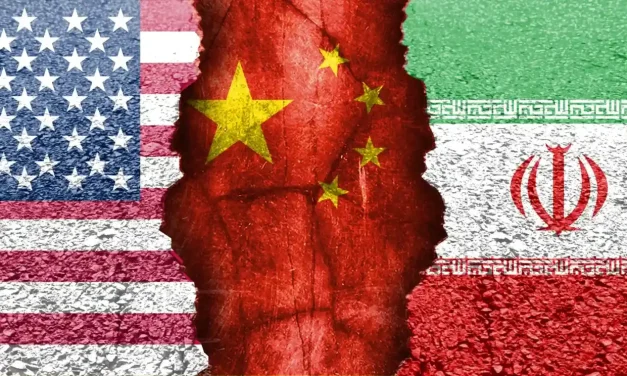
Strategic Council Online – Note: In today’s global politics, the creation of narratives has become as important as territorial control and economic management, and has turned into the main tool of great power competition.

Analysis of the Recognition of the Armenian Genocide by the Zionist Regime

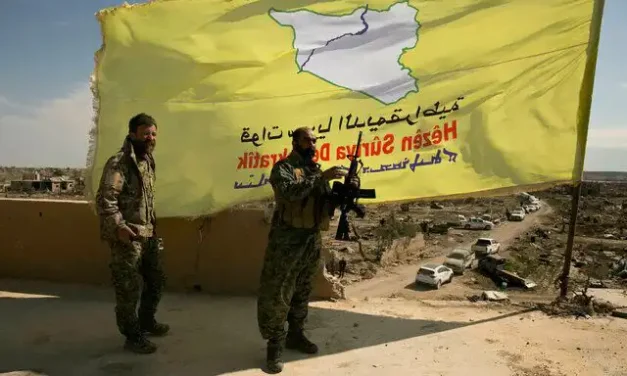
SCFR Online – Opinion: At a time when the West Asia region, particularly in recent months, has been undergoing the most complex political and security developments of the past half-century, the sudden decision by the cabinet of the Zionist regime to recognize the Armenian genocide committed by Turkey, which has faced strong condemnation and opposition from Ankara and Baku, raises questions.

Loading

Qais Saeed

Roots of the Crisis in Tunisia

Roots of the Crisis in Tunisia

Strategic Council Online – Since the fall of Ben Ali in Tunisia in 2011, the country has faced many surprises. The only country that was able to successfully overcome the Arab Spring and draft a constitution based on democracy was Tunisia. In Tunisia there is a semi-presidential system, a parliamentary government, and at the same time a president with very broad powers elected by the people; but the removal of the Tunisian prime minister by President Kais Saied, the dissolution of the parliament for a month, and the lifting of the immunity of deputies is the beginning of a new round of events in the country.
Mahmoud Fazeli – International affairs analyst

Behind the Scene of Recent Political Developments in Tunisia; Contrast between Secularism and Islamism

Behind the Scene of Recent Political Developments in Tunisia; Contrast between Secularism and Islamism

Strategic Council Online – An expert of Africa affairs commenting on the recent situation in Tunisia as the origin of countries where the Arab Spring took place and some dissatisfaction emerged from the people said: The recent protests in Tunisia are due to dissatisfaction of people and some political officials with the decisions of the Tunisian president who removed the prime minister and suspended the parliament in an unforeseen move.

Causes and Grounds for Political Crisis in Tunisia, Its Prospects

Causes and Grounds for Political Crisis in Tunisia, Its Prospects

Strategic Council Online – An expert on Africa affairs, explaining the causes and grounds for the recent public protests and political developments in Tunisia, said: On the one hand, the people of that country are disappointed with the management and efficiency of the parties, and on the other hand, there are concerns about the return of the dictatorship.

أحدث الوظائف

The war of narratives; a tool for geopolitical competition

Strategic Council Online – Note: In today’s global politics, the creation of narratives has become as important as territorial control and economic management, and has turned into the main tool of great power competition.

Analysis of the Recognition of the Armenian Genocide by the Zionist Regime

SCFR Online – Opinion: At a time when the West Asia region, particularly in recent months, has been undergoing the most complex political and security developments of the past half-century, the sudden decision by the cabinet of the Zionist regime to recognize the Armenian genocide committed by Turkey, which has faced strong condemnation and opposition from Ankara and Baku, raises questions.

Loading

Qais Saeed

Roots of the Crisis in Tunisia

Roots of the Crisis in Tunisia

Strategic Council Online – Since the fall of Ben Ali in Tunisia in 2011, the country has faced many surprises. The only country that was able to successfully overcome the Arab Spring and draft a constitution based on democracy was Tunisia. In Tunisia there is a semi-presidential system, a parliamentary government, and at the same time a president with very broad powers elected by the people; but the removal of the Tunisian prime minister by President Kais Saied, the dissolution of the parliament for a month, and the lifting of the immunity of deputies is the beginning of a new round of events in the country.
Mahmoud Fazeli – International affairs analyst

Behind the Scene of Recent Political Developments in Tunisia; Contrast between Secularism and Islamism

Behind the Scene of Recent Political Developments in Tunisia; Contrast between Secularism and Islamism

Strategic Council Online – An expert of Africa affairs commenting on the recent situation in Tunisia as the origin of countries where the Arab Spring took place and some dissatisfaction emerged from the people said: The recent protests in Tunisia are due to dissatisfaction of people and some political officials with the decisions of the Tunisian president who removed the prime minister and suspended the parliament in an unforeseen move.

Causes and Grounds for Political Crisis in Tunisia, Its Prospects

Causes and Grounds for Political Crisis in Tunisia, Its Prospects

Strategic Council Online – An expert on Africa affairs, explaining the causes and grounds for the recent public protests and political developments in Tunisia, said: On the one hand, the people of that country are disappointed with the management and efficiency of the parties, and on the other hand, there are concerns about the return of the dictatorship.

Qais Saeed

Roots of the Crisis in Tunisia

Roots of the Crisis in Tunisia

Strategic Council Online – Since the fall of Ben Ali in Tunisia in 2011, the country has faced many surprises. The only country that was able to successfully overcome the Arab Spring and draft a constitution based on democracy was Tunisia. In Tunisia there is a semi-presidential system, a parliamentary government, and at the same time a president with very broad powers elected by the people; but the removal of the Tunisian prime minister by President Kais Saied, the dissolution of the parliament for a month, and the lifting of the immunity of deputies is the beginning of a new round of events in the country.
Mahmoud Fazeli – International affairs analyst

Behind the Scene of Recent Political Developments in Tunisia; Contrast between Secularism and Islamism

Behind the Scene of Recent Political Developments in Tunisia; Contrast between Secularism and Islamism

Strategic Council Online – An expert of Africa affairs commenting on the recent situation in Tunisia as the origin of countries where the Arab Spring took place and some dissatisfaction emerged from the people said: The recent protests in Tunisia are due to dissatisfaction of people and some political officials with the decisions of the Tunisian president who removed the prime minister and suspended the parliament in an unforeseen move.

Causes and Grounds for Political Crisis in Tunisia, Its Prospects

Causes and Grounds for Political Crisis in Tunisia, Its Prospects

Strategic Council Online – An expert on Africa affairs, explaining the causes and grounds for the recent public protests and political developments in Tunisia, said: On the one hand, the people of that country are disappointed with the management and efficiency of the parties, and on the other hand, there are concerns about the return of the dictatorship.

LATEST CONTENT

The war of narratives; a tool for geopolitical competition

Strategic Council Online – Note: In today’s global politics, the creation of narratives has become as important as territorial control and economic management, and has turned into the main tool of great power competition.

Analysis of the Recognition of the Armenian Genocide by the Zionist Regime

SCFR Online – Opinion: At a time when the West Asia region, particularly in recent months, has been undergoing the most complex political and security developments of the past half-century, the sudden decision by the cabinet of the Zionist regime to recognize the Armenian genocide committed by Turkey, which has faced strong condemnation and opposition from Ankara and Baku, raises questions.

Loading

Qais Saeed

Roots of the Crisis in Tunisia

Roots of the Crisis in Tunisia

Strategic Council Online – Since the fall of Ben Ali in Tunisia in 2011, the country has faced many surprises. The only country that was able to successfully overcome the Arab Spring and draft a constitution based on democracy was Tunisia. In Tunisia there is a semi-presidential system, a parliamentary government, and at the same time a president with very broad powers elected by the people; but the removal of the Tunisian prime minister by President Kais Saied, the dissolution of the parliament for a month, and the lifting of the immunity of deputies is the beginning of a new round of events in the country.
Mahmoud Fazeli – International affairs analyst

Behind the Scene of Recent Political Developments in Tunisia; Contrast between Secularism and Islamism

Behind the Scene of Recent Political Developments in Tunisia; Contrast between Secularism and Islamism

Strategic Council Online – An expert of Africa affairs commenting on the recent situation in Tunisia as the origin of countries where the Arab Spring took place and some dissatisfaction emerged from the people said: The recent protests in Tunisia are due to dissatisfaction of people and some political officials with the decisions of the Tunisian president who removed the prime minister and suspended the parliament in an unforeseen move.

Causes and Grounds for Political Crisis in Tunisia, Its Prospects

Causes and Grounds for Political Crisis in Tunisia, Its Prospects

Strategic Council Online – An expert on Africa affairs, explaining the causes and grounds for the recent public protests and political developments in Tunisia, said: On the one hand, the people of that country are disappointed with the management and efficiency of the parties, and on the other hand, there are concerns about the return of the dictatorship.

ÚLTIMAS PUBLICACIONES

The war of narratives; a tool for geopolitical competition

Strategic Council Online – Note: In today’s global politics, the creation of narratives has become as important as territorial control and economic management, and has turned into the main tool of great power competition.

Analysis of the Recognition of the Armenian Genocide by the Zionist Regime

SCFR Online – Opinion: At a time when the West Asia region, particularly in recent months, has been undergoing the most complex political and security developments of the past half-century, the sudden decision by the cabinet of the Zionist regime to recognize the Armenian genocide committed by Turkey, which has faced strong condemnation and opposition from Ankara and Baku, raises questions.

Loading

Qais Saeed

Roots of the Crisis in Tunisia

Roots of the Crisis in Tunisia

Strategic Council Online – Since the fall of Ben Ali in Tunisia in 2011, the country has faced many surprises. The only country that was able to successfully overcome the Arab Spring and draft a constitution based on democracy was Tunisia. In Tunisia there is a semi-presidential system, a parliamentary government, and at the same time a president with very broad powers elected by the people; but the removal of the Tunisian prime minister by President Kais Saied, the dissolution of the parliament for a month, and the lifting of the immunity of deputies is the beginning of a new round of events in the country.
Mahmoud Fazeli – International affairs analyst

Behind the Scene of Recent Political Developments in Tunisia; Contrast between Secularism and Islamism

Behind the Scene of Recent Political Developments in Tunisia; Contrast between Secularism and Islamism

Strategic Council Online – An expert of Africa affairs commenting on the recent situation in Tunisia as the origin of countries where the Arab Spring took place and some dissatisfaction emerged from the people said: The recent protests in Tunisia are due to dissatisfaction of people and some political officials with the decisions of the Tunisian president who removed the prime minister and suspended the parliament in an unforeseen move.

Causes and Grounds for Political Crisis in Tunisia, Its Prospects

Causes and Grounds for Political Crisis in Tunisia, Its Prospects

Strategic Council Online – An expert on Africa affairs, explaining the causes and grounds for the recent public protests and political developments in Tunisia, said: On the one hand, the people of that country are disappointed with the management and efficiency of the parties, and on the other hand, there are concerns about the return of the dictatorship.

ÚLTIMAS PUBLICACIONES

The war of narratives; a tool for geopolitical competition

Strategic Council Online – Note: In today’s global politics, the creation of narratives has become as important as territorial control and economic management, and has turned into the main tool of great power competition.

Analysis of the Recognition of the Armenian Genocide by the Zionist Regime

SCFR Online – Opinion: At a time when the West Asia region, particularly in recent months, has been undergoing the most complex political and security developments of the past half-century, the sudden decision by the cabinet of the Zionist regime to recognize the Armenian genocide committed by Turkey, which has faced strong condemnation and opposition from Ankara and Baku, raises questions.

Loading

Qais Saeed

Roots of the Crisis in Tunisia

Roots of the Crisis in Tunisia

Strategic Council Online – Since the fall of Ben Ali in Tunisia in 2011, the country has faced many surprises. The only country that was able to successfully overcome the Arab Spring and draft a constitution based on democracy was Tunisia. In Tunisia there is a semi-presidential system, a parliamentary government, and at the same time a president with very broad powers elected by the people; but the removal of the Tunisian prime minister by President Kais Saied, the dissolution of the parliament for a month, and the lifting of the immunity of deputies is the beginning of a new round of events in the country.
Mahmoud Fazeli – International affairs analyst

Behind the Scene of Recent Political Developments in Tunisia; Contrast between Secularism and Islamism

Behind the Scene of Recent Political Developments in Tunisia; Contrast between Secularism and Islamism

Strategic Council Online – An expert of Africa affairs commenting on the recent situation in Tunisia as the origin of countries where the Arab Spring took place and some dissatisfaction emerged from the people said: The recent protests in Tunisia are due to dissatisfaction of people and some political officials with the decisions of the Tunisian president who removed the prime minister and suspended the parliament in an unforeseen move.

Causes and Grounds for Political Crisis in Tunisia, Its Prospects

Causes and Grounds for Political Crisis in Tunisia, Its Prospects

Strategic Council Online – An expert on Africa affairs, explaining the causes and grounds for the recent public protests and political developments in Tunisia, said: On the one hand, the people of that country are disappointed with the management and efficiency of the parties, and on the other hand, there are concerns about the return of the dictatorship.

ÚLTIMAS PUBLICACIONES

The war of narratives; a tool for geopolitical competition

Strategic Council Online – Note: In today’s global politics, the creation of narratives has become as important as territorial control and economic management, and has turned into the main tool of great power competition.

Analysis of the Recognition of the Armenian Genocide by the Zionist Regime

SCFR Online – Opinion: At a time when the West Asia region, particularly in recent months, has been undergoing the most complex political and security developments of the past half-century, the sudden decision by the cabinet of the Zionist regime to recognize the Armenian genocide committed by Turkey, which has faced strong condemnation and opposition from Ankara and Baku, raises questions.

Loading

Qais Saeed

Roots of the Crisis in Tunisia

Roots of the Crisis in Tunisia

Strategic Council Online – Since the fall of Ben Ali in Tunisia in 2011, the country has faced many surprises. The only country that was able to successfully overcome the Arab Spring and draft a constitution based on democracy was Tunisia. In Tunisia there is a semi-presidential system, a parliamentary government, and at the same time a president with very broad powers elected by the people; but the removal of the Tunisian prime minister by President Kais Saied, the dissolution of the parliament for a month, and the lifting of the immunity of deputies is the beginning of a new round of events in the country.
Mahmoud Fazeli – International affairs analyst

Behind the Scene of Recent Political Developments in Tunisia; Contrast between Secularism and Islamism

Behind the Scene of Recent Political Developments in Tunisia; Contrast between Secularism and Islamism

Strategic Council Online – An expert of Africa affairs commenting on the recent situation in Tunisia as the origin of countries where the Arab Spring took place and some dissatisfaction emerged from the people said: The recent protests in Tunisia are due to dissatisfaction of people and some political officials with the decisions of the Tunisian president who removed the prime minister and suspended the parliament in an unforeseen move.

Causes and Grounds for Political Crisis in Tunisia, Its Prospects

Causes and Grounds for Political Crisis in Tunisia, Its Prospects

Strategic Council Online – An expert on Africa affairs, explaining the causes and grounds for the recent public protests and political developments in Tunisia, said: On the one hand, the people of that country are disappointed with the management and efficiency of the parties, and on the other hand, there are concerns about the return of the dictatorship.

ÚLTIMAS PUBLICACIONES

The war of narratives; a tool for geopolitical competition

Strategic Council Online – Note: In today’s global politics, the creation of narratives has become as important as territorial control and economic management, and has turned into the main tool of great power competition.

Analysis of the Recognition of the Armenian Genocide by the Zionist Regime

SCFR Online – Opinion: At a time when the West Asia region, particularly in recent months, has been undergoing the most complex political and security developments of the past half-century, the sudden decision by the cabinet of the Zionist regime to recognize the Armenian genocide committed by Turkey, which has faced strong condemnation and opposition from Ankara and Baku, raises questions.

Loading