جدیدترین مطالب

Balancing in the chain of chokepoints; from sea-based deterrence to pluralistic diplomacy

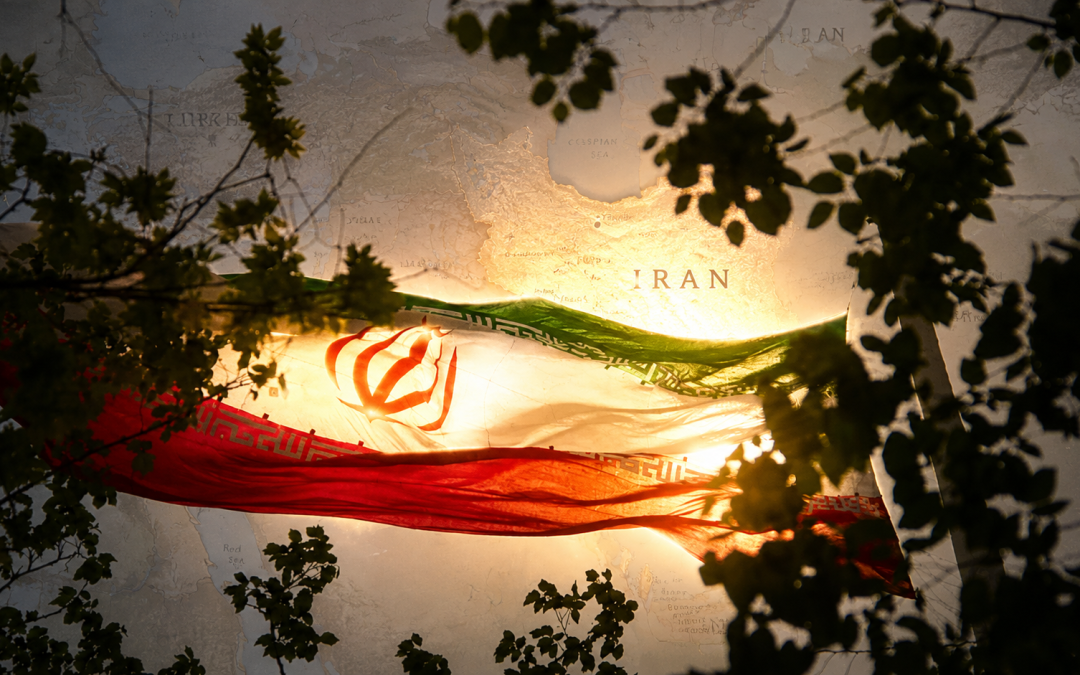
Strategic Council Online – Note: Recent developments in the political geography of West Asia, from rising tensions in the Persian Gulf to missile and drone activities in the Red Sea and the recent warning by Kaja Kallas, the European Union’s foreign policy chief, regarding the threat to freedom of navigation, indicate a key pattern shift; the US-Iran war has moved beyond the scope of a regional and local confrontation and has linked two vital passageways for the global economy: the Strait of Hormuz and the Bab el-Mandeb Strait.

Indicators for Choosing Between War and Diplomacy

SCFR Online – Opinion: Foreign policy analysis is valid when it evaluates decisions based on the information and circumstances prevailing at the time they were made, not on the basis of outcomes that only become apparent after the crisis has ended.

Loading

Ramadan War

Analysis of the New Security Order in the Region

Analysis of the New Security Order in the Region

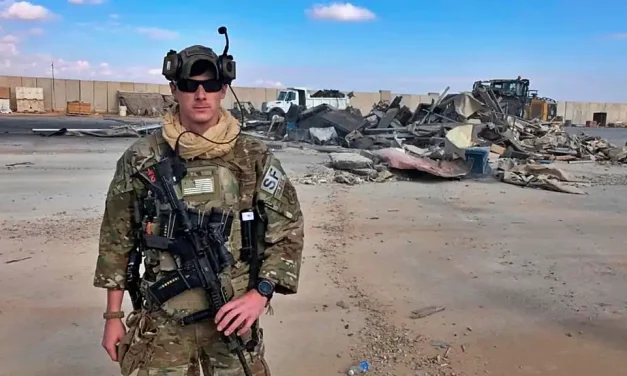
Strategic Council Online – Guest Note: The recent military aggression by the United States and the Israeli regime against the Islamic Republic of Iran in the early months of 2026, beyond a periodic tension, has acted as a catalyst for a fundamental reconfiguration of the Middle East’s geopolitical order.

Europe’s Enduring Dependence on Persian Gulf Energy

Europe’s Enduring Dependence on Persian Gulf Energy

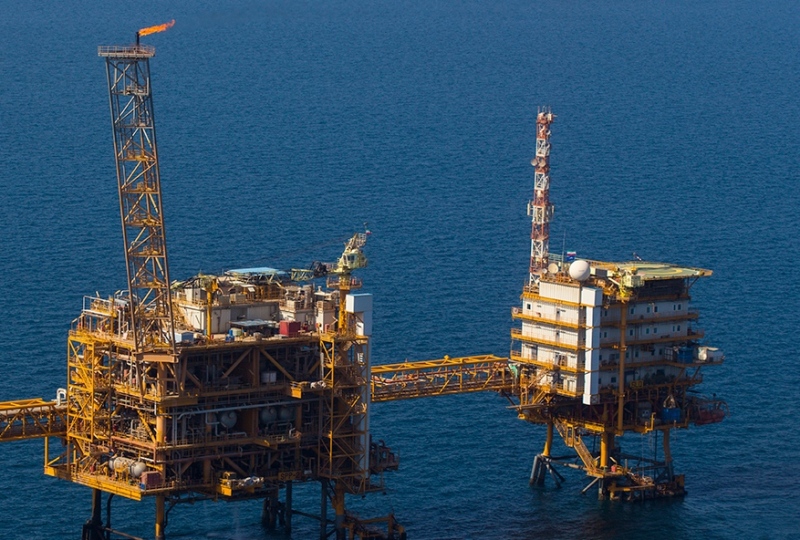
SCFR Online – Opinion: The dominant discourse in the field of European energy security over the past two decades has revolved around diversification of supply sources and the gradual reduction of dependence on fossil fuels. This narrative, which gained particular momentum after the Ukraine gas crisis in 2006 and its intensification in 2014 and 2022, was based on the assumption that Europe could free itself from the geopolitical vulnerabilities arising from dependence on specific suppliers through investment in renewable energy, imports of liquefied natural gas from diversified sources, and the establishment of new infrastructure. However, a closer analysis of energy trade data and the structure of the global oil and gas supply chain presents a different picture. Europe has not only failed to meaningfully reduce its dependence on the Persian Gulf, but in some sectors — particularly in liquefied natural gas imports — this dependence has deepened. This reality, which is often overlooked in public discourse, raises fundamental questions about the sustainability of Europe’s energy security strategies and their impact on regional power equations.

An Analysis of Hezbollah Lebanon’s Significant Role in the Ramadan War

An Analysis of Hezbollah Lebanon’s Significant Role in the Ramadan War

SCFR Online – Interview: An analyst of West Asian affairs and former Iranian diplomat in Beirut, stating that Hezbollah Lebanon has played a pivotal role in recent regional developments, remarked: “Hezbollah Lebanon has strengthened the Axis of Resistance in the Ramadan War.”

أحدث الوظائف

Balancing in the chain of chokepoints; from sea-based deterrence to pluralistic diplomacy

Strategic Council Online – Note: Recent developments in the political geography of West Asia, from rising tensions in the Persian Gulf to missile and drone activities in the Red Sea and the recent warning by Kaja Kallas, the European Union’s foreign policy chief, regarding the threat to freedom of navigation, indicate a key pattern shift; the US-Iran war has moved beyond the scope of a regional and local confrontation and has linked two vital passageways for the global economy: the Strait of Hormuz and the Bab el-Mandeb Strait.

Indicators for Choosing Between War and Diplomacy

SCFR Online – Opinion: Foreign policy analysis is valid when it evaluates decisions based on the information and circumstances prevailing at the time they were made, not on the basis of outcomes that only become apparent after the crisis has ended.

Loading

Ramadan War

Analysis of the New Security Order in the Region

Analysis of the New Security Order in the Region

Strategic Council Online – Guest Note: The recent military aggression by the United States and the Israeli regime against the Islamic Republic of Iran in the early months of 2026, beyond a periodic tension, has acted as a catalyst for a fundamental reconfiguration of the Middle East’s geopolitical order.

Europe’s Enduring Dependence on Persian Gulf Energy

Europe’s Enduring Dependence on Persian Gulf Energy

SCFR Online – Opinion: The dominant discourse in the field of European energy security over the past two decades has revolved around diversification of supply sources and the gradual reduction of dependence on fossil fuels. This narrative, which gained particular momentum after the Ukraine gas crisis in 2006 and its intensification in 2014 and 2022, was based on the assumption that Europe could free itself from the geopolitical vulnerabilities arising from dependence on specific suppliers through investment in renewable energy, imports of liquefied natural gas from diversified sources, and the establishment of new infrastructure. However, a closer analysis of energy trade data and the structure of the global oil and gas supply chain presents a different picture. Europe has not only failed to meaningfully reduce its dependence on the Persian Gulf, but in some sectors — particularly in liquefied natural gas imports — this dependence has deepened. This reality, which is often overlooked in public discourse, raises fundamental questions about the sustainability of Europe’s energy security strategies and their impact on regional power equations.

An Analysis of Hezbollah Lebanon’s Significant Role in the Ramadan War

An Analysis of Hezbollah Lebanon’s Significant Role in the Ramadan War

SCFR Online – Interview: An analyst of West Asian affairs and former Iranian diplomat in Beirut, stating that Hezbollah Lebanon has played a pivotal role in recent regional developments, remarked: “Hezbollah Lebanon has strengthened the Axis of Resistance in the Ramadan War.”

Ramadan War

Analysis of the New Security Order in the Region

Analysis of the New Security Order in the Region

Strategic Council Online – Guest Note: The recent military aggression by the United States and the Israeli regime against the Islamic Republic of Iran in the early months of 2026, beyond a periodic tension, has acted as a catalyst for a fundamental reconfiguration of the Middle East’s geopolitical order.

Europe’s Enduring Dependence on Persian Gulf Energy

Europe’s Enduring Dependence on Persian Gulf Energy

SCFR Online – Opinion: The dominant discourse in the field of European energy security over the past two decades has revolved around diversification of supply sources and the gradual reduction of dependence on fossil fuels. This narrative, which gained particular momentum after the Ukraine gas crisis in 2006 and its intensification in 2014 and 2022, was based on the assumption that Europe could free itself from the geopolitical vulnerabilities arising from dependence on specific suppliers through investment in renewable energy, imports of liquefied natural gas from diversified sources, and the establishment of new infrastructure. However, a closer analysis of energy trade data and the structure of the global oil and gas supply chain presents a different picture. Europe has not only failed to meaningfully reduce its dependence on the Persian Gulf, but in some sectors — particularly in liquefied natural gas imports — this dependence has deepened. This reality, which is often overlooked in public discourse, raises fundamental questions about the sustainability of Europe’s energy security strategies and their impact on regional power equations.

An Analysis of Hezbollah Lebanon’s Significant Role in the Ramadan War

An Analysis of Hezbollah Lebanon’s Significant Role in the Ramadan War

SCFR Online – Interview: An analyst of West Asian affairs and former Iranian diplomat in Beirut, stating that Hezbollah Lebanon has played a pivotal role in recent regional developments, remarked: “Hezbollah Lebanon has strengthened the Axis of Resistance in the Ramadan War.”

LATEST CONTENT

Balancing in the chain of chokepoints; from sea-based deterrence to pluralistic diplomacy

Strategic Council Online – Note: Recent developments in the political geography of West Asia, from rising tensions in the Persian Gulf to missile and drone activities in the Red Sea and the recent warning by Kaja Kallas, the European Union’s foreign policy chief, regarding the threat to freedom of navigation, indicate a key pattern shift; the US-Iran war has moved beyond the scope of a regional and local confrontation and has linked two vital passageways for the global economy: the Strait of Hormuz and the Bab el-Mandeb Strait.

Indicators for Choosing Between War and Diplomacy

SCFR Online – Opinion: Foreign policy analysis is valid when it evaluates decisions based on the information and circumstances prevailing at the time they were made, not on the basis of outcomes that only become apparent after the crisis has ended.

Loading

Ramadan War

Analysis of the New Security Order in the Region

Analysis of the New Security Order in the Region

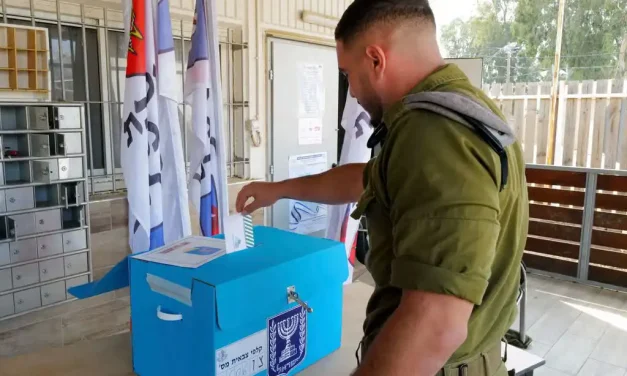
Strategic Council Online – Guest Note: The recent military aggression by the United States and the Israeli regime against the Islamic Republic of Iran in the early months of 2026, beyond a periodic tension, has acted as a catalyst for a fundamental reconfiguration of the Middle East’s geopolitical order.

Europe’s Enduring Dependence on Persian Gulf Energy

Europe’s Enduring Dependence on Persian Gulf Energy

SCFR Online – Opinion: The dominant discourse in the field of European energy security over the past two decades has revolved around diversification of supply sources and the gradual reduction of dependence on fossil fuels. This narrative, which gained particular momentum after the Ukraine gas crisis in 2006 and its intensification in 2014 and 2022, was based on the assumption that Europe could free itself from the geopolitical vulnerabilities arising from dependence on specific suppliers through investment in renewable energy, imports of liquefied natural gas from diversified sources, and the establishment of new infrastructure. However, a closer analysis of energy trade data and the structure of the global oil and gas supply chain presents a different picture. Europe has not only failed to meaningfully reduce its dependence on the Persian Gulf, but in some sectors — particularly in liquefied natural gas imports — this dependence has deepened. This reality, which is often overlooked in public discourse, raises fundamental questions about the sustainability of Europe’s energy security strategies and their impact on regional power equations.

An Analysis of Hezbollah Lebanon’s Significant Role in the Ramadan War

An Analysis of Hezbollah Lebanon’s Significant Role in the Ramadan War

SCFR Online – Interview: An analyst of West Asian affairs and former Iranian diplomat in Beirut, stating that Hezbollah Lebanon has played a pivotal role in recent regional developments, remarked: “Hezbollah Lebanon has strengthened the Axis of Resistance in the Ramadan War.”

ÚLTIMAS PUBLICACIONES

Balancing in the chain of chokepoints; from sea-based deterrence to pluralistic diplomacy

Strategic Council Online – Note: Recent developments in the political geography of West Asia, from rising tensions in the Persian Gulf to missile and drone activities in the Red Sea and the recent warning by Kaja Kallas, the European Union’s foreign policy chief, regarding the threat to freedom of navigation, indicate a key pattern shift; the US-Iran war has moved beyond the scope of a regional and local confrontation and has linked two vital passageways for the global economy: the Strait of Hormuz and the Bab el-Mandeb Strait.

Indicators for Choosing Between War and Diplomacy

SCFR Online – Opinion: Foreign policy analysis is valid when it evaluates decisions based on the information and circumstances prevailing at the time they were made, not on the basis of outcomes that only become apparent after the crisis has ended.

Loading

Ramadan War

Analysis of the New Security Order in the Region

Analysis of the New Security Order in the Region

Strategic Council Online – Guest Note: The recent military aggression by the United States and the Israeli regime against the Islamic Republic of Iran in the early months of 2026, beyond a periodic tension, has acted as a catalyst for a fundamental reconfiguration of the Middle East’s geopolitical order.

Europe’s Enduring Dependence on Persian Gulf Energy

Europe’s Enduring Dependence on Persian Gulf Energy

SCFR Online – Opinion: The dominant discourse in the field of European energy security over the past two decades has revolved around diversification of supply sources and the gradual reduction of dependence on fossil fuels. This narrative, which gained particular momentum after the Ukraine gas crisis in 2006 and its intensification in 2014 and 2022, was based on the assumption that Europe could free itself from the geopolitical vulnerabilities arising from dependence on specific suppliers through investment in renewable energy, imports of liquefied natural gas from diversified sources, and the establishment of new infrastructure. However, a closer analysis of energy trade data and the structure of the global oil and gas supply chain presents a different picture. Europe has not only failed to meaningfully reduce its dependence on the Persian Gulf, but in some sectors — particularly in liquefied natural gas imports — this dependence has deepened. This reality, which is often overlooked in public discourse, raises fundamental questions about the sustainability of Europe’s energy security strategies and their impact on regional power equations.

An Analysis of Hezbollah Lebanon’s Significant Role in the Ramadan War

An Analysis of Hezbollah Lebanon’s Significant Role in the Ramadan War

SCFR Online – Interview: An analyst of West Asian affairs and former Iranian diplomat in Beirut, stating that Hezbollah Lebanon has played a pivotal role in recent regional developments, remarked: “Hezbollah Lebanon has strengthened the Axis of Resistance in the Ramadan War.”

ÚLTIMAS PUBLICACIONES

Balancing in the chain of chokepoints; from sea-based deterrence to pluralistic diplomacy

Strategic Council Online – Note: Recent developments in the political geography of West Asia, from rising tensions in the Persian Gulf to missile and drone activities in the Red Sea and the recent warning by Kaja Kallas, the European Union’s foreign policy chief, regarding the threat to freedom of navigation, indicate a key pattern shift; the US-Iran war has moved beyond the scope of a regional and local confrontation and has linked two vital passageways for the global economy: the Strait of Hormuz and the Bab el-Mandeb Strait.

Indicators for Choosing Between War and Diplomacy

SCFR Online – Opinion: Foreign policy analysis is valid when it evaluates decisions based on the information and circumstances prevailing at the time they were made, not on the basis of outcomes that only become apparent after the crisis has ended.

Loading

Ramadan War

Analysis of the New Security Order in the Region

Analysis of the New Security Order in the Region

Strategic Council Online – Guest Note: The recent military aggression by the United States and the Israeli regime against the Islamic Republic of Iran in the early months of 2026, beyond a periodic tension, has acted as a catalyst for a fundamental reconfiguration of the Middle East’s geopolitical order.

Europe’s Enduring Dependence on Persian Gulf Energy

Europe’s Enduring Dependence on Persian Gulf Energy

SCFR Online – Opinion: The dominant discourse in the field of European energy security over the past two decades has revolved around diversification of supply sources and the gradual reduction of dependence on fossil fuels. This narrative, which gained particular momentum after the Ukraine gas crisis in 2006 and its intensification in 2014 and 2022, was based on the assumption that Europe could free itself from the geopolitical vulnerabilities arising from dependence on specific suppliers through investment in renewable energy, imports of liquefied natural gas from diversified sources, and the establishment of new infrastructure. However, a closer analysis of energy trade data and the structure of the global oil and gas supply chain presents a different picture. Europe has not only failed to meaningfully reduce its dependence on the Persian Gulf, but in some sectors — particularly in liquefied natural gas imports — this dependence has deepened. This reality, which is often overlooked in public discourse, raises fundamental questions about the sustainability of Europe’s energy security strategies and their impact on regional power equations.

An Analysis of Hezbollah Lebanon’s Significant Role in the Ramadan War

An Analysis of Hezbollah Lebanon’s Significant Role in the Ramadan War

SCFR Online – Interview: An analyst of West Asian affairs and former Iranian diplomat in Beirut, stating that Hezbollah Lebanon has played a pivotal role in recent regional developments, remarked: “Hezbollah Lebanon has strengthened the Axis of Resistance in the Ramadan War.”

ÚLTIMAS PUBLICACIONES

Balancing in the chain of chokepoints; from sea-based deterrence to pluralistic diplomacy

Strategic Council Online – Note: Recent developments in the political geography of West Asia, from rising tensions in the Persian Gulf to missile and drone activities in the Red Sea and the recent warning by Kaja Kallas, the European Union’s foreign policy chief, regarding the threat to freedom of navigation, indicate a key pattern shift; the US-Iran war has moved beyond the scope of a regional and local confrontation and has linked two vital passageways for the global economy: the Strait of Hormuz and the Bab el-Mandeb Strait.

Indicators for Choosing Between War and Diplomacy

SCFR Online – Opinion: Foreign policy analysis is valid when it evaluates decisions based on the information and circumstances prevailing at the time they were made, not on the basis of outcomes that only become apparent after the crisis has ended.

Loading

Ramadan War

Analysis of the New Security Order in the Region

Analysis of the New Security Order in the Region

Strategic Council Online – Guest Note: The recent military aggression by the United States and the Israeli regime against the Islamic Republic of Iran in the early months of 2026, beyond a periodic tension, has acted as a catalyst for a fundamental reconfiguration of the Middle East’s geopolitical order.

Europe’s Enduring Dependence on Persian Gulf Energy

Europe’s Enduring Dependence on Persian Gulf Energy

SCFR Online – Opinion: The dominant discourse in the field of European energy security over the past two decades has revolved around diversification of supply sources and the gradual reduction of dependence on fossil fuels. This narrative, which gained particular momentum after the Ukraine gas crisis in 2006 and its intensification in 2014 and 2022, was based on the assumption that Europe could free itself from the geopolitical vulnerabilities arising from dependence on specific suppliers through investment in renewable energy, imports of liquefied natural gas from diversified sources, and the establishment of new infrastructure. However, a closer analysis of energy trade data and the structure of the global oil and gas supply chain presents a different picture. Europe has not only failed to meaningfully reduce its dependence on the Persian Gulf, but in some sectors — particularly in liquefied natural gas imports — this dependence has deepened. This reality, which is often overlooked in public discourse, raises fundamental questions about the sustainability of Europe’s energy security strategies and their impact on regional power equations.

An Analysis of Hezbollah Lebanon’s Significant Role in the Ramadan War

An Analysis of Hezbollah Lebanon’s Significant Role in the Ramadan War

SCFR Online – Interview: An analyst of West Asian affairs and former Iranian diplomat in Beirut, stating that Hezbollah Lebanon has played a pivotal role in recent regional developments, remarked: “Hezbollah Lebanon has strengthened the Axis of Resistance in the Ramadan War.”

ÚLTIMAS PUBLICACIONES

Balancing in the chain of chokepoints; from sea-based deterrence to pluralistic diplomacy

Strategic Council Online – Note: Recent developments in the political geography of West Asia, from rising tensions in the Persian Gulf to missile and drone activities in the Red Sea and the recent warning by Kaja Kallas, the European Union’s foreign policy chief, regarding the threat to freedom of navigation, indicate a key pattern shift; the US-Iran war has moved beyond the scope of a regional and local confrontation and has linked two vital passageways for the global economy: the Strait of Hormuz and the Bab el-Mandeb Strait.

Indicators for Choosing Between War and Diplomacy

SCFR Online – Opinion: Foreign policy analysis is valid when it evaluates decisions based on the information and circumstances prevailing at the time they were made, not on the basis of outcomes that only become apparent after the crisis has ended.

Loading