Reasons for the Ineffectiveness of Trump’s “Economic War” against Iran
SCFR Online – Opinion: The intensification of U.S. sanctions against Iran on the eve of the U.S. midterm elections indicates Washington’s inability to achieve its war objectives.


SCFR Online – Opinion: The intensification of U.S. sanctions against Iran on the eve of the U.S. midterm elections indicates Washington’s inability to achieve its war objectives.

SCFR Online – Opinion: The competition between Washington and Beijing over chips and artificial intelligence, simultaneously with the shifting of technological balances, has taken on new economic and security dimensions.
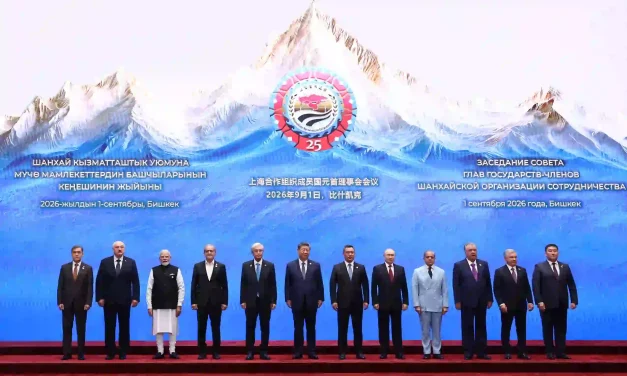
SCFR Online – Opinion: The Shanghai Cooperation Organization summit has created a new opportunity for Iran to transform its membership from a political achievement into economic and transit cooperation.
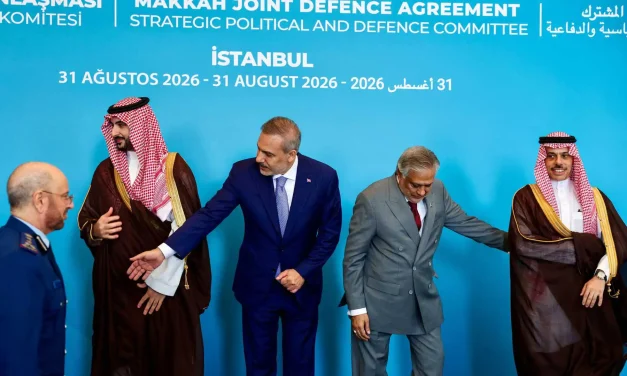
Strategic Council Online – Note: The Makkah Defense Pact can be seen as a sign of regional countries’ efforts to reduce security dependence on extra-regional powers and redefine the balance in West Asia.

SCFR Online – Opinion: The Ukraine war, by exhausting US military capability on one hand and strengthening European defense capacity on the other, has altered the balance of power in the European continent, cast uncertainty over NATO’s future, and is driving it toward a European NATO.
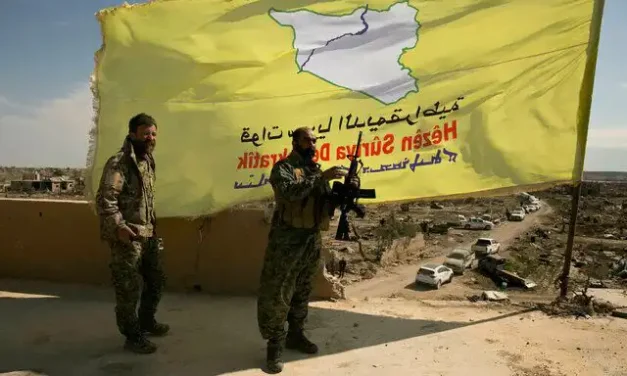
SCFR Online – Opinion: The dissolution of the SDF, although considered an achievement for Turkey’s security, does not put an end to the challenges arising from the Israeli regime’s aggression and expansionism, refugees, and Syria’s fragility.
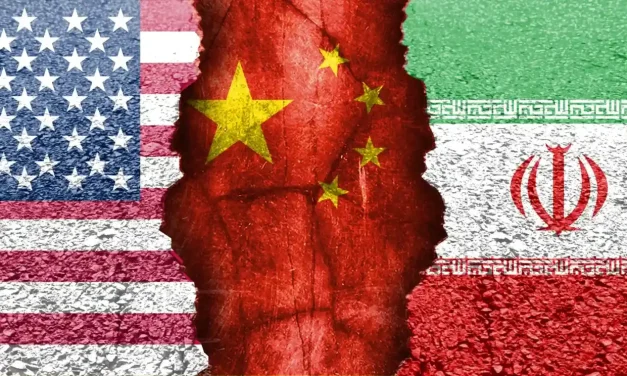
SCFR Online – Opinion: Concurrent with the official commencement of the United States’ economic war against our country, focusing on sanctions instruments, isolation, and economic pressure, what has now become increasingly important is the lack of alignment of other major global powers, especially China, with this policy.

SCFR Online – Opinion: The new US sanctions against Iran, despite extensive propaganda, face serious obstacles to success due to the ineffectiveness of sanctions tools and opposition from some of Tehran’s trading partners.


Strategic Council Online—Interview: “The main goal of Saudi Arabia and its allies is to put pressure on the resistance in Lebanon,” said a university professor, noting that Saudi Arabia’s interests in the current situation revolve around chaos and insecurity in Lebanon and the fragility of the government.

Strategic Council Online – Opinion: Governments, as key players in the international system, seek to survive, achieve security, and or secure interests and accumulate power. In the chaotic environment of the international system, in terms of threats, conflicts, or in order to secure interests and influence, states unite, line up, and form a coalition “with” or “against” other states.
Abed Akbari-Expert of international issues

Strategic Council Online – Opinion: On October 14, a group of Lebanese people, invited by the Lebanese Hezbollah and the Amal movement, gathered in front of the Lebanese Ministry of Justice, between Ain al-Rummaneh and Tayouneh areas, to protest the political process of investigation into the Beirut bombing, especially the performance of the judge investigating the incident, Mr. Tariq Bitar. The demonstrators were shot by the assailants affiliated to the Lebanese Forces led by Samir Geagea, “one of the parties to the Lebanese civil war and one of the present allies in the Western-Arab axis,” was witnessed which led to the killing and wounding of many protesters.
Hossein Ajorloo – expert on Middle East affairs

Strategic Council Online – Interview: An expert on West Asia affairs said that the Zionist regime is confined within internal economic challenges, social behaviors based on anonymity, lack of history, culture and social confusion, adding: The real data about the Zionist regime show that the arguments about the collapse of the regime are not based solely on analysis, but on a fact that is revealed by real statistics and numbers.

Strategic Council Online—Interview: A professor of the College of Law and Political Sciences of the University of Tehran says the presence of the US in Syria has not been taken place with the request of the Syrian government and does not aim at providing aid for the people of Syria but it is a bullying presence which is in violation of the Charter of the United Nations and the international law.

Strategic Council Online – An expert on West Asia affairs, regarding the Biden administration’s view on the Syrian issue said: With the transfer of power from Republicans to Democrats, many analysts in the West Asian region have expressed optimism that the Syrian issue will be resolved through multilateral talks with actors involved in the crisis. In explaining the reasons for that, they have pointed to factors such as lack of priority of Syria for the United States, Biden’s announced policies focusing on East Asia and strategic competition with China and Russia, and the financial and military cost of the West Asian crisis for the United States.

Strategic Council Online—Interview: An analyst of Iraq issues says the Hashd al-Shabi march marked the celebration of the admission of this force as an independent force in future, adding that the United States has reached the conclusion that Hashd al-Shabi will be an inseparable force of Iraq military in future and that’s why their approach has changed from dissolving Hashd al-Shabi to changing its nature.

Strategic Council Online—Interview: An analyst of Western Asia affairs says even though the new government of the Zionist regime has been formed out of a coalition of rightist, leftist and moderate parties, one may witness more radical moves in order to create stronger unity among them, adding that Israel did not expect a resolute missile response from resistance groups in the 12-day war and under such circumstances, it would not be easy for the Zionist regime to attack Gaza once again.

Strategic Council Online—Interview: An expert of West Asia affairs says public uprisings in the region are a backup and complementary for more legitimacy for the resistance axis, adding that in the recent Gaza war “we witnessed the formation of a serious uprising among the nations of the region and was an emphasis on the point that normalization of relations with the Zionist regime has not had any impact on the knowledge and demands of nations.”

Strategic Council Online – Netanyahu’s ouster should be seen as an important “turning point” in the developments of recent years in the occupied territories. During the past 12 years, Netanyahu made great efforts to advance anti-Palestinian plans. He is stepping down despite the fact that, contrary to his criminal objectives and actions, Palestine and the resistance groups not only have not been weakened but have achieved important dimensions of power and strategic balance in the occupied territories. At the end of Netanyahu’s 12-year presidency, the “myth of Israel’s invincibility” was shattered.
Hamid Khoshayand – international affairs analyst
SCFR Online – Opinion: The intensification of U.S. sanctions against Iran on the eve of the U.S. midterm elections indicates Washington’s inability to achieve its war objectives.
SCFR Online – Opinion: The competition between Washington and Beijing over chips and artificial intelligence, simultaneously with the shifting of technological balances, has taken on new economic and security dimensions.
SCFR Online – Opinion: The Shanghai Cooperation Organization summit has created a new opportunity for Iran to transform its membership from a political achievement into economic and transit cooperation.
Strategic Council Online – Note: The Makkah Defense Pact can be seen as a sign of regional countries’ efforts to reduce security dependence on extra-regional powers and redefine the balance in West Asia.
SCFR Online – Opinion: The Ukraine war, by exhausting US military capability on one hand and strengthening European defense capacity on the other, has altered the balance of power in the European continent, cast uncertainty over NATO’s future, and is driving it toward a European NATO.
SCFR Online – Opinion: The dissolution of the SDF, although considered an achievement for Turkey’s security, does not put an end to the challenges arising from the Israeli regime’s aggression and expansionism, refugees, and Syria’s fragility.
SCFR Online – Opinion: Concurrent with the official commencement of the United States’ economic war against our country, focusing on sanctions instruments, isolation, and economic pressure, what has now become increasingly important is the lack of alignment of other major global powers, especially China, with this policy.
SCFR Online – Opinion: The new US sanctions against Iran, despite extensive propaganda, face serious obstacles to success due to the ineffectiveness of sanctions tools and opposition from some of Tehran’s trading partners.
Strategic Council Online—Interview: “The main goal of Saudi Arabia and its allies is to put pressure on the resistance in Lebanon,” said a university professor, noting that Saudi Arabia’s interests in the current situation revolve around chaos and insecurity in Lebanon and the fragility of the government.
Strategic Council Online – Opinion: Governments, as key players in the international system, seek to survive, achieve security, and or secure interests and accumulate power. In the chaotic environment of the international system, in terms of threats, conflicts, or in order to secure interests and influence, states unite, line up, and form a coalition “with” or “against” other states.
Abed Akbari-Expert of international issues
Strategic Council Online – Opinion: On October 14, a group of Lebanese people, invited by the Lebanese Hezbollah and the Amal movement, gathered in front of the Lebanese Ministry of Justice, between Ain al-Rummaneh and Tayouneh areas, to protest the political process of investigation into the Beirut bombing, especially the performance of the judge investigating the incident, Mr. Tariq Bitar. The demonstrators were shot by the assailants affiliated to the Lebanese Forces led by Samir Geagea, “one of the parties to the Lebanese civil war and one of the present allies in the Western-Arab axis,” was witnessed which led to the killing and wounding of many protesters.
Hossein Ajorloo – expert on Middle East affairs
Strategic Council Online – Interview: An expert on West Asia affairs said that the Zionist regime is confined within internal economic challenges, social behaviors based on anonymity, lack of history, culture and social confusion, adding: The real data about the Zionist regime show that the arguments about the collapse of the regime are not based solely on analysis, but on a fact that is revealed by real statistics and numbers.
Strategic Council Online—Interview: A professor of the College of Law and Political Sciences of the University of Tehran says the presence of the US in Syria has not been taken place with the request of the Syrian government and does not aim at providing aid for the people of Syria but it is a bullying presence which is in violation of the Charter of the United Nations and the international law.
Strategic Council Online – An expert on West Asia affairs, regarding the Biden administration’s view on the Syrian issue said: With the transfer of power from Republicans to Democrats, many analysts in the West Asian region have expressed optimism that the Syrian issue will be resolved through multilateral talks with actors involved in the crisis. In explaining the reasons for that, they have pointed to factors such as lack of priority of Syria for the United States, Biden’s announced policies focusing on East Asia and strategic competition with China and Russia, and the financial and military cost of the West Asian crisis for the United States.
Strategic Council Online—Interview: An analyst of Iraq issues says the Hashd al-Shabi march marked the celebration of the admission of this force as an independent force in future, adding that the United States has reached the conclusion that Hashd al-Shabi will be an inseparable force of Iraq military in future and that’s why their approach has changed from dissolving Hashd al-Shabi to changing its nature.
Strategic Council Online—Interview: An analyst of Western Asia affairs says even though the new government of the Zionist regime has been formed out of a coalition of rightist, leftist and moderate parties, one may witness more radical moves in order to create stronger unity among them, adding that Israel did not expect a resolute missile response from resistance groups in the 12-day war and under such circumstances, it would not be easy for the Zionist regime to attack Gaza once again.
Strategic Council Online—Interview: An expert of West Asia affairs says public uprisings in the region are a backup and complementary for more legitimacy for the resistance axis, adding that in the recent Gaza war “we witnessed the formation of a serious uprising among the nations of the region and was an emphasis on the point that normalization of relations with the Zionist regime has not had any impact on the knowledge and demands of nations.”
Strategic Council Online – Netanyahu’s ouster should be seen as an important “turning point” in the developments of recent years in the occupied territories. During the past 12 years, Netanyahu made great efforts to advance anti-Palestinian plans. He is stepping down despite the fact that, contrary to his criminal objectives and actions, Palestine and the resistance groups not only have not been weakened but have achieved important dimensions of power and strategic balance in the occupied territories. At the end of Netanyahu’s 12-year presidency, the “myth of Israel’s invincibility” was shattered.
Hamid Khoshayand – international affairs analyst
Strategic Council Online—Interview: “The main goal of Saudi Arabia and its allies is to put pressure on the resistance in Lebanon,” said a university professor, noting that Saudi Arabia’s interests in the current situation revolve around chaos and insecurity in Lebanon and the fragility of the government.
Strategic Council Online – Opinion: Governments, as key players in the international system, seek to survive, achieve security, and or secure interests and accumulate power. In the chaotic environment of the international system, in terms of threats, conflicts, or in order to secure interests and influence, states unite, line up, and form a coalition “with” or “against” other states.
Abed Akbari-Expert of international issues
Strategic Council Online – Opinion: On October 14, a group of Lebanese people, invited by the Lebanese Hezbollah and the Amal movement, gathered in front of the Lebanese Ministry of Justice, between Ain al-Rummaneh and Tayouneh areas, to protest the political process of investigation into the Beirut bombing, especially the performance of the judge investigating the incident, Mr. Tariq Bitar. The demonstrators were shot by the assailants affiliated to the Lebanese Forces led by Samir Geagea, “one of the parties to the Lebanese civil war and one of the present allies in the Western-Arab axis,” was witnessed which led to the killing and wounding of many protesters.
Hossein Ajorloo – expert on Middle East affairs
Strategic Council Online – Interview: An expert on West Asia affairs said that the Zionist regime is confined within internal economic challenges, social behaviors based on anonymity, lack of history, culture and social confusion, adding: The real data about the Zionist regime show that the arguments about the collapse of the regime are not based solely on analysis, but on a fact that is revealed by real statistics and numbers.
Strategic Council Online—Interview: A professor of the College of Law and Political Sciences of the University of Tehran says the presence of the US in Syria has not been taken place with the request of the Syrian government and does not aim at providing aid for the people of Syria but it is a bullying presence which is in violation of the Charter of the United Nations and the international law.
Strategic Council Online – An expert on West Asia affairs, regarding the Biden administration’s view on the Syrian issue said: With the transfer of power from Republicans to Democrats, many analysts in the West Asian region have expressed optimism that the Syrian issue will be resolved through multilateral talks with actors involved in the crisis. In explaining the reasons for that, they have pointed to factors such as lack of priority of Syria for the United States, Biden’s announced policies focusing on East Asia and strategic competition with China and Russia, and the financial and military cost of the West Asian crisis for the United States.
Strategic Council Online—Interview: An analyst of Iraq issues says the Hashd al-Shabi march marked the celebration of the admission of this force as an independent force in future, adding that the United States has reached the conclusion that Hashd al-Shabi will be an inseparable force of Iraq military in future and that’s why their approach has changed from dissolving Hashd al-Shabi to changing its nature.
Strategic Council Online—Interview: An analyst of Western Asia affairs says even though the new government of the Zionist regime has been formed out of a coalition of rightist, leftist and moderate parties, one may witness more radical moves in order to create stronger unity among them, adding that Israel did not expect a resolute missile response from resistance groups in the 12-day war and under such circumstances, it would not be easy for the Zionist regime to attack Gaza once again.
Strategic Council Online—Interview: An expert of West Asia affairs says public uprisings in the region are a backup and complementary for more legitimacy for the resistance axis, adding that in the recent Gaza war “we witnessed the formation of a serious uprising among the nations of the region and was an emphasis on the point that normalization of relations with the Zionist regime has not had any impact on the knowledge and demands of nations.”
Strategic Council Online – Netanyahu’s ouster should be seen as an important “turning point” in the developments of recent years in the occupied territories. During the past 12 years, Netanyahu made great efforts to advance anti-Palestinian plans. He is stepping down despite the fact that, contrary to his criminal objectives and actions, Palestine and the resistance groups not only have not been weakened but have achieved important dimensions of power and strategic balance in the occupied territories. At the end of Netanyahu’s 12-year presidency, the “myth of Israel’s invincibility” was shattered.
Hamid Khoshayand – international affairs analyst
SCFR Online – Opinion: The intensification of U.S. sanctions against Iran on the eve of the U.S. midterm elections indicates Washington’s inability to achieve its war objectives.
SCFR Online – Opinion: The competition between Washington and Beijing over chips and artificial intelligence, simultaneously with the shifting of technological balances, has taken on new economic and security dimensions.
SCFR Online – Opinion: The Shanghai Cooperation Organization summit has created a new opportunity for Iran to transform its membership from a political achievement into economic and transit cooperation.
Strategic Council Online – Note: The Makkah Defense Pact can be seen as a sign of regional countries’ efforts to reduce security dependence on extra-regional powers and redefine the balance in West Asia.
SCFR Online – Opinion: The Ukraine war, by exhausting US military capability on one hand and strengthening European defense capacity on the other, has altered the balance of power in the European continent, cast uncertainty over NATO’s future, and is driving it toward a European NATO.
SCFR Online – Opinion: The dissolution of the SDF, although considered an achievement for Turkey’s security, does not put an end to the challenges arising from the Israeli regime’s aggression and expansionism, refugees, and Syria’s fragility.
SCFR Online – Opinion: Concurrent with the official commencement of the United States’ economic war against our country, focusing on sanctions instruments, isolation, and economic pressure, what has now become increasingly important is the lack of alignment of other major global powers, especially China, with this policy.
SCFR Online – Opinion: The new US sanctions against Iran, despite extensive propaganda, face serious obstacles to success due to the ineffectiveness of sanctions tools and opposition from some of Tehran’s trading partners.
Strategic Council Online—Interview: “The main goal of Saudi Arabia and its allies is to put pressure on the resistance in Lebanon,” said a university professor, noting that Saudi Arabia’s interests in the current situation revolve around chaos and insecurity in Lebanon and the fragility of the government.
Strategic Council Online – Opinion: Governments, as key players in the international system, seek to survive, achieve security, and or secure interests and accumulate power. In the chaotic environment of the international system, in terms of threats, conflicts, or in order to secure interests and influence, states unite, line up, and form a coalition “with” or “against” other states.
Abed Akbari-Expert of international issues
Strategic Council Online – Opinion: On October 14, a group of Lebanese people, invited by the Lebanese Hezbollah and the Amal movement, gathered in front of the Lebanese Ministry of Justice, between Ain al-Rummaneh and Tayouneh areas, to protest the political process of investigation into the Beirut bombing, especially the performance of the judge investigating the incident, Mr. Tariq Bitar. The demonstrators were shot by the assailants affiliated to the Lebanese Forces led by Samir Geagea, “one of the parties to the Lebanese civil war and one of the present allies in the Western-Arab axis,” was witnessed which led to the killing and wounding of many protesters.
Hossein Ajorloo – expert on Middle East affairs
Strategic Council Online – Interview: An expert on West Asia affairs said that the Zionist regime is confined within internal economic challenges, social behaviors based on anonymity, lack of history, culture and social confusion, adding: The real data about the Zionist regime show that the arguments about the collapse of the regime are not based solely on analysis, but on a fact that is revealed by real statistics and numbers.
Strategic Council Online—Interview: A professor of the College of Law and Political Sciences of the University of Tehran says the presence of the US in Syria has not been taken place with the request of the Syrian government and does not aim at providing aid for the people of Syria but it is a bullying presence which is in violation of the Charter of the United Nations and the international law.
Strategic Council Online – An expert on West Asia affairs, regarding the Biden administration’s view on the Syrian issue said: With the transfer of power from Republicans to Democrats, many analysts in the West Asian region have expressed optimism that the Syrian issue will be resolved through multilateral talks with actors involved in the crisis. In explaining the reasons for that, they have pointed to factors such as lack of priority of Syria for the United States, Biden’s announced policies focusing on East Asia and strategic competition with China and Russia, and the financial and military cost of the West Asian crisis for the United States.
Strategic Council Online—Interview: An analyst of Iraq issues says the Hashd al-Shabi march marked the celebration of the admission of this force as an independent force in future, adding that the United States has reached the conclusion that Hashd al-Shabi will be an inseparable force of Iraq military in future and that’s why their approach has changed from dissolving Hashd al-Shabi to changing its nature.
Strategic Council Online—Interview: An analyst of Western Asia affairs says even though the new government of the Zionist regime has been formed out of a coalition of rightist, leftist and moderate parties, one may witness more radical moves in order to create stronger unity among them, adding that Israel did not expect a resolute missile response from resistance groups in the 12-day war and under such circumstances, it would not be easy for the Zionist regime to attack Gaza once again.
Strategic Council Online—Interview: An expert of West Asia affairs says public uprisings in the region are a backup and complementary for more legitimacy for the resistance axis, adding that in the recent Gaza war “we witnessed the formation of a serious uprising among the nations of the region and was an emphasis on the point that normalization of relations with the Zionist regime has not had any impact on the knowledge and demands of nations.”
Strategic Council Online – Netanyahu’s ouster should be seen as an important “turning point” in the developments of recent years in the occupied territories. During the past 12 years, Netanyahu made great efforts to advance anti-Palestinian plans. He is stepping down despite the fact that, contrary to his criminal objectives and actions, Palestine and the resistance groups not only have not been weakened but have achieved important dimensions of power and strategic balance in the occupied territories. At the end of Netanyahu’s 12-year presidency, the “myth of Israel’s invincibility” was shattered.
Hamid Khoshayand – international affairs analyst
SCFR Online – Opinion: The intensification of U.S. sanctions against Iran on the eve of the U.S. midterm elections indicates Washington’s inability to achieve its war objectives.
SCFR Online – Opinion: The competition between Washington and Beijing over chips and artificial intelligence, simultaneously with the shifting of technological balances, has taken on new economic and security dimensions.
SCFR Online – Opinion: The Shanghai Cooperation Organization summit has created a new opportunity for Iran to transform its membership from a political achievement into economic and transit cooperation.
Strategic Council Online – Note: The Makkah Defense Pact can be seen as a sign of regional countries’ efforts to reduce security dependence on extra-regional powers and redefine the balance in West Asia.
SCFR Online – Opinion: The Ukraine war, by exhausting US military capability on one hand and strengthening European defense capacity on the other, has altered the balance of power in the European continent, cast uncertainty over NATO’s future, and is driving it toward a European NATO.
SCFR Online – Opinion: The dissolution of the SDF, although considered an achievement for Turkey’s security, does not put an end to the challenges arising from the Israeli regime’s aggression and expansionism, refugees, and Syria’s fragility.
SCFR Online – Opinion: Concurrent with the official commencement of the United States’ economic war against our country, focusing on sanctions instruments, isolation, and economic pressure, what has now become increasingly important is the lack of alignment of other major global powers, especially China, with this policy.
SCFR Online – Opinion: The new US sanctions against Iran, despite extensive propaganda, face serious obstacles to success due to the ineffectiveness of sanctions tools and opposition from some of Tehran’s trading partners.
Strategic Council Online—Interview: “The main goal of Saudi Arabia and its allies is to put pressure on the resistance in Lebanon,” said a university professor, noting that Saudi Arabia’s interests in the current situation revolve around chaos and insecurity in Lebanon and the fragility of the government.
Strategic Council Online – Opinion: Governments, as key players in the international system, seek to survive, achieve security, and or secure interests and accumulate power. In the chaotic environment of the international system, in terms of threats, conflicts, or in order to secure interests and influence, states unite, line up, and form a coalition “with” or “against” other states.
Abed Akbari-Expert of international issues
Strategic Council Online – Opinion: On October 14, a group of Lebanese people, invited by the Lebanese Hezbollah and the Amal movement, gathered in front of the Lebanese Ministry of Justice, between Ain al-Rummaneh and Tayouneh areas, to protest the political process of investigation into the Beirut bombing, especially the performance of the judge investigating the incident, Mr. Tariq Bitar. The demonstrators were shot by the assailants affiliated to the Lebanese Forces led by Samir Geagea, “one of the parties to the Lebanese civil war and one of the present allies in the Western-Arab axis,” was witnessed which led to the killing and wounding of many protesters.
Hossein Ajorloo – expert on Middle East affairs
Strategic Council Online – Interview: An expert on West Asia affairs said that the Zionist regime is confined within internal economic challenges, social behaviors based on anonymity, lack of history, culture and social confusion, adding: The real data about the Zionist regime show that the arguments about the collapse of the regime are not based solely on analysis, but on a fact that is revealed by real statistics and numbers.
Strategic Council Online—Interview: A professor of the College of Law and Political Sciences of the University of Tehran says the presence of the US in Syria has not been taken place with the request of the Syrian government and does not aim at providing aid for the people of Syria but it is a bullying presence which is in violation of the Charter of the United Nations and the international law.
Strategic Council Online – An expert on West Asia affairs, regarding the Biden administration’s view on the Syrian issue said: With the transfer of power from Republicans to Democrats, many analysts in the West Asian region have expressed optimism that the Syrian issue will be resolved through multilateral talks with actors involved in the crisis. In explaining the reasons for that, they have pointed to factors such as lack of priority of Syria for the United States, Biden’s announced policies focusing on East Asia and strategic competition with China and Russia, and the financial and military cost of the West Asian crisis for the United States.
Strategic Council Online—Interview: An analyst of Iraq issues says the Hashd al-Shabi march marked the celebration of the admission of this force as an independent force in future, adding that the United States has reached the conclusion that Hashd al-Shabi will be an inseparable force of Iraq military in future and that’s why their approach has changed from dissolving Hashd al-Shabi to changing its nature.
Strategic Council Online—Interview: An analyst of Western Asia affairs says even though the new government of the Zionist regime has been formed out of a coalition of rightist, leftist and moderate parties, one may witness more radical moves in order to create stronger unity among them, adding that Israel did not expect a resolute missile response from resistance groups in the 12-day war and under such circumstances, it would not be easy for the Zionist regime to attack Gaza once again.
Strategic Council Online—Interview: An expert of West Asia affairs says public uprisings in the region are a backup and complementary for more legitimacy for the resistance axis, adding that in the recent Gaza war “we witnessed the formation of a serious uprising among the nations of the region and was an emphasis on the point that normalization of relations with the Zionist regime has not had any impact on the knowledge and demands of nations.”
Strategic Council Online – Netanyahu’s ouster should be seen as an important “turning point” in the developments of recent years in the occupied territories. During the past 12 years, Netanyahu made great efforts to advance anti-Palestinian plans. He is stepping down despite the fact that, contrary to his criminal objectives and actions, Palestine and the resistance groups not only have not been weakened but have achieved important dimensions of power and strategic balance in the occupied territories. At the end of Netanyahu’s 12-year presidency, the “myth of Israel’s invincibility” was shattered.
Hamid Khoshayand – international affairs analyst
SCFR Online – Opinion: The intensification of U.S. sanctions against Iran on the eve of the U.S. midterm elections indicates Washington’s inability to achieve its war objectives.
SCFR Online – Opinion: The competition between Washington and Beijing over chips and artificial intelligence, simultaneously with the shifting of technological balances, has taken on new economic and security dimensions.
SCFR Online – Opinion: The Shanghai Cooperation Organization summit has created a new opportunity for Iran to transform its membership from a political achievement into economic and transit cooperation.
Strategic Council Online – Note: The Makkah Defense Pact can be seen as a sign of regional countries’ efforts to reduce security dependence on extra-regional powers and redefine the balance in West Asia.
SCFR Online – Opinion: The Ukraine war, by exhausting US military capability on one hand and strengthening European defense capacity on the other, has altered the balance of power in the European continent, cast uncertainty over NATO’s future, and is driving it toward a European NATO.
SCFR Online – Opinion: The dissolution of the SDF, although considered an achievement for Turkey’s security, does not put an end to the challenges arising from the Israeli regime’s aggression and expansionism, refugees, and Syria’s fragility.
SCFR Online – Opinion: Concurrent with the official commencement of the United States’ economic war against our country, focusing on sanctions instruments, isolation, and economic pressure, what has now become increasingly important is the lack of alignment of other major global powers, especially China, with this policy.
SCFR Online – Opinion: The new US sanctions against Iran, despite extensive propaganda, face serious obstacles to success due to the ineffectiveness of sanctions tools and opposition from some of Tehran’s trading partners.
Strategic Council Online—Interview: “The main goal of Saudi Arabia and its allies is to put pressure on the resistance in Lebanon,” said a university professor, noting that Saudi Arabia’s interests in the current situation revolve around chaos and insecurity in Lebanon and the fragility of the government.
Strategic Council Online – Opinion: Governments, as key players in the international system, seek to survive, achieve security, and or secure interests and accumulate power. In the chaotic environment of the international system, in terms of threats, conflicts, or in order to secure interests and influence, states unite, line up, and form a coalition “with” or “against” other states.
Abed Akbari-Expert of international issues
Strategic Council Online – Opinion: On October 14, a group of Lebanese people, invited by the Lebanese Hezbollah and the Amal movement, gathered in front of the Lebanese Ministry of Justice, between Ain al-Rummaneh and Tayouneh areas, to protest the political process of investigation into the Beirut bombing, especially the performance of the judge investigating the incident, Mr. Tariq Bitar. The demonstrators were shot by the assailants affiliated to the Lebanese Forces led by Samir Geagea, “one of the parties to the Lebanese civil war and one of the present allies in the Western-Arab axis,” was witnessed which led to the killing and wounding of many protesters.
Hossein Ajorloo – expert on Middle East affairs
Strategic Council Online – Interview: An expert on West Asia affairs said that the Zionist regime is confined within internal economic challenges, social behaviors based on anonymity, lack of history, culture and social confusion, adding: The real data about the Zionist regime show that the arguments about the collapse of the regime are not based solely on analysis, but on a fact that is revealed by real statistics and numbers.
Strategic Council Online—Interview: A professor of the College of Law and Political Sciences of the University of Tehran says the presence of the US in Syria has not been taken place with the request of the Syrian government and does not aim at providing aid for the people of Syria but it is a bullying presence which is in violation of the Charter of the United Nations and the international law.
Strategic Council Online – An expert on West Asia affairs, regarding the Biden administration’s view on the Syrian issue said: With the transfer of power from Republicans to Democrats, many analysts in the West Asian region have expressed optimism that the Syrian issue will be resolved through multilateral talks with actors involved in the crisis. In explaining the reasons for that, they have pointed to factors such as lack of priority of Syria for the United States, Biden’s announced policies focusing on East Asia and strategic competition with China and Russia, and the financial and military cost of the West Asian crisis for the United States.
Strategic Council Online—Interview: An analyst of Iraq issues says the Hashd al-Shabi march marked the celebration of the admission of this force as an independent force in future, adding that the United States has reached the conclusion that Hashd al-Shabi will be an inseparable force of Iraq military in future and that’s why their approach has changed from dissolving Hashd al-Shabi to changing its nature.
Strategic Council Online—Interview: An analyst of Western Asia affairs says even though the new government of the Zionist regime has been formed out of a coalition of rightist, leftist and moderate parties, one may witness more radical moves in order to create stronger unity among them, adding that Israel did not expect a resolute missile response from resistance groups in the 12-day war and under such circumstances, it would not be easy for the Zionist regime to attack Gaza once again.
Strategic Council Online—Interview: An expert of West Asia affairs says public uprisings in the region are a backup and complementary for more legitimacy for the resistance axis, adding that in the recent Gaza war “we witnessed the formation of a serious uprising among the nations of the region and was an emphasis on the point that normalization of relations with the Zionist regime has not had any impact on the knowledge and demands of nations.”
Strategic Council Online – Netanyahu’s ouster should be seen as an important “turning point” in the developments of recent years in the occupied territories. During the past 12 years, Netanyahu made great efforts to advance anti-Palestinian plans. He is stepping down despite the fact that, contrary to his criminal objectives and actions, Palestine and the resistance groups not only have not been weakened but have achieved important dimensions of power and strategic balance in the occupied territories. At the end of Netanyahu’s 12-year presidency, the “myth of Israel’s invincibility” was shattered.
Hamid Khoshayand – international affairs analyst
SCFR Online – Opinion: The intensification of U.S. sanctions against Iran on the eve of the U.S. midterm elections indicates Washington’s inability to achieve its war objectives.
SCFR Online – Opinion: The competition between Washington and Beijing over chips and artificial intelligence, simultaneously with the shifting of technological balances, has taken on new economic and security dimensions.
SCFR Online – Opinion: The Shanghai Cooperation Organization summit has created a new opportunity for Iran to transform its membership from a political achievement into economic and transit cooperation.
Strategic Council Online – Note: The Makkah Defense Pact can be seen as a sign of regional countries’ efforts to reduce security dependence on extra-regional powers and redefine the balance in West Asia.
SCFR Online – Opinion: The Ukraine war, by exhausting US military capability on one hand and strengthening European defense capacity on the other, has altered the balance of power in the European continent, cast uncertainty over NATO’s future, and is driving it toward a European NATO.
SCFR Online – Opinion: The dissolution of the SDF, although considered an achievement for Turkey’s security, does not put an end to the challenges arising from the Israeli regime’s aggression and expansionism, refugees, and Syria’s fragility.
SCFR Online – Opinion: Concurrent with the official commencement of the United States’ economic war against our country, focusing on sanctions instruments, isolation, and economic pressure, what has now become increasingly important is the lack of alignment of other major global powers, especially China, with this policy.
SCFR Online – Opinion: The new US sanctions against Iran, despite extensive propaganda, face serious obstacles to success due to the ineffectiveness of sanctions tools and opposition from some of Tehran’s trading partners.
Strategic Council Online—Interview: “The main goal of Saudi Arabia and its allies is to put pressure on the resistance in Lebanon,” said a university professor, noting that Saudi Arabia’s interests in the current situation revolve around chaos and insecurity in Lebanon and the fragility of the government.
Strategic Council Online – Opinion: Governments, as key players in the international system, seek to survive, achieve security, and or secure interests and accumulate power. In the chaotic environment of the international system, in terms of threats, conflicts, or in order to secure interests and influence, states unite, line up, and form a coalition “with” or “against” other states.
Abed Akbari-Expert of international issues
Strategic Council Online – Opinion: On October 14, a group of Lebanese people, invited by the Lebanese Hezbollah and the Amal movement, gathered in front of the Lebanese Ministry of Justice, between Ain al-Rummaneh and Tayouneh areas, to protest the political process of investigation into the Beirut bombing, especially the performance of the judge investigating the incident, Mr. Tariq Bitar. The demonstrators were shot by the assailants affiliated to the Lebanese Forces led by Samir Geagea, “one of the parties to the Lebanese civil war and one of the present allies in the Western-Arab axis,” was witnessed which led to the killing and wounding of many protesters.
Hossein Ajorloo – expert on Middle East affairs
Strategic Council Online – Interview: An expert on West Asia affairs said that the Zionist regime is confined within internal economic challenges, social behaviors based on anonymity, lack of history, culture and social confusion, adding: The real data about the Zionist regime show that the arguments about the collapse of the regime are not based solely on analysis, but on a fact that is revealed by real statistics and numbers.
Strategic Council Online—Interview: A professor of the College of Law and Political Sciences of the University of Tehran says the presence of the US in Syria has not been taken place with the request of the Syrian government and does not aim at providing aid for the people of Syria but it is a bullying presence which is in violation of the Charter of the United Nations and the international law.
Strategic Council Online – An expert on West Asia affairs, regarding the Biden administration’s view on the Syrian issue said: With the transfer of power from Republicans to Democrats, many analysts in the West Asian region have expressed optimism that the Syrian issue will be resolved through multilateral talks with actors involved in the crisis. In explaining the reasons for that, they have pointed to factors such as lack of priority of Syria for the United States, Biden’s announced policies focusing on East Asia and strategic competition with China and Russia, and the financial and military cost of the West Asian crisis for the United States.
Strategic Council Online—Interview: An analyst of Iraq issues says the Hashd al-Shabi march marked the celebration of the admission of this force as an independent force in future, adding that the United States has reached the conclusion that Hashd al-Shabi will be an inseparable force of Iraq military in future and that’s why their approach has changed from dissolving Hashd al-Shabi to changing its nature.
Strategic Council Online—Interview: An analyst of Western Asia affairs says even though the new government of the Zionist regime has been formed out of a coalition of rightist, leftist and moderate parties, one may witness more radical moves in order to create stronger unity among them, adding that Israel did not expect a resolute missile response from resistance groups in the 12-day war and under such circumstances, it would not be easy for the Zionist regime to attack Gaza once again.
Strategic Council Online—Interview: An expert of West Asia affairs says public uprisings in the region are a backup and complementary for more legitimacy for the resistance axis, adding that in the recent Gaza war “we witnessed the formation of a serious uprising among the nations of the region and was an emphasis on the point that normalization of relations with the Zionist regime has not had any impact on the knowledge and demands of nations.”
Strategic Council Online – Netanyahu’s ouster should be seen as an important “turning point” in the developments of recent years in the occupied territories. During the past 12 years, Netanyahu made great efforts to advance anti-Palestinian plans. He is stepping down despite the fact that, contrary to his criminal objectives and actions, Palestine and the resistance groups not only have not been weakened but have achieved important dimensions of power and strategic balance in the occupied territories. At the end of Netanyahu’s 12-year presidency, the “myth of Israel’s invincibility” was shattered.
Hamid Khoshayand – international affairs analyst
SCFR Online – Opinion: The intensification of U.S. sanctions against Iran on the eve of the U.S. midterm elections indicates Washington’s inability to achieve its war objectives.
SCFR Online – Opinion: The competition between Washington and Beijing over chips and artificial intelligence, simultaneously with the shifting of technological balances, has taken on new economic and security dimensions.
SCFR Online – Opinion: The Shanghai Cooperation Organization summit has created a new opportunity for Iran to transform its membership from a political achievement into economic and transit cooperation.
Strategic Council Online – Note: The Makkah Defense Pact can be seen as a sign of regional countries’ efforts to reduce security dependence on extra-regional powers and redefine the balance in West Asia.
SCFR Online – Opinion: The Ukraine war, by exhausting US military capability on one hand and strengthening European defense capacity on the other, has altered the balance of power in the European continent, cast uncertainty over NATO’s future, and is driving it toward a European NATO.
SCFR Online – Opinion: The dissolution of the SDF, although considered an achievement for Turkey’s security, does not put an end to the challenges arising from the Israeli regime’s aggression and expansionism, refugees, and Syria’s fragility.
SCFR Online – Opinion: Concurrent with the official commencement of the United States’ economic war against our country, focusing on sanctions instruments, isolation, and economic pressure, what has now become increasingly important is the lack of alignment of other major global powers, especially China, with this policy.
SCFR Online – Opinion: The new US sanctions against Iran, despite extensive propaganda, face serious obstacles to success due to the ineffectiveness of sanctions tools and opposition from some of Tehran’s trading partners.