جدیدترین مطالب

The Makkah Pact; Reasons for its Formation and Challenges Ahead

SCFR Online – Opinion: The Makkah Pact, signed between Saudi Arabia, Pakistan, and Turkey under the motto “an attack on one is an attack on all,” is viewed by some analysts less as a full-fledged military coalition and more as an attempt to reduce security dependence on an external power and to establish a regional security mechanism.

Implications of the US-Saudi Nuclear Agreement

SCFR Online – Opinion: The new US-Saudi nuclear agreement, despite legal and political ambiguities, could alter previous non-proliferation standards in West Asia and intensify nuclear competition, ushering it into a new phase.

An Analysis of Recent Turkey-Israeli Regime Tensions

SCFR Online – Opinion: Recent developments in Syria indicate an intensification of strategic rivalry between Turkey and the Israeli regime, but mutual considerations and the role of the United States have limited the likelihood of direct war.

Increasing criticism of the extensive Zionist lobby network

SCFR Online – Opinion: An examination of the mechanisms of the Israeli regime’s influence in the United States depicts a complex picture of shared interests, strategic dependencies, and the limitations of this relationship.

Realities of the Tripartite Makkah Pact

SCFR Online – Interview: The signing of the Makkah agreement between Saudi Arabia, Pakistan, and Turkey has raised questions about the future of the region’s security structure and the position of these countries in West Asian equations. Can this agreement become a genuine collective defense mechanism, or does it have more of a political and deterrent function than creating new military capacity?

Strategic Implications of the Reduction of US Weapons Stockpiles

SCFR Online – Opinion: The continuation of the US war against Iran, in addition to increasing operational costs, has called into question the actual capacity of the American arsenal to simultaneously fulfill security commitments on multiple fronts; an issue that affects deterrence, defense production capacity, and Washington’s resource prioritization.

Loading

Russia

Trend of Global Political Economy Promises Formation of Multipolar World

Trend of Global Political Economy Promises Formation of Multipolar World

Strategic Council Online – A political economy analyst, referring to the common interests between the EU presidency, that is Germany, and China, said: The Germans are working in favour of China, and the growth in the trade figures of China-Europe relations shows the direction of future lineups in the world.

Prospects of Escalation of Tensions between Europe and Turkey

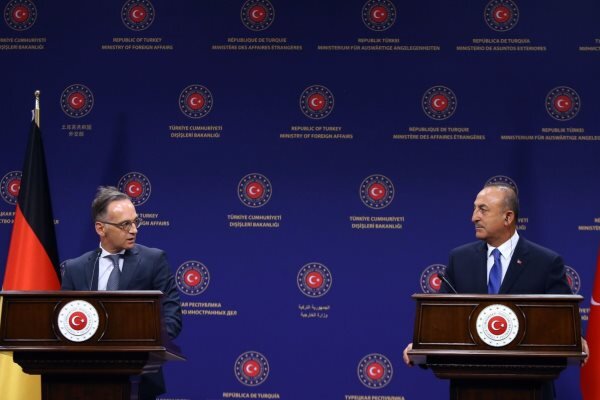
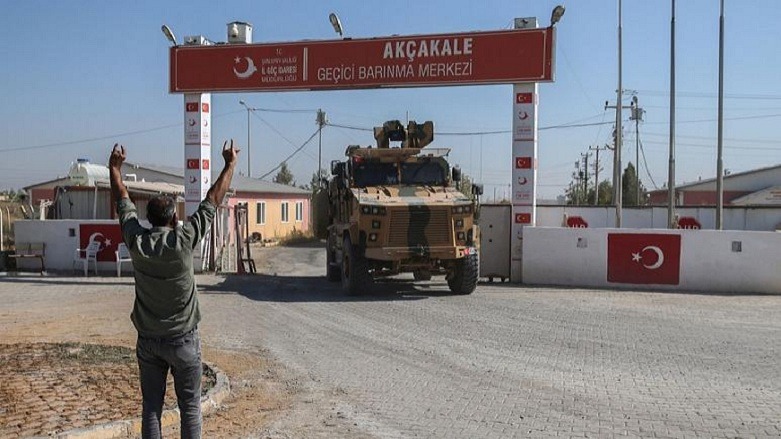
Prospects of Escalation of Tensions between Europe and Turkey

Strategic Council Online – An expert on Turkey’s affairs referred to some contradictory policies of Turkey and the European Union, especially on energy which has led to escalation of tensions and sanctions threats and said: The language of threats and sanctions cannot deter Turkey from its activities in the Eastern Mediterranean region; moreover, the militarization of the Mediterranean is neither in the interest of Turkey nor the European Union.

Prospects for negotiations to resolve the Libya crisis in Morocco

Prospects for negotiations to resolve the Libya crisis in Morocco

Strategic Council Online-Interview: A university professor says participants in the negotiations in Morocco are serious and determined to resolve the crisis in Libya, adding however that one cannot be optimistic about the outcome of the negotiations as there are ups and downs in the talks and the two sides are aware of the consequences of a war of attrition.

Stark differences in the OPEC Plus meeting

Stark differences in the OPEC Plus meeting

Strategic Council Online-Interview: A regional affairs analyst says one of the main reasons behind proximity among the majority of OPEC member states to increase the production of oil in the recent OPEN Plus meeting was to maintain the shares of these countries in global markets so that they could address the demands of the market in the near future.

International implications of the reduction in the US shale oil production

International implications of the reduction in the US shale oil production

Strategic Council Online—Editorial: Bloomberg recently published a report on the end of remarkable growth in the production of shale oil by the United States; of course, the reduction of shale oil production is not a new phenomenon. It actually began several months ago. However, the recent report indicates a rapid reduction at a level some analysts cannot envisage a growth in the shale oil production even for the year 2023.
Reza Majidzadeh-Economics researcher

Inefficiency of Minsk Group and Unclear Prospects of Karabakh Peace Deal

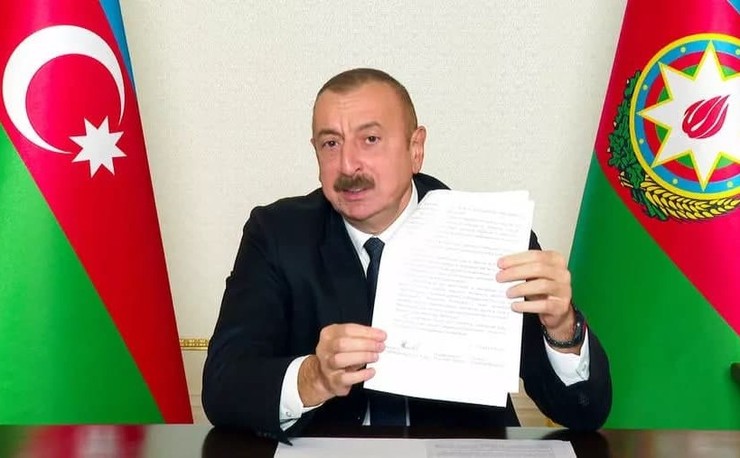
Inefficiency of Minsk Group and Unclear Prospects of Karabakh Peace Deal

Strategic Council Online – An expert on international affairs said: The most important challenge of the Karabakh crisis is that, despite the recent peace agreement, its future status is still ambiguous and unclear, and this could be the source and the beginning of a renewed conflict between Azerbaijan and Armenia.

Russia-EU Relations; Overshadowed by Reciprocal Sanctions

Russia-EU Relations; Overshadowed by Reciprocal Sanctions

Strategic Council Online –An expert on international affairs referred to the reciprocal sanctions between Russia and the European Union and said: In addition to the Crimea issue, espionage and anti-espionage activities have prevented Europe from approaching Russia, although Russia was trying to improve its relations with Europe but was not successful and still the relations are faced with serious challenges.

Strengthening Marine, Air Power, Britain’s Post-Brexit Strategy

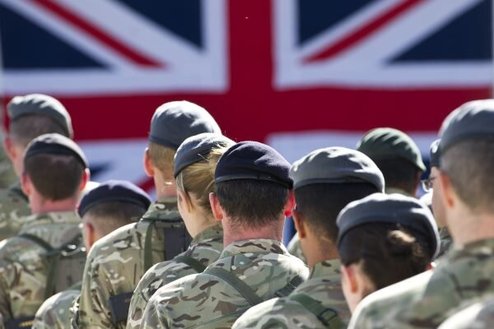
Strengthening Marine, Air Power, Britain’s Post-Brexit Strategy

Strategic Council Online – One of Britain’s responses to instability in liberal order that, in the aftermath of the World War II and together with the United States, has been its most important advocate and builder, is strategic self-reliance, by strengthening its defense capability and the noteworthy point in the new defense assessment of that country is the shift in orientation and focus on national defense and foreign security around the naval and air forces and establishment of more military bases outside Britain.
Dr. Hossein Mofidi Ahmadi – Researcher on Britain and Europe affairs

أحدث الوظائف

The Makkah Pact; Reasons for its Formation and Challenges Ahead

SCFR Online – Opinion: The Makkah Pact, signed between Saudi Arabia, Pakistan, and Turkey under the motto “an attack on one is an attack on all,” is viewed by some analysts less as a full-fledged military coalition and more as an attempt to reduce security dependence on an external power and to establish a regional security mechanism.

Implications of the US-Saudi Nuclear Agreement

SCFR Online – Opinion: The new US-Saudi nuclear agreement, despite legal and political ambiguities, could alter previous non-proliferation standards in West Asia and intensify nuclear competition, ushering it into a new phase.

An Analysis of Recent Turkey-Israeli Regime Tensions

SCFR Online – Opinion: Recent developments in Syria indicate an intensification of strategic rivalry between Turkey and the Israeli regime, but mutual considerations and the role of the United States have limited the likelihood of direct war.

Increasing criticism of the extensive Zionist lobby network

SCFR Online – Opinion: An examination of the mechanisms of the Israeli regime’s influence in the United States depicts a complex picture of shared interests, strategic dependencies, and the limitations of this relationship.

Realities of the Tripartite Makkah Pact

SCFR Online – Interview: The signing of the Makkah agreement between Saudi Arabia, Pakistan, and Turkey has raised questions about the future of the region’s security structure and the position of these countries in West Asian equations. Can this agreement become a genuine collective defense mechanism, or does it have more of a political and deterrent function than creating new military capacity?

Strategic Implications of the Reduction of US Weapons Stockpiles

SCFR Online – Opinion: The continuation of the US war against Iran, in addition to increasing operational costs, has called into question the actual capacity of the American arsenal to simultaneously fulfill security commitments on multiple fronts; an issue that affects deterrence, defense production capacity, and Washington’s resource prioritization.

Loading

Russia

Trend of Global Political Economy Promises Formation of Multipolar World

Trend of Global Political Economy Promises Formation of Multipolar World

Strategic Council Online – A political economy analyst, referring to the common interests between the EU presidency, that is Germany, and China, said: The Germans are working in favour of China, and the growth in the trade figures of China-Europe relations shows the direction of future lineups in the world.

Prospects of Escalation of Tensions between Europe and Turkey

Prospects of Escalation of Tensions between Europe and Turkey

Strategic Council Online – An expert on Turkey’s affairs referred to some contradictory policies of Turkey and the European Union, especially on energy which has led to escalation of tensions and sanctions threats and said: The language of threats and sanctions cannot deter Turkey from its activities in the Eastern Mediterranean region; moreover, the militarization of the Mediterranean is neither in the interest of Turkey nor the European Union.

Prospects for negotiations to resolve the Libya crisis in Morocco

Prospects for negotiations to resolve the Libya crisis in Morocco

Strategic Council Online-Interview: A university professor says participants in the negotiations in Morocco are serious and determined to resolve the crisis in Libya, adding however that one cannot be optimistic about the outcome of the negotiations as there are ups and downs in the talks and the two sides are aware of the consequences of a war of attrition.

Stark differences in the OPEC Plus meeting

Stark differences in the OPEC Plus meeting

Strategic Council Online-Interview: A regional affairs analyst says one of the main reasons behind proximity among the majority of OPEC member states to increase the production of oil in the recent OPEN Plus meeting was to maintain the shares of these countries in global markets so that they could address the demands of the market in the near future.

International implications of the reduction in the US shale oil production

International implications of the reduction in the US shale oil production

Strategic Council Online—Editorial: Bloomberg recently published a report on the end of remarkable growth in the production of shale oil by the United States; of course, the reduction of shale oil production is not a new phenomenon. It actually began several months ago. However, the recent report indicates a rapid reduction at a level some analysts cannot envisage a growth in the shale oil production even for the year 2023.
Reza Majidzadeh-Economics researcher

Inefficiency of Minsk Group and Unclear Prospects of Karabakh Peace Deal

Inefficiency of Minsk Group and Unclear Prospects of Karabakh Peace Deal

Strategic Council Online – An expert on international affairs said: The most important challenge of the Karabakh crisis is that, despite the recent peace agreement, its future status is still ambiguous and unclear, and this could be the source and the beginning of a renewed conflict between Azerbaijan and Armenia.

Russia-EU Relations; Overshadowed by Reciprocal Sanctions

Russia-EU Relations; Overshadowed by Reciprocal Sanctions

Strategic Council Online –An expert on international affairs referred to the reciprocal sanctions between Russia and the European Union and said: In addition to the Crimea issue, espionage and anti-espionage activities have prevented Europe from approaching Russia, although Russia was trying to improve its relations with Europe but was not successful and still the relations are faced with serious challenges.

Strengthening Marine, Air Power, Britain’s Post-Brexit Strategy

Strengthening Marine, Air Power, Britain’s Post-Brexit Strategy

Strategic Council Online – One of Britain’s responses to instability in liberal order that, in the aftermath of the World War II and together with the United States, has been its most important advocate and builder, is strategic self-reliance, by strengthening its defense capability and the noteworthy point in the new defense assessment of that country is the shift in orientation and focus on national defense and foreign security around the naval and air forces and establishment of more military bases outside Britain.
Dr. Hossein Mofidi Ahmadi – Researcher on Britain and Europe affairs

Russia

Trend of Global Political Economy Promises Formation of Multipolar World

Trend of Global Political Economy Promises Formation of Multipolar World

Strategic Council Online – A political economy analyst, referring to the common interests between the EU presidency, that is Germany, and China, said: The Germans are working in favour of China, and the growth in the trade figures of China-Europe relations shows the direction of future lineups in the world.

Prospects of Escalation of Tensions between Europe and Turkey

Prospects of Escalation of Tensions between Europe and Turkey

Strategic Council Online – An expert on Turkey’s affairs referred to some contradictory policies of Turkey and the European Union, especially on energy which has led to escalation of tensions and sanctions threats and said: The language of threats and sanctions cannot deter Turkey from its activities in the Eastern Mediterranean region; moreover, the militarization of the Mediterranean is neither in the interest of Turkey nor the European Union.

Prospects for negotiations to resolve the Libya crisis in Morocco

Prospects for negotiations to resolve the Libya crisis in Morocco

Strategic Council Online-Interview: A university professor says participants in the negotiations in Morocco are serious and determined to resolve the crisis in Libya, adding however that one cannot be optimistic about the outcome of the negotiations as there are ups and downs in the talks and the two sides are aware of the consequences of a war of attrition.

Stark differences in the OPEC Plus meeting

Stark differences in the OPEC Plus meeting

Strategic Council Online-Interview: A regional affairs analyst says one of the main reasons behind proximity among the majority of OPEC member states to increase the production of oil in the recent OPEN Plus meeting was to maintain the shares of these countries in global markets so that they could address the demands of the market in the near future.

International implications of the reduction in the US shale oil production

International implications of the reduction in the US shale oil production

Strategic Council Online—Editorial: Bloomberg recently published a report on the end of remarkable growth in the production of shale oil by the United States; of course, the reduction of shale oil production is not a new phenomenon. It actually began several months ago. However, the recent report indicates a rapid reduction at a level some analysts cannot envisage a growth in the shale oil production even for the year 2023.
Reza Majidzadeh-Economics researcher

Inefficiency of Minsk Group and Unclear Prospects of Karabakh Peace Deal

Inefficiency of Minsk Group and Unclear Prospects of Karabakh Peace Deal

Strategic Council Online – An expert on international affairs said: The most important challenge of the Karabakh crisis is that, despite the recent peace agreement, its future status is still ambiguous and unclear, and this could be the source and the beginning of a renewed conflict between Azerbaijan and Armenia.

Russia-EU Relations; Overshadowed by Reciprocal Sanctions

Russia-EU Relations; Overshadowed by Reciprocal Sanctions

Strategic Council Online –An expert on international affairs referred to the reciprocal sanctions between Russia and the European Union and said: In addition to the Crimea issue, espionage and anti-espionage activities have prevented Europe from approaching Russia, although Russia was trying to improve its relations with Europe but was not successful and still the relations are faced with serious challenges.

Strengthening Marine, Air Power, Britain’s Post-Brexit Strategy

Strengthening Marine, Air Power, Britain’s Post-Brexit Strategy

Strategic Council Online – One of Britain’s responses to instability in liberal order that, in the aftermath of the World War II and together with the United States, has been its most important advocate and builder, is strategic self-reliance, by strengthening its defense capability and the noteworthy point in the new defense assessment of that country is the shift in orientation and focus on national defense and foreign security around the naval and air forces and establishment of more military bases outside Britain.
Dr. Hossein Mofidi Ahmadi – Researcher on Britain and Europe affairs

LATEST CONTENT

The Makkah Pact; Reasons for its Formation and Challenges Ahead

SCFR Online – Opinion: The Makkah Pact, signed between Saudi Arabia, Pakistan, and Turkey under the motto “an attack on one is an attack on all,” is viewed by some analysts less as a full-fledged military coalition and more as an attempt to reduce security dependence on an external power and to establish a regional security mechanism.

Implications of the US-Saudi Nuclear Agreement

SCFR Online – Opinion: The new US-Saudi nuclear agreement, despite legal and political ambiguities, could alter previous non-proliferation standards in West Asia and intensify nuclear competition, ushering it into a new phase.

An Analysis of Recent Turkey-Israeli Regime Tensions

SCFR Online – Opinion: Recent developments in Syria indicate an intensification of strategic rivalry between Turkey and the Israeli regime, but mutual considerations and the role of the United States have limited the likelihood of direct war.

Increasing criticism of the extensive Zionist lobby network

SCFR Online – Opinion: An examination of the mechanisms of the Israeli regime’s influence in the United States depicts a complex picture of shared interests, strategic dependencies, and the limitations of this relationship.

Realities of the Tripartite Makkah Pact

SCFR Online – Interview: The signing of the Makkah agreement between Saudi Arabia, Pakistan, and Turkey has raised questions about the future of the region’s security structure and the position of these countries in West Asian equations. Can this agreement become a genuine collective defense mechanism, or does it have more of a political and deterrent function than creating new military capacity?

Strategic Implications of the Reduction of US Weapons Stockpiles

SCFR Online – Opinion: The continuation of the US war against Iran, in addition to increasing operational costs, has called into question the actual capacity of the American arsenal to simultaneously fulfill security commitments on multiple fronts; an issue that affects deterrence, defense production capacity, and Washington’s resource prioritization.

Loading

Russia

Trend of Global Political Economy Promises Formation of Multipolar World

Trend of Global Political Economy Promises Formation of Multipolar World

Strategic Council Online – A political economy analyst, referring to the common interests between the EU presidency, that is Germany, and China, said: The Germans are working in favour of China, and the growth in the trade figures of China-Europe relations shows the direction of future lineups in the world.

Prospects of Escalation of Tensions between Europe and Turkey

Prospects of Escalation of Tensions between Europe and Turkey

Strategic Council Online – An expert on Turkey’s affairs referred to some contradictory policies of Turkey and the European Union, especially on energy which has led to escalation of tensions and sanctions threats and said: The language of threats and sanctions cannot deter Turkey from its activities in the Eastern Mediterranean region; moreover, the militarization of the Mediterranean is neither in the interest of Turkey nor the European Union.

Prospects for negotiations to resolve the Libya crisis in Morocco

Prospects for negotiations to resolve the Libya crisis in Morocco

Strategic Council Online-Interview: A university professor says participants in the negotiations in Morocco are serious and determined to resolve the crisis in Libya, adding however that one cannot be optimistic about the outcome of the negotiations as there are ups and downs in the talks and the two sides are aware of the consequences of a war of attrition.

Stark differences in the OPEC Plus meeting

Stark differences in the OPEC Plus meeting

Strategic Council Online-Interview: A regional affairs analyst says one of the main reasons behind proximity among the majority of OPEC member states to increase the production of oil in the recent OPEN Plus meeting was to maintain the shares of these countries in global markets so that they could address the demands of the market in the near future.

International implications of the reduction in the US shale oil production

International implications of the reduction in the US shale oil production

Strategic Council Online—Editorial: Bloomberg recently published a report on the end of remarkable growth in the production of shale oil by the United States; of course, the reduction of shale oil production is not a new phenomenon. It actually began several months ago. However, the recent report indicates a rapid reduction at a level some analysts cannot envisage a growth in the shale oil production even for the year 2023.
Reza Majidzadeh-Economics researcher

Inefficiency of Minsk Group and Unclear Prospects of Karabakh Peace Deal

Inefficiency of Minsk Group and Unclear Prospects of Karabakh Peace Deal

Strategic Council Online – An expert on international affairs said: The most important challenge of the Karabakh crisis is that, despite the recent peace agreement, its future status is still ambiguous and unclear, and this could be the source and the beginning of a renewed conflict between Azerbaijan and Armenia.

Russia-EU Relations; Overshadowed by Reciprocal Sanctions

Russia-EU Relations; Overshadowed by Reciprocal Sanctions

Strategic Council Online –An expert on international affairs referred to the reciprocal sanctions between Russia and the European Union and said: In addition to the Crimea issue, espionage and anti-espionage activities have prevented Europe from approaching Russia, although Russia was trying to improve its relations with Europe but was not successful and still the relations are faced with serious challenges.

Strengthening Marine, Air Power, Britain’s Post-Brexit Strategy

Strengthening Marine, Air Power, Britain’s Post-Brexit Strategy

Strategic Council Online – One of Britain’s responses to instability in liberal order that, in the aftermath of the World War II and together with the United States, has been its most important advocate and builder, is strategic self-reliance, by strengthening its defense capability and the noteworthy point in the new defense assessment of that country is the shift in orientation and focus on national defense and foreign security around the naval and air forces and establishment of more military bases outside Britain.
Dr. Hossein Mofidi Ahmadi – Researcher on Britain and Europe affairs

ÚLTIMAS PUBLICACIONES

The Makkah Pact; Reasons for its Formation and Challenges Ahead

SCFR Online – Opinion: The Makkah Pact, signed between Saudi Arabia, Pakistan, and Turkey under the motto “an attack on one is an attack on all,” is viewed by some analysts less as a full-fledged military coalition and more as an attempt to reduce security dependence on an external power and to establish a regional security mechanism.

Implications of the US-Saudi Nuclear Agreement

SCFR Online – Opinion: The new US-Saudi nuclear agreement, despite legal and political ambiguities, could alter previous non-proliferation standards in West Asia and intensify nuclear competition, ushering it into a new phase.

An Analysis of Recent Turkey-Israeli Regime Tensions

SCFR Online – Opinion: Recent developments in Syria indicate an intensification of strategic rivalry between Turkey and the Israeli regime, but mutual considerations and the role of the United States have limited the likelihood of direct war.

Increasing criticism of the extensive Zionist lobby network

SCFR Online – Opinion: An examination of the mechanisms of the Israeli regime’s influence in the United States depicts a complex picture of shared interests, strategic dependencies, and the limitations of this relationship.

Realities of the Tripartite Makkah Pact

SCFR Online – Interview: The signing of the Makkah agreement between Saudi Arabia, Pakistan, and Turkey has raised questions about the future of the region’s security structure and the position of these countries in West Asian equations. Can this agreement become a genuine collective defense mechanism, or does it have more of a political and deterrent function than creating new military capacity?

Strategic Implications of the Reduction of US Weapons Stockpiles

SCFR Online – Opinion: The continuation of the US war against Iran, in addition to increasing operational costs, has called into question the actual capacity of the American arsenal to simultaneously fulfill security commitments on multiple fronts; an issue that affects deterrence, defense production capacity, and Washington’s resource prioritization.

Loading

Russia

Trend of Global Political Economy Promises Formation of Multipolar World

Trend of Global Political Economy Promises Formation of Multipolar World

Strategic Council Online – A political economy analyst, referring to the common interests between the EU presidency, that is Germany, and China, said: The Germans are working in favour of China, and the growth in the trade figures of China-Europe relations shows the direction of future lineups in the world.

Prospects of Escalation of Tensions between Europe and Turkey

Prospects of Escalation of Tensions between Europe and Turkey

Strategic Council Online – An expert on Turkey’s affairs referred to some contradictory policies of Turkey and the European Union, especially on energy which has led to escalation of tensions and sanctions threats and said: The language of threats and sanctions cannot deter Turkey from its activities in the Eastern Mediterranean region; moreover, the militarization of the Mediterranean is neither in the interest of Turkey nor the European Union.

Prospects for negotiations to resolve the Libya crisis in Morocco

Prospects for negotiations to resolve the Libya crisis in Morocco

Strategic Council Online-Interview: A university professor says participants in the negotiations in Morocco are serious and determined to resolve the crisis in Libya, adding however that one cannot be optimistic about the outcome of the negotiations as there are ups and downs in the talks and the two sides are aware of the consequences of a war of attrition.

Stark differences in the OPEC Plus meeting

Stark differences in the OPEC Plus meeting

Strategic Council Online-Interview: A regional affairs analyst says one of the main reasons behind proximity among the majority of OPEC member states to increase the production of oil in the recent OPEN Plus meeting was to maintain the shares of these countries in global markets so that they could address the demands of the market in the near future.

International implications of the reduction in the US shale oil production

International implications of the reduction in the US shale oil production

Strategic Council Online—Editorial: Bloomberg recently published a report on the end of remarkable growth in the production of shale oil by the United States; of course, the reduction of shale oil production is not a new phenomenon. It actually began several months ago. However, the recent report indicates a rapid reduction at a level some analysts cannot envisage a growth in the shale oil production even for the year 2023.
Reza Majidzadeh-Economics researcher

Inefficiency of Minsk Group and Unclear Prospects of Karabakh Peace Deal

Inefficiency of Minsk Group and Unclear Prospects of Karabakh Peace Deal

Strategic Council Online – An expert on international affairs said: The most important challenge of the Karabakh crisis is that, despite the recent peace agreement, its future status is still ambiguous and unclear, and this could be the source and the beginning of a renewed conflict between Azerbaijan and Armenia.

Russia-EU Relations; Overshadowed by Reciprocal Sanctions

Russia-EU Relations; Overshadowed by Reciprocal Sanctions

Strategic Council Online –An expert on international affairs referred to the reciprocal sanctions between Russia and the European Union and said: In addition to the Crimea issue, espionage and anti-espionage activities have prevented Europe from approaching Russia, although Russia was trying to improve its relations with Europe but was not successful and still the relations are faced with serious challenges.

Strengthening Marine, Air Power, Britain’s Post-Brexit Strategy

Strengthening Marine, Air Power, Britain’s Post-Brexit Strategy

Strategic Council Online – One of Britain’s responses to instability in liberal order that, in the aftermath of the World War II and together with the United States, has been its most important advocate and builder, is strategic self-reliance, by strengthening its defense capability and the noteworthy point in the new defense assessment of that country is the shift in orientation and focus on national defense and foreign security around the naval and air forces and establishment of more military bases outside Britain.
Dr. Hossein Mofidi Ahmadi – Researcher on Britain and Europe affairs

ÚLTIMAS PUBLICACIONES

The Makkah Pact; Reasons for its Formation and Challenges Ahead

SCFR Online – Opinion: The Makkah Pact, signed between Saudi Arabia, Pakistan, and Turkey under the motto “an attack on one is an attack on all,” is viewed by some analysts less as a full-fledged military coalition and more as an attempt to reduce security dependence on an external power and to establish a regional security mechanism.

Implications of the US-Saudi Nuclear Agreement

SCFR Online – Opinion: The new US-Saudi nuclear agreement, despite legal and political ambiguities, could alter previous non-proliferation standards in West Asia and intensify nuclear competition, ushering it into a new phase.

An Analysis of Recent Turkey-Israeli Regime Tensions

SCFR Online – Opinion: Recent developments in Syria indicate an intensification of strategic rivalry between Turkey and the Israeli regime, but mutual considerations and the role of the United States have limited the likelihood of direct war.

Increasing criticism of the extensive Zionist lobby network

SCFR Online – Opinion: An examination of the mechanisms of the Israeli regime’s influence in the United States depicts a complex picture of shared interests, strategic dependencies, and the limitations of this relationship.

Realities of the Tripartite Makkah Pact

SCFR Online – Interview: The signing of the Makkah agreement between Saudi Arabia, Pakistan, and Turkey has raised questions about the future of the region’s security structure and the position of these countries in West Asian equations. Can this agreement become a genuine collective defense mechanism, or does it have more of a political and deterrent function than creating new military capacity?

Strategic Implications of the Reduction of US Weapons Stockpiles

SCFR Online – Opinion: The continuation of the US war against Iran, in addition to increasing operational costs, has called into question the actual capacity of the American arsenal to simultaneously fulfill security commitments on multiple fronts; an issue that affects deterrence, defense production capacity, and Washington’s resource prioritization.

Loading

Russia

Trend of Global Political Economy Promises Formation of Multipolar World

Trend of Global Political Economy Promises Formation of Multipolar World

Strategic Council Online – A political economy analyst, referring to the common interests between the EU presidency, that is Germany, and China, said: The Germans are working in favour of China, and the growth in the trade figures of China-Europe relations shows the direction of future lineups in the world.

Prospects of Escalation of Tensions between Europe and Turkey

Prospects of Escalation of Tensions between Europe and Turkey

Strategic Council Online – An expert on Turkey’s affairs referred to some contradictory policies of Turkey and the European Union, especially on energy which has led to escalation of tensions and sanctions threats and said: The language of threats and sanctions cannot deter Turkey from its activities in the Eastern Mediterranean region; moreover, the militarization of the Mediterranean is neither in the interest of Turkey nor the European Union.

Prospects for negotiations to resolve the Libya crisis in Morocco

Prospects for negotiations to resolve the Libya crisis in Morocco

Strategic Council Online-Interview: A university professor says participants in the negotiations in Morocco are serious and determined to resolve the crisis in Libya, adding however that one cannot be optimistic about the outcome of the negotiations as there are ups and downs in the talks and the two sides are aware of the consequences of a war of attrition.

Stark differences in the OPEC Plus meeting

Stark differences in the OPEC Plus meeting

Strategic Council Online-Interview: A regional affairs analyst says one of the main reasons behind proximity among the majority of OPEC member states to increase the production of oil in the recent OPEN Plus meeting was to maintain the shares of these countries in global markets so that they could address the demands of the market in the near future.

International implications of the reduction in the US shale oil production

International implications of the reduction in the US shale oil production

Strategic Council Online—Editorial: Bloomberg recently published a report on the end of remarkable growth in the production of shale oil by the United States; of course, the reduction of shale oil production is not a new phenomenon. It actually began several months ago. However, the recent report indicates a rapid reduction at a level some analysts cannot envisage a growth in the shale oil production even for the year 2023.
Reza Majidzadeh-Economics researcher

Inefficiency of Minsk Group and Unclear Prospects of Karabakh Peace Deal

Inefficiency of Minsk Group and Unclear Prospects of Karabakh Peace Deal

Strategic Council Online – An expert on international affairs said: The most important challenge of the Karabakh crisis is that, despite the recent peace agreement, its future status is still ambiguous and unclear, and this could be the source and the beginning of a renewed conflict between Azerbaijan and Armenia.

Russia-EU Relations; Overshadowed by Reciprocal Sanctions

Russia-EU Relations; Overshadowed by Reciprocal Sanctions

Strategic Council Online –An expert on international affairs referred to the reciprocal sanctions between Russia and the European Union and said: In addition to the Crimea issue, espionage and anti-espionage activities have prevented Europe from approaching Russia, although Russia was trying to improve its relations with Europe but was not successful and still the relations are faced with serious challenges.

Strengthening Marine, Air Power, Britain’s Post-Brexit Strategy

Strengthening Marine, Air Power, Britain’s Post-Brexit Strategy

Strategic Council Online – One of Britain’s responses to instability in liberal order that, in the aftermath of the World War II and together with the United States, has been its most important advocate and builder, is strategic self-reliance, by strengthening its defense capability and the noteworthy point in the new defense assessment of that country is the shift in orientation and focus on national defense and foreign security around the naval and air forces and establishment of more military bases outside Britain.
Dr. Hossein Mofidi Ahmadi – Researcher on Britain and Europe affairs

ÚLTIMAS PUBLICACIONES

The Makkah Pact; Reasons for its Formation and Challenges Ahead

SCFR Online – Opinion: The Makkah Pact, signed between Saudi Arabia, Pakistan, and Turkey under the motto “an attack on one is an attack on all,” is viewed by some analysts less as a full-fledged military coalition and more as an attempt to reduce security dependence on an external power and to establish a regional security mechanism.

Implications of the US-Saudi Nuclear Agreement

SCFR Online – Opinion: The new US-Saudi nuclear agreement, despite legal and political ambiguities, could alter previous non-proliferation standards in West Asia and intensify nuclear competition, ushering it into a new phase.

An Analysis of Recent Turkey-Israeli Regime Tensions

SCFR Online – Opinion: Recent developments in Syria indicate an intensification of strategic rivalry between Turkey and the Israeli regime, but mutual considerations and the role of the United States have limited the likelihood of direct war.

Increasing criticism of the extensive Zionist lobby network

SCFR Online – Opinion: An examination of the mechanisms of the Israeli regime’s influence in the United States depicts a complex picture of shared interests, strategic dependencies, and the limitations of this relationship.

Realities of the Tripartite Makkah Pact

SCFR Online – Interview: The signing of the Makkah agreement between Saudi Arabia, Pakistan, and Turkey has raised questions about the future of the region’s security structure and the position of these countries in West Asian equations. Can this agreement become a genuine collective defense mechanism, or does it have more of a political and deterrent function than creating new military capacity?

Strategic Implications of the Reduction of US Weapons Stockpiles

SCFR Online – Opinion: The continuation of the US war against Iran, in addition to increasing operational costs, has called into question the actual capacity of the American arsenal to simultaneously fulfill security commitments on multiple fronts; an issue that affects deterrence, defense production capacity, and Washington’s resource prioritization.

Loading

Russia

Trend of Global Political Economy Promises Formation of Multipolar World

Trend of Global Political Economy Promises Formation of Multipolar World

Strategic Council Online – A political economy analyst, referring to the common interests between the EU presidency, that is Germany, and China, said: The Germans are working in favour of China, and the growth in the trade figures of China-Europe relations shows the direction of future lineups in the world.

Prospects of Escalation of Tensions between Europe and Turkey

Prospects of Escalation of Tensions between Europe and Turkey

Strategic Council Online – An expert on Turkey’s affairs referred to some contradictory policies of Turkey and the European Union, especially on energy which has led to escalation of tensions and sanctions threats and said: The language of threats and sanctions cannot deter Turkey from its activities in the Eastern Mediterranean region; moreover, the militarization of the Mediterranean is neither in the interest of Turkey nor the European Union.

Prospects for negotiations to resolve the Libya crisis in Morocco

Prospects for negotiations to resolve the Libya crisis in Morocco

Strategic Council Online-Interview: A university professor says participants in the negotiations in Morocco are serious and determined to resolve the crisis in Libya, adding however that one cannot be optimistic about the outcome of the negotiations as there are ups and downs in the talks and the two sides are aware of the consequences of a war of attrition.

Stark differences in the OPEC Plus meeting

Stark differences in the OPEC Plus meeting

Strategic Council Online-Interview: A regional affairs analyst says one of the main reasons behind proximity among the majority of OPEC member states to increase the production of oil in the recent OPEN Plus meeting was to maintain the shares of these countries in global markets so that they could address the demands of the market in the near future.

International implications of the reduction in the US shale oil production

International implications of the reduction in the US shale oil production

Strategic Council Online—Editorial: Bloomberg recently published a report on the end of remarkable growth in the production of shale oil by the United States; of course, the reduction of shale oil production is not a new phenomenon. It actually began several months ago. However, the recent report indicates a rapid reduction at a level some analysts cannot envisage a growth in the shale oil production even for the year 2023.
Reza Majidzadeh-Economics researcher

Inefficiency of Minsk Group and Unclear Prospects of Karabakh Peace Deal

Inefficiency of Minsk Group and Unclear Prospects of Karabakh Peace Deal

Strategic Council Online – An expert on international affairs said: The most important challenge of the Karabakh crisis is that, despite the recent peace agreement, its future status is still ambiguous and unclear, and this could be the source and the beginning of a renewed conflict between Azerbaijan and Armenia.

Russia-EU Relations; Overshadowed by Reciprocal Sanctions

Russia-EU Relations; Overshadowed by Reciprocal Sanctions

Strategic Council Online –An expert on international affairs referred to the reciprocal sanctions between Russia and the European Union and said: In addition to the Crimea issue, espionage and anti-espionage activities have prevented Europe from approaching Russia, although Russia was trying to improve its relations with Europe but was not successful and still the relations are faced with serious challenges.

Strengthening Marine, Air Power, Britain’s Post-Brexit Strategy

Strengthening Marine, Air Power, Britain’s Post-Brexit Strategy

Strategic Council Online – One of Britain’s responses to instability in liberal order that, in the aftermath of the World War II and together with the United States, has been its most important advocate and builder, is strategic self-reliance, by strengthening its defense capability and the noteworthy point in the new defense assessment of that country is the shift in orientation and focus on national defense and foreign security around the naval and air forces and establishment of more military bases outside Britain.
Dr. Hossein Mofidi Ahmadi – Researcher on Britain and Europe affairs

ÚLTIMAS PUBLICACIONES

The Makkah Pact; Reasons for its Formation and Challenges Ahead

SCFR Online – Opinion: The Makkah Pact, signed between Saudi Arabia, Pakistan, and Turkey under the motto “an attack on one is an attack on all,” is viewed by some analysts less as a full-fledged military coalition and more as an attempt to reduce security dependence on an external power and to establish a regional security mechanism.

Implications of the US-Saudi Nuclear Agreement

SCFR Online – Opinion: The new US-Saudi nuclear agreement, despite legal and political ambiguities, could alter previous non-proliferation standards in West Asia and intensify nuclear competition, ushering it into a new phase.

An Analysis of Recent Turkey-Israeli Regime Tensions

SCFR Online – Opinion: Recent developments in Syria indicate an intensification of strategic rivalry between Turkey and the Israeli regime, but mutual considerations and the role of the United States have limited the likelihood of direct war.

Increasing criticism of the extensive Zionist lobby network

SCFR Online – Opinion: An examination of the mechanisms of the Israeli regime’s influence in the United States depicts a complex picture of shared interests, strategic dependencies, and the limitations of this relationship.

Realities of the Tripartite Makkah Pact

SCFR Online – Interview: The signing of the Makkah agreement between Saudi Arabia, Pakistan, and Turkey has raised questions about the future of the region’s security structure and the position of these countries in West Asian equations. Can this agreement become a genuine collective defense mechanism, or does it have more of a political and deterrent function than creating new military capacity?

Strategic Implications of the Reduction of US Weapons Stockpiles

SCFR Online – Opinion: The continuation of the US war against Iran, in addition to increasing operational costs, has called into question the actual capacity of the American arsenal to simultaneously fulfill security commitments on multiple fronts; an issue that affects deterrence, defense production capacity, and Washington’s resource prioritization.

Loading