Reasons for the Ineffectiveness of Trump’s “Economic War” against Iran
SCFR Online – Opinion: The intensification of U.S. sanctions against Iran on the eve of the U.S. midterm elections indicates Washington’s inability to achieve its war objectives.


SCFR Online – Opinion: The intensification of U.S. sanctions against Iran on the eve of the U.S. midterm elections indicates Washington’s inability to achieve its war objectives.

SCFR Online – Opinion: The competition between Washington and Beijing over chips and artificial intelligence, simultaneously with the shifting of technological balances, has taken on new economic and security dimensions.
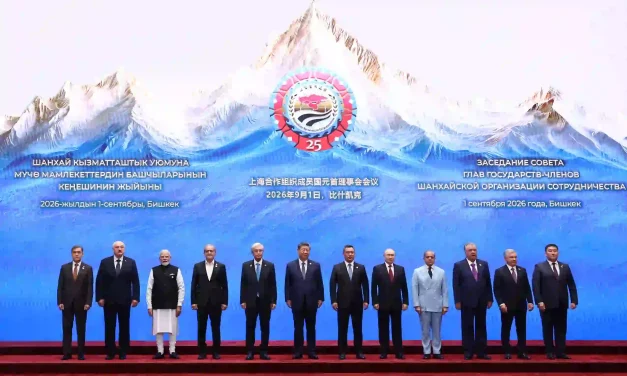
SCFR Online – Opinion: The Shanghai Cooperation Organization summit has created a new opportunity for Iran to transform its membership from a political achievement into economic and transit cooperation.
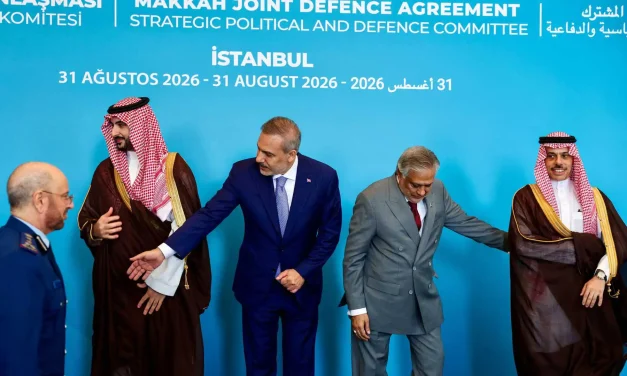
Strategic Council Online – Note: The Makkah Defense Pact can be seen as a sign of regional countries’ efforts to reduce security dependence on extra-regional powers and redefine the balance in West Asia.

SCFR Online – Opinion: The Ukraine war, by exhausting US military capability on one hand and strengthening European defense capacity on the other, has altered the balance of power in the European continent, cast uncertainty over NATO’s future, and is driving it toward a European NATO.
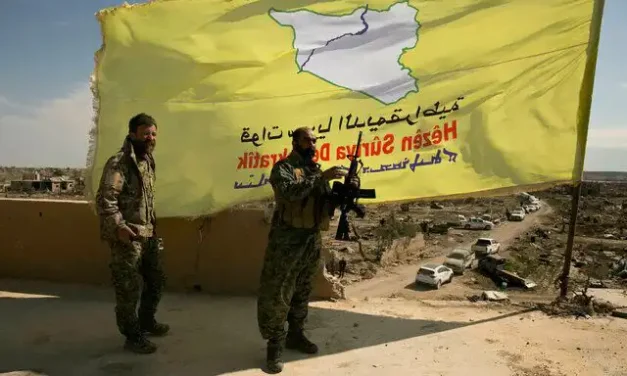
SCFR Online – Opinion: The dissolution of the SDF, although considered an achievement for Turkey’s security, does not put an end to the challenges arising from the Israeli regime’s aggression and expansionism, refugees, and Syria’s fragility.
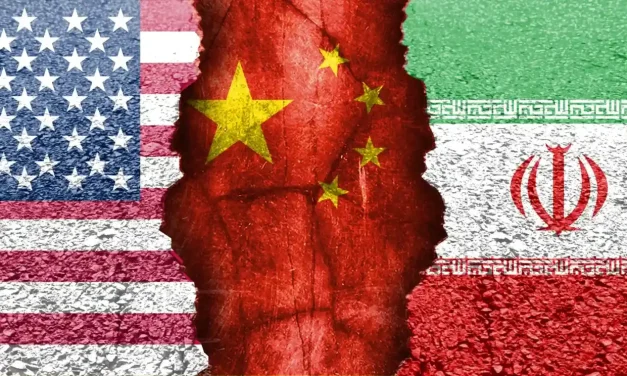
SCFR Online – Opinion: Concurrent with the official commencement of the United States’ economic war against our country, focusing on sanctions instruments, isolation, and economic pressure, what has now become increasingly important is the lack of alignment of other major global powers, especially China, with this policy.
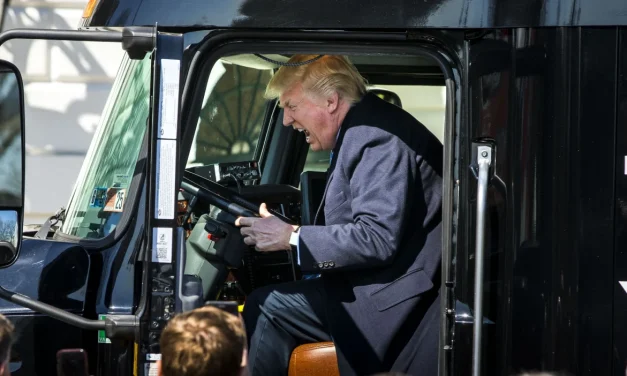
SCFR Online – Opinion: The new US sanctions against Iran, despite extensive propaganda, face serious obstacles to success due to the ineffectiveness of sanctions tools and opposition from some of Tehran’s trading partners.


Strategic Council Online – Interview: The expert of West Asia affairs commented about the recent parliamentary election of Lebanon and its results:” the results obtained was in a way that no party managed to win the majority of the parliament. It means the lists of Resistance Coalition groups gained about 58 to 59 seats and the other party that is in line with the West – Arab axis gained nearly 41 to 45 seats. Amid this, independent groups and individuals also won 128 seats”.

Strategic Council Online- Opinion: Any effort aimed at economic collapse of the coalition government is at first stage a kind of investment made by Saudi Arabia for the next Lebanese election in March 2022.
Hossein Sayahi, Researcher, International Affairs

Strategic Council Online – Formation of government has always been the most complex and difficult political process in Lebanon, which is typically slow and has become one of the most challenging issues in that country for many years. The new era, which began with the resignation of Saad Hariri as prime minister and following October 2019 protests in Lebanon, entered a complex and tense path up to now when “Najib Mikati” has been appointed by Michel Aoun to form a new government.
Barsam Mohammadi – Analyst of international affairs

Strategic Council Online – An expert on West Asian affairs referring to the intensification of foreign interference in Lebanon and the problems of the country’s political structure in preparing the grounds for forming a government, said: It seems that some parties are either seeking to engage Lebanon in civil war or leave the country in a vacuum so that the people stop supporting the Resistance.

Strategic Council Online—Interview: Former director-general of the Ministry of Foreign Affairs for the Middle East, while referring to the tensions in the relations between Riyadh and Beirut which resulted in the resignation of the Lebanese foreign minister, said if interests of Saudi Arabia are secured in the composition of the next Lebanese cabinet, the pressure would decrease and their policies will also change. Otherwise, he said, pressures will continue on Lebanon and they will create obstacles so as a stable government is not formed in Beirut.

Strategic Council Online – Interview: An expert on the Middle East affairs commenting on the reasons for Saad Hariri’s delay in forming the Lebanese government said: The Lebanese government has suffered from an internal crisis in recent years, especially after the 2018 elections; in this way, the governments that came to power could not form a cabinet or continue to work due to some issues such as internal protests or lack of internal political understanding.

Strategic Council Online: Editorial—Under the present circumstances, we may witness once again a crisis in the formation of the Lebanese cabinet. With increasing foreign interference in Lebanon, it seems this crisis would be extended and prolonged more than the previous occasions as each of the foreign players are seeking to advance their own objectives and want to set the pieces of government in their own favour. This is while Lebanon is not a country to be settled with instruction issued from abroad.
Hossein Ajorloo – Expert of Middle East affairs

Strategic Council Online – After the recent deadly blasts in Beirut, a clear scenario was followed by the Western media, including the American, as well as Zionist and Arab media to the effect that Hezbollah missiles were being kept in the said warehouse, which exploded due to heat. Riyadh even claimed that Hezbollah missiles had exploded following the Israeli missile strike, sparking propaganda that was denied by Seyed Hassan Nasrallah.
Hassan Hanizadeh – Middle East Affairs Expert

Strategic Council Online – A Middle East affairs analyst believes that the United States is trying to change the political map in Lebanon, saying that under the status quo the conspiracy against Lebanon is pursued economically and with political goals, but people are largely patient and are trying to change these conditions with the help of the independent ruling government and Hezbollah.
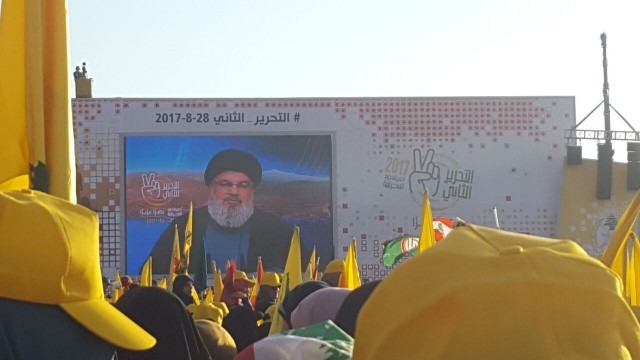
Strategic Council Online – The United States, Britain, France and Saudi Arabia are now trying to create conditions to render the government of Hassan Diab ineffective through outside economic pressure and to provoke the people inside so that Lebanon’s Hezbollah too will come under pressure.
Hassan Hanizadeh – Middle East Affairs Expert
SCFR Online – Opinion: The intensification of U.S. sanctions against Iran on the eve of the U.S. midterm elections indicates Washington’s inability to achieve its war objectives.
SCFR Online – Opinion: The competition between Washington and Beijing over chips and artificial intelligence, simultaneously with the shifting of technological balances, has taken on new economic and security dimensions.
SCFR Online – Opinion: The Shanghai Cooperation Organization summit has created a new opportunity for Iran to transform its membership from a political achievement into economic and transit cooperation.
Strategic Council Online – Note: The Makkah Defense Pact can be seen as a sign of regional countries’ efforts to reduce security dependence on extra-regional powers and redefine the balance in West Asia.
SCFR Online – Opinion: The Ukraine war, by exhausting US military capability on one hand and strengthening European defense capacity on the other, has altered the balance of power in the European continent, cast uncertainty over NATO’s future, and is driving it toward a European NATO.
SCFR Online – Opinion: The dissolution of the SDF, although considered an achievement for Turkey’s security, does not put an end to the challenges arising from the Israeli regime’s aggression and expansionism, refugees, and Syria’s fragility.
SCFR Online – Opinion: Concurrent with the official commencement of the United States’ economic war against our country, focusing on sanctions instruments, isolation, and economic pressure, what has now become increasingly important is the lack of alignment of other major global powers, especially China, with this policy.
SCFR Online – Opinion: The new US sanctions against Iran, despite extensive propaganda, face serious obstacles to success due to the ineffectiveness of sanctions tools and opposition from some of Tehran’s trading partners.
Strategic Council Online – Interview: The expert of West Asia affairs commented about the recent parliamentary election of Lebanon and its results:” the results obtained was in a way that no party managed to win the majority of the parliament. It means the lists of Resistance Coalition groups gained about 58 to 59 seats and the other party that is in line with the West – Arab axis gained nearly 41 to 45 seats. Amid this, independent groups and individuals also won 128 seats”.
Strategic Council Online- Opinion: Any effort aimed at economic collapse of the coalition government is at first stage a kind of investment made by Saudi Arabia for the next Lebanese election in March 2022.
Hossein Sayahi, Researcher, International Affairs
Strategic Council Online – Formation of government has always been the most complex and difficult political process in Lebanon, which is typically slow and has become one of the most challenging issues in that country for many years. The new era, which began with the resignation of Saad Hariri as prime minister and following October 2019 protests in Lebanon, entered a complex and tense path up to now when “Najib Mikati” has been appointed by Michel Aoun to form a new government.
Barsam Mohammadi – Analyst of international affairs
Strategic Council Online – An expert on West Asian affairs referring to the intensification of foreign interference in Lebanon and the problems of the country’s political structure in preparing the grounds for forming a government, said: It seems that some parties are either seeking to engage Lebanon in civil war or leave the country in a vacuum so that the people stop supporting the Resistance.
Strategic Council Online—Interview: Former director-general of the Ministry of Foreign Affairs for the Middle East, while referring to the tensions in the relations between Riyadh and Beirut which resulted in the resignation of the Lebanese foreign minister, said if interests of Saudi Arabia are secured in the composition of the next Lebanese cabinet, the pressure would decrease and their policies will also change. Otherwise, he said, pressures will continue on Lebanon and they will create obstacles so as a stable government is not formed in Beirut.
Strategic Council Online – Interview: An expert on the Middle East affairs commenting on the reasons for Saad Hariri’s delay in forming the Lebanese government said: The Lebanese government has suffered from an internal crisis in recent years, especially after the 2018 elections; in this way, the governments that came to power could not form a cabinet or continue to work due to some issues such as internal protests or lack of internal political understanding.
Strategic Council Online: Editorial—Under the present circumstances, we may witness once again a crisis in the formation of the Lebanese cabinet. With increasing foreign interference in Lebanon, it seems this crisis would be extended and prolonged more than the previous occasions as each of the foreign players are seeking to advance their own objectives and want to set the pieces of government in their own favour. This is while Lebanon is not a country to be settled with instruction issued from abroad.
Hossein Ajorloo – Expert of Middle East affairs
Strategic Council Online – After the recent deadly blasts in Beirut, a clear scenario was followed by the Western media, including the American, as well as Zionist and Arab media to the effect that Hezbollah missiles were being kept in the said warehouse, which exploded due to heat. Riyadh even claimed that Hezbollah missiles had exploded following the Israeli missile strike, sparking propaganda that was denied by Seyed Hassan Nasrallah.
Hassan Hanizadeh – Middle East Affairs Expert
Strategic Council Online – A Middle East affairs analyst believes that the United States is trying to change the political map in Lebanon, saying that under the status quo the conspiracy against Lebanon is pursued economically and with political goals, but people are largely patient and are trying to change these conditions with the help of the independent ruling government and Hezbollah.
Strategic Council Online – The United States, Britain, France and Saudi Arabia are now trying to create conditions to render the government of Hassan Diab ineffective through outside economic pressure and to provoke the people inside so that Lebanon’s Hezbollah too will come under pressure.
Hassan Hanizadeh – Middle East Affairs Expert
Strategic Council Online – Interview: The expert of West Asia affairs commented about the recent parliamentary election of Lebanon and its results:” the results obtained was in a way that no party managed to win the majority of the parliament. It means the lists of Resistance Coalition groups gained about 58 to 59 seats and the other party that is in line with the West – Arab axis gained nearly 41 to 45 seats. Amid this, independent groups and individuals also won 128 seats”.
Strategic Council Online- Opinion: Any effort aimed at economic collapse of the coalition government is at first stage a kind of investment made by Saudi Arabia for the next Lebanese election in March 2022.
Hossein Sayahi, Researcher, International Affairs
Strategic Council Online – Formation of government has always been the most complex and difficult political process in Lebanon, which is typically slow and has become one of the most challenging issues in that country for many years. The new era, which began with the resignation of Saad Hariri as prime minister and following October 2019 protests in Lebanon, entered a complex and tense path up to now when “Najib Mikati” has been appointed by Michel Aoun to form a new government.
Barsam Mohammadi – Analyst of international affairs
Strategic Council Online – An expert on West Asian affairs referring to the intensification of foreign interference in Lebanon and the problems of the country’s political structure in preparing the grounds for forming a government, said: It seems that some parties are either seeking to engage Lebanon in civil war or leave the country in a vacuum so that the people stop supporting the Resistance.
Strategic Council Online—Interview: Former director-general of the Ministry of Foreign Affairs for the Middle East, while referring to the tensions in the relations between Riyadh and Beirut which resulted in the resignation of the Lebanese foreign minister, said if interests of Saudi Arabia are secured in the composition of the next Lebanese cabinet, the pressure would decrease and their policies will also change. Otherwise, he said, pressures will continue on Lebanon and they will create obstacles so as a stable government is not formed in Beirut.
Strategic Council Online – Interview: An expert on the Middle East affairs commenting on the reasons for Saad Hariri’s delay in forming the Lebanese government said: The Lebanese government has suffered from an internal crisis in recent years, especially after the 2018 elections; in this way, the governments that came to power could not form a cabinet or continue to work due to some issues such as internal protests or lack of internal political understanding.
Strategic Council Online: Editorial—Under the present circumstances, we may witness once again a crisis in the formation of the Lebanese cabinet. With increasing foreign interference in Lebanon, it seems this crisis would be extended and prolonged more than the previous occasions as each of the foreign players are seeking to advance their own objectives and want to set the pieces of government in their own favour. This is while Lebanon is not a country to be settled with instruction issued from abroad.
Hossein Ajorloo – Expert of Middle East affairs
Strategic Council Online – After the recent deadly blasts in Beirut, a clear scenario was followed by the Western media, including the American, as well as Zionist and Arab media to the effect that Hezbollah missiles were being kept in the said warehouse, which exploded due to heat. Riyadh even claimed that Hezbollah missiles had exploded following the Israeli missile strike, sparking propaganda that was denied by Seyed Hassan Nasrallah.
Hassan Hanizadeh – Middle East Affairs Expert
Strategic Council Online – A Middle East affairs analyst believes that the United States is trying to change the political map in Lebanon, saying that under the status quo the conspiracy against Lebanon is pursued economically and with political goals, but people are largely patient and are trying to change these conditions with the help of the independent ruling government and Hezbollah.
Strategic Council Online – The United States, Britain, France and Saudi Arabia are now trying to create conditions to render the government of Hassan Diab ineffective through outside economic pressure and to provoke the people inside so that Lebanon’s Hezbollah too will come under pressure.
Hassan Hanizadeh – Middle East Affairs Expert
SCFR Online – Opinion: The intensification of U.S. sanctions against Iran on the eve of the U.S. midterm elections indicates Washington’s inability to achieve its war objectives.
SCFR Online – Opinion: The competition between Washington and Beijing over chips and artificial intelligence, simultaneously with the shifting of technological balances, has taken on new economic and security dimensions.
SCFR Online – Opinion: The Shanghai Cooperation Organization summit has created a new opportunity for Iran to transform its membership from a political achievement into economic and transit cooperation.
Strategic Council Online – Note: The Makkah Defense Pact can be seen as a sign of regional countries’ efforts to reduce security dependence on extra-regional powers and redefine the balance in West Asia.
SCFR Online – Opinion: The Ukraine war, by exhausting US military capability on one hand and strengthening European defense capacity on the other, has altered the balance of power in the European continent, cast uncertainty over NATO’s future, and is driving it toward a European NATO.
SCFR Online – Opinion: The dissolution of the SDF, although considered an achievement for Turkey’s security, does not put an end to the challenges arising from the Israeli regime’s aggression and expansionism, refugees, and Syria’s fragility.
SCFR Online – Opinion: Concurrent with the official commencement of the United States’ economic war against our country, focusing on sanctions instruments, isolation, and economic pressure, what has now become increasingly important is the lack of alignment of other major global powers, especially China, with this policy.
SCFR Online – Opinion: The new US sanctions against Iran, despite extensive propaganda, face serious obstacles to success due to the ineffectiveness of sanctions tools and opposition from some of Tehran’s trading partners.
Strategic Council Online – Interview: The expert of West Asia affairs commented about the recent parliamentary election of Lebanon and its results:” the results obtained was in a way that no party managed to win the majority of the parliament. It means the lists of Resistance Coalition groups gained about 58 to 59 seats and the other party that is in line with the West – Arab axis gained nearly 41 to 45 seats. Amid this, independent groups and individuals also won 128 seats”.
Strategic Council Online- Opinion: Any effort aimed at economic collapse of the coalition government is at first stage a kind of investment made by Saudi Arabia for the next Lebanese election in March 2022.
Hossein Sayahi, Researcher, International Affairs
Strategic Council Online – Formation of government has always been the most complex and difficult political process in Lebanon, which is typically slow and has become one of the most challenging issues in that country for many years. The new era, which began with the resignation of Saad Hariri as prime minister and following October 2019 protests in Lebanon, entered a complex and tense path up to now when “Najib Mikati” has been appointed by Michel Aoun to form a new government.
Barsam Mohammadi – Analyst of international affairs
Strategic Council Online – An expert on West Asian affairs referring to the intensification of foreign interference in Lebanon and the problems of the country’s political structure in preparing the grounds for forming a government, said: It seems that some parties are either seeking to engage Lebanon in civil war or leave the country in a vacuum so that the people stop supporting the Resistance.
Strategic Council Online—Interview: Former director-general of the Ministry of Foreign Affairs for the Middle East, while referring to the tensions in the relations between Riyadh and Beirut which resulted in the resignation of the Lebanese foreign minister, said if interests of Saudi Arabia are secured in the composition of the next Lebanese cabinet, the pressure would decrease and their policies will also change. Otherwise, he said, pressures will continue on Lebanon and they will create obstacles so as a stable government is not formed in Beirut.
Strategic Council Online – Interview: An expert on the Middle East affairs commenting on the reasons for Saad Hariri’s delay in forming the Lebanese government said: The Lebanese government has suffered from an internal crisis in recent years, especially after the 2018 elections; in this way, the governments that came to power could not form a cabinet or continue to work due to some issues such as internal protests or lack of internal political understanding.
Strategic Council Online: Editorial—Under the present circumstances, we may witness once again a crisis in the formation of the Lebanese cabinet. With increasing foreign interference in Lebanon, it seems this crisis would be extended and prolonged more than the previous occasions as each of the foreign players are seeking to advance their own objectives and want to set the pieces of government in their own favour. This is while Lebanon is not a country to be settled with instruction issued from abroad.
Hossein Ajorloo – Expert of Middle East affairs
Strategic Council Online – After the recent deadly blasts in Beirut, a clear scenario was followed by the Western media, including the American, as well as Zionist and Arab media to the effect that Hezbollah missiles were being kept in the said warehouse, which exploded due to heat. Riyadh even claimed that Hezbollah missiles had exploded following the Israeli missile strike, sparking propaganda that was denied by Seyed Hassan Nasrallah.
Hassan Hanizadeh – Middle East Affairs Expert
Strategic Council Online – A Middle East affairs analyst believes that the United States is trying to change the political map in Lebanon, saying that under the status quo the conspiracy against Lebanon is pursued economically and with political goals, but people are largely patient and are trying to change these conditions with the help of the independent ruling government and Hezbollah.
Strategic Council Online – The United States, Britain, France and Saudi Arabia are now trying to create conditions to render the government of Hassan Diab ineffective through outside economic pressure and to provoke the people inside so that Lebanon’s Hezbollah too will come under pressure.
Hassan Hanizadeh – Middle East Affairs Expert
SCFR Online – Opinion: The intensification of U.S. sanctions against Iran on the eve of the U.S. midterm elections indicates Washington’s inability to achieve its war objectives.
SCFR Online – Opinion: The competition between Washington and Beijing over chips and artificial intelligence, simultaneously with the shifting of technological balances, has taken on new economic and security dimensions.
SCFR Online – Opinion: The Shanghai Cooperation Organization summit has created a new opportunity for Iran to transform its membership from a political achievement into economic and transit cooperation.
Strategic Council Online – Note: The Makkah Defense Pact can be seen as a sign of regional countries’ efforts to reduce security dependence on extra-regional powers and redefine the balance in West Asia.
SCFR Online – Opinion: The Ukraine war, by exhausting US military capability on one hand and strengthening European defense capacity on the other, has altered the balance of power in the European continent, cast uncertainty over NATO’s future, and is driving it toward a European NATO.
SCFR Online – Opinion: The dissolution of the SDF, although considered an achievement for Turkey’s security, does not put an end to the challenges arising from the Israeli regime’s aggression and expansionism, refugees, and Syria’s fragility.
SCFR Online – Opinion: Concurrent with the official commencement of the United States’ economic war against our country, focusing on sanctions instruments, isolation, and economic pressure, what has now become increasingly important is the lack of alignment of other major global powers, especially China, with this policy.
SCFR Online – Opinion: The new US sanctions against Iran, despite extensive propaganda, face serious obstacles to success due to the ineffectiveness of sanctions tools and opposition from some of Tehran’s trading partners.
Strategic Council Online – Interview: The expert of West Asia affairs commented about the recent parliamentary election of Lebanon and its results:” the results obtained was in a way that no party managed to win the majority of the parliament. It means the lists of Resistance Coalition groups gained about 58 to 59 seats and the other party that is in line with the West – Arab axis gained nearly 41 to 45 seats. Amid this, independent groups and individuals also won 128 seats”.
Strategic Council Online- Opinion: Any effort aimed at economic collapse of the coalition government is at first stage a kind of investment made by Saudi Arabia for the next Lebanese election in March 2022.
Hossein Sayahi, Researcher, International Affairs
Strategic Council Online – Formation of government has always been the most complex and difficult political process in Lebanon, which is typically slow and has become one of the most challenging issues in that country for many years. The new era, which began with the resignation of Saad Hariri as prime minister and following October 2019 protests in Lebanon, entered a complex and tense path up to now when “Najib Mikati” has been appointed by Michel Aoun to form a new government.
Barsam Mohammadi – Analyst of international affairs
Strategic Council Online – An expert on West Asian affairs referring to the intensification of foreign interference in Lebanon and the problems of the country’s political structure in preparing the grounds for forming a government, said: It seems that some parties are either seeking to engage Lebanon in civil war or leave the country in a vacuum so that the people stop supporting the Resistance.
Strategic Council Online—Interview: Former director-general of the Ministry of Foreign Affairs for the Middle East, while referring to the tensions in the relations between Riyadh and Beirut which resulted in the resignation of the Lebanese foreign minister, said if interests of Saudi Arabia are secured in the composition of the next Lebanese cabinet, the pressure would decrease and their policies will also change. Otherwise, he said, pressures will continue on Lebanon and they will create obstacles so as a stable government is not formed in Beirut.
Strategic Council Online – Interview: An expert on the Middle East affairs commenting on the reasons for Saad Hariri’s delay in forming the Lebanese government said: The Lebanese government has suffered from an internal crisis in recent years, especially after the 2018 elections; in this way, the governments that came to power could not form a cabinet or continue to work due to some issues such as internal protests or lack of internal political understanding.
Strategic Council Online: Editorial—Under the present circumstances, we may witness once again a crisis in the formation of the Lebanese cabinet. With increasing foreign interference in Lebanon, it seems this crisis would be extended and prolonged more than the previous occasions as each of the foreign players are seeking to advance their own objectives and want to set the pieces of government in their own favour. This is while Lebanon is not a country to be settled with instruction issued from abroad.
Hossein Ajorloo – Expert of Middle East affairs
Strategic Council Online – After the recent deadly blasts in Beirut, a clear scenario was followed by the Western media, including the American, as well as Zionist and Arab media to the effect that Hezbollah missiles were being kept in the said warehouse, which exploded due to heat. Riyadh even claimed that Hezbollah missiles had exploded following the Israeli missile strike, sparking propaganda that was denied by Seyed Hassan Nasrallah.
Hassan Hanizadeh – Middle East Affairs Expert
Strategic Council Online – A Middle East affairs analyst believes that the United States is trying to change the political map in Lebanon, saying that under the status quo the conspiracy against Lebanon is pursued economically and with political goals, but people are largely patient and are trying to change these conditions with the help of the independent ruling government and Hezbollah.
Strategic Council Online – The United States, Britain, France and Saudi Arabia are now trying to create conditions to render the government of Hassan Diab ineffective through outside economic pressure and to provoke the people inside so that Lebanon’s Hezbollah too will come under pressure.
Hassan Hanizadeh – Middle East Affairs Expert
SCFR Online – Opinion: The intensification of U.S. sanctions against Iran on the eve of the U.S. midterm elections indicates Washington’s inability to achieve its war objectives.
SCFR Online – Opinion: The competition between Washington and Beijing over chips and artificial intelligence, simultaneously with the shifting of technological balances, has taken on new economic and security dimensions.
SCFR Online – Opinion: The Shanghai Cooperation Organization summit has created a new opportunity for Iran to transform its membership from a political achievement into economic and transit cooperation.
Strategic Council Online – Note: The Makkah Defense Pact can be seen as a sign of regional countries’ efforts to reduce security dependence on extra-regional powers and redefine the balance in West Asia.
SCFR Online – Opinion: The Ukraine war, by exhausting US military capability on one hand and strengthening European defense capacity on the other, has altered the balance of power in the European continent, cast uncertainty over NATO’s future, and is driving it toward a European NATO.
SCFR Online – Opinion: The dissolution of the SDF, although considered an achievement for Turkey’s security, does not put an end to the challenges arising from the Israeli regime’s aggression and expansionism, refugees, and Syria’s fragility.
SCFR Online – Opinion: Concurrent with the official commencement of the United States’ economic war against our country, focusing on sanctions instruments, isolation, and economic pressure, what has now become increasingly important is the lack of alignment of other major global powers, especially China, with this policy.
SCFR Online – Opinion: The new US sanctions against Iran, despite extensive propaganda, face serious obstacles to success due to the ineffectiveness of sanctions tools and opposition from some of Tehran’s trading partners.
Strategic Council Online – Interview: The expert of West Asia affairs commented about the recent parliamentary election of Lebanon and its results:” the results obtained was in a way that no party managed to win the majority of the parliament. It means the lists of Resistance Coalition groups gained about 58 to 59 seats and the other party that is in line with the West – Arab axis gained nearly 41 to 45 seats. Amid this, independent groups and individuals also won 128 seats”.
Strategic Council Online- Opinion: Any effort aimed at economic collapse of the coalition government is at first stage a kind of investment made by Saudi Arabia for the next Lebanese election in March 2022.
Hossein Sayahi, Researcher, International Affairs
Strategic Council Online – Formation of government has always been the most complex and difficult political process in Lebanon, which is typically slow and has become one of the most challenging issues in that country for many years. The new era, which began with the resignation of Saad Hariri as prime minister and following October 2019 protests in Lebanon, entered a complex and tense path up to now when “Najib Mikati” has been appointed by Michel Aoun to form a new government.
Barsam Mohammadi – Analyst of international affairs
Strategic Council Online – An expert on West Asian affairs referring to the intensification of foreign interference in Lebanon and the problems of the country’s political structure in preparing the grounds for forming a government, said: It seems that some parties are either seeking to engage Lebanon in civil war or leave the country in a vacuum so that the people stop supporting the Resistance.
Strategic Council Online—Interview: Former director-general of the Ministry of Foreign Affairs for the Middle East, while referring to the tensions in the relations between Riyadh and Beirut which resulted in the resignation of the Lebanese foreign minister, said if interests of Saudi Arabia are secured in the composition of the next Lebanese cabinet, the pressure would decrease and their policies will also change. Otherwise, he said, pressures will continue on Lebanon and they will create obstacles so as a stable government is not formed in Beirut.
Strategic Council Online – Interview: An expert on the Middle East affairs commenting on the reasons for Saad Hariri’s delay in forming the Lebanese government said: The Lebanese government has suffered from an internal crisis in recent years, especially after the 2018 elections; in this way, the governments that came to power could not form a cabinet or continue to work due to some issues such as internal protests or lack of internal political understanding.
Strategic Council Online: Editorial—Under the present circumstances, we may witness once again a crisis in the formation of the Lebanese cabinet. With increasing foreign interference in Lebanon, it seems this crisis would be extended and prolonged more than the previous occasions as each of the foreign players are seeking to advance their own objectives and want to set the pieces of government in their own favour. This is while Lebanon is not a country to be settled with instruction issued from abroad.
Hossein Ajorloo – Expert of Middle East affairs
Strategic Council Online – After the recent deadly blasts in Beirut, a clear scenario was followed by the Western media, including the American, as well as Zionist and Arab media to the effect that Hezbollah missiles were being kept in the said warehouse, which exploded due to heat. Riyadh even claimed that Hezbollah missiles had exploded following the Israeli missile strike, sparking propaganda that was denied by Seyed Hassan Nasrallah.
Hassan Hanizadeh – Middle East Affairs Expert
Strategic Council Online – A Middle East affairs analyst believes that the United States is trying to change the political map in Lebanon, saying that under the status quo the conspiracy against Lebanon is pursued economically and with political goals, but people are largely patient and are trying to change these conditions with the help of the independent ruling government and Hezbollah.
Strategic Council Online – The United States, Britain, France and Saudi Arabia are now trying to create conditions to render the government of Hassan Diab ineffective through outside economic pressure and to provoke the people inside so that Lebanon’s Hezbollah too will come under pressure.
Hassan Hanizadeh – Middle East Affairs Expert
SCFR Online – Opinion: The intensification of U.S. sanctions against Iran on the eve of the U.S. midterm elections indicates Washington’s inability to achieve its war objectives.
SCFR Online – Opinion: The competition between Washington and Beijing over chips and artificial intelligence, simultaneously with the shifting of technological balances, has taken on new economic and security dimensions.
SCFR Online – Opinion: The Shanghai Cooperation Organization summit has created a new opportunity for Iran to transform its membership from a political achievement into economic and transit cooperation.
Strategic Council Online – Note: The Makkah Defense Pact can be seen as a sign of regional countries’ efforts to reduce security dependence on extra-regional powers and redefine the balance in West Asia.
SCFR Online – Opinion: The Ukraine war, by exhausting US military capability on one hand and strengthening European defense capacity on the other, has altered the balance of power in the European continent, cast uncertainty over NATO’s future, and is driving it toward a European NATO.
SCFR Online – Opinion: The dissolution of the SDF, although considered an achievement for Turkey’s security, does not put an end to the challenges arising from the Israeli regime’s aggression and expansionism, refugees, and Syria’s fragility.
SCFR Online – Opinion: Concurrent with the official commencement of the United States’ economic war against our country, focusing on sanctions instruments, isolation, and economic pressure, what has now become increasingly important is the lack of alignment of other major global powers, especially China, with this policy.
SCFR Online – Opinion: The new US sanctions against Iran, despite extensive propaganda, face serious obstacles to success due to the ineffectiveness of sanctions tools and opposition from some of Tehran’s trading partners.
Strategic Council Online – Interview: The expert of West Asia affairs commented about the recent parliamentary election of Lebanon and its results:” the results obtained was in a way that no party managed to win the majority of the parliament. It means the lists of Resistance Coalition groups gained about 58 to 59 seats and the other party that is in line with the West – Arab axis gained nearly 41 to 45 seats. Amid this, independent groups and individuals also won 128 seats”.
Strategic Council Online- Opinion: Any effort aimed at economic collapse of the coalition government is at first stage a kind of investment made by Saudi Arabia for the next Lebanese election in March 2022.
Hossein Sayahi, Researcher, International Affairs
Strategic Council Online – Formation of government has always been the most complex and difficult political process in Lebanon, which is typically slow and has become one of the most challenging issues in that country for many years. The new era, which began with the resignation of Saad Hariri as prime minister and following October 2019 protests in Lebanon, entered a complex and tense path up to now when “Najib Mikati” has been appointed by Michel Aoun to form a new government.
Barsam Mohammadi – Analyst of international affairs
Strategic Council Online – An expert on West Asian affairs referring to the intensification of foreign interference in Lebanon and the problems of the country’s political structure in preparing the grounds for forming a government, said: It seems that some parties are either seeking to engage Lebanon in civil war or leave the country in a vacuum so that the people stop supporting the Resistance.
Strategic Council Online—Interview: Former director-general of the Ministry of Foreign Affairs for the Middle East, while referring to the tensions in the relations between Riyadh and Beirut which resulted in the resignation of the Lebanese foreign minister, said if interests of Saudi Arabia are secured in the composition of the next Lebanese cabinet, the pressure would decrease and their policies will also change. Otherwise, he said, pressures will continue on Lebanon and they will create obstacles so as a stable government is not formed in Beirut.
Strategic Council Online – Interview: An expert on the Middle East affairs commenting on the reasons for Saad Hariri’s delay in forming the Lebanese government said: The Lebanese government has suffered from an internal crisis in recent years, especially after the 2018 elections; in this way, the governments that came to power could not form a cabinet or continue to work due to some issues such as internal protests or lack of internal political understanding.
Strategic Council Online: Editorial—Under the present circumstances, we may witness once again a crisis in the formation of the Lebanese cabinet. With increasing foreign interference in Lebanon, it seems this crisis would be extended and prolonged more than the previous occasions as each of the foreign players are seeking to advance their own objectives and want to set the pieces of government in their own favour. This is while Lebanon is not a country to be settled with instruction issued from abroad.
Hossein Ajorloo – Expert of Middle East affairs
Strategic Council Online – After the recent deadly blasts in Beirut, a clear scenario was followed by the Western media, including the American, as well as Zionist and Arab media to the effect that Hezbollah missiles were being kept in the said warehouse, which exploded due to heat. Riyadh even claimed that Hezbollah missiles had exploded following the Israeli missile strike, sparking propaganda that was denied by Seyed Hassan Nasrallah.
Hassan Hanizadeh – Middle East Affairs Expert
Strategic Council Online – A Middle East affairs analyst believes that the United States is trying to change the political map in Lebanon, saying that under the status quo the conspiracy against Lebanon is pursued economically and with political goals, but people are largely patient and are trying to change these conditions with the help of the independent ruling government and Hezbollah.
Strategic Council Online – The United States, Britain, France and Saudi Arabia are now trying to create conditions to render the government of Hassan Diab ineffective through outside economic pressure and to provoke the people inside so that Lebanon’s Hezbollah too will come under pressure.
Hassan Hanizadeh – Middle East Affairs Expert
SCFR Online – Opinion: The intensification of U.S. sanctions against Iran on the eve of the U.S. midterm elections indicates Washington’s inability to achieve its war objectives.
SCFR Online – Opinion: The competition between Washington and Beijing over chips and artificial intelligence, simultaneously with the shifting of technological balances, has taken on new economic and security dimensions.
SCFR Online – Opinion: The Shanghai Cooperation Organization summit has created a new opportunity for Iran to transform its membership from a political achievement into economic and transit cooperation.
Strategic Council Online – Note: The Makkah Defense Pact can be seen as a sign of regional countries’ efforts to reduce security dependence on extra-regional powers and redefine the balance in West Asia.
SCFR Online – Opinion: The Ukraine war, by exhausting US military capability on one hand and strengthening European defense capacity on the other, has altered the balance of power in the European continent, cast uncertainty over NATO’s future, and is driving it toward a European NATO.
SCFR Online – Opinion: The dissolution of the SDF, although considered an achievement for Turkey’s security, does not put an end to the challenges arising from the Israeli regime’s aggression and expansionism, refugees, and Syria’s fragility.
SCFR Online – Opinion: Concurrent with the official commencement of the United States’ economic war against our country, focusing on sanctions instruments, isolation, and economic pressure, what has now become increasingly important is the lack of alignment of other major global powers, especially China, with this policy.
SCFR Online – Opinion: The new US sanctions against Iran, despite extensive propaganda, face serious obstacles to success due to the ineffectiveness of sanctions tools and opposition from some of Tehran’s trading partners.