An Analysis of the Makkah Defense Pact
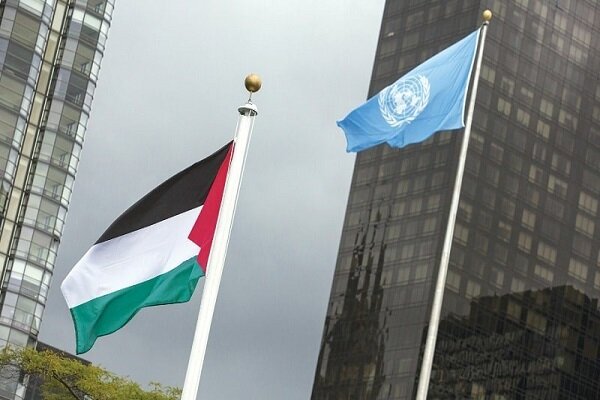
SCFR Online – Opinion: On Friday, August 7, the heads of state of three countries – Saudi Arabia, Turkey, and Pakistan – signed a text under the title “Makkah Joint Defense Agreement.”
Strategic Council Online – Note: The initiative to revive the Hejaz Railway, beyond being a transportation project, constitutes an attempt to redefine geopolitics, the economy, and Turkey’s regional position; however, its realization appears to face significant financial, security, and institutional challenges.
SCFR Online – Opinion: The Strait of Hormuz crisis is no longer merely the consequence of a military confrontation, but rather a sign of the transition from the US-centered maritime order to a new energy security structure involving the participation of emerging and influential powers.
SCFR Online – Opinion: Iran’s active deterrence strategy, while increasing the costs of US intervention, has increasingly exposed the hidden rifts between Washington’s interests and those of the Israeli regime.
SCFR Online – Opinion: The escalation of verbal and strategic tensions between Turkey and the Israeli regime, although not increasing the likelihood of direct war, indicates the formation of a new order in West Asian geopolitical rivalries.
Strategic Council Online – Note: Recent developments in the political geography of West Asia, from rising tensions in the Persian Gulf to missile and drone activities in the Red Sea and the recent warning by Kaja Kallas, the European Union’s foreign policy chief, regarding the threat to freedom of navigation, indicate a key pattern shift; the US-Iran war has moved beyond the scope of a regional and local confrontation and has linked two vital passageways for the global economy: the Strait of Hormuz and the Bab el-Mandeb Strait.
SCFR Online – Opinion: The Ukraine war was not merely a European crisis, but rather the starting point for the rearrangement of the global balance of power and a shift in the strategic behavior of great powers.
SCFR Online – Opinion: Great power competition is now pursued more in trade, currency, technology, and global supply chains than on the battlefields of military confrontation.
Strategic Council Online – Interview: An expert on regional issues assessed the visit of the Syrian Interim Government’s Foreign Minister to Saudi Arabia as a progressive and important step, saying: Contrary to some news and analysis about Saudi Arabia’s agreement and support for the new developments in Syria and the formation of an interim government by Syrian opposition forces, the Riyadh government has serious concerns and worries about the future of this government.
Strategic Council Online – Interview: An expert on international issues said that tearing up the UN Charter by the representative of the Israeli regime in response to the resolution on the full membership of Palestine means that the representative of this regime has admitted the end of what is called the state of Israel.
Strategic Council Online—Interview: An analyst of West Asia issues says replacing some ministers and presenting general outlines cannot present a bright landscape for the situation of the United Arab Emirates in the next 50 years.
Strategic Council Online – An expert on the Middle East affairs commenting on Italy’s recent decision to cancel permits for the export of missiles and fighter jets to Saudi Arabia and the UAE, said: Due to the high level of disasters in Yemen, Western countries are seeking to halt any cooperation in this regard, especially since Joe Biden has pioneered to cut off support for Saudi Arabia against Yemen.
Strategic Council Online-Interview: A regional affairs analyst says one of the main reasons behind proximity among the majority of OPEC member states to increase the production of oil in the recent OPEN Plus meeting was to maintain the shares of these countries in global markets so that they could address the demands of the market in the near future.
Strategic Council Online—Interview: With Joe Biden in the White House as the President of the United States, Iraq’s government inclination towards Saudi Arabia, Jordan and Egypt will be reduced or disrupted, says an expert of West Asia affairs.
Strategic Council Online: Interview– An expert of West Asia affairs says the Arab League has failed to resolve the crises and problems of the Arab world, adding that “it may collapse into several smaller and regional unions for thematic issues.”
Strategic Council Online – “The purpose of the US presence in Iraq is to support Israel’s freedom of action in the region and to contain Iran,” said a West Asian affairs analyst. He added domination over Iraq and utilization of its capacities in line with hostility towards its neighbors will never serve the satisfaction of the neighbouring countries, religious authorities and Iraqi politicians.
Strategic Council Online: In the matter of fossil energy resources in the Mediterranean, Egypt, the Zionist regime, Greece and Cyprus have formed a bloc against that of Turkey, Libya and the Northern Cyprus. This situation has drawn the region to further security and military disputes. Meanwhile, if Syria, Lebanon and Gaza also enter the process of exploring and extracting gas fields, the equations will be much more complex.
Sabah Zangeneh – Energy Affairs Expert
Strategic Council Online: The Saudi-Russian agreement on oil output cut has revived the role of the United States, which was being forgotten as a result of falling oil prices and the lack of economic efficiency in shale oil extraction, and the United States is effectively playing an influential role in the global oil market.
Sabah Zanganeh – Expert on International Affairs
SCFR Online – Opinion: On Friday, August 7, the heads of state of three countries – Saudi Arabia, Turkey, and Pakistan – signed a text under the title “Makkah Joint Defense Agreement.”
Strategic Council Online – Note: The initiative to revive the Hejaz Railway, beyond being a transportation project, constitutes an attempt to redefine geopolitics, the economy, and Turkey’s regional position; however, its realization appears to face significant financial, security, and institutional challenges.
SCFR Online – Opinion: The Strait of Hormuz crisis is no longer merely the consequence of a military confrontation, but rather a sign of the transition from the US-centered maritime order to a new energy security structure involving the participation of emerging and influential powers.
SCFR Online – Opinion: Iran’s active deterrence strategy, while increasing the costs of US intervention, has increasingly exposed the hidden rifts between Washington’s interests and those of the Israeli regime.
SCFR Online – Opinion: The escalation of verbal and strategic tensions between Turkey and the Israeli regime, although not increasing the likelihood of direct war, indicates the formation of a new order in West Asian geopolitical rivalries.
Strategic Council Online – Note: Recent developments in the political geography of West Asia, from rising tensions in the Persian Gulf to missile and drone activities in the Red Sea and the recent warning by Kaja Kallas, the European Union’s foreign policy chief, regarding the threat to freedom of navigation, indicate a key pattern shift; the US-Iran war has moved beyond the scope of a regional and local confrontation and has linked two vital passageways for the global economy: the Strait of Hormuz and the Bab el-Mandeb Strait.
SCFR Online – Opinion: The Ukraine war was not merely a European crisis, but rather the starting point for the rearrangement of the global balance of power and a shift in the strategic behavior of great powers.
SCFR Online – Opinion: Great power competition is now pursued more in trade, currency, technology, and global supply chains than on the battlefields of military confrontation.
Strategic Council Online – Interview: An expert on regional issues assessed the visit of the Syrian Interim Government’s Foreign Minister to Saudi Arabia as a progressive and important step, saying: Contrary to some news and analysis about Saudi Arabia’s agreement and support for the new developments in Syria and the formation of an interim government by Syrian opposition forces, the Riyadh government has serious concerns and worries about the future of this government.
Strategic Council Online – Interview: An expert on international issues said that tearing up the UN Charter by the representative of the Israeli regime in response to the resolution on the full membership of Palestine means that the representative of this regime has admitted the end of what is called the state of Israel.
Strategic Council Online—Interview: An analyst of West Asia issues says replacing some ministers and presenting general outlines cannot present a bright landscape for the situation of the United Arab Emirates in the next 50 years.
Strategic Council Online – An expert on the Middle East affairs commenting on Italy’s recent decision to cancel permits for the export of missiles and fighter jets to Saudi Arabia and the UAE, said: Due to the high level of disasters in Yemen, Western countries are seeking to halt any cooperation in this regard, especially since Joe Biden has pioneered to cut off support for Saudi Arabia against Yemen.
Strategic Council Online-Interview: A regional affairs analyst says one of the main reasons behind proximity among the majority of OPEC member states to increase the production of oil in the recent OPEN Plus meeting was to maintain the shares of these countries in global markets so that they could address the demands of the market in the near future.
Strategic Council Online—Interview: With Joe Biden in the White House as the President of the United States, Iraq’s government inclination towards Saudi Arabia, Jordan and Egypt will be reduced or disrupted, says an expert of West Asia affairs.
Strategic Council Online: Interview– An expert of West Asia affairs says the Arab League has failed to resolve the crises and problems of the Arab world, adding that “it may collapse into several smaller and regional unions for thematic issues.”
Strategic Council Online – “The purpose of the US presence in Iraq is to support Israel’s freedom of action in the region and to contain Iran,” said a West Asian affairs analyst. He added domination over Iraq and utilization of its capacities in line with hostility towards its neighbors will never serve the satisfaction of the neighbouring countries, religious authorities and Iraqi politicians.
Strategic Council Online: In the matter of fossil energy resources in the Mediterranean, Egypt, the Zionist regime, Greece and Cyprus have formed a bloc against that of Turkey, Libya and the Northern Cyprus. This situation has drawn the region to further security and military disputes. Meanwhile, if Syria, Lebanon and Gaza also enter the process of exploring and extracting gas fields, the equations will be much more complex.
Sabah Zangeneh – Energy Affairs Expert
Strategic Council Online: The Saudi-Russian agreement on oil output cut has revived the role of the United States, which was being forgotten as a result of falling oil prices and the lack of economic efficiency in shale oil extraction, and the United States is effectively playing an influential role in the global oil market.
Sabah Zanganeh – Expert on International Affairs
Strategic Council Online – Interview: An expert on regional issues assessed the visit of the Syrian Interim Government’s Foreign Minister to Saudi Arabia as a progressive and important step, saying: Contrary to some news and analysis about Saudi Arabia’s agreement and support for the new developments in Syria and the formation of an interim government by Syrian opposition forces, the Riyadh government has serious concerns and worries about the future of this government.
Strategic Council Online – Interview: An expert on international issues said that tearing up the UN Charter by the representative of the Israeli regime in response to the resolution on the full membership of Palestine means that the representative of this regime has admitted the end of what is called the state of Israel.
Strategic Council Online—Interview: An analyst of West Asia issues says replacing some ministers and presenting general outlines cannot present a bright landscape for the situation of the United Arab Emirates in the next 50 years.
Strategic Council Online – An expert on the Middle East affairs commenting on Italy’s recent decision to cancel permits for the export of missiles and fighter jets to Saudi Arabia and the UAE, said: Due to the high level of disasters in Yemen, Western countries are seeking to halt any cooperation in this regard, especially since Joe Biden has pioneered to cut off support for Saudi Arabia against Yemen.
Strategic Council Online-Interview: A regional affairs analyst says one of the main reasons behind proximity among the majority of OPEC member states to increase the production of oil in the recent OPEN Plus meeting was to maintain the shares of these countries in global markets so that they could address the demands of the market in the near future.
Strategic Council Online—Interview: With Joe Biden in the White House as the President of the United States, Iraq’s government inclination towards Saudi Arabia, Jordan and Egypt will be reduced or disrupted, says an expert of West Asia affairs.
Strategic Council Online: Interview– An expert of West Asia affairs says the Arab League has failed to resolve the crises and problems of the Arab world, adding that “it may collapse into several smaller and regional unions for thematic issues.”
Strategic Council Online – “The purpose of the US presence in Iraq is to support Israel’s freedom of action in the region and to contain Iran,” said a West Asian affairs analyst. He added domination over Iraq and utilization of its capacities in line with hostility towards its neighbors will never serve the satisfaction of the neighbouring countries, religious authorities and Iraqi politicians.
Strategic Council Online: In the matter of fossil energy resources in the Mediterranean, Egypt, the Zionist regime, Greece and Cyprus have formed a bloc against that of Turkey, Libya and the Northern Cyprus. This situation has drawn the region to further security and military disputes. Meanwhile, if Syria, Lebanon and Gaza also enter the process of exploring and extracting gas fields, the equations will be much more complex.
Sabah Zangeneh – Energy Affairs Expert
Strategic Council Online: The Saudi-Russian agreement on oil output cut has revived the role of the United States, which was being forgotten as a result of falling oil prices and the lack of economic efficiency in shale oil extraction, and the United States is effectively playing an influential role in the global oil market.
Sabah Zanganeh – Expert on International Affairs
SCFR Online – Opinion: On Friday, August 7, the heads of state of three countries – Saudi Arabia, Turkey, and Pakistan – signed a text under the title “Makkah Joint Defense Agreement.”
Strategic Council Online – Note: The initiative to revive the Hejaz Railway, beyond being a transportation project, constitutes an attempt to redefine geopolitics, the economy, and Turkey’s regional position; however, its realization appears to face significant financial, security, and institutional challenges.
SCFR Online – Opinion: The Strait of Hormuz crisis is no longer merely the consequence of a military confrontation, but rather a sign of the transition from the US-centered maritime order to a new energy security structure involving the participation of emerging and influential powers.
SCFR Online – Opinion: Iran’s active deterrence strategy, while increasing the costs of US intervention, has increasingly exposed the hidden rifts between Washington’s interests and those of the Israeli regime.
SCFR Online – Opinion: The escalation of verbal and strategic tensions between Turkey and the Israeli regime, although not increasing the likelihood of direct war, indicates the formation of a new order in West Asian geopolitical rivalries.
Strategic Council Online – Note: Recent developments in the political geography of West Asia, from rising tensions in the Persian Gulf to missile and drone activities in the Red Sea and the recent warning by Kaja Kallas, the European Union’s foreign policy chief, regarding the threat to freedom of navigation, indicate a key pattern shift; the US-Iran war has moved beyond the scope of a regional and local confrontation and has linked two vital passageways for the global economy: the Strait of Hormuz and the Bab el-Mandeb Strait.
SCFR Online – Opinion: The Ukraine war was not merely a European crisis, but rather the starting point for the rearrangement of the global balance of power and a shift in the strategic behavior of great powers.
SCFR Online – Opinion: Great power competition is now pursued more in trade, currency, technology, and global supply chains than on the battlefields of military confrontation.
Strategic Council Online – Interview: An expert on regional issues assessed the visit of the Syrian Interim Government’s Foreign Minister to Saudi Arabia as a progressive and important step, saying: Contrary to some news and analysis about Saudi Arabia’s agreement and support for the new developments in Syria and the formation of an interim government by Syrian opposition forces, the Riyadh government has serious concerns and worries about the future of this government.
Strategic Council Online – Interview: An expert on international issues said that tearing up the UN Charter by the representative of the Israeli regime in response to the resolution on the full membership of Palestine means that the representative of this regime has admitted the end of what is called the state of Israel.
Strategic Council Online—Interview: An analyst of West Asia issues says replacing some ministers and presenting general outlines cannot present a bright landscape for the situation of the United Arab Emirates in the next 50 years.
Strategic Council Online – An expert on the Middle East affairs commenting on Italy’s recent decision to cancel permits for the export of missiles and fighter jets to Saudi Arabia and the UAE, said: Due to the high level of disasters in Yemen, Western countries are seeking to halt any cooperation in this regard, especially since Joe Biden has pioneered to cut off support for Saudi Arabia against Yemen.
Strategic Council Online-Interview: A regional affairs analyst says one of the main reasons behind proximity among the majority of OPEC member states to increase the production of oil in the recent OPEN Plus meeting was to maintain the shares of these countries in global markets so that they could address the demands of the market in the near future.
Strategic Council Online—Interview: With Joe Biden in the White House as the President of the United States, Iraq’s government inclination towards Saudi Arabia, Jordan and Egypt will be reduced or disrupted, says an expert of West Asia affairs.
Strategic Council Online: Interview– An expert of West Asia affairs says the Arab League has failed to resolve the crises and problems of the Arab world, adding that “it may collapse into several smaller and regional unions for thematic issues.”
Strategic Council Online – “The purpose of the US presence in Iraq is to support Israel’s freedom of action in the region and to contain Iran,” said a West Asian affairs analyst. He added domination over Iraq and utilization of its capacities in line with hostility towards its neighbors will never serve the satisfaction of the neighbouring countries, religious authorities and Iraqi politicians.
Strategic Council Online: In the matter of fossil energy resources in the Mediterranean, Egypt, the Zionist regime, Greece and Cyprus have formed a bloc against that of Turkey, Libya and the Northern Cyprus. This situation has drawn the region to further security and military disputes. Meanwhile, if Syria, Lebanon and Gaza also enter the process of exploring and extracting gas fields, the equations will be much more complex.
Sabah Zangeneh – Energy Affairs Expert
Strategic Council Online: The Saudi-Russian agreement on oil output cut has revived the role of the United States, which was being forgotten as a result of falling oil prices and the lack of economic efficiency in shale oil extraction, and the United States is effectively playing an influential role in the global oil market.
Sabah Zanganeh – Expert on International Affairs
SCFR Online – Opinion: On Friday, August 7, the heads of state of three countries – Saudi Arabia, Turkey, and Pakistan – signed a text under the title “Makkah Joint Defense Agreement.”
Strategic Council Online – Note: The initiative to revive the Hejaz Railway, beyond being a transportation project, constitutes an attempt to redefine geopolitics, the economy, and Turkey’s regional position; however, its realization appears to face significant financial, security, and institutional challenges.
SCFR Online – Opinion: The Strait of Hormuz crisis is no longer merely the consequence of a military confrontation, but rather a sign of the transition from the US-centered maritime order to a new energy security structure involving the participation of emerging and influential powers.
SCFR Online – Opinion: Iran’s active deterrence strategy, while increasing the costs of US intervention, has increasingly exposed the hidden rifts between Washington’s interests and those of the Israeli regime.
SCFR Online – Opinion: The escalation of verbal and strategic tensions between Turkey and the Israeli regime, although not increasing the likelihood of direct war, indicates the formation of a new order in West Asian geopolitical rivalries.
Strategic Council Online – Note: Recent developments in the political geography of West Asia, from rising tensions in the Persian Gulf to missile and drone activities in the Red Sea and the recent warning by Kaja Kallas, the European Union’s foreign policy chief, regarding the threat to freedom of navigation, indicate a key pattern shift; the US-Iran war has moved beyond the scope of a regional and local confrontation and has linked two vital passageways for the global economy: the Strait of Hormuz and the Bab el-Mandeb Strait.
SCFR Online – Opinion: The Ukraine war was not merely a European crisis, but rather the starting point for the rearrangement of the global balance of power and a shift in the strategic behavior of great powers.
SCFR Online – Opinion: Great power competition is now pursued more in trade, currency, technology, and global supply chains than on the battlefields of military confrontation.
Strategic Council Online – Interview: An expert on regional issues assessed the visit of the Syrian Interim Government’s Foreign Minister to Saudi Arabia as a progressive and important step, saying: Contrary to some news and analysis about Saudi Arabia’s agreement and support for the new developments in Syria and the formation of an interim government by Syrian opposition forces, the Riyadh government has serious concerns and worries about the future of this government.
Strategic Council Online – Interview: An expert on international issues said that tearing up the UN Charter by the representative of the Israeli regime in response to the resolution on the full membership of Palestine means that the representative of this regime has admitted the end of what is called the state of Israel.
Strategic Council Online—Interview: An analyst of West Asia issues says replacing some ministers and presenting general outlines cannot present a bright landscape for the situation of the United Arab Emirates in the next 50 years.
Strategic Council Online – An expert on the Middle East affairs commenting on Italy’s recent decision to cancel permits for the export of missiles and fighter jets to Saudi Arabia and the UAE, said: Due to the high level of disasters in Yemen, Western countries are seeking to halt any cooperation in this regard, especially since Joe Biden has pioneered to cut off support for Saudi Arabia against Yemen.
Strategic Council Online-Interview: A regional affairs analyst says one of the main reasons behind proximity among the majority of OPEC member states to increase the production of oil in the recent OPEN Plus meeting was to maintain the shares of these countries in global markets so that they could address the demands of the market in the near future.
Strategic Council Online—Interview: With Joe Biden in the White House as the President of the United States, Iraq’s government inclination towards Saudi Arabia, Jordan and Egypt will be reduced or disrupted, says an expert of West Asia affairs.
Strategic Council Online: Interview– An expert of West Asia affairs says the Arab League has failed to resolve the crises and problems of the Arab world, adding that “it may collapse into several smaller and regional unions for thematic issues.”
Strategic Council Online – “The purpose of the US presence in Iraq is to support Israel’s freedom of action in the region and to contain Iran,” said a West Asian affairs analyst. He added domination over Iraq and utilization of its capacities in line with hostility towards its neighbors will never serve the satisfaction of the neighbouring countries, religious authorities and Iraqi politicians.
Strategic Council Online: In the matter of fossil energy resources in the Mediterranean, Egypt, the Zionist regime, Greece and Cyprus have formed a bloc against that of Turkey, Libya and the Northern Cyprus. This situation has drawn the region to further security and military disputes. Meanwhile, if Syria, Lebanon and Gaza also enter the process of exploring and extracting gas fields, the equations will be much more complex.
Sabah Zangeneh – Energy Affairs Expert
Strategic Council Online: The Saudi-Russian agreement on oil output cut has revived the role of the United States, which was being forgotten as a result of falling oil prices and the lack of economic efficiency in shale oil extraction, and the United States is effectively playing an influential role in the global oil market.
Sabah Zanganeh – Expert on International Affairs
SCFR Online – Opinion: On Friday, August 7, the heads of state of three countries – Saudi Arabia, Turkey, and Pakistan – signed a text under the title “Makkah Joint Defense Agreement.”
Strategic Council Online – Note: The initiative to revive the Hejaz Railway, beyond being a transportation project, constitutes an attempt to redefine geopolitics, the economy, and Turkey’s regional position; however, its realization appears to face significant financial, security, and institutional challenges.
SCFR Online – Opinion: The Strait of Hormuz crisis is no longer merely the consequence of a military confrontation, but rather a sign of the transition from the US-centered maritime order to a new energy security structure involving the participation of emerging and influential powers.
SCFR Online – Opinion: Iran’s active deterrence strategy, while increasing the costs of US intervention, has increasingly exposed the hidden rifts between Washington’s interests and those of the Israeli regime.
SCFR Online – Opinion: The escalation of verbal and strategic tensions between Turkey and the Israeli regime, although not increasing the likelihood of direct war, indicates the formation of a new order in West Asian geopolitical rivalries.
Strategic Council Online – Note: Recent developments in the political geography of West Asia, from rising tensions in the Persian Gulf to missile and drone activities in the Red Sea and the recent warning by Kaja Kallas, the European Union’s foreign policy chief, regarding the threat to freedom of navigation, indicate a key pattern shift; the US-Iran war has moved beyond the scope of a regional and local confrontation and has linked two vital passageways for the global economy: the Strait of Hormuz and the Bab el-Mandeb Strait.
SCFR Online – Opinion: The Ukraine war was not merely a European crisis, but rather the starting point for the rearrangement of the global balance of power and a shift in the strategic behavior of great powers.
SCFR Online – Opinion: Great power competition is now pursued more in trade, currency, technology, and global supply chains than on the battlefields of military confrontation.
Strategic Council Online – Interview: An expert on regional issues assessed the visit of the Syrian Interim Government’s Foreign Minister to Saudi Arabia as a progressive and important step, saying: Contrary to some news and analysis about Saudi Arabia’s agreement and support for the new developments in Syria and the formation of an interim government by Syrian opposition forces, the Riyadh government has serious concerns and worries about the future of this government.
Strategic Council Online – Interview: An expert on international issues said that tearing up the UN Charter by the representative of the Israeli regime in response to the resolution on the full membership of Palestine means that the representative of this regime has admitted the end of what is called the state of Israel.
Strategic Council Online—Interview: An analyst of West Asia issues says replacing some ministers and presenting general outlines cannot present a bright landscape for the situation of the United Arab Emirates in the next 50 years.
Strategic Council Online – An expert on the Middle East affairs commenting on Italy’s recent decision to cancel permits for the export of missiles and fighter jets to Saudi Arabia and the UAE, said: Due to the high level of disasters in Yemen, Western countries are seeking to halt any cooperation in this regard, especially since Joe Biden has pioneered to cut off support for Saudi Arabia against Yemen.
Strategic Council Online-Interview: A regional affairs analyst says one of the main reasons behind proximity among the majority of OPEC member states to increase the production of oil in the recent OPEN Plus meeting was to maintain the shares of these countries in global markets so that they could address the demands of the market in the near future.
Strategic Council Online—Interview: With Joe Biden in the White House as the President of the United States, Iraq’s government inclination towards Saudi Arabia, Jordan and Egypt will be reduced or disrupted, says an expert of West Asia affairs.
Strategic Council Online: Interview– An expert of West Asia affairs says the Arab League has failed to resolve the crises and problems of the Arab world, adding that “it may collapse into several smaller and regional unions for thematic issues.”
Strategic Council Online – “The purpose of the US presence in Iraq is to support Israel’s freedom of action in the region and to contain Iran,” said a West Asian affairs analyst. He added domination over Iraq and utilization of its capacities in line with hostility towards its neighbors will never serve the satisfaction of the neighbouring countries, religious authorities and Iraqi politicians.
Strategic Council Online: In the matter of fossil energy resources in the Mediterranean, Egypt, the Zionist regime, Greece and Cyprus have formed a bloc against that of Turkey, Libya and the Northern Cyprus. This situation has drawn the region to further security and military disputes. Meanwhile, if Syria, Lebanon and Gaza also enter the process of exploring and extracting gas fields, the equations will be much more complex.
Sabah Zangeneh – Energy Affairs Expert
Strategic Council Online: The Saudi-Russian agreement on oil output cut has revived the role of the United States, which was being forgotten as a result of falling oil prices and the lack of economic efficiency in shale oil extraction, and the United States is effectively playing an influential role in the global oil market.
Sabah Zanganeh – Expert on International Affairs
SCFR Online – Opinion: On Friday, August 7, the heads of state of three countries – Saudi Arabia, Turkey, and Pakistan – signed a text under the title “Makkah Joint Defense Agreement.”
Strategic Council Online – Note: The initiative to revive the Hejaz Railway, beyond being a transportation project, constitutes an attempt to redefine geopolitics, the economy, and Turkey’s regional position; however, its realization appears to face significant financial, security, and institutional challenges.
SCFR Online – Opinion: The Strait of Hormuz crisis is no longer merely the consequence of a military confrontation, but rather a sign of the transition from the US-centered maritime order to a new energy security structure involving the participation of emerging and influential powers.
SCFR Online – Opinion: Iran’s active deterrence strategy, while increasing the costs of US intervention, has increasingly exposed the hidden rifts between Washington’s interests and those of the Israeli regime.
SCFR Online – Opinion: The escalation of verbal and strategic tensions between Turkey and the Israeli regime, although not increasing the likelihood of direct war, indicates the formation of a new order in West Asian geopolitical rivalries.
Strategic Council Online – Note: Recent developments in the political geography of West Asia, from rising tensions in the Persian Gulf to missile and drone activities in the Red Sea and the recent warning by Kaja Kallas, the European Union’s foreign policy chief, regarding the threat to freedom of navigation, indicate a key pattern shift; the US-Iran war has moved beyond the scope of a regional and local confrontation and has linked two vital passageways for the global economy: the Strait of Hormuz and the Bab el-Mandeb Strait.
SCFR Online – Opinion: The Ukraine war was not merely a European crisis, but rather the starting point for the rearrangement of the global balance of power and a shift in the strategic behavior of great powers.
SCFR Online – Opinion: Great power competition is now pursued more in trade, currency, technology, and global supply chains than on the battlefields of military confrontation.
Strategic Council Online – Interview: An expert on regional issues assessed the visit of the Syrian Interim Government’s Foreign Minister to Saudi Arabia as a progressive and important step, saying: Contrary to some news and analysis about Saudi Arabia’s agreement and support for the new developments in Syria and the formation of an interim government by Syrian opposition forces, the Riyadh government has serious concerns and worries about the future of this government.
Strategic Council Online – Interview: An expert on international issues said that tearing up the UN Charter by the representative of the Israeli regime in response to the resolution on the full membership of Palestine means that the representative of this regime has admitted the end of what is called the state of Israel.
Strategic Council Online—Interview: An analyst of West Asia issues says replacing some ministers and presenting general outlines cannot present a bright landscape for the situation of the United Arab Emirates in the next 50 years.
Strategic Council Online – An expert on the Middle East affairs commenting on Italy’s recent decision to cancel permits for the export of missiles and fighter jets to Saudi Arabia and the UAE, said: Due to the high level of disasters in Yemen, Western countries are seeking to halt any cooperation in this regard, especially since Joe Biden has pioneered to cut off support for Saudi Arabia against Yemen.
Strategic Council Online-Interview: A regional affairs analyst says one of the main reasons behind proximity among the majority of OPEC member states to increase the production of oil in the recent OPEN Plus meeting was to maintain the shares of these countries in global markets so that they could address the demands of the market in the near future.
Strategic Council Online—Interview: With Joe Biden in the White House as the President of the United States, Iraq’s government inclination towards Saudi Arabia, Jordan and Egypt will be reduced or disrupted, says an expert of West Asia affairs.
Strategic Council Online: Interview– An expert of West Asia affairs says the Arab League has failed to resolve the crises and problems of the Arab world, adding that “it may collapse into several smaller and regional unions for thematic issues.”
Strategic Council Online – “The purpose of the US presence in Iraq is to support Israel’s freedom of action in the region and to contain Iran,” said a West Asian affairs analyst. He added domination over Iraq and utilization of its capacities in line with hostility towards its neighbors will never serve the satisfaction of the neighbouring countries, religious authorities and Iraqi politicians.
Strategic Council Online: In the matter of fossil energy resources in the Mediterranean, Egypt, the Zionist regime, Greece and Cyprus have formed a bloc against that of Turkey, Libya and the Northern Cyprus. This situation has drawn the region to further security and military disputes. Meanwhile, if Syria, Lebanon and Gaza also enter the process of exploring and extracting gas fields, the equations will be much more complex.
Sabah Zangeneh – Energy Affairs Expert
Strategic Council Online: The Saudi-Russian agreement on oil output cut has revived the role of the United States, which was being forgotten as a result of falling oil prices and the lack of economic efficiency in shale oil extraction, and the United States is effectively playing an influential role in the global oil market.
Sabah Zanganeh – Expert on International Affairs
SCFR Online – Opinion: On Friday, August 7, the heads of state of three countries – Saudi Arabia, Turkey, and Pakistan – signed a text under the title “Makkah Joint Defense Agreement.”
Strategic Council Online – Note: The initiative to revive the Hejaz Railway, beyond being a transportation project, constitutes an attempt to redefine geopolitics, the economy, and Turkey’s regional position; however, its realization appears to face significant financial, security, and institutional challenges.
SCFR Online – Opinion: The Strait of Hormuz crisis is no longer merely the consequence of a military confrontation, but rather a sign of the transition from the US-centered maritime order to a new energy security structure involving the participation of emerging and influential powers.
SCFR Online – Opinion: Iran’s active deterrence strategy, while increasing the costs of US intervention, has increasingly exposed the hidden rifts between Washington’s interests and those of the Israeli regime.
SCFR Online – Opinion: The escalation of verbal and strategic tensions between Turkey and the Israeli regime, although not increasing the likelihood of direct war, indicates the formation of a new order in West Asian geopolitical rivalries.
Strategic Council Online – Note: Recent developments in the political geography of West Asia, from rising tensions in the Persian Gulf to missile and drone activities in the Red Sea and the recent warning by Kaja Kallas, the European Union’s foreign policy chief, regarding the threat to freedom of navigation, indicate a key pattern shift; the US-Iran war has moved beyond the scope of a regional and local confrontation and has linked two vital passageways for the global economy: the Strait of Hormuz and the Bab el-Mandeb Strait.
SCFR Online – Opinion: The Ukraine war was not merely a European crisis, but rather the starting point for the rearrangement of the global balance of power and a shift in the strategic behavior of great powers.
SCFR Online – Opinion: Great power competition is now pursued more in trade, currency, technology, and global supply chains than on the battlefields of military confrontation.