جدیدترین مطالب

The Makkah Pact Under scrutiny; From the “Deterrence Dilemma” to the “Risk of Disrupting Security”

SCFR Online – Opinion: The Makkah Pact, signed on August 7, 2026, between Saudi Arabia, Turkey, and Pakistan, is more than an answer to geopolitical vacuums; in practice, it faces a “deterrence dilemma” and “differing threat perception.” While this pact symbolizes a transition toward regional self-reliance, its first field tests and the complexities of relations with regional actors will determine its real meaning.

Loading

Security Council Resolution

A Look at Recent UNSC Resolution Against the Israeli Regime’s Military Aggression on Qatar

A Look at Recent UNSC Resolution Against the Israeli Regime’s Military Aggression on Qatar

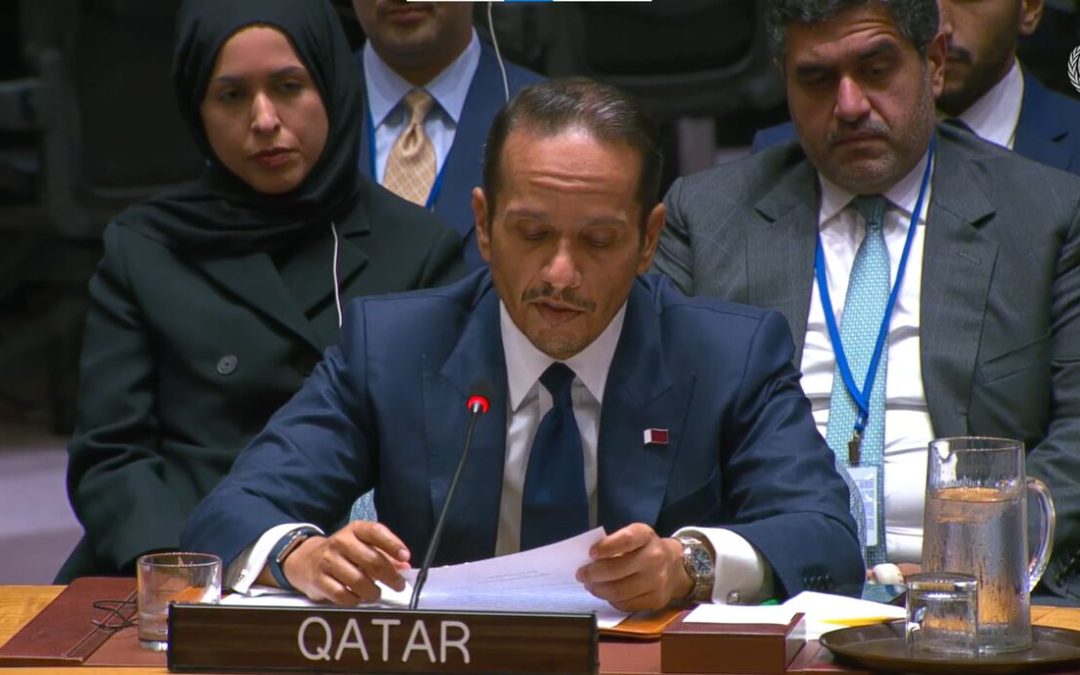
Strategic Council Online – Interview: An international affairs expert stated: The United Nations Security Council recently, in an emergency meeting, condemned the Israeli regime’s attack on Doha and, in a joint statement, called for an immediate cessation of tensions and full respect for Qatar’s national sovereignty. This statement, issued by consensus of all 15 Security Council members, while declaring solidarity with Qatar and speaking about the victimization of civilians and the necessity of a ceasefire in Gaza, did not mention the Israeli regime by name; a silence that itself carries contradictory messages. In other words, this statement was more of a political message to Tel Aviv than a legally binding instrument against the Israeli regime, stating that the international community considers attacking peace mediators a red line. However, currently, there is no will to exert practical pressure on this regime.

International Recognition of US-Taliban Peace Agreement

International Recognition of US-Taliban Peace Agreement

Strategic Council Online: Adoption of a UN Security Council resolution endorsing the US-led peace deal with the Taliban means its international recognition but it has not yet become US internal law and has no executive guarantees.
Seyed Mostafa Hashemi – PhD in Geopolitics and Regional Affairs Expert

أحدث الوظائف

The Makkah Pact Under scrutiny; From the “Deterrence Dilemma” to the “Risk of Disrupting Security”

SCFR Online – Opinion: The Makkah Pact, signed on August 7, 2026, between Saudi Arabia, Turkey, and Pakistan, is more than an answer to geopolitical vacuums; in practice, it faces a “deterrence dilemma” and “differing threat perception.” While this pact symbolizes a transition toward regional self-reliance, its first field tests and the complexities of relations with regional actors will determine its real meaning.

Loading

Security Council Resolution

A Look at Recent UNSC Resolution Against the Israeli Regime’s Military Aggression on Qatar

A Look at Recent UNSC Resolution Against the Israeli Regime’s Military Aggression on Qatar

Strategic Council Online – Interview: An international affairs expert stated: The United Nations Security Council recently, in an emergency meeting, condemned the Israeli regime’s attack on Doha and, in a joint statement, called for an immediate cessation of tensions and full respect for Qatar’s national sovereignty. This statement, issued by consensus of all 15 Security Council members, while declaring solidarity with Qatar and speaking about the victimization of civilians and the necessity of a ceasefire in Gaza, did not mention the Israeli regime by name; a silence that itself carries contradictory messages. In other words, this statement was more of a political message to Tel Aviv than a legally binding instrument against the Israeli regime, stating that the international community considers attacking peace mediators a red line. However, currently, there is no will to exert practical pressure on this regime.

International Recognition of US-Taliban Peace Agreement

International Recognition of US-Taliban Peace Agreement

Strategic Council Online: Adoption of a UN Security Council resolution endorsing the US-led peace deal with the Taliban means its international recognition but it has not yet become US internal law and has no executive guarantees.
Seyed Mostafa Hashemi – PhD in Geopolitics and Regional Affairs Expert

Security Council Resolution

A Look at Recent UNSC Resolution Against the Israeli Regime’s Military Aggression on Qatar

A Look at Recent UNSC Resolution Against the Israeli Regime’s Military Aggression on Qatar

Strategic Council Online – Interview: An international affairs expert stated: The United Nations Security Council recently, in an emergency meeting, condemned the Israeli regime’s attack on Doha and, in a joint statement, called for an immediate cessation of tensions and full respect for Qatar’s national sovereignty. This statement, issued by consensus of all 15 Security Council members, while declaring solidarity with Qatar and speaking about the victimization of civilians and the necessity of a ceasefire in Gaza, did not mention the Israeli regime by name; a silence that itself carries contradictory messages. In other words, this statement was more of a political message to Tel Aviv than a legally binding instrument against the Israeli regime, stating that the international community considers attacking peace mediators a red line. However, currently, there is no will to exert practical pressure on this regime.

International Recognition of US-Taliban Peace Agreement

International Recognition of US-Taliban Peace Agreement

Strategic Council Online: Adoption of a UN Security Council resolution endorsing the US-led peace deal with the Taliban means its international recognition but it has not yet become US internal law and has no executive guarantees.
Seyed Mostafa Hashemi – PhD in Geopolitics and Regional Affairs Expert

LATEST CONTENT

The Makkah Pact Under scrutiny; From the “Deterrence Dilemma” to the “Risk of Disrupting Security”

SCFR Online – Opinion: The Makkah Pact, signed on August 7, 2026, between Saudi Arabia, Turkey, and Pakistan, is more than an answer to geopolitical vacuums; in practice, it faces a “deterrence dilemma” and “differing threat perception.” While this pact symbolizes a transition toward regional self-reliance, its first field tests and the complexities of relations with regional actors will determine its real meaning.

Loading

Security Council Resolution

A Look at Recent UNSC Resolution Against the Israeli Regime’s Military Aggression on Qatar

A Look at Recent UNSC Resolution Against the Israeli Regime’s Military Aggression on Qatar

Strategic Council Online – Interview: An international affairs expert stated: The United Nations Security Council recently, in an emergency meeting, condemned the Israeli regime’s attack on Doha and, in a joint statement, called for an immediate cessation of tensions and full respect for Qatar’s national sovereignty. This statement, issued by consensus of all 15 Security Council members, while declaring solidarity with Qatar and speaking about the victimization of civilians and the necessity of a ceasefire in Gaza, did not mention the Israeli regime by name; a silence that itself carries contradictory messages. In other words, this statement was more of a political message to Tel Aviv than a legally binding instrument against the Israeli regime, stating that the international community considers attacking peace mediators a red line. However, currently, there is no will to exert practical pressure on this regime.

International Recognition of US-Taliban Peace Agreement

International Recognition of US-Taliban Peace Agreement

Strategic Council Online: Adoption of a UN Security Council resolution endorsing the US-led peace deal with the Taliban means its international recognition but it has not yet become US internal law and has no executive guarantees.
Seyed Mostafa Hashemi – PhD in Geopolitics and Regional Affairs Expert

ÚLTIMAS PUBLICACIONES

The Makkah Pact Under scrutiny; From the “Deterrence Dilemma” to the “Risk of Disrupting Security”

SCFR Online – Opinion: The Makkah Pact, signed on August 7, 2026, between Saudi Arabia, Turkey, and Pakistan, is more than an answer to geopolitical vacuums; in practice, it faces a “deterrence dilemma” and “differing threat perception.” While this pact symbolizes a transition toward regional self-reliance, its first field tests and the complexities of relations with regional actors will determine its real meaning.

Loading

Security Council Resolution

A Look at Recent UNSC Resolution Against the Israeli Regime’s Military Aggression on Qatar

A Look at Recent UNSC Resolution Against the Israeli Regime’s Military Aggression on Qatar

Strategic Council Online – Interview: An international affairs expert stated: The United Nations Security Council recently, in an emergency meeting, condemned the Israeli regime’s attack on Doha and, in a joint statement, called for an immediate cessation of tensions and full respect for Qatar’s national sovereignty. This statement, issued by consensus of all 15 Security Council members, while declaring solidarity with Qatar and speaking about the victimization of civilians and the necessity of a ceasefire in Gaza, did not mention the Israeli regime by name; a silence that itself carries contradictory messages. In other words, this statement was more of a political message to Tel Aviv than a legally binding instrument against the Israeli regime, stating that the international community considers attacking peace mediators a red line. However, currently, there is no will to exert practical pressure on this regime.

International Recognition of US-Taliban Peace Agreement

International Recognition of US-Taliban Peace Agreement

Strategic Council Online: Adoption of a UN Security Council resolution endorsing the US-led peace deal with the Taliban means its international recognition but it has not yet become US internal law and has no executive guarantees.
Seyed Mostafa Hashemi – PhD in Geopolitics and Regional Affairs Expert

ÚLTIMAS PUBLICACIONES

The Makkah Pact Under scrutiny; From the “Deterrence Dilemma” to the “Risk of Disrupting Security”

SCFR Online – Opinion: The Makkah Pact, signed on August 7, 2026, between Saudi Arabia, Turkey, and Pakistan, is more than an answer to geopolitical vacuums; in practice, it faces a “deterrence dilemma” and “differing threat perception.” While this pact symbolizes a transition toward regional self-reliance, its first field tests and the complexities of relations with regional actors will determine its real meaning.

Loading

Security Council Resolution

A Look at Recent UNSC Resolution Against the Israeli Regime’s Military Aggression on Qatar

A Look at Recent UNSC Resolution Against the Israeli Regime’s Military Aggression on Qatar

Strategic Council Online – Interview: An international affairs expert stated: The United Nations Security Council recently, in an emergency meeting, condemned the Israeli regime’s attack on Doha and, in a joint statement, called for an immediate cessation of tensions and full respect for Qatar’s national sovereignty. This statement, issued by consensus of all 15 Security Council members, while declaring solidarity with Qatar and speaking about the victimization of civilians and the necessity of a ceasefire in Gaza, did not mention the Israeli regime by name; a silence that itself carries contradictory messages. In other words, this statement was more of a political message to Tel Aviv than a legally binding instrument against the Israeli regime, stating that the international community considers attacking peace mediators a red line. However, currently, there is no will to exert practical pressure on this regime.

International Recognition of US-Taliban Peace Agreement

International Recognition of US-Taliban Peace Agreement

Strategic Council Online: Adoption of a UN Security Council resolution endorsing the US-led peace deal with the Taliban means its international recognition but it has not yet become US internal law and has no executive guarantees.
Seyed Mostafa Hashemi – PhD in Geopolitics and Regional Affairs Expert

ÚLTIMAS PUBLICACIONES

The Makkah Pact Under scrutiny; From the “Deterrence Dilemma” to the “Risk of Disrupting Security”

SCFR Online – Opinion: The Makkah Pact, signed on August 7, 2026, between Saudi Arabia, Turkey, and Pakistan, is more than an answer to geopolitical vacuums; in practice, it faces a “deterrence dilemma” and “differing threat perception.” While this pact symbolizes a transition toward regional self-reliance, its first field tests and the complexities of relations with regional actors will determine its real meaning.

Loading

Security Council Resolution

A Look at Recent UNSC Resolution Against the Israeli Regime’s Military Aggression on Qatar

A Look at Recent UNSC Resolution Against the Israeli Regime’s Military Aggression on Qatar

Strategic Council Online – Interview: An international affairs expert stated: The United Nations Security Council recently, in an emergency meeting, condemned the Israeli regime’s attack on Doha and, in a joint statement, called for an immediate cessation of tensions and full respect for Qatar’s national sovereignty. This statement, issued by consensus of all 15 Security Council members, while declaring solidarity with Qatar and speaking about the victimization of civilians and the necessity of a ceasefire in Gaza, did not mention the Israeli regime by name; a silence that itself carries contradictory messages. In other words, this statement was more of a political message to Tel Aviv than a legally binding instrument against the Israeli regime, stating that the international community considers attacking peace mediators a red line. However, currently, there is no will to exert practical pressure on this regime.

International Recognition of US-Taliban Peace Agreement

International Recognition of US-Taliban Peace Agreement

Strategic Council Online: Adoption of a UN Security Council resolution endorsing the US-led peace deal with the Taliban means its international recognition but it has not yet become US internal law and has no executive guarantees.
Seyed Mostafa Hashemi – PhD in Geopolitics and Regional Affairs Expert

ÚLTIMAS PUBLICACIONES

The Makkah Pact Under scrutiny; From the “Deterrence Dilemma” to the “Risk of Disrupting Security”

SCFR Online – Opinion: The Makkah Pact, signed on August 7, 2026, between Saudi Arabia, Turkey, and Pakistan, is more than an answer to geopolitical vacuums; in practice, it faces a “deterrence dilemma” and “differing threat perception.” While this pact symbolizes a transition toward regional self-reliance, its first field tests and the complexities of relations with regional actors will determine its real meaning.

Loading