جدیدترین مطالب

China’s Rejection of US Sanctions; Strengthening Iran’s Geopolitical Leverage

SCFR Online – Opinion: Concurrent with the official commencement of the United States’ economic war against our country, focusing on sanctions instruments, isolation, and economic pressure, what has now become increasingly important is the lack of alignment of other major global powers, especially China, with this policy.

The Makkah Pact; Reasons for its Formation and Challenges Ahead

SCFR Online – Opinion: The Makkah Pact, signed between Saudi Arabia, Pakistan, and Turkey under the motto “an attack on one is an attack on all,” is viewed by some analysts less as a full-fledged military coalition and more as an attempt to reduce security dependence on an external power and to establish a regional security mechanism.

Implications of the US-Saudi Nuclear Agreement

SCFR Online – Opinion: The new US-Saudi nuclear agreement, despite legal and political ambiguities, could alter previous non-proliferation standards in West Asia and intensify nuclear competition, ushering it into a new phase.

Loading

Seyed Reza Sadr al-Hosseini

The Components of Iran’s Deterrence Power

The Components of Iran’s Deterrence Power

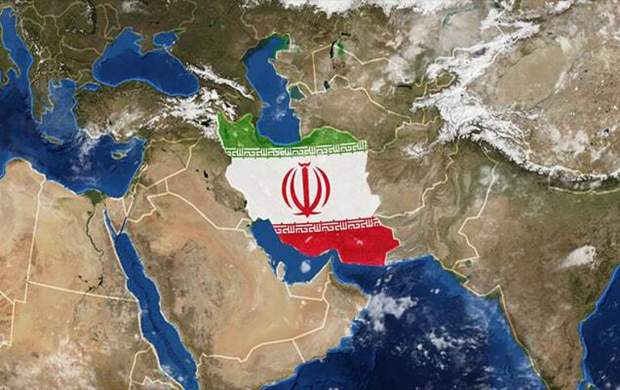
SCFR Online – Opinion: At a time when regional security equations have reached a sensitive stage under the influence of Iran’s strategic confrontation with the United States and the Zionist regime, the question of the nature of Tehran’s defensive power has gained greater significance than ever before. While Washington and Tel Aviv rely on their technological superiority, the Islamic Republic of Iran has presented a model of deterrence that extends beyond the material calculations of the world’s classical militaries. This power, rooted in the connection between “the field” and “the people,” has not only altered the balance of power in recent conflicts but has also disrupted adversaries’ calculations when confronting Iran’s strategic depth.

Objectives and Consequences of the Israeli Regime’s Military Attack on Qatar

Objectives and Consequences of the Israeli Regime’s Military Attack on Qatar

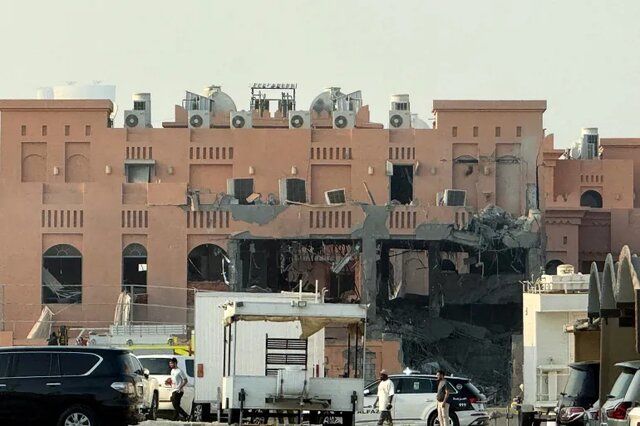
Strategic Council Online – Interview: A West Asia affairs expert stated that the Zionist regime’s airstrike on Doha, the capital of Qatar, aimed at assassinating senior Hamas leaders, once again revealed Tel Aviv’s brazen disregard for international law and the national sovereignty of countries. Benjamin Netanyahu, the Prime Minister of this regime, justified the operation by claiming to “eliminate an existential threat” and asserted that “Hamas leaders were targeted.” However, incoming reports indicate that this attack has failed. This aggression, carried out with the knowledge and consent of American officials, sparked a wave of anger and condemnation across the Arab and Islamic world. From the Arab League to Saudi Arabia, the UAE, Egypt, Iraq, Jordan, Kuwait, Lebanon, and even the Palestinian Authority, they deemed this action a clear violation of international law and a serious threat to regional security. Saudi Arabia warned that the continuation of such behavior could endanger the stability of West Asia, while the UAE described the security of Arab countries as “integral and indivisible.” However, regional observers believe that this wave of condemnations will likely remain at the level of diplomatic statements, with no serious practical action taken by Arab countries—a pattern previously observed in response to the Israeli regime’s repeated attacks on Gaza. Meanwhile, Tel Aviv, relying on American support and the inaction of regional countries, is attempting to manage its internal crisis and advance the “Greater Israel” project by creating successive crises; a project whose explosions are now heard as far as the heart of the Persian Gulf.

Strategic Role of Resistance & Hezbollah in Changing Security Equations of the Region

Strategic Role of Resistance & Hezbollah in Changing Security Equations of the Region

Strategic Council Online – Interview: Having stated that a change has taken place in power equation of the region and is progressing on a daily basis, an analyst of the West Asian affairs said:” Although Resistance and Hezbollah have been targeted with the most severe attacks of the arrogance, yet they continue to act as a standard bearer for confrontation as well as progress and to set new equations”.

Mahmoud Abbas Meeting with Gantz Widens Gap between Palestinian  Groups

Mahmoud Abbas Meeting with Gantz Widens Gap between Palestinian Groups

Strategic Council Online – Interview: An expert on West Asia affairs, saying that Abu Mazen meeting with the Israeli defense minister, would create a rift among Palestinian groups, added: The Zionists, under the current situation, are deeply concerned about the broad solidarity and unity of the Palestinians in the West Bank and Gaza.

Consequences of Bahrain, Zionist Regime Exchanging Ambassadors, Betrayal of Palestinian People

Consequences of Bahrain, Zionist Regime Exchanging Ambassadors, Betrayal of Palestinian People

Strategic Council Online – Interview: An analyst of West Asia affairs said that hatred of the Islamic Ummah of the Arab states that betrayed the Palestinian people is on the rise every day and in this regard we have been witness to the intensification of internal protests in Bahrain, adding: Bahrain, by exposing its relations with the Zionist regime and exchanging ambassador, with open support for the crimes of that regime, is considered an accomplice of it.

Winners and Losers of Gaza War

Winners and Losers of Gaza War

Strategic Council Online – An expert on West Asia affairs referred to the increase in pressures to oust Netanyahu from power as one of the most important strategic defeats for the Zionist regime in the Gaza war and said: Many Arab and Islamic governments and organizations, with their inaction and indifference, were among those who were ashamed in that scene and should thus stand by the Zionist regime.

Riyadh, Manama Concerned about Biden Administration’s Approach on Iran

Riyadh, Manama Concerned about Biden Administration’s Approach on Iran

Strategic Council Online – An analyst of West Asia affairs said that Saudi Arabia and Bahrain are concerned about their internal situation and their governments without popular support and noted that Saudi Arabia and Bahrain, due to their performance in the area of human rights, may have problems with the Democrats in the United States and this has caused concern for the two governments.

Meeting of Palestinian Groups in Lebanon, an Initiative and a Promising Capacity

Meeting of Palestinian Groups in Lebanon, an Initiative and a Promising Capacity

Strategic Council Online – An expert on West Asian affairs underlined the importance of the meeting between Ismail Haniyeh and Seyyed Hassan Nasrallah, saying: The betrayal the UAE regime committed in normalizing relations with the Zionist regime caused some kind of unity and cohesion among Palestinian groups.

Russia-Turkey Agreement and Prospect of Sustained Ceasefire in Idlib

Russia-Turkey Agreement and Prospect of Sustained Ceasefire in Idlib

Strategic Council Online: An expert on Middle East affairs said that the ceasefire agreement between Russia and Turkey is more likely to be in Syria’s favour. He said, given Turkey’s plight in Syria as well as the capability of the Syrian government and army to drive foreign forces out of their country, Turkey has to accept a new agreement.

أحدث الوظائف

China’s Rejection of US Sanctions; Strengthening Iran’s Geopolitical Leverage

SCFR Online – Opinion: Concurrent with the official commencement of the United States’ economic war against our country, focusing on sanctions instruments, isolation, and economic pressure, what has now become increasingly important is the lack of alignment of other major global powers, especially China, with this policy.

The Makkah Pact; Reasons for its Formation and Challenges Ahead

SCFR Online – Opinion: The Makkah Pact, signed between Saudi Arabia, Pakistan, and Turkey under the motto “an attack on one is an attack on all,” is viewed by some analysts less as a full-fledged military coalition and more as an attempt to reduce security dependence on an external power and to establish a regional security mechanism.

Implications of the US-Saudi Nuclear Agreement

SCFR Online – Opinion: The new US-Saudi nuclear agreement, despite legal and political ambiguities, could alter previous non-proliferation standards in West Asia and intensify nuclear competition, ushering it into a new phase.

Loading

Seyed Reza Sadr al-Hosseini

The Components of Iran’s Deterrence Power

The Components of Iran’s Deterrence Power

SCFR Online – Opinion: At a time when regional security equations have reached a sensitive stage under the influence of Iran’s strategic confrontation with the United States and the Zionist regime, the question of the nature of Tehran’s defensive power has gained greater significance than ever before. While Washington and Tel Aviv rely on their technological superiority, the Islamic Republic of Iran has presented a model of deterrence that extends beyond the material calculations of the world’s classical militaries. This power, rooted in the connection between “the field” and “the people,” has not only altered the balance of power in recent conflicts but has also disrupted adversaries’ calculations when confronting Iran’s strategic depth.

Objectives and Consequences of the Israeli Regime’s Military Attack on Qatar

Objectives and Consequences of the Israeli Regime’s Military Attack on Qatar

Strategic Council Online – Interview: A West Asia affairs expert stated that the Zionist regime’s airstrike on Doha, the capital of Qatar, aimed at assassinating senior Hamas leaders, once again revealed Tel Aviv’s brazen disregard for international law and the national sovereignty of countries. Benjamin Netanyahu, the Prime Minister of this regime, justified the operation by claiming to “eliminate an existential threat” and asserted that “Hamas leaders were targeted.” However, incoming reports indicate that this attack has failed. This aggression, carried out with the knowledge and consent of American officials, sparked a wave of anger and condemnation across the Arab and Islamic world. From the Arab League to Saudi Arabia, the UAE, Egypt, Iraq, Jordan, Kuwait, Lebanon, and even the Palestinian Authority, they deemed this action a clear violation of international law and a serious threat to regional security. Saudi Arabia warned that the continuation of such behavior could endanger the stability of West Asia, while the UAE described the security of Arab countries as “integral and indivisible.” However, regional observers believe that this wave of condemnations will likely remain at the level of diplomatic statements, with no serious practical action taken by Arab countries—a pattern previously observed in response to the Israeli regime’s repeated attacks on Gaza. Meanwhile, Tel Aviv, relying on American support and the inaction of regional countries, is attempting to manage its internal crisis and advance the “Greater Israel” project by creating successive crises; a project whose explosions are now heard as far as the heart of the Persian Gulf.

Strategic Role of Resistance & Hezbollah in Changing Security Equations of the Region

Strategic Role of Resistance & Hezbollah in Changing Security Equations of the Region

Strategic Council Online – Interview: Having stated that a change has taken place in power equation of the region and is progressing on a daily basis, an analyst of the West Asian affairs said:” Although Resistance and Hezbollah have been targeted with the most severe attacks of the arrogance, yet they continue to act as a standard bearer for confrontation as well as progress and to set new equations”.

Mahmoud Abbas Meeting with Gantz Widens Gap between Palestinian  Groups

Mahmoud Abbas Meeting with Gantz Widens Gap between Palestinian Groups

Strategic Council Online – Interview: An expert on West Asia affairs, saying that Abu Mazen meeting with the Israeli defense minister, would create a rift among Palestinian groups, added: The Zionists, under the current situation, are deeply concerned about the broad solidarity and unity of the Palestinians in the West Bank and Gaza.

Consequences of Bahrain, Zionist Regime Exchanging Ambassadors, Betrayal of Palestinian People

Consequences of Bahrain, Zionist Regime Exchanging Ambassadors, Betrayal of Palestinian People

Strategic Council Online – Interview: An analyst of West Asia affairs said that hatred of the Islamic Ummah of the Arab states that betrayed the Palestinian people is on the rise every day and in this regard we have been witness to the intensification of internal protests in Bahrain, adding: Bahrain, by exposing its relations with the Zionist regime and exchanging ambassador, with open support for the crimes of that regime, is considered an accomplice of it.

Winners and Losers of Gaza War

Winners and Losers of Gaza War

Strategic Council Online – An expert on West Asia affairs referred to the increase in pressures to oust Netanyahu from power as one of the most important strategic defeats for the Zionist regime in the Gaza war and said: Many Arab and Islamic governments and organizations, with their inaction and indifference, were among those who were ashamed in that scene and should thus stand by the Zionist regime.

Riyadh, Manama Concerned about Biden Administration’s Approach on Iran

Riyadh, Manama Concerned about Biden Administration’s Approach on Iran

Strategic Council Online – An analyst of West Asia affairs said that Saudi Arabia and Bahrain are concerned about their internal situation and their governments without popular support and noted that Saudi Arabia and Bahrain, due to their performance in the area of human rights, may have problems with the Democrats in the United States and this has caused concern for the two governments.

Meeting of Palestinian Groups in Lebanon, an Initiative and a Promising Capacity

Meeting of Palestinian Groups in Lebanon, an Initiative and a Promising Capacity

Strategic Council Online – An expert on West Asian affairs underlined the importance of the meeting between Ismail Haniyeh and Seyyed Hassan Nasrallah, saying: The betrayal the UAE regime committed in normalizing relations with the Zionist regime caused some kind of unity and cohesion among Palestinian groups.

Russia-Turkey Agreement and Prospect of Sustained Ceasefire in Idlib

Russia-Turkey Agreement and Prospect of Sustained Ceasefire in Idlib

Strategic Council Online: An expert on Middle East affairs said that the ceasefire agreement between Russia and Turkey is more likely to be in Syria’s favour. He said, given Turkey’s plight in Syria as well as the capability of the Syrian government and army to drive foreign forces out of their country, Turkey has to accept a new agreement.

Seyed Reza Sadr al-Hosseini

The Components of Iran’s Deterrence Power

The Components of Iran’s Deterrence Power

SCFR Online – Opinion: At a time when regional security equations have reached a sensitive stage under the influence of Iran’s strategic confrontation with the United States and the Zionist regime, the question of the nature of Tehran’s defensive power has gained greater significance than ever before. While Washington and Tel Aviv rely on their technological superiority, the Islamic Republic of Iran has presented a model of deterrence that extends beyond the material calculations of the world’s classical militaries. This power, rooted in the connection between “the field” and “the people,” has not only altered the balance of power in recent conflicts but has also disrupted adversaries’ calculations when confronting Iran’s strategic depth.

Objectives and Consequences of the Israeli Regime’s Military Attack on Qatar

Objectives and Consequences of the Israeli Regime’s Military Attack on Qatar

Strategic Council Online – Interview: A West Asia affairs expert stated that the Zionist regime’s airstrike on Doha, the capital of Qatar, aimed at assassinating senior Hamas leaders, once again revealed Tel Aviv’s brazen disregard for international law and the national sovereignty of countries. Benjamin Netanyahu, the Prime Minister of this regime, justified the operation by claiming to “eliminate an existential threat” and asserted that “Hamas leaders were targeted.” However, incoming reports indicate that this attack has failed. This aggression, carried out with the knowledge and consent of American officials, sparked a wave of anger and condemnation across the Arab and Islamic world. From the Arab League to Saudi Arabia, the UAE, Egypt, Iraq, Jordan, Kuwait, Lebanon, and even the Palestinian Authority, they deemed this action a clear violation of international law and a serious threat to regional security. Saudi Arabia warned that the continuation of such behavior could endanger the stability of West Asia, while the UAE described the security of Arab countries as “integral and indivisible.” However, regional observers believe that this wave of condemnations will likely remain at the level of diplomatic statements, with no serious practical action taken by Arab countries—a pattern previously observed in response to the Israeli regime’s repeated attacks on Gaza. Meanwhile, Tel Aviv, relying on American support and the inaction of regional countries, is attempting to manage its internal crisis and advance the “Greater Israel” project by creating successive crises; a project whose explosions are now heard as far as the heart of the Persian Gulf.

Strategic Role of Resistance & Hezbollah in Changing Security Equations of the Region

Strategic Role of Resistance & Hezbollah in Changing Security Equations of the Region

Strategic Council Online – Interview: Having stated that a change has taken place in power equation of the region and is progressing on a daily basis, an analyst of the West Asian affairs said:” Although Resistance and Hezbollah have been targeted with the most severe attacks of the arrogance, yet they continue to act as a standard bearer for confrontation as well as progress and to set new equations”.

Mahmoud Abbas Meeting with Gantz Widens Gap between Palestinian  Groups

Mahmoud Abbas Meeting with Gantz Widens Gap between Palestinian Groups

Strategic Council Online – Interview: An expert on West Asia affairs, saying that Abu Mazen meeting with the Israeli defense minister, would create a rift among Palestinian groups, added: The Zionists, under the current situation, are deeply concerned about the broad solidarity and unity of the Palestinians in the West Bank and Gaza.

Consequences of Bahrain, Zionist Regime Exchanging Ambassadors, Betrayal of Palestinian People

Consequences of Bahrain, Zionist Regime Exchanging Ambassadors, Betrayal of Palestinian People

Strategic Council Online – Interview: An analyst of West Asia affairs said that hatred of the Islamic Ummah of the Arab states that betrayed the Palestinian people is on the rise every day and in this regard we have been witness to the intensification of internal protests in Bahrain, adding: Bahrain, by exposing its relations with the Zionist regime and exchanging ambassador, with open support for the crimes of that regime, is considered an accomplice of it.

Winners and Losers of Gaza War

Winners and Losers of Gaza War

Strategic Council Online – An expert on West Asia affairs referred to the increase in pressures to oust Netanyahu from power as one of the most important strategic defeats for the Zionist regime in the Gaza war and said: Many Arab and Islamic governments and organizations, with their inaction and indifference, were among those who were ashamed in that scene and should thus stand by the Zionist regime.

Riyadh, Manama Concerned about Biden Administration’s Approach on Iran

Riyadh, Manama Concerned about Biden Administration’s Approach on Iran

Strategic Council Online – An analyst of West Asia affairs said that Saudi Arabia and Bahrain are concerned about their internal situation and their governments without popular support and noted that Saudi Arabia and Bahrain, due to their performance in the area of human rights, may have problems with the Democrats in the United States and this has caused concern for the two governments.

Meeting of Palestinian Groups in Lebanon, an Initiative and a Promising Capacity

Meeting of Palestinian Groups in Lebanon, an Initiative and a Promising Capacity

Strategic Council Online – An expert on West Asian affairs underlined the importance of the meeting between Ismail Haniyeh and Seyyed Hassan Nasrallah, saying: The betrayal the UAE regime committed in normalizing relations with the Zionist regime caused some kind of unity and cohesion among Palestinian groups.

Russia-Turkey Agreement and Prospect of Sustained Ceasefire in Idlib

Russia-Turkey Agreement and Prospect of Sustained Ceasefire in Idlib

Strategic Council Online: An expert on Middle East affairs said that the ceasefire agreement between Russia and Turkey is more likely to be in Syria’s favour. He said, given Turkey’s plight in Syria as well as the capability of the Syrian government and army to drive foreign forces out of their country, Turkey has to accept a new agreement.

LATEST CONTENT

China’s Rejection of US Sanctions; Strengthening Iran’s Geopolitical Leverage

SCFR Online – Opinion: Concurrent with the official commencement of the United States’ economic war against our country, focusing on sanctions instruments, isolation, and economic pressure, what has now become increasingly important is the lack of alignment of other major global powers, especially China, with this policy.

The Makkah Pact; Reasons for its Formation and Challenges Ahead

SCFR Online – Opinion: The Makkah Pact, signed between Saudi Arabia, Pakistan, and Turkey under the motto “an attack on one is an attack on all,” is viewed by some analysts less as a full-fledged military coalition and more as an attempt to reduce security dependence on an external power and to establish a regional security mechanism.

Implications of the US-Saudi Nuclear Agreement

SCFR Online – Opinion: The new US-Saudi nuclear agreement, despite legal and political ambiguities, could alter previous non-proliferation standards in West Asia and intensify nuclear competition, ushering it into a new phase.

Loading

Seyed Reza Sadr al-Hosseini

The Components of Iran’s Deterrence Power

The Components of Iran’s Deterrence Power

SCFR Online – Opinion: At a time when regional security equations have reached a sensitive stage under the influence of Iran’s strategic confrontation with the United States and the Zionist regime, the question of the nature of Tehran’s defensive power has gained greater significance than ever before. While Washington and Tel Aviv rely on their technological superiority, the Islamic Republic of Iran has presented a model of deterrence that extends beyond the material calculations of the world’s classical militaries. This power, rooted in the connection between “the field” and “the people,” has not only altered the balance of power in recent conflicts but has also disrupted adversaries’ calculations when confronting Iran’s strategic depth.

Objectives and Consequences of the Israeli Regime’s Military Attack on Qatar

Objectives and Consequences of the Israeli Regime’s Military Attack on Qatar

Strategic Council Online – Interview: A West Asia affairs expert stated that the Zionist regime’s airstrike on Doha, the capital of Qatar, aimed at assassinating senior Hamas leaders, once again revealed Tel Aviv’s brazen disregard for international law and the national sovereignty of countries. Benjamin Netanyahu, the Prime Minister of this regime, justified the operation by claiming to “eliminate an existential threat” and asserted that “Hamas leaders were targeted.” However, incoming reports indicate that this attack has failed. This aggression, carried out with the knowledge and consent of American officials, sparked a wave of anger and condemnation across the Arab and Islamic world. From the Arab League to Saudi Arabia, the UAE, Egypt, Iraq, Jordan, Kuwait, Lebanon, and even the Palestinian Authority, they deemed this action a clear violation of international law and a serious threat to regional security. Saudi Arabia warned that the continuation of such behavior could endanger the stability of West Asia, while the UAE described the security of Arab countries as “integral and indivisible.” However, regional observers believe that this wave of condemnations will likely remain at the level of diplomatic statements, with no serious practical action taken by Arab countries—a pattern previously observed in response to the Israeli regime’s repeated attacks on Gaza. Meanwhile, Tel Aviv, relying on American support and the inaction of regional countries, is attempting to manage its internal crisis and advance the “Greater Israel” project by creating successive crises; a project whose explosions are now heard as far as the heart of the Persian Gulf.

Strategic Role of Resistance & Hezbollah in Changing Security Equations of the Region

Strategic Role of Resistance & Hezbollah in Changing Security Equations of the Region

Strategic Council Online – Interview: Having stated that a change has taken place in power equation of the region and is progressing on a daily basis, an analyst of the West Asian affairs said:” Although Resistance and Hezbollah have been targeted with the most severe attacks of the arrogance, yet they continue to act as a standard bearer for confrontation as well as progress and to set new equations”.

Mahmoud Abbas Meeting with Gantz Widens Gap between Palestinian  Groups

Mahmoud Abbas Meeting with Gantz Widens Gap between Palestinian Groups

Strategic Council Online – Interview: An expert on West Asia affairs, saying that Abu Mazen meeting with the Israeli defense minister, would create a rift among Palestinian groups, added: The Zionists, under the current situation, are deeply concerned about the broad solidarity and unity of the Palestinians in the West Bank and Gaza.

Consequences of Bahrain, Zionist Regime Exchanging Ambassadors, Betrayal of Palestinian People

Consequences of Bahrain, Zionist Regime Exchanging Ambassadors, Betrayal of Palestinian People

Strategic Council Online – Interview: An analyst of West Asia affairs said that hatred of the Islamic Ummah of the Arab states that betrayed the Palestinian people is on the rise every day and in this regard we have been witness to the intensification of internal protests in Bahrain, adding: Bahrain, by exposing its relations with the Zionist regime and exchanging ambassador, with open support for the crimes of that regime, is considered an accomplice of it.

Winners and Losers of Gaza War

Winners and Losers of Gaza War

Strategic Council Online – An expert on West Asia affairs referred to the increase in pressures to oust Netanyahu from power as one of the most important strategic defeats for the Zionist regime in the Gaza war and said: Many Arab and Islamic governments and organizations, with their inaction and indifference, were among those who were ashamed in that scene and should thus stand by the Zionist regime.

Riyadh, Manama Concerned about Biden Administration’s Approach on Iran

Riyadh, Manama Concerned about Biden Administration’s Approach on Iran

Strategic Council Online – An analyst of West Asia affairs said that Saudi Arabia and Bahrain are concerned about their internal situation and their governments without popular support and noted that Saudi Arabia and Bahrain, due to their performance in the area of human rights, may have problems with the Democrats in the United States and this has caused concern for the two governments.

Meeting of Palestinian Groups in Lebanon, an Initiative and a Promising Capacity

Meeting of Palestinian Groups in Lebanon, an Initiative and a Promising Capacity

Strategic Council Online – An expert on West Asian affairs underlined the importance of the meeting between Ismail Haniyeh and Seyyed Hassan Nasrallah, saying: The betrayal the UAE regime committed in normalizing relations with the Zionist regime caused some kind of unity and cohesion among Palestinian groups.

Russia-Turkey Agreement and Prospect of Sustained Ceasefire in Idlib

Russia-Turkey Agreement and Prospect of Sustained Ceasefire in Idlib

Strategic Council Online: An expert on Middle East affairs said that the ceasefire agreement between Russia and Turkey is more likely to be in Syria’s favour. He said, given Turkey’s plight in Syria as well as the capability of the Syrian government and army to drive foreign forces out of their country, Turkey has to accept a new agreement.

ÚLTIMAS PUBLICACIONES

China’s Rejection of US Sanctions; Strengthening Iran’s Geopolitical Leverage

SCFR Online – Opinion: Concurrent with the official commencement of the United States’ economic war against our country, focusing on sanctions instruments, isolation, and economic pressure, what has now become increasingly important is the lack of alignment of other major global powers, especially China, with this policy.

The Makkah Pact; Reasons for its Formation and Challenges Ahead

SCFR Online – Opinion: The Makkah Pact, signed between Saudi Arabia, Pakistan, and Turkey under the motto “an attack on one is an attack on all,” is viewed by some analysts less as a full-fledged military coalition and more as an attempt to reduce security dependence on an external power and to establish a regional security mechanism.

Implications of the US-Saudi Nuclear Agreement

SCFR Online – Opinion: The new US-Saudi nuclear agreement, despite legal and political ambiguities, could alter previous non-proliferation standards in West Asia and intensify nuclear competition, ushering it into a new phase.

Loading

Seyed Reza Sadr al-Hosseini

The Components of Iran’s Deterrence Power

The Components of Iran’s Deterrence Power

SCFR Online – Opinion: At a time when regional security equations have reached a sensitive stage under the influence of Iran’s strategic confrontation with the United States and the Zionist regime, the question of the nature of Tehran’s defensive power has gained greater significance than ever before. While Washington and Tel Aviv rely on their technological superiority, the Islamic Republic of Iran has presented a model of deterrence that extends beyond the material calculations of the world’s classical militaries. This power, rooted in the connection between “the field” and “the people,” has not only altered the balance of power in recent conflicts but has also disrupted adversaries’ calculations when confronting Iran’s strategic depth.

Objectives and Consequences of the Israeli Regime’s Military Attack on Qatar

Objectives and Consequences of the Israeli Regime’s Military Attack on Qatar

Strategic Council Online – Interview: A West Asia affairs expert stated that the Zionist regime’s airstrike on Doha, the capital of Qatar, aimed at assassinating senior Hamas leaders, once again revealed Tel Aviv’s brazen disregard for international law and the national sovereignty of countries. Benjamin Netanyahu, the Prime Minister of this regime, justified the operation by claiming to “eliminate an existential threat” and asserted that “Hamas leaders were targeted.” However, incoming reports indicate that this attack has failed. This aggression, carried out with the knowledge and consent of American officials, sparked a wave of anger and condemnation across the Arab and Islamic world. From the Arab League to Saudi Arabia, the UAE, Egypt, Iraq, Jordan, Kuwait, Lebanon, and even the Palestinian Authority, they deemed this action a clear violation of international law and a serious threat to regional security. Saudi Arabia warned that the continuation of such behavior could endanger the stability of West Asia, while the UAE described the security of Arab countries as “integral and indivisible.” However, regional observers believe that this wave of condemnations will likely remain at the level of diplomatic statements, with no serious practical action taken by Arab countries—a pattern previously observed in response to the Israeli regime’s repeated attacks on Gaza. Meanwhile, Tel Aviv, relying on American support and the inaction of regional countries, is attempting to manage its internal crisis and advance the “Greater Israel” project by creating successive crises; a project whose explosions are now heard as far as the heart of the Persian Gulf.

Strategic Role of Resistance & Hezbollah in Changing Security Equations of the Region

Strategic Role of Resistance & Hezbollah in Changing Security Equations of the Region

Strategic Council Online – Interview: Having stated that a change has taken place in power equation of the region and is progressing on a daily basis, an analyst of the West Asian affairs said:” Although Resistance and Hezbollah have been targeted with the most severe attacks of the arrogance, yet they continue to act as a standard bearer for confrontation as well as progress and to set new equations”.

Mahmoud Abbas Meeting with Gantz Widens Gap between Palestinian  Groups

Mahmoud Abbas Meeting with Gantz Widens Gap between Palestinian Groups

Strategic Council Online – Interview: An expert on West Asia affairs, saying that Abu Mazen meeting with the Israeli defense minister, would create a rift among Palestinian groups, added: The Zionists, under the current situation, are deeply concerned about the broad solidarity and unity of the Palestinians in the West Bank and Gaza.

Consequences of Bahrain, Zionist Regime Exchanging Ambassadors, Betrayal of Palestinian People

Consequences of Bahrain, Zionist Regime Exchanging Ambassadors, Betrayal of Palestinian People

Strategic Council Online – Interview: An analyst of West Asia affairs said that hatred of the Islamic Ummah of the Arab states that betrayed the Palestinian people is on the rise every day and in this regard we have been witness to the intensification of internal protests in Bahrain, adding: Bahrain, by exposing its relations with the Zionist regime and exchanging ambassador, with open support for the crimes of that regime, is considered an accomplice of it.

Winners and Losers of Gaza War

Winners and Losers of Gaza War

Strategic Council Online – An expert on West Asia affairs referred to the increase in pressures to oust Netanyahu from power as one of the most important strategic defeats for the Zionist regime in the Gaza war and said: Many Arab and Islamic governments and organizations, with their inaction and indifference, were among those who were ashamed in that scene and should thus stand by the Zionist regime.

Riyadh, Manama Concerned about Biden Administration’s Approach on Iran

Riyadh, Manama Concerned about Biden Administration’s Approach on Iran

Strategic Council Online – An analyst of West Asia affairs said that Saudi Arabia and Bahrain are concerned about their internal situation and their governments without popular support and noted that Saudi Arabia and Bahrain, due to their performance in the area of human rights, may have problems with the Democrats in the United States and this has caused concern for the two governments.

Meeting of Palestinian Groups in Lebanon, an Initiative and a Promising Capacity

Meeting of Palestinian Groups in Lebanon, an Initiative and a Promising Capacity

Strategic Council Online – An expert on West Asian affairs underlined the importance of the meeting between Ismail Haniyeh and Seyyed Hassan Nasrallah, saying: The betrayal the UAE regime committed in normalizing relations with the Zionist regime caused some kind of unity and cohesion among Palestinian groups.

Russia-Turkey Agreement and Prospect of Sustained Ceasefire in Idlib

Russia-Turkey Agreement and Prospect of Sustained Ceasefire in Idlib

Strategic Council Online: An expert on Middle East affairs said that the ceasefire agreement between Russia and Turkey is more likely to be in Syria’s favour. He said, given Turkey’s plight in Syria as well as the capability of the Syrian government and army to drive foreign forces out of their country, Turkey has to accept a new agreement.

ÚLTIMAS PUBLICACIONES

China’s Rejection of US Sanctions; Strengthening Iran’s Geopolitical Leverage

SCFR Online – Opinion: Concurrent with the official commencement of the United States’ economic war against our country, focusing on sanctions instruments, isolation, and economic pressure, what has now become increasingly important is the lack of alignment of other major global powers, especially China, with this policy.

The Makkah Pact; Reasons for its Formation and Challenges Ahead

SCFR Online – Opinion: The Makkah Pact, signed between Saudi Arabia, Pakistan, and Turkey under the motto “an attack on one is an attack on all,” is viewed by some analysts less as a full-fledged military coalition and more as an attempt to reduce security dependence on an external power and to establish a regional security mechanism.

Implications of the US-Saudi Nuclear Agreement

SCFR Online – Opinion: The new US-Saudi nuclear agreement, despite legal and political ambiguities, could alter previous non-proliferation standards in West Asia and intensify nuclear competition, ushering it into a new phase.

Loading

Seyed Reza Sadr al-Hosseini

The Components of Iran’s Deterrence Power

The Components of Iran’s Deterrence Power

SCFR Online – Opinion: At a time when regional security equations have reached a sensitive stage under the influence of Iran’s strategic confrontation with the United States and the Zionist regime, the question of the nature of Tehran’s defensive power has gained greater significance than ever before. While Washington and Tel Aviv rely on their technological superiority, the Islamic Republic of Iran has presented a model of deterrence that extends beyond the material calculations of the world’s classical militaries. This power, rooted in the connection between “the field” and “the people,” has not only altered the balance of power in recent conflicts but has also disrupted adversaries’ calculations when confronting Iran’s strategic depth.

Objectives and Consequences of the Israeli Regime’s Military Attack on Qatar

Objectives and Consequences of the Israeli Regime’s Military Attack on Qatar

Strategic Council Online – Interview: A West Asia affairs expert stated that the Zionist regime’s airstrike on Doha, the capital of Qatar, aimed at assassinating senior Hamas leaders, once again revealed Tel Aviv’s brazen disregard for international law and the national sovereignty of countries. Benjamin Netanyahu, the Prime Minister of this regime, justified the operation by claiming to “eliminate an existential threat” and asserted that “Hamas leaders were targeted.” However, incoming reports indicate that this attack has failed. This aggression, carried out with the knowledge and consent of American officials, sparked a wave of anger and condemnation across the Arab and Islamic world. From the Arab League to Saudi Arabia, the UAE, Egypt, Iraq, Jordan, Kuwait, Lebanon, and even the Palestinian Authority, they deemed this action a clear violation of international law and a serious threat to regional security. Saudi Arabia warned that the continuation of such behavior could endanger the stability of West Asia, while the UAE described the security of Arab countries as “integral and indivisible.” However, regional observers believe that this wave of condemnations will likely remain at the level of diplomatic statements, with no serious practical action taken by Arab countries—a pattern previously observed in response to the Israeli regime’s repeated attacks on Gaza. Meanwhile, Tel Aviv, relying on American support and the inaction of regional countries, is attempting to manage its internal crisis and advance the “Greater Israel” project by creating successive crises; a project whose explosions are now heard as far as the heart of the Persian Gulf.

Strategic Role of Resistance & Hezbollah in Changing Security Equations of the Region

Strategic Role of Resistance & Hezbollah in Changing Security Equations of the Region

Strategic Council Online – Interview: Having stated that a change has taken place in power equation of the region and is progressing on a daily basis, an analyst of the West Asian affairs said:” Although Resistance and Hezbollah have been targeted with the most severe attacks of the arrogance, yet they continue to act as a standard bearer for confrontation as well as progress and to set new equations”.

Mahmoud Abbas Meeting with Gantz Widens Gap between Palestinian  Groups

Mahmoud Abbas Meeting with Gantz Widens Gap between Palestinian Groups

Strategic Council Online – Interview: An expert on West Asia affairs, saying that Abu Mazen meeting with the Israeli defense minister, would create a rift among Palestinian groups, added: The Zionists, under the current situation, are deeply concerned about the broad solidarity and unity of the Palestinians in the West Bank and Gaza.

Consequences of Bahrain, Zionist Regime Exchanging Ambassadors, Betrayal of Palestinian People

Consequences of Bahrain, Zionist Regime Exchanging Ambassadors, Betrayal of Palestinian People

Strategic Council Online – Interview: An analyst of West Asia affairs said that hatred of the Islamic Ummah of the Arab states that betrayed the Palestinian people is on the rise every day and in this regard we have been witness to the intensification of internal protests in Bahrain, adding: Bahrain, by exposing its relations with the Zionist regime and exchanging ambassador, with open support for the crimes of that regime, is considered an accomplice of it.

Winners and Losers of Gaza War

Winners and Losers of Gaza War

Strategic Council Online – An expert on West Asia affairs referred to the increase in pressures to oust Netanyahu from power as one of the most important strategic defeats for the Zionist regime in the Gaza war and said: Many Arab and Islamic governments and organizations, with their inaction and indifference, were among those who were ashamed in that scene and should thus stand by the Zionist regime.

Riyadh, Manama Concerned about Biden Administration’s Approach on Iran

Riyadh, Manama Concerned about Biden Administration’s Approach on Iran

Strategic Council Online – An analyst of West Asia affairs said that Saudi Arabia and Bahrain are concerned about their internal situation and their governments without popular support and noted that Saudi Arabia and Bahrain, due to their performance in the area of human rights, may have problems with the Democrats in the United States and this has caused concern for the two governments.

Meeting of Palestinian Groups in Lebanon, an Initiative and a Promising Capacity

Meeting of Palestinian Groups in Lebanon, an Initiative and a Promising Capacity

Strategic Council Online – An expert on West Asian affairs underlined the importance of the meeting between Ismail Haniyeh and Seyyed Hassan Nasrallah, saying: The betrayal the UAE regime committed in normalizing relations with the Zionist regime caused some kind of unity and cohesion among Palestinian groups.

Russia-Turkey Agreement and Prospect of Sustained Ceasefire in Idlib

Russia-Turkey Agreement and Prospect of Sustained Ceasefire in Idlib

Strategic Council Online: An expert on Middle East affairs said that the ceasefire agreement between Russia and Turkey is more likely to be in Syria’s favour. He said, given Turkey’s plight in Syria as well as the capability of the Syrian government and army to drive foreign forces out of their country, Turkey has to accept a new agreement.

ÚLTIMAS PUBLICACIONES

China’s Rejection of US Sanctions; Strengthening Iran’s Geopolitical Leverage

SCFR Online – Opinion: Concurrent with the official commencement of the United States’ economic war against our country, focusing on sanctions instruments, isolation, and economic pressure, what has now become increasingly important is the lack of alignment of other major global powers, especially China, with this policy.

The Makkah Pact; Reasons for its Formation and Challenges Ahead

SCFR Online – Opinion: The Makkah Pact, signed between Saudi Arabia, Pakistan, and Turkey under the motto “an attack on one is an attack on all,” is viewed by some analysts less as a full-fledged military coalition and more as an attempt to reduce security dependence on an external power and to establish a regional security mechanism.

Implications of the US-Saudi Nuclear Agreement

SCFR Online – Opinion: The new US-Saudi nuclear agreement, despite legal and political ambiguities, could alter previous non-proliferation standards in West Asia and intensify nuclear competition, ushering it into a new phase.

Loading

Seyed Reza Sadr al-Hosseini

The Components of Iran’s Deterrence Power

The Components of Iran’s Deterrence Power

SCFR Online – Opinion: At a time when regional security equations have reached a sensitive stage under the influence of Iran’s strategic confrontation with the United States and the Zionist regime, the question of the nature of Tehran’s defensive power has gained greater significance than ever before. While Washington and Tel Aviv rely on their technological superiority, the Islamic Republic of Iran has presented a model of deterrence that extends beyond the material calculations of the world’s classical militaries. This power, rooted in the connection between “the field” and “the people,” has not only altered the balance of power in recent conflicts but has also disrupted adversaries’ calculations when confronting Iran’s strategic depth.

Objectives and Consequences of the Israeli Regime’s Military Attack on Qatar

Objectives and Consequences of the Israeli Regime’s Military Attack on Qatar

Strategic Council Online – Interview: A West Asia affairs expert stated that the Zionist regime’s airstrike on Doha, the capital of Qatar, aimed at assassinating senior Hamas leaders, once again revealed Tel Aviv’s brazen disregard for international law and the national sovereignty of countries. Benjamin Netanyahu, the Prime Minister of this regime, justified the operation by claiming to “eliminate an existential threat” and asserted that “Hamas leaders were targeted.” However, incoming reports indicate that this attack has failed. This aggression, carried out with the knowledge and consent of American officials, sparked a wave of anger and condemnation across the Arab and Islamic world. From the Arab League to Saudi Arabia, the UAE, Egypt, Iraq, Jordan, Kuwait, Lebanon, and even the Palestinian Authority, they deemed this action a clear violation of international law and a serious threat to regional security. Saudi Arabia warned that the continuation of such behavior could endanger the stability of West Asia, while the UAE described the security of Arab countries as “integral and indivisible.” However, regional observers believe that this wave of condemnations will likely remain at the level of diplomatic statements, with no serious practical action taken by Arab countries—a pattern previously observed in response to the Israeli regime’s repeated attacks on Gaza. Meanwhile, Tel Aviv, relying on American support and the inaction of regional countries, is attempting to manage its internal crisis and advance the “Greater Israel” project by creating successive crises; a project whose explosions are now heard as far as the heart of the Persian Gulf.

Strategic Role of Resistance & Hezbollah in Changing Security Equations of the Region

Strategic Role of Resistance & Hezbollah in Changing Security Equations of the Region

Strategic Council Online – Interview: Having stated that a change has taken place in power equation of the region and is progressing on a daily basis, an analyst of the West Asian affairs said:” Although Resistance and Hezbollah have been targeted with the most severe attacks of the arrogance, yet they continue to act as a standard bearer for confrontation as well as progress and to set new equations”.

Mahmoud Abbas Meeting with Gantz Widens Gap between Palestinian  Groups

Mahmoud Abbas Meeting with Gantz Widens Gap between Palestinian Groups

Strategic Council Online – Interview: An expert on West Asia affairs, saying that Abu Mazen meeting with the Israeli defense minister, would create a rift among Palestinian groups, added: The Zionists, under the current situation, are deeply concerned about the broad solidarity and unity of the Palestinians in the West Bank and Gaza.

Consequences of Bahrain, Zionist Regime Exchanging Ambassadors, Betrayal of Palestinian People

Consequences of Bahrain, Zionist Regime Exchanging Ambassadors, Betrayal of Palestinian People

Strategic Council Online – Interview: An analyst of West Asia affairs said that hatred of the Islamic Ummah of the Arab states that betrayed the Palestinian people is on the rise every day and in this regard we have been witness to the intensification of internal protests in Bahrain, adding: Bahrain, by exposing its relations with the Zionist regime and exchanging ambassador, with open support for the crimes of that regime, is considered an accomplice of it.

Winners and Losers of Gaza War

Winners and Losers of Gaza War

Strategic Council Online – An expert on West Asia affairs referred to the increase in pressures to oust Netanyahu from power as one of the most important strategic defeats for the Zionist regime in the Gaza war and said: Many Arab and Islamic governments and organizations, with their inaction and indifference, were among those who were ashamed in that scene and should thus stand by the Zionist regime.

Riyadh, Manama Concerned about Biden Administration’s Approach on Iran

Riyadh, Manama Concerned about Biden Administration’s Approach on Iran

Strategic Council Online – An analyst of West Asia affairs said that Saudi Arabia and Bahrain are concerned about their internal situation and their governments without popular support and noted that Saudi Arabia and Bahrain, due to their performance in the area of human rights, may have problems with the Democrats in the United States and this has caused concern for the two governments.

Meeting of Palestinian Groups in Lebanon, an Initiative and a Promising Capacity

Meeting of Palestinian Groups in Lebanon, an Initiative and a Promising Capacity

Strategic Council Online – An expert on West Asian affairs underlined the importance of the meeting between Ismail Haniyeh and Seyyed Hassan Nasrallah, saying: The betrayal the UAE regime committed in normalizing relations with the Zionist regime caused some kind of unity and cohesion among Palestinian groups.

Russia-Turkey Agreement and Prospect of Sustained Ceasefire in Idlib

Russia-Turkey Agreement and Prospect of Sustained Ceasefire in Idlib

Strategic Council Online: An expert on Middle East affairs said that the ceasefire agreement between Russia and Turkey is more likely to be in Syria’s favour. He said, given Turkey’s plight in Syria as well as the capability of the Syrian government and army to drive foreign forces out of their country, Turkey has to accept a new agreement.

ÚLTIMAS PUBLICACIONES

China’s Rejection of US Sanctions; Strengthening Iran’s Geopolitical Leverage

SCFR Online – Opinion: Concurrent with the official commencement of the United States’ economic war against our country, focusing on sanctions instruments, isolation, and economic pressure, what has now become increasingly important is the lack of alignment of other major global powers, especially China, with this policy.

The Makkah Pact; Reasons for its Formation and Challenges Ahead

SCFR Online – Opinion: The Makkah Pact, signed between Saudi Arabia, Pakistan, and Turkey under the motto “an attack on one is an attack on all,” is viewed by some analysts less as a full-fledged military coalition and more as an attempt to reduce security dependence on an external power and to establish a regional security mechanism.

Implications of the US-Saudi Nuclear Agreement

SCFR Online – Opinion: The new US-Saudi nuclear agreement, despite legal and political ambiguities, could alter previous non-proliferation standards in West Asia and intensify nuclear competition, ushering it into a new phase.

Loading