Geoeconomics as the Most Important Arena of Great Power Competition
SCFR Online – Opinion: Great power competition is now pursued more in trade, currency, technology, and global supply chains than on the battlefields of military confrontation.
Strategic Council Online – Note: By disregarding Iran’s deterrence capabilities and political economy leverage in the Strait of Hormuz, Washington has reached a strategic deadlock from which military means are unable to extricate it.
SCFR Online – Opinion: Foreign policy analysis is valid when it evaluates decisions based on the information and circumstances prevailing at the time they were made, not on the basis of outcomes that only become apparent after the crisis has ended.
SCFR Online-Opinion: Sanctions are gradually transforming from classical financial instruments into complex mechanisms for the containment of technology, data, and global supply chains.
SCFR Online – Opinion: Emmanuel Macron’s visit to Damascus is an attempt to redefine France’s role in Syria following the recent political developments in that country; an effort pursued within the context of great power competition and the country’s security challenges.
Strategic Council Online – Note: Middle powers such as India, Turkey, Australia, and some Persian Gulf countries are no longer marginal actors, but are redefining global power equations through balancing diplomacy.
Strategic Council Online – Note: In today’s global politics, the creation of narratives has become as important as territorial control and economic management, and has turned into the main tool of great power competition.
Strategic Council Online – Note: Hamas’s handing over the civilian management in Gaza is assessed as an attempt to reduce political pressures, facilitate reconstruction, and preserve the status of resistance in the future equations of Palestine.
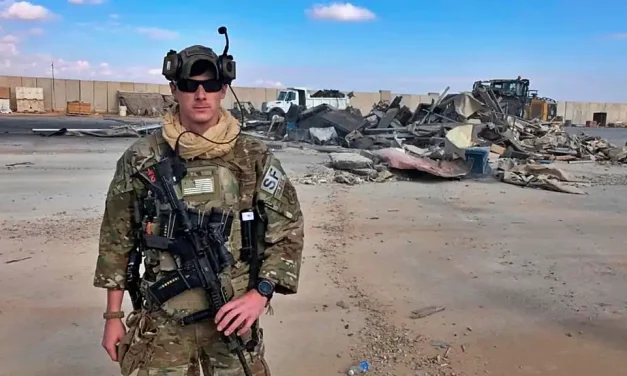
Strategic Council Online: According to the agreement reached between the United States and the Taliban in March 2018, the withdrawal of US troops from Afghanistan will begin and by mid-July (July 2020) the number of US combat troops will reach 8600 persons. This is happening at a time when the bilateral security agreement between the United States and the Afghan government is still valid. In addition, in recent months, the activities of terrorist groups in Afghanistan have not diminished, but in addition to the Taliban’s spring attacks, ISIS terrorist activities in Afghanistan are taking civilian tolls from among the oppressed people of Afghanistan, and the atmosphere of insecurity has not changed. Although the withdrawal of US troops from Afghanistan is important, it may have significant implications for the future of Afghanistan and the region, given the shortcomings and negligence in fulfilling their commitments, especially in the field of training Afghan forces. Americans should accept responsibility and pay the damages.
Seyed Mostafa Hashemi – Afghan Affairs Expert
SCFR Online – Opinion: Great power competition is now pursued more in trade, currency, technology, and global supply chains than on the battlefields of military confrontation.
Strategic Council Online – Note: By disregarding Iran’s deterrence capabilities and political economy leverage in the Strait of Hormuz, Washington has reached a strategic deadlock from which military means are unable to extricate it.
SCFR Online – Opinion: Foreign policy analysis is valid when it evaluates decisions based on the information and circumstances prevailing at the time they were made, not on the basis of outcomes that only become apparent after the crisis has ended.
SCFR Online-Opinion: Sanctions are gradually transforming from classical financial instruments into complex mechanisms for the containment of technology, data, and global supply chains.
SCFR Online – Opinion: Emmanuel Macron’s visit to Damascus is an attempt to redefine France’s role in Syria following the recent political developments in that country; an effort pursued within the context of great power competition and the country’s security challenges.
Strategic Council Online – Note: Middle powers such as India, Turkey, Australia, and some Persian Gulf countries are no longer marginal actors, but are redefining global power equations through balancing diplomacy.
Strategic Council Online – Note: In today’s global politics, the creation of narratives has become as important as territorial control and economic management, and has turned into the main tool of great power competition.
Strategic Council Online – Note: Hamas’s handing over the civilian management in Gaza is assessed as an attempt to reduce political pressures, facilitate reconstruction, and preserve the status of resistance in the future equations of Palestine.
Strategic Council Online: According to the agreement reached between the United States and the Taliban in March 2018, the withdrawal of US troops from Afghanistan will begin and by mid-July (July 2020) the number of US combat troops will reach 8600 persons. This is happening at a time when the bilateral security agreement between the United States and the Afghan government is still valid. In addition, in recent months, the activities of terrorist groups in Afghanistan have not diminished, but in addition to the Taliban’s spring attacks, ISIS terrorist activities in Afghanistan are taking civilian tolls from among the oppressed people of Afghanistan, and the atmosphere of insecurity has not changed. Although the withdrawal of US troops from Afghanistan is important, it may have significant implications for the future of Afghanistan and the region, given the shortcomings and negligence in fulfilling their commitments, especially in the field of training Afghan forces. Americans should accept responsibility and pay the damages.
Seyed Mostafa Hashemi – Afghan Affairs Expert
Strategic Council Online: According to the agreement reached between the United States and the Taliban in March 2018, the withdrawal of US troops from Afghanistan will begin and by mid-July (July 2020) the number of US combat troops will reach 8600 persons. This is happening at a time when the bilateral security agreement between the United States and the Afghan government is still valid. In addition, in recent months, the activities of terrorist groups in Afghanistan have not diminished, but in addition to the Taliban’s spring attacks, ISIS terrorist activities in Afghanistan are taking civilian tolls from among the oppressed people of Afghanistan, and the atmosphere of insecurity has not changed. Although the withdrawal of US troops from Afghanistan is important, it may have significant implications for the future of Afghanistan and the region, given the shortcomings and negligence in fulfilling their commitments, especially in the field of training Afghan forces. Americans should accept responsibility and pay the damages.
Seyed Mostafa Hashemi – Afghan Affairs Expert
SCFR Online – Opinion: Great power competition is now pursued more in trade, currency, technology, and global supply chains than on the battlefields of military confrontation.
Strategic Council Online – Note: By disregarding Iran’s deterrence capabilities and political economy leverage in the Strait of Hormuz, Washington has reached a strategic deadlock from which military means are unable to extricate it.
SCFR Online – Opinion: Foreign policy analysis is valid when it evaluates decisions based on the information and circumstances prevailing at the time they were made, not on the basis of outcomes that only become apparent after the crisis has ended.
SCFR Online-Opinion: Sanctions are gradually transforming from classical financial instruments into complex mechanisms for the containment of technology, data, and global supply chains.
SCFR Online – Opinion: Emmanuel Macron’s visit to Damascus is an attempt to redefine France’s role in Syria following the recent political developments in that country; an effort pursued within the context of great power competition and the country’s security challenges.
Strategic Council Online – Note: Middle powers such as India, Turkey, Australia, and some Persian Gulf countries are no longer marginal actors, but are redefining global power equations through balancing diplomacy.
Strategic Council Online – Note: In today’s global politics, the creation of narratives has become as important as territorial control and economic management, and has turned into the main tool of great power competition.
Strategic Council Online – Note: Hamas’s handing over the civilian management in Gaza is assessed as an attempt to reduce political pressures, facilitate reconstruction, and preserve the status of resistance in the future equations of Palestine.
Strategic Council Online: According to the agreement reached between the United States and the Taliban in March 2018, the withdrawal of US troops from Afghanistan will begin and by mid-July (July 2020) the number of US combat troops will reach 8600 persons. This is happening at a time when the bilateral security agreement between the United States and the Afghan government is still valid. In addition, in recent months, the activities of terrorist groups in Afghanistan have not diminished, but in addition to the Taliban’s spring attacks, ISIS terrorist activities in Afghanistan are taking civilian tolls from among the oppressed people of Afghanistan, and the atmosphere of insecurity has not changed. Although the withdrawal of US troops from Afghanistan is important, it may have significant implications for the future of Afghanistan and the region, given the shortcomings and negligence in fulfilling their commitments, especially in the field of training Afghan forces. Americans should accept responsibility and pay the damages.
Seyed Mostafa Hashemi – Afghan Affairs Expert
SCFR Online – Opinion: Great power competition is now pursued more in trade, currency, technology, and global supply chains than on the battlefields of military confrontation.
Strategic Council Online – Note: By disregarding Iran’s deterrence capabilities and political economy leverage in the Strait of Hormuz, Washington has reached a strategic deadlock from which military means are unable to extricate it.
SCFR Online – Opinion: Foreign policy analysis is valid when it evaluates decisions based on the information and circumstances prevailing at the time they were made, not on the basis of outcomes that only become apparent after the crisis has ended.
SCFR Online-Opinion: Sanctions are gradually transforming from classical financial instruments into complex mechanisms for the containment of technology, data, and global supply chains.
SCFR Online – Opinion: Emmanuel Macron’s visit to Damascus is an attempt to redefine France’s role in Syria following the recent political developments in that country; an effort pursued within the context of great power competition and the country’s security challenges.
Strategic Council Online – Note: Middle powers such as India, Turkey, Australia, and some Persian Gulf countries are no longer marginal actors, but are redefining global power equations through balancing diplomacy.
Strategic Council Online – Note: In today’s global politics, the creation of narratives has become as important as territorial control and economic management, and has turned into the main tool of great power competition.
Strategic Council Online – Note: Hamas’s handing over the civilian management in Gaza is assessed as an attempt to reduce political pressures, facilitate reconstruction, and preserve the status of resistance in the future equations of Palestine.
Strategic Council Online: According to the agreement reached between the United States and the Taliban in March 2018, the withdrawal of US troops from Afghanistan will begin and by mid-July (July 2020) the number of US combat troops will reach 8600 persons. This is happening at a time when the bilateral security agreement between the United States and the Afghan government is still valid. In addition, in recent months, the activities of terrorist groups in Afghanistan have not diminished, but in addition to the Taliban’s spring attacks, ISIS terrorist activities in Afghanistan are taking civilian tolls from among the oppressed people of Afghanistan, and the atmosphere of insecurity has not changed. Although the withdrawal of US troops from Afghanistan is important, it may have significant implications for the future of Afghanistan and the region, given the shortcomings and negligence in fulfilling their commitments, especially in the field of training Afghan forces. Americans should accept responsibility and pay the damages.
Seyed Mostafa Hashemi – Afghan Affairs Expert
SCFR Online – Opinion: Great power competition is now pursued more in trade, currency, technology, and global supply chains than on the battlefields of military confrontation.
Strategic Council Online – Note: By disregarding Iran’s deterrence capabilities and political economy leverage in the Strait of Hormuz, Washington has reached a strategic deadlock from which military means are unable to extricate it.
SCFR Online – Opinion: Foreign policy analysis is valid when it evaluates decisions based on the information and circumstances prevailing at the time they were made, not on the basis of outcomes that only become apparent after the crisis has ended.
SCFR Online-Opinion: Sanctions are gradually transforming from classical financial instruments into complex mechanisms for the containment of technology, data, and global supply chains.
SCFR Online – Opinion: Emmanuel Macron’s visit to Damascus is an attempt to redefine France’s role in Syria following the recent political developments in that country; an effort pursued within the context of great power competition and the country’s security challenges.
Strategic Council Online – Note: Middle powers such as India, Turkey, Australia, and some Persian Gulf countries are no longer marginal actors, but are redefining global power equations through balancing diplomacy.
Strategic Council Online – Note: In today’s global politics, the creation of narratives has become as important as territorial control and economic management, and has turned into the main tool of great power competition.
Strategic Council Online – Note: Hamas’s handing over the civilian management in Gaza is assessed as an attempt to reduce political pressures, facilitate reconstruction, and preserve the status of resistance in the future equations of Palestine.
Strategic Council Online: According to the agreement reached between the United States and the Taliban in March 2018, the withdrawal of US troops from Afghanistan will begin and by mid-July (July 2020) the number of US combat troops will reach 8600 persons. This is happening at a time when the bilateral security agreement between the United States and the Afghan government is still valid. In addition, in recent months, the activities of terrorist groups in Afghanistan have not diminished, but in addition to the Taliban’s spring attacks, ISIS terrorist activities in Afghanistan are taking civilian tolls from among the oppressed people of Afghanistan, and the atmosphere of insecurity has not changed. Although the withdrawal of US troops from Afghanistan is important, it may have significant implications for the future of Afghanistan and the region, given the shortcomings and negligence in fulfilling their commitments, especially in the field of training Afghan forces. Americans should accept responsibility and pay the damages.
Seyed Mostafa Hashemi – Afghan Affairs Expert
SCFR Online – Opinion: Great power competition is now pursued more in trade, currency, technology, and global supply chains than on the battlefields of military confrontation.
Strategic Council Online – Note: By disregarding Iran’s deterrence capabilities and political economy leverage in the Strait of Hormuz, Washington has reached a strategic deadlock from which military means are unable to extricate it.
SCFR Online – Opinion: Foreign policy analysis is valid when it evaluates decisions based on the information and circumstances prevailing at the time they were made, not on the basis of outcomes that only become apparent after the crisis has ended.
SCFR Online-Opinion: Sanctions are gradually transforming from classical financial instruments into complex mechanisms for the containment of technology, data, and global supply chains.
SCFR Online – Opinion: Emmanuel Macron’s visit to Damascus is an attempt to redefine France’s role in Syria following the recent political developments in that country; an effort pursued within the context of great power competition and the country’s security challenges.
Strategic Council Online – Note: Middle powers such as India, Turkey, Australia, and some Persian Gulf countries are no longer marginal actors, but are redefining global power equations through balancing diplomacy.
Strategic Council Online – Note: In today’s global politics, the creation of narratives has become as important as territorial control and economic management, and has turned into the main tool of great power competition.
Strategic Council Online – Note: Hamas’s handing over the civilian management in Gaza is assessed as an attempt to reduce political pressures, facilitate reconstruction, and preserve the status of resistance in the future equations of Palestine.
Strategic Council Online: According to the agreement reached between the United States and the Taliban in March 2018, the withdrawal of US troops from Afghanistan will begin and by mid-July (July 2020) the number of US combat troops will reach 8600 persons. This is happening at a time when the bilateral security agreement between the United States and the Afghan government is still valid. In addition, in recent months, the activities of terrorist groups in Afghanistan have not diminished, but in addition to the Taliban’s spring attacks, ISIS terrorist activities in Afghanistan are taking civilian tolls from among the oppressed people of Afghanistan, and the atmosphere of insecurity has not changed. Although the withdrawal of US troops from Afghanistan is important, it may have significant implications for the future of Afghanistan and the region, given the shortcomings and negligence in fulfilling their commitments, especially in the field of training Afghan forces. Americans should accept responsibility and pay the damages.
Seyed Mostafa Hashemi – Afghan Affairs Expert
SCFR Online – Opinion: Great power competition is now pursued more in trade, currency, technology, and global supply chains than on the battlefields of military confrontation.
Strategic Council Online – Note: By disregarding Iran’s deterrence capabilities and political economy leverage in the Strait of Hormuz, Washington has reached a strategic deadlock from which military means are unable to extricate it.
SCFR Online – Opinion: Foreign policy analysis is valid when it evaluates decisions based on the information and circumstances prevailing at the time they were made, not on the basis of outcomes that only become apparent after the crisis has ended.
SCFR Online-Opinion: Sanctions are gradually transforming from classical financial instruments into complex mechanisms for the containment of technology, data, and global supply chains.
SCFR Online – Opinion: Emmanuel Macron’s visit to Damascus is an attempt to redefine France’s role in Syria following the recent political developments in that country; an effort pursued within the context of great power competition and the country’s security challenges.
Strategic Council Online – Note: Middle powers such as India, Turkey, Australia, and some Persian Gulf countries are no longer marginal actors, but are redefining global power equations through balancing diplomacy.
Strategic Council Online – Note: In today’s global politics, the creation of narratives has become as important as territorial control and economic management, and has turned into the main tool of great power competition.
Strategic Council Online – Note: Hamas’s handing over the civilian management in Gaza is assessed as an attempt to reduce political pressures, facilitate reconstruction, and preserve the status of resistance in the future equations of Palestine.