جدیدترین مطالب

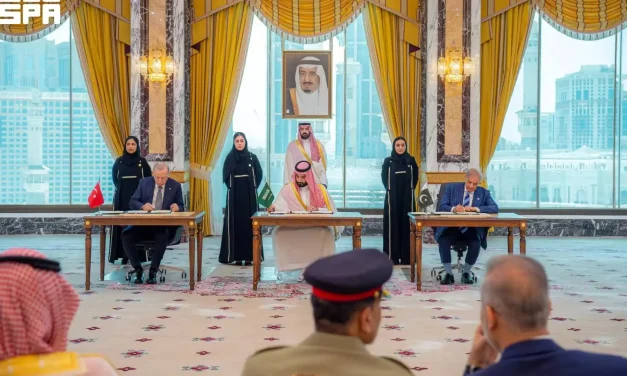
The Makkah Pact; Reasons for its Formation and Challenges Ahead

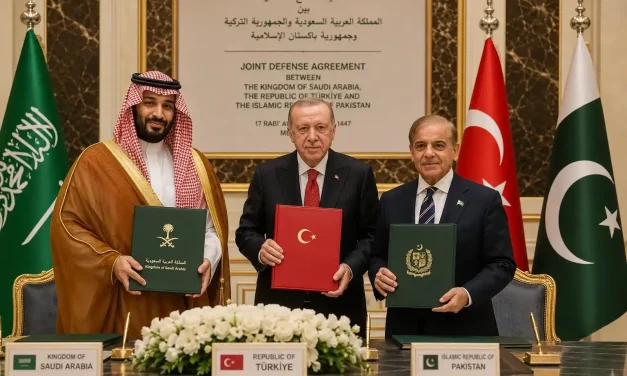
SCFR Online – Opinion: The Makkah Pact, signed between Saudi Arabia, Pakistan, and Turkey under the motto “an attack on one is an attack on all,” is viewed by some analysts less as a full-fledged military coalition and more as an attempt to reduce security dependence on an external power and to establish a regional security mechanism.

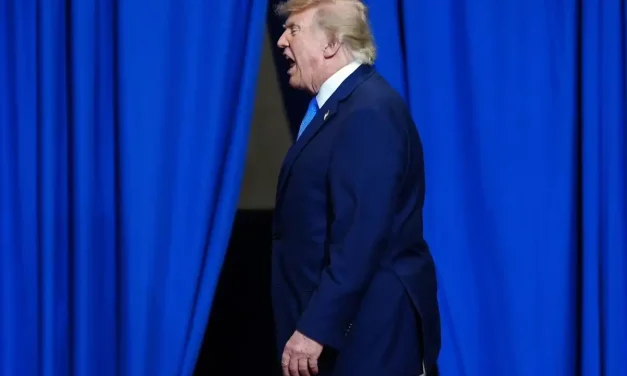
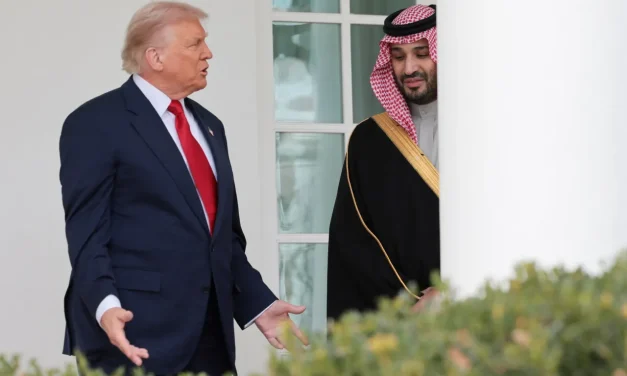
Implications of the US-Saudi Nuclear Agreement

SCFR Online – Opinion: The new US-Saudi nuclear agreement, despite legal and political ambiguities, could alter previous non-proliferation standards in West Asia and intensify nuclear competition, ushering it into a new phase.

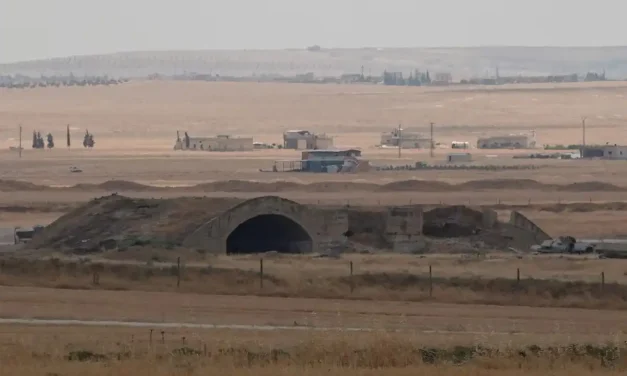
An Analysis of Recent Turkey-Israeli Regime Tensions

SCFR Online – Opinion: Recent developments in Syria indicate an intensification of strategic rivalry between Turkey and the Israeli regime, but mutual considerations and the role of the United States have limited the likelihood of direct war.

Increasing criticism of the extensive Zionist lobby network

SCFR Online – Opinion: An examination of the mechanisms of the Israeli regime’s influence in the United States depicts a complex picture of shared interests, strategic dependencies, and the limitations of this relationship.

Realities of the Tripartite Makkah Pact

SCFR Online – Interview: The signing of the Makkah agreement between Saudi Arabia, Pakistan, and Turkey has raised questions about the future of the region’s security structure and the position of these countries in West Asian equations. Can this agreement become a genuine collective defense mechanism, or does it have more of a political and deterrent function than creating new military capacity?

Loading

War on Yemen

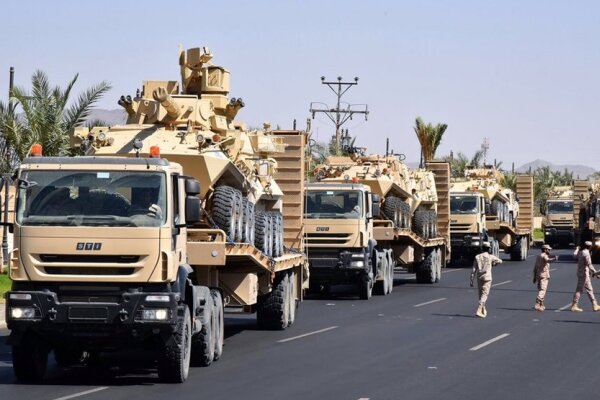
US Arms Strategy in West Asia

US Arms Strategy in West Asia

Strategic Council Online – The US methods and incentives to sell arms to West Asia are more in line with building business for defense contractors than building security in West Asia.
Mahmoud Fazeli – Expert on international affairs

Zionist Regime Favors Crisis and Tension in the Region

Zionist Regime Favors Crisis and Tension in the Region

Strategic Council Online – An expert on the Middle East affairs said: The Islamic Republic of Iran has common interests, history and geography with its neighbors and does not want them to be harmed. Instead, Iran expects neighboring countries to have the same view towards Tehran.

Dimensions of Joe Biden’s Middle East Policy

Dimensions of Joe Biden’s Middle East Policy

Strategic Council Online – Joe Biden, despite repeatedly emphasizing his support for Israel, opposes some of Trump’s unilateral actions on the issue of peace, the annexation of more territories in the West Bank, and calls for the US to return to the two-state solution.
Dr. Tahmoures Gholami – Expert on American Issues

Riyadh, Manama Concerned about Biden Administration’s Approach on Iran

Riyadh, Manama Concerned about Biden Administration’s Approach on Iran

Strategic Council Online – An analyst of West Asia affairs said that Saudi Arabia and Bahrain are concerned about their internal situation and their governments without popular support and noted that Saudi Arabia and Bahrain, due to their performance in the area of human rights, may have problems with the Democrats in the United States and this has caused concern for the two governments.

Saudi Efforts to Reduce Tensions in the Region & the Need for Qatar’s Vigilance

Saudi Efforts to Reduce Tensions in the Region & the Need for Qatar’s Vigilance

Strategic Council Online – An expert on Saudi Arabia said that reducing tensions is the concurrent desire of the three countries of Turkey, Qatar and Saudi Arabia, said: The Saudi concern over the return of the United States to the Iran Nuclear Agreement (also known as the Joint Comprehensive Plan of Action) and boosting Iran’s economic strength have prompted Riyadh to minimize tensions with the Arab and Sunni fronts before Trump leaves the White House and Biden takes over in order to confront Iran with a new lineup. But the important point in this regard is the vigilance of Qatar. In other words, Doha should be careful not to be caught by the Saudi conspiracy against Iran, which was beside Qatar during the difficult years of sanctions.

Saudi Arabia, the main loser of G20 Summit

Saudi Arabia, the main loser of G20 Summit

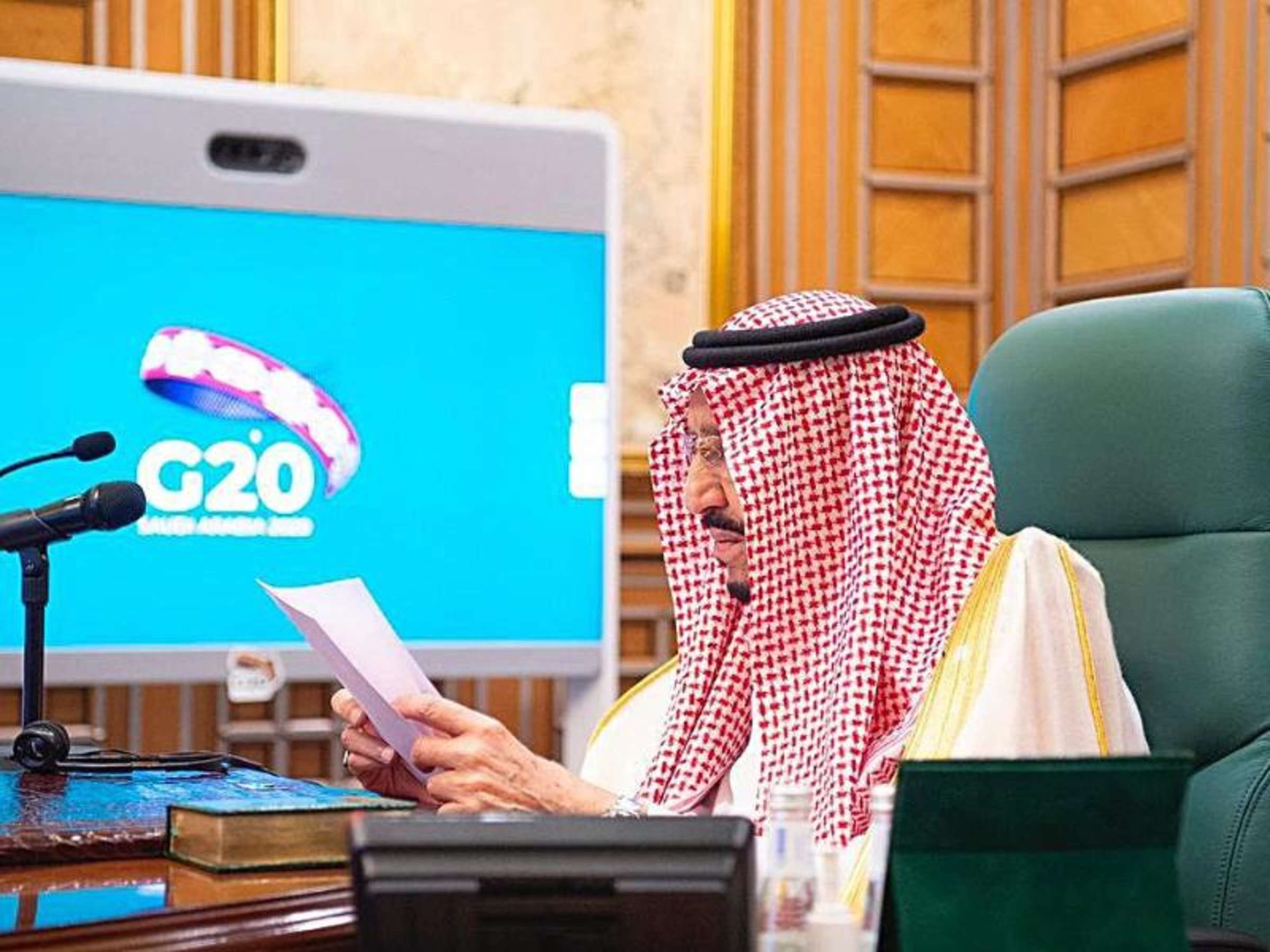
Strategic Council Online—Interview: An expert of Persian Gulf studies says the recent G20 Summit meeting was held under circumstances in which many human rights groups had asked the G20 leaders to take the opportunity to put pressure on the Saudi regime for its grave violations of human rights.

Joe Biden’s approach towards the Middle East

Joe Biden’s approach towards the Middle East

Strategic Council Online—Interview: The strategic approach of the United States towards the Middle East shall not undergo substantial changes during the Biden administration, an analyst of West Asia affairs said, adding that however, the tactical approach of Joe Biden would have fundamental differences with his predecessor.

Sales of arms to Saudi Arabia; Western complicity in war crimes in Yemen

Sales of arms to Saudi Arabia; Western complicity in war crimes in Yemen

Strategic Council Online—Opinion: Military aggression continues against Yemen while countries such as the United States, Germany, United Kingdom, France and Canada are accomplice to the crimes committed against the world’s most impoverished country of the region through the continued sale of arms and intelligence and logistical supports provided to Saudi Arabia.
Mahmoud Fazeli—Expert of European issues

Expansion of Saudi-UAE Crimes Dimension in Yemen

Expansion of Saudi-UAE Crimes Dimension in Yemen

Strategic Council Online: Three major crimes have been registered in the Saudi-UAE war record; the first is crimes against humanity, the second ethnic cleansing, and the third is genocide, each of which reflects some of the dimensions of Saudi crimes in the war against Yemen.
Jafar Qanadbashi – Expert on West Asia Issues

أحدث الوظائف

The Makkah Pact; Reasons for its Formation and Challenges Ahead

SCFR Online – Opinion: The Makkah Pact, signed between Saudi Arabia, Pakistan, and Turkey under the motto “an attack on one is an attack on all,” is viewed by some analysts less as a full-fledged military coalition and more as an attempt to reduce security dependence on an external power and to establish a regional security mechanism.

Implications of the US-Saudi Nuclear Agreement

SCFR Online – Opinion: The new US-Saudi nuclear agreement, despite legal and political ambiguities, could alter previous non-proliferation standards in West Asia and intensify nuclear competition, ushering it into a new phase.

An Analysis of Recent Turkey-Israeli Regime Tensions

SCFR Online – Opinion: Recent developments in Syria indicate an intensification of strategic rivalry between Turkey and the Israeli regime, but mutual considerations and the role of the United States have limited the likelihood of direct war.

Increasing criticism of the extensive Zionist lobby network

SCFR Online – Opinion: An examination of the mechanisms of the Israeli regime’s influence in the United States depicts a complex picture of shared interests, strategic dependencies, and the limitations of this relationship.

Realities of the Tripartite Makkah Pact

SCFR Online – Interview: The signing of the Makkah agreement between Saudi Arabia, Pakistan, and Turkey has raised questions about the future of the region’s security structure and the position of these countries in West Asian equations. Can this agreement become a genuine collective defense mechanism, or does it have more of a political and deterrent function than creating new military capacity?

Loading

War on Yemen

US Arms Strategy in West Asia

US Arms Strategy in West Asia

Strategic Council Online – The US methods and incentives to sell arms to West Asia are more in line with building business for defense contractors than building security in West Asia.
Mahmoud Fazeli – Expert on international affairs

Zionist Regime Favors Crisis and Tension in the Region

Zionist Regime Favors Crisis and Tension in the Region

Strategic Council Online – An expert on the Middle East affairs said: The Islamic Republic of Iran has common interests, history and geography with its neighbors and does not want them to be harmed. Instead, Iran expects neighboring countries to have the same view towards Tehran.

Dimensions of Joe Biden’s Middle East Policy

Dimensions of Joe Biden’s Middle East Policy

Strategic Council Online – Joe Biden, despite repeatedly emphasizing his support for Israel, opposes some of Trump’s unilateral actions on the issue of peace, the annexation of more territories in the West Bank, and calls for the US to return to the two-state solution.
Dr. Tahmoures Gholami – Expert on American Issues

Riyadh, Manama Concerned about Biden Administration’s Approach on Iran

Riyadh, Manama Concerned about Biden Administration’s Approach on Iran

Strategic Council Online – An analyst of West Asia affairs said that Saudi Arabia and Bahrain are concerned about their internal situation and their governments without popular support and noted that Saudi Arabia and Bahrain, due to their performance in the area of human rights, may have problems with the Democrats in the United States and this has caused concern for the two governments.

Saudi Efforts to Reduce Tensions in the Region & the Need for Qatar’s Vigilance

Saudi Efforts to Reduce Tensions in the Region & the Need for Qatar’s Vigilance

Strategic Council Online – An expert on Saudi Arabia said that reducing tensions is the concurrent desire of the three countries of Turkey, Qatar and Saudi Arabia, said: The Saudi concern over the return of the United States to the Iran Nuclear Agreement (also known as the Joint Comprehensive Plan of Action) and boosting Iran’s economic strength have prompted Riyadh to minimize tensions with the Arab and Sunni fronts before Trump leaves the White House and Biden takes over in order to confront Iran with a new lineup. But the important point in this regard is the vigilance of Qatar. In other words, Doha should be careful not to be caught by the Saudi conspiracy against Iran, which was beside Qatar during the difficult years of sanctions.

Saudi Arabia, the main loser of G20 Summit

Saudi Arabia, the main loser of G20 Summit

Strategic Council Online—Interview: An expert of Persian Gulf studies says the recent G20 Summit meeting was held under circumstances in which many human rights groups had asked the G20 leaders to take the opportunity to put pressure on the Saudi regime for its grave violations of human rights.

Joe Biden’s approach towards the Middle East

Joe Biden’s approach towards the Middle East

Strategic Council Online—Interview: The strategic approach of the United States towards the Middle East shall not undergo substantial changes during the Biden administration, an analyst of West Asia affairs said, adding that however, the tactical approach of Joe Biden would have fundamental differences with his predecessor.

Sales of arms to Saudi Arabia; Western complicity in war crimes in Yemen

Sales of arms to Saudi Arabia; Western complicity in war crimes in Yemen

Strategic Council Online—Opinion: Military aggression continues against Yemen while countries such as the United States, Germany, United Kingdom, France and Canada are accomplice to the crimes committed against the world’s most impoverished country of the region through the continued sale of arms and intelligence and logistical supports provided to Saudi Arabia.
Mahmoud Fazeli—Expert of European issues

Expansion of Saudi-UAE Crimes Dimension in Yemen

Expansion of Saudi-UAE Crimes Dimension in Yemen

Strategic Council Online: Three major crimes have been registered in the Saudi-UAE war record; the first is crimes against humanity, the second ethnic cleansing, and the third is genocide, each of which reflects some of the dimensions of Saudi crimes in the war against Yemen.
Jafar Qanadbashi – Expert on West Asia Issues

War on Yemen

US Arms Strategy in West Asia

US Arms Strategy in West Asia

Strategic Council Online – The US methods and incentives to sell arms to West Asia are more in line with building business for defense contractors than building security in West Asia.
Mahmoud Fazeli – Expert on international affairs

Zionist Regime Favors Crisis and Tension in the Region

Zionist Regime Favors Crisis and Tension in the Region

Strategic Council Online – An expert on the Middle East affairs said: The Islamic Republic of Iran has common interests, history and geography with its neighbors and does not want them to be harmed. Instead, Iran expects neighboring countries to have the same view towards Tehran.

Dimensions of Joe Biden’s Middle East Policy

Dimensions of Joe Biden’s Middle East Policy

Strategic Council Online – Joe Biden, despite repeatedly emphasizing his support for Israel, opposes some of Trump’s unilateral actions on the issue of peace, the annexation of more territories in the West Bank, and calls for the US to return to the two-state solution.
Dr. Tahmoures Gholami – Expert on American Issues

Riyadh, Manama Concerned about Biden Administration’s Approach on Iran

Riyadh, Manama Concerned about Biden Administration’s Approach on Iran

Strategic Council Online – An analyst of West Asia affairs said that Saudi Arabia and Bahrain are concerned about their internal situation and their governments without popular support and noted that Saudi Arabia and Bahrain, due to their performance in the area of human rights, may have problems with the Democrats in the United States and this has caused concern for the two governments.

Saudi Efforts to Reduce Tensions in the Region & the Need for Qatar’s Vigilance

Saudi Efforts to Reduce Tensions in the Region & the Need for Qatar’s Vigilance

Strategic Council Online – An expert on Saudi Arabia said that reducing tensions is the concurrent desire of the three countries of Turkey, Qatar and Saudi Arabia, said: The Saudi concern over the return of the United States to the Iran Nuclear Agreement (also known as the Joint Comprehensive Plan of Action) and boosting Iran’s economic strength have prompted Riyadh to minimize tensions with the Arab and Sunni fronts before Trump leaves the White House and Biden takes over in order to confront Iran with a new lineup. But the important point in this regard is the vigilance of Qatar. In other words, Doha should be careful not to be caught by the Saudi conspiracy against Iran, which was beside Qatar during the difficult years of sanctions.

Saudi Arabia, the main loser of G20 Summit

Saudi Arabia, the main loser of G20 Summit

Strategic Council Online—Interview: An expert of Persian Gulf studies says the recent G20 Summit meeting was held under circumstances in which many human rights groups had asked the G20 leaders to take the opportunity to put pressure on the Saudi regime for its grave violations of human rights.

Joe Biden’s approach towards the Middle East

Joe Biden’s approach towards the Middle East

Strategic Council Online—Interview: The strategic approach of the United States towards the Middle East shall not undergo substantial changes during the Biden administration, an analyst of West Asia affairs said, adding that however, the tactical approach of Joe Biden would have fundamental differences with his predecessor.

Sales of arms to Saudi Arabia; Western complicity in war crimes in Yemen

Sales of arms to Saudi Arabia; Western complicity in war crimes in Yemen

Strategic Council Online—Opinion: Military aggression continues against Yemen while countries such as the United States, Germany, United Kingdom, France and Canada are accomplice to the crimes committed against the world’s most impoverished country of the region through the continued sale of arms and intelligence and logistical supports provided to Saudi Arabia.
Mahmoud Fazeli—Expert of European issues

Expansion of Saudi-UAE Crimes Dimension in Yemen

Expansion of Saudi-UAE Crimes Dimension in Yemen

Strategic Council Online: Three major crimes have been registered in the Saudi-UAE war record; the first is crimes against humanity, the second ethnic cleansing, and the third is genocide, each of which reflects some of the dimensions of Saudi crimes in the war against Yemen.
Jafar Qanadbashi – Expert on West Asia Issues

LATEST CONTENT

The Makkah Pact; Reasons for its Formation and Challenges Ahead

SCFR Online – Opinion: The Makkah Pact, signed between Saudi Arabia, Pakistan, and Turkey under the motto “an attack on one is an attack on all,” is viewed by some analysts less as a full-fledged military coalition and more as an attempt to reduce security dependence on an external power and to establish a regional security mechanism.

Implications of the US-Saudi Nuclear Agreement

SCFR Online – Opinion: The new US-Saudi nuclear agreement, despite legal and political ambiguities, could alter previous non-proliferation standards in West Asia and intensify nuclear competition, ushering it into a new phase.

An Analysis of Recent Turkey-Israeli Regime Tensions

SCFR Online – Opinion: Recent developments in Syria indicate an intensification of strategic rivalry between Turkey and the Israeli regime, but mutual considerations and the role of the United States have limited the likelihood of direct war.

Increasing criticism of the extensive Zionist lobby network

SCFR Online – Opinion: An examination of the mechanisms of the Israeli regime’s influence in the United States depicts a complex picture of shared interests, strategic dependencies, and the limitations of this relationship.

Realities of the Tripartite Makkah Pact

SCFR Online – Interview: The signing of the Makkah agreement between Saudi Arabia, Pakistan, and Turkey has raised questions about the future of the region’s security structure and the position of these countries in West Asian equations. Can this agreement become a genuine collective defense mechanism, or does it have more of a political and deterrent function than creating new military capacity?

Loading

War on Yemen

US Arms Strategy in West Asia

US Arms Strategy in West Asia

Strategic Council Online – The US methods and incentives to sell arms to West Asia are more in line with building business for defense contractors than building security in West Asia.
Mahmoud Fazeli – Expert on international affairs

Zionist Regime Favors Crisis and Tension in the Region

Zionist Regime Favors Crisis and Tension in the Region

Strategic Council Online – An expert on the Middle East affairs said: The Islamic Republic of Iran has common interests, history and geography with its neighbors and does not want them to be harmed. Instead, Iran expects neighboring countries to have the same view towards Tehran.

Dimensions of Joe Biden’s Middle East Policy

Dimensions of Joe Biden’s Middle East Policy

Strategic Council Online – Joe Biden, despite repeatedly emphasizing his support for Israel, opposes some of Trump’s unilateral actions on the issue of peace, the annexation of more territories in the West Bank, and calls for the US to return to the two-state solution.
Dr. Tahmoures Gholami – Expert on American Issues

Riyadh, Manama Concerned about Biden Administration’s Approach on Iran

Riyadh, Manama Concerned about Biden Administration’s Approach on Iran

Strategic Council Online – An analyst of West Asia affairs said that Saudi Arabia and Bahrain are concerned about their internal situation and their governments without popular support and noted that Saudi Arabia and Bahrain, due to their performance in the area of human rights, may have problems with the Democrats in the United States and this has caused concern for the two governments.

Saudi Efforts to Reduce Tensions in the Region & the Need for Qatar’s Vigilance

Saudi Efforts to Reduce Tensions in the Region & the Need for Qatar’s Vigilance

Strategic Council Online – An expert on Saudi Arabia said that reducing tensions is the concurrent desire of the three countries of Turkey, Qatar and Saudi Arabia, said: The Saudi concern over the return of the United States to the Iran Nuclear Agreement (also known as the Joint Comprehensive Plan of Action) and boosting Iran’s economic strength have prompted Riyadh to minimize tensions with the Arab and Sunni fronts before Trump leaves the White House and Biden takes over in order to confront Iran with a new lineup. But the important point in this regard is the vigilance of Qatar. In other words, Doha should be careful not to be caught by the Saudi conspiracy against Iran, which was beside Qatar during the difficult years of sanctions.

Saudi Arabia, the main loser of G20 Summit

Saudi Arabia, the main loser of G20 Summit

Strategic Council Online—Interview: An expert of Persian Gulf studies says the recent G20 Summit meeting was held under circumstances in which many human rights groups had asked the G20 leaders to take the opportunity to put pressure on the Saudi regime for its grave violations of human rights.

Joe Biden’s approach towards the Middle East

Joe Biden’s approach towards the Middle East

Strategic Council Online—Interview: The strategic approach of the United States towards the Middle East shall not undergo substantial changes during the Biden administration, an analyst of West Asia affairs said, adding that however, the tactical approach of Joe Biden would have fundamental differences with his predecessor.

Sales of arms to Saudi Arabia; Western complicity in war crimes in Yemen

Sales of arms to Saudi Arabia; Western complicity in war crimes in Yemen

Strategic Council Online—Opinion: Military aggression continues against Yemen while countries such as the United States, Germany, United Kingdom, France and Canada are accomplice to the crimes committed against the world’s most impoverished country of the region through the continued sale of arms and intelligence and logistical supports provided to Saudi Arabia.
Mahmoud Fazeli—Expert of European issues

Expansion of Saudi-UAE Crimes Dimension in Yemen

Expansion of Saudi-UAE Crimes Dimension in Yemen

Strategic Council Online: Three major crimes have been registered in the Saudi-UAE war record; the first is crimes against humanity, the second ethnic cleansing, and the third is genocide, each of which reflects some of the dimensions of Saudi crimes in the war against Yemen.
Jafar Qanadbashi – Expert on West Asia Issues

ÚLTIMAS PUBLICACIONES

The Makkah Pact; Reasons for its Formation and Challenges Ahead

SCFR Online – Opinion: The Makkah Pact, signed between Saudi Arabia, Pakistan, and Turkey under the motto “an attack on one is an attack on all,” is viewed by some analysts less as a full-fledged military coalition and more as an attempt to reduce security dependence on an external power and to establish a regional security mechanism.

Implications of the US-Saudi Nuclear Agreement

SCFR Online – Opinion: The new US-Saudi nuclear agreement, despite legal and political ambiguities, could alter previous non-proliferation standards in West Asia and intensify nuclear competition, ushering it into a new phase.

An Analysis of Recent Turkey-Israeli Regime Tensions

SCFR Online – Opinion: Recent developments in Syria indicate an intensification of strategic rivalry between Turkey and the Israeli regime, but mutual considerations and the role of the United States have limited the likelihood of direct war.

Increasing criticism of the extensive Zionist lobby network

SCFR Online – Opinion: An examination of the mechanisms of the Israeli regime’s influence in the United States depicts a complex picture of shared interests, strategic dependencies, and the limitations of this relationship.

Realities of the Tripartite Makkah Pact

SCFR Online – Interview: The signing of the Makkah agreement between Saudi Arabia, Pakistan, and Turkey has raised questions about the future of the region’s security structure and the position of these countries in West Asian equations. Can this agreement become a genuine collective defense mechanism, or does it have more of a political and deterrent function than creating new military capacity?

Loading

War on Yemen

US Arms Strategy in West Asia

US Arms Strategy in West Asia

Strategic Council Online – The US methods and incentives to sell arms to West Asia are more in line with building business for defense contractors than building security in West Asia.
Mahmoud Fazeli – Expert on international affairs

Zionist Regime Favors Crisis and Tension in the Region

Zionist Regime Favors Crisis and Tension in the Region

Strategic Council Online – An expert on the Middle East affairs said: The Islamic Republic of Iran has common interests, history and geography with its neighbors and does not want them to be harmed. Instead, Iran expects neighboring countries to have the same view towards Tehran.

Dimensions of Joe Biden’s Middle East Policy

Dimensions of Joe Biden’s Middle East Policy

Strategic Council Online – Joe Biden, despite repeatedly emphasizing his support for Israel, opposes some of Trump’s unilateral actions on the issue of peace, the annexation of more territories in the West Bank, and calls for the US to return to the two-state solution.
Dr. Tahmoures Gholami – Expert on American Issues

Riyadh, Manama Concerned about Biden Administration’s Approach on Iran

Riyadh, Manama Concerned about Biden Administration’s Approach on Iran

Strategic Council Online – An analyst of West Asia affairs said that Saudi Arabia and Bahrain are concerned about their internal situation and their governments without popular support and noted that Saudi Arabia and Bahrain, due to their performance in the area of human rights, may have problems with the Democrats in the United States and this has caused concern for the two governments.

Saudi Efforts to Reduce Tensions in the Region & the Need for Qatar’s Vigilance

Saudi Efforts to Reduce Tensions in the Region & the Need for Qatar’s Vigilance

Strategic Council Online – An expert on Saudi Arabia said that reducing tensions is the concurrent desire of the three countries of Turkey, Qatar and Saudi Arabia, said: The Saudi concern over the return of the United States to the Iran Nuclear Agreement (also known as the Joint Comprehensive Plan of Action) and boosting Iran’s economic strength have prompted Riyadh to minimize tensions with the Arab and Sunni fronts before Trump leaves the White House and Biden takes over in order to confront Iran with a new lineup. But the important point in this regard is the vigilance of Qatar. In other words, Doha should be careful not to be caught by the Saudi conspiracy against Iran, which was beside Qatar during the difficult years of sanctions.

Saudi Arabia, the main loser of G20 Summit

Saudi Arabia, the main loser of G20 Summit

Strategic Council Online—Interview: An expert of Persian Gulf studies says the recent G20 Summit meeting was held under circumstances in which many human rights groups had asked the G20 leaders to take the opportunity to put pressure on the Saudi regime for its grave violations of human rights.

Joe Biden’s approach towards the Middle East

Joe Biden’s approach towards the Middle East

Strategic Council Online—Interview: The strategic approach of the United States towards the Middle East shall not undergo substantial changes during the Biden administration, an analyst of West Asia affairs said, adding that however, the tactical approach of Joe Biden would have fundamental differences with his predecessor.

Sales of arms to Saudi Arabia; Western complicity in war crimes in Yemen

Sales of arms to Saudi Arabia; Western complicity in war crimes in Yemen

Strategic Council Online—Opinion: Military aggression continues against Yemen while countries such as the United States, Germany, United Kingdom, France and Canada are accomplice to the crimes committed against the world’s most impoverished country of the region through the continued sale of arms and intelligence and logistical supports provided to Saudi Arabia.
Mahmoud Fazeli—Expert of European issues

Expansion of Saudi-UAE Crimes Dimension in Yemen

Expansion of Saudi-UAE Crimes Dimension in Yemen

Strategic Council Online: Three major crimes have been registered in the Saudi-UAE war record; the first is crimes against humanity, the second ethnic cleansing, and the third is genocide, each of which reflects some of the dimensions of Saudi crimes in the war against Yemen.
Jafar Qanadbashi – Expert on West Asia Issues

ÚLTIMAS PUBLICACIONES

The Makkah Pact; Reasons for its Formation and Challenges Ahead

SCFR Online – Opinion: The Makkah Pact, signed between Saudi Arabia, Pakistan, and Turkey under the motto “an attack on one is an attack on all,” is viewed by some analysts less as a full-fledged military coalition and more as an attempt to reduce security dependence on an external power and to establish a regional security mechanism.

Implications of the US-Saudi Nuclear Agreement

SCFR Online – Opinion: The new US-Saudi nuclear agreement, despite legal and political ambiguities, could alter previous non-proliferation standards in West Asia and intensify nuclear competition, ushering it into a new phase.

An Analysis of Recent Turkey-Israeli Regime Tensions

SCFR Online – Opinion: Recent developments in Syria indicate an intensification of strategic rivalry between Turkey and the Israeli regime, but mutual considerations and the role of the United States have limited the likelihood of direct war.

Increasing criticism of the extensive Zionist lobby network

SCFR Online – Opinion: An examination of the mechanisms of the Israeli regime’s influence in the United States depicts a complex picture of shared interests, strategic dependencies, and the limitations of this relationship.

Realities of the Tripartite Makkah Pact

SCFR Online – Interview: The signing of the Makkah agreement between Saudi Arabia, Pakistan, and Turkey has raised questions about the future of the region’s security structure and the position of these countries in West Asian equations. Can this agreement become a genuine collective defense mechanism, or does it have more of a political and deterrent function than creating new military capacity?

Loading

War on Yemen

US Arms Strategy in West Asia

US Arms Strategy in West Asia

Strategic Council Online – The US methods and incentives to sell arms to West Asia are more in line with building business for defense contractors than building security in West Asia.
Mahmoud Fazeli – Expert on international affairs

Zionist Regime Favors Crisis and Tension in the Region

Zionist Regime Favors Crisis and Tension in the Region

Strategic Council Online – An expert on the Middle East affairs said: The Islamic Republic of Iran has common interests, history and geography with its neighbors and does not want them to be harmed. Instead, Iran expects neighboring countries to have the same view towards Tehran.

Dimensions of Joe Biden’s Middle East Policy

Dimensions of Joe Biden’s Middle East Policy

Strategic Council Online – Joe Biden, despite repeatedly emphasizing his support for Israel, opposes some of Trump’s unilateral actions on the issue of peace, the annexation of more territories in the West Bank, and calls for the US to return to the two-state solution.
Dr. Tahmoures Gholami – Expert on American Issues

Riyadh, Manama Concerned about Biden Administration’s Approach on Iran

Riyadh, Manama Concerned about Biden Administration’s Approach on Iran

Strategic Council Online – An analyst of West Asia affairs said that Saudi Arabia and Bahrain are concerned about their internal situation and their governments without popular support and noted that Saudi Arabia and Bahrain, due to their performance in the area of human rights, may have problems with the Democrats in the United States and this has caused concern for the two governments.

Saudi Efforts to Reduce Tensions in the Region & the Need for Qatar’s Vigilance

Saudi Efforts to Reduce Tensions in the Region & the Need for Qatar’s Vigilance

Strategic Council Online – An expert on Saudi Arabia said that reducing tensions is the concurrent desire of the three countries of Turkey, Qatar and Saudi Arabia, said: The Saudi concern over the return of the United States to the Iran Nuclear Agreement (also known as the Joint Comprehensive Plan of Action) and boosting Iran’s economic strength have prompted Riyadh to minimize tensions with the Arab and Sunni fronts before Trump leaves the White House and Biden takes over in order to confront Iran with a new lineup. But the important point in this regard is the vigilance of Qatar. In other words, Doha should be careful not to be caught by the Saudi conspiracy against Iran, which was beside Qatar during the difficult years of sanctions.

Saudi Arabia, the main loser of G20 Summit

Saudi Arabia, the main loser of G20 Summit

Strategic Council Online—Interview: An expert of Persian Gulf studies says the recent G20 Summit meeting was held under circumstances in which many human rights groups had asked the G20 leaders to take the opportunity to put pressure on the Saudi regime for its grave violations of human rights.

Joe Biden’s approach towards the Middle East

Joe Biden’s approach towards the Middle East

Strategic Council Online—Interview: The strategic approach of the United States towards the Middle East shall not undergo substantial changes during the Biden administration, an analyst of West Asia affairs said, adding that however, the tactical approach of Joe Biden would have fundamental differences with his predecessor.

Sales of arms to Saudi Arabia; Western complicity in war crimes in Yemen

Sales of arms to Saudi Arabia; Western complicity in war crimes in Yemen

Strategic Council Online—Opinion: Military aggression continues against Yemen while countries such as the United States, Germany, United Kingdom, France and Canada are accomplice to the crimes committed against the world’s most impoverished country of the region through the continued sale of arms and intelligence and logistical supports provided to Saudi Arabia.
Mahmoud Fazeli—Expert of European issues

Expansion of Saudi-UAE Crimes Dimension in Yemen

Expansion of Saudi-UAE Crimes Dimension in Yemen

Strategic Council Online: Three major crimes have been registered in the Saudi-UAE war record; the first is crimes against humanity, the second ethnic cleansing, and the third is genocide, each of which reflects some of the dimensions of Saudi crimes in the war against Yemen.
Jafar Qanadbashi – Expert on West Asia Issues

ÚLTIMAS PUBLICACIONES

The Makkah Pact; Reasons for its Formation and Challenges Ahead

SCFR Online – Opinion: The Makkah Pact, signed between Saudi Arabia, Pakistan, and Turkey under the motto “an attack on one is an attack on all,” is viewed by some analysts less as a full-fledged military coalition and more as an attempt to reduce security dependence on an external power and to establish a regional security mechanism.

Implications of the US-Saudi Nuclear Agreement

SCFR Online – Opinion: The new US-Saudi nuclear agreement, despite legal and political ambiguities, could alter previous non-proliferation standards in West Asia and intensify nuclear competition, ushering it into a new phase.

An Analysis of Recent Turkey-Israeli Regime Tensions

SCFR Online – Opinion: Recent developments in Syria indicate an intensification of strategic rivalry between Turkey and the Israeli regime, but mutual considerations and the role of the United States have limited the likelihood of direct war.

Increasing criticism of the extensive Zionist lobby network

SCFR Online – Opinion: An examination of the mechanisms of the Israeli regime’s influence in the United States depicts a complex picture of shared interests, strategic dependencies, and the limitations of this relationship.

Realities of the Tripartite Makkah Pact

SCFR Online – Interview: The signing of the Makkah agreement between Saudi Arabia, Pakistan, and Turkey has raised questions about the future of the region’s security structure and the position of these countries in West Asian equations. Can this agreement become a genuine collective defense mechanism, or does it have more of a political and deterrent function than creating new military capacity?

Loading

War on Yemen

US Arms Strategy in West Asia

US Arms Strategy in West Asia

Strategic Council Online – The US methods and incentives to sell arms to West Asia are more in line with building business for defense contractors than building security in West Asia.
Mahmoud Fazeli – Expert on international affairs

Zionist Regime Favors Crisis and Tension in the Region

Zionist Regime Favors Crisis and Tension in the Region

Strategic Council Online – An expert on the Middle East affairs said: The Islamic Republic of Iran has common interests, history and geography with its neighbors and does not want them to be harmed. Instead, Iran expects neighboring countries to have the same view towards Tehran.

Dimensions of Joe Biden’s Middle East Policy

Dimensions of Joe Biden’s Middle East Policy

Strategic Council Online – Joe Biden, despite repeatedly emphasizing his support for Israel, opposes some of Trump’s unilateral actions on the issue of peace, the annexation of more territories in the West Bank, and calls for the US to return to the two-state solution.
Dr. Tahmoures Gholami – Expert on American Issues

Riyadh, Manama Concerned about Biden Administration’s Approach on Iran

Riyadh, Manama Concerned about Biden Administration’s Approach on Iran

Strategic Council Online – An analyst of West Asia affairs said that Saudi Arabia and Bahrain are concerned about their internal situation and their governments without popular support and noted that Saudi Arabia and Bahrain, due to their performance in the area of human rights, may have problems with the Democrats in the United States and this has caused concern for the two governments.

Saudi Efforts to Reduce Tensions in the Region & the Need for Qatar’s Vigilance

Saudi Efforts to Reduce Tensions in the Region & the Need for Qatar’s Vigilance

Strategic Council Online – An expert on Saudi Arabia said that reducing tensions is the concurrent desire of the three countries of Turkey, Qatar and Saudi Arabia, said: The Saudi concern over the return of the United States to the Iran Nuclear Agreement (also known as the Joint Comprehensive Plan of Action) and boosting Iran’s economic strength have prompted Riyadh to minimize tensions with the Arab and Sunni fronts before Trump leaves the White House and Biden takes over in order to confront Iran with a new lineup. But the important point in this regard is the vigilance of Qatar. In other words, Doha should be careful not to be caught by the Saudi conspiracy against Iran, which was beside Qatar during the difficult years of sanctions.

Saudi Arabia, the main loser of G20 Summit

Saudi Arabia, the main loser of G20 Summit

Strategic Council Online—Interview: An expert of Persian Gulf studies says the recent G20 Summit meeting was held under circumstances in which many human rights groups had asked the G20 leaders to take the opportunity to put pressure on the Saudi regime for its grave violations of human rights.

Joe Biden’s approach towards the Middle East

Joe Biden’s approach towards the Middle East

Strategic Council Online—Interview: The strategic approach of the United States towards the Middle East shall not undergo substantial changes during the Biden administration, an analyst of West Asia affairs said, adding that however, the tactical approach of Joe Biden would have fundamental differences with his predecessor.

Sales of arms to Saudi Arabia; Western complicity in war crimes in Yemen

Sales of arms to Saudi Arabia; Western complicity in war crimes in Yemen

Strategic Council Online—Opinion: Military aggression continues against Yemen while countries such as the United States, Germany, United Kingdom, France and Canada are accomplice to the crimes committed against the world’s most impoverished country of the region through the continued sale of arms and intelligence and logistical supports provided to Saudi Arabia.
Mahmoud Fazeli—Expert of European issues

Expansion of Saudi-UAE Crimes Dimension in Yemen

Expansion of Saudi-UAE Crimes Dimension in Yemen

Strategic Council Online: Three major crimes have been registered in the Saudi-UAE war record; the first is crimes against humanity, the second ethnic cleansing, and the third is genocide, each of which reflects some of the dimensions of Saudi crimes in the war against Yemen.
Jafar Qanadbashi – Expert on West Asia Issues

ÚLTIMAS PUBLICACIONES

The Makkah Pact; Reasons for its Formation and Challenges Ahead

SCFR Online – Opinion: The Makkah Pact, signed between Saudi Arabia, Pakistan, and Turkey under the motto “an attack on one is an attack on all,” is viewed by some analysts less as a full-fledged military coalition and more as an attempt to reduce security dependence on an external power and to establish a regional security mechanism.

Implications of the US-Saudi Nuclear Agreement

SCFR Online – Opinion: The new US-Saudi nuclear agreement, despite legal and political ambiguities, could alter previous non-proliferation standards in West Asia and intensify nuclear competition, ushering it into a new phase.

An Analysis of Recent Turkey-Israeli Regime Tensions

SCFR Online – Opinion: Recent developments in Syria indicate an intensification of strategic rivalry between Turkey and the Israeli regime, but mutual considerations and the role of the United States have limited the likelihood of direct war.

Increasing criticism of the extensive Zionist lobby network

SCFR Online – Opinion: An examination of the mechanisms of the Israeli regime’s influence in the United States depicts a complex picture of shared interests, strategic dependencies, and the limitations of this relationship.

Realities of the Tripartite Makkah Pact

SCFR Online – Interview: The signing of the Makkah agreement between Saudi Arabia, Pakistan, and Turkey has raised questions about the future of the region’s security structure and the position of these countries in West Asian equations. Can this agreement become a genuine collective defense mechanism, or does it have more of a political and deterrent function than creating new military capacity?

Loading