جدیدترین مطالب

The war of narratives; a tool for geopolitical competition

Strategic Council Online – Note: In today’s global politics, the creation of narratives has become as important as territorial control and economic management, and has turned into the main tool of great power competition.

Analysis of the Recognition of the Armenian Genocide by the Zionist Regime

SCFR Online – Opinion: At a time when the West Asia region, particularly in recent months, has been undergoing the most complex political and security developments of the past half-century, the sudden decision by the cabinet of the Zionist regime to recognize the Armenian genocide committed by Turkey, which has faced strong condemnation and opposition from Ankara and Baku, raises questions.

Loading

with South Korea

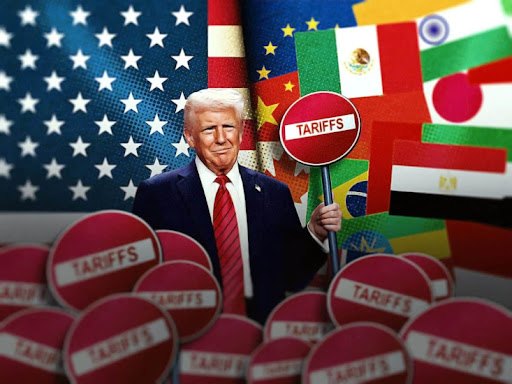
The Global Consequences of Trump’s Tariff War

The Global Consequences of Trump’s Tariff War

Strategic Council Online – Interview: A senior U.S. affairs analyst stated that the tariff policies of U.S. President Donald Trump have once again exposed the world to the prospect of a full-scale trade war. Trump’s threat to impose a 50% tariff on Brazilian goods and extensive tariffs against over 150 countries, including close U.S. allies like Japan and South Korea, reflects the White House’s aggressive approach to global trade.

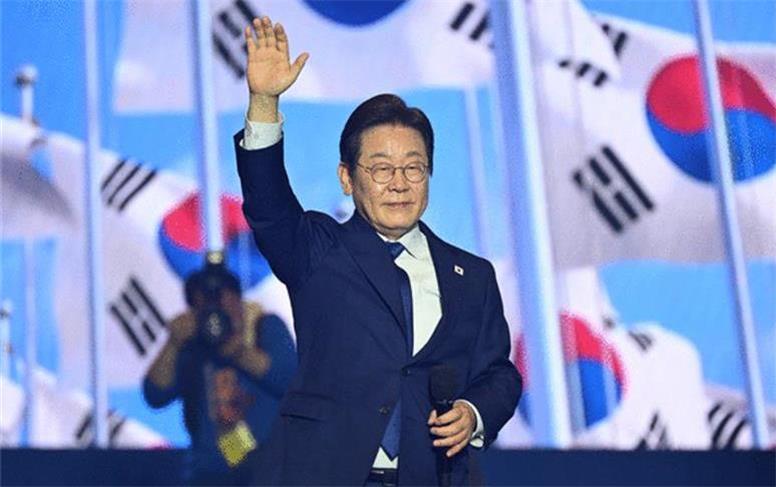
An Analysis of South Korea’s Response to Trump’s Tariff Policy

An Analysis of South Korea’s Response to Trump’s Tariff Policy

Strategic Council Online – Opinion: With Donald Trump’s return to the U.S. presidency, a new wave of economic protectionism in the form of tariff policies has impacted global trade. One of the first countries targeted by these tariffs was South Korea—a nation whose economy heavily relies on exports, particularly to the American market.

Analysis of the Political Crisis in South Korea

Analysis of the Political Crisis in South Korea

Strategy Council Online – Opinion: The South Korean parliament finally voted to impeach Yoon Suk Yeol, removing the country’s president. The South Korean president had recently declared martial law in a sudden move, but the two main parties in Korea opposed it.

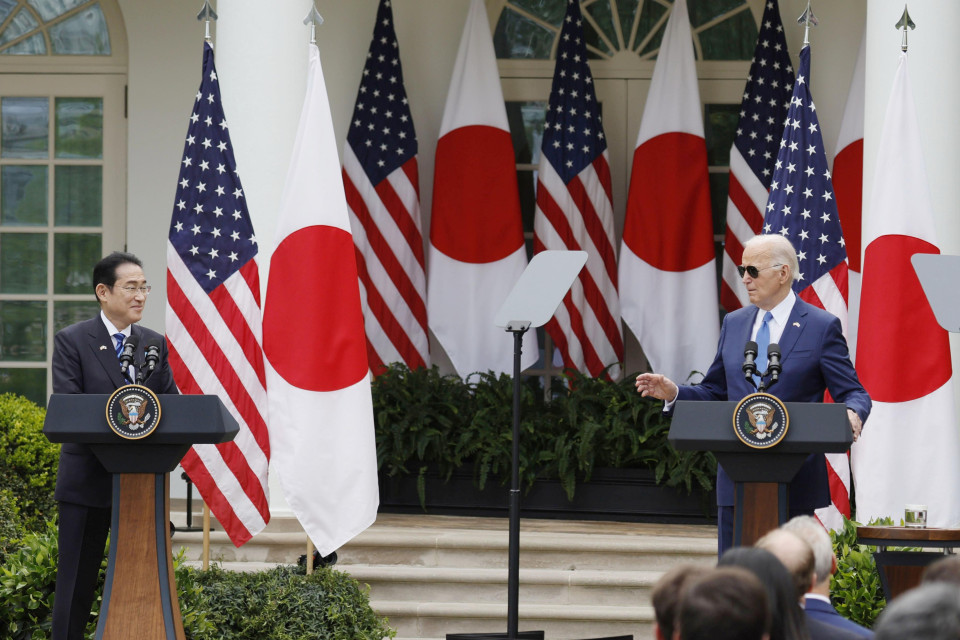
Japan’s Goals of Strengthening Its Military Power in East Asia

Japan’s Goals of Strengthening Its Military Power in East Asia

Strategic Council Online – Interview: The former ambassador of Iran in Japan said: Strengthening Japan’s military activities is a 25-year plan to show that it is capable of becoming one of the military powers of the region and the world by relying on its military values and capabilities.

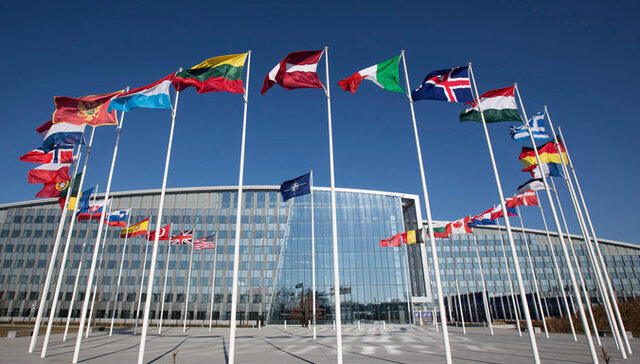
Opportunities & Challenges of NATO on Its 75th Birthday

Opportunities & Challenges of NATO on Its 75th Birthday

Strategic Council Online—Opinion: An expert on international affairs said: Although NATO, on its 75th birthday, has become more cohesive than three decades ago due to Russia’s attack on Ukraine, this does not mean it will not face challenges in its future prospects.

US plans to create a new offensive capability against China

US plans to create a new offensive capability against China

Strategic Council Online—Interview: An expert on international affairs said the US plan to deploy medium-range missiles in East Asia aims to create an offensive capability against China, adding that naturally, the deployment of these missiles by the United States in countries such as Australia or possibly in Japan and South Korea can lead to China’s counter-reaction and increase the level of tensions between the two countries.

An analysis of the expansion of nuclear cooperation between the United States and South Korea

An analysis of the expansion of nuclear cooperation between the United States and South Korea

Strategic Council Online—Opinion: The division of the Korean Peninsula after the end of World War II and the surrender of Japan in the 38-degree orbit was considered vital and strategic for the two superpowers of the bipolar world, but its endless costs and hardships, and its profound effects on the East Asian region still remain.
Hossein Sayyahi—Researcher of international politics

Causes of Europe’s Following with US in Failed Attempt to Disarm North Korea of its Nuclear Weapons

Causes of Europe’s Following with US in Failed Attempt to Disarm North Korea of its Nuclear Weapons

Strategic Council Online – Interview: An analyst of international affairs commenting on the European Union’s request that North Korea should take credible and verifiable steps with an aim of complete and irreversible denuclearization of the country said: The issue that European countries, under the current situation, are trying to make comments over North Korea’s missile and nuclear weapons, is a matter of great consideration.

أحدث الوظائف

The war of narratives; a tool for geopolitical competition

Strategic Council Online – Note: In today’s global politics, the creation of narratives has become as important as territorial control and economic management, and has turned into the main tool of great power competition.

Analysis of the Recognition of the Armenian Genocide by the Zionist Regime

SCFR Online – Opinion: At a time when the West Asia region, particularly in recent months, has been undergoing the most complex political and security developments of the past half-century, the sudden decision by the cabinet of the Zionist regime to recognize the Armenian genocide committed by Turkey, which has faced strong condemnation and opposition from Ankara and Baku, raises questions.

Loading

with South Korea

The Global Consequences of Trump’s Tariff War

The Global Consequences of Trump’s Tariff War

Strategic Council Online – Interview: A senior U.S. affairs analyst stated that the tariff policies of U.S. President Donald Trump have once again exposed the world to the prospect of a full-scale trade war. Trump’s threat to impose a 50% tariff on Brazilian goods and extensive tariffs against over 150 countries, including close U.S. allies like Japan and South Korea, reflects the White House’s aggressive approach to global trade.

An Analysis of South Korea’s Response to Trump’s Tariff Policy

An Analysis of South Korea’s Response to Trump’s Tariff Policy

Strategic Council Online – Opinion: With Donald Trump’s return to the U.S. presidency, a new wave of economic protectionism in the form of tariff policies has impacted global trade. One of the first countries targeted by these tariffs was South Korea—a nation whose economy heavily relies on exports, particularly to the American market.

Analysis of the Political Crisis in South Korea

Analysis of the Political Crisis in South Korea

Strategy Council Online – Opinion: The South Korean parliament finally voted to impeach Yoon Suk Yeol, removing the country’s president. The South Korean president had recently declared martial law in a sudden move, but the two main parties in Korea opposed it.

Japan’s Goals of Strengthening Its Military Power in East Asia

Japan’s Goals of Strengthening Its Military Power in East Asia

Strategic Council Online – Interview: The former ambassador of Iran in Japan said: Strengthening Japan’s military activities is a 25-year plan to show that it is capable of becoming one of the military powers of the region and the world by relying on its military values and capabilities.

Opportunities & Challenges of NATO on Its 75th Birthday

Opportunities & Challenges of NATO on Its 75th Birthday

Strategic Council Online—Opinion: An expert on international affairs said: Although NATO, on its 75th birthday, has become more cohesive than three decades ago due to Russia’s attack on Ukraine, this does not mean it will not face challenges in its future prospects.

US plans to create a new offensive capability against China

US plans to create a new offensive capability against China

Strategic Council Online—Interview: An expert on international affairs said the US plan to deploy medium-range missiles in East Asia aims to create an offensive capability against China, adding that naturally, the deployment of these missiles by the United States in countries such as Australia or possibly in Japan and South Korea can lead to China’s counter-reaction and increase the level of tensions between the two countries.

An analysis of the expansion of nuclear cooperation between the United States and South Korea

An analysis of the expansion of nuclear cooperation between the United States and South Korea

Strategic Council Online—Opinion: The division of the Korean Peninsula after the end of World War II and the surrender of Japan in the 38-degree orbit was considered vital and strategic for the two superpowers of the bipolar world, but its endless costs and hardships, and its profound effects on the East Asian region still remain.
Hossein Sayyahi—Researcher of international politics

Causes of Europe’s Following with US in Failed Attempt to Disarm North Korea of its Nuclear Weapons

Causes of Europe’s Following with US in Failed Attempt to Disarm North Korea of its Nuclear Weapons

Strategic Council Online – Interview: An analyst of international affairs commenting on the European Union’s request that North Korea should take credible and verifiable steps with an aim of complete and irreversible denuclearization of the country said: The issue that European countries, under the current situation, are trying to make comments over North Korea’s missile and nuclear weapons, is a matter of great consideration.

with South Korea

The Global Consequences of Trump’s Tariff War

The Global Consequences of Trump’s Tariff War

Strategic Council Online – Interview: A senior U.S. affairs analyst stated that the tariff policies of U.S. President Donald Trump have once again exposed the world to the prospect of a full-scale trade war. Trump’s threat to impose a 50% tariff on Brazilian goods and extensive tariffs against over 150 countries, including close U.S. allies like Japan and South Korea, reflects the White House’s aggressive approach to global trade.

An Analysis of South Korea’s Response to Trump’s Tariff Policy

An Analysis of South Korea’s Response to Trump’s Tariff Policy

Strategic Council Online – Opinion: With Donald Trump’s return to the U.S. presidency, a new wave of economic protectionism in the form of tariff policies has impacted global trade. One of the first countries targeted by these tariffs was South Korea—a nation whose economy heavily relies on exports, particularly to the American market.

Analysis of the Political Crisis in South Korea

Analysis of the Political Crisis in South Korea

Strategy Council Online – Opinion: The South Korean parliament finally voted to impeach Yoon Suk Yeol, removing the country’s president. The South Korean president had recently declared martial law in a sudden move, but the two main parties in Korea opposed it.

Japan’s Goals of Strengthening Its Military Power in East Asia

Japan’s Goals of Strengthening Its Military Power in East Asia

Strategic Council Online – Interview: The former ambassador of Iran in Japan said: Strengthening Japan’s military activities is a 25-year plan to show that it is capable of becoming one of the military powers of the region and the world by relying on its military values and capabilities.

Opportunities & Challenges of NATO on Its 75th Birthday

Opportunities & Challenges of NATO on Its 75th Birthday

Strategic Council Online—Opinion: An expert on international affairs said: Although NATO, on its 75th birthday, has become more cohesive than three decades ago due to Russia’s attack on Ukraine, this does not mean it will not face challenges in its future prospects.

US plans to create a new offensive capability against China

US plans to create a new offensive capability against China

Strategic Council Online—Interview: An expert on international affairs said the US plan to deploy medium-range missiles in East Asia aims to create an offensive capability against China, adding that naturally, the deployment of these missiles by the United States in countries such as Australia or possibly in Japan and South Korea can lead to China’s counter-reaction and increase the level of tensions between the two countries.

An analysis of the expansion of nuclear cooperation between the United States and South Korea

An analysis of the expansion of nuclear cooperation between the United States and South Korea

Strategic Council Online—Opinion: The division of the Korean Peninsula after the end of World War II and the surrender of Japan in the 38-degree orbit was considered vital and strategic for the two superpowers of the bipolar world, but its endless costs and hardships, and its profound effects on the East Asian region still remain.
Hossein Sayyahi—Researcher of international politics

Causes of Europe’s Following with US in Failed Attempt to Disarm North Korea of its Nuclear Weapons

Causes of Europe’s Following with US in Failed Attempt to Disarm North Korea of its Nuclear Weapons

Strategic Council Online – Interview: An analyst of international affairs commenting on the European Union’s request that North Korea should take credible and verifiable steps with an aim of complete and irreversible denuclearization of the country said: The issue that European countries, under the current situation, are trying to make comments over North Korea’s missile and nuclear weapons, is a matter of great consideration.

LATEST CONTENT

The war of narratives; a tool for geopolitical competition

Strategic Council Online – Note: In today’s global politics, the creation of narratives has become as important as territorial control and economic management, and has turned into the main tool of great power competition.

Analysis of the Recognition of the Armenian Genocide by the Zionist Regime

SCFR Online – Opinion: At a time when the West Asia region, particularly in recent months, has been undergoing the most complex political and security developments of the past half-century, the sudden decision by the cabinet of the Zionist regime to recognize the Armenian genocide committed by Turkey, which has faced strong condemnation and opposition from Ankara and Baku, raises questions.

Loading

with South Korea

The Global Consequences of Trump’s Tariff War

The Global Consequences of Trump’s Tariff War

Strategic Council Online – Interview: A senior U.S. affairs analyst stated that the tariff policies of U.S. President Donald Trump have once again exposed the world to the prospect of a full-scale trade war. Trump’s threat to impose a 50% tariff on Brazilian goods and extensive tariffs against over 150 countries, including close U.S. allies like Japan and South Korea, reflects the White House’s aggressive approach to global trade.

An Analysis of South Korea’s Response to Trump’s Tariff Policy

An Analysis of South Korea’s Response to Trump’s Tariff Policy

Strategic Council Online – Opinion: With Donald Trump’s return to the U.S. presidency, a new wave of economic protectionism in the form of tariff policies has impacted global trade. One of the first countries targeted by these tariffs was South Korea—a nation whose economy heavily relies on exports, particularly to the American market.

Analysis of the Political Crisis in South Korea

Analysis of the Political Crisis in South Korea

Strategy Council Online – Opinion: The South Korean parliament finally voted to impeach Yoon Suk Yeol, removing the country’s president. The South Korean president had recently declared martial law in a sudden move, but the two main parties in Korea opposed it.

Japan’s Goals of Strengthening Its Military Power in East Asia

Japan’s Goals of Strengthening Its Military Power in East Asia

Strategic Council Online – Interview: The former ambassador of Iran in Japan said: Strengthening Japan’s military activities is a 25-year plan to show that it is capable of becoming one of the military powers of the region and the world by relying on its military values and capabilities.

Opportunities & Challenges of NATO on Its 75th Birthday

Opportunities & Challenges of NATO on Its 75th Birthday

Strategic Council Online—Opinion: An expert on international affairs said: Although NATO, on its 75th birthday, has become more cohesive than three decades ago due to Russia’s attack on Ukraine, this does not mean it will not face challenges in its future prospects.

US plans to create a new offensive capability against China

US plans to create a new offensive capability against China

Strategic Council Online—Interview: An expert on international affairs said the US plan to deploy medium-range missiles in East Asia aims to create an offensive capability against China, adding that naturally, the deployment of these missiles by the United States in countries such as Australia or possibly in Japan and South Korea can lead to China’s counter-reaction and increase the level of tensions between the two countries.

An analysis of the expansion of nuclear cooperation between the United States and South Korea

An analysis of the expansion of nuclear cooperation between the United States and South Korea

Strategic Council Online—Opinion: The division of the Korean Peninsula after the end of World War II and the surrender of Japan in the 38-degree orbit was considered vital and strategic for the two superpowers of the bipolar world, but its endless costs and hardships, and its profound effects on the East Asian region still remain.
Hossein Sayyahi—Researcher of international politics

Causes of Europe’s Following with US in Failed Attempt to Disarm North Korea of its Nuclear Weapons

Causes of Europe’s Following with US in Failed Attempt to Disarm North Korea of its Nuclear Weapons

Strategic Council Online – Interview: An analyst of international affairs commenting on the European Union’s request that North Korea should take credible and verifiable steps with an aim of complete and irreversible denuclearization of the country said: The issue that European countries, under the current situation, are trying to make comments over North Korea’s missile and nuclear weapons, is a matter of great consideration.

ÚLTIMAS PUBLICACIONES

The war of narratives; a tool for geopolitical competition

Strategic Council Online – Note: In today’s global politics, the creation of narratives has become as important as territorial control and economic management, and has turned into the main tool of great power competition.

Analysis of the Recognition of the Armenian Genocide by the Zionist Regime

SCFR Online – Opinion: At a time when the West Asia region, particularly in recent months, has been undergoing the most complex political and security developments of the past half-century, the sudden decision by the cabinet of the Zionist regime to recognize the Armenian genocide committed by Turkey, which has faced strong condemnation and opposition from Ankara and Baku, raises questions.

Loading

with South Korea

The Global Consequences of Trump’s Tariff War

The Global Consequences of Trump’s Tariff War

Strategic Council Online – Interview: A senior U.S. affairs analyst stated that the tariff policies of U.S. President Donald Trump have once again exposed the world to the prospect of a full-scale trade war. Trump’s threat to impose a 50% tariff on Brazilian goods and extensive tariffs against over 150 countries, including close U.S. allies like Japan and South Korea, reflects the White House’s aggressive approach to global trade.

An Analysis of South Korea’s Response to Trump’s Tariff Policy

An Analysis of South Korea’s Response to Trump’s Tariff Policy

Strategic Council Online – Opinion: With Donald Trump’s return to the U.S. presidency, a new wave of economic protectionism in the form of tariff policies has impacted global trade. One of the first countries targeted by these tariffs was South Korea—a nation whose economy heavily relies on exports, particularly to the American market.

Analysis of the Political Crisis in South Korea

Analysis of the Political Crisis in South Korea

Strategy Council Online – Opinion: The South Korean parliament finally voted to impeach Yoon Suk Yeol, removing the country’s president. The South Korean president had recently declared martial law in a sudden move, but the two main parties in Korea opposed it.

Japan’s Goals of Strengthening Its Military Power in East Asia

Japan’s Goals of Strengthening Its Military Power in East Asia

Strategic Council Online – Interview: The former ambassador of Iran in Japan said: Strengthening Japan’s military activities is a 25-year plan to show that it is capable of becoming one of the military powers of the region and the world by relying on its military values and capabilities.

Opportunities & Challenges of NATO on Its 75th Birthday

Opportunities & Challenges of NATO on Its 75th Birthday

Strategic Council Online—Opinion: An expert on international affairs said: Although NATO, on its 75th birthday, has become more cohesive than three decades ago due to Russia’s attack on Ukraine, this does not mean it will not face challenges in its future prospects.

US plans to create a new offensive capability against China

US plans to create a new offensive capability against China

Strategic Council Online—Interview: An expert on international affairs said the US plan to deploy medium-range missiles in East Asia aims to create an offensive capability against China, adding that naturally, the deployment of these missiles by the United States in countries such as Australia or possibly in Japan and South Korea can lead to China’s counter-reaction and increase the level of tensions between the two countries.

An analysis of the expansion of nuclear cooperation between the United States and South Korea

An analysis of the expansion of nuclear cooperation between the United States and South Korea

Strategic Council Online—Opinion: The division of the Korean Peninsula after the end of World War II and the surrender of Japan in the 38-degree orbit was considered vital and strategic for the two superpowers of the bipolar world, but its endless costs and hardships, and its profound effects on the East Asian region still remain.
Hossein Sayyahi—Researcher of international politics

Causes of Europe’s Following with US in Failed Attempt to Disarm North Korea of its Nuclear Weapons

Causes of Europe’s Following with US in Failed Attempt to Disarm North Korea of its Nuclear Weapons

Strategic Council Online – Interview: An analyst of international affairs commenting on the European Union’s request that North Korea should take credible and verifiable steps with an aim of complete and irreversible denuclearization of the country said: The issue that European countries, under the current situation, are trying to make comments over North Korea’s missile and nuclear weapons, is a matter of great consideration.

ÚLTIMAS PUBLICACIONES

The war of narratives; a tool for geopolitical competition

Strategic Council Online – Note: In today’s global politics, the creation of narratives has become as important as territorial control and economic management, and has turned into the main tool of great power competition.

Analysis of the Recognition of the Armenian Genocide by the Zionist Regime

SCFR Online – Opinion: At a time when the West Asia region, particularly in recent months, has been undergoing the most complex political and security developments of the past half-century, the sudden decision by the cabinet of the Zionist regime to recognize the Armenian genocide committed by Turkey, which has faced strong condemnation and opposition from Ankara and Baku, raises questions.

Loading

with South Korea

The Global Consequences of Trump’s Tariff War

The Global Consequences of Trump’s Tariff War

Strategic Council Online – Interview: A senior U.S. affairs analyst stated that the tariff policies of U.S. President Donald Trump have once again exposed the world to the prospect of a full-scale trade war. Trump’s threat to impose a 50% tariff on Brazilian goods and extensive tariffs against over 150 countries, including close U.S. allies like Japan and South Korea, reflects the White House’s aggressive approach to global trade.

An Analysis of South Korea’s Response to Trump’s Tariff Policy

An Analysis of South Korea’s Response to Trump’s Tariff Policy

Strategic Council Online – Opinion: With Donald Trump’s return to the U.S. presidency, a new wave of economic protectionism in the form of tariff policies has impacted global trade. One of the first countries targeted by these tariffs was South Korea—a nation whose economy heavily relies on exports, particularly to the American market.

Analysis of the Political Crisis in South Korea

Analysis of the Political Crisis in South Korea

Strategy Council Online – Opinion: The South Korean parliament finally voted to impeach Yoon Suk Yeol, removing the country’s president. The South Korean president had recently declared martial law in a sudden move, but the two main parties in Korea opposed it.

Japan’s Goals of Strengthening Its Military Power in East Asia

Japan’s Goals of Strengthening Its Military Power in East Asia

Strategic Council Online – Interview: The former ambassador of Iran in Japan said: Strengthening Japan’s military activities is a 25-year plan to show that it is capable of becoming one of the military powers of the region and the world by relying on its military values and capabilities.

Opportunities & Challenges of NATO on Its 75th Birthday

Opportunities & Challenges of NATO on Its 75th Birthday

Strategic Council Online—Opinion: An expert on international affairs said: Although NATO, on its 75th birthday, has become more cohesive than three decades ago due to Russia’s attack on Ukraine, this does not mean it will not face challenges in its future prospects.

US plans to create a new offensive capability against China

US plans to create a new offensive capability against China

Strategic Council Online—Interview: An expert on international affairs said the US plan to deploy medium-range missiles in East Asia aims to create an offensive capability against China, adding that naturally, the deployment of these missiles by the United States in countries such as Australia or possibly in Japan and South Korea can lead to China’s counter-reaction and increase the level of tensions between the two countries.

An analysis of the expansion of nuclear cooperation between the United States and South Korea

An analysis of the expansion of nuclear cooperation between the United States and South Korea

Strategic Council Online—Opinion: The division of the Korean Peninsula after the end of World War II and the surrender of Japan in the 38-degree orbit was considered vital and strategic for the two superpowers of the bipolar world, but its endless costs and hardships, and its profound effects on the East Asian region still remain.
Hossein Sayyahi—Researcher of international politics

Causes of Europe’s Following with US in Failed Attempt to Disarm North Korea of its Nuclear Weapons

Causes of Europe’s Following with US in Failed Attempt to Disarm North Korea of its Nuclear Weapons

Strategic Council Online – Interview: An analyst of international affairs commenting on the European Union’s request that North Korea should take credible and verifiable steps with an aim of complete and irreversible denuclearization of the country said: The issue that European countries, under the current situation, are trying to make comments over North Korea’s missile and nuclear weapons, is a matter of great consideration.

ÚLTIMAS PUBLICACIONES

The war of narratives; a tool for geopolitical competition

Strategic Council Online – Note: In today’s global politics, the creation of narratives has become as important as territorial control and economic management, and has turned into the main tool of great power competition.

Analysis of the Recognition of the Armenian Genocide by the Zionist Regime

SCFR Online – Opinion: At a time when the West Asia region, particularly in recent months, has been undergoing the most complex political and security developments of the past half-century, the sudden decision by the cabinet of the Zionist regime to recognize the Armenian genocide committed by Turkey, which has faced strong condemnation and opposition from Ankara and Baku, raises questions.

Loading

with South Korea

The Global Consequences of Trump’s Tariff War

The Global Consequences of Trump’s Tariff War

Strategic Council Online – Interview: A senior U.S. affairs analyst stated that the tariff policies of U.S. President Donald Trump have once again exposed the world to the prospect of a full-scale trade war. Trump’s threat to impose a 50% tariff on Brazilian goods and extensive tariffs against over 150 countries, including close U.S. allies like Japan and South Korea, reflects the White House’s aggressive approach to global trade.

An Analysis of South Korea’s Response to Trump’s Tariff Policy

An Analysis of South Korea’s Response to Trump’s Tariff Policy

Strategic Council Online – Opinion: With Donald Trump’s return to the U.S. presidency, a new wave of economic protectionism in the form of tariff policies has impacted global trade. One of the first countries targeted by these tariffs was South Korea—a nation whose economy heavily relies on exports, particularly to the American market.

Analysis of the Political Crisis in South Korea

Analysis of the Political Crisis in South Korea

Strategy Council Online – Opinion: The South Korean parliament finally voted to impeach Yoon Suk Yeol, removing the country’s president. The South Korean president had recently declared martial law in a sudden move, but the two main parties in Korea opposed it.

Japan’s Goals of Strengthening Its Military Power in East Asia

Japan’s Goals of Strengthening Its Military Power in East Asia

Strategic Council Online – Interview: The former ambassador of Iran in Japan said: Strengthening Japan’s military activities is a 25-year plan to show that it is capable of becoming one of the military powers of the region and the world by relying on its military values and capabilities.

Opportunities & Challenges of NATO on Its 75th Birthday

Opportunities & Challenges of NATO on Its 75th Birthday

Strategic Council Online—Opinion: An expert on international affairs said: Although NATO, on its 75th birthday, has become more cohesive than three decades ago due to Russia’s attack on Ukraine, this does not mean it will not face challenges in its future prospects.

US plans to create a new offensive capability against China

US plans to create a new offensive capability against China

Strategic Council Online—Interview: An expert on international affairs said the US plan to deploy medium-range missiles in East Asia aims to create an offensive capability against China, adding that naturally, the deployment of these missiles by the United States in countries such as Australia or possibly in Japan and South Korea can lead to China’s counter-reaction and increase the level of tensions between the two countries.

An analysis of the expansion of nuclear cooperation between the United States and South Korea

An analysis of the expansion of nuclear cooperation between the United States and South Korea

Strategic Council Online—Opinion: The division of the Korean Peninsula after the end of World War II and the surrender of Japan in the 38-degree orbit was considered vital and strategic for the two superpowers of the bipolar world, but its endless costs and hardships, and its profound effects on the East Asian region still remain.
Hossein Sayyahi—Researcher of international politics

Causes of Europe’s Following with US in Failed Attempt to Disarm North Korea of its Nuclear Weapons

Causes of Europe’s Following with US in Failed Attempt to Disarm North Korea of its Nuclear Weapons

Strategic Council Online – Interview: An analyst of international affairs commenting on the European Union’s request that North Korea should take credible and verifiable steps with an aim of complete and irreversible denuclearization of the country said: The issue that European countries, under the current situation, are trying to make comments over North Korea’s missile and nuclear weapons, is a matter of great consideration.

ÚLTIMAS PUBLICACIONES

The war of narratives; a tool for geopolitical competition

Strategic Council Online – Note: In today’s global politics, the creation of narratives has become as important as territorial control and economic management, and has turned into the main tool of great power competition.

Analysis of the Recognition of the Armenian Genocide by the Zionist Regime

SCFR Online – Opinion: At a time when the West Asia region, particularly in recent months, has been undergoing the most complex political and security developments of the past half-century, the sudden decision by the cabinet of the Zionist regime to recognize the Armenian genocide committed by Turkey, which has faced strong condemnation and opposition from Ankara and Baku, raises questions.

Loading