An Analysis of the Makkah Defense Pact
SCFR Online – Opinion: On Friday, August 7, the heads of state of three countries – Saudi Arabia, Turkey, and Pakistan – signed a text under the title “Makkah Joint Defense Agreement.”
Strategic Council Online – Note: The initiative to revive the Hejaz Railway, beyond being a transportation project, constitutes an attempt to redefine geopolitics, the economy, and Turkey’s regional position; however, its realization appears to face significant financial, security, and institutional challenges.
SCFR Online – Opinion: The Strait of Hormuz crisis is no longer merely the consequence of a military confrontation, but rather a sign of the transition from the US-centered maritime order to a new energy security structure involving the participation of emerging and influential powers.
SCFR Online – Opinion: Iran’s active deterrence strategy, while increasing the costs of US intervention, has increasingly exposed the hidden rifts between Washington’s interests and those of the Israeli regime.
SCFR Online – Opinion: The escalation of verbal and strategic tensions between Turkey and the Israeli regime, although not increasing the likelihood of direct war, indicates the formation of a new order in West Asian geopolitical rivalries.
Strategic Council Online – Note: Recent developments in the political geography of West Asia, from rising tensions in the Persian Gulf to missile and drone activities in the Red Sea and the recent warning by Kaja Kallas, the European Union’s foreign policy chief, regarding the threat to freedom of navigation, indicate a key pattern shift; the US-Iran war has moved beyond the scope of a regional and local confrontation and has linked two vital passageways for the global economy: the Strait of Hormuz and the Bab el-Mandeb Strait.
SCFR Online – Opinion: The Ukraine war was not merely a European crisis, but rather the starting point for the rearrangement of the global balance of power and a shift in the strategic behavior of great powers.
SCFR Online – Opinion: Great power competition is now pursued more in trade, currency, technology, and global supply chains than on the battlefields of military confrontation.
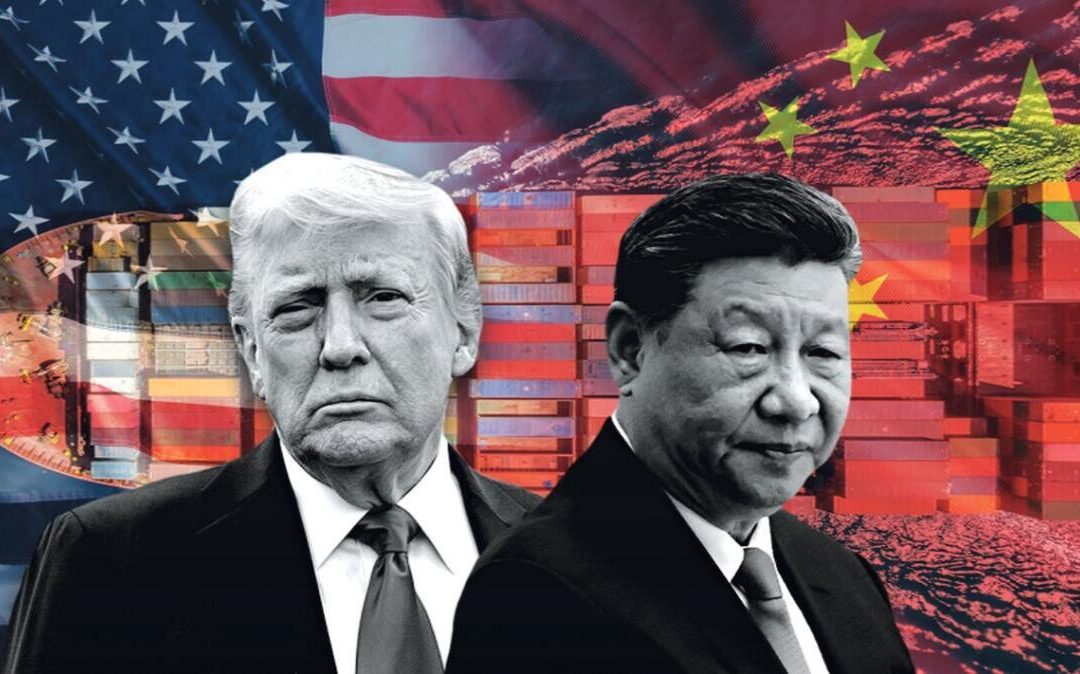
Strategic Council Online– Opinion: While the world has not yet been freed from the consequences of the pandemic and geopolitical disruptions, the economic competition between the world’s two giants – the United States and China – in East Asia has reached its peak.
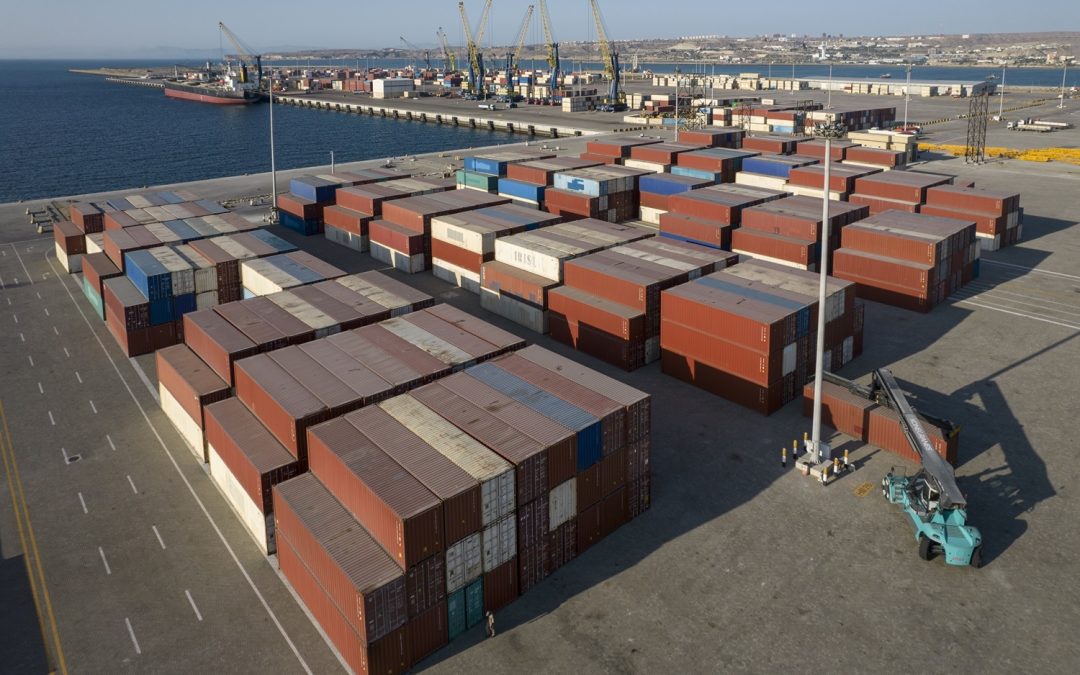
Online Strategic Council – Interview: An economic affairs expert said, “Chabahar is Iran’s only port in the Indian Ocean that can create a new geostrategic balance in the region and solidify Iran’s position as a central player in the regional economy.”
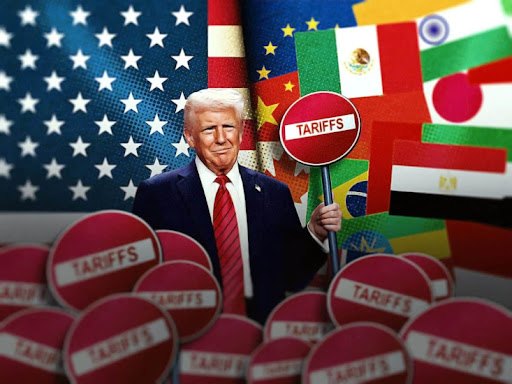
Strategic Council Online – Interview: A senior U.S. affairs analyst stated that the tariff policies of U.S. President Donald Trump have once again exposed the world to the prospect of a full-scale trade war. Trump’s threat to impose a 50% tariff on Brazilian goods and extensive tariffs against over 150 countries, including close U.S. allies like Japan and South Korea, reflects the White House’s aggressive approach to global trade.
Strategic Council Online—Interview: A university professor stated that China’s attempt to expand the use of the Yuan has political and economic consequences, adding that the US traditional allies have begun to get closer to China and expand the volume of their trade relations with it and this affects the world economy and US superior role in determining financial policies and international trade and will have consequences on US political and international power.
Strategic Council Online – Referring to the strategic dialogue between Chinese Foreign Minister Wang Yi and French President’s diplomatic adviser Emmanuel Boone, a European affairs expert stressed that the recent meeting of high-ranking Chinese and French officials is important because we are witnessing escalating tensions between China and the United States, and somehow there is a deep rift between European governments and the United States on how to deal with Beijing.
Strategic Council Online—Editorial: The rivalry between Americanization and Chinanization may result in the emergence of a third power or it may convert one of these two powers to a player with the highest bargaining power.
Reza Majidzadeh—Researcher of the political economy of development
Strategic Council Online: Service sector activists are the most important victims of the Corona crisis, with more than one-sixth of those working in these sectors expected to lose their jobs.
Reza Majidzadeh – Researcher on Development Economics
Strategic Council Online: A strategic affairs expert says a new round of tariff war between Europe and the United States appears to have been shaped. He added that a series of issues has made trade disputes between the two sides more complex, especially if Trump puts into effect his threat to significantly raise car import and parts tariffs from Europe to the United States it would be like a bomb that would completely change the bilateral trade relations.
Strategic Council Online: The most important cooperation potentials of the Economic Cooperation Organization (ECO) and the Regional Comprehensive Economic Partnership (RCEP) are: RCEP’s significant contribution to the global economy, the common interests of certain member states of both organizations in trade and economic war with the United States, and RCEP’s open doors to admit other economic organizations.
SCFR Online – Opinion: On Friday, August 7, the heads of state of three countries – Saudi Arabia, Turkey, and Pakistan – signed a text under the title “Makkah Joint Defense Agreement.”
Strategic Council Online – Note: The initiative to revive the Hejaz Railway, beyond being a transportation project, constitutes an attempt to redefine geopolitics, the economy, and Turkey’s regional position; however, its realization appears to face significant financial, security, and institutional challenges.
SCFR Online – Opinion: The Strait of Hormuz crisis is no longer merely the consequence of a military confrontation, but rather a sign of the transition from the US-centered maritime order to a new energy security structure involving the participation of emerging and influential powers.
SCFR Online – Opinion: Iran’s active deterrence strategy, while increasing the costs of US intervention, has increasingly exposed the hidden rifts between Washington’s interests and those of the Israeli regime.
SCFR Online – Opinion: The escalation of verbal and strategic tensions between Turkey and the Israeli regime, although not increasing the likelihood of direct war, indicates the formation of a new order in West Asian geopolitical rivalries.
Strategic Council Online – Note: Recent developments in the political geography of West Asia, from rising tensions in the Persian Gulf to missile and drone activities in the Red Sea and the recent warning by Kaja Kallas, the European Union’s foreign policy chief, regarding the threat to freedom of navigation, indicate a key pattern shift; the US-Iran war has moved beyond the scope of a regional and local confrontation and has linked two vital passageways for the global economy: the Strait of Hormuz and the Bab el-Mandeb Strait.
SCFR Online – Opinion: The Ukraine war was not merely a European crisis, but rather the starting point for the rearrangement of the global balance of power and a shift in the strategic behavior of great powers.
SCFR Online – Opinion: Great power competition is now pursued more in trade, currency, technology, and global supply chains than on the battlefields of military confrontation.
Strategic Council Online– Opinion: While the world has not yet been freed from the consequences of the pandemic and geopolitical disruptions, the economic competition between the world’s two giants – the United States and China – in East Asia has reached its peak.
Online Strategic Council – Interview: An economic affairs expert said, “Chabahar is Iran’s only port in the Indian Ocean that can create a new geostrategic balance in the region and solidify Iran’s position as a central player in the regional economy.”
Strategic Council Online – Interview: A senior U.S. affairs analyst stated that the tariff policies of U.S. President Donald Trump have once again exposed the world to the prospect of a full-scale trade war. Trump’s threat to impose a 50% tariff on Brazilian goods and extensive tariffs against over 150 countries, including close U.S. allies like Japan and South Korea, reflects the White House’s aggressive approach to global trade.
Strategic Council Online—Interview: A university professor stated that China’s attempt to expand the use of the Yuan has political and economic consequences, adding that the US traditional allies have begun to get closer to China and expand the volume of their trade relations with it and this affects the world economy and US superior role in determining financial policies and international trade and will have consequences on US political and international power.
Strategic Council Online – Referring to the strategic dialogue between Chinese Foreign Minister Wang Yi and French President’s diplomatic adviser Emmanuel Boone, a European affairs expert stressed that the recent meeting of high-ranking Chinese and French officials is important because we are witnessing escalating tensions between China and the United States, and somehow there is a deep rift between European governments and the United States on how to deal with Beijing.
Strategic Council Online—Editorial: The rivalry between Americanization and Chinanization may result in the emergence of a third power or it may convert one of these two powers to a player with the highest bargaining power.
Reza Majidzadeh—Researcher of the political economy of development
Strategic Council Online: Service sector activists are the most important victims of the Corona crisis, with more than one-sixth of those working in these sectors expected to lose their jobs.
Reza Majidzadeh – Researcher on Development Economics
Strategic Council Online: A strategic affairs expert says a new round of tariff war between Europe and the United States appears to have been shaped. He added that a series of issues has made trade disputes between the two sides more complex, especially if Trump puts into effect his threat to significantly raise car import and parts tariffs from Europe to the United States it would be like a bomb that would completely change the bilateral trade relations.
Strategic Council Online: The most important cooperation potentials of the Economic Cooperation Organization (ECO) and the Regional Comprehensive Economic Partnership (RCEP) are: RCEP’s significant contribution to the global economy, the common interests of certain member states of both organizations in trade and economic war with the United States, and RCEP’s open doors to admit other economic organizations.
Strategic Council Online– Opinion: While the world has not yet been freed from the consequences of the pandemic and geopolitical disruptions, the economic competition between the world’s two giants – the United States and China – in East Asia has reached its peak.
Online Strategic Council – Interview: An economic affairs expert said, “Chabahar is Iran’s only port in the Indian Ocean that can create a new geostrategic balance in the region and solidify Iran’s position as a central player in the regional economy.”
Strategic Council Online – Interview: A senior U.S. affairs analyst stated that the tariff policies of U.S. President Donald Trump have once again exposed the world to the prospect of a full-scale trade war. Trump’s threat to impose a 50% tariff on Brazilian goods and extensive tariffs against over 150 countries, including close U.S. allies like Japan and South Korea, reflects the White House’s aggressive approach to global trade.
Strategic Council Online—Interview: A university professor stated that China’s attempt to expand the use of the Yuan has political and economic consequences, adding that the US traditional allies have begun to get closer to China and expand the volume of their trade relations with it and this affects the world economy and US superior role in determining financial policies and international trade and will have consequences on US political and international power.
Strategic Council Online – Referring to the strategic dialogue between Chinese Foreign Minister Wang Yi and French President’s diplomatic adviser Emmanuel Boone, a European affairs expert stressed that the recent meeting of high-ranking Chinese and French officials is important because we are witnessing escalating tensions between China and the United States, and somehow there is a deep rift between European governments and the United States on how to deal with Beijing.
Strategic Council Online—Editorial: The rivalry between Americanization and Chinanization may result in the emergence of a third power or it may convert one of these two powers to a player with the highest bargaining power.
Reza Majidzadeh—Researcher of the political economy of development
Strategic Council Online: Service sector activists are the most important victims of the Corona crisis, with more than one-sixth of those working in these sectors expected to lose their jobs.
Reza Majidzadeh – Researcher on Development Economics
Strategic Council Online: A strategic affairs expert says a new round of tariff war between Europe and the United States appears to have been shaped. He added that a series of issues has made trade disputes between the two sides more complex, especially if Trump puts into effect his threat to significantly raise car import and parts tariffs from Europe to the United States it would be like a bomb that would completely change the bilateral trade relations.
Strategic Council Online: The most important cooperation potentials of the Economic Cooperation Organization (ECO) and the Regional Comprehensive Economic Partnership (RCEP) are: RCEP’s significant contribution to the global economy, the common interests of certain member states of both organizations in trade and economic war with the United States, and RCEP’s open doors to admit other economic organizations.
SCFR Online – Opinion: On Friday, August 7, the heads of state of three countries – Saudi Arabia, Turkey, and Pakistan – signed a text under the title “Makkah Joint Defense Agreement.”
Strategic Council Online – Note: The initiative to revive the Hejaz Railway, beyond being a transportation project, constitutes an attempt to redefine geopolitics, the economy, and Turkey’s regional position; however, its realization appears to face significant financial, security, and institutional challenges.
SCFR Online – Opinion: The Strait of Hormuz crisis is no longer merely the consequence of a military confrontation, but rather a sign of the transition from the US-centered maritime order to a new energy security structure involving the participation of emerging and influential powers.
SCFR Online – Opinion: Iran’s active deterrence strategy, while increasing the costs of US intervention, has increasingly exposed the hidden rifts between Washington’s interests and those of the Israeli regime.
SCFR Online – Opinion: The escalation of verbal and strategic tensions between Turkey and the Israeli regime, although not increasing the likelihood of direct war, indicates the formation of a new order in West Asian geopolitical rivalries.
Strategic Council Online – Note: Recent developments in the political geography of West Asia, from rising tensions in the Persian Gulf to missile and drone activities in the Red Sea and the recent warning by Kaja Kallas, the European Union’s foreign policy chief, regarding the threat to freedom of navigation, indicate a key pattern shift; the US-Iran war has moved beyond the scope of a regional and local confrontation and has linked two vital passageways for the global economy: the Strait of Hormuz and the Bab el-Mandeb Strait.
SCFR Online – Opinion: The Ukraine war was not merely a European crisis, but rather the starting point for the rearrangement of the global balance of power and a shift in the strategic behavior of great powers.
SCFR Online – Opinion: Great power competition is now pursued more in trade, currency, technology, and global supply chains than on the battlefields of military confrontation.
Strategic Council Online– Opinion: While the world has not yet been freed from the consequences of the pandemic and geopolitical disruptions, the economic competition between the world’s two giants – the United States and China – in East Asia has reached its peak.
Online Strategic Council – Interview: An economic affairs expert said, “Chabahar is Iran’s only port in the Indian Ocean that can create a new geostrategic balance in the region and solidify Iran’s position as a central player in the regional economy.”
Strategic Council Online – Interview: A senior U.S. affairs analyst stated that the tariff policies of U.S. President Donald Trump have once again exposed the world to the prospect of a full-scale trade war. Trump’s threat to impose a 50% tariff on Brazilian goods and extensive tariffs against over 150 countries, including close U.S. allies like Japan and South Korea, reflects the White House’s aggressive approach to global trade.
Strategic Council Online—Interview: A university professor stated that China’s attempt to expand the use of the Yuan has political and economic consequences, adding that the US traditional allies have begun to get closer to China and expand the volume of their trade relations with it and this affects the world economy and US superior role in determining financial policies and international trade and will have consequences on US political and international power.
Strategic Council Online – Referring to the strategic dialogue between Chinese Foreign Minister Wang Yi and French President’s diplomatic adviser Emmanuel Boone, a European affairs expert stressed that the recent meeting of high-ranking Chinese and French officials is important because we are witnessing escalating tensions between China and the United States, and somehow there is a deep rift between European governments and the United States on how to deal with Beijing.
Strategic Council Online—Editorial: The rivalry between Americanization and Chinanization may result in the emergence of a third power or it may convert one of these two powers to a player with the highest bargaining power.
Reza Majidzadeh—Researcher of the political economy of development
Strategic Council Online: Service sector activists are the most important victims of the Corona crisis, with more than one-sixth of those working in these sectors expected to lose their jobs.
Reza Majidzadeh – Researcher on Development Economics
Strategic Council Online: A strategic affairs expert says a new round of tariff war between Europe and the United States appears to have been shaped. He added that a series of issues has made trade disputes between the two sides more complex, especially if Trump puts into effect his threat to significantly raise car import and parts tariffs from Europe to the United States it would be like a bomb that would completely change the bilateral trade relations.
Strategic Council Online: The most important cooperation potentials of the Economic Cooperation Organization (ECO) and the Regional Comprehensive Economic Partnership (RCEP) are: RCEP’s significant contribution to the global economy, the common interests of certain member states of both organizations in trade and economic war with the United States, and RCEP’s open doors to admit other economic organizations.
SCFR Online – Opinion: On Friday, August 7, the heads of state of three countries – Saudi Arabia, Turkey, and Pakistan – signed a text under the title “Makkah Joint Defense Agreement.”
Strategic Council Online – Note: The initiative to revive the Hejaz Railway, beyond being a transportation project, constitutes an attempt to redefine geopolitics, the economy, and Turkey’s regional position; however, its realization appears to face significant financial, security, and institutional challenges.
SCFR Online – Opinion: The Strait of Hormuz crisis is no longer merely the consequence of a military confrontation, but rather a sign of the transition from the US-centered maritime order to a new energy security structure involving the participation of emerging and influential powers.
SCFR Online – Opinion: Iran’s active deterrence strategy, while increasing the costs of US intervention, has increasingly exposed the hidden rifts between Washington’s interests and those of the Israeli regime.
SCFR Online – Opinion: The escalation of verbal and strategic tensions between Turkey and the Israeli regime, although not increasing the likelihood of direct war, indicates the formation of a new order in West Asian geopolitical rivalries.
Strategic Council Online – Note: Recent developments in the political geography of West Asia, from rising tensions in the Persian Gulf to missile and drone activities in the Red Sea and the recent warning by Kaja Kallas, the European Union’s foreign policy chief, regarding the threat to freedom of navigation, indicate a key pattern shift; the US-Iran war has moved beyond the scope of a regional and local confrontation and has linked two vital passageways for the global economy: the Strait of Hormuz and the Bab el-Mandeb Strait.
SCFR Online – Opinion: The Ukraine war was not merely a European crisis, but rather the starting point for the rearrangement of the global balance of power and a shift in the strategic behavior of great powers.
SCFR Online – Opinion: Great power competition is now pursued more in trade, currency, technology, and global supply chains than on the battlefields of military confrontation.
Strategic Council Online– Opinion: While the world has not yet been freed from the consequences of the pandemic and geopolitical disruptions, the economic competition between the world’s two giants – the United States and China – in East Asia has reached its peak.
Online Strategic Council – Interview: An economic affairs expert said, “Chabahar is Iran’s only port in the Indian Ocean that can create a new geostrategic balance in the region and solidify Iran’s position as a central player in the regional economy.”
Strategic Council Online – Interview: A senior U.S. affairs analyst stated that the tariff policies of U.S. President Donald Trump have once again exposed the world to the prospect of a full-scale trade war. Trump’s threat to impose a 50% tariff on Brazilian goods and extensive tariffs against over 150 countries, including close U.S. allies like Japan and South Korea, reflects the White House’s aggressive approach to global trade.
Strategic Council Online—Interview: A university professor stated that China’s attempt to expand the use of the Yuan has political and economic consequences, adding that the US traditional allies have begun to get closer to China and expand the volume of their trade relations with it and this affects the world economy and US superior role in determining financial policies and international trade and will have consequences on US political and international power.
Strategic Council Online – Referring to the strategic dialogue between Chinese Foreign Minister Wang Yi and French President’s diplomatic adviser Emmanuel Boone, a European affairs expert stressed that the recent meeting of high-ranking Chinese and French officials is important because we are witnessing escalating tensions between China and the United States, and somehow there is a deep rift between European governments and the United States on how to deal with Beijing.
Strategic Council Online—Editorial: The rivalry between Americanization and Chinanization may result in the emergence of a third power or it may convert one of these two powers to a player with the highest bargaining power.
Reza Majidzadeh—Researcher of the political economy of development
Strategic Council Online: Service sector activists are the most important victims of the Corona crisis, with more than one-sixth of those working in these sectors expected to lose their jobs.
Reza Majidzadeh – Researcher on Development Economics
Strategic Council Online: A strategic affairs expert says a new round of tariff war between Europe and the United States appears to have been shaped. He added that a series of issues has made trade disputes between the two sides more complex, especially if Trump puts into effect his threat to significantly raise car import and parts tariffs from Europe to the United States it would be like a bomb that would completely change the bilateral trade relations.
Strategic Council Online: The most important cooperation potentials of the Economic Cooperation Organization (ECO) and the Regional Comprehensive Economic Partnership (RCEP) are: RCEP’s significant contribution to the global economy, the common interests of certain member states of both organizations in trade and economic war with the United States, and RCEP’s open doors to admit other economic organizations.
SCFR Online – Opinion: On Friday, August 7, the heads of state of three countries – Saudi Arabia, Turkey, and Pakistan – signed a text under the title “Makkah Joint Defense Agreement.”
Strategic Council Online – Note: The initiative to revive the Hejaz Railway, beyond being a transportation project, constitutes an attempt to redefine geopolitics, the economy, and Turkey’s regional position; however, its realization appears to face significant financial, security, and institutional challenges.
SCFR Online – Opinion: The Strait of Hormuz crisis is no longer merely the consequence of a military confrontation, but rather a sign of the transition from the US-centered maritime order to a new energy security structure involving the participation of emerging and influential powers.
SCFR Online – Opinion: Iran’s active deterrence strategy, while increasing the costs of US intervention, has increasingly exposed the hidden rifts between Washington’s interests and those of the Israeli regime.
SCFR Online – Opinion: The escalation of verbal and strategic tensions between Turkey and the Israeli regime, although not increasing the likelihood of direct war, indicates the formation of a new order in West Asian geopolitical rivalries.
Strategic Council Online – Note: Recent developments in the political geography of West Asia, from rising tensions in the Persian Gulf to missile and drone activities in the Red Sea and the recent warning by Kaja Kallas, the European Union’s foreign policy chief, regarding the threat to freedom of navigation, indicate a key pattern shift; the US-Iran war has moved beyond the scope of a regional and local confrontation and has linked two vital passageways for the global economy: the Strait of Hormuz and the Bab el-Mandeb Strait.
SCFR Online – Opinion: The Ukraine war was not merely a European crisis, but rather the starting point for the rearrangement of the global balance of power and a shift in the strategic behavior of great powers.
SCFR Online – Opinion: Great power competition is now pursued more in trade, currency, technology, and global supply chains than on the battlefields of military confrontation.
Strategic Council Online– Opinion: While the world has not yet been freed from the consequences of the pandemic and geopolitical disruptions, the economic competition between the world’s two giants – the United States and China – in East Asia has reached its peak.
Online Strategic Council – Interview: An economic affairs expert said, “Chabahar is Iran’s only port in the Indian Ocean that can create a new geostrategic balance in the region and solidify Iran’s position as a central player in the regional economy.”
Strategic Council Online – Interview: A senior U.S. affairs analyst stated that the tariff policies of U.S. President Donald Trump have once again exposed the world to the prospect of a full-scale trade war. Trump’s threat to impose a 50% tariff on Brazilian goods and extensive tariffs against over 150 countries, including close U.S. allies like Japan and South Korea, reflects the White House’s aggressive approach to global trade.
Strategic Council Online—Interview: A university professor stated that China’s attempt to expand the use of the Yuan has political and economic consequences, adding that the US traditional allies have begun to get closer to China and expand the volume of their trade relations with it and this affects the world economy and US superior role in determining financial policies and international trade and will have consequences on US political and international power.
Strategic Council Online – Referring to the strategic dialogue between Chinese Foreign Minister Wang Yi and French President’s diplomatic adviser Emmanuel Boone, a European affairs expert stressed that the recent meeting of high-ranking Chinese and French officials is important because we are witnessing escalating tensions between China and the United States, and somehow there is a deep rift between European governments and the United States on how to deal with Beijing.
Strategic Council Online—Editorial: The rivalry between Americanization and Chinanization may result in the emergence of a third power or it may convert one of these two powers to a player with the highest bargaining power.
Reza Majidzadeh—Researcher of the political economy of development
Strategic Council Online: Service sector activists are the most important victims of the Corona crisis, with more than one-sixth of those working in these sectors expected to lose their jobs.
Reza Majidzadeh – Researcher on Development Economics
Strategic Council Online: A strategic affairs expert says a new round of tariff war between Europe and the United States appears to have been shaped. He added that a series of issues has made trade disputes between the two sides more complex, especially if Trump puts into effect his threat to significantly raise car import and parts tariffs from Europe to the United States it would be like a bomb that would completely change the bilateral trade relations.
Strategic Council Online: The most important cooperation potentials of the Economic Cooperation Organization (ECO) and the Regional Comprehensive Economic Partnership (RCEP) are: RCEP’s significant contribution to the global economy, the common interests of certain member states of both organizations in trade and economic war with the United States, and RCEP’s open doors to admit other economic organizations.
SCFR Online – Opinion: On Friday, August 7, the heads of state of three countries – Saudi Arabia, Turkey, and Pakistan – signed a text under the title “Makkah Joint Defense Agreement.”
Strategic Council Online – Note: The initiative to revive the Hejaz Railway, beyond being a transportation project, constitutes an attempt to redefine geopolitics, the economy, and Turkey’s regional position; however, its realization appears to face significant financial, security, and institutional challenges.
SCFR Online – Opinion: The Strait of Hormuz crisis is no longer merely the consequence of a military confrontation, but rather a sign of the transition from the US-centered maritime order to a new energy security structure involving the participation of emerging and influential powers.
SCFR Online – Opinion: Iran’s active deterrence strategy, while increasing the costs of US intervention, has increasingly exposed the hidden rifts between Washington’s interests and those of the Israeli regime.
SCFR Online – Opinion: The escalation of verbal and strategic tensions between Turkey and the Israeli regime, although not increasing the likelihood of direct war, indicates the formation of a new order in West Asian geopolitical rivalries.
Strategic Council Online – Note: Recent developments in the political geography of West Asia, from rising tensions in the Persian Gulf to missile and drone activities in the Red Sea and the recent warning by Kaja Kallas, the European Union’s foreign policy chief, regarding the threat to freedom of navigation, indicate a key pattern shift; the US-Iran war has moved beyond the scope of a regional and local confrontation and has linked two vital passageways for the global economy: the Strait of Hormuz and the Bab el-Mandeb Strait.
SCFR Online – Opinion: The Ukraine war was not merely a European crisis, but rather the starting point for the rearrangement of the global balance of power and a shift in the strategic behavior of great powers.
SCFR Online – Opinion: Great power competition is now pursued more in trade, currency, technology, and global supply chains than on the battlefields of military confrontation.
Strategic Council Online– Opinion: While the world has not yet been freed from the consequences of the pandemic and geopolitical disruptions, the economic competition between the world’s two giants – the United States and China – in East Asia has reached its peak.
Online Strategic Council – Interview: An economic affairs expert said, “Chabahar is Iran’s only port in the Indian Ocean that can create a new geostrategic balance in the region and solidify Iran’s position as a central player in the regional economy.”
Strategic Council Online – Interview: A senior U.S. affairs analyst stated that the tariff policies of U.S. President Donald Trump have once again exposed the world to the prospect of a full-scale trade war. Trump’s threat to impose a 50% tariff on Brazilian goods and extensive tariffs against over 150 countries, including close U.S. allies like Japan and South Korea, reflects the White House’s aggressive approach to global trade.
Strategic Council Online—Interview: A university professor stated that China’s attempt to expand the use of the Yuan has political and economic consequences, adding that the US traditional allies have begun to get closer to China and expand the volume of their trade relations with it and this affects the world economy and US superior role in determining financial policies and international trade and will have consequences on US political and international power.
Strategic Council Online – Referring to the strategic dialogue between Chinese Foreign Minister Wang Yi and French President’s diplomatic adviser Emmanuel Boone, a European affairs expert stressed that the recent meeting of high-ranking Chinese and French officials is important because we are witnessing escalating tensions between China and the United States, and somehow there is a deep rift between European governments and the United States on how to deal with Beijing.
Strategic Council Online—Editorial: The rivalry between Americanization and Chinanization may result in the emergence of a third power or it may convert one of these two powers to a player with the highest bargaining power.
Reza Majidzadeh—Researcher of the political economy of development
Strategic Council Online: Service sector activists are the most important victims of the Corona crisis, with more than one-sixth of those working in these sectors expected to lose their jobs.
Reza Majidzadeh – Researcher on Development Economics
Strategic Council Online: A strategic affairs expert says a new round of tariff war between Europe and the United States appears to have been shaped. He added that a series of issues has made trade disputes between the two sides more complex, especially if Trump puts into effect his threat to significantly raise car import and parts tariffs from Europe to the United States it would be like a bomb that would completely change the bilateral trade relations.
Strategic Council Online: The most important cooperation potentials of the Economic Cooperation Organization (ECO) and the Regional Comprehensive Economic Partnership (RCEP) are: RCEP’s significant contribution to the global economy, the common interests of certain member states of both organizations in trade and economic war with the United States, and RCEP’s open doors to admit other economic organizations.
SCFR Online – Opinion: On Friday, August 7, the heads of state of three countries – Saudi Arabia, Turkey, and Pakistan – signed a text under the title “Makkah Joint Defense Agreement.”
Strategic Council Online – Note: The initiative to revive the Hejaz Railway, beyond being a transportation project, constitutes an attempt to redefine geopolitics, the economy, and Turkey’s regional position; however, its realization appears to face significant financial, security, and institutional challenges.
SCFR Online – Opinion: The Strait of Hormuz crisis is no longer merely the consequence of a military confrontation, but rather a sign of the transition from the US-centered maritime order to a new energy security structure involving the participation of emerging and influential powers.
SCFR Online – Opinion: Iran’s active deterrence strategy, while increasing the costs of US intervention, has increasingly exposed the hidden rifts between Washington’s interests and those of the Israeli regime.
SCFR Online – Opinion: The escalation of verbal and strategic tensions between Turkey and the Israeli regime, although not increasing the likelihood of direct war, indicates the formation of a new order in West Asian geopolitical rivalries.
Strategic Council Online – Note: Recent developments in the political geography of West Asia, from rising tensions in the Persian Gulf to missile and drone activities in the Red Sea and the recent warning by Kaja Kallas, the European Union’s foreign policy chief, regarding the threat to freedom of navigation, indicate a key pattern shift; the US-Iran war has moved beyond the scope of a regional and local confrontation and has linked two vital passageways for the global economy: the Strait of Hormuz and the Bab el-Mandeb Strait.
SCFR Online – Opinion: The Ukraine war was not merely a European crisis, but rather the starting point for the rearrangement of the global balance of power and a shift in the strategic behavior of great powers.
SCFR Online – Opinion: Great power competition is now pursued more in trade, currency, technology, and global supply chains than on the battlefields of military confrontation.