جدیدترین مطالب

The Makkah Pact; Reasons for its Formation and Challenges Ahead

SCFR Online – Opinion: The Makkah Pact, signed between Saudi Arabia, Pakistan, and Turkey under the motto “an attack on one is an attack on all,” is viewed by some analysts less as a full-fledged military coalition and more as an attempt to reduce security dependence on an external power and to establish a regional security mechanism.

Implications of the US-Saudi Nuclear Agreement

SCFR Online – Opinion: The new US-Saudi nuclear agreement, despite legal and political ambiguities, could alter previous non-proliferation standards in West Asia and intensify nuclear competition, ushering it into a new phase.

An Analysis of Recent Turkey-Israeli Regime Tensions

SCFR Online – Opinion: Recent developments in Syria indicate an intensification of strategic rivalry between Turkey and the Israeli regime, but mutual considerations and the role of the United States have limited the likelihood of direct war.

Increasing criticism of the extensive Zionist lobby network

SCFR Online – Opinion: An examination of the mechanisms of the Israeli regime’s influence in the United States depicts a complex picture of shared interests, strategic dependencies, and the limitations of this relationship.

Realities of the Tripartite Makkah Pact

SCFR Online – Interview: The signing of the Makkah agreement between Saudi Arabia, Pakistan, and Turkey has raised questions about the future of the region’s security structure and the position of these countries in West Asian equations. Can this agreement become a genuine collective defense mechanism, or does it have more of a political and deterrent function than creating new military capacity?

Strategic Implications of the Reduction of US Weapons Stockpiles

SCFR Online – Opinion: The continuation of the US war against Iran, in addition to increasing operational costs, has called into question the actual capacity of the American arsenal to simultaneously fulfill security commitments on multiple fronts; an issue that affects deterrence, defense production capacity, and Washington’s resource prioritization.

The Formation of a New Order in Relations Between Powers

SCFR Online – Opinion: The Russia-Ukraine war and the war of the United States and the Israeli regime against Iran have been formed with different objectives and actors, but field and political developments indicate that they are not entirely separate from one another.

Loading

Zahra Asghari

Positive Implications of the Recent SCO Summit on the Belt and Road Initiative

Positive Implications of the Recent SCO Summit on the Belt and Road Initiative

Strategic Council Online – Opinion: China’s Belt and Road Initiative (BRI), also known as the new and modern Silk Road, was launched in 2013 to connect Asia with Africa and Europe through land and maritime networks. Its purpose is to improve regional integration, revive land-based trade over sea and air, and foster economic growth. The project’s name was chosen by Chinese President Xi Jinping, inspired by the Silk Road, which was created 2,000 years ago during the Han dynasty. The Silk Road was, in fact, a vast ancient network of communication that included diverse trade routes connecting China through Eurasia to the Mediterranean Sea for centuries.

Deception of EU3 Foreign Ministers in Joint Article on Trigger Mechanism

Deception of EU3 Foreign Ministers in Joint Article on Trigger Mechanism

Strategic Council Online – Opinion: The joint article by the foreign ministers of Britain, France, and Germany, recently published in Politico under the title “Why we are seeking to reimpose UN sanctions on Iran,” was an apparent attempt to present a one-sided narrative regarding Iran’s nuclear dossier. While the article emphasized increased uranium stockpiles, limited cooperation with the IAEA, and Iran’s security threats, important facts of our country’s nuclear case were ignored entirely.

Analysis of the Political Crisis in South Korea

Analysis of the Political Crisis in South Korea

Strategy Council Online – Opinion: The South Korean parliament finally voted to impeach Yoon Suk Yeol, removing the country’s president. The South Korean president had recently declared martial law in a sudden move, but the two main parties in Korea opposed it.

Formation of Nuclear BRICS to Achieve Zero Carbon in Electricity Production

Formation of Nuclear BRICS to Achieve Zero Carbon in Electricity Production

Strategic Council Online – Opinion: During a BRICS meeting in Moscow at the end of October, senior officials from the nuclear industry of member states signed a joint statement supporting establishing a BRICS nuclear platform. This move underscores the importance of peaceful nuclear energy in these nations’ future energy strategies. From the Islamic Republic of Iran, a delegation from the Atomic Energy Organization, headed by IAEO Deputy and CEO of Iran’s Nuclear Energy Production and Development Holding Company, and active brokers participated in the proceedings. The participating members signed a statement supporting the formation of a nuclear platform (Nuclear BRICS).

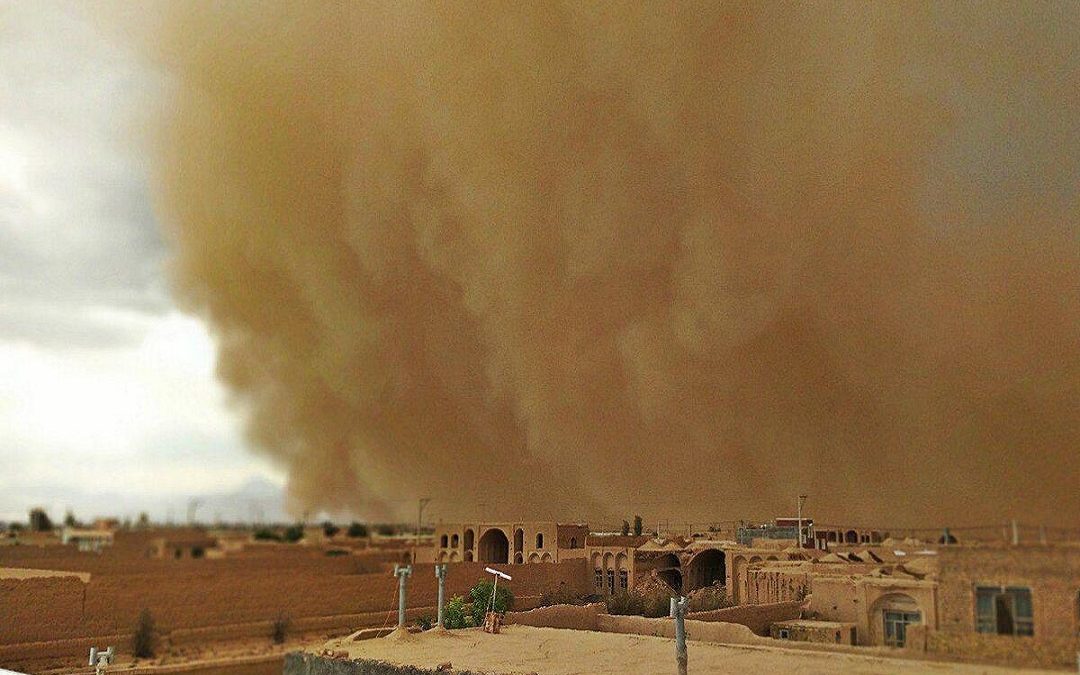
Regional and Global Cooperation Necessary to Deal Seriously with the Dust Crisis

Regional and Global Cooperation Necessary to Deal Seriously with the Dust Crisis

Strategic Council Online – Analytical Report: Dust plays an important role in the ecosystem, which affects the chemical processes of the atmosphere and climate, the properties of water and soil, the movement of nutrients, and the cycle of food in the marine and terrestrial environment. Dust can also damage crops and adversely affect food production. Airborne dust reduces air quality and visibility and may have adverse health effects, especially for people with respiratory problems.

أحدث الوظائف

The Makkah Pact; Reasons for its Formation and Challenges Ahead

SCFR Online – Opinion: The Makkah Pact, signed between Saudi Arabia, Pakistan, and Turkey under the motto “an attack on one is an attack on all,” is viewed by some analysts less as a full-fledged military coalition and more as an attempt to reduce security dependence on an external power and to establish a regional security mechanism.

Implications of the US-Saudi Nuclear Agreement

SCFR Online – Opinion: The new US-Saudi nuclear agreement, despite legal and political ambiguities, could alter previous non-proliferation standards in West Asia and intensify nuclear competition, ushering it into a new phase.

An Analysis of Recent Turkey-Israeli Regime Tensions

SCFR Online – Opinion: Recent developments in Syria indicate an intensification of strategic rivalry between Turkey and the Israeli regime, but mutual considerations and the role of the United States have limited the likelihood of direct war.

Increasing criticism of the extensive Zionist lobby network

SCFR Online – Opinion: An examination of the mechanisms of the Israeli regime’s influence in the United States depicts a complex picture of shared interests, strategic dependencies, and the limitations of this relationship.

Realities of the Tripartite Makkah Pact

SCFR Online – Interview: The signing of the Makkah agreement between Saudi Arabia, Pakistan, and Turkey has raised questions about the future of the region’s security structure and the position of these countries in West Asian equations. Can this agreement become a genuine collective defense mechanism, or does it have more of a political and deterrent function than creating new military capacity?

Strategic Implications of the Reduction of US Weapons Stockpiles

SCFR Online – Opinion: The continuation of the US war against Iran, in addition to increasing operational costs, has called into question the actual capacity of the American arsenal to simultaneously fulfill security commitments on multiple fronts; an issue that affects deterrence, defense production capacity, and Washington’s resource prioritization.

The Formation of a New Order in Relations Between Powers

SCFR Online – Opinion: The Russia-Ukraine war and the war of the United States and the Israeli regime against Iran have been formed with different objectives and actors, but field and political developments indicate that they are not entirely separate from one another.

Loading

Zahra Asghari

Positive Implications of the Recent SCO Summit on the Belt and Road Initiative

Positive Implications of the Recent SCO Summit on the Belt and Road Initiative

Strategic Council Online – Opinion: China’s Belt and Road Initiative (BRI), also known as the new and modern Silk Road, was launched in 2013 to connect Asia with Africa and Europe through land and maritime networks. Its purpose is to improve regional integration, revive land-based trade over sea and air, and foster economic growth. The project’s name was chosen by Chinese President Xi Jinping, inspired by the Silk Road, which was created 2,000 years ago during the Han dynasty. The Silk Road was, in fact, a vast ancient network of communication that included diverse trade routes connecting China through Eurasia to the Mediterranean Sea for centuries.

Deception of EU3 Foreign Ministers in Joint Article on Trigger Mechanism

Deception of EU3 Foreign Ministers in Joint Article on Trigger Mechanism

Strategic Council Online – Opinion: The joint article by the foreign ministers of Britain, France, and Germany, recently published in Politico under the title “Why we are seeking to reimpose UN sanctions on Iran,” was an apparent attempt to present a one-sided narrative regarding Iran’s nuclear dossier. While the article emphasized increased uranium stockpiles, limited cooperation with the IAEA, and Iran’s security threats, important facts of our country’s nuclear case were ignored entirely.

Analysis of the Political Crisis in South Korea

Analysis of the Political Crisis in South Korea

Strategy Council Online – Opinion: The South Korean parliament finally voted to impeach Yoon Suk Yeol, removing the country’s president. The South Korean president had recently declared martial law in a sudden move, but the two main parties in Korea opposed it.

Formation of Nuclear BRICS to Achieve Zero Carbon in Electricity Production

Formation of Nuclear BRICS to Achieve Zero Carbon in Electricity Production

Strategic Council Online – Opinion: During a BRICS meeting in Moscow at the end of October, senior officials from the nuclear industry of member states signed a joint statement supporting establishing a BRICS nuclear platform. This move underscores the importance of peaceful nuclear energy in these nations’ future energy strategies. From the Islamic Republic of Iran, a delegation from the Atomic Energy Organization, headed by IAEO Deputy and CEO of Iran’s Nuclear Energy Production and Development Holding Company, and active brokers participated in the proceedings. The participating members signed a statement supporting the formation of a nuclear platform (Nuclear BRICS).

Regional and Global Cooperation Necessary to Deal Seriously with the Dust Crisis

Regional and Global Cooperation Necessary to Deal Seriously with the Dust Crisis

Strategic Council Online – Analytical Report: Dust plays an important role in the ecosystem, which affects the chemical processes of the atmosphere and climate, the properties of water and soil, the movement of nutrients, and the cycle of food in the marine and terrestrial environment. Dust can also damage crops and adversely affect food production. Airborne dust reduces air quality and visibility and may have adverse health effects, especially for people with respiratory problems.

Zahra Asghari

Positive Implications of the Recent SCO Summit on the Belt and Road Initiative

Positive Implications of the Recent SCO Summit on the Belt and Road Initiative

Strategic Council Online – Opinion: China’s Belt and Road Initiative (BRI), also known as the new and modern Silk Road, was launched in 2013 to connect Asia with Africa and Europe through land and maritime networks. Its purpose is to improve regional integration, revive land-based trade over sea and air, and foster economic growth. The project’s name was chosen by Chinese President Xi Jinping, inspired by the Silk Road, which was created 2,000 years ago during the Han dynasty. The Silk Road was, in fact, a vast ancient network of communication that included diverse trade routes connecting China through Eurasia to the Mediterranean Sea for centuries.

Deception of EU3 Foreign Ministers in Joint Article on Trigger Mechanism

Deception of EU3 Foreign Ministers in Joint Article on Trigger Mechanism

Strategic Council Online – Opinion: The joint article by the foreign ministers of Britain, France, and Germany, recently published in Politico under the title “Why we are seeking to reimpose UN sanctions on Iran,” was an apparent attempt to present a one-sided narrative regarding Iran’s nuclear dossier. While the article emphasized increased uranium stockpiles, limited cooperation with the IAEA, and Iran’s security threats, important facts of our country’s nuclear case were ignored entirely.

Analysis of the Political Crisis in South Korea

Analysis of the Political Crisis in South Korea

Strategy Council Online – Opinion: The South Korean parliament finally voted to impeach Yoon Suk Yeol, removing the country’s president. The South Korean president had recently declared martial law in a sudden move, but the two main parties in Korea opposed it.

Formation of Nuclear BRICS to Achieve Zero Carbon in Electricity Production

Formation of Nuclear BRICS to Achieve Zero Carbon in Electricity Production

Strategic Council Online – Opinion: During a BRICS meeting in Moscow at the end of October, senior officials from the nuclear industry of member states signed a joint statement supporting establishing a BRICS nuclear platform. This move underscores the importance of peaceful nuclear energy in these nations’ future energy strategies. From the Islamic Republic of Iran, a delegation from the Atomic Energy Organization, headed by IAEO Deputy and CEO of Iran’s Nuclear Energy Production and Development Holding Company, and active brokers participated in the proceedings. The participating members signed a statement supporting the formation of a nuclear platform (Nuclear BRICS).

Regional and Global Cooperation Necessary to Deal Seriously with the Dust Crisis

Regional and Global Cooperation Necessary to Deal Seriously with the Dust Crisis

Strategic Council Online – Analytical Report: Dust plays an important role in the ecosystem, which affects the chemical processes of the atmosphere and climate, the properties of water and soil, the movement of nutrients, and the cycle of food in the marine and terrestrial environment. Dust can also damage crops and adversely affect food production. Airborne dust reduces air quality and visibility and may have adverse health effects, especially for people with respiratory problems.

LATEST CONTENT

The Makkah Pact; Reasons for its Formation and Challenges Ahead

SCFR Online – Opinion: The Makkah Pact, signed between Saudi Arabia, Pakistan, and Turkey under the motto “an attack on one is an attack on all,” is viewed by some analysts less as a full-fledged military coalition and more as an attempt to reduce security dependence on an external power and to establish a regional security mechanism.

Implications of the US-Saudi Nuclear Agreement

SCFR Online – Opinion: The new US-Saudi nuclear agreement, despite legal and political ambiguities, could alter previous non-proliferation standards in West Asia and intensify nuclear competition, ushering it into a new phase.

An Analysis of Recent Turkey-Israeli Regime Tensions

SCFR Online – Opinion: Recent developments in Syria indicate an intensification of strategic rivalry between Turkey and the Israeli regime, but mutual considerations and the role of the United States have limited the likelihood of direct war.

Increasing criticism of the extensive Zionist lobby network

SCFR Online – Opinion: An examination of the mechanisms of the Israeli regime’s influence in the United States depicts a complex picture of shared interests, strategic dependencies, and the limitations of this relationship.

Realities of the Tripartite Makkah Pact

SCFR Online – Interview: The signing of the Makkah agreement between Saudi Arabia, Pakistan, and Turkey has raised questions about the future of the region’s security structure and the position of these countries in West Asian equations. Can this agreement become a genuine collective defense mechanism, or does it have more of a political and deterrent function than creating new military capacity?

Strategic Implications of the Reduction of US Weapons Stockpiles

SCFR Online – Opinion: The continuation of the US war against Iran, in addition to increasing operational costs, has called into question the actual capacity of the American arsenal to simultaneously fulfill security commitments on multiple fronts; an issue that affects deterrence, defense production capacity, and Washington’s resource prioritization.

The Formation of a New Order in Relations Between Powers

SCFR Online – Opinion: The Russia-Ukraine war and the war of the United States and the Israeli regime against Iran have been formed with different objectives and actors, but field and political developments indicate that they are not entirely separate from one another.

Loading

Zahra Asghari

Positive Implications of the Recent SCO Summit on the Belt and Road Initiative

Positive Implications of the Recent SCO Summit on the Belt and Road Initiative

Strategic Council Online – Opinion: China’s Belt and Road Initiative (BRI), also known as the new and modern Silk Road, was launched in 2013 to connect Asia with Africa and Europe through land and maritime networks. Its purpose is to improve regional integration, revive land-based trade over sea and air, and foster economic growth. The project’s name was chosen by Chinese President Xi Jinping, inspired by the Silk Road, which was created 2,000 years ago during the Han dynasty. The Silk Road was, in fact, a vast ancient network of communication that included diverse trade routes connecting China through Eurasia to the Mediterranean Sea for centuries.

Deception of EU3 Foreign Ministers in Joint Article on Trigger Mechanism

Deception of EU3 Foreign Ministers in Joint Article on Trigger Mechanism

Strategic Council Online – Opinion: The joint article by the foreign ministers of Britain, France, and Germany, recently published in Politico under the title “Why we are seeking to reimpose UN sanctions on Iran,” was an apparent attempt to present a one-sided narrative regarding Iran’s nuclear dossier. While the article emphasized increased uranium stockpiles, limited cooperation with the IAEA, and Iran’s security threats, important facts of our country’s nuclear case were ignored entirely.

Analysis of the Political Crisis in South Korea

Analysis of the Political Crisis in South Korea

Strategy Council Online – Opinion: The South Korean parliament finally voted to impeach Yoon Suk Yeol, removing the country’s president. The South Korean president had recently declared martial law in a sudden move, but the two main parties in Korea opposed it.

Formation of Nuclear BRICS to Achieve Zero Carbon in Electricity Production

Formation of Nuclear BRICS to Achieve Zero Carbon in Electricity Production

Strategic Council Online – Opinion: During a BRICS meeting in Moscow at the end of October, senior officials from the nuclear industry of member states signed a joint statement supporting establishing a BRICS nuclear platform. This move underscores the importance of peaceful nuclear energy in these nations’ future energy strategies. From the Islamic Republic of Iran, a delegation from the Atomic Energy Organization, headed by IAEO Deputy and CEO of Iran’s Nuclear Energy Production and Development Holding Company, and active brokers participated in the proceedings. The participating members signed a statement supporting the formation of a nuclear platform (Nuclear BRICS).

Regional and Global Cooperation Necessary to Deal Seriously with the Dust Crisis

Regional and Global Cooperation Necessary to Deal Seriously with the Dust Crisis

Strategic Council Online – Analytical Report: Dust plays an important role in the ecosystem, which affects the chemical processes of the atmosphere and climate, the properties of water and soil, the movement of nutrients, and the cycle of food in the marine and terrestrial environment. Dust can also damage crops and adversely affect food production. Airborne dust reduces air quality and visibility and may have adverse health effects, especially for people with respiratory problems.

ÚLTIMAS PUBLICACIONES

The Makkah Pact; Reasons for its Formation and Challenges Ahead

SCFR Online – Opinion: The Makkah Pact, signed between Saudi Arabia, Pakistan, and Turkey under the motto “an attack on one is an attack on all,” is viewed by some analysts less as a full-fledged military coalition and more as an attempt to reduce security dependence on an external power and to establish a regional security mechanism.

Implications of the US-Saudi Nuclear Agreement

SCFR Online – Opinion: The new US-Saudi nuclear agreement, despite legal and political ambiguities, could alter previous non-proliferation standards in West Asia and intensify nuclear competition, ushering it into a new phase.

An Analysis of Recent Turkey-Israeli Regime Tensions

SCFR Online – Opinion: Recent developments in Syria indicate an intensification of strategic rivalry between Turkey and the Israeli regime, but mutual considerations and the role of the United States have limited the likelihood of direct war.

Increasing criticism of the extensive Zionist lobby network

SCFR Online – Opinion: An examination of the mechanisms of the Israeli regime’s influence in the United States depicts a complex picture of shared interests, strategic dependencies, and the limitations of this relationship.

Realities of the Tripartite Makkah Pact

SCFR Online – Interview: The signing of the Makkah agreement between Saudi Arabia, Pakistan, and Turkey has raised questions about the future of the region’s security structure and the position of these countries in West Asian equations. Can this agreement become a genuine collective defense mechanism, or does it have more of a political and deterrent function than creating new military capacity?

Strategic Implications of the Reduction of US Weapons Stockpiles

SCFR Online – Opinion: The continuation of the US war against Iran, in addition to increasing operational costs, has called into question the actual capacity of the American arsenal to simultaneously fulfill security commitments on multiple fronts; an issue that affects deterrence, defense production capacity, and Washington’s resource prioritization.

The Formation of a New Order in Relations Between Powers

SCFR Online – Opinion: The Russia-Ukraine war and the war of the United States and the Israeli regime against Iran have been formed with different objectives and actors, but field and political developments indicate that they are not entirely separate from one another.

Loading

Zahra Asghari

Positive Implications of the Recent SCO Summit on the Belt and Road Initiative

Positive Implications of the Recent SCO Summit on the Belt and Road Initiative

Strategic Council Online – Opinion: China’s Belt and Road Initiative (BRI), also known as the new and modern Silk Road, was launched in 2013 to connect Asia with Africa and Europe through land and maritime networks. Its purpose is to improve regional integration, revive land-based trade over sea and air, and foster economic growth. The project’s name was chosen by Chinese President Xi Jinping, inspired by the Silk Road, which was created 2,000 years ago during the Han dynasty. The Silk Road was, in fact, a vast ancient network of communication that included diverse trade routes connecting China through Eurasia to the Mediterranean Sea for centuries.

Deception of EU3 Foreign Ministers in Joint Article on Trigger Mechanism

Deception of EU3 Foreign Ministers in Joint Article on Trigger Mechanism

Strategic Council Online – Opinion: The joint article by the foreign ministers of Britain, France, and Germany, recently published in Politico under the title “Why we are seeking to reimpose UN sanctions on Iran,” was an apparent attempt to present a one-sided narrative regarding Iran’s nuclear dossier. While the article emphasized increased uranium stockpiles, limited cooperation with the IAEA, and Iran’s security threats, important facts of our country’s nuclear case were ignored entirely.

Analysis of the Political Crisis in South Korea

Analysis of the Political Crisis in South Korea

Strategy Council Online – Opinion: The South Korean parliament finally voted to impeach Yoon Suk Yeol, removing the country’s president. The South Korean president had recently declared martial law in a sudden move, but the two main parties in Korea opposed it.

Formation of Nuclear BRICS to Achieve Zero Carbon in Electricity Production

Formation of Nuclear BRICS to Achieve Zero Carbon in Electricity Production

Strategic Council Online – Opinion: During a BRICS meeting in Moscow at the end of October, senior officials from the nuclear industry of member states signed a joint statement supporting establishing a BRICS nuclear platform. This move underscores the importance of peaceful nuclear energy in these nations’ future energy strategies. From the Islamic Republic of Iran, a delegation from the Atomic Energy Organization, headed by IAEO Deputy and CEO of Iran’s Nuclear Energy Production and Development Holding Company, and active brokers participated in the proceedings. The participating members signed a statement supporting the formation of a nuclear platform (Nuclear BRICS).

Regional and Global Cooperation Necessary to Deal Seriously with the Dust Crisis

Regional and Global Cooperation Necessary to Deal Seriously with the Dust Crisis

Strategic Council Online – Analytical Report: Dust plays an important role in the ecosystem, which affects the chemical processes of the atmosphere and climate, the properties of water and soil, the movement of nutrients, and the cycle of food in the marine and terrestrial environment. Dust can also damage crops and adversely affect food production. Airborne dust reduces air quality and visibility and may have adverse health effects, especially for people with respiratory problems.

ÚLTIMAS PUBLICACIONES

The Makkah Pact; Reasons for its Formation and Challenges Ahead

SCFR Online – Opinion: The Makkah Pact, signed between Saudi Arabia, Pakistan, and Turkey under the motto “an attack on one is an attack on all,” is viewed by some analysts less as a full-fledged military coalition and more as an attempt to reduce security dependence on an external power and to establish a regional security mechanism.

Implications of the US-Saudi Nuclear Agreement

SCFR Online – Opinion: The new US-Saudi nuclear agreement, despite legal and political ambiguities, could alter previous non-proliferation standards in West Asia and intensify nuclear competition, ushering it into a new phase.

An Analysis of Recent Turkey-Israeli Regime Tensions

SCFR Online – Opinion: Recent developments in Syria indicate an intensification of strategic rivalry between Turkey and the Israeli regime, but mutual considerations and the role of the United States have limited the likelihood of direct war.

Increasing criticism of the extensive Zionist lobby network

SCFR Online – Opinion: An examination of the mechanisms of the Israeli regime’s influence in the United States depicts a complex picture of shared interests, strategic dependencies, and the limitations of this relationship.

Realities of the Tripartite Makkah Pact

SCFR Online – Interview: The signing of the Makkah agreement between Saudi Arabia, Pakistan, and Turkey has raised questions about the future of the region’s security structure and the position of these countries in West Asian equations. Can this agreement become a genuine collective defense mechanism, or does it have more of a political and deterrent function than creating new military capacity?

Strategic Implications of the Reduction of US Weapons Stockpiles

SCFR Online – Opinion: The continuation of the US war against Iran, in addition to increasing operational costs, has called into question the actual capacity of the American arsenal to simultaneously fulfill security commitments on multiple fronts; an issue that affects deterrence, defense production capacity, and Washington’s resource prioritization.

The Formation of a New Order in Relations Between Powers

SCFR Online – Opinion: The Russia-Ukraine war and the war of the United States and the Israeli regime against Iran have been formed with different objectives and actors, but field and political developments indicate that they are not entirely separate from one another.

Loading

Zahra Asghari

Positive Implications of the Recent SCO Summit on the Belt and Road Initiative

Positive Implications of the Recent SCO Summit on the Belt and Road Initiative

Strategic Council Online – Opinion: China’s Belt and Road Initiative (BRI), also known as the new and modern Silk Road, was launched in 2013 to connect Asia with Africa and Europe through land and maritime networks. Its purpose is to improve regional integration, revive land-based trade over sea and air, and foster economic growth. The project’s name was chosen by Chinese President Xi Jinping, inspired by the Silk Road, which was created 2,000 years ago during the Han dynasty. The Silk Road was, in fact, a vast ancient network of communication that included diverse trade routes connecting China through Eurasia to the Mediterranean Sea for centuries.

Deception of EU3 Foreign Ministers in Joint Article on Trigger Mechanism

Deception of EU3 Foreign Ministers in Joint Article on Trigger Mechanism

Strategic Council Online – Opinion: The joint article by the foreign ministers of Britain, France, and Germany, recently published in Politico under the title “Why we are seeking to reimpose UN sanctions on Iran,” was an apparent attempt to present a one-sided narrative regarding Iran’s nuclear dossier. While the article emphasized increased uranium stockpiles, limited cooperation with the IAEA, and Iran’s security threats, important facts of our country’s nuclear case were ignored entirely.

Analysis of the Political Crisis in South Korea

Analysis of the Political Crisis in South Korea

Strategy Council Online – Opinion: The South Korean parliament finally voted to impeach Yoon Suk Yeol, removing the country’s president. The South Korean president had recently declared martial law in a sudden move, but the two main parties in Korea opposed it.

Formation of Nuclear BRICS to Achieve Zero Carbon in Electricity Production

Formation of Nuclear BRICS to Achieve Zero Carbon in Electricity Production

Strategic Council Online – Opinion: During a BRICS meeting in Moscow at the end of October, senior officials from the nuclear industry of member states signed a joint statement supporting establishing a BRICS nuclear platform. This move underscores the importance of peaceful nuclear energy in these nations’ future energy strategies. From the Islamic Republic of Iran, a delegation from the Atomic Energy Organization, headed by IAEO Deputy and CEO of Iran’s Nuclear Energy Production and Development Holding Company, and active brokers participated in the proceedings. The participating members signed a statement supporting the formation of a nuclear platform (Nuclear BRICS).

Regional and Global Cooperation Necessary to Deal Seriously with the Dust Crisis

Regional and Global Cooperation Necessary to Deal Seriously with the Dust Crisis

Strategic Council Online – Analytical Report: Dust plays an important role in the ecosystem, which affects the chemical processes of the atmosphere and climate, the properties of water and soil, the movement of nutrients, and the cycle of food in the marine and terrestrial environment. Dust can also damage crops and adversely affect food production. Airborne dust reduces air quality and visibility and may have adverse health effects, especially for people with respiratory problems.

ÚLTIMAS PUBLICACIONES

The Makkah Pact; Reasons for its Formation and Challenges Ahead

SCFR Online – Opinion: The Makkah Pact, signed between Saudi Arabia, Pakistan, and Turkey under the motto “an attack on one is an attack on all,” is viewed by some analysts less as a full-fledged military coalition and more as an attempt to reduce security dependence on an external power and to establish a regional security mechanism.

Implications of the US-Saudi Nuclear Agreement

SCFR Online – Opinion: The new US-Saudi nuclear agreement, despite legal and political ambiguities, could alter previous non-proliferation standards in West Asia and intensify nuclear competition, ushering it into a new phase.

An Analysis of Recent Turkey-Israeli Regime Tensions

SCFR Online – Opinion: Recent developments in Syria indicate an intensification of strategic rivalry between Turkey and the Israeli regime, but mutual considerations and the role of the United States have limited the likelihood of direct war.

Increasing criticism of the extensive Zionist lobby network

SCFR Online – Opinion: An examination of the mechanisms of the Israeli regime’s influence in the United States depicts a complex picture of shared interests, strategic dependencies, and the limitations of this relationship.

Realities of the Tripartite Makkah Pact

SCFR Online – Interview: The signing of the Makkah agreement between Saudi Arabia, Pakistan, and Turkey has raised questions about the future of the region’s security structure and the position of these countries in West Asian equations. Can this agreement become a genuine collective defense mechanism, or does it have more of a political and deterrent function than creating new military capacity?

Strategic Implications of the Reduction of US Weapons Stockpiles

SCFR Online – Opinion: The continuation of the US war against Iran, in addition to increasing operational costs, has called into question the actual capacity of the American arsenal to simultaneously fulfill security commitments on multiple fronts; an issue that affects deterrence, defense production capacity, and Washington’s resource prioritization.

The Formation of a New Order in Relations Between Powers

SCFR Online – Opinion: The Russia-Ukraine war and the war of the United States and the Israeli regime against Iran have been formed with different objectives and actors, but field and political developments indicate that they are not entirely separate from one another.

Loading

Zahra Asghari

Positive Implications of the Recent SCO Summit on the Belt and Road Initiative

Positive Implications of the Recent SCO Summit on the Belt and Road Initiative

Strategic Council Online – Opinion: China’s Belt and Road Initiative (BRI), also known as the new and modern Silk Road, was launched in 2013 to connect Asia with Africa and Europe through land and maritime networks. Its purpose is to improve regional integration, revive land-based trade over sea and air, and foster economic growth. The project’s name was chosen by Chinese President Xi Jinping, inspired by the Silk Road, which was created 2,000 years ago during the Han dynasty. The Silk Road was, in fact, a vast ancient network of communication that included diverse trade routes connecting China through Eurasia to the Mediterranean Sea for centuries.

Deception of EU3 Foreign Ministers in Joint Article on Trigger Mechanism

Deception of EU3 Foreign Ministers in Joint Article on Trigger Mechanism

Strategic Council Online – Opinion: The joint article by the foreign ministers of Britain, France, and Germany, recently published in Politico under the title “Why we are seeking to reimpose UN sanctions on Iran,” was an apparent attempt to present a one-sided narrative regarding Iran’s nuclear dossier. While the article emphasized increased uranium stockpiles, limited cooperation with the IAEA, and Iran’s security threats, important facts of our country’s nuclear case were ignored entirely.

Analysis of the Political Crisis in South Korea

Analysis of the Political Crisis in South Korea

Strategy Council Online – Opinion: The South Korean parliament finally voted to impeach Yoon Suk Yeol, removing the country’s president. The South Korean president had recently declared martial law in a sudden move, but the two main parties in Korea opposed it.

Formation of Nuclear BRICS to Achieve Zero Carbon in Electricity Production

Formation of Nuclear BRICS to Achieve Zero Carbon in Electricity Production

Strategic Council Online – Opinion: During a BRICS meeting in Moscow at the end of October, senior officials from the nuclear industry of member states signed a joint statement supporting establishing a BRICS nuclear platform. This move underscores the importance of peaceful nuclear energy in these nations’ future energy strategies. From the Islamic Republic of Iran, a delegation from the Atomic Energy Organization, headed by IAEO Deputy and CEO of Iran’s Nuclear Energy Production and Development Holding Company, and active brokers participated in the proceedings. The participating members signed a statement supporting the formation of a nuclear platform (Nuclear BRICS).

Regional and Global Cooperation Necessary to Deal Seriously with the Dust Crisis

Regional and Global Cooperation Necessary to Deal Seriously with the Dust Crisis

Strategic Council Online – Analytical Report: Dust plays an important role in the ecosystem, which affects the chemical processes of the atmosphere and climate, the properties of water and soil, the movement of nutrients, and the cycle of food in the marine and terrestrial environment. Dust can also damage crops and adversely affect food production. Airborne dust reduces air quality and visibility and may have adverse health effects, especially for people with respiratory problems.

ÚLTIMAS PUBLICACIONES

The Makkah Pact; Reasons for its Formation and Challenges Ahead

SCFR Online – Opinion: The Makkah Pact, signed between Saudi Arabia, Pakistan, and Turkey under the motto “an attack on one is an attack on all,” is viewed by some analysts less as a full-fledged military coalition and more as an attempt to reduce security dependence on an external power and to establish a regional security mechanism.

Implications of the US-Saudi Nuclear Agreement

SCFR Online – Opinion: The new US-Saudi nuclear agreement, despite legal and political ambiguities, could alter previous non-proliferation standards in West Asia and intensify nuclear competition, ushering it into a new phase.

An Analysis of Recent Turkey-Israeli Regime Tensions

SCFR Online – Opinion: Recent developments in Syria indicate an intensification of strategic rivalry between Turkey and the Israeli regime, but mutual considerations and the role of the United States have limited the likelihood of direct war.

Increasing criticism of the extensive Zionist lobby network

SCFR Online – Opinion: An examination of the mechanisms of the Israeli regime’s influence in the United States depicts a complex picture of shared interests, strategic dependencies, and the limitations of this relationship.

Realities of the Tripartite Makkah Pact

SCFR Online – Interview: The signing of the Makkah agreement between Saudi Arabia, Pakistan, and Turkey has raised questions about the future of the region’s security structure and the position of these countries in West Asian equations. Can this agreement become a genuine collective defense mechanism, or does it have more of a political and deterrent function than creating new military capacity?

Strategic Implications of the Reduction of US Weapons Stockpiles

SCFR Online – Opinion: The continuation of the US war against Iran, in addition to increasing operational costs, has called into question the actual capacity of the American arsenal to simultaneously fulfill security commitments on multiple fronts; an issue that affects deterrence, defense production capacity, and Washington’s resource prioritization.

The Formation of a New Order in Relations Between Powers

SCFR Online – Opinion: The Russia-Ukraine war and the war of the United States and the Israeli regime against Iran have been formed with different objectives and actors, but field and political developments indicate that they are not entirely separate from one another.

Loading