An Analysis of the Makkah Defense Pact
SCFR Online – Opinion: On Friday, August 7, the heads of state of three countries – Saudi Arabia, Turkey, and Pakistan – signed a text under the title “Makkah Joint Defense Agreement.”
Strategic Council Online – Note: The initiative to revive the Hejaz Railway, beyond being a transportation project, constitutes an attempt to redefine geopolitics, the economy, and Turkey’s regional position; however, its realization appears to face significant financial, security, and institutional challenges.
SCFR Online – Opinion: The Strait of Hormuz crisis is no longer merely the consequence of a military confrontation, but rather a sign of the transition from the US-centered maritime order to a new energy security structure involving the participation of emerging and influential powers.
SCFR Online – Opinion: Iran’s active deterrence strategy, while increasing the costs of US intervention, has increasingly exposed the hidden rifts between Washington’s interests and those of the Israeli regime.
SCFR Online – Opinion: The escalation of verbal and strategic tensions between Turkey and the Israeli regime, although not increasing the likelihood of direct war, indicates the formation of a new order in West Asian geopolitical rivalries.
Strategic Council Online – Note: Recent developments in the political geography of West Asia, from rising tensions in the Persian Gulf to missile and drone activities in the Red Sea and the recent warning by Kaja Kallas, the European Union’s foreign policy chief, regarding the threat to freedom of navigation, indicate a key pattern shift; the US-Iran war has moved beyond the scope of a regional and local confrontation and has linked two vital passageways for the global economy: the Strait of Hormuz and the Bab el-Mandeb Strait.
SCFR Online – Opinion: The Ukraine war was not merely a European crisis, but rather the starting point for the rearrangement of the global balance of power and a shift in the strategic behavior of great powers.
SCFR Online – Opinion: Great power competition is now pursued more in trade, currency, technology, and global supply chains than on the battlefields of military confrontation.
Strategic Council Online—Opinion: This is the second time that efforts have been made to establish peace in Sudan, but so far, no positive perspective and no clear vision has been drawn for the end of the conflict in this country.
Strategic Council Online-Interview: An expert on African issues listed power-seeking and non-acceptance of conventional rules as the root causes of conflicts in Sudan and emphasized that although the Sudanese parties want to eliminate each other, it seems that even if the conflicts do not lead to the elimination of one side, in the short term, it will end and the two sides cannot continue the war due to the lack of facilities in this country.
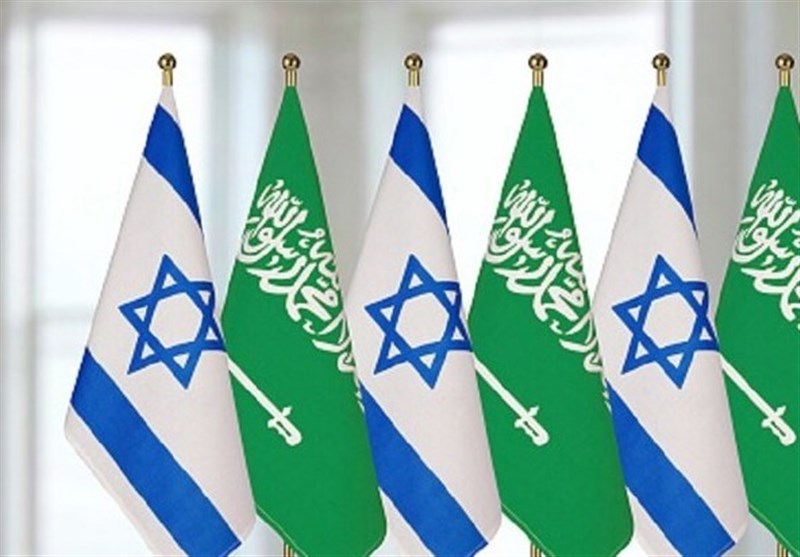
Strategic Council Online—Interview: An expert on West Asian issues stated that the frequent publication of news about the normalization of relations between the Zionist regime and Saudi Arabia in the Zionist media does not necessarily mean the occurrence of new developments that can change the geopolitics of the region, and said that repeatedly dealing with the issue of normalizing relations with Saudi Arabia is a media achievement. It is for Netanyahu and the Likud party to divert the attention of public opinion from the internal problems and challenges of the Zionist regime.
Strategic Council Online – The illegitimate presence of the Zionists in the Persian Gulf will increase vulnerability of these forces; as the Arab nations of the region are not psychologically and culturally ready to accept the citizens of the Israeli regime and this is considered a serious challenge for Tel Aviv. There may also be underground movements in the future to strike at the interests of the Israeli regime in the Arab countries.
Hassan Hanizadeh – Expert of the Middle East
Strategic Council Online: The UAE and Saudi Arabia are sensitive to any changes or political and social instability in the Afro-Arab countries, and they are always seeking to maintain the status quo. But this time about Sudan, they certainly have not sufficed to a mere opposition to changes by learning a lesson from the 2011 uprisings. Instead, they are trying to orchestrate the power transition in a way that their own interests are preserved and safeguarded.
Kourosh Fakhr Tavoli – African Affairs Expert
Strategic Council Online: What happened in Sudan, or the issue that led to a coup or quasi coup d’état in this country, go back to a number of factors and reasons such as the ineffectiveness of the political system of Omar al-Bashir government, as well as his actions over the past few years on foreign policy among others.
Ahmad Bakhshi – African Affairs Expert
Strategic Council Online: What is happening today in major North African countries, including Sudan, Libya, and Algeria, is affected by a combination of internal factors and mechanisms as well as foreign interventions before being a proof of the “Arab Spring, the Second Wave.”
Kourosh Fakhr Tavoli – African Affairs Expert
Strategic Council Online: What took place in Sudan after Omar al-Bashir stepped down from power has attracted the attention of the world these days. The reality is that the country is prone to civil war between the various parties, which could be a threat to regional security.
Kourosh Fakhr Tavoli – African Affairs Expert
SCFR Online – Opinion: On Friday, August 7, the heads of state of three countries – Saudi Arabia, Turkey, and Pakistan – signed a text under the title “Makkah Joint Defense Agreement.”
Strategic Council Online – Note: The initiative to revive the Hejaz Railway, beyond being a transportation project, constitutes an attempt to redefine geopolitics, the economy, and Turkey’s regional position; however, its realization appears to face significant financial, security, and institutional challenges.
SCFR Online – Opinion: The Strait of Hormuz crisis is no longer merely the consequence of a military confrontation, but rather a sign of the transition from the US-centered maritime order to a new energy security structure involving the participation of emerging and influential powers.
SCFR Online – Opinion: Iran’s active deterrence strategy, while increasing the costs of US intervention, has increasingly exposed the hidden rifts between Washington’s interests and those of the Israeli regime.
SCFR Online – Opinion: The escalation of verbal and strategic tensions between Turkey and the Israeli regime, although not increasing the likelihood of direct war, indicates the formation of a new order in West Asian geopolitical rivalries.
Strategic Council Online – Note: Recent developments in the political geography of West Asia, from rising tensions in the Persian Gulf to missile and drone activities in the Red Sea and the recent warning by Kaja Kallas, the European Union’s foreign policy chief, regarding the threat to freedom of navigation, indicate a key pattern shift; the US-Iran war has moved beyond the scope of a regional and local confrontation and has linked two vital passageways for the global economy: the Strait of Hormuz and the Bab el-Mandeb Strait.
SCFR Online – Opinion: The Ukraine war was not merely a European crisis, but rather the starting point for the rearrangement of the global balance of power and a shift in the strategic behavior of great powers.
SCFR Online – Opinion: Great power competition is now pursued more in trade, currency, technology, and global supply chains than on the battlefields of military confrontation.
Strategic Council Online—Opinion: This is the second time that efforts have been made to establish peace in Sudan, but so far, no positive perspective and no clear vision has been drawn for the end of the conflict in this country.
Strategic Council Online-Interview: An expert on African issues listed power-seeking and non-acceptance of conventional rules as the root causes of conflicts in Sudan and emphasized that although the Sudanese parties want to eliminate each other, it seems that even if the conflicts do not lead to the elimination of one side, in the short term, it will end and the two sides cannot continue the war due to the lack of facilities in this country.
Strategic Council Online—Interview: An expert on West Asian issues stated that the frequent publication of news about the normalization of relations between the Zionist regime and Saudi Arabia in the Zionist media does not necessarily mean the occurrence of new developments that can change the geopolitics of the region, and said that repeatedly dealing with the issue of normalizing relations with Saudi Arabia is a media achievement. It is for Netanyahu and the Likud party to divert the attention of public opinion from the internal problems and challenges of the Zionist regime.
Strategic Council Online – The illegitimate presence of the Zionists in the Persian Gulf will increase vulnerability of these forces; as the Arab nations of the region are not psychologically and culturally ready to accept the citizens of the Israeli regime and this is considered a serious challenge for Tel Aviv. There may also be underground movements in the future to strike at the interests of the Israeli regime in the Arab countries.
Hassan Hanizadeh – Expert of the Middle East
Strategic Council Online: The UAE and Saudi Arabia are sensitive to any changes or political and social instability in the Afro-Arab countries, and they are always seeking to maintain the status quo. But this time about Sudan, they certainly have not sufficed to a mere opposition to changes by learning a lesson from the 2011 uprisings. Instead, they are trying to orchestrate the power transition in a way that their own interests are preserved and safeguarded.
Kourosh Fakhr Tavoli – African Affairs Expert
Strategic Council Online: What happened in Sudan, or the issue that led to a coup or quasi coup d’état in this country, go back to a number of factors and reasons such as the ineffectiveness of the political system of Omar al-Bashir government, as well as his actions over the past few years on foreign policy among others.
Ahmad Bakhshi – African Affairs Expert
Strategic Council Online: What is happening today in major North African countries, including Sudan, Libya, and Algeria, is affected by a combination of internal factors and mechanisms as well as foreign interventions before being a proof of the “Arab Spring, the Second Wave.”
Kourosh Fakhr Tavoli – African Affairs Expert
Strategic Council Online: What took place in Sudan after Omar al-Bashir stepped down from power has attracted the attention of the world these days. The reality is that the country is prone to civil war between the various parties, which could be a threat to regional security.
Kourosh Fakhr Tavoli – African Affairs Expert
Strategic Council Online—Opinion: This is the second time that efforts have been made to establish peace in Sudan, but so far, no positive perspective and no clear vision has been drawn for the end of the conflict in this country.
Strategic Council Online-Interview: An expert on African issues listed power-seeking and non-acceptance of conventional rules as the root causes of conflicts in Sudan and emphasized that although the Sudanese parties want to eliminate each other, it seems that even if the conflicts do not lead to the elimination of one side, in the short term, it will end and the two sides cannot continue the war due to the lack of facilities in this country.
Strategic Council Online—Interview: An expert on West Asian issues stated that the frequent publication of news about the normalization of relations between the Zionist regime and Saudi Arabia in the Zionist media does not necessarily mean the occurrence of new developments that can change the geopolitics of the region, and said that repeatedly dealing with the issue of normalizing relations with Saudi Arabia is a media achievement. It is for Netanyahu and the Likud party to divert the attention of public opinion from the internal problems and challenges of the Zionist regime.
Strategic Council Online – The illegitimate presence of the Zionists in the Persian Gulf will increase vulnerability of these forces; as the Arab nations of the region are not psychologically and culturally ready to accept the citizens of the Israeli regime and this is considered a serious challenge for Tel Aviv. There may also be underground movements in the future to strike at the interests of the Israeli regime in the Arab countries.
Hassan Hanizadeh – Expert of the Middle East
Strategic Council Online: The UAE and Saudi Arabia are sensitive to any changes or political and social instability in the Afro-Arab countries, and they are always seeking to maintain the status quo. But this time about Sudan, they certainly have not sufficed to a mere opposition to changes by learning a lesson from the 2011 uprisings. Instead, they are trying to orchestrate the power transition in a way that their own interests are preserved and safeguarded.
Kourosh Fakhr Tavoli – African Affairs Expert
Strategic Council Online: What happened in Sudan, or the issue that led to a coup or quasi coup d’état in this country, go back to a number of factors and reasons such as the ineffectiveness of the political system of Omar al-Bashir government, as well as his actions over the past few years on foreign policy among others.
Ahmad Bakhshi – African Affairs Expert
Strategic Council Online: What is happening today in major North African countries, including Sudan, Libya, and Algeria, is affected by a combination of internal factors and mechanisms as well as foreign interventions before being a proof of the “Arab Spring, the Second Wave.”
Kourosh Fakhr Tavoli – African Affairs Expert
Strategic Council Online: What took place in Sudan after Omar al-Bashir stepped down from power has attracted the attention of the world these days. The reality is that the country is prone to civil war between the various parties, which could be a threat to regional security.
Kourosh Fakhr Tavoli – African Affairs Expert
SCFR Online – Opinion: On Friday, August 7, the heads of state of three countries – Saudi Arabia, Turkey, and Pakistan – signed a text under the title “Makkah Joint Defense Agreement.”
Strategic Council Online – Note: The initiative to revive the Hejaz Railway, beyond being a transportation project, constitutes an attempt to redefine geopolitics, the economy, and Turkey’s regional position; however, its realization appears to face significant financial, security, and institutional challenges.
SCFR Online – Opinion: The Strait of Hormuz crisis is no longer merely the consequence of a military confrontation, but rather a sign of the transition from the US-centered maritime order to a new energy security structure involving the participation of emerging and influential powers.
SCFR Online – Opinion: Iran’s active deterrence strategy, while increasing the costs of US intervention, has increasingly exposed the hidden rifts between Washington’s interests and those of the Israeli regime.
SCFR Online – Opinion: The escalation of verbal and strategic tensions between Turkey and the Israeli regime, although not increasing the likelihood of direct war, indicates the formation of a new order in West Asian geopolitical rivalries.
Strategic Council Online – Note: Recent developments in the political geography of West Asia, from rising tensions in the Persian Gulf to missile and drone activities in the Red Sea and the recent warning by Kaja Kallas, the European Union’s foreign policy chief, regarding the threat to freedom of navigation, indicate a key pattern shift; the US-Iran war has moved beyond the scope of a regional and local confrontation and has linked two vital passageways for the global economy: the Strait of Hormuz and the Bab el-Mandeb Strait.
SCFR Online – Opinion: The Ukraine war was not merely a European crisis, but rather the starting point for the rearrangement of the global balance of power and a shift in the strategic behavior of great powers.
SCFR Online – Opinion: Great power competition is now pursued more in trade, currency, technology, and global supply chains than on the battlefields of military confrontation.
Strategic Council Online—Opinion: This is the second time that efforts have been made to establish peace in Sudan, but so far, no positive perspective and no clear vision has been drawn for the end of the conflict in this country.
Strategic Council Online-Interview: An expert on African issues listed power-seeking and non-acceptance of conventional rules as the root causes of conflicts in Sudan and emphasized that although the Sudanese parties want to eliminate each other, it seems that even if the conflicts do not lead to the elimination of one side, in the short term, it will end and the two sides cannot continue the war due to the lack of facilities in this country.
Strategic Council Online—Interview: An expert on West Asian issues stated that the frequent publication of news about the normalization of relations between the Zionist regime and Saudi Arabia in the Zionist media does not necessarily mean the occurrence of new developments that can change the geopolitics of the region, and said that repeatedly dealing with the issue of normalizing relations with Saudi Arabia is a media achievement. It is for Netanyahu and the Likud party to divert the attention of public opinion from the internal problems and challenges of the Zionist regime.
Strategic Council Online – The illegitimate presence of the Zionists in the Persian Gulf will increase vulnerability of these forces; as the Arab nations of the region are not psychologically and culturally ready to accept the citizens of the Israeli regime and this is considered a serious challenge for Tel Aviv. There may also be underground movements in the future to strike at the interests of the Israeli regime in the Arab countries.
Hassan Hanizadeh – Expert of the Middle East
Strategic Council Online: The UAE and Saudi Arabia are sensitive to any changes or political and social instability in the Afro-Arab countries, and they are always seeking to maintain the status quo. But this time about Sudan, they certainly have not sufficed to a mere opposition to changes by learning a lesson from the 2011 uprisings. Instead, they are trying to orchestrate the power transition in a way that their own interests are preserved and safeguarded.
Kourosh Fakhr Tavoli – African Affairs Expert
Strategic Council Online: What happened in Sudan, or the issue that led to a coup or quasi coup d’état in this country, go back to a number of factors and reasons such as the ineffectiveness of the political system of Omar al-Bashir government, as well as his actions over the past few years on foreign policy among others.
Ahmad Bakhshi – African Affairs Expert
Strategic Council Online: What is happening today in major North African countries, including Sudan, Libya, and Algeria, is affected by a combination of internal factors and mechanisms as well as foreign interventions before being a proof of the “Arab Spring, the Second Wave.”
Kourosh Fakhr Tavoli – African Affairs Expert
Strategic Council Online: What took place in Sudan after Omar al-Bashir stepped down from power has attracted the attention of the world these days. The reality is that the country is prone to civil war between the various parties, which could be a threat to regional security.
Kourosh Fakhr Tavoli – African Affairs Expert
SCFR Online – Opinion: On Friday, August 7, the heads of state of three countries – Saudi Arabia, Turkey, and Pakistan – signed a text under the title “Makkah Joint Defense Agreement.”
Strategic Council Online – Note: The initiative to revive the Hejaz Railway, beyond being a transportation project, constitutes an attempt to redefine geopolitics, the economy, and Turkey’s regional position; however, its realization appears to face significant financial, security, and institutional challenges.
SCFR Online – Opinion: The Strait of Hormuz crisis is no longer merely the consequence of a military confrontation, but rather a sign of the transition from the US-centered maritime order to a new energy security structure involving the participation of emerging and influential powers.
SCFR Online – Opinion: Iran’s active deterrence strategy, while increasing the costs of US intervention, has increasingly exposed the hidden rifts between Washington’s interests and those of the Israeli regime.
SCFR Online – Opinion: The escalation of verbal and strategic tensions between Turkey and the Israeli regime, although not increasing the likelihood of direct war, indicates the formation of a new order in West Asian geopolitical rivalries.
Strategic Council Online – Note: Recent developments in the political geography of West Asia, from rising tensions in the Persian Gulf to missile and drone activities in the Red Sea and the recent warning by Kaja Kallas, the European Union’s foreign policy chief, regarding the threat to freedom of navigation, indicate a key pattern shift; the US-Iran war has moved beyond the scope of a regional and local confrontation and has linked two vital passageways for the global economy: the Strait of Hormuz and the Bab el-Mandeb Strait.
SCFR Online – Opinion: The Ukraine war was not merely a European crisis, but rather the starting point for the rearrangement of the global balance of power and a shift in the strategic behavior of great powers.
SCFR Online – Opinion: Great power competition is now pursued more in trade, currency, technology, and global supply chains than on the battlefields of military confrontation.
Strategic Council Online—Opinion: This is the second time that efforts have been made to establish peace in Sudan, but so far, no positive perspective and no clear vision has been drawn for the end of the conflict in this country.
Strategic Council Online-Interview: An expert on African issues listed power-seeking and non-acceptance of conventional rules as the root causes of conflicts in Sudan and emphasized that although the Sudanese parties want to eliminate each other, it seems that even if the conflicts do not lead to the elimination of one side, in the short term, it will end and the two sides cannot continue the war due to the lack of facilities in this country.
Strategic Council Online—Interview: An expert on West Asian issues stated that the frequent publication of news about the normalization of relations between the Zionist regime and Saudi Arabia in the Zionist media does not necessarily mean the occurrence of new developments that can change the geopolitics of the region, and said that repeatedly dealing with the issue of normalizing relations with Saudi Arabia is a media achievement. It is for Netanyahu and the Likud party to divert the attention of public opinion from the internal problems and challenges of the Zionist regime.
Strategic Council Online – The illegitimate presence of the Zionists in the Persian Gulf will increase vulnerability of these forces; as the Arab nations of the region are not psychologically and culturally ready to accept the citizens of the Israeli regime and this is considered a serious challenge for Tel Aviv. There may also be underground movements in the future to strike at the interests of the Israeli regime in the Arab countries.
Hassan Hanizadeh – Expert of the Middle East
Strategic Council Online: The UAE and Saudi Arabia are sensitive to any changes or political and social instability in the Afro-Arab countries, and they are always seeking to maintain the status quo. But this time about Sudan, they certainly have not sufficed to a mere opposition to changes by learning a lesson from the 2011 uprisings. Instead, they are trying to orchestrate the power transition in a way that their own interests are preserved and safeguarded.
Kourosh Fakhr Tavoli – African Affairs Expert
Strategic Council Online: What happened in Sudan, or the issue that led to a coup or quasi coup d’état in this country, go back to a number of factors and reasons such as the ineffectiveness of the political system of Omar al-Bashir government, as well as his actions over the past few years on foreign policy among others.
Ahmad Bakhshi – African Affairs Expert
Strategic Council Online: What is happening today in major North African countries, including Sudan, Libya, and Algeria, is affected by a combination of internal factors and mechanisms as well as foreign interventions before being a proof of the “Arab Spring, the Second Wave.”
Kourosh Fakhr Tavoli – African Affairs Expert
Strategic Council Online: What took place in Sudan after Omar al-Bashir stepped down from power has attracted the attention of the world these days. The reality is that the country is prone to civil war between the various parties, which could be a threat to regional security.
Kourosh Fakhr Tavoli – African Affairs Expert
SCFR Online – Opinion: On Friday, August 7, the heads of state of three countries – Saudi Arabia, Turkey, and Pakistan – signed a text under the title “Makkah Joint Defense Agreement.”
Strategic Council Online – Note: The initiative to revive the Hejaz Railway, beyond being a transportation project, constitutes an attempt to redefine geopolitics, the economy, and Turkey’s regional position; however, its realization appears to face significant financial, security, and institutional challenges.
SCFR Online – Opinion: The Strait of Hormuz crisis is no longer merely the consequence of a military confrontation, but rather a sign of the transition from the US-centered maritime order to a new energy security structure involving the participation of emerging and influential powers.
SCFR Online – Opinion: Iran’s active deterrence strategy, while increasing the costs of US intervention, has increasingly exposed the hidden rifts between Washington’s interests and those of the Israeli regime.
SCFR Online – Opinion: The escalation of verbal and strategic tensions between Turkey and the Israeli regime, although not increasing the likelihood of direct war, indicates the formation of a new order in West Asian geopolitical rivalries.
Strategic Council Online – Note: Recent developments in the political geography of West Asia, from rising tensions in the Persian Gulf to missile and drone activities in the Red Sea and the recent warning by Kaja Kallas, the European Union’s foreign policy chief, regarding the threat to freedom of navigation, indicate a key pattern shift; the US-Iran war has moved beyond the scope of a regional and local confrontation and has linked two vital passageways for the global economy: the Strait of Hormuz and the Bab el-Mandeb Strait.
SCFR Online – Opinion: The Ukraine war was not merely a European crisis, but rather the starting point for the rearrangement of the global balance of power and a shift in the strategic behavior of great powers.
SCFR Online – Opinion: Great power competition is now pursued more in trade, currency, technology, and global supply chains than on the battlefields of military confrontation.
Strategic Council Online—Opinion: This is the second time that efforts have been made to establish peace in Sudan, but so far, no positive perspective and no clear vision has been drawn for the end of the conflict in this country.
Strategic Council Online-Interview: An expert on African issues listed power-seeking and non-acceptance of conventional rules as the root causes of conflicts in Sudan and emphasized that although the Sudanese parties want to eliminate each other, it seems that even if the conflicts do not lead to the elimination of one side, in the short term, it will end and the two sides cannot continue the war due to the lack of facilities in this country.
Strategic Council Online—Interview: An expert on West Asian issues stated that the frequent publication of news about the normalization of relations between the Zionist regime and Saudi Arabia in the Zionist media does not necessarily mean the occurrence of new developments that can change the geopolitics of the region, and said that repeatedly dealing with the issue of normalizing relations with Saudi Arabia is a media achievement. It is for Netanyahu and the Likud party to divert the attention of public opinion from the internal problems and challenges of the Zionist regime.
Strategic Council Online – The illegitimate presence of the Zionists in the Persian Gulf will increase vulnerability of these forces; as the Arab nations of the region are not psychologically and culturally ready to accept the citizens of the Israeli regime and this is considered a serious challenge for Tel Aviv. There may also be underground movements in the future to strike at the interests of the Israeli regime in the Arab countries.
Hassan Hanizadeh – Expert of the Middle East
Strategic Council Online: The UAE and Saudi Arabia are sensitive to any changes or political and social instability in the Afro-Arab countries, and they are always seeking to maintain the status quo. But this time about Sudan, they certainly have not sufficed to a mere opposition to changes by learning a lesson from the 2011 uprisings. Instead, they are trying to orchestrate the power transition in a way that their own interests are preserved and safeguarded.
Kourosh Fakhr Tavoli – African Affairs Expert
Strategic Council Online: What happened in Sudan, or the issue that led to a coup or quasi coup d’état in this country, go back to a number of factors and reasons such as the ineffectiveness of the political system of Omar al-Bashir government, as well as his actions over the past few years on foreign policy among others.
Ahmad Bakhshi – African Affairs Expert
Strategic Council Online: What is happening today in major North African countries, including Sudan, Libya, and Algeria, is affected by a combination of internal factors and mechanisms as well as foreign interventions before being a proof of the “Arab Spring, the Second Wave.”
Kourosh Fakhr Tavoli – African Affairs Expert
Strategic Council Online: What took place in Sudan after Omar al-Bashir stepped down from power has attracted the attention of the world these days. The reality is that the country is prone to civil war between the various parties, which could be a threat to regional security.
Kourosh Fakhr Tavoli – African Affairs Expert
SCFR Online – Opinion: On Friday, August 7, the heads of state of three countries – Saudi Arabia, Turkey, and Pakistan – signed a text under the title “Makkah Joint Defense Agreement.”
Strategic Council Online – Note: The initiative to revive the Hejaz Railway, beyond being a transportation project, constitutes an attempt to redefine geopolitics, the economy, and Turkey’s regional position; however, its realization appears to face significant financial, security, and institutional challenges.
SCFR Online – Opinion: The Strait of Hormuz crisis is no longer merely the consequence of a military confrontation, but rather a sign of the transition from the US-centered maritime order to a new energy security structure involving the participation of emerging and influential powers.
SCFR Online – Opinion: Iran’s active deterrence strategy, while increasing the costs of US intervention, has increasingly exposed the hidden rifts between Washington’s interests and those of the Israeli regime.
SCFR Online – Opinion: The escalation of verbal and strategic tensions between Turkey and the Israeli regime, although not increasing the likelihood of direct war, indicates the formation of a new order in West Asian geopolitical rivalries.
Strategic Council Online – Note: Recent developments in the political geography of West Asia, from rising tensions in the Persian Gulf to missile and drone activities in the Red Sea and the recent warning by Kaja Kallas, the European Union’s foreign policy chief, regarding the threat to freedom of navigation, indicate a key pattern shift; the US-Iran war has moved beyond the scope of a regional and local confrontation and has linked two vital passageways for the global economy: the Strait of Hormuz and the Bab el-Mandeb Strait.
SCFR Online – Opinion: The Ukraine war was not merely a European crisis, but rather the starting point for the rearrangement of the global balance of power and a shift in the strategic behavior of great powers.
SCFR Online – Opinion: Great power competition is now pursued more in trade, currency, technology, and global supply chains than on the battlefields of military confrontation.
Strategic Council Online—Opinion: This is the second time that efforts have been made to establish peace in Sudan, but so far, no positive perspective and no clear vision has been drawn for the end of the conflict in this country.
Strategic Council Online-Interview: An expert on African issues listed power-seeking and non-acceptance of conventional rules as the root causes of conflicts in Sudan and emphasized that although the Sudanese parties want to eliminate each other, it seems that even if the conflicts do not lead to the elimination of one side, in the short term, it will end and the two sides cannot continue the war due to the lack of facilities in this country.
Strategic Council Online—Interview: An expert on West Asian issues stated that the frequent publication of news about the normalization of relations between the Zionist regime and Saudi Arabia in the Zionist media does not necessarily mean the occurrence of new developments that can change the geopolitics of the region, and said that repeatedly dealing with the issue of normalizing relations with Saudi Arabia is a media achievement. It is for Netanyahu and the Likud party to divert the attention of public opinion from the internal problems and challenges of the Zionist regime.
Strategic Council Online – The illegitimate presence of the Zionists in the Persian Gulf will increase vulnerability of these forces; as the Arab nations of the region are not psychologically and culturally ready to accept the citizens of the Israeli regime and this is considered a serious challenge for Tel Aviv. There may also be underground movements in the future to strike at the interests of the Israeli regime in the Arab countries.
Hassan Hanizadeh – Expert of the Middle East
Strategic Council Online: The UAE and Saudi Arabia are sensitive to any changes or political and social instability in the Afro-Arab countries, and they are always seeking to maintain the status quo. But this time about Sudan, they certainly have not sufficed to a mere opposition to changes by learning a lesson from the 2011 uprisings. Instead, they are trying to orchestrate the power transition in a way that their own interests are preserved and safeguarded.
Kourosh Fakhr Tavoli – African Affairs Expert
Strategic Council Online: What happened in Sudan, or the issue that led to a coup or quasi coup d’état in this country, go back to a number of factors and reasons such as the ineffectiveness of the political system of Omar al-Bashir government, as well as his actions over the past few years on foreign policy among others.
Ahmad Bakhshi – African Affairs Expert
Strategic Council Online: What is happening today in major North African countries, including Sudan, Libya, and Algeria, is affected by a combination of internal factors and mechanisms as well as foreign interventions before being a proof of the “Arab Spring, the Second Wave.”
Kourosh Fakhr Tavoli – African Affairs Expert
Strategic Council Online: What took place in Sudan after Omar al-Bashir stepped down from power has attracted the attention of the world these days. The reality is that the country is prone to civil war between the various parties, which could be a threat to regional security.
Kourosh Fakhr Tavoli – African Affairs Expert
SCFR Online – Opinion: On Friday, August 7, the heads of state of three countries – Saudi Arabia, Turkey, and Pakistan – signed a text under the title “Makkah Joint Defense Agreement.”
Strategic Council Online – Note: The initiative to revive the Hejaz Railway, beyond being a transportation project, constitutes an attempt to redefine geopolitics, the economy, and Turkey’s regional position; however, its realization appears to face significant financial, security, and institutional challenges.
SCFR Online – Opinion: The Strait of Hormuz crisis is no longer merely the consequence of a military confrontation, but rather a sign of the transition from the US-centered maritime order to a new energy security structure involving the participation of emerging and influential powers.
SCFR Online – Opinion: Iran’s active deterrence strategy, while increasing the costs of US intervention, has increasingly exposed the hidden rifts between Washington’s interests and those of the Israeli regime.
SCFR Online – Opinion: The escalation of verbal and strategic tensions between Turkey and the Israeli regime, although not increasing the likelihood of direct war, indicates the formation of a new order in West Asian geopolitical rivalries.
Strategic Council Online – Note: Recent developments in the political geography of West Asia, from rising tensions in the Persian Gulf to missile and drone activities in the Red Sea and the recent warning by Kaja Kallas, the European Union’s foreign policy chief, regarding the threat to freedom of navigation, indicate a key pattern shift; the US-Iran war has moved beyond the scope of a regional and local confrontation and has linked two vital passageways for the global economy: the Strait of Hormuz and the Bab el-Mandeb Strait.
SCFR Online – Opinion: The Ukraine war was not merely a European crisis, but rather the starting point for the rearrangement of the global balance of power and a shift in the strategic behavior of great powers.
SCFR Online – Opinion: Great power competition is now pursued more in trade, currency, technology, and global supply chains than on the battlefields of military confrontation.