جدیدترین مطالب

Balancing in the chain of chokepoints; from sea-based deterrence to pluralistic diplomacy

Strategic Council Online – Note: Recent developments in the political geography of West Asia, from rising tensions in the Persian Gulf to missile and drone activities in the Red Sea and the recent warning by Kaja Kallas, the European Union’s foreign policy chief, regarding the threat to freedom of navigation, indicate a key pattern shift; the US-Iran war has moved beyond the scope of a regional and local confrontation and has linked two vital passageways for the global economy: the Strait of Hormuz and the Bab el-Mandeb Strait.

Indicators for Choosing Between War and Diplomacy

SCFR Online – Opinion: Foreign policy analysis is valid when it evaluates decisions based on the information and circumstances prevailing at the time they were made, not on the basis of outcomes that only become apparent after the crisis has ended.

Loading

Science & Culture

The Strategic Consequences of U.S.-China Competition in the Field of Artificial Intelligence

The Strategic Consequences of U.S.-China Competition in the Field of Artificial Intelligence

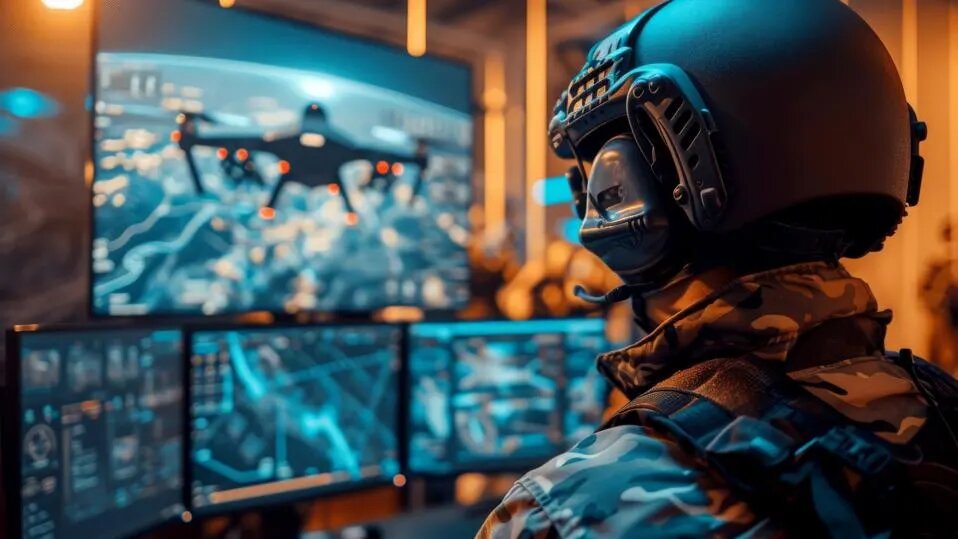
Strategic Council Online – Opinion: The continuation of competition between the United States and China in the cyber and artificial intelligence domains without common frameworks, transparency, and normative constraints will not result in the victory of one over the other, but will instead lead to the erosion of global trust in the technology domain. A world where every platform is suspect, every algorithm is a potential weapon, and every piece of data can be considered a threat.

Western liberalism on the verge of Transformation, from the Dream of a Unipolar order to the Crisis of Security and Leadership

Western liberalism on the verge of Transformation, from the Dream of a Unipolar order to the Crisis of Security and Leadership

Strategic Council Online – Opinion: Western liberalism, which after the collapse of communism in the late twentieth century considered itself the undisputed victor of the world order and promised an ideal future in political, economic, and cultural dimensions, has faced a multitude of security, identity, and management crises in the twenty-first century; crises that have not only called into question the effectiveness of international institutions but have also pushed this order into a stage of transition and uncertainty.

Transformation in U.S. Security Policy: From Strategic Liberalism to Empowered Deal-Making

Transformation in U.S. Security Policy: From Strategic Liberalism to Empowered Deal-Making

Strategic Council Online – Opinion: The new U.S. National Security Strategy is a sign of Washington’s gradual passage from the model of strategic liberalism and its entry into a phase of foreign policy in which the logic of deal-making, cost–benefit calculation, and the redefinition of commitments have replaced institution-centered value orientation; a transformation that carries profound consequences for the international order, traditional allies, and rivals.

Artificial Intelligence and the Intensification of Global Inequality

Artificial Intelligence and the Intensification of Global Inequality

Strategic Council Online – Opinion: Although other revolutions have occurred between the Industrial Revolution and the artificial intelligence revolution, especially the ICT (Information and Communications Technology) revolution, and humanity has made remarkable progress along this path, in terms of fundamental transformations in the mode of production and social relations, it can be said that the transformations of artificial intelligence and the scope of its effects are perhaps similar to the Industrial Revolution but on a much larger scale. It is, in fact, a new revolution, much more profound and complex than the Industrial Revolution.

Creating the Right Narrative: A Principled Strategy for Countering the Enemy’s Soft War

Creating the Right Narrative: A Principled Strategy for Countering the Enemy’s Soft War

Strategic Council Online – Interview: A media expert stated: Given the intensification of the West’s soft war and psychological operations against Iran, our country’s primary strategy must be based on public education, strengthening national cohesion, developing international media, and countering the distortion of history through creating the right narrative.

The Prospect of U.S.-China Technological Competition and Its International Implications

The Prospect of U.S.-China Technological Competition and Its International Implications

Strategic Council Online – Opinion: The competition between the United States and China over rare minerals and new technologies is not merely an economic rivalry, but a battle to shape the future geopolitical order. This competition has profound implications for Europe and the Global South, and ignoring it may come with high costs.

Digital Domain Independence: A Crucial Element for National Security

Digital Domain Independence: A Crucial Element for National Security

Strategic Council Online – Interview: A technology sector expert stated: In the era of cyber wars and artificial intelligence, independence in the digital domain has become a critical issue; countries that achieve technological self-sufficiency sooner will shape their future security.

أحدث الوظائف

Balancing in the chain of chokepoints; from sea-based deterrence to pluralistic diplomacy

Strategic Council Online – Note: Recent developments in the political geography of West Asia, from rising tensions in the Persian Gulf to missile and drone activities in the Red Sea and the recent warning by Kaja Kallas, the European Union’s foreign policy chief, regarding the threat to freedom of navigation, indicate a key pattern shift; the US-Iran war has moved beyond the scope of a regional and local confrontation and has linked two vital passageways for the global economy: the Strait of Hormuz and the Bab el-Mandeb Strait.

Indicators for Choosing Between War and Diplomacy

SCFR Online – Opinion: Foreign policy analysis is valid when it evaluates decisions based on the information and circumstances prevailing at the time they were made, not on the basis of outcomes that only become apparent after the crisis has ended.

Loading

Science & Culture

The Strategic Consequences of U.S.-China Competition in the Field of Artificial Intelligence

The Strategic Consequences of U.S.-China Competition in the Field of Artificial Intelligence

Strategic Council Online – Opinion: The continuation of competition between the United States and China in the cyber and artificial intelligence domains without common frameworks, transparency, and normative constraints will not result in the victory of one over the other, but will instead lead to the erosion of global trust in the technology domain. A world where every platform is suspect, every algorithm is a potential weapon, and every piece of data can be considered a threat.

Western liberalism on the verge of Transformation, from the Dream of a Unipolar order to the Crisis of Security and Leadership

Western liberalism on the verge of Transformation, from the Dream of a Unipolar order to the Crisis of Security and Leadership

Strategic Council Online – Opinion: Western liberalism, which after the collapse of communism in the late twentieth century considered itself the undisputed victor of the world order and promised an ideal future in political, economic, and cultural dimensions, has faced a multitude of security, identity, and management crises in the twenty-first century; crises that have not only called into question the effectiveness of international institutions but have also pushed this order into a stage of transition and uncertainty.

Transformation in U.S. Security Policy: From Strategic Liberalism to Empowered Deal-Making

Transformation in U.S. Security Policy: From Strategic Liberalism to Empowered Deal-Making

Strategic Council Online – Opinion: The new U.S. National Security Strategy is a sign of Washington’s gradual passage from the model of strategic liberalism and its entry into a phase of foreign policy in which the logic of deal-making, cost–benefit calculation, and the redefinition of commitments have replaced institution-centered value orientation; a transformation that carries profound consequences for the international order, traditional allies, and rivals.

Artificial Intelligence and the Intensification of Global Inequality

Artificial Intelligence and the Intensification of Global Inequality

Strategic Council Online – Opinion: Although other revolutions have occurred between the Industrial Revolution and the artificial intelligence revolution, especially the ICT (Information and Communications Technology) revolution, and humanity has made remarkable progress along this path, in terms of fundamental transformations in the mode of production and social relations, it can be said that the transformations of artificial intelligence and the scope of its effects are perhaps similar to the Industrial Revolution but on a much larger scale. It is, in fact, a new revolution, much more profound and complex than the Industrial Revolution.

Creating the Right Narrative: A Principled Strategy for Countering the Enemy’s Soft War

Creating the Right Narrative: A Principled Strategy for Countering the Enemy’s Soft War

Strategic Council Online – Interview: A media expert stated: Given the intensification of the West’s soft war and psychological operations against Iran, our country’s primary strategy must be based on public education, strengthening national cohesion, developing international media, and countering the distortion of history through creating the right narrative.

The Prospect of U.S.-China Technological Competition and Its International Implications

The Prospect of U.S.-China Technological Competition and Its International Implications

Strategic Council Online – Opinion: The competition between the United States and China over rare minerals and new technologies is not merely an economic rivalry, but a battle to shape the future geopolitical order. This competition has profound implications for Europe and the Global South, and ignoring it may come with high costs.

Digital Domain Independence: A Crucial Element for National Security

Digital Domain Independence: A Crucial Element for National Security

Strategic Council Online – Interview: A technology sector expert stated: In the era of cyber wars and artificial intelligence, independence in the digital domain has become a critical issue; countries that achieve technological self-sufficiency sooner will shape their future security.

Science & Culture

The Strategic Consequences of U.S.-China Competition in the Field of Artificial Intelligence

The Strategic Consequences of U.S.-China Competition in the Field of Artificial Intelligence

Strategic Council Online – Opinion: The continuation of competition between the United States and China in the cyber and artificial intelligence domains without common frameworks, transparency, and normative constraints will not result in the victory of one over the other, but will instead lead to the erosion of global trust in the technology domain. A world where every platform is suspect, every algorithm is a potential weapon, and every piece of data can be considered a threat.

Western liberalism on the verge of Transformation, from the Dream of a Unipolar order to the Crisis of Security and Leadership

Western liberalism on the verge of Transformation, from the Dream of a Unipolar order to the Crisis of Security and Leadership

Strategic Council Online – Opinion: Western liberalism, which after the collapse of communism in the late twentieth century considered itself the undisputed victor of the world order and promised an ideal future in political, economic, and cultural dimensions, has faced a multitude of security, identity, and management crises in the twenty-first century; crises that have not only called into question the effectiveness of international institutions but have also pushed this order into a stage of transition and uncertainty.

Transformation in U.S. Security Policy: From Strategic Liberalism to Empowered Deal-Making

Transformation in U.S. Security Policy: From Strategic Liberalism to Empowered Deal-Making

Strategic Council Online – Opinion: The new U.S. National Security Strategy is a sign of Washington’s gradual passage from the model of strategic liberalism and its entry into a phase of foreign policy in which the logic of deal-making, cost–benefit calculation, and the redefinition of commitments have replaced institution-centered value orientation; a transformation that carries profound consequences for the international order, traditional allies, and rivals.

Artificial Intelligence and the Intensification of Global Inequality

Artificial Intelligence and the Intensification of Global Inequality

Strategic Council Online – Opinion: Although other revolutions have occurred between the Industrial Revolution and the artificial intelligence revolution, especially the ICT (Information and Communications Technology) revolution, and humanity has made remarkable progress along this path, in terms of fundamental transformations in the mode of production and social relations, it can be said that the transformations of artificial intelligence and the scope of its effects are perhaps similar to the Industrial Revolution but on a much larger scale. It is, in fact, a new revolution, much more profound and complex than the Industrial Revolution.

Creating the Right Narrative: A Principled Strategy for Countering the Enemy’s Soft War

Creating the Right Narrative: A Principled Strategy for Countering the Enemy’s Soft War

Strategic Council Online – Interview: A media expert stated: Given the intensification of the West’s soft war and psychological operations against Iran, our country’s primary strategy must be based on public education, strengthening national cohesion, developing international media, and countering the distortion of history through creating the right narrative.

The Prospect of U.S.-China Technological Competition and Its International Implications

The Prospect of U.S.-China Technological Competition and Its International Implications

Strategic Council Online – Opinion: The competition between the United States and China over rare minerals and new technologies is not merely an economic rivalry, but a battle to shape the future geopolitical order. This competition has profound implications for Europe and the Global South, and ignoring it may come with high costs.

Digital Domain Independence: A Crucial Element for National Security

Digital Domain Independence: A Crucial Element for National Security

Strategic Council Online – Interview: A technology sector expert stated: In the era of cyber wars and artificial intelligence, independence in the digital domain has become a critical issue; countries that achieve technological self-sufficiency sooner will shape their future security.

LATEST CONTENT

Balancing in the chain of chokepoints; from sea-based deterrence to pluralistic diplomacy

Strategic Council Online – Note: Recent developments in the political geography of West Asia, from rising tensions in the Persian Gulf to missile and drone activities in the Red Sea and the recent warning by Kaja Kallas, the European Union’s foreign policy chief, regarding the threat to freedom of navigation, indicate a key pattern shift; the US-Iran war has moved beyond the scope of a regional and local confrontation and has linked two vital passageways for the global economy: the Strait of Hormuz and the Bab el-Mandeb Strait.

Indicators for Choosing Between War and Diplomacy

SCFR Online – Opinion: Foreign policy analysis is valid when it evaluates decisions based on the information and circumstances prevailing at the time they were made, not on the basis of outcomes that only become apparent after the crisis has ended.

Loading

Science & Culture

The Strategic Consequences of U.S.-China Competition in the Field of Artificial Intelligence

The Strategic Consequences of U.S.-China Competition in the Field of Artificial Intelligence

Strategic Council Online – Opinion: The continuation of competition between the United States and China in the cyber and artificial intelligence domains without common frameworks, transparency, and normative constraints will not result in the victory of one over the other, but will instead lead to the erosion of global trust in the technology domain. A world where every platform is suspect, every algorithm is a potential weapon, and every piece of data can be considered a threat.

Western liberalism on the verge of Transformation, from the Dream of a Unipolar order to the Crisis of Security and Leadership

Western liberalism on the verge of Transformation, from the Dream of a Unipolar order to the Crisis of Security and Leadership

Strategic Council Online – Opinion: Western liberalism, which after the collapse of communism in the late twentieth century considered itself the undisputed victor of the world order and promised an ideal future in political, economic, and cultural dimensions, has faced a multitude of security, identity, and management crises in the twenty-first century; crises that have not only called into question the effectiveness of international institutions but have also pushed this order into a stage of transition and uncertainty.

Transformation in U.S. Security Policy: From Strategic Liberalism to Empowered Deal-Making

Transformation in U.S. Security Policy: From Strategic Liberalism to Empowered Deal-Making

Strategic Council Online – Opinion: The new U.S. National Security Strategy is a sign of Washington’s gradual passage from the model of strategic liberalism and its entry into a phase of foreign policy in which the logic of deal-making, cost–benefit calculation, and the redefinition of commitments have replaced institution-centered value orientation; a transformation that carries profound consequences for the international order, traditional allies, and rivals.

Artificial Intelligence and the Intensification of Global Inequality

Artificial Intelligence and the Intensification of Global Inequality

Strategic Council Online – Opinion: Although other revolutions have occurred between the Industrial Revolution and the artificial intelligence revolution, especially the ICT (Information and Communications Technology) revolution, and humanity has made remarkable progress along this path, in terms of fundamental transformations in the mode of production and social relations, it can be said that the transformations of artificial intelligence and the scope of its effects are perhaps similar to the Industrial Revolution but on a much larger scale. It is, in fact, a new revolution, much more profound and complex than the Industrial Revolution.

Creating the Right Narrative: A Principled Strategy for Countering the Enemy’s Soft War

Creating the Right Narrative: A Principled Strategy for Countering the Enemy’s Soft War

Strategic Council Online – Interview: A media expert stated: Given the intensification of the West’s soft war and psychological operations against Iran, our country’s primary strategy must be based on public education, strengthening national cohesion, developing international media, and countering the distortion of history through creating the right narrative.

The Prospect of U.S.-China Technological Competition and Its International Implications

The Prospect of U.S.-China Technological Competition and Its International Implications

Strategic Council Online – Opinion: The competition between the United States and China over rare minerals and new technologies is not merely an economic rivalry, but a battle to shape the future geopolitical order. This competition has profound implications for Europe and the Global South, and ignoring it may come with high costs.

Digital Domain Independence: A Crucial Element for National Security

Digital Domain Independence: A Crucial Element for National Security

Strategic Council Online – Interview: A technology sector expert stated: In the era of cyber wars and artificial intelligence, independence in the digital domain has become a critical issue; countries that achieve technological self-sufficiency sooner will shape their future security.

ÚLTIMAS PUBLICACIONES

Balancing in the chain of chokepoints; from sea-based deterrence to pluralistic diplomacy

Strategic Council Online – Note: Recent developments in the political geography of West Asia, from rising tensions in the Persian Gulf to missile and drone activities in the Red Sea and the recent warning by Kaja Kallas, the European Union’s foreign policy chief, regarding the threat to freedom of navigation, indicate a key pattern shift; the US-Iran war has moved beyond the scope of a regional and local confrontation and has linked two vital passageways for the global economy: the Strait of Hormuz and the Bab el-Mandeb Strait.

Indicators for Choosing Between War and Diplomacy

SCFR Online – Opinion: Foreign policy analysis is valid when it evaluates decisions based on the information and circumstances prevailing at the time they were made, not on the basis of outcomes that only become apparent after the crisis has ended.

Loading

Science & Culture

The Strategic Consequences of U.S.-China Competition in the Field of Artificial Intelligence

The Strategic Consequences of U.S.-China Competition in the Field of Artificial Intelligence

Strategic Council Online – Opinion: The continuation of competition between the United States and China in the cyber and artificial intelligence domains without common frameworks, transparency, and normative constraints will not result in the victory of one over the other, but will instead lead to the erosion of global trust in the technology domain. A world where every platform is suspect, every algorithm is a potential weapon, and every piece of data can be considered a threat.

Western liberalism on the verge of Transformation, from the Dream of a Unipolar order to the Crisis of Security and Leadership

Western liberalism on the verge of Transformation, from the Dream of a Unipolar order to the Crisis of Security and Leadership

Strategic Council Online – Opinion: Western liberalism, which after the collapse of communism in the late twentieth century considered itself the undisputed victor of the world order and promised an ideal future in political, economic, and cultural dimensions, has faced a multitude of security, identity, and management crises in the twenty-first century; crises that have not only called into question the effectiveness of international institutions but have also pushed this order into a stage of transition and uncertainty.

Transformation in U.S. Security Policy: From Strategic Liberalism to Empowered Deal-Making

Transformation in U.S. Security Policy: From Strategic Liberalism to Empowered Deal-Making

Strategic Council Online – Opinion: The new U.S. National Security Strategy is a sign of Washington’s gradual passage from the model of strategic liberalism and its entry into a phase of foreign policy in which the logic of deal-making, cost–benefit calculation, and the redefinition of commitments have replaced institution-centered value orientation; a transformation that carries profound consequences for the international order, traditional allies, and rivals.

Artificial Intelligence and the Intensification of Global Inequality

Artificial Intelligence and the Intensification of Global Inequality

Strategic Council Online – Opinion: Although other revolutions have occurred between the Industrial Revolution and the artificial intelligence revolution, especially the ICT (Information and Communications Technology) revolution, and humanity has made remarkable progress along this path, in terms of fundamental transformations in the mode of production and social relations, it can be said that the transformations of artificial intelligence and the scope of its effects are perhaps similar to the Industrial Revolution but on a much larger scale. It is, in fact, a new revolution, much more profound and complex than the Industrial Revolution.

Creating the Right Narrative: A Principled Strategy for Countering the Enemy’s Soft War

Creating the Right Narrative: A Principled Strategy for Countering the Enemy’s Soft War

Strategic Council Online – Interview: A media expert stated: Given the intensification of the West’s soft war and psychological operations against Iran, our country’s primary strategy must be based on public education, strengthening national cohesion, developing international media, and countering the distortion of history through creating the right narrative.

The Prospect of U.S.-China Technological Competition and Its International Implications

The Prospect of U.S.-China Technological Competition and Its International Implications

Strategic Council Online – Opinion: The competition between the United States and China over rare minerals and new technologies is not merely an economic rivalry, but a battle to shape the future geopolitical order. This competition has profound implications for Europe and the Global South, and ignoring it may come with high costs.

Digital Domain Independence: A Crucial Element for National Security

Digital Domain Independence: A Crucial Element for National Security

Strategic Council Online – Interview: A technology sector expert stated: In the era of cyber wars and artificial intelligence, independence in the digital domain has become a critical issue; countries that achieve technological self-sufficiency sooner will shape their future security.

ÚLTIMAS PUBLICACIONES

Balancing in the chain of chokepoints; from sea-based deterrence to pluralistic diplomacy

Strategic Council Online – Note: Recent developments in the political geography of West Asia, from rising tensions in the Persian Gulf to missile and drone activities in the Red Sea and the recent warning by Kaja Kallas, the European Union’s foreign policy chief, regarding the threat to freedom of navigation, indicate a key pattern shift; the US-Iran war has moved beyond the scope of a regional and local confrontation and has linked two vital passageways for the global economy: the Strait of Hormuz and the Bab el-Mandeb Strait.

Indicators for Choosing Between War and Diplomacy

SCFR Online – Opinion: Foreign policy analysis is valid when it evaluates decisions based on the information and circumstances prevailing at the time they were made, not on the basis of outcomes that only become apparent after the crisis has ended.

Loading

Science & Culture

The Strategic Consequences of U.S.-China Competition in the Field of Artificial Intelligence

The Strategic Consequences of U.S.-China Competition in the Field of Artificial Intelligence

Strategic Council Online – Opinion: The continuation of competition between the United States and China in the cyber and artificial intelligence domains without common frameworks, transparency, and normative constraints will not result in the victory of one over the other, but will instead lead to the erosion of global trust in the technology domain. A world where every platform is suspect, every algorithm is a potential weapon, and every piece of data can be considered a threat.

Western liberalism on the verge of Transformation, from the Dream of a Unipolar order to the Crisis of Security and Leadership

Western liberalism on the verge of Transformation, from the Dream of a Unipolar order to the Crisis of Security and Leadership

Strategic Council Online – Opinion: Western liberalism, which after the collapse of communism in the late twentieth century considered itself the undisputed victor of the world order and promised an ideal future in political, economic, and cultural dimensions, has faced a multitude of security, identity, and management crises in the twenty-first century; crises that have not only called into question the effectiveness of international institutions but have also pushed this order into a stage of transition and uncertainty.

Transformation in U.S. Security Policy: From Strategic Liberalism to Empowered Deal-Making

Transformation in U.S. Security Policy: From Strategic Liberalism to Empowered Deal-Making

Strategic Council Online – Opinion: The new U.S. National Security Strategy is a sign of Washington’s gradual passage from the model of strategic liberalism and its entry into a phase of foreign policy in which the logic of deal-making, cost–benefit calculation, and the redefinition of commitments have replaced institution-centered value orientation; a transformation that carries profound consequences for the international order, traditional allies, and rivals.

Artificial Intelligence and the Intensification of Global Inequality

Artificial Intelligence and the Intensification of Global Inequality

Strategic Council Online – Opinion: Although other revolutions have occurred between the Industrial Revolution and the artificial intelligence revolution, especially the ICT (Information and Communications Technology) revolution, and humanity has made remarkable progress along this path, in terms of fundamental transformations in the mode of production and social relations, it can be said that the transformations of artificial intelligence and the scope of its effects are perhaps similar to the Industrial Revolution but on a much larger scale. It is, in fact, a new revolution, much more profound and complex than the Industrial Revolution.

Creating the Right Narrative: A Principled Strategy for Countering the Enemy’s Soft War

Creating the Right Narrative: A Principled Strategy for Countering the Enemy’s Soft War

Strategic Council Online – Interview: A media expert stated: Given the intensification of the West’s soft war and psychological operations against Iran, our country’s primary strategy must be based on public education, strengthening national cohesion, developing international media, and countering the distortion of history through creating the right narrative.

The Prospect of U.S.-China Technological Competition and Its International Implications

The Prospect of U.S.-China Technological Competition and Its International Implications

Strategic Council Online – Opinion: The competition between the United States and China over rare minerals and new technologies is not merely an economic rivalry, but a battle to shape the future geopolitical order. This competition has profound implications for Europe and the Global South, and ignoring it may come with high costs.

Digital Domain Independence: A Crucial Element for National Security

Digital Domain Independence: A Crucial Element for National Security

Strategic Council Online – Interview: A technology sector expert stated: In the era of cyber wars and artificial intelligence, independence in the digital domain has become a critical issue; countries that achieve technological self-sufficiency sooner will shape their future security.

ÚLTIMAS PUBLICACIONES

Balancing in the chain of chokepoints; from sea-based deterrence to pluralistic diplomacy

Strategic Council Online – Note: Recent developments in the political geography of West Asia, from rising tensions in the Persian Gulf to missile and drone activities in the Red Sea and the recent warning by Kaja Kallas, the European Union’s foreign policy chief, regarding the threat to freedom of navigation, indicate a key pattern shift; the US-Iran war has moved beyond the scope of a regional and local confrontation and has linked two vital passageways for the global economy: the Strait of Hormuz and the Bab el-Mandeb Strait.

Indicators for Choosing Between War and Diplomacy

SCFR Online – Opinion: Foreign policy analysis is valid when it evaluates decisions based on the information and circumstances prevailing at the time they were made, not on the basis of outcomes that only become apparent after the crisis has ended.

Loading

Science & Culture

The Strategic Consequences of U.S.-China Competition in the Field of Artificial Intelligence

The Strategic Consequences of U.S.-China Competition in the Field of Artificial Intelligence

Strategic Council Online – Opinion: The continuation of competition between the United States and China in the cyber and artificial intelligence domains without common frameworks, transparency, and normative constraints will not result in the victory of one over the other, but will instead lead to the erosion of global trust in the technology domain. A world where every platform is suspect, every algorithm is a potential weapon, and every piece of data can be considered a threat.

Western liberalism on the verge of Transformation, from the Dream of a Unipolar order to the Crisis of Security and Leadership

Western liberalism on the verge of Transformation, from the Dream of a Unipolar order to the Crisis of Security and Leadership

Strategic Council Online – Opinion: Western liberalism, which after the collapse of communism in the late twentieth century considered itself the undisputed victor of the world order and promised an ideal future in political, economic, and cultural dimensions, has faced a multitude of security, identity, and management crises in the twenty-first century; crises that have not only called into question the effectiveness of international institutions but have also pushed this order into a stage of transition and uncertainty.

Transformation in U.S. Security Policy: From Strategic Liberalism to Empowered Deal-Making

Transformation in U.S. Security Policy: From Strategic Liberalism to Empowered Deal-Making

Strategic Council Online – Opinion: The new U.S. National Security Strategy is a sign of Washington’s gradual passage from the model of strategic liberalism and its entry into a phase of foreign policy in which the logic of deal-making, cost–benefit calculation, and the redefinition of commitments have replaced institution-centered value orientation; a transformation that carries profound consequences for the international order, traditional allies, and rivals.

Artificial Intelligence and the Intensification of Global Inequality

Artificial Intelligence and the Intensification of Global Inequality

Strategic Council Online – Opinion: Although other revolutions have occurred between the Industrial Revolution and the artificial intelligence revolution, especially the ICT (Information and Communications Technology) revolution, and humanity has made remarkable progress along this path, in terms of fundamental transformations in the mode of production and social relations, it can be said that the transformations of artificial intelligence and the scope of its effects are perhaps similar to the Industrial Revolution but on a much larger scale. It is, in fact, a new revolution, much more profound and complex than the Industrial Revolution.

Creating the Right Narrative: A Principled Strategy for Countering the Enemy’s Soft War

Creating the Right Narrative: A Principled Strategy for Countering the Enemy’s Soft War

Strategic Council Online – Interview: A media expert stated: Given the intensification of the West’s soft war and psychological operations against Iran, our country’s primary strategy must be based on public education, strengthening national cohesion, developing international media, and countering the distortion of history through creating the right narrative.

The Prospect of U.S.-China Technological Competition and Its International Implications

The Prospect of U.S.-China Technological Competition and Its International Implications

Strategic Council Online – Opinion: The competition between the United States and China over rare minerals and new technologies is not merely an economic rivalry, but a battle to shape the future geopolitical order. This competition has profound implications for Europe and the Global South, and ignoring it may come with high costs.

Digital Domain Independence: A Crucial Element for National Security

Digital Domain Independence: A Crucial Element for National Security

Strategic Council Online – Interview: A technology sector expert stated: In the era of cyber wars and artificial intelligence, independence in the digital domain has become a critical issue; countries that achieve technological self-sufficiency sooner will shape their future security.

ÚLTIMAS PUBLICACIONES

Balancing in the chain of chokepoints; from sea-based deterrence to pluralistic diplomacy

Strategic Council Online – Note: Recent developments in the political geography of West Asia, from rising tensions in the Persian Gulf to missile and drone activities in the Red Sea and the recent warning by Kaja Kallas, the European Union’s foreign policy chief, regarding the threat to freedom of navigation, indicate a key pattern shift; the US-Iran war has moved beyond the scope of a regional and local confrontation and has linked two vital passageways for the global economy: the Strait of Hormuz and the Bab el-Mandeb Strait.

Indicators for Choosing Between War and Diplomacy

SCFR Online – Opinion: Foreign policy analysis is valid when it evaluates decisions based on the information and circumstances prevailing at the time they were made, not on the basis of outcomes that only become apparent after the crisis has ended.

Loading