Reasons for the Ineffectiveness of Trump’s “Economic War” against Iran
SCFR Online – Opinion: The intensification of U.S. sanctions against Iran on the eve of the U.S. midterm elections indicates Washington’s inability to achieve its war objectives.


SCFR Online – Opinion: The intensification of U.S. sanctions against Iran on the eve of the U.S. midterm elections indicates Washington’s inability to achieve its war objectives.

SCFR Online – Opinion: The competition between Washington and Beijing over chips and artificial intelligence, simultaneously with the shifting of technological balances, has taken on new economic and security dimensions.
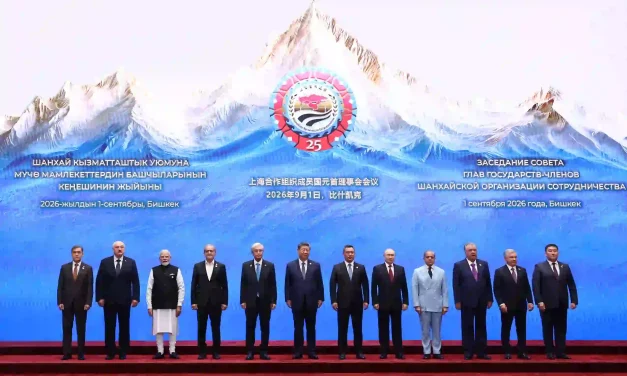
SCFR Online – Opinion: The Shanghai Cooperation Organization summit has created a new opportunity for Iran to transform its membership from a political achievement into economic and transit cooperation.
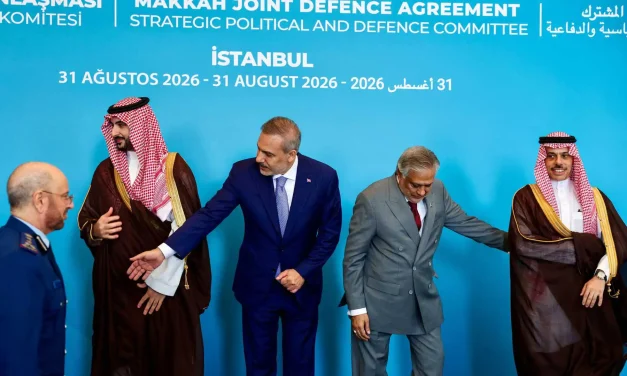
Strategic Council Online – Note: The Makkah Defense Pact can be seen as a sign of regional countries’ efforts to reduce security dependence on extra-regional powers and redefine the balance in West Asia.
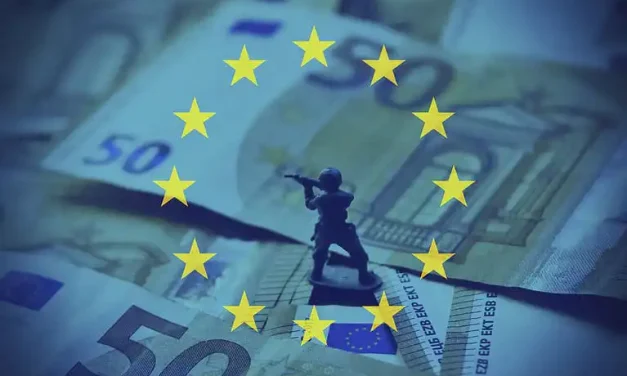
SCFR Online – Opinion: The Ukraine war, by exhausting US military capability on one hand and strengthening European defense capacity on the other, has altered the balance of power in the European continent, cast uncertainty over NATO’s future, and is driving it toward a European NATO.
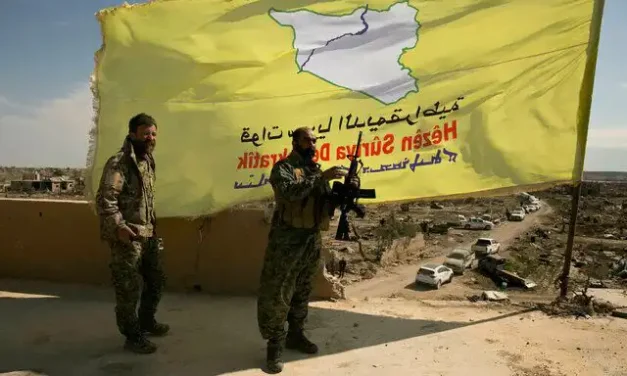
SCFR Online – Opinion: The dissolution of the SDF, although considered an achievement for Turkey’s security, does not put an end to the challenges arising from the Israeli regime’s aggression and expansionism, refugees, and Syria’s fragility.
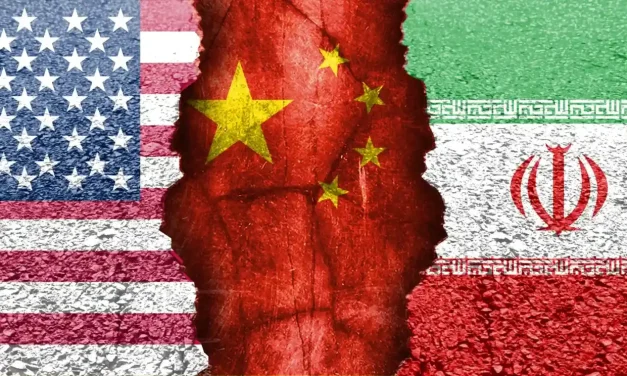
SCFR Online – Opinion: Concurrent with the official commencement of the United States’ economic war against our country, focusing on sanctions instruments, isolation, and economic pressure, what has now become increasingly important is the lack of alignment of other major global powers, especially China, with this policy.
SCFR Online – Opinion: The new US sanctions against Iran, despite extensive propaganda, face serious obstacles to success due to the ineffectiveness of sanctions tools and opposition from some of Tehran’s trading partners.


Strategic Council Online – An analyst of Asian affairs said that China-India border tensions could have a negative impact on their close economic ties. He added: With regard to the absence of mandatory provisions in the bilateral agreement and deep root of differences in the region, the agreement cannot put a seal of end to the tensions between the two countries and probably the fire of this conflict will flare up again in this region in a short period of time.

Online Strategic Council—interview: An expert of international relations says foreign players in the East Mediterranean region are seeking to prolong Turkey-Greece conflict in order to secure their own interests and obtain excessive concessions.

Strategic Council Online – An expert on West Asian affairs underlined the importance of the meeting between Ismail Haniyeh and Seyyed Hassan Nasrallah, saying: The betrayal the UAE regime committed in normalizing relations with the Zionist regime caused some kind of unity and cohesion among Palestinian groups.

Strategic Council Online – An expert on West Asian affairs said the US and the Zionist regime have a set of personal and short-term goals in exerting pressure on countries on the southern shores of the Persian Gulf to normalize relations with that regime while seeking to consolidate their presence in the middle term and changing different equations and invasions with various economic and military mechanisms in the long run.

Strategic Council Online-Interview: A university professor of Middle East studies says Saudi Arabia should be taken accountable by the international community for the crimes its crown prince has committed.

Head of Iran’s Strategic Council on Foreign Relations Kamal Kharrazi said on Saturday that under Article 51 of the UN Charter of the United Nations on the inherent right to self-defence, Iran is authorized to respond promptly to any US aggression on the pretext of return of the sanctions.

Strategic Council Online – A former Iranian diplomat, referring to the different stances of France and the United States regarding the role and status of Hezbollah in Lebanon, said: Hezbollah is a 100% and undeniable reality that exists and is present in Lebanon. No action in this country can succeed without taking the role of Hezbollah into account.
Strategic Council Online – A senior American university professor and expert on international affairs says US attempts to achieve the “snapback” mechanism aim to provoke Iran to leave the JCPOA before a possible Biden presidency so that the US could not come back into the Joint Comprehensive Plan of Action (JCPOA).

Strategic Council Online – Explaining the geopolitical complexities in the Eastern Mediterranean, a faculty member said: “One of the concerns about this region, especially in Europe, is the addition of this crisis to the Middle East security crisis which due to Europe’s geographical proximity to the region, it will have negative consequences for Europe.

Strategic Council Online – An expert on West Asian affairs said that what the Americans are saying in terms of achieving their goals or changing the course of peace in the Middle East is more propaganda and media feed, adding “The Arab states of the Persian Gulf have considerations and they know that this action will have serious consequences for them.”
SCFR Online – Opinion: The intensification of U.S. sanctions against Iran on the eve of the U.S. midterm elections indicates Washington’s inability to achieve its war objectives.
SCFR Online – Opinion: The competition between Washington and Beijing over chips and artificial intelligence, simultaneously with the shifting of technological balances, has taken on new economic and security dimensions.
SCFR Online – Opinion: The Shanghai Cooperation Organization summit has created a new opportunity for Iran to transform its membership from a political achievement into economic and transit cooperation.
Strategic Council Online – Note: The Makkah Defense Pact can be seen as a sign of regional countries’ efforts to reduce security dependence on extra-regional powers and redefine the balance in West Asia.
SCFR Online – Opinion: The Ukraine war, by exhausting US military capability on one hand and strengthening European defense capacity on the other, has altered the balance of power in the European continent, cast uncertainty over NATO’s future, and is driving it toward a European NATO.
SCFR Online – Opinion: The dissolution of the SDF, although considered an achievement for Turkey’s security, does not put an end to the challenges arising from the Israeli regime’s aggression and expansionism, refugees, and Syria’s fragility.
SCFR Online – Opinion: Concurrent with the official commencement of the United States’ economic war against our country, focusing on sanctions instruments, isolation, and economic pressure, what has now become increasingly important is the lack of alignment of other major global powers, especially China, with this policy.
SCFR Online – Opinion: The new US sanctions against Iran, despite extensive propaganda, face serious obstacles to success due to the ineffectiveness of sanctions tools and opposition from some of Tehran’s trading partners.
Strategic Council Online – An analyst of Asian affairs said that China-India border tensions could have a negative impact on their close economic ties. He added: With regard to the absence of mandatory provisions in the bilateral agreement and deep root of differences in the region, the agreement cannot put a seal of end to the tensions between the two countries and probably the fire of this conflict will flare up again in this region in a short period of time.
Online Strategic Council—interview: An expert of international relations says foreign players in the East Mediterranean region are seeking to prolong Turkey-Greece conflict in order to secure their own interests and obtain excessive concessions.
Strategic Council Online – An expert on West Asian affairs underlined the importance of the meeting between Ismail Haniyeh and Seyyed Hassan Nasrallah, saying: The betrayal the UAE regime committed in normalizing relations with the Zionist regime caused some kind of unity and cohesion among Palestinian groups.
Strategic Council Online – An expert on West Asian affairs said the US and the Zionist regime have a set of personal and short-term goals in exerting pressure on countries on the southern shores of the Persian Gulf to normalize relations with that regime while seeking to consolidate their presence in the middle term and changing different equations and invasions with various economic and military mechanisms in the long run.
Strategic Council Online-Interview: A university professor of Middle East studies says Saudi Arabia should be taken accountable by the international community for the crimes its crown prince has committed.
Head of Iran’s Strategic Council on Foreign Relations Kamal Kharrazi said on Saturday that under Article 51 of the UN Charter of the United Nations on the inherent right to self-defence, Iran is authorized to respond promptly to any US aggression on the pretext of return of the sanctions.
Strategic Council Online – A former Iranian diplomat, referring to the different stances of France and the United States regarding the role and status of Hezbollah in Lebanon, said: Hezbollah is a 100% and undeniable reality that exists and is present in Lebanon. No action in this country can succeed without taking the role of Hezbollah into account.
Strategic Council Online – A senior American university professor and expert on international affairs says US attempts to achieve the “snapback” mechanism aim to provoke Iran to leave the JCPOA before a possible Biden presidency so that the US could not come back into the Joint Comprehensive Plan of Action (JCPOA).
Strategic Council Online – Explaining the geopolitical complexities in the Eastern Mediterranean, a faculty member said: “One of the concerns about this region, especially in Europe, is the addition of this crisis to the Middle East security crisis which due to Europe’s geographical proximity to the region, it will have negative consequences for Europe.
Strategic Council Online – An expert on West Asian affairs said that what the Americans are saying in terms of achieving their goals or changing the course of peace in the Middle East is more propaganda and media feed, adding “The Arab states of the Persian Gulf have considerations and they know that this action will have serious consequences for them.”
Strategic Council Online – An analyst of Asian affairs said that China-India border tensions could have a negative impact on their close economic ties. He added: With regard to the absence of mandatory provisions in the bilateral agreement and deep root of differences in the region, the agreement cannot put a seal of end to the tensions between the two countries and probably the fire of this conflict will flare up again in this region in a short period of time.
Online Strategic Council—interview: An expert of international relations says foreign players in the East Mediterranean region are seeking to prolong Turkey-Greece conflict in order to secure their own interests and obtain excessive concessions.
Strategic Council Online – An expert on West Asian affairs underlined the importance of the meeting between Ismail Haniyeh and Seyyed Hassan Nasrallah, saying: The betrayal the UAE regime committed in normalizing relations with the Zionist regime caused some kind of unity and cohesion among Palestinian groups.
Strategic Council Online – An expert on West Asian affairs said the US and the Zionist regime have a set of personal and short-term goals in exerting pressure on countries on the southern shores of the Persian Gulf to normalize relations with that regime while seeking to consolidate their presence in the middle term and changing different equations and invasions with various economic and military mechanisms in the long run.
Strategic Council Online-Interview: A university professor of Middle East studies says Saudi Arabia should be taken accountable by the international community for the crimes its crown prince has committed.
Head of Iran’s Strategic Council on Foreign Relations Kamal Kharrazi said on Saturday that under Article 51 of the UN Charter of the United Nations on the inherent right to self-defence, Iran is authorized to respond promptly to any US aggression on the pretext of return of the sanctions.
Strategic Council Online – A former Iranian diplomat, referring to the different stances of France and the United States regarding the role and status of Hezbollah in Lebanon, said: Hezbollah is a 100% and undeniable reality that exists and is present in Lebanon. No action in this country can succeed without taking the role of Hezbollah into account.
Strategic Council Online – A senior American university professor and expert on international affairs says US attempts to achieve the “snapback” mechanism aim to provoke Iran to leave the JCPOA before a possible Biden presidency so that the US could not come back into the Joint Comprehensive Plan of Action (JCPOA).
Strategic Council Online – Explaining the geopolitical complexities in the Eastern Mediterranean, a faculty member said: “One of the concerns about this region, especially in Europe, is the addition of this crisis to the Middle East security crisis which due to Europe’s geographical proximity to the region, it will have negative consequences for Europe.
Strategic Council Online – An expert on West Asian affairs said that what the Americans are saying in terms of achieving their goals or changing the course of peace in the Middle East is more propaganda and media feed, adding “The Arab states of the Persian Gulf have considerations and they know that this action will have serious consequences for them.”
SCFR Online – Opinion: The intensification of U.S. sanctions against Iran on the eve of the U.S. midterm elections indicates Washington’s inability to achieve its war objectives.
SCFR Online – Opinion: The competition between Washington and Beijing over chips and artificial intelligence, simultaneously with the shifting of technological balances, has taken on new economic and security dimensions.
SCFR Online – Opinion: The Shanghai Cooperation Organization summit has created a new opportunity for Iran to transform its membership from a political achievement into economic and transit cooperation.
Strategic Council Online – Note: The Makkah Defense Pact can be seen as a sign of regional countries’ efforts to reduce security dependence on extra-regional powers and redefine the balance in West Asia.
SCFR Online – Opinion: The Ukraine war, by exhausting US military capability on one hand and strengthening European defense capacity on the other, has altered the balance of power in the European continent, cast uncertainty over NATO’s future, and is driving it toward a European NATO.
SCFR Online – Opinion: The dissolution of the SDF, although considered an achievement for Turkey’s security, does not put an end to the challenges arising from the Israeli regime’s aggression and expansionism, refugees, and Syria’s fragility.
SCFR Online – Opinion: Concurrent with the official commencement of the United States’ economic war against our country, focusing on sanctions instruments, isolation, and economic pressure, what has now become increasingly important is the lack of alignment of other major global powers, especially China, with this policy.
SCFR Online – Opinion: The new US sanctions against Iran, despite extensive propaganda, face serious obstacles to success due to the ineffectiveness of sanctions tools and opposition from some of Tehran’s trading partners.
Strategic Council Online – An analyst of Asian affairs said that China-India border tensions could have a negative impact on their close economic ties. He added: With regard to the absence of mandatory provisions in the bilateral agreement and deep root of differences in the region, the agreement cannot put a seal of end to the tensions between the two countries and probably the fire of this conflict will flare up again in this region in a short period of time.
Online Strategic Council—interview: An expert of international relations says foreign players in the East Mediterranean region are seeking to prolong Turkey-Greece conflict in order to secure their own interests and obtain excessive concessions.
Strategic Council Online – An expert on West Asian affairs underlined the importance of the meeting between Ismail Haniyeh and Seyyed Hassan Nasrallah, saying: The betrayal the UAE regime committed in normalizing relations with the Zionist regime caused some kind of unity and cohesion among Palestinian groups.
Strategic Council Online – An expert on West Asian affairs said the US and the Zionist regime have a set of personal and short-term goals in exerting pressure on countries on the southern shores of the Persian Gulf to normalize relations with that regime while seeking to consolidate their presence in the middle term and changing different equations and invasions with various economic and military mechanisms in the long run.
Strategic Council Online-Interview: A university professor of Middle East studies says Saudi Arabia should be taken accountable by the international community for the crimes its crown prince has committed.
Head of Iran’s Strategic Council on Foreign Relations Kamal Kharrazi said on Saturday that under Article 51 of the UN Charter of the United Nations on the inherent right to self-defence, Iran is authorized to respond promptly to any US aggression on the pretext of return of the sanctions.
Strategic Council Online – A former Iranian diplomat, referring to the different stances of France and the United States regarding the role and status of Hezbollah in Lebanon, said: Hezbollah is a 100% and undeniable reality that exists and is present in Lebanon. No action in this country can succeed without taking the role of Hezbollah into account.
Strategic Council Online – A senior American university professor and expert on international affairs says US attempts to achieve the “snapback” mechanism aim to provoke Iran to leave the JCPOA before a possible Biden presidency so that the US could not come back into the Joint Comprehensive Plan of Action (JCPOA).
Strategic Council Online – Explaining the geopolitical complexities in the Eastern Mediterranean, a faculty member said: “One of the concerns about this region, especially in Europe, is the addition of this crisis to the Middle East security crisis which due to Europe’s geographical proximity to the region, it will have negative consequences for Europe.
Strategic Council Online – An expert on West Asian affairs said that what the Americans are saying in terms of achieving their goals or changing the course of peace in the Middle East is more propaganda and media feed, adding “The Arab states of the Persian Gulf have considerations and they know that this action will have serious consequences for them.”
SCFR Online – Opinion: The intensification of U.S. sanctions against Iran on the eve of the U.S. midterm elections indicates Washington’s inability to achieve its war objectives.
SCFR Online – Opinion: The competition between Washington and Beijing over chips and artificial intelligence, simultaneously with the shifting of technological balances, has taken on new economic and security dimensions.
SCFR Online – Opinion: The Shanghai Cooperation Organization summit has created a new opportunity for Iran to transform its membership from a political achievement into economic and transit cooperation.
Strategic Council Online – Note: The Makkah Defense Pact can be seen as a sign of regional countries’ efforts to reduce security dependence on extra-regional powers and redefine the balance in West Asia.
SCFR Online – Opinion: The Ukraine war, by exhausting US military capability on one hand and strengthening European defense capacity on the other, has altered the balance of power in the European continent, cast uncertainty over NATO’s future, and is driving it toward a European NATO.
SCFR Online – Opinion: The dissolution of the SDF, although considered an achievement for Turkey’s security, does not put an end to the challenges arising from the Israeli regime’s aggression and expansionism, refugees, and Syria’s fragility.
SCFR Online – Opinion: Concurrent with the official commencement of the United States’ economic war against our country, focusing on sanctions instruments, isolation, and economic pressure, what has now become increasingly important is the lack of alignment of other major global powers, especially China, with this policy.
SCFR Online – Opinion: The new US sanctions against Iran, despite extensive propaganda, face serious obstacles to success due to the ineffectiveness of sanctions tools and opposition from some of Tehran’s trading partners.
Strategic Council Online – An analyst of Asian affairs said that China-India border tensions could have a negative impact on their close economic ties. He added: With regard to the absence of mandatory provisions in the bilateral agreement and deep root of differences in the region, the agreement cannot put a seal of end to the tensions between the two countries and probably the fire of this conflict will flare up again in this region in a short period of time.
Online Strategic Council—interview: An expert of international relations says foreign players in the East Mediterranean region are seeking to prolong Turkey-Greece conflict in order to secure their own interests and obtain excessive concessions.
Strategic Council Online – An expert on West Asian affairs underlined the importance of the meeting between Ismail Haniyeh and Seyyed Hassan Nasrallah, saying: The betrayal the UAE regime committed in normalizing relations with the Zionist regime caused some kind of unity and cohesion among Palestinian groups.
Strategic Council Online – An expert on West Asian affairs said the US and the Zionist regime have a set of personal and short-term goals in exerting pressure on countries on the southern shores of the Persian Gulf to normalize relations with that regime while seeking to consolidate their presence in the middle term and changing different equations and invasions with various economic and military mechanisms in the long run.
Strategic Council Online-Interview: A university professor of Middle East studies says Saudi Arabia should be taken accountable by the international community for the crimes its crown prince has committed.
Head of Iran’s Strategic Council on Foreign Relations Kamal Kharrazi said on Saturday that under Article 51 of the UN Charter of the United Nations on the inherent right to self-defence, Iran is authorized to respond promptly to any US aggression on the pretext of return of the sanctions.
Strategic Council Online – A former Iranian diplomat, referring to the different stances of France and the United States regarding the role and status of Hezbollah in Lebanon, said: Hezbollah is a 100% and undeniable reality that exists and is present in Lebanon. No action in this country can succeed without taking the role of Hezbollah into account.
Strategic Council Online – A senior American university professor and expert on international affairs says US attempts to achieve the “snapback” mechanism aim to provoke Iran to leave the JCPOA before a possible Biden presidency so that the US could not come back into the Joint Comprehensive Plan of Action (JCPOA).
Strategic Council Online – Explaining the geopolitical complexities in the Eastern Mediterranean, a faculty member said: “One of the concerns about this region, especially in Europe, is the addition of this crisis to the Middle East security crisis which due to Europe’s geographical proximity to the region, it will have negative consequences for Europe.
Strategic Council Online – An expert on West Asian affairs said that what the Americans are saying in terms of achieving their goals or changing the course of peace in the Middle East is more propaganda and media feed, adding “The Arab states of the Persian Gulf have considerations and they know that this action will have serious consequences for them.”
SCFR Online – Opinion: The intensification of U.S. sanctions against Iran on the eve of the U.S. midterm elections indicates Washington’s inability to achieve its war objectives.
SCFR Online – Opinion: The competition between Washington and Beijing over chips and artificial intelligence, simultaneously with the shifting of technological balances, has taken on new economic and security dimensions.
SCFR Online – Opinion: The Shanghai Cooperation Organization summit has created a new opportunity for Iran to transform its membership from a political achievement into economic and transit cooperation.
Strategic Council Online – Note: The Makkah Defense Pact can be seen as a sign of regional countries’ efforts to reduce security dependence on extra-regional powers and redefine the balance in West Asia.
SCFR Online – Opinion: The Ukraine war, by exhausting US military capability on one hand and strengthening European defense capacity on the other, has altered the balance of power in the European continent, cast uncertainty over NATO’s future, and is driving it toward a European NATO.
SCFR Online – Opinion: The dissolution of the SDF, although considered an achievement for Turkey’s security, does not put an end to the challenges arising from the Israeli regime’s aggression and expansionism, refugees, and Syria’s fragility.
SCFR Online – Opinion: Concurrent with the official commencement of the United States’ economic war against our country, focusing on sanctions instruments, isolation, and economic pressure, what has now become increasingly important is the lack of alignment of other major global powers, especially China, with this policy.
SCFR Online – Opinion: The new US sanctions against Iran, despite extensive propaganda, face serious obstacles to success due to the ineffectiveness of sanctions tools and opposition from some of Tehran’s trading partners.
Strategic Council Online – An analyst of Asian affairs said that China-India border tensions could have a negative impact on their close economic ties. He added: With regard to the absence of mandatory provisions in the bilateral agreement and deep root of differences in the region, the agreement cannot put a seal of end to the tensions between the two countries and probably the fire of this conflict will flare up again in this region in a short period of time.
Online Strategic Council—interview: An expert of international relations says foreign players in the East Mediterranean region are seeking to prolong Turkey-Greece conflict in order to secure their own interests and obtain excessive concessions.
Strategic Council Online – An expert on West Asian affairs underlined the importance of the meeting between Ismail Haniyeh and Seyyed Hassan Nasrallah, saying: The betrayal the UAE regime committed in normalizing relations with the Zionist regime caused some kind of unity and cohesion among Palestinian groups.
Strategic Council Online – An expert on West Asian affairs said the US and the Zionist regime have a set of personal and short-term goals in exerting pressure on countries on the southern shores of the Persian Gulf to normalize relations with that regime while seeking to consolidate their presence in the middle term and changing different equations and invasions with various economic and military mechanisms in the long run.
Strategic Council Online-Interview: A university professor of Middle East studies says Saudi Arabia should be taken accountable by the international community for the crimes its crown prince has committed.
Head of Iran’s Strategic Council on Foreign Relations Kamal Kharrazi said on Saturday that under Article 51 of the UN Charter of the United Nations on the inherent right to self-defence, Iran is authorized to respond promptly to any US aggression on the pretext of return of the sanctions.
Strategic Council Online – A former Iranian diplomat, referring to the different stances of France and the United States regarding the role and status of Hezbollah in Lebanon, said: Hezbollah is a 100% and undeniable reality that exists and is present in Lebanon. No action in this country can succeed without taking the role of Hezbollah into account.
Strategic Council Online – A senior American university professor and expert on international affairs says US attempts to achieve the “snapback” mechanism aim to provoke Iran to leave the JCPOA before a possible Biden presidency so that the US could not come back into the Joint Comprehensive Plan of Action (JCPOA).
Strategic Council Online – Explaining the geopolitical complexities in the Eastern Mediterranean, a faculty member said: “One of the concerns about this region, especially in Europe, is the addition of this crisis to the Middle East security crisis which due to Europe’s geographical proximity to the region, it will have negative consequences for Europe.
Strategic Council Online – An expert on West Asian affairs said that what the Americans are saying in terms of achieving their goals or changing the course of peace in the Middle East is more propaganda and media feed, adding “The Arab states of the Persian Gulf have considerations and they know that this action will have serious consequences for them.”
SCFR Online – Opinion: The intensification of U.S. sanctions against Iran on the eve of the U.S. midterm elections indicates Washington’s inability to achieve its war objectives.
SCFR Online – Opinion: The competition between Washington and Beijing over chips and artificial intelligence, simultaneously with the shifting of technological balances, has taken on new economic and security dimensions.
SCFR Online – Opinion: The Shanghai Cooperation Organization summit has created a new opportunity for Iran to transform its membership from a political achievement into economic and transit cooperation.
Strategic Council Online – Note: The Makkah Defense Pact can be seen as a sign of regional countries’ efforts to reduce security dependence on extra-regional powers and redefine the balance in West Asia.
SCFR Online – Opinion: The Ukraine war, by exhausting US military capability on one hand and strengthening European defense capacity on the other, has altered the balance of power in the European continent, cast uncertainty over NATO’s future, and is driving it toward a European NATO.
SCFR Online – Opinion: The dissolution of the SDF, although considered an achievement for Turkey’s security, does not put an end to the challenges arising from the Israeli regime’s aggression and expansionism, refugees, and Syria’s fragility.
SCFR Online – Opinion: Concurrent with the official commencement of the United States’ economic war against our country, focusing on sanctions instruments, isolation, and economic pressure, what has now become increasingly important is the lack of alignment of other major global powers, especially China, with this policy.
SCFR Online – Opinion: The new US sanctions against Iran, despite extensive propaganda, face serious obstacles to success due to the ineffectiveness of sanctions tools and opposition from some of Tehran’s trading partners.
Strategic Council Online – An analyst of Asian affairs said that China-India border tensions could have a negative impact on their close economic ties. He added: With regard to the absence of mandatory provisions in the bilateral agreement and deep root of differences in the region, the agreement cannot put a seal of end to the tensions between the two countries and probably the fire of this conflict will flare up again in this region in a short period of time.
Online Strategic Council—interview: An expert of international relations says foreign players in the East Mediterranean region are seeking to prolong Turkey-Greece conflict in order to secure their own interests and obtain excessive concessions.
Strategic Council Online – An expert on West Asian affairs underlined the importance of the meeting between Ismail Haniyeh and Seyyed Hassan Nasrallah, saying: The betrayal the UAE regime committed in normalizing relations with the Zionist regime caused some kind of unity and cohesion among Palestinian groups.
Strategic Council Online – An expert on West Asian affairs said the US and the Zionist regime have a set of personal and short-term goals in exerting pressure on countries on the southern shores of the Persian Gulf to normalize relations with that regime while seeking to consolidate their presence in the middle term and changing different equations and invasions with various economic and military mechanisms in the long run.
Strategic Council Online-Interview: A university professor of Middle East studies says Saudi Arabia should be taken accountable by the international community for the crimes its crown prince has committed.
Head of Iran’s Strategic Council on Foreign Relations Kamal Kharrazi said on Saturday that under Article 51 of the UN Charter of the United Nations on the inherent right to self-defence, Iran is authorized to respond promptly to any US aggression on the pretext of return of the sanctions.
Strategic Council Online – A former Iranian diplomat, referring to the different stances of France and the United States regarding the role and status of Hezbollah in Lebanon, said: Hezbollah is a 100% and undeniable reality that exists and is present in Lebanon. No action in this country can succeed without taking the role of Hezbollah into account.
Strategic Council Online – A senior American university professor and expert on international affairs says US attempts to achieve the “snapback” mechanism aim to provoke Iran to leave the JCPOA before a possible Biden presidency so that the US could not come back into the Joint Comprehensive Plan of Action (JCPOA).
Strategic Council Online – Explaining the geopolitical complexities in the Eastern Mediterranean, a faculty member said: “One of the concerns about this region, especially in Europe, is the addition of this crisis to the Middle East security crisis which due to Europe’s geographical proximity to the region, it will have negative consequences for Europe.
Strategic Council Online – An expert on West Asian affairs said that what the Americans are saying in terms of achieving their goals or changing the course of peace in the Middle East is more propaganda and media feed, adding “The Arab states of the Persian Gulf have considerations and they know that this action will have serious consequences for them.”
SCFR Online – Opinion: The intensification of U.S. sanctions against Iran on the eve of the U.S. midterm elections indicates Washington’s inability to achieve its war objectives.
SCFR Online – Opinion: The competition between Washington and Beijing over chips and artificial intelligence, simultaneously with the shifting of technological balances, has taken on new economic and security dimensions.
SCFR Online – Opinion: The Shanghai Cooperation Organization summit has created a new opportunity for Iran to transform its membership from a political achievement into economic and transit cooperation.
Strategic Council Online – Note: The Makkah Defense Pact can be seen as a sign of regional countries’ efforts to reduce security dependence on extra-regional powers and redefine the balance in West Asia.
SCFR Online – Opinion: The Ukraine war, by exhausting US military capability on one hand and strengthening European defense capacity on the other, has altered the balance of power in the European continent, cast uncertainty over NATO’s future, and is driving it toward a European NATO.
SCFR Online – Opinion: The dissolution of the SDF, although considered an achievement for Turkey’s security, does not put an end to the challenges arising from the Israeli regime’s aggression and expansionism, refugees, and Syria’s fragility.
SCFR Online – Opinion: Concurrent with the official commencement of the United States’ economic war against our country, focusing on sanctions instruments, isolation, and economic pressure, what has now become increasingly important is the lack of alignment of other major global powers, especially China, with this policy.
SCFR Online – Opinion: The new US sanctions against Iran, despite extensive propaganda, face serious obstacles to success due to the ineffectiveness of sanctions tools and opposition from some of Tehran’s trading partners.