Reasons for the Ineffectiveness of Trump’s “Economic War” against Iran
SCFR Online – Opinion: The intensification of U.S. sanctions against Iran on the eve of the U.S. midterm elections indicates Washington’s inability to achieve its war objectives.


SCFR Online – Opinion: The intensification of U.S. sanctions against Iran on the eve of the U.S. midterm elections indicates Washington’s inability to achieve its war objectives.

SCFR Online – Opinion: The competition between Washington and Beijing over chips and artificial intelligence, simultaneously with the shifting of technological balances, has taken on new economic and security dimensions.
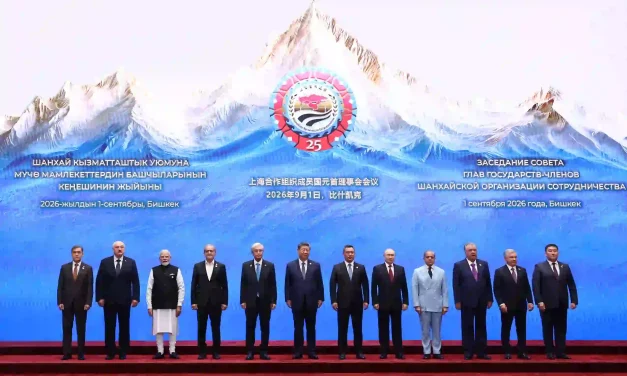
SCFR Online – Opinion: The Shanghai Cooperation Organization summit has created a new opportunity for Iran to transform its membership from a political achievement into economic and transit cooperation.
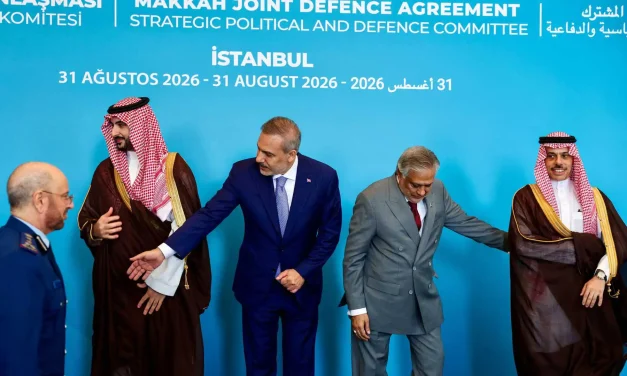
Strategic Council Online – Note: The Makkah Defense Pact can be seen as a sign of regional countries’ efforts to reduce security dependence on extra-regional powers and redefine the balance in West Asia.

SCFR Online – Opinion: The Ukraine war, by exhausting US military capability on one hand and strengthening European defense capacity on the other, has altered the balance of power in the European continent, cast uncertainty over NATO’s future, and is driving it toward a European NATO.
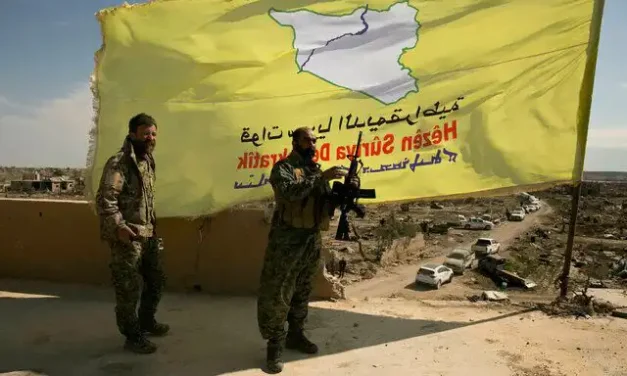
SCFR Online – Opinion: The dissolution of the SDF, although considered an achievement for Turkey’s security, does not put an end to the challenges arising from the Israeli regime’s aggression and expansionism, refugees, and Syria’s fragility.
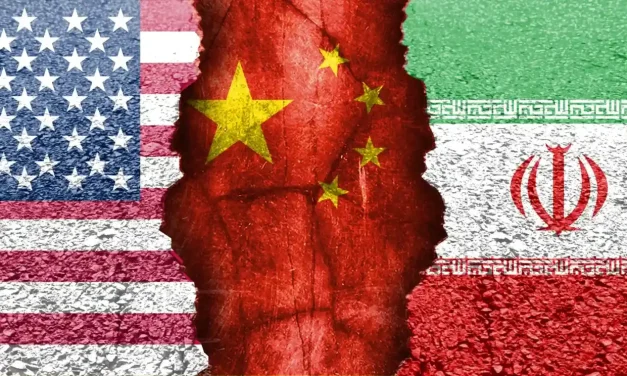
SCFR Online – Opinion: Concurrent with the official commencement of the United States’ economic war against our country, focusing on sanctions instruments, isolation, and economic pressure, what has now become increasingly important is the lack of alignment of other major global powers, especially China, with this policy.
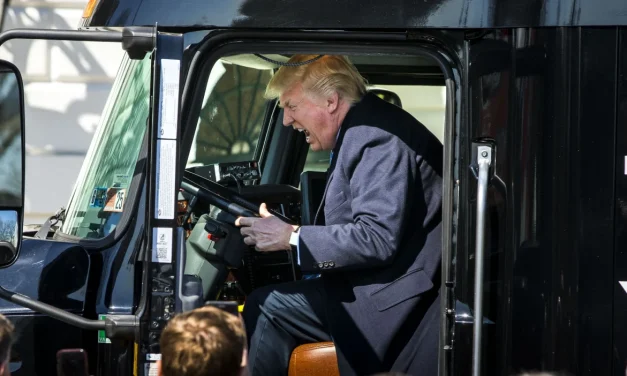
SCFR Online – Opinion: The new US sanctions against Iran, despite extensive propaganda, face serious obstacles to success due to the ineffectiveness of sanctions tools and opposition from some of Tehran’s trading partners.


Strategic Council Online – An international affairs analyst, referring to the features of the final statement of the meeting of the JCPOA Joint Commission, said: Holding this meeting in these circumstances, as well as issuing a statement expressing the alignment of the members, was a positive step towards maintaining the Joint Comprehensive Plan of Action order and the international community’s opposition to US actions.

Strategic Council Online – “The purpose of the US presence in Iraq is to support Israel’s freedom of action in the region and to contain Iran,” said a West Asian affairs analyst. He added domination over Iraq and utilization of its capacities in line with hostility towards its neighbors will never serve the satisfaction of the neighbouring countries, religious authorities and Iraqi politicians.

Strategic Council Online – An expert on West Asian affairs said that the most important obstacles in the way of political process in Syria are the lack of consensus between the domestic proponents and opponents, as well as regional and trans-regional interventions; as some countries in the region, such as Saudi Arabia and pro-Riyadh neighboring countries, continue to discuss the overthrow of Bashar al-Assad’s government.

Strategic Council Online – An international affairs analyst referring to the formation of the International Resistance Front against US unilateral action to activate the trigger mechanism, said: “The Trump administration intends to gamble big with the last leaf at its disposal, but up to this point the issue could be considered the second failure for the Trump administration in its recent campaign against Iran.”

Strategic Council Online – Explaining Turkey’s military and economic actions in Libya, an international affairs expert said that by abandoning diplomacy in Libya, Turkey and Qatar were following the “courage is the fastest way to victory” theory. The two countries have relied on the skeptics of the warring parties and their fear of the human and material consequences and costs of the war.

Strategic Council Online – A faculty member of Shahid Beheshti University stated that the US action to withdraw from the Joint Comprehensive Plan of Action (also known as the Iran Nuclear Agreement) and challenge the Security Council in the form of “trigger mechanism” is in fact an action against the strategic interests of China and Russia. He said China’s renewed opposition to the United States in the Security Council; it has shown that US threats against China have not been effective.
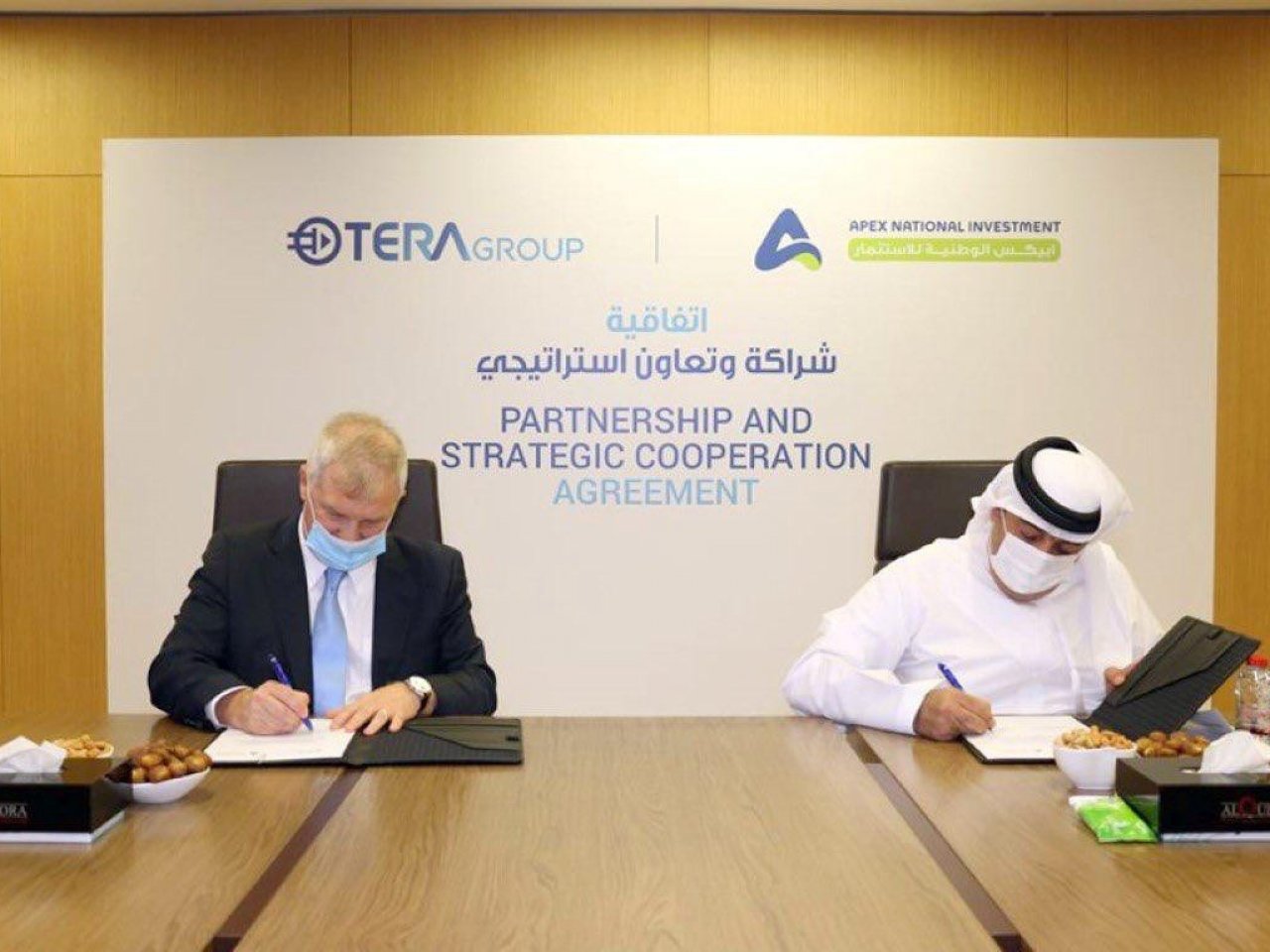
Strategic Council Online – A Middle East affairs analyst said that the UAE is actually playing in the space provided by the United States and Israel, adding that the UAE is suffering from the delusions of grandeur and superiority complex and by enhancing its position in the region try to become one of the main regional players, but the Emirates has serious weaknesses and reservations regarding Iran.

Strategic Council Online – An international affairs analyst called the US failure to get the UN Security Council adopt an anti-Iran resolution one of the most obvious signs of the Trump administration’s political isolation in the international community. He considered this US move at the Security Council a tactical measure to open the way to resort to the “trigger mechanism”.

Strategic Council Online – A former Iranian diplomat emphasized that Saudi Arabia despite its interventions and tension generation in its neighbouring countries, as well as disturbing the regional and international stability is not accountable. He said: If a country with this amount of direct political and military intervention one day gains more power and becomes nuclear, it will cause great tragedy that will destroy the region.

Strategic Council Online – The Vice President of the Washington based Middle East Institute (MEI), Gerald M. Feierstein says that growth of Chinese influence in the Persian Gulf is more a recognition of China’s growing economic and commercial power than it is a reflection of declining U.S. influence.
SCFR Online – Opinion: The intensification of U.S. sanctions against Iran on the eve of the U.S. midterm elections indicates Washington’s inability to achieve its war objectives.
SCFR Online – Opinion: The competition between Washington and Beijing over chips and artificial intelligence, simultaneously with the shifting of technological balances, has taken on new economic and security dimensions.
SCFR Online – Opinion: The Shanghai Cooperation Organization summit has created a new opportunity for Iran to transform its membership from a political achievement into economic and transit cooperation.
Strategic Council Online – Note: The Makkah Defense Pact can be seen as a sign of regional countries’ efforts to reduce security dependence on extra-regional powers and redefine the balance in West Asia.
SCFR Online – Opinion: The Ukraine war, by exhausting US military capability on one hand and strengthening European defense capacity on the other, has altered the balance of power in the European continent, cast uncertainty over NATO’s future, and is driving it toward a European NATO.
SCFR Online – Opinion: The dissolution of the SDF, although considered an achievement for Turkey’s security, does not put an end to the challenges arising from the Israeli regime’s aggression and expansionism, refugees, and Syria’s fragility.
SCFR Online – Opinion: Concurrent with the official commencement of the United States’ economic war against our country, focusing on sanctions instruments, isolation, and economic pressure, what has now become increasingly important is the lack of alignment of other major global powers, especially China, with this policy.
SCFR Online – Opinion: The new US sanctions against Iran, despite extensive propaganda, face serious obstacles to success due to the ineffectiveness of sanctions tools and opposition from some of Tehran’s trading partners.
Strategic Council Online – An international affairs analyst, referring to the features of the final statement of the meeting of the JCPOA Joint Commission, said: Holding this meeting in these circumstances, as well as issuing a statement expressing the alignment of the members, was a positive step towards maintaining the Joint Comprehensive Plan of Action order and the international community’s opposition to US actions.
Strategic Council Online – “The purpose of the US presence in Iraq is to support Israel’s freedom of action in the region and to contain Iran,” said a West Asian affairs analyst. He added domination over Iraq and utilization of its capacities in line with hostility towards its neighbors will never serve the satisfaction of the neighbouring countries, religious authorities and Iraqi politicians.
Strategic Council Online – An expert on West Asian affairs said that the most important obstacles in the way of political process in Syria are the lack of consensus between the domestic proponents and opponents, as well as regional and trans-regional interventions; as some countries in the region, such as Saudi Arabia and pro-Riyadh neighboring countries, continue to discuss the overthrow of Bashar al-Assad’s government.
Strategic Council Online – An international affairs analyst referring to the formation of the International Resistance Front against US unilateral action to activate the trigger mechanism, said: “The Trump administration intends to gamble big with the last leaf at its disposal, but up to this point the issue could be considered the second failure for the Trump administration in its recent campaign against Iran.”
Strategic Council Online – Explaining Turkey’s military and economic actions in Libya, an international affairs expert said that by abandoning diplomacy in Libya, Turkey and Qatar were following the “courage is the fastest way to victory” theory. The two countries have relied on the skeptics of the warring parties and their fear of the human and material consequences and costs of the war.
Strategic Council Online – A faculty member of Shahid Beheshti University stated that the US action to withdraw from the Joint Comprehensive Plan of Action (also known as the Iran Nuclear Agreement) and challenge the Security Council in the form of “trigger mechanism” is in fact an action against the strategic interests of China and Russia. He said China’s renewed opposition to the United States in the Security Council; it has shown that US threats against China have not been effective.
Strategic Council Online – A Middle East affairs analyst said that the UAE is actually playing in the space provided by the United States and Israel, adding that the UAE is suffering from the delusions of grandeur and superiority complex and by enhancing its position in the region try to become one of the main regional players, but the Emirates has serious weaknesses and reservations regarding Iran.
Strategic Council Online – An international affairs analyst called the US failure to get the UN Security Council adopt an anti-Iran resolution one of the most obvious signs of the Trump administration’s political isolation in the international community. He considered this US move at the Security Council a tactical measure to open the way to resort to the “trigger mechanism”.
Strategic Council Online – A former Iranian diplomat emphasized that Saudi Arabia despite its interventions and tension generation in its neighbouring countries, as well as disturbing the regional and international stability is not accountable. He said: If a country with this amount of direct political and military intervention one day gains more power and becomes nuclear, it will cause great tragedy that will destroy the region.
Strategic Council Online – The Vice President of the Washington based Middle East Institute (MEI), Gerald M. Feierstein says that growth of Chinese influence in the Persian Gulf is more a recognition of China’s growing economic and commercial power than it is a reflection of declining U.S. influence.
Strategic Council Online – An international affairs analyst, referring to the features of the final statement of the meeting of the JCPOA Joint Commission, said: Holding this meeting in these circumstances, as well as issuing a statement expressing the alignment of the members, was a positive step towards maintaining the Joint Comprehensive Plan of Action order and the international community’s opposition to US actions.
Strategic Council Online – “The purpose of the US presence in Iraq is to support Israel’s freedom of action in the region and to contain Iran,” said a West Asian affairs analyst. He added domination over Iraq and utilization of its capacities in line with hostility towards its neighbors will never serve the satisfaction of the neighbouring countries, religious authorities and Iraqi politicians.
Strategic Council Online – An expert on West Asian affairs said that the most important obstacles in the way of political process in Syria are the lack of consensus between the domestic proponents and opponents, as well as regional and trans-regional interventions; as some countries in the region, such as Saudi Arabia and pro-Riyadh neighboring countries, continue to discuss the overthrow of Bashar al-Assad’s government.
Strategic Council Online – An international affairs analyst referring to the formation of the International Resistance Front against US unilateral action to activate the trigger mechanism, said: “The Trump administration intends to gamble big with the last leaf at its disposal, but up to this point the issue could be considered the second failure for the Trump administration in its recent campaign against Iran.”
Strategic Council Online – Explaining Turkey’s military and economic actions in Libya, an international affairs expert said that by abandoning diplomacy in Libya, Turkey and Qatar were following the “courage is the fastest way to victory” theory. The two countries have relied on the skeptics of the warring parties and their fear of the human and material consequences and costs of the war.
Strategic Council Online – A faculty member of Shahid Beheshti University stated that the US action to withdraw from the Joint Comprehensive Plan of Action (also known as the Iran Nuclear Agreement) and challenge the Security Council in the form of “trigger mechanism” is in fact an action against the strategic interests of China and Russia. He said China’s renewed opposition to the United States in the Security Council; it has shown that US threats against China have not been effective.
Strategic Council Online – A Middle East affairs analyst said that the UAE is actually playing in the space provided by the United States and Israel, adding that the UAE is suffering from the delusions of grandeur and superiority complex and by enhancing its position in the region try to become one of the main regional players, but the Emirates has serious weaknesses and reservations regarding Iran.
Strategic Council Online – An international affairs analyst called the US failure to get the UN Security Council adopt an anti-Iran resolution one of the most obvious signs of the Trump administration’s political isolation in the international community. He considered this US move at the Security Council a tactical measure to open the way to resort to the “trigger mechanism”.
Strategic Council Online – A former Iranian diplomat emphasized that Saudi Arabia despite its interventions and tension generation in its neighbouring countries, as well as disturbing the regional and international stability is not accountable. He said: If a country with this amount of direct political and military intervention one day gains more power and becomes nuclear, it will cause great tragedy that will destroy the region.
Strategic Council Online – The Vice President of the Washington based Middle East Institute (MEI), Gerald M. Feierstein says that growth of Chinese influence in the Persian Gulf is more a recognition of China’s growing economic and commercial power than it is a reflection of declining U.S. influence.
SCFR Online – Opinion: The intensification of U.S. sanctions against Iran on the eve of the U.S. midterm elections indicates Washington’s inability to achieve its war objectives.
SCFR Online – Opinion: The competition between Washington and Beijing over chips and artificial intelligence, simultaneously with the shifting of technological balances, has taken on new economic and security dimensions.
SCFR Online – Opinion: The Shanghai Cooperation Organization summit has created a new opportunity for Iran to transform its membership from a political achievement into economic and transit cooperation.
Strategic Council Online – Note: The Makkah Defense Pact can be seen as a sign of regional countries’ efforts to reduce security dependence on extra-regional powers and redefine the balance in West Asia.
SCFR Online – Opinion: The Ukraine war, by exhausting US military capability on one hand and strengthening European defense capacity on the other, has altered the balance of power in the European continent, cast uncertainty over NATO’s future, and is driving it toward a European NATO.
SCFR Online – Opinion: The dissolution of the SDF, although considered an achievement for Turkey’s security, does not put an end to the challenges arising from the Israeli regime’s aggression and expansionism, refugees, and Syria’s fragility.
SCFR Online – Opinion: Concurrent with the official commencement of the United States’ economic war against our country, focusing on sanctions instruments, isolation, and economic pressure, what has now become increasingly important is the lack of alignment of other major global powers, especially China, with this policy.
SCFR Online – Opinion: The new US sanctions against Iran, despite extensive propaganda, face serious obstacles to success due to the ineffectiveness of sanctions tools and opposition from some of Tehran’s trading partners.
Strategic Council Online – An international affairs analyst, referring to the features of the final statement of the meeting of the JCPOA Joint Commission, said: Holding this meeting in these circumstances, as well as issuing a statement expressing the alignment of the members, was a positive step towards maintaining the Joint Comprehensive Plan of Action order and the international community’s opposition to US actions.
Strategic Council Online – “The purpose of the US presence in Iraq is to support Israel’s freedom of action in the region and to contain Iran,” said a West Asian affairs analyst. He added domination over Iraq and utilization of its capacities in line with hostility towards its neighbors will never serve the satisfaction of the neighbouring countries, religious authorities and Iraqi politicians.
Strategic Council Online – An expert on West Asian affairs said that the most important obstacles in the way of political process in Syria are the lack of consensus between the domestic proponents and opponents, as well as regional and trans-regional interventions; as some countries in the region, such as Saudi Arabia and pro-Riyadh neighboring countries, continue to discuss the overthrow of Bashar al-Assad’s government.
Strategic Council Online – An international affairs analyst referring to the formation of the International Resistance Front against US unilateral action to activate the trigger mechanism, said: “The Trump administration intends to gamble big with the last leaf at its disposal, but up to this point the issue could be considered the second failure for the Trump administration in its recent campaign against Iran.”
Strategic Council Online – Explaining Turkey’s military and economic actions in Libya, an international affairs expert said that by abandoning diplomacy in Libya, Turkey and Qatar were following the “courage is the fastest way to victory” theory. The two countries have relied on the skeptics of the warring parties and their fear of the human and material consequences and costs of the war.
Strategic Council Online – A faculty member of Shahid Beheshti University stated that the US action to withdraw from the Joint Comprehensive Plan of Action (also known as the Iran Nuclear Agreement) and challenge the Security Council in the form of “trigger mechanism” is in fact an action against the strategic interests of China and Russia. He said China’s renewed opposition to the United States in the Security Council; it has shown that US threats against China have not been effective.
Strategic Council Online – A Middle East affairs analyst said that the UAE is actually playing in the space provided by the United States and Israel, adding that the UAE is suffering from the delusions of grandeur and superiority complex and by enhancing its position in the region try to become one of the main regional players, but the Emirates has serious weaknesses and reservations regarding Iran.
Strategic Council Online – An international affairs analyst called the US failure to get the UN Security Council adopt an anti-Iran resolution one of the most obvious signs of the Trump administration’s political isolation in the international community. He considered this US move at the Security Council a tactical measure to open the way to resort to the “trigger mechanism”.
Strategic Council Online – A former Iranian diplomat emphasized that Saudi Arabia despite its interventions and tension generation in its neighbouring countries, as well as disturbing the regional and international stability is not accountable. He said: If a country with this amount of direct political and military intervention one day gains more power and becomes nuclear, it will cause great tragedy that will destroy the region.
Strategic Council Online – The Vice President of the Washington based Middle East Institute (MEI), Gerald M. Feierstein says that growth of Chinese influence in the Persian Gulf is more a recognition of China’s growing economic and commercial power than it is a reflection of declining U.S. influence.
SCFR Online – Opinion: The intensification of U.S. sanctions against Iran on the eve of the U.S. midterm elections indicates Washington’s inability to achieve its war objectives.
SCFR Online – Opinion: The competition between Washington and Beijing over chips and artificial intelligence, simultaneously with the shifting of technological balances, has taken on new economic and security dimensions.
SCFR Online – Opinion: The Shanghai Cooperation Organization summit has created a new opportunity for Iran to transform its membership from a political achievement into economic and transit cooperation.
Strategic Council Online – Note: The Makkah Defense Pact can be seen as a sign of regional countries’ efforts to reduce security dependence on extra-regional powers and redefine the balance in West Asia.
SCFR Online – Opinion: The Ukraine war, by exhausting US military capability on one hand and strengthening European defense capacity on the other, has altered the balance of power in the European continent, cast uncertainty over NATO’s future, and is driving it toward a European NATO.
SCFR Online – Opinion: The dissolution of the SDF, although considered an achievement for Turkey’s security, does not put an end to the challenges arising from the Israeli regime’s aggression and expansionism, refugees, and Syria’s fragility.
SCFR Online – Opinion: Concurrent with the official commencement of the United States’ economic war against our country, focusing on sanctions instruments, isolation, and economic pressure, what has now become increasingly important is the lack of alignment of other major global powers, especially China, with this policy.
SCFR Online – Opinion: The new US sanctions against Iran, despite extensive propaganda, face serious obstacles to success due to the ineffectiveness of sanctions tools and opposition from some of Tehran’s trading partners.
Strategic Council Online – An international affairs analyst, referring to the features of the final statement of the meeting of the JCPOA Joint Commission, said: Holding this meeting in these circumstances, as well as issuing a statement expressing the alignment of the members, was a positive step towards maintaining the Joint Comprehensive Plan of Action order and the international community’s opposition to US actions.
Strategic Council Online – “The purpose of the US presence in Iraq is to support Israel’s freedom of action in the region and to contain Iran,” said a West Asian affairs analyst. He added domination over Iraq and utilization of its capacities in line with hostility towards its neighbors will never serve the satisfaction of the neighbouring countries, religious authorities and Iraqi politicians.
Strategic Council Online – An expert on West Asian affairs said that the most important obstacles in the way of political process in Syria are the lack of consensus between the domestic proponents and opponents, as well as regional and trans-regional interventions; as some countries in the region, such as Saudi Arabia and pro-Riyadh neighboring countries, continue to discuss the overthrow of Bashar al-Assad’s government.
Strategic Council Online – An international affairs analyst referring to the formation of the International Resistance Front against US unilateral action to activate the trigger mechanism, said: “The Trump administration intends to gamble big with the last leaf at its disposal, but up to this point the issue could be considered the second failure for the Trump administration in its recent campaign against Iran.”
Strategic Council Online – Explaining Turkey’s military and economic actions in Libya, an international affairs expert said that by abandoning diplomacy in Libya, Turkey and Qatar were following the “courage is the fastest way to victory” theory. The two countries have relied on the skeptics of the warring parties and their fear of the human and material consequences and costs of the war.
Strategic Council Online – A faculty member of Shahid Beheshti University stated that the US action to withdraw from the Joint Comprehensive Plan of Action (also known as the Iran Nuclear Agreement) and challenge the Security Council in the form of “trigger mechanism” is in fact an action against the strategic interests of China and Russia. He said China’s renewed opposition to the United States in the Security Council; it has shown that US threats against China have not been effective.
Strategic Council Online – A Middle East affairs analyst said that the UAE is actually playing in the space provided by the United States and Israel, adding that the UAE is suffering from the delusions of grandeur and superiority complex and by enhancing its position in the region try to become one of the main regional players, but the Emirates has serious weaknesses and reservations regarding Iran.
Strategic Council Online – An international affairs analyst called the US failure to get the UN Security Council adopt an anti-Iran resolution one of the most obvious signs of the Trump administration’s political isolation in the international community. He considered this US move at the Security Council a tactical measure to open the way to resort to the “trigger mechanism”.
Strategic Council Online – A former Iranian diplomat emphasized that Saudi Arabia despite its interventions and tension generation in its neighbouring countries, as well as disturbing the regional and international stability is not accountable. He said: If a country with this amount of direct political and military intervention one day gains more power and becomes nuclear, it will cause great tragedy that will destroy the region.
Strategic Council Online – The Vice President of the Washington based Middle East Institute (MEI), Gerald M. Feierstein says that growth of Chinese influence in the Persian Gulf is more a recognition of China’s growing economic and commercial power than it is a reflection of declining U.S. influence.
SCFR Online – Opinion: The intensification of U.S. sanctions against Iran on the eve of the U.S. midterm elections indicates Washington’s inability to achieve its war objectives.
SCFR Online – Opinion: The competition between Washington and Beijing over chips and artificial intelligence, simultaneously with the shifting of technological balances, has taken on new economic and security dimensions.
SCFR Online – Opinion: The Shanghai Cooperation Organization summit has created a new opportunity for Iran to transform its membership from a political achievement into economic and transit cooperation.
Strategic Council Online – Note: The Makkah Defense Pact can be seen as a sign of regional countries’ efforts to reduce security dependence on extra-regional powers and redefine the balance in West Asia.
SCFR Online – Opinion: The Ukraine war, by exhausting US military capability on one hand and strengthening European defense capacity on the other, has altered the balance of power in the European continent, cast uncertainty over NATO’s future, and is driving it toward a European NATO.
SCFR Online – Opinion: The dissolution of the SDF, although considered an achievement for Turkey’s security, does not put an end to the challenges arising from the Israeli regime’s aggression and expansionism, refugees, and Syria’s fragility.
SCFR Online – Opinion: Concurrent with the official commencement of the United States’ economic war against our country, focusing on sanctions instruments, isolation, and economic pressure, what has now become increasingly important is the lack of alignment of other major global powers, especially China, with this policy.
SCFR Online – Opinion: The new US sanctions against Iran, despite extensive propaganda, face serious obstacles to success due to the ineffectiveness of sanctions tools and opposition from some of Tehran’s trading partners.
Strategic Council Online – An international affairs analyst, referring to the features of the final statement of the meeting of the JCPOA Joint Commission, said: Holding this meeting in these circumstances, as well as issuing a statement expressing the alignment of the members, was a positive step towards maintaining the Joint Comprehensive Plan of Action order and the international community’s opposition to US actions.
Strategic Council Online – “The purpose of the US presence in Iraq is to support Israel’s freedom of action in the region and to contain Iran,” said a West Asian affairs analyst. He added domination over Iraq and utilization of its capacities in line with hostility towards its neighbors will never serve the satisfaction of the neighbouring countries, religious authorities and Iraqi politicians.
Strategic Council Online – An expert on West Asian affairs said that the most important obstacles in the way of political process in Syria are the lack of consensus between the domestic proponents and opponents, as well as regional and trans-regional interventions; as some countries in the region, such as Saudi Arabia and pro-Riyadh neighboring countries, continue to discuss the overthrow of Bashar al-Assad’s government.
Strategic Council Online – An international affairs analyst referring to the formation of the International Resistance Front against US unilateral action to activate the trigger mechanism, said: “The Trump administration intends to gamble big with the last leaf at its disposal, but up to this point the issue could be considered the second failure for the Trump administration in its recent campaign against Iran.”
Strategic Council Online – Explaining Turkey’s military and economic actions in Libya, an international affairs expert said that by abandoning diplomacy in Libya, Turkey and Qatar were following the “courage is the fastest way to victory” theory. The two countries have relied on the skeptics of the warring parties and their fear of the human and material consequences and costs of the war.
Strategic Council Online – A faculty member of Shahid Beheshti University stated that the US action to withdraw from the Joint Comprehensive Plan of Action (also known as the Iran Nuclear Agreement) and challenge the Security Council in the form of “trigger mechanism” is in fact an action against the strategic interests of China and Russia. He said China’s renewed opposition to the United States in the Security Council; it has shown that US threats against China have not been effective.
Strategic Council Online – A Middle East affairs analyst said that the UAE is actually playing in the space provided by the United States and Israel, adding that the UAE is suffering from the delusions of grandeur and superiority complex and by enhancing its position in the region try to become one of the main regional players, but the Emirates has serious weaknesses and reservations regarding Iran.
Strategic Council Online – An international affairs analyst called the US failure to get the UN Security Council adopt an anti-Iran resolution one of the most obvious signs of the Trump administration’s political isolation in the international community. He considered this US move at the Security Council a tactical measure to open the way to resort to the “trigger mechanism”.
Strategic Council Online – A former Iranian diplomat emphasized that Saudi Arabia despite its interventions and tension generation in its neighbouring countries, as well as disturbing the regional and international stability is not accountable. He said: If a country with this amount of direct political and military intervention one day gains more power and becomes nuclear, it will cause great tragedy that will destroy the region.
Strategic Council Online – The Vice President of the Washington based Middle East Institute (MEI), Gerald M. Feierstein says that growth of Chinese influence in the Persian Gulf is more a recognition of China’s growing economic and commercial power than it is a reflection of declining U.S. influence.
SCFR Online – Opinion: The intensification of U.S. sanctions against Iran on the eve of the U.S. midterm elections indicates Washington’s inability to achieve its war objectives.
SCFR Online – Opinion: The competition between Washington and Beijing over chips and artificial intelligence, simultaneously with the shifting of technological balances, has taken on new economic and security dimensions.
SCFR Online – Opinion: The Shanghai Cooperation Organization summit has created a new opportunity for Iran to transform its membership from a political achievement into economic and transit cooperation.
Strategic Council Online – Note: The Makkah Defense Pact can be seen as a sign of regional countries’ efforts to reduce security dependence on extra-regional powers and redefine the balance in West Asia.
SCFR Online – Opinion: The Ukraine war, by exhausting US military capability on one hand and strengthening European defense capacity on the other, has altered the balance of power in the European continent, cast uncertainty over NATO’s future, and is driving it toward a European NATO.
SCFR Online – Opinion: The dissolution of the SDF, although considered an achievement for Turkey’s security, does not put an end to the challenges arising from the Israeli regime’s aggression and expansionism, refugees, and Syria’s fragility.
SCFR Online – Opinion: Concurrent with the official commencement of the United States’ economic war against our country, focusing on sanctions instruments, isolation, and economic pressure, what has now become increasingly important is the lack of alignment of other major global powers, especially China, with this policy.
SCFR Online – Opinion: The new US sanctions against Iran, despite extensive propaganda, face serious obstacles to success due to the ineffectiveness of sanctions tools and opposition from some of Tehran’s trading partners.
Strategic Council Online – An international affairs analyst, referring to the features of the final statement of the meeting of the JCPOA Joint Commission, said: Holding this meeting in these circumstances, as well as issuing a statement expressing the alignment of the members, was a positive step towards maintaining the Joint Comprehensive Plan of Action order and the international community’s opposition to US actions.
Strategic Council Online – “The purpose of the US presence in Iraq is to support Israel’s freedom of action in the region and to contain Iran,” said a West Asian affairs analyst. He added domination over Iraq and utilization of its capacities in line with hostility towards its neighbors will never serve the satisfaction of the neighbouring countries, religious authorities and Iraqi politicians.
Strategic Council Online – An expert on West Asian affairs said that the most important obstacles in the way of political process in Syria are the lack of consensus between the domestic proponents and opponents, as well as regional and trans-regional interventions; as some countries in the region, such as Saudi Arabia and pro-Riyadh neighboring countries, continue to discuss the overthrow of Bashar al-Assad’s government.
Strategic Council Online – An international affairs analyst referring to the formation of the International Resistance Front against US unilateral action to activate the trigger mechanism, said: “The Trump administration intends to gamble big with the last leaf at its disposal, but up to this point the issue could be considered the second failure for the Trump administration in its recent campaign against Iran.”
Strategic Council Online – Explaining Turkey’s military and economic actions in Libya, an international affairs expert said that by abandoning diplomacy in Libya, Turkey and Qatar were following the “courage is the fastest way to victory” theory. The two countries have relied on the skeptics of the warring parties and their fear of the human and material consequences and costs of the war.
Strategic Council Online – A faculty member of Shahid Beheshti University stated that the US action to withdraw from the Joint Comprehensive Plan of Action (also known as the Iran Nuclear Agreement) and challenge the Security Council in the form of “trigger mechanism” is in fact an action against the strategic interests of China and Russia. He said China’s renewed opposition to the United States in the Security Council; it has shown that US threats against China have not been effective.
Strategic Council Online – A Middle East affairs analyst said that the UAE is actually playing in the space provided by the United States and Israel, adding that the UAE is suffering from the delusions of grandeur and superiority complex and by enhancing its position in the region try to become one of the main regional players, but the Emirates has serious weaknesses and reservations regarding Iran.
Strategic Council Online – An international affairs analyst called the US failure to get the UN Security Council adopt an anti-Iran resolution one of the most obvious signs of the Trump administration’s political isolation in the international community. He considered this US move at the Security Council a tactical measure to open the way to resort to the “trigger mechanism”.
Strategic Council Online – A former Iranian diplomat emphasized that Saudi Arabia despite its interventions and tension generation in its neighbouring countries, as well as disturbing the regional and international stability is not accountable. He said: If a country with this amount of direct political and military intervention one day gains more power and becomes nuclear, it will cause great tragedy that will destroy the region.
Strategic Council Online – The Vice President of the Washington based Middle East Institute (MEI), Gerald M. Feierstein says that growth of Chinese influence in the Persian Gulf is more a recognition of China’s growing economic and commercial power than it is a reflection of declining U.S. influence.
SCFR Online – Opinion: The intensification of U.S. sanctions against Iran on the eve of the U.S. midterm elections indicates Washington’s inability to achieve its war objectives.
SCFR Online – Opinion: The competition between Washington and Beijing over chips and artificial intelligence, simultaneously with the shifting of technological balances, has taken on new economic and security dimensions.
SCFR Online – Opinion: The Shanghai Cooperation Organization summit has created a new opportunity for Iran to transform its membership from a political achievement into economic and transit cooperation.
Strategic Council Online – Note: The Makkah Defense Pact can be seen as a sign of regional countries’ efforts to reduce security dependence on extra-regional powers and redefine the balance in West Asia.
SCFR Online – Opinion: The Ukraine war, by exhausting US military capability on one hand and strengthening European defense capacity on the other, has altered the balance of power in the European continent, cast uncertainty over NATO’s future, and is driving it toward a European NATO.
SCFR Online – Opinion: The dissolution of the SDF, although considered an achievement for Turkey’s security, does not put an end to the challenges arising from the Israeli regime’s aggression and expansionism, refugees, and Syria’s fragility.
SCFR Online – Opinion: Concurrent with the official commencement of the United States’ economic war against our country, focusing on sanctions instruments, isolation, and economic pressure, what has now become increasingly important is the lack of alignment of other major global powers, especially China, with this policy.
SCFR Online – Opinion: The new US sanctions against Iran, despite extensive propaganda, face serious obstacles to success due to the ineffectiveness of sanctions tools and opposition from some of Tehran’s trading partners.