جدیدترین مطالب

The Makkah Pact; Reasons for its Formation and Challenges Ahead

SCFR Online – Opinion: The Makkah Pact, signed between Saudi Arabia, Pakistan, and Turkey under the motto “an attack on one is an attack on all,” is viewed by some analysts less as a full-fledged military coalition and more as an attempt to reduce security dependence on an external power and to establish a regional security mechanism.

Implications of the US-Saudi Nuclear Agreement

SCFR Online – Opinion: The new US-Saudi nuclear agreement, despite legal and political ambiguities, could alter previous non-proliferation standards in West Asia and intensify nuclear competition, ushering it into a new phase.

An Analysis of Recent Turkey-Israeli Regime Tensions

SCFR Online – Opinion: Recent developments in Syria indicate an intensification of strategic rivalry between Turkey and the Israeli regime, but mutual considerations and the role of the United States have limited the likelihood of direct war.

Increasing criticism of the extensive Zionist lobby network

SCFR Online – Opinion: An examination of the mechanisms of the Israeli regime’s influence in the United States depicts a complex picture of shared interests, strategic dependencies, and the limitations of this relationship.

Realities of the Tripartite Makkah Pact

SCFR Online – Interview: The signing of the Makkah agreement between Saudi Arabia, Pakistan, and Turkey has raised questions about the future of the region’s security structure and the position of these countries in West Asian equations. Can this agreement become a genuine collective defense mechanism, or does it have more of a political and deterrent function than creating new military capacity?

Strategic Implications of the Reduction of US Weapons Stockpiles

SCFR Online – Opinion: The continuation of the US war against Iran, in addition to increasing operational costs, has called into question the actual capacity of the American arsenal to simultaneously fulfill security commitments on multiple fronts; an issue that affects deterrence, defense production capacity, and Washington’s resource prioritization.

Loading

interview

Erdogan’s Motives and Opportunities for Reconciliation with the Syrian Government

Erdogan’s Motives and Opportunities for Reconciliation with the Syrian Government

Strategic Council Online—An expert on Caucasus issues said that the Turkish Foreign Minister recently stated in a joint press conference with his Saudi counterpart: “Our current strategy is dialogue and peace, and we ask Iran and Russia to play a constructive role in this process.” According to these statements, Turkey’s policy towards Syrian refugees and its consequences have once again been considered.

Japan’s Goals of Strengthening Its Military Power in East Asia

Japan’s Goals of Strengthening Its Military Power in East Asia

Strategic Council Online – Interview: The former ambassador of Iran in Japan said: Strengthening Japan’s military activities is a 25-year plan to show that it is capable of becoming one of the military powers of the region and the world by relying on its military values and capabilities.

An Analysis of the Possible Approach of the New British Government in Foreign Policy

An Analysis of the Possible Approach of the New British Government in Foreign Policy

Strategic Council Online—Interview: An expert on European issues said: The British Labor Party, led by Keir Starmer, won the election by winning an overwhelming majority of the seats in the House of Commons. On the other hand, the Conservative party, led by Rishi Sunak, has lost 170 seats and is on the way to its heaviest political defeat since the party was founded in the 19th century.

Unpredictable Consequences of a Possible Comprehensive Attack on Lebanon for the Zionist Regime

Unpredictable Consequences of a Possible Comprehensive Attack on Lebanon for the Zionist Regime

Strategic Council Online – Interview: The former ambassador of Iran in Jordan emphasized that the possibility of the Zionist regime’s army attacking Lebanon is high and said it is unlikely the ceasefire negotiations and the release of prisoners will play a deterrent role in preventing the war between this regime and the Hezbollah, the consequences of which cannot be avoided.

Obstacles Facing the Zionist Regime for a Comprehensive Military Attack on Lebanon

Obstacles Facing the Zionist Regime for a Comprehensive Military Attack on Lebanon

Strategic Council Online – Interview: An expert on regional issues said: The Israeli regime is trying to use the concern of the United States and European countries regarding the expansion of the scope of the war into Lebanon to its own advantage to reduce their pressure regarding the current conflict in Gaza and Rafah and prevent further movements of the Hezbollah in escalating its attacks on the Occupied Territories.

Iran would use ‘all means’ to back Hizbollah if Israel launches full-blown war

Iran would use ‘all means’ to back Hizbollah if Israel launches full-blown war

Strategic Council Online: In response to the Financial Times reporter’s questions, Dr. Kharazi stated: In implementing foreign policy, there would be some differences in their [Pezeshkian/Jalili] approach. Still, in terms of strategy, they would follow the same because the strategy is set by the leader of the Islamic Republic of Iran.

An Analysis of the Saudi-UAE Border Dispute

An Analysis of the Saudi-UAE Border Dispute

Strategic Council Online – Interview: An expert on regional issues said: The dispute between Saudi Arabia and the United Arab Emirates over the Ilyasat region is more economy and investment oriented than border related. Therefore, it is unlikely for the dispute to have widescale repercussions politically and diplomatically.

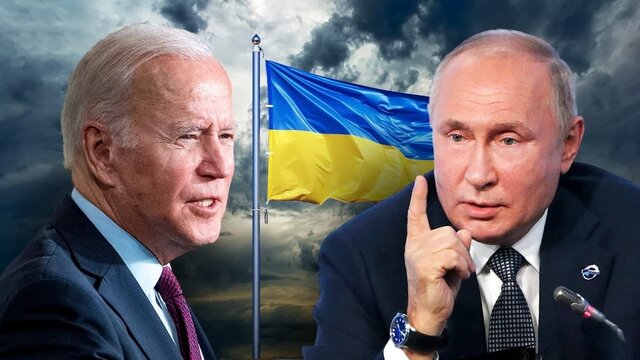
Prospect of US-Russia Tension over Ukraine

Prospect of US-Russia Tension over Ukraine

Strategic Council Online – Interview: An expert on international issues said: the challenge between the West and Russia will remain strong, unless the American and European elections go in such a way that with Trump and the right-wing coming to power, the approaches to the war in Ukraine will somehow change so that the war would end by preserving Russia’s dignity. But if political changes do not occur at this level, the challenge between the West and Russia will continue due to the developments that have occurred, including the extension of European and American sanctions against Russia, as well as the increase of Western support for Ukraine.

The Zionist Regime Has to Accept a Ceasefire in the Gaza War

The Zionist Regime Has to Accept a Ceasefire in the Gaza War

Strategic Council Online – Interview: An expert on West Asian issues said: The recent resolution proposed by the United States to establish a ceasefire in Gaza and release prisoners was approved with 14 positive votes, one abstention (Russia), and no negative votes at the UN Security Council meeting. None of the parties to the Gaza war have yet agreed to this resolution.

أحدث الوظائف

The Makkah Pact; Reasons for its Formation and Challenges Ahead

SCFR Online – Opinion: The Makkah Pact, signed between Saudi Arabia, Pakistan, and Turkey under the motto “an attack on one is an attack on all,” is viewed by some analysts less as a full-fledged military coalition and more as an attempt to reduce security dependence on an external power and to establish a regional security mechanism.

Implications of the US-Saudi Nuclear Agreement

SCFR Online – Opinion: The new US-Saudi nuclear agreement, despite legal and political ambiguities, could alter previous non-proliferation standards in West Asia and intensify nuclear competition, ushering it into a new phase.

An Analysis of Recent Turkey-Israeli Regime Tensions

SCFR Online – Opinion: Recent developments in Syria indicate an intensification of strategic rivalry between Turkey and the Israeli regime, but mutual considerations and the role of the United States have limited the likelihood of direct war.

Increasing criticism of the extensive Zionist lobby network

SCFR Online – Opinion: An examination of the mechanisms of the Israeli regime’s influence in the United States depicts a complex picture of shared interests, strategic dependencies, and the limitations of this relationship.

Realities of the Tripartite Makkah Pact

SCFR Online – Interview: The signing of the Makkah agreement between Saudi Arabia, Pakistan, and Turkey has raised questions about the future of the region’s security structure and the position of these countries in West Asian equations. Can this agreement become a genuine collective defense mechanism, or does it have more of a political and deterrent function than creating new military capacity?

Strategic Implications of the Reduction of US Weapons Stockpiles

SCFR Online – Opinion: The continuation of the US war against Iran, in addition to increasing operational costs, has called into question the actual capacity of the American arsenal to simultaneously fulfill security commitments on multiple fronts; an issue that affects deterrence, defense production capacity, and Washington’s resource prioritization.

Loading

interview

Erdogan’s Motives and Opportunities for Reconciliation with the Syrian Government

Erdogan’s Motives and Opportunities for Reconciliation with the Syrian Government

Strategic Council Online—An expert on Caucasus issues said that the Turkish Foreign Minister recently stated in a joint press conference with his Saudi counterpart: “Our current strategy is dialogue and peace, and we ask Iran and Russia to play a constructive role in this process.” According to these statements, Turkey’s policy towards Syrian refugees and its consequences have once again been considered.

Japan’s Goals of Strengthening Its Military Power in East Asia

Japan’s Goals of Strengthening Its Military Power in East Asia

Strategic Council Online – Interview: The former ambassador of Iran in Japan said: Strengthening Japan’s military activities is a 25-year plan to show that it is capable of becoming one of the military powers of the region and the world by relying on its military values and capabilities.

An Analysis of the Possible Approach of the New British Government in Foreign Policy

An Analysis of the Possible Approach of the New British Government in Foreign Policy

Strategic Council Online—Interview: An expert on European issues said: The British Labor Party, led by Keir Starmer, won the election by winning an overwhelming majority of the seats in the House of Commons. On the other hand, the Conservative party, led by Rishi Sunak, has lost 170 seats and is on the way to its heaviest political defeat since the party was founded in the 19th century.

Unpredictable Consequences of a Possible Comprehensive Attack on Lebanon for the Zionist Regime

Unpredictable Consequences of a Possible Comprehensive Attack on Lebanon for the Zionist Regime

Strategic Council Online – Interview: The former ambassador of Iran in Jordan emphasized that the possibility of the Zionist regime’s army attacking Lebanon is high and said it is unlikely the ceasefire negotiations and the release of prisoners will play a deterrent role in preventing the war between this regime and the Hezbollah, the consequences of which cannot be avoided.

Obstacles Facing the Zionist Regime for a Comprehensive Military Attack on Lebanon

Obstacles Facing the Zionist Regime for a Comprehensive Military Attack on Lebanon

Strategic Council Online – Interview: An expert on regional issues said: The Israeli regime is trying to use the concern of the United States and European countries regarding the expansion of the scope of the war into Lebanon to its own advantage to reduce their pressure regarding the current conflict in Gaza and Rafah and prevent further movements of the Hezbollah in escalating its attacks on the Occupied Territories.

Iran would use ‘all means’ to back Hizbollah if Israel launches full-blown war

Iran would use ‘all means’ to back Hizbollah if Israel launches full-blown war

Strategic Council Online: In response to the Financial Times reporter’s questions, Dr. Kharazi stated: In implementing foreign policy, there would be some differences in their [Pezeshkian/Jalili] approach. Still, in terms of strategy, they would follow the same because the strategy is set by the leader of the Islamic Republic of Iran.

An Analysis of the Saudi-UAE Border Dispute

An Analysis of the Saudi-UAE Border Dispute

Strategic Council Online – Interview: An expert on regional issues said: The dispute between Saudi Arabia and the United Arab Emirates over the Ilyasat region is more economy and investment oriented than border related. Therefore, it is unlikely for the dispute to have widescale repercussions politically and diplomatically.

Prospect of US-Russia Tension over Ukraine

Prospect of US-Russia Tension over Ukraine

Strategic Council Online – Interview: An expert on international issues said: the challenge between the West and Russia will remain strong, unless the American and European elections go in such a way that with Trump and the right-wing coming to power, the approaches to the war in Ukraine will somehow change so that the war would end by preserving Russia’s dignity. But if political changes do not occur at this level, the challenge between the West and Russia will continue due to the developments that have occurred, including the extension of European and American sanctions against Russia, as well as the increase of Western support for Ukraine.

The Zionist Regime Has to Accept a Ceasefire in the Gaza War

The Zionist Regime Has to Accept a Ceasefire in the Gaza War

Strategic Council Online – Interview: An expert on West Asian issues said: The recent resolution proposed by the United States to establish a ceasefire in Gaza and release prisoners was approved with 14 positive votes, one abstention (Russia), and no negative votes at the UN Security Council meeting. None of the parties to the Gaza war have yet agreed to this resolution.

interview

Erdogan’s Motives and Opportunities for Reconciliation with the Syrian Government

Erdogan’s Motives and Opportunities for Reconciliation with the Syrian Government

Strategic Council Online—An expert on Caucasus issues said that the Turkish Foreign Minister recently stated in a joint press conference with his Saudi counterpart: “Our current strategy is dialogue and peace, and we ask Iran and Russia to play a constructive role in this process.” According to these statements, Turkey’s policy towards Syrian refugees and its consequences have once again been considered.

Japan’s Goals of Strengthening Its Military Power in East Asia

Japan’s Goals of Strengthening Its Military Power in East Asia

Strategic Council Online – Interview: The former ambassador of Iran in Japan said: Strengthening Japan’s military activities is a 25-year plan to show that it is capable of becoming one of the military powers of the region and the world by relying on its military values and capabilities.

An Analysis of the Possible Approach of the New British Government in Foreign Policy

An Analysis of the Possible Approach of the New British Government in Foreign Policy

Strategic Council Online—Interview: An expert on European issues said: The British Labor Party, led by Keir Starmer, won the election by winning an overwhelming majority of the seats in the House of Commons. On the other hand, the Conservative party, led by Rishi Sunak, has lost 170 seats and is on the way to its heaviest political defeat since the party was founded in the 19th century.

Unpredictable Consequences of a Possible Comprehensive Attack on Lebanon for the Zionist Regime

Unpredictable Consequences of a Possible Comprehensive Attack on Lebanon for the Zionist Regime

Strategic Council Online – Interview: The former ambassador of Iran in Jordan emphasized that the possibility of the Zionist regime’s army attacking Lebanon is high and said it is unlikely the ceasefire negotiations and the release of prisoners will play a deterrent role in preventing the war between this regime and the Hezbollah, the consequences of which cannot be avoided.

Obstacles Facing the Zionist Regime for a Comprehensive Military Attack on Lebanon

Obstacles Facing the Zionist Regime for a Comprehensive Military Attack on Lebanon

Strategic Council Online – Interview: An expert on regional issues said: The Israeli regime is trying to use the concern of the United States and European countries regarding the expansion of the scope of the war into Lebanon to its own advantage to reduce their pressure regarding the current conflict in Gaza and Rafah and prevent further movements of the Hezbollah in escalating its attacks on the Occupied Territories.

Iran would use ‘all means’ to back Hizbollah if Israel launches full-blown war

Iran would use ‘all means’ to back Hizbollah if Israel launches full-blown war

Strategic Council Online: In response to the Financial Times reporter’s questions, Dr. Kharazi stated: In implementing foreign policy, there would be some differences in their [Pezeshkian/Jalili] approach. Still, in terms of strategy, they would follow the same because the strategy is set by the leader of the Islamic Republic of Iran.

An Analysis of the Saudi-UAE Border Dispute

An Analysis of the Saudi-UAE Border Dispute

Strategic Council Online – Interview: An expert on regional issues said: The dispute between Saudi Arabia and the United Arab Emirates over the Ilyasat region is more economy and investment oriented than border related. Therefore, it is unlikely for the dispute to have widescale repercussions politically and diplomatically.

Prospect of US-Russia Tension over Ukraine

Prospect of US-Russia Tension over Ukraine

Strategic Council Online – Interview: An expert on international issues said: the challenge between the West and Russia will remain strong, unless the American and European elections go in such a way that with Trump and the right-wing coming to power, the approaches to the war in Ukraine will somehow change so that the war would end by preserving Russia’s dignity. But if political changes do not occur at this level, the challenge between the West and Russia will continue due to the developments that have occurred, including the extension of European and American sanctions against Russia, as well as the increase of Western support for Ukraine.

The Zionist Regime Has to Accept a Ceasefire in the Gaza War

The Zionist Regime Has to Accept a Ceasefire in the Gaza War

Strategic Council Online – Interview: An expert on West Asian issues said: The recent resolution proposed by the United States to establish a ceasefire in Gaza and release prisoners was approved with 14 positive votes, one abstention (Russia), and no negative votes at the UN Security Council meeting. None of the parties to the Gaza war have yet agreed to this resolution.

LATEST CONTENT

The Makkah Pact; Reasons for its Formation and Challenges Ahead

SCFR Online – Opinion: The Makkah Pact, signed between Saudi Arabia, Pakistan, and Turkey under the motto “an attack on one is an attack on all,” is viewed by some analysts less as a full-fledged military coalition and more as an attempt to reduce security dependence on an external power and to establish a regional security mechanism.

Implications of the US-Saudi Nuclear Agreement

SCFR Online – Opinion: The new US-Saudi nuclear agreement, despite legal and political ambiguities, could alter previous non-proliferation standards in West Asia and intensify nuclear competition, ushering it into a new phase.

An Analysis of Recent Turkey-Israeli Regime Tensions

SCFR Online – Opinion: Recent developments in Syria indicate an intensification of strategic rivalry between Turkey and the Israeli regime, but mutual considerations and the role of the United States have limited the likelihood of direct war.

Increasing criticism of the extensive Zionist lobby network

SCFR Online – Opinion: An examination of the mechanisms of the Israeli regime’s influence in the United States depicts a complex picture of shared interests, strategic dependencies, and the limitations of this relationship.

Realities of the Tripartite Makkah Pact

SCFR Online – Interview: The signing of the Makkah agreement between Saudi Arabia, Pakistan, and Turkey has raised questions about the future of the region’s security structure and the position of these countries in West Asian equations. Can this agreement become a genuine collective defense mechanism, or does it have more of a political and deterrent function than creating new military capacity?

Strategic Implications of the Reduction of US Weapons Stockpiles

SCFR Online – Opinion: The continuation of the US war against Iran, in addition to increasing operational costs, has called into question the actual capacity of the American arsenal to simultaneously fulfill security commitments on multiple fronts; an issue that affects deterrence, defense production capacity, and Washington’s resource prioritization.

Loading

interview

Erdogan’s Motives and Opportunities for Reconciliation with the Syrian Government

Erdogan’s Motives and Opportunities for Reconciliation with the Syrian Government

Strategic Council Online—An expert on Caucasus issues said that the Turkish Foreign Minister recently stated in a joint press conference with his Saudi counterpart: “Our current strategy is dialogue and peace, and we ask Iran and Russia to play a constructive role in this process.” According to these statements, Turkey’s policy towards Syrian refugees and its consequences have once again been considered.

Japan’s Goals of Strengthening Its Military Power in East Asia

Japan’s Goals of Strengthening Its Military Power in East Asia

Strategic Council Online – Interview: The former ambassador of Iran in Japan said: Strengthening Japan’s military activities is a 25-year plan to show that it is capable of becoming one of the military powers of the region and the world by relying on its military values and capabilities.

An Analysis of the Possible Approach of the New British Government in Foreign Policy

An Analysis of the Possible Approach of the New British Government in Foreign Policy

Strategic Council Online—Interview: An expert on European issues said: The British Labor Party, led by Keir Starmer, won the election by winning an overwhelming majority of the seats in the House of Commons. On the other hand, the Conservative party, led by Rishi Sunak, has lost 170 seats and is on the way to its heaviest political defeat since the party was founded in the 19th century.

Unpredictable Consequences of a Possible Comprehensive Attack on Lebanon for the Zionist Regime

Unpredictable Consequences of a Possible Comprehensive Attack on Lebanon for the Zionist Regime

Strategic Council Online – Interview: The former ambassador of Iran in Jordan emphasized that the possibility of the Zionist regime’s army attacking Lebanon is high and said it is unlikely the ceasefire negotiations and the release of prisoners will play a deterrent role in preventing the war between this regime and the Hezbollah, the consequences of which cannot be avoided.

Obstacles Facing the Zionist Regime for a Comprehensive Military Attack on Lebanon

Obstacles Facing the Zionist Regime for a Comprehensive Military Attack on Lebanon

Strategic Council Online – Interview: An expert on regional issues said: The Israeli regime is trying to use the concern of the United States and European countries regarding the expansion of the scope of the war into Lebanon to its own advantage to reduce their pressure regarding the current conflict in Gaza and Rafah and prevent further movements of the Hezbollah in escalating its attacks on the Occupied Territories.

Iran would use ‘all means’ to back Hizbollah if Israel launches full-blown war

Iran would use ‘all means’ to back Hizbollah if Israel launches full-blown war

Strategic Council Online: In response to the Financial Times reporter’s questions, Dr. Kharazi stated: In implementing foreign policy, there would be some differences in their [Pezeshkian/Jalili] approach. Still, in terms of strategy, they would follow the same because the strategy is set by the leader of the Islamic Republic of Iran.

An Analysis of the Saudi-UAE Border Dispute

An Analysis of the Saudi-UAE Border Dispute

Strategic Council Online – Interview: An expert on regional issues said: The dispute between Saudi Arabia and the United Arab Emirates over the Ilyasat region is more economy and investment oriented than border related. Therefore, it is unlikely for the dispute to have widescale repercussions politically and diplomatically.

Prospect of US-Russia Tension over Ukraine

Prospect of US-Russia Tension over Ukraine

Strategic Council Online – Interview: An expert on international issues said: the challenge between the West and Russia will remain strong, unless the American and European elections go in such a way that with Trump and the right-wing coming to power, the approaches to the war in Ukraine will somehow change so that the war would end by preserving Russia’s dignity. But if political changes do not occur at this level, the challenge between the West and Russia will continue due to the developments that have occurred, including the extension of European and American sanctions against Russia, as well as the increase of Western support for Ukraine.

The Zionist Regime Has to Accept a Ceasefire in the Gaza War

The Zionist Regime Has to Accept a Ceasefire in the Gaza War

Strategic Council Online – Interview: An expert on West Asian issues said: The recent resolution proposed by the United States to establish a ceasefire in Gaza and release prisoners was approved with 14 positive votes, one abstention (Russia), and no negative votes at the UN Security Council meeting. None of the parties to the Gaza war have yet agreed to this resolution.

ÚLTIMAS PUBLICACIONES

The Makkah Pact; Reasons for its Formation and Challenges Ahead

SCFR Online – Opinion: The Makkah Pact, signed between Saudi Arabia, Pakistan, and Turkey under the motto “an attack on one is an attack on all,” is viewed by some analysts less as a full-fledged military coalition and more as an attempt to reduce security dependence on an external power and to establish a regional security mechanism.

Implications of the US-Saudi Nuclear Agreement

SCFR Online – Opinion: The new US-Saudi nuclear agreement, despite legal and political ambiguities, could alter previous non-proliferation standards in West Asia and intensify nuclear competition, ushering it into a new phase.

An Analysis of Recent Turkey-Israeli Regime Tensions

SCFR Online – Opinion: Recent developments in Syria indicate an intensification of strategic rivalry between Turkey and the Israeli regime, but mutual considerations and the role of the United States have limited the likelihood of direct war.

Increasing criticism of the extensive Zionist lobby network

SCFR Online – Opinion: An examination of the mechanisms of the Israeli regime’s influence in the United States depicts a complex picture of shared interests, strategic dependencies, and the limitations of this relationship.

Realities of the Tripartite Makkah Pact

SCFR Online – Interview: The signing of the Makkah agreement between Saudi Arabia, Pakistan, and Turkey has raised questions about the future of the region’s security structure and the position of these countries in West Asian equations. Can this agreement become a genuine collective defense mechanism, or does it have more of a political and deterrent function than creating new military capacity?

Strategic Implications of the Reduction of US Weapons Stockpiles

SCFR Online – Opinion: The continuation of the US war against Iran, in addition to increasing operational costs, has called into question the actual capacity of the American arsenal to simultaneously fulfill security commitments on multiple fronts; an issue that affects deterrence, defense production capacity, and Washington’s resource prioritization.

Loading

interview

Erdogan’s Motives and Opportunities for Reconciliation with the Syrian Government

Erdogan’s Motives and Opportunities for Reconciliation with the Syrian Government

Strategic Council Online—An expert on Caucasus issues said that the Turkish Foreign Minister recently stated in a joint press conference with his Saudi counterpart: “Our current strategy is dialogue and peace, and we ask Iran and Russia to play a constructive role in this process.” According to these statements, Turkey’s policy towards Syrian refugees and its consequences have once again been considered.

Japan’s Goals of Strengthening Its Military Power in East Asia

Japan’s Goals of Strengthening Its Military Power in East Asia

Strategic Council Online – Interview: The former ambassador of Iran in Japan said: Strengthening Japan’s military activities is a 25-year plan to show that it is capable of becoming one of the military powers of the region and the world by relying on its military values and capabilities.

An Analysis of the Possible Approach of the New British Government in Foreign Policy

An Analysis of the Possible Approach of the New British Government in Foreign Policy

Strategic Council Online—Interview: An expert on European issues said: The British Labor Party, led by Keir Starmer, won the election by winning an overwhelming majority of the seats in the House of Commons. On the other hand, the Conservative party, led by Rishi Sunak, has lost 170 seats and is on the way to its heaviest political defeat since the party was founded in the 19th century.

Unpredictable Consequences of a Possible Comprehensive Attack on Lebanon for the Zionist Regime

Unpredictable Consequences of a Possible Comprehensive Attack on Lebanon for the Zionist Regime

Strategic Council Online – Interview: The former ambassador of Iran in Jordan emphasized that the possibility of the Zionist regime’s army attacking Lebanon is high and said it is unlikely the ceasefire negotiations and the release of prisoners will play a deterrent role in preventing the war between this regime and the Hezbollah, the consequences of which cannot be avoided.

Obstacles Facing the Zionist Regime for a Comprehensive Military Attack on Lebanon

Obstacles Facing the Zionist Regime for a Comprehensive Military Attack on Lebanon

Strategic Council Online – Interview: An expert on regional issues said: The Israeli regime is trying to use the concern of the United States and European countries regarding the expansion of the scope of the war into Lebanon to its own advantage to reduce their pressure regarding the current conflict in Gaza and Rafah and prevent further movements of the Hezbollah in escalating its attacks on the Occupied Territories.

Iran would use ‘all means’ to back Hizbollah if Israel launches full-blown war

Iran would use ‘all means’ to back Hizbollah if Israel launches full-blown war

Strategic Council Online: In response to the Financial Times reporter’s questions, Dr. Kharazi stated: In implementing foreign policy, there would be some differences in their [Pezeshkian/Jalili] approach. Still, in terms of strategy, they would follow the same because the strategy is set by the leader of the Islamic Republic of Iran.

An Analysis of the Saudi-UAE Border Dispute

An Analysis of the Saudi-UAE Border Dispute

Strategic Council Online – Interview: An expert on regional issues said: The dispute between Saudi Arabia and the United Arab Emirates over the Ilyasat region is more economy and investment oriented than border related. Therefore, it is unlikely for the dispute to have widescale repercussions politically and diplomatically.

Prospect of US-Russia Tension over Ukraine

Prospect of US-Russia Tension over Ukraine

Strategic Council Online – Interview: An expert on international issues said: the challenge between the West and Russia will remain strong, unless the American and European elections go in such a way that with Trump and the right-wing coming to power, the approaches to the war in Ukraine will somehow change so that the war would end by preserving Russia’s dignity. But if political changes do not occur at this level, the challenge between the West and Russia will continue due to the developments that have occurred, including the extension of European and American sanctions against Russia, as well as the increase of Western support for Ukraine.

The Zionist Regime Has to Accept a Ceasefire in the Gaza War

The Zionist Regime Has to Accept a Ceasefire in the Gaza War

Strategic Council Online – Interview: An expert on West Asian issues said: The recent resolution proposed by the United States to establish a ceasefire in Gaza and release prisoners was approved with 14 positive votes, one abstention (Russia), and no negative votes at the UN Security Council meeting. None of the parties to the Gaza war have yet agreed to this resolution.

ÚLTIMAS PUBLICACIONES

The Makkah Pact; Reasons for its Formation and Challenges Ahead

SCFR Online – Opinion: The Makkah Pact, signed between Saudi Arabia, Pakistan, and Turkey under the motto “an attack on one is an attack on all,” is viewed by some analysts less as a full-fledged military coalition and more as an attempt to reduce security dependence on an external power and to establish a regional security mechanism.

Implications of the US-Saudi Nuclear Agreement

SCFR Online – Opinion: The new US-Saudi nuclear agreement, despite legal and political ambiguities, could alter previous non-proliferation standards in West Asia and intensify nuclear competition, ushering it into a new phase.

An Analysis of Recent Turkey-Israeli Regime Tensions

SCFR Online – Opinion: Recent developments in Syria indicate an intensification of strategic rivalry between Turkey and the Israeli regime, but mutual considerations and the role of the United States have limited the likelihood of direct war.

Increasing criticism of the extensive Zionist lobby network

SCFR Online – Opinion: An examination of the mechanisms of the Israeli regime’s influence in the United States depicts a complex picture of shared interests, strategic dependencies, and the limitations of this relationship.

Realities of the Tripartite Makkah Pact

SCFR Online – Interview: The signing of the Makkah agreement between Saudi Arabia, Pakistan, and Turkey has raised questions about the future of the region’s security structure and the position of these countries in West Asian equations. Can this agreement become a genuine collective defense mechanism, or does it have more of a political and deterrent function than creating new military capacity?

Strategic Implications of the Reduction of US Weapons Stockpiles

SCFR Online – Opinion: The continuation of the US war against Iran, in addition to increasing operational costs, has called into question the actual capacity of the American arsenal to simultaneously fulfill security commitments on multiple fronts; an issue that affects deterrence, defense production capacity, and Washington’s resource prioritization.

Loading

interview

Erdogan’s Motives and Opportunities for Reconciliation with the Syrian Government

Erdogan’s Motives and Opportunities for Reconciliation with the Syrian Government

Strategic Council Online—An expert on Caucasus issues said that the Turkish Foreign Minister recently stated in a joint press conference with his Saudi counterpart: “Our current strategy is dialogue and peace, and we ask Iran and Russia to play a constructive role in this process.” According to these statements, Turkey’s policy towards Syrian refugees and its consequences have once again been considered.

Japan’s Goals of Strengthening Its Military Power in East Asia

Japan’s Goals of Strengthening Its Military Power in East Asia

Strategic Council Online – Interview: The former ambassador of Iran in Japan said: Strengthening Japan’s military activities is a 25-year plan to show that it is capable of becoming one of the military powers of the region and the world by relying on its military values and capabilities.

An Analysis of the Possible Approach of the New British Government in Foreign Policy

An Analysis of the Possible Approach of the New British Government in Foreign Policy

Strategic Council Online—Interview: An expert on European issues said: The British Labor Party, led by Keir Starmer, won the election by winning an overwhelming majority of the seats in the House of Commons. On the other hand, the Conservative party, led by Rishi Sunak, has lost 170 seats and is on the way to its heaviest political defeat since the party was founded in the 19th century.

Unpredictable Consequences of a Possible Comprehensive Attack on Lebanon for the Zionist Regime

Unpredictable Consequences of a Possible Comprehensive Attack on Lebanon for the Zionist Regime

Strategic Council Online – Interview: The former ambassador of Iran in Jordan emphasized that the possibility of the Zionist regime’s army attacking Lebanon is high and said it is unlikely the ceasefire negotiations and the release of prisoners will play a deterrent role in preventing the war between this regime and the Hezbollah, the consequences of which cannot be avoided.

Obstacles Facing the Zionist Regime for a Comprehensive Military Attack on Lebanon

Obstacles Facing the Zionist Regime for a Comprehensive Military Attack on Lebanon

Strategic Council Online – Interview: An expert on regional issues said: The Israeli regime is trying to use the concern of the United States and European countries regarding the expansion of the scope of the war into Lebanon to its own advantage to reduce their pressure regarding the current conflict in Gaza and Rafah and prevent further movements of the Hezbollah in escalating its attacks on the Occupied Territories.

Iran would use ‘all means’ to back Hizbollah if Israel launches full-blown war

Iran would use ‘all means’ to back Hizbollah if Israel launches full-blown war

Strategic Council Online: In response to the Financial Times reporter’s questions, Dr. Kharazi stated: In implementing foreign policy, there would be some differences in their [Pezeshkian/Jalili] approach. Still, in terms of strategy, they would follow the same because the strategy is set by the leader of the Islamic Republic of Iran.

An Analysis of the Saudi-UAE Border Dispute

An Analysis of the Saudi-UAE Border Dispute

Strategic Council Online – Interview: An expert on regional issues said: The dispute between Saudi Arabia and the United Arab Emirates over the Ilyasat region is more economy and investment oriented than border related. Therefore, it is unlikely for the dispute to have widescale repercussions politically and diplomatically.

Prospect of US-Russia Tension over Ukraine

Prospect of US-Russia Tension over Ukraine

Strategic Council Online – Interview: An expert on international issues said: the challenge between the West and Russia will remain strong, unless the American and European elections go in such a way that with Trump and the right-wing coming to power, the approaches to the war in Ukraine will somehow change so that the war would end by preserving Russia’s dignity. But if political changes do not occur at this level, the challenge between the West and Russia will continue due to the developments that have occurred, including the extension of European and American sanctions against Russia, as well as the increase of Western support for Ukraine.

The Zionist Regime Has to Accept a Ceasefire in the Gaza War

The Zionist Regime Has to Accept a Ceasefire in the Gaza War

Strategic Council Online – Interview: An expert on West Asian issues said: The recent resolution proposed by the United States to establish a ceasefire in Gaza and release prisoners was approved with 14 positive votes, one abstention (Russia), and no negative votes at the UN Security Council meeting. None of the parties to the Gaza war have yet agreed to this resolution.

ÚLTIMAS PUBLICACIONES

The Makkah Pact; Reasons for its Formation and Challenges Ahead

SCFR Online – Opinion: The Makkah Pact, signed between Saudi Arabia, Pakistan, and Turkey under the motto “an attack on one is an attack on all,” is viewed by some analysts less as a full-fledged military coalition and more as an attempt to reduce security dependence on an external power and to establish a regional security mechanism.

Implications of the US-Saudi Nuclear Agreement

SCFR Online – Opinion: The new US-Saudi nuclear agreement, despite legal and political ambiguities, could alter previous non-proliferation standards in West Asia and intensify nuclear competition, ushering it into a new phase.

An Analysis of Recent Turkey-Israeli Regime Tensions

SCFR Online – Opinion: Recent developments in Syria indicate an intensification of strategic rivalry between Turkey and the Israeli regime, but mutual considerations and the role of the United States have limited the likelihood of direct war.

Increasing criticism of the extensive Zionist lobby network

SCFR Online – Opinion: An examination of the mechanisms of the Israeli regime’s influence in the United States depicts a complex picture of shared interests, strategic dependencies, and the limitations of this relationship.

Realities of the Tripartite Makkah Pact

SCFR Online – Interview: The signing of the Makkah agreement between Saudi Arabia, Pakistan, and Turkey has raised questions about the future of the region’s security structure and the position of these countries in West Asian equations. Can this agreement become a genuine collective defense mechanism, or does it have more of a political and deterrent function than creating new military capacity?

Strategic Implications of the Reduction of US Weapons Stockpiles

SCFR Online – Opinion: The continuation of the US war against Iran, in addition to increasing operational costs, has called into question the actual capacity of the American arsenal to simultaneously fulfill security commitments on multiple fronts; an issue that affects deterrence, defense production capacity, and Washington’s resource prioritization.

Loading

interview

Erdogan’s Motives and Opportunities for Reconciliation with the Syrian Government

Erdogan’s Motives and Opportunities for Reconciliation with the Syrian Government

Strategic Council Online—An expert on Caucasus issues said that the Turkish Foreign Minister recently stated in a joint press conference with his Saudi counterpart: “Our current strategy is dialogue and peace, and we ask Iran and Russia to play a constructive role in this process.” According to these statements, Turkey’s policy towards Syrian refugees and its consequences have once again been considered.

Japan’s Goals of Strengthening Its Military Power in East Asia

Japan’s Goals of Strengthening Its Military Power in East Asia

Strategic Council Online – Interview: The former ambassador of Iran in Japan said: Strengthening Japan’s military activities is a 25-year plan to show that it is capable of becoming one of the military powers of the region and the world by relying on its military values and capabilities.

An Analysis of the Possible Approach of the New British Government in Foreign Policy

An Analysis of the Possible Approach of the New British Government in Foreign Policy

Strategic Council Online—Interview: An expert on European issues said: The British Labor Party, led by Keir Starmer, won the election by winning an overwhelming majority of the seats in the House of Commons. On the other hand, the Conservative party, led by Rishi Sunak, has lost 170 seats and is on the way to its heaviest political defeat since the party was founded in the 19th century.

Unpredictable Consequences of a Possible Comprehensive Attack on Lebanon for the Zionist Regime

Unpredictable Consequences of a Possible Comprehensive Attack on Lebanon for the Zionist Regime

Strategic Council Online – Interview: The former ambassador of Iran in Jordan emphasized that the possibility of the Zionist regime’s army attacking Lebanon is high and said it is unlikely the ceasefire negotiations and the release of prisoners will play a deterrent role in preventing the war between this regime and the Hezbollah, the consequences of which cannot be avoided.

Obstacles Facing the Zionist Regime for a Comprehensive Military Attack on Lebanon

Obstacles Facing the Zionist Regime for a Comprehensive Military Attack on Lebanon

Strategic Council Online – Interview: An expert on regional issues said: The Israeli regime is trying to use the concern of the United States and European countries regarding the expansion of the scope of the war into Lebanon to its own advantage to reduce their pressure regarding the current conflict in Gaza and Rafah and prevent further movements of the Hezbollah in escalating its attacks on the Occupied Territories.

Iran would use ‘all means’ to back Hizbollah if Israel launches full-blown war

Iran would use ‘all means’ to back Hizbollah if Israel launches full-blown war

Strategic Council Online: In response to the Financial Times reporter’s questions, Dr. Kharazi stated: In implementing foreign policy, there would be some differences in their [Pezeshkian/Jalili] approach. Still, in terms of strategy, they would follow the same because the strategy is set by the leader of the Islamic Republic of Iran.

An Analysis of the Saudi-UAE Border Dispute

An Analysis of the Saudi-UAE Border Dispute

Strategic Council Online – Interview: An expert on regional issues said: The dispute between Saudi Arabia and the United Arab Emirates over the Ilyasat region is more economy and investment oriented than border related. Therefore, it is unlikely for the dispute to have widescale repercussions politically and diplomatically.

Prospect of US-Russia Tension over Ukraine

Prospect of US-Russia Tension over Ukraine

Strategic Council Online – Interview: An expert on international issues said: the challenge between the West and Russia will remain strong, unless the American and European elections go in such a way that with Trump and the right-wing coming to power, the approaches to the war in Ukraine will somehow change so that the war would end by preserving Russia’s dignity. But if political changes do not occur at this level, the challenge between the West and Russia will continue due to the developments that have occurred, including the extension of European and American sanctions against Russia, as well as the increase of Western support for Ukraine.

The Zionist Regime Has to Accept a Ceasefire in the Gaza War

The Zionist Regime Has to Accept a Ceasefire in the Gaza War

Strategic Council Online – Interview: An expert on West Asian issues said: The recent resolution proposed by the United States to establish a ceasefire in Gaza and release prisoners was approved with 14 positive votes, one abstention (Russia), and no negative votes at the UN Security Council meeting. None of the parties to the Gaza war have yet agreed to this resolution.

ÚLTIMAS PUBLICACIONES

The Makkah Pact; Reasons for its Formation and Challenges Ahead

SCFR Online – Opinion: The Makkah Pact, signed between Saudi Arabia, Pakistan, and Turkey under the motto “an attack on one is an attack on all,” is viewed by some analysts less as a full-fledged military coalition and more as an attempt to reduce security dependence on an external power and to establish a regional security mechanism.

Implications of the US-Saudi Nuclear Agreement

SCFR Online – Opinion: The new US-Saudi nuclear agreement, despite legal and political ambiguities, could alter previous non-proliferation standards in West Asia and intensify nuclear competition, ushering it into a new phase.

An Analysis of Recent Turkey-Israeli Regime Tensions

SCFR Online – Opinion: Recent developments in Syria indicate an intensification of strategic rivalry between Turkey and the Israeli regime, but mutual considerations and the role of the United States have limited the likelihood of direct war.

Increasing criticism of the extensive Zionist lobby network

SCFR Online – Opinion: An examination of the mechanisms of the Israeli regime’s influence in the United States depicts a complex picture of shared interests, strategic dependencies, and the limitations of this relationship.

Realities of the Tripartite Makkah Pact

SCFR Online – Interview: The signing of the Makkah agreement between Saudi Arabia, Pakistan, and Turkey has raised questions about the future of the region’s security structure and the position of these countries in West Asian equations. Can this agreement become a genuine collective defense mechanism, or does it have more of a political and deterrent function than creating new military capacity?

Strategic Implications of the Reduction of US Weapons Stockpiles

SCFR Online – Opinion: The continuation of the US war against Iran, in addition to increasing operational costs, has called into question the actual capacity of the American arsenal to simultaneously fulfill security commitments on multiple fronts; an issue that affects deterrence, defense production capacity, and Washington’s resource prioritization.

Loading