جدیدترین مطالب

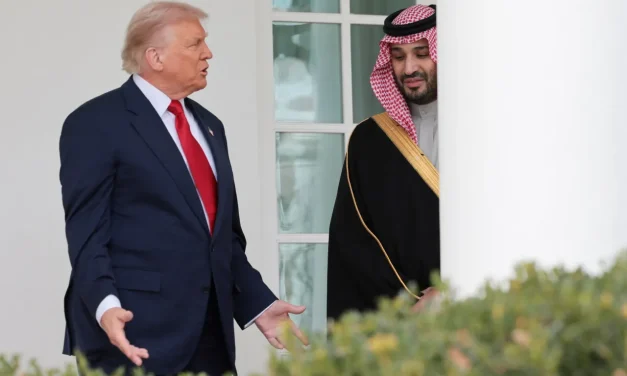
Implications of the US-Saudi Nuclear Agreement

SCFR Online – Opinion: The new US-Saudi nuclear agreement, despite legal and political ambiguities, could alter previous non-proliferation standards in West Asia and intensify nuclear competition, ushering it into a new phase.
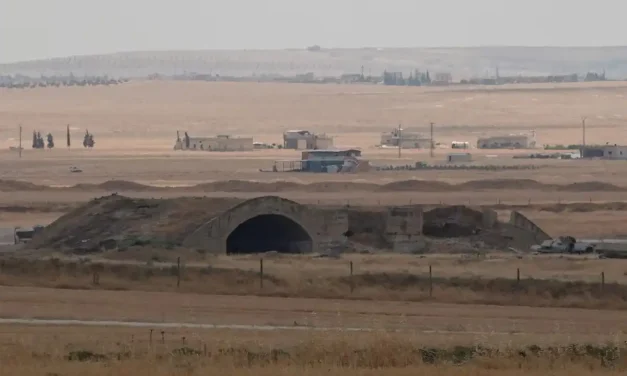
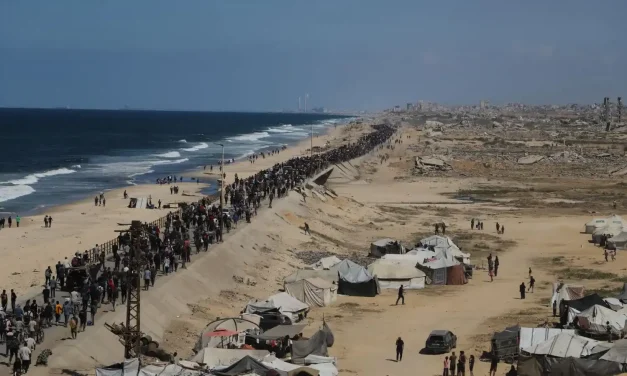
An Analysis of Recent Turkey-Israeli Regime Tensions

SCFR Online – Opinion: Recent developments in Syria indicate an intensification of strategic rivalry between Turkey and the Israeli regime, but mutual considerations and the role of the United States have limited the likelihood of direct war.

Increasing criticism of the extensive Zionist lobby network

SCFR Online – Opinion: An examination of the mechanisms of the Israeli regime’s influence in the United States depicts a complex picture of shared interests, strategic dependencies, and the limitations of this relationship.

Realities of the Tripartite Makkah Pact

SCFR Online – Interview: The signing of the Makkah agreement between Saudi Arabia, Pakistan, and Turkey has raised questions about the future of the region’s security structure and the position of these countries in West Asian equations. Can this agreement become a genuine collective defense mechanism, or does it have more of a political and deterrent function than creating new military capacity?

Strategic Implications of the Reduction of US Weapons Stockpiles

SCFR Online – Opinion: The continuation of the US war against Iran, in addition to increasing operational costs, has called into question the actual capacity of the American arsenal to simultaneously fulfill security commitments on multiple fronts; an issue that affects deterrence, defense production capacity, and Washington’s resource prioritization.

The Formation of a New Order in Relations Between Powers

SCFR Online – Opinion: The Russia-Ukraine war and the war of the United States and the Israeli regime against Iran have been formed with different objectives and actors, but field and political developments indicate that they are not entirely separate from one another.

An Analysis of the Makkah Defense Pact

SCFR Online – Opinion: On Friday, August 7, the heads of state of three countries – Saudi Arabia, Turkey, and Pakistan – signed a text under the title “Makkah Joint Defense Agreement.”

Loading

interview

Perspective of New Start Treaty

Perspective of New Start Treaty

Strategic Council Online- Interview
“Had the Start Treaty which was about to expire in 2021, not been extended, could practically entangle the US, Russia and the whole world with a serious crisis in the field of disarmament of nuclear arms”, an expert of Russia said about an agreement of extension of Treaty on the Reduction and Limitation of Strategic Offensive Arms between Russian Federation and the United States of America called as “New Start Treaty”.

Review of the strategy of the United States in Afghanistan and the prospect of the future order

Review of the strategy of the United States in Afghanistan and the prospect of the future order

Strategic Council Online—Interview: Former Iranian ambassador to Afghanistan says the behavior of Americans towards Afghanistan has been irresponsible, adding that the present order in Afghanistan is the outcome of the First Bonne Conference in 2001; however, this order is collapsing and it seems that the future order in Afghanistan will be formed on the basis of the Doha Agreement.

Failure of ethnocentrism in Afghanistan, need for nation-building

Failure of ethnocentrism in Afghanistan, need for nation-building

Strategic Council Online – Interview: An analyst of Afghanistan affairs described “ethnocentrism” as the main axis of socio-political developments and the enjoyment of rights and privileges in Afghanistan, and said: Ethnic management has been implemented many times in Afghanistan and has failed each time. A national government should be formed in that country and this is the best scenario that can be imagined for the future of Afghanistan.

The maneuver of Russia, Tajikistan, Uzbekistan and common concerns about the spread of insecurity to Central Asia

The maneuver of Russia, Tajikistan, Uzbekistan and common concerns about the spread of insecurity to Central Asia

Strategic Council Online—Interview: A university professor said any instability and insecurity in Afghanistan can easily spread to Central Asian states and create numerous security challenges for them, adding that there is the concern that empowerment of a radical force in Afghanistan and or any other foreign instigation or movement can result in recruitment of social dissidents in Tajikistan and move this country towards serious challenges.

Reasons of expediting the exit of America from Afghanistan

Reasons of expediting the exit of America from Afghanistan

Strategic Council Online—Interview: An expert of Afghanistan issues says on the reasons behind the decision by Joe Biden to withdraw military forces from Afghanistan by September that “it seems the main reason behind this decision is the prolongation of the presence of the US in Afghanistan as the US is present there close to two decades and in the meantime, various administrations in America have failed to realize the slogans they cried in these years.

Interview with deputy of Iran Cyber Defense Command (1) Increased Risk of Cyber Threats in Strategic Competition of States

Interview with deputy of Iran Cyber Defense Command (1) Increased Risk of Cyber Threats in Strategic Competition of States

Strategic Council Online – The deputy of Iran Cyber Defense Command, stating that technological progress, in addition to having different advantages, also creates new problems, said: The United States, the Zionist regime, and their regional allies are working to increase their operational access to our infrastructures by taking advantage of the advancement in cyberspace-related technologies.

Behind the Scene of Recent Political Developments in Tunisia; Contrast between Secularism and Islamism

Behind the Scene of Recent Political Developments in Tunisia; Contrast between Secularism and Islamism

Strategic Council Online – An expert of Africa affairs commenting on the recent situation in Tunisia as the origin of countries where the Arab Spring took place and some dissatisfaction emerged from the people said: The recent protests in Tunisia are due to dissatisfaction of people and some political officials with the decisions of the Tunisian president who removed the prime minister and suspended the parliament in an unforeseen move.

Interview with spokesman of Afghanistan people’s Trust Front: Favorable Outlook for Afghanistan from Non-Taliban Perception

Interview with spokesman of Afghanistan people’s Trust Front: Favorable Outlook for Afghanistan from Non-Taliban Perception

Strategic Council Online: A spokesman for the Afghanistan people’s Trust Front, stating that the desire and demand of the Afghan people is to establish a republic in the country, said: Countries with an effective role in Afghanistan should force the Taliban, who know no language other than killing and destruction, to enter into meaningful negotiations with a system that represents the people of Afghanistan, and together establish a coordinated system that is acceptable to the people of that country.

أحدث الوظائف

Implications of the US-Saudi Nuclear Agreement

SCFR Online – Opinion: The new US-Saudi nuclear agreement, despite legal and political ambiguities, could alter previous non-proliferation standards in West Asia and intensify nuclear competition, ushering it into a new phase.

An Analysis of Recent Turkey-Israeli Regime Tensions

SCFR Online – Opinion: Recent developments in Syria indicate an intensification of strategic rivalry between Turkey and the Israeli regime, but mutual considerations and the role of the United States have limited the likelihood of direct war.

Increasing criticism of the extensive Zionist lobby network

SCFR Online – Opinion: An examination of the mechanisms of the Israeli regime’s influence in the United States depicts a complex picture of shared interests, strategic dependencies, and the limitations of this relationship.

Realities of the Tripartite Makkah Pact

SCFR Online – Interview: The signing of the Makkah agreement between Saudi Arabia, Pakistan, and Turkey has raised questions about the future of the region’s security structure and the position of these countries in West Asian equations. Can this agreement become a genuine collective defense mechanism, or does it have more of a political and deterrent function than creating new military capacity?

Strategic Implications of the Reduction of US Weapons Stockpiles

SCFR Online – Opinion: The continuation of the US war against Iran, in addition to increasing operational costs, has called into question the actual capacity of the American arsenal to simultaneously fulfill security commitments on multiple fronts; an issue that affects deterrence, defense production capacity, and Washington’s resource prioritization.

The Formation of a New Order in Relations Between Powers

SCFR Online – Opinion: The Russia-Ukraine war and the war of the United States and the Israeli regime against Iran have been formed with different objectives and actors, but field and political developments indicate that they are not entirely separate from one another.

An Analysis of the Makkah Defense Pact

SCFR Online – Opinion: On Friday, August 7, the heads of state of three countries – Saudi Arabia, Turkey, and Pakistan – signed a text under the title “Makkah Joint Defense Agreement.”

Loading

interview

Perspective of New Start Treaty

Perspective of New Start Treaty

Strategic Council Online- Interview
“Had the Start Treaty which was about to expire in 2021, not been extended, could practically entangle the US, Russia and the whole world with a serious crisis in the field of disarmament of nuclear arms”, an expert of Russia said about an agreement of extension of Treaty on the Reduction and Limitation of Strategic Offensive Arms between Russian Federation and the United States of America called as “New Start Treaty”.

Review of the strategy of the United States in Afghanistan and the prospect of the future order

Review of the strategy of the United States in Afghanistan and the prospect of the future order

Strategic Council Online—Interview: Former Iranian ambassador to Afghanistan says the behavior of Americans towards Afghanistan has been irresponsible, adding that the present order in Afghanistan is the outcome of the First Bonne Conference in 2001; however, this order is collapsing and it seems that the future order in Afghanistan will be formed on the basis of the Doha Agreement.

Failure of ethnocentrism in Afghanistan, need for nation-building

Failure of ethnocentrism in Afghanistan, need for nation-building

Strategic Council Online – Interview: An analyst of Afghanistan affairs described “ethnocentrism” as the main axis of socio-political developments and the enjoyment of rights and privileges in Afghanistan, and said: Ethnic management has been implemented many times in Afghanistan and has failed each time. A national government should be formed in that country and this is the best scenario that can be imagined for the future of Afghanistan.

The maneuver of Russia, Tajikistan, Uzbekistan and common concerns about the spread of insecurity to Central Asia

The maneuver of Russia, Tajikistan, Uzbekistan and common concerns about the spread of insecurity to Central Asia

Strategic Council Online—Interview: A university professor said any instability and insecurity in Afghanistan can easily spread to Central Asian states and create numerous security challenges for them, adding that there is the concern that empowerment of a radical force in Afghanistan and or any other foreign instigation or movement can result in recruitment of social dissidents in Tajikistan and move this country towards serious challenges.

Reasons of expediting the exit of America from Afghanistan

Reasons of expediting the exit of America from Afghanistan

Strategic Council Online—Interview: An expert of Afghanistan issues says on the reasons behind the decision by Joe Biden to withdraw military forces from Afghanistan by September that “it seems the main reason behind this decision is the prolongation of the presence of the US in Afghanistan as the US is present there close to two decades and in the meantime, various administrations in America have failed to realize the slogans they cried in these years.

Interview with deputy of Iran Cyber Defense Command (1) Increased Risk of Cyber Threats in Strategic Competition of States

Interview with deputy of Iran Cyber Defense Command (1) Increased Risk of Cyber Threats in Strategic Competition of States

Strategic Council Online – The deputy of Iran Cyber Defense Command, stating that technological progress, in addition to having different advantages, also creates new problems, said: The United States, the Zionist regime, and their regional allies are working to increase their operational access to our infrastructures by taking advantage of the advancement in cyberspace-related technologies.

Behind the Scene of Recent Political Developments in Tunisia; Contrast between Secularism and Islamism

Behind the Scene of Recent Political Developments in Tunisia; Contrast between Secularism and Islamism

Strategic Council Online – An expert of Africa affairs commenting on the recent situation in Tunisia as the origin of countries where the Arab Spring took place and some dissatisfaction emerged from the people said: The recent protests in Tunisia are due to dissatisfaction of people and some political officials with the decisions of the Tunisian president who removed the prime minister and suspended the parliament in an unforeseen move.

Interview with spokesman of Afghanistan people’s Trust Front: Favorable Outlook for Afghanistan from Non-Taliban Perception

Interview with spokesman of Afghanistan people’s Trust Front: Favorable Outlook for Afghanistan from Non-Taliban Perception

Strategic Council Online: A spokesman for the Afghanistan people’s Trust Front, stating that the desire and demand of the Afghan people is to establish a republic in the country, said: Countries with an effective role in Afghanistan should force the Taliban, who know no language other than killing and destruction, to enter into meaningful negotiations with a system that represents the people of Afghanistan, and together establish a coordinated system that is acceptable to the people of that country.

interview

Perspective of New Start Treaty

Perspective of New Start Treaty

Strategic Council Online- Interview
“Had the Start Treaty which was about to expire in 2021, not been extended, could practically entangle the US, Russia and the whole world with a serious crisis in the field of disarmament of nuclear arms”, an expert of Russia said about an agreement of extension of Treaty on the Reduction and Limitation of Strategic Offensive Arms between Russian Federation and the United States of America called as “New Start Treaty”.

Review of the strategy of the United States in Afghanistan and the prospect of the future order

Review of the strategy of the United States in Afghanistan and the prospect of the future order

Strategic Council Online—Interview: Former Iranian ambassador to Afghanistan says the behavior of Americans towards Afghanistan has been irresponsible, adding that the present order in Afghanistan is the outcome of the First Bonne Conference in 2001; however, this order is collapsing and it seems that the future order in Afghanistan will be formed on the basis of the Doha Agreement.

Failure of ethnocentrism in Afghanistan, need for nation-building

Failure of ethnocentrism in Afghanistan, need for nation-building

Strategic Council Online – Interview: An analyst of Afghanistan affairs described “ethnocentrism” as the main axis of socio-political developments and the enjoyment of rights and privileges in Afghanistan, and said: Ethnic management has been implemented many times in Afghanistan and has failed each time. A national government should be formed in that country and this is the best scenario that can be imagined for the future of Afghanistan.

The maneuver of Russia, Tajikistan, Uzbekistan and common concerns about the spread of insecurity to Central Asia

The maneuver of Russia, Tajikistan, Uzbekistan and common concerns about the spread of insecurity to Central Asia

Strategic Council Online—Interview: A university professor said any instability and insecurity in Afghanistan can easily spread to Central Asian states and create numerous security challenges for them, adding that there is the concern that empowerment of a radical force in Afghanistan and or any other foreign instigation or movement can result in recruitment of social dissidents in Tajikistan and move this country towards serious challenges.

Reasons of expediting the exit of America from Afghanistan

Reasons of expediting the exit of America from Afghanistan

Strategic Council Online—Interview: An expert of Afghanistan issues says on the reasons behind the decision by Joe Biden to withdraw military forces from Afghanistan by September that “it seems the main reason behind this decision is the prolongation of the presence of the US in Afghanistan as the US is present there close to two decades and in the meantime, various administrations in America have failed to realize the slogans they cried in these years.

Interview with deputy of Iran Cyber Defense Command (1) Increased Risk of Cyber Threats in Strategic Competition of States

Interview with deputy of Iran Cyber Defense Command (1) Increased Risk of Cyber Threats in Strategic Competition of States

Strategic Council Online – The deputy of Iran Cyber Defense Command, stating that technological progress, in addition to having different advantages, also creates new problems, said: The United States, the Zionist regime, and their regional allies are working to increase their operational access to our infrastructures by taking advantage of the advancement in cyberspace-related technologies.

Behind the Scene of Recent Political Developments in Tunisia; Contrast between Secularism and Islamism

Behind the Scene of Recent Political Developments in Tunisia; Contrast between Secularism and Islamism

Strategic Council Online – An expert of Africa affairs commenting on the recent situation in Tunisia as the origin of countries where the Arab Spring took place and some dissatisfaction emerged from the people said: The recent protests in Tunisia are due to dissatisfaction of people and some political officials with the decisions of the Tunisian president who removed the prime minister and suspended the parliament in an unforeseen move.

Interview with spokesman of Afghanistan people’s Trust Front: Favorable Outlook for Afghanistan from Non-Taliban Perception

Interview with spokesman of Afghanistan people’s Trust Front: Favorable Outlook for Afghanistan from Non-Taliban Perception

Strategic Council Online: A spokesman for the Afghanistan people’s Trust Front, stating that the desire and demand of the Afghan people is to establish a republic in the country, said: Countries with an effective role in Afghanistan should force the Taliban, who know no language other than killing and destruction, to enter into meaningful negotiations with a system that represents the people of Afghanistan, and together establish a coordinated system that is acceptable to the people of that country.

LATEST CONTENT

Implications of the US-Saudi Nuclear Agreement

SCFR Online – Opinion: The new US-Saudi nuclear agreement, despite legal and political ambiguities, could alter previous non-proliferation standards in West Asia and intensify nuclear competition, ushering it into a new phase.
An Analysis of Recent Turkey-Israeli Regime Tensions

SCFR Online – Opinion: Recent developments in Syria indicate an intensification of strategic rivalry between Turkey and the Israeli regime, but mutual considerations and the role of the United States have limited the likelihood of direct war.

Increasing criticism of the extensive Zionist lobby network

SCFR Online – Opinion: An examination of the mechanisms of the Israeli regime’s influence in the United States depicts a complex picture of shared interests, strategic dependencies, and the limitations of this relationship.

Realities of the Tripartite Makkah Pact

SCFR Online – Interview: The signing of the Makkah agreement between Saudi Arabia, Pakistan, and Turkey has raised questions about the future of the region’s security structure and the position of these countries in West Asian equations. Can this agreement become a genuine collective defense mechanism, or does it have more of a political and deterrent function than creating new military capacity?

Strategic Implications of the Reduction of US Weapons Stockpiles

SCFR Online – Opinion: The continuation of the US war against Iran, in addition to increasing operational costs, has called into question the actual capacity of the American arsenal to simultaneously fulfill security commitments on multiple fronts; an issue that affects deterrence, defense production capacity, and Washington’s resource prioritization.

The Formation of a New Order in Relations Between Powers

SCFR Online – Opinion: The Russia-Ukraine war and the war of the United States and the Israeli regime against Iran have been formed with different objectives and actors, but field and political developments indicate that they are not entirely separate from one another.

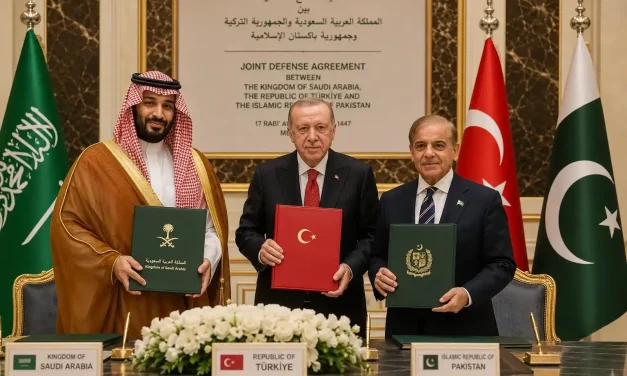
An Analysis of the Makkah Defense Pact

SCFR Online – Opinion: On Friday, August 7, the heads of state of three countries – Saudi Arabia, Turkey, and Pakistan – signed a text under the title “Makkah Joint Defense Agreement.”

Loading

interview

Perspective of New Start Treaty

Perspective of New Start Treaty

Strategic Council Online- Interview
“Had the Start Treaty which was about to expire in 2021, not been extended, could practically entangle the US, Russia and the whole world with a serious crisis in the field of disarmament of nuclear arms”, an expert of Russia said about an agreement of extension of Treaty on the Reduction and Limitation of Strategic Offensive Arms between Russian Federation and the United States of America called as “New Start Treaty”.

Review of the strategy of the United States in Afghanistan and the prospect of the future order

Review of the strategy of the United States in Afghanistan and the prospect of the future order

Strategic Council Online—Interview: Former Iranian ambassador to Afghanistan says the behavior of Americans towards Afghanistan has been irresponsible, adding that the present order in Afghanistan is the outcome of the First Bonne Conference in 2001; however, this order is collapsing and it seems that the future order in Afghanistan will be formed on the basis of the Doha Agreement.

Failure of ethnocentrism in Afghanistan, need for nation-building

Failure of ethnocentrism in Afghanistan, need for nation-building

Strategic Council Online – Interview: An analyst of Afghanistan affairs described “ethnocentrism” as the main axis of socio-political developments and the enjoyment of rights and privileges in Afghanistan, and said: Ethnic management has been implemented many times in Afghanistan and has failed each time. A national government should be formed in that country and this is the best scenario that can be imagined for the future of Afghanistan.

The maneuver of Russia, Tajikistan, Uzbekistan and common concerns about the spread of insecurity to Central Asia

The maneuver of Russia, Tajikistan, Uzbekistan and common concerns about the spread of insecurity to Central Asia

Strategic Council Online—Interview: A university professor said any instability and insecurity in Afghanistan can easily spread to Central Asian states and create numerous security challenges for them, adding that there is the concern that empowerment of a radical force in Afghanistan and or any other foreign instigation or movement can result in recruitment of social dissidents in Tajikistan and move this country towards serious challenges.

Reasons of expediting the exit of America from Afghanistan

Reasons of expediting the exit of America from Afghanistan

Strategic Council Online—Interview: An expert of Afghanistan issues says on the reasons behind the decision by Joe Biden to withdraw military forces from Afghanistan by September that “it seems the main reason behind this decision is the prolongation of the presence of the US in Afghanistan as the US is present there close to two decades and in the meantime, various administrations in America have failed to realize the slogans they cried in these years.

Interview with deputy of Iran Cyber Defense Command (1) Increased Risk of Cyber Threats in Strategic Competition of States

Interview with deputy of Iran Cyber Defense Command (1) Increased Risk of Cyber Threats in Strategic Competition of States

Strategic Council Online – The deputy of Iran Cyber Defense Command, stating that technological progress, in addition to having different advantages, also creates new problems, said: The United States, the Zionist regime, and their regional allies are working to increase their operational access to our infrastructures by taking advantage of the advancement in cyberspace-related technologies.

Behind the Scene of Recent Political Developments in Tunisia; Contrast between Secularism and Islamism

Behind the Scene of Recent Political Developments in Tunisia; Contrast between Secularism and Islamism

Strategic Council Online – An expert of Africa affairs commenting on the recent situation in Tunisia as the origin of countries where the Arab Spring took place and some dissatisfaction emerged from the people said: The recent protests in Tunisia are due to dissatisfaction of people and some political officials with the decisions of the Tunisian president who removed the prime minister and suspended the parliament in an unforeseen move.

Interview with spokesman of Afghanistan people’s Trust Front: Favorable Outlook for Afghanistan from Non-Taliban Perception

Interview with spokesman of Afghanistan people’s Trust Front: Favorable Outlook for Afghanistan from Non-Taliban Perception

Strategic Council Online: A spokesman for the Afghanistan people’s Trust Front, stating that the desire and demand of the Afghan people is to establish a republic in the country, said: Countries with an effective role in Afghanistan should force the Taliban, who know no language other than killing and destruction, to enter into meaningful negotiations with a system that represents the people of Afghanistan, and together establish a coordinated system that is acceptable to the people of that country.

ÚLTIMAS PUBLICACIONES

Implications of the US-Saudi Nuclear Agreement

SCFR Online – Opinion: The new US-Saudi nuclear agreement, despite legal and political ambiguities, could alter previous non-proliferation standards in West Asia and intensify nuclear competition, ushering it into a new phase.
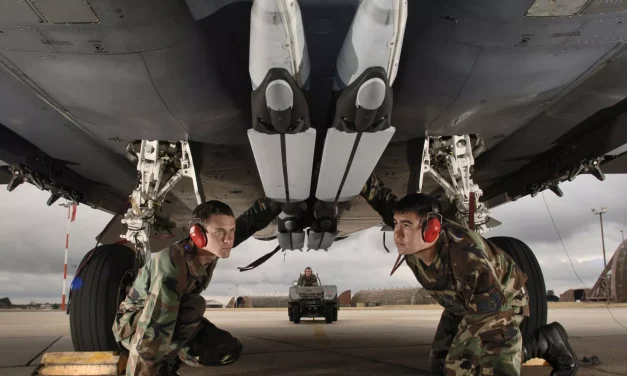
An Analysis of Recent Turkey-Israeli Regime Tensions

SCFR Online – Opinion: Recent developments in Syria indicate an intensification of strategic rivalry between Turkey and the Israeli regime, but mutual considerations and the role of the United States have limited the likelihood of direct war.

Increasing criticism of the extensive Zionist lobby network

SCFR Online – Opinion: An examination of the mechanisms of the Israeli regime’s influence in the United States depicts a complex picture of shared interests, strategic dependencies, and the limitations of this relationship.

Realities of the Tripartite Makkah Pact

SCFR Online – Interview: The signing of the Makkah agreement between Saudi Arabia, Pakistan, and Turkey has raised questions about the future of the region’s security structure and the position of these countries in West Asian equations. Can this agreement become a genuine collective defense mechanism, or does it have more of a political and deterrent function than creating new military capacity?

Strategic Implications of the Reduction of US Weapons Stockpiles

SCFR Online – Opinion: The continuation of the US war against Iran, in addition to increasing operational costs, has called into question the actual capacity of the American arsenal to simultaneously fulfill security commitments on multiple fronts; an issue that affects deterrence, defense production capacity, and Washington’s resource prioritization.

The Formation of a New Order in Relations Between Powers

SCFR Online – Opinion: The Russia-Ukraine war and the war of the United States and the Israeli regime against Iran have been formed with different objectives and actors, but field and political developments indicate that they are not entirely separate from one another.

An Analysis of the Makkah Defense Pact

SCFR Online – Opinion: On Friday, August 7, the heads of state of three countries – Saudi Arabia, Turkey, and Pakistan – signed a text under the title “Makkah Joint Defense Agreement.”

Loading

interview

Perspective of New Start Treaty

Perspective of New Start Treaty

Strategic Council Online- Interview
“Had the Start Treaty which was about to expire in 2021, not been extended, could practically entangle the US, Russia and the whole world with a serious crisis in the field of disarmament of nuclear arms”, an expert of Russia said about an agreement of extension of Treaty on the Reduction and Limitation of Strategic Offensive Arms between Russian Federation and the United States of America called as “New Start Treaty”.

Review of the strategy of the United States in Afghanistan and the prospect of the future order

Review of the strategy of the United States in Afghanistan and the prospect of the future order

Strategic Council Online—Interview: Former Iranian ambassador to Afghanistan says the behavior of Americans towards Afghanistan has been irresponsible, adding that the present order in Afghanistan is the outcome of the First Bonne Conference in 2001; however, this order is collapsing and it seems that the future order in Afghanistan will be formed on the basis of the Doha Agreement.

Failure of ethnocentrism in Afghanistan, need for nation-building

Failure of ethnocentrism in Afghanistan, need for nation-building

Strategic Council Online – Interview: An analyst of Afghanistan affairs described “ethnocentrism” as the main axis of socio-political developments and the enjoyment of rights and privileges in Afghanistan, and said: Ethnic management has been implemented many times in Afghanistan and has failed each time. A national government should be formed in that country and this is the best scenario that can be imagined for the future of Afghanistan.

The maneuver of Russia, Tajikistan, Uzbekistan and common concerns about the spread of insecurity to Central Asia

The maneuver of Russia, Tajikistan, Uzbekistan and common concerns about the spread of insecurity to Central Asia

Strategic Council Online—Interview: A university professor said any instability and insecurity in Afghanistan can easily spread to Central Asian states and create numerous security challenges for them, adding that there is the concern that empowerment of a radical force in Afghanistan and or any other foreign instigation or movement can result in recruitment of social dissidents in Tajikistan and move this country towards serious challenges.

Reasons of expediting the exit of America from Afghanistan

Reasons of expediting the exit of America from Afghanistan

Strategic Council Online—Interview: An expert of Afghanistan issues says on the reasons behind the decision by Joe Biden to withdraw military forces from Afghanistan by September that “it seems the main reason behind this decision is the prolongation of the presence of the US in Afghanistan as the US is present there close to two decades and in the meantime, various administrations in America have failed to realize the slogans they cried in these years.

Interview with deputy of Iran Cyber Defense Command (1) Increased Risk of Cyber Threats in Strategic Competition of States

Interview with deputy of Iran Cyber Defense Command (1) Increased Risk of Cyber Threats in Strategic Competition of States

Strategic Council Online – The deputy of Iran Cyber Defense Command, stating that technological progress, in addition to having different advantages, also creates new problems, said: The United States, the Zionist regime, and their regional allies are working to increase their operational access to our infrastructures by taking advantage of the advancement in cyberspace-related technologies.

Behind the Scene of Recent Political Developments in Tunisia; Contrast between Secularism and Islamism

Behind the Scene of Recent Political Developments in Tunisia; Contrast between Secularism and Islamism

Strategic Council Online – An expert of Africa affairs commenting on the recent situation in Tunisia as the origin of countries where the Arab Spring took place and some dissatisfaction emerged from the people said: The recent protests in Tunisia are due to dissatisfaction of people and some political officials with the decisions of the Tunisian president who removed the prime minister and suspended the parliament in an unforeseen move.

Interview with spokesman of Afghanistan people’s Trust Front: Favorable Outlook for Afghanistan from Non-Taliban Perception

Interview with spokesman of Afghanistan people’s Trust Front: Favorable Outlook for Afghanistan from Non-Taliban Perception

Strategic Council Online: A spokesman for the Afghanistan people’s Trust Front, stating that the desire and demand of the Afghan people is to establish a republic in the country, said: Countries with an effective role in Afghanistan should force the Taliban, who know no language other than killing and destruction, to enter into meaningful negotiations with a system that represents the people of Afghanistan, and together establish a coordinated system that is acceptable to the people of that country.

ÚLTIMAS PUBLICACIONES

Implications of the US-Saudi Nuclear Agreement

SCFR Online – Opinion: The new US-Saudi nuclear agreement, despite legal and political ambiguities, could alter previous non-proliferation standards in West Asia and intensify nuclear competition, ushering it into a new phase.
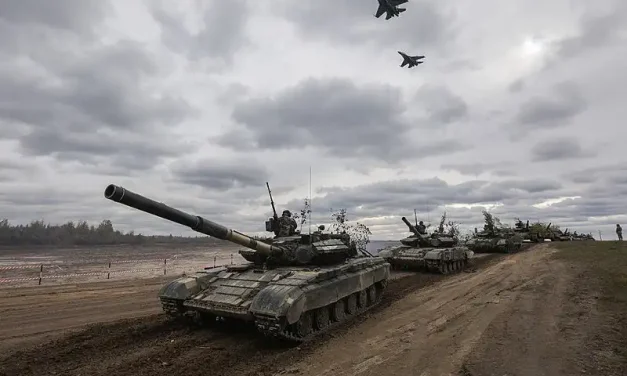
An Analysis of Recent Turkey-Israeli Regime Tensions

SCFR Online – Opinion: Recent developments in Syria indicate an intensification of strategic rivalry between Turkey and the Israeli regime, but mutual considerations and the role of the United States have limited the likelihood of direct war.

Increasing criticism of the extensive Zionist lobby network

SCFR Online – Opinion: An examination of the mechanisms of the Israeli regime’s influence in the United States depicts a complex picture of shared interests, strategic dependencies, and the limitations of this relationship.

Realities of the Tripartite Makkah Pact

SCFR Online – Interview: The signing of the Makkah agreement between Saudi Arabia, Pakistan, and Turkey has raised questions about the future of the region’s security structure and the position of these countries in West Asian equations. Can this agreement become a genuine collective defense mechanism, or does it have more of a political and deterrent function than creating new military capacity?

Strategic Implications of the Reduction of US Weapons Stockpiles

SCFR Online – Opinion: The continuation of the US war against Iran, in addition to increasing operational costs, has called into question the actual capacity of the American arsenal to simultaneously fulfill security commitments on multiple fronts; an issue that affects deterrence, defense production capacity, and Washington’s resource prioritization.

The Formation of a New Order in Relations Between Powers

SCFR Online – Opinion: The Russia-Ukraine war and the war of the United States and the Israeli regime against Iran have been formed with different objectives and actors, but field and political developments indicate that they are not entirely separate from one another.

An Analysis of the Makkah Defense Pact

SCFR Online – Opinion: On Friday, August 7, the heads of state of three countries – Saudi Arabia, Turkey, and Pakistan – signed a text under the title “Makkah Joint Defense Agreement.”

Loading

interview

Perspective of New Start Treaty

Perspective of New Start Treaty

Strategic Council Online- Interview
“Had the Start Treaty which was about to expire in 2021, not been extended, could practically entangle the US, Russia and the whole world with a serious crisis in the field of disarmament of nuclear arms”, an expert of Russia said about an agreement of extension of Treaty on the Reduction and Limitation of Strategic Offensive Arms between Russian Federation and the United States of America called as “New Start Treaty”.

Review of the strategy of the United States in Afghanistan and the prospect of the future order

Review of the strategy of the United States in Afghanistan and the prospect of the future order

Strategic Council Online—Interview: Former Iranian ambassador to Afghanistan says the behavior of Americans towards Afghanistan has been irresponsible, adding that the present order in Afghanistan is the outcome of the First Bonne Conference in 2001; however, this order is collapsing and it seems that the future order in Afghanistan will be formed on the basis of the Doha Agreement.

Failure of ethnocentrism in Afghanistan, need for nation-building

Failure of ethnocentrism in Afghanistan, need for nation-building

Strategic Council Online – Interview: An analyst of Afghanistan affairs described “ethnocentrism” as the main axis of socio-political developments and the enjoyment of rights and privileges in Afghanistan, and said: Ethnic management has been implemented many times in Afghanistan and has failed each time. A national government should be formed in that country and this is the best scenario that can be imagined for the future of Afghanistan.

The maneuver of Russia, Tajikistan, Uzbekistan and common concerns about the spread of insecurity to Central Asia

The maneuver of Russia, Tajikistan, Uzbekistan and common concerns about the spread of insecurity to Central Asia

Strategic Council Online—Interview: A university professor said any instability and insecurity in Afghanistan can easily spread to Central Asian states and create numerous security challenges for them, adding that there is the concern that empowerment of a radical force in Afghanistan and or any other foreign instigation or movement can result in recruitment of social dissidents in Tajikistan and move this country towards serious challenges.

Reasons of expediting the exit of America from Afghanistan

Reasons of expediting the exit of America from Afghanistan

Strategic Council Online—Interview: An expert of Afghanistan issues says on the reasons behind the decision by Joe Biden to withdraw military forces from Afghanistan by September that “it seems the main reason behind this decision is the prolongation of the presence of the US in Afghanistan as the US is present there close to two decades and in the meantime, various administrations in America have failed to realize the slogans they cried in these years.

Interview with deputy of Iran Cyber Defense Command (1) Increased Risk of Cyber Threats in Strategic Competition of States

Interview with deputy of Iran Cyber Defense Command (1) Increased Risk of Cyber Threats in Strategic Competition of States

Strategic Council Online – The deputy of Iran Cyber Defense Command, stating that technological progress, in addition to having different advantages, also creates new problems, said: The United States, the Zionist regime, and their regional allies are working to increase their operational access to our infrastructures by taking advantage of the advancement in cyberspace-related technologies.

Behind the Scene of Recent Political Developments in Tunisia; Contrast between Secularism and Islamism

Behind the Scene of Recent Political Developments in Tunisia; Contrast between Secularism and Islamism

Strategic Council Online – An expert of Africa affairs commenting on the recent situation in Tunisia as the origin of countries where the Arab Spring took place and some dissatisfaction emerged from the people said: The recent protests in Tunisia are due to dissatisfaction of people and some political officials with the decisions of the Tunisian president who removed the prime minister and suspended the parliament in an unforeseen move.

Interview with spokesman of Afghanistan people’s Trust Front: Favorable Outlook for Afghanistan from Non-Taliban Perception

Interview with spokesman of Afghanistan people’s Trust Front: Favorable Outlook for Afghanistan from Non-Taliban Perception

Strategic Council Online: A spokesman for the Afghanistan people’s Trust Front, stating that the desire and demand of the Afghan people is to establish a republic in the country, said: Countries with an effective role in Afghanistan should force the Taliban, who know no language other than killing and destruction, to enter into meaningful negotiations with a system that represents the people of Afghanistan, and together establish a coordinated system that is acceptable to the people of that country.

ÚLTIMAS PUBLICACIONES

Implications of the US-Saudi Nuclear Agreement

SCFR Online – Opinion: The new US-Saudi nuclear agreement, despite legal and political ambiguities, could alter previous non-proliferation standards in West Asia and intensify nuclear competition, ushering it into a new phase.

An Analysis of Recent Turkey-Israeli Regime Tensions

SCFR Online – Opinion: Recent developments in Syria indicate an intensification of strategic rivalry between Turkey and the Israeli regime, but mutual considerations and the role of the United States have limited the likelihood of direct war.

Increasing criticism of the extensive Zionist lobby network

SCFR Online – Opinion: An examination of the mechanisms of the Israeli regime’s influence in the United States depicts a complex picture of shared interests, strategic dependencies, and the limitations of this relationship.

Realities of the Tripartite Makkah Pact

SCFR Online – Interview: The signing of the Makkah agreement between Saudi Arabia, Pakistan, and Turkey has raised questions about the future of the region’s security structure and the position of these countries in West Asian equations. Can this agreement become a genuine collective defense mechanism, or does it have more of a political and deterrent function than creating new military capacity?

Strategic Implications of the Reduction of US Weapons Stockpiles

SCFR Online – Opinion: The continuation of the US war against Iran, in addition to increasing operational costs, has called into question the actual capacity of the American arsenal to simultaneously fulfill security commitments on multiple fronts; an issue that affects deterrence, defense production capacity, and Washington’s resource prioritization.

The Formation of a New Order in Relations Between Powers

SCFR Online – Opinion: The Russia-Ukraine war and the war of the United States and the Israeli regime against Iran have been formed with different objectives and actors, but field and political developments indicate that they are not entirely separate from one another.

An Analysis of the Makkah Defense Pact

SCFR Online – Opinion: On Friday, August 7, the heads of state of three countries – Saudi Arabia, Turkey, and Pakistan – signed a text under the title “Makkah Joint Defense Agreement.”

Loading

interview

Perspective of New Start Treaty

Perspective of New Start Treaty

Strategic Council Online- Interview
“Had the Start Treaty which was about to expire in 2021, not been extended, could practically entangle the US, Russia and the whole world with a serious crisis in the field of disarmament of nuclear arms”, an expert of Russia said about an agreement of extension of Treaty on the Reduction and Limitation of Strategic Offensive Arms between Russian Federation and the United States of America called as “New Start Treaty”.

Review of the strategy of the United States in Afghanistan and the prospect of the future order

Review of the strategy of the United States in Afghanistan and the prospect of the future order

Strategic Council Online—Interview: Former Iranian ambassador to Afghanistan says the behavior of Americans towards Afghanistan has been irresponsible, adding that the present order in Afghanistan is the outcome of the First Bonne Conference in 2001; however, this order is collapsing and it seems that the future order in Afghanistan will be formed on the basis of the Doha Agreement.

Failure of ethnocentrism in Afghanistan, need for nation-building

Failure of ethnocentrism in Afghanistan, need for nation-building

Strategic Council Online – Interview: An analyst of Afghanistan affairs described “ethnocentrism” as the main axis of socio-political developments and the enjoyment of rights and privileges in Afghanistan, and said: Ethnic management has been implemented many times in Afghanistan and has failed each time. A national government should be formed in that country and this is the best scenario that can be imagined for the future of Afghanistan.

The maneuver of Russia, Tajikistan, Uzbekistan and common concerns about the spread of insecurity to Central Asia

The maneuver of Russia, Tajikistan, Uzbekistan and common concerns about the spread of insecurity to Central Asia

Strategic Council Online—Interview: A university professor said any instability and insecurity in Afghanistan can easily spread to Central Asian states and create numerous security challenges for them, adding that there is the concern that empowerment of a radical force in Afghanistan and or any other foreign instigation or movement can result in recruitment of social dissidents in Tajikistan and move this country towards serious challenges.

Reasons of expediting the exit of America from Afghanistan

Reasons of expediting the exit of America from Afghanistan

Strategic Council Online—Interview: An expert of Afghanistan issues says on the reasons behind the decision by Joe Biden to withdraw military forces from Afghanistan by September that “it seems the main reason behind this decision is the prolongation of the presence of the US in Afghanistan as the US is present there close to two decades and in the meantime, various administrations in America have failed to realize the slogans they cried in these years.

Interview with deputy of Iran Cyber Defense Command (1) Increased Risk of Cyber Threats in Strategic Competition of States

Interview with deputy of Iran Cyber Defense Command (1) Increased Risk of Cyber Threats in Strategic Competition of States

Strategic Council Online – The deputy of Iran Cyber Defense Command, stating that technological progress, in addition to having different advantages, also creates new problems, said: The United States, the Zionist regime, and their regional allies are working to increase their operational access to our infrastructures by taking advantage of the advancement in cyberspace-related technologies.

Behind the Scene of Recent Political Developments in Tunisia; Contrast between Secularism and Islamism

Behind the Scene of Recent Political Developments in Tunisia; Contrast between Secularism and Islamism

Strategic Council Online – An expert of Africa affairs commenting on the recent situation in Tunisia as the origin of countries where the Arab Spring took place and some dissatisfaction emerged from the people said: The recent protests in Tunisia are due to dissatisfaction of people and some political officials with the decisions of the Tunisian president who removed the prime minister and suspended the parliament in an unforeseen move.

Interview with spokesman of Afghanistan people’s Trust Front: Favorable Outlook for Afghanistan from Non-Taliban Perception

Interview with spokesman of Afghanistan people’s Trust Front: Favorable Outlook for Afghanistan from Non-Taliban Perception

Strategic Council Online: A spokesman for the Afghanistan people’s Trust Front, stating that the desire and demand of the Afghan people is to establish a republic in the country, said: Countries with an effective role in Afghanistan should force the Taliban, who know no language other than killing and destruction, to enter into meaningful negotiations with a system that represents the people of Afghanistan, and together establish a coordinated system that is acceptable to the people of that country.

ÚLTIMAS PUBLICACIONES

Implications of the US-Saudi Nuclear Agreement

SCFR Online – Opinion: The new US-Saudi nuclear agreement, despite legal and political ambiguities, could alter previous non-proliferation standards in West Asia and intensify nuclear competition, ushering it into a new phase.

An Analysis of Recent Turkey-Israeli Regime Tensions

SCFR Online – Opinion: Recent developments in Syria indicate an intensification of strategic rivalry between Turkey and the Israeli regime, but mutual considerations and the role of the United States have limited the likelihood of direct war.

Increasing criticism of the extensive Zionist lobby network

SCFR Online – Opinion: An examination of the mechanisms of the Israeli regime’s influence in the United States depicts a complex picture of shared interests, strategic dependencies, and the limitations of this relationship.

Realities of the Tripartite Makkah Pact

SCFR Online – Interview: The signing of the Makkah agreement between Saudi Arabia, Pakistan, and Turkey has raised questions about the future of the region’s security structure and the position of these countries in West Asian equations. Can this agreement become a genuine collective defense mechanism, or does it have more of a political and deterrent function than creating new military capacity?

Strategic Implications of the Reduction of US Weapons Stockpiles

SCFR Online – Opinion: The continuation of the US war against Iran, in addition to increasing operational costs, has called into question the actual capacity of the American arsenal to simultaneously fulfill security commitments on multiple fronts; an issue that affects deterrence, defense production capacity, and Washington’s resource prioritization.

The Formation of a New Order in Relations Between Powers

SCFR Online – Opinion: The Russia-Ukraine war and the war of the United States and the Israeli regime against Iran have been formed with different objectives and actors, but field and political developments indicate that they are not entirely separate from one another.

An Analysis of the Makkah Defense Pact

SCFR Online – Opinion: On Friday, August 7, the heads of state of three countries – Saudi Arabia, Turkey, and Pakistan – signed a text under the title “Makkah Joint Defense Agreement.”

Loading