جدیدترین مطالب

The Makkah Pact; Reasons for its Formation and Challenges Ahead

SCFR Online – Opinion: The Makkah Pact, signed between Saudi Arabia, Pakistan, and Turkey under the motto “an attack on one is an attack on all,” is viewed by some analysts less as a full-fledged military coalition and more as an attempt to reduce security dependence on an external power and to establish a regional security mechanism.

Implications of the US-Saudi Nuclear Agreement

SCFR Online – Opinion: The new US-Saudi nuclear agreement, despite legal and political ambiguities, could alter previous non-proliferation standards in West Asia and intensify nuclear competition, ushering it into a new phase.

An Analysis of Recent Turkey-Israeli Regime Tensions

SCFR Online – Opinion: Recent developments in Syria indicate an intensification of strategic rivalry between Turkey and the Israeli regime, but mutual considerations and the role of the United States have limited the likelihood of direct war.

Increasing criticism of the extensive Zionist lobby network

SCFR Online – Opinion: An examination of the mechanisms of the Israeli regime’s influence in the United States depicts a complex picture of shared interests, strategic dependencies, and the limitations of this relationship.

Realities of the Tripartite Makkah Pact

SCFR Online – Interview: The signing of the Makkah agreement between Saudi Arabia, Pakistan, and Turkey has raised questions about the future of the region’s security structure and the position of these countries in West Asian equations. Can this agreement become a genuine collective defense mechanism, or does it have more of a political and deterrent function than creating new military capacity?

Strategic Implications of the Reduction of US Weapons Stockpiles

SCFR Online – Opinion: The continuation of the US war against Iran, in addition to increasing operational costs, has called into question the actual capacity of the American arsenal to simultaneously fulfill security commitments on multiple fronts; an issue that affects deterrence, defense production capacity, and Washington’s resource prioritization.

The Formation of a New Order in Relations Between Powers

SCFR Online – Opinion: The Russia-Ukraine war and the war of the United States and the Israeli regime against Iran have been formed with different objectives and actors, but field and political developments indicate that they are not entirely separate from one another.

Loading

Strategic Perspective

Caspian Sea Water Level Drop; A Geopolitical Harm for Coastal Countries

Caspian Sea Water Level Drop; A Geopolitical Harm for Coastal Countries

Strategic Council Online – Interview: An expert in geopolitics stated, “The unprecedented drop in the Caspian Sea water level is not only an environmental threat but also a geopolitical alarm bell for Iran and the coastal countries, requiring urgent multilateral cooperation.”

China’s Strategy to Counter the U.S. Effort to Escalate the Taiwan Crisis

China’s Strategy to Counter the U.S. Effort to Escalate the Taiwan Crisis

Strategic Council Online – Interview: “Any miscalculated move could lead to escalating tensions and uncontrollable crises, but Beijing’s prudence and precise strategies have so far prevented the Taiwan issue from escalating into a crisis similar to that of Ukraine,” said an East Asia analyst.

Iran in the New Eurasian Order

Iran in the New Eurasian Order

Strategic Council Online – Interview: A geostrategic affairs analyst said: The emerging Eurasian order is not merely an economic plan, but an effort to redefine the global order based on independence, multilateralism, and regional convergence.

The Strategic Consequences of Iraq’s Recent Elections

The Strategic Consequences of Iraq’s Recent Elections

Strategic Council Online – Interview: An Iraqi affairs analyst stated: Selecting Iraq’s future prime minister, determining foreign policy, and managing the new Baghdad government’s relations with regional countries and the world require internal political consensus following the recent parliamentary elections.

Digital Domain Independence: A Crucial Element for National Security

Digital Domain Independence: A Crucial Element for National Security

Strategic Council Online – Interview: A technology sector expert stated: In the era of cyber wars and artificial intelligence, independence in the digital domain has become a critical issue; countries that achieve technological self-sufficiency sooner will shape their future security.

An Analysis of NATO’s Nuclear Exercise

An Analysis of NATO’s Nuclear Exercise

Strategic Council Online – Interview: An international affairs analyst stated that NATO’s recent nuclear deterrence-centered exercise is not a sign of stability, but rather indicates the world’s return to the tense arms race between East and West.

The South Caucasus, A New Front in NATO-Russia Competition

The South Caucasus, A New Front in NATO-Russia Competition

Strategic Council Online – Interview: A Caucasus issues analyst stated that increased cooperation between the Republic of Azerbaijan and NATO, along with Western support for Baku, signifies the formation of a new front of geopolitical competition between NATO and Russia in the South Caucasus.

Full text of Dr. Kharrazi’s speech at the conference “International Law Under Assault: Aggression and Defense” – Center for Political and International Studies, Ministry of Foreign Affairs

Full text of Dr. Kharrazi’s speech at the conference “International Law Under Assault: Aggression and Defense” – Center for Political and International Studies, Ministry of Foreign Affairs

Strategic Council Online: Dr. Kharrazi, President of the Strategic Council on Foreign Relations, delivered a speech at the International Law Under Assault: Aggression and Defense conference held on November 16, 2025 (25 Aban 1404) at the Center for Political and International Studies of the Ministry of Foreign Affairs.

أحدث الوظائف

The Makkah Pact; Reasons for its Formation and Challenges Ahead

SCFR Online – Opinion: The Makkah Pact, signed between Saudi Arabia, Pakistan, and Turkey under the motto “an attack on one is an attack on all,” is viewed by some analysts less as a full-fledged military coalition and more as an attempt to reduce security dependence on an external power and to establish a regional security mechanism.

Implications of the US-Saudi Nuclear Agreement

SCFR Online – Opinion: The new US-Saudi nuclear agreement, despite legal and political ambiguities, could alter previous non-proliferation standards in West Asia and intensify nuclear competition, ushering it into a new phase.

An Analysis of Recent Turkey-Israeli Regime Tensions

SCFR Online – Opinion: Recent developments in Syria indicate an intensification of strategic rivalry between Turkey and the Israeli regime, but mutual considerations and the role of the United States have limited the likelihood of direct war.

Increasing criticism of the extensive Zionist lobby network

SCFR Online – Opinion: An examination of the mechanisms of the Israeli regime’s influence in the United States depicts a complex picture of shared interests, strategic dependencies, and the limitations of this relationship.

Realities of the Tripartite Makkah Pact

SCFR Online – Interview: The signing of the Makkah agreement between Saudi Arabia, Pakistan, and Turkey has raised questions about the future of the region’s security structure and the position of these countries in West Asian equations. Can this agreement become a genuine collective defense mechanism, or does it have more of a political and deterrent function than creating new military capacity?

Strategic Implications of the Reduction of US Weapons Stockpiles

SCFR Online – Opinion: The continuation of the US war against Iran, in addition to increasing operational costs, has called into question the actual capacity of the American arsenal to simultaneously fulfill security commitments on multiple fronts; an issue that affects deterrence, defense production capacity, and Washington’s resource prioritization.

The Formation of a New Order in Relations Between Powers

SCFR Online – Opinion: The Russia-Ukraine war and the war of the United States and the Israeli regime against Iran have been formed with different objectives and actors, but field and political developments indicate that they are not entirely separate from one another.

Loading

Strategic Perspective

Caspian Sea Water Level Drop; A Geopolitical Harm for Coastal Countries

Caspian Sea Water Level Drop; A Geopolitical Harm for Coastal Countries

Strategic Council Online – Interview: An expert in geopolitics stated, “The unprecedented drop in the Caspian Sea water level is not only an environmental threat but also a geopolitical alarm bell for Iran and the coastal countries, requiring urgent multilateral cooperation.”

China’s Strategy to Counter the U.S. Effort to Escalate the Taiwan Crisis

China’s Strategy to Counter the U.S. Effort to Escalate the Taiwan Crisis

Strategic Council Online – Interview: “Any miscalculated move could lead to escalating tensions and uncontrollable crises, but Beijing’s prudence and precise strategies have so far prevented the Taiwan issue from escalating into a crisis similar to that of Ukraine,” said an East Asia analyst.

Iran in the New Eurasian Order

Iran in the New Eurasian Order

Strategic Council Online – Interview: A geostrategic affairs analyst said: The emerging Eurasian order is not merely an economic plan, but an effort to redefine the global order based on independence, multilateralism, and regional convergence.

The Strategic Consequences of Iraq’s Recent Elections

The Strategic Consequences of Iraq’s Recent Elections

Strategic Council Online – Interview: An Iraqi affairs analyst stated: Selecting Iraq’s future prime minister, determining foreign policy, and managing the new Baghdad government’s relations with regional countries and the world require internal political consensus following the recent parliamentary elections.

Digital Domain Independence: A Crucial Element for National Security

Digital Domain Independence: A Crucial Element for National Security

Strategic Council Online – Interview: A technology sector expert stated: In the era of cyber wars and artificial intelligence, independence in the digital domain has become a critical issue; countries that achieve technological self-sufficiency sooner will shape their future security.

An Analysis of NATO’s Nuclear Exercise

An Analysis of NATO’s Nuclear Exercise

Strategic Council Online – Interview: An international affairs analyst stated that NATO’s recent nuclear deterrence-centered exercise is not a sign of stability, but rather indicates the world’s return to the tense arms race between East and West.

The South Caucasus, A New Front in NATO-Russia Competition

The South Caucasus, A New Front in NATO-Russia Competition

Strategic Council Online – Interview: A Caucasus issues analyst stated that increased cooperation between the Republic of Azerbaijan and NATO, along with Western support for Baku, signifies the formation of a new front of geopolitical competition between NATO and Russia in the South Caucasus.

Full text of Dr. Kharrazi’s speech at the conference “International Law Under Assault: Aggression and Defense” – Center for Political and International Studies, Ministry of Foreign Affairs

Full text of Dr. Kharrazi’s speech at the conference “International Law Under Assault: Aggression and Defense” – Center for Political and International Studies, Ministry of Foreign Affairs

Strategic Council Online: Dr. Kharrazi, President of the Strategic Council on Foreign Relations, delivered a speech at the International Law Under Assault: Aggression and Defense conference held on November 16, 2025 (25 Aban 1404) at the Center for Political and International Studies of the Ministry of Foreign Affairs.

Strategic Perspective

Caspian Sea Water Level Drop; A Geopolitical Harm for Coastal Countries

Caspian Sea Water Level Drop; A Geopolitical Harm for Coastal Countries

Strategic Council Online – Interview: An expert in geopolitics stated, “The unprecedented drop in the Caspian Sea water level is not only an environmental threat but also a geopolitical alarm bell for Iran and the coastal countries, requiring urgent multilateral cooperation.”

China’s Strategy to Counter the U.S. Effort to Escalate the Taiwan Crisis

China’s Strategy to Counter the U.S. Effort to Escalate the Taiwan Crisis

Strategic Council Online – Interview: “Any miscalculated move could lead to escalating tensions and uncontrollable crises, but Beijing’s prudence and precise strategies have so far prevented the Taiwan issue from escalating into a crisis similar to that of Ukraine,” said an East Asia analyst.

Iran in the New Eurasian Order

Iran in the New Eurasian Order

Strategic Council Online – Interview: A geostrategic affairs analyst said: The emerging Eurasian order is not merely an economic plan, but an effort to redefine the global order based on independence, multilateralism, and regional convergence.

The Strategic Consequences of Iraq’s Recent Elections

The Strategic Consequences of Iraq’s Recent Elections

Strategic Council Online – Interview: An Iraqi affairs analyst stated: Selecting Iraq’s future prime minister, determining foreign policy, and managing the new Baghdad government’s relations with regional countries and the world require internal political consensus following the recent parliamentary elections.

Digital Domain Independence: A Crucial Element for National Security

Digital Domain Independence: A Crucial Element for National Security

Strategic Council Online – Interview: A technology sector expert stated: In the era of cyber wars and artificial intelligence, independence in the digital domain has become a critical issue; countries that achieve technological self-sufficiency sooner will shape their future security.

An Analysis of NATO’s Nuclear Exercise

An Analysis of NATO’s Nuclear Exercise

Strategic Council Online – Interview: An international affairs analyst stated that NATO’s recent nuclear deterrence-centered exercise is not a sign of stability, but rather indicates the world’s return to the tense arms race between East and West.

The South Caucasus, A New Front in NATO-Russia Competition

The South Caucasus, A New Front in NATO-Russia Competition

Strategic Council Online – Interview: A Caucasus issues analyst stated that increased cooperation between the Republic of Azerbaijan and NATO, along with Western support for Baku, signifies the formation of a new front of geopolitical competition between NATO and Russia in the South Caucasus.

Full text of Dr. Kharrazi’s speech at the conference “International Law Under Assault: Aggression and Defense” – Center for Political and International Studies, Ministry of Foreign Affairs

Full text of Dr. Kharrazi’s speech at the conference “International Law Under Assault: Aggression and Defense” – Center for Political and International Studies, Ministry of Foreign Affairs

Strategic Council Online: Dr. Kharrazi, President of the Strategic Council on Foreign Relations, delivered a speech at the International Law Under Assault: Aggression and Defense conference held on November 16, 2025 (25 Aban 1404) at the Center for Political and International Studies of the Ministry of Foreign Affairs.

LATEST CONTENT

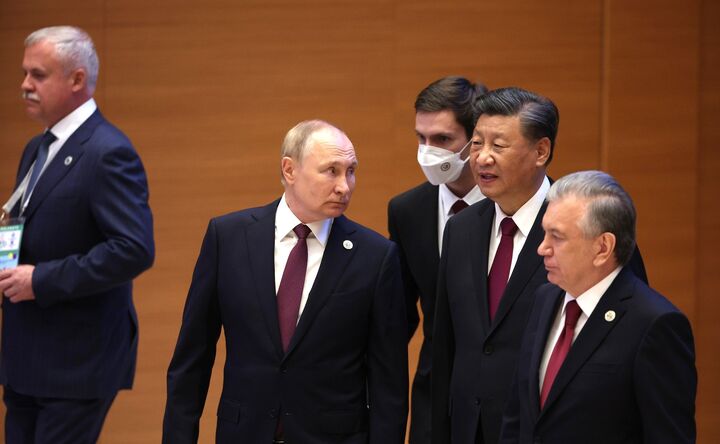
The Makkah Pact; Reasons for its Formation and Challenges Ahead

SCFR Online – Opinion: The Makkah Pact, signed between Saudi Arabia, Pakistan, and Turkey under the motto “an attack on one is an attack on all,” is viewed by some analysts less as a full-fledged military coalition and more as an attempt to reduce security dependence on an external power and to establish a regional security mechanism.

Implications of the US-Saudi Nuclear Agreement

SCFR Online – Opinion: The new US-Saudi nuclear agreement, despite legal and political ambiguities, could alter previous non-proliferation standards in West Asia and intensify nuclear competition, ushering it into a new phase.

An Analysis of Recent Turkey-Israeli Regime Tensions

SCFR Online – Opinion: Recent developments in Syria indicate an intensification of strategic rivalry between Turkey and the Israeli regime, but mutual considerations and the role of the United States have limited the likelihood of direct war.

Increasing criticism of the extensive Zionist lobby network

SCFR Online – Opinion: An examination of the mechanisms of the Israeli regime’s influence in the United States depicts a complex picture of shared interests, strategic dependencies, and the limitations of this relationship.

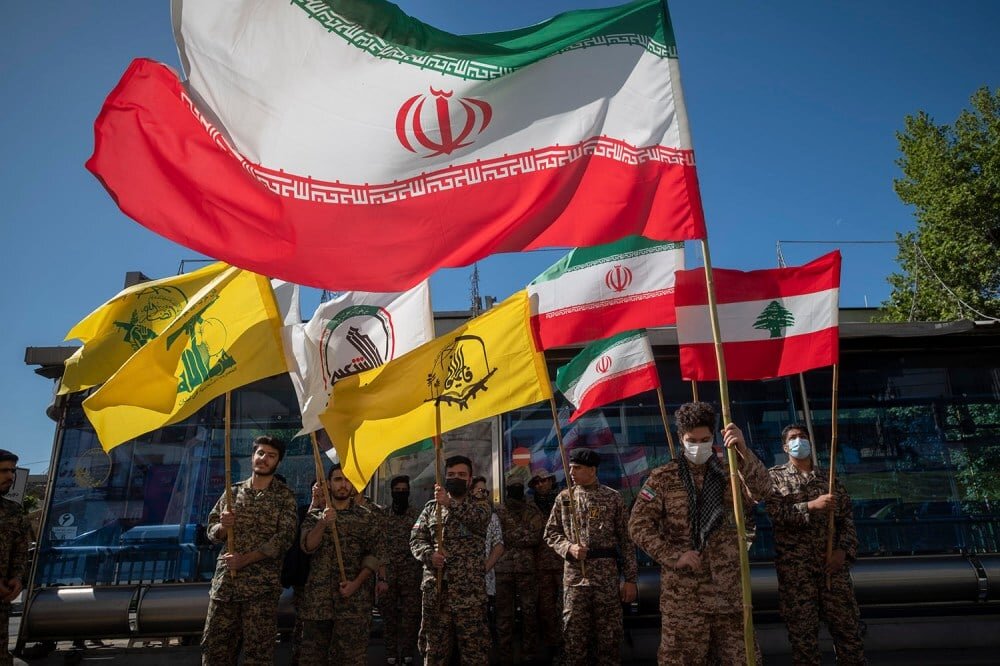
Realities of the Tripartite Makkah Pact

SCFR Online – Interview: The signing of the Makkah agreement between Saudi Arabia, Pakistan, and Turkey has raised questions about the future of the region’s security structure and the position of these countries in West Asian equations. Can this agreement become a genuine collective defense mechanism, or does it have more of a political and deterrent function than creating new military capacity?

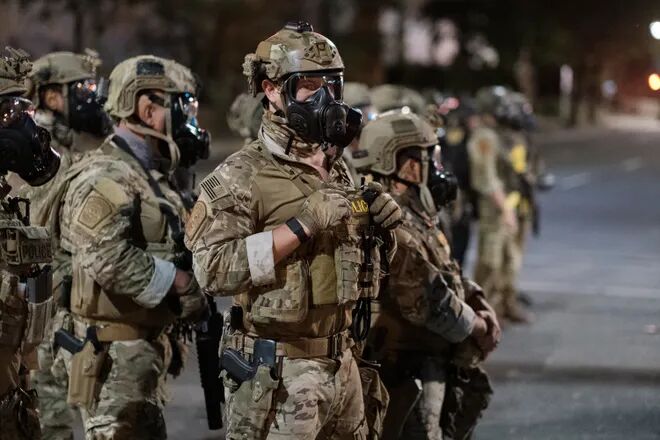
Strategic Implications of the Reduction of US Weapons Stockpiles

SCFR Online – Opinion: The continuation of the US war against Iran, in addition to increasing operational costs, has called into question the actual capacity of the American arsenal to simultaneously fulfill security commitments on multiple fronts; an issue that affects deterrence, defense production capacity, and Washington’s resource prioritization.

The Formation of a New Order in Relations Between Powers

SCFR Online – Opinion: The Russia-Ukraine war and the war of the United States and the Israeli regime against Iran have been formed with different objectives and actors, but field and political developments indicate that they are not entirely separate from one another.

Loading

Strategic Perspective

Caspian Sea Water Level Drop; A Geopolitical Harm for Coastal Countries

Caspian Sea Water Level Drop; A Geopolitical Harm for Coastal Countries

Strategic Council Online – Interview: An expert in geopolitics stated, “The unprecedented drop in the Caspian Sea water level is not only an environmental threat but also a geopolitical alarm bell for Iran and the coastal countries, requiring urgent multilateral cooperation.”

China’s Strategy to Counter the U.S. Effort to Escalate the Taiwan Crisis

China’s Strategy to Counter the U.S. Effort to Escalate the Taiwan Crisis

Strategic Council Online – Interview: “Any miscalculated move could lead to escalating tensions and uncontrollable crises, but Beijing’s prudence and precise strategies have so far prevented the Taiwan issue from escalating into a crisis similar to that of Ukraine,” said an East Asia analyst.

Iran in the New Eurasian Order

Iran in the New Eurasian Order

Strategic Council Online – Interview: A geostrategic affairs analyst said: The emerging Eurasian order is not merely an economic plan, but an effort to redefine the global order based on independence, multilateralism, and regional convergence.

The Strategic Consequences of Iraq’s Recent Elections

The Strategic Consequences of Iraq’s Recent Elections

Strategic Council Online – Interview: An Iraqi affairs analyst stated: Selecting Iraq’s future prime minister, determining foreign policy, and managing the new Baghdad government’s relations with regional countries and the world require internal political consensus following the recent parliamentary elections.

Digital Domain Independence: A Crucial Element for National Security

Digital Domain Independence: A Crucial Element for National Security

Strategic Council Online – Interview: A technology sector expert stated: In the era of cyber wars and artificial intelligence, independence in the digital domain has become a critical issue; countries that achieve technological self-sufficiency sooner will shape their future security.

An Analysis of NATO’s Nuclear Exercise

An Analysis of NATO’s Nuclear Exercise

Strategic Council Online – Interview: An international affairs analyst stated that NATO’s recent nuclear deterrence-centered exercise is not a sign of stability, but rather indicates the world’s return to the tense arms race between East and West.

The South Caucasus, A New Front in NATO-Russia Competition

The South Caucasus, A New Front in NATO-Russia Competition

Strategic Council Online – Interview: A Caucasus issues analyst stated that increased cooperation between the Republic of Azerbaijan and NATO, along with Western support for Baku, signifies the formation of a new front of geopolitical competition between NATO and Russia in the South Caucasus.

Full text of Dr. Kharrazi’s speech at the conference “International Law Under Assault: Aggression and Defense” – Center for Political and International Studies, Ministry of Foreign Affairs

Full text of Dr. Kharrazi’s speech at the conference “International Law Under Assault: Aggression and Defense” – Center for Political and International Studies, Ministry of Foreign Affairs

Strategic Council Online: Dr. Kharrazi, President of the Strategic Council on Foreign Relations, delivered a speech at the International Law Under Assault: Aggression and Defense conference held on November 16, 2025 (25 Aban 1404) at the Center for Political and International Studies of the Ministry of Foreign Affairs.

ÚLTIMAS PUBLICACIONES

The Makkah Pact; Reasons for its Formation and Challenges Ahead

SCFR Online – Opinion: The Makkah Pact, signed between Saudi Arabia, Pakistan, and Turkey under the motto “an attack on one is an attack on all,” is viewed by some analysts less as a full-fledged military coalition and more as an attempt to reduce security dependence on an external power and to establish a regional security mechanism.

Implications of the US-Saudi Nuclear Agreement

SCFR Online – Opinion: The new US-Saudi nuclear agreement, despite legal and political ambiguities, could alter previous non-proliferation standards in West Asia and intensify nuclear competition, ushering it into a new phase.

An Analysis of Recent Turkey-Israeli Regime Tensions

SCFR Online – Opinion: Recent developments in Syria indicate an intensification of strategic rivalry between Turkey and the Israeli regime, but mutual considerations and the role of the United States have limited the likelihood of direct war.

Increasing criticism of the extensive Zionist lobby network

SCFR Online – Opinion: An examination of the mechanisms of the Israeli regime’s influence in the United States depicts a complex picture of shared interests, strategic dependencies, and the limitations of this relationship.

Realities of the Tripartite Makkah Pact

SCFR Online – Interview: The signing of the Makkah agreement between Saudi Arabia, Pakistan, and Turkey has raised questions about the future of the region’s security structure and the position of these countries in West Asian equations. Can this agreement become a genuine collective defense mechanism, or does it have more of a political and deterrent function than creating new military capacity?

Strategic Implications of the Reduction of US Weapons Stockpiles

SCFR Online – Opinion: The continuation of the US war against Iran, in addition to increasing operational costs, has called into question the actual capacity of the American arsenal to simultaneously fulfill security commitments on multiple fronts; an issue that affects deterrence, defense production capacity, and Washington’s resource prioritization.

The Formation of a New Order in Relations Between Powers

SCFR Online – Opinion: The Russia-Ukraine war and the war of the United States and the Israeli regime against Iran have been formed with different objectives and actors, but field and political developments indicate that they are not entirely separate from one another.

Loading

Strategic Perspective

Caspian Sea Water Level Drop; A Geopolitical Harm for Coastal Countries

Caspian Sea Water Level Drop; A Geopolitical Harm for Coastal Countries

Strategic Council Online – Interview: An expert in geopolitics stated, “The unprecedented drop in the Caspian Sea water level is not only an environmental threat but also a geopolitical alarm bell for Iran and the coastal countries, requiring urgent multilateral cooperation.”

China’s Strategy to Counter the U.S. Effort to Escalate the Taiwan Crisis

China’s Strategy to Counter the U.S. Effort to Escalate the Taiwan Crisis

Strategic Council Online – Interview: “Any miscalculated move could lead to escalating tensions and uncontrollable crises, but Beijing’s prudence and precise strategies have so far prevented the Taiwan issue from escalating into a crisis similar to that of Ukraine,” said an East Asia analyst.

Iran in the New Eurasian Order

Iran in the New Eurasian Order

Strategic Council Online – Interview: A geostrategic affairs analyst said: The emerging Eurasian order is not merely an economic plan, but an effort to redefine the global order based on independence, multilateralism, and regional convergence.

The Strategic Consequences of Iraq’s Recent Elections

The Strategic Consequences of Iraq’s Recent Elections

Strategic Council Online – Interview: An Iraqi affairs analyst stated: Selecting Iraq’s future prime minister, determining foreign policy, and managing the new Baghdad government’s relations with regional countries and the world require internal political consensus following the recent parliamentary elections.

Digital Domain Independence: A Crucial Element for National Security

Digital Domain Independence: A Crucial Element for National Security

Strategic Council Online – Interview: A technology sector expert stated: In the era of cyber wars and artificial intelligence, independence in the digital domain has become a critical issue; countries that achieve technological self-sufficiency sooner will shape their future security.

An Analysis of NATO’s Nuclear Exercise

An Analysis of NATO’s Nuclear Exercise

Strategic Council Online – Interview: An international affairs analyst stated that NATO’s recent nuclear deterrence-centered exercise is not a sign of stability, but rather indicates the world’s return to the tense arms race between East and West.

The South Caucasus, A New Front in NATO-Russia Competition

The South Caucasus, A New Front in NATO-Russia Competition

Strategic Council Online – Interview: A Caucasus issues analyst stated that increased cooperation between the Republic of Azerbaijan and NATO, along with Western support for Baku, signifies the formation of a new front of geopolitical competition between NATO and Russia in the South Caucasus.

Full text of Dr. Kharrazi’s speech at the conference “International Law Under Assault: Aggression and Defense” – Center for Political and International Studies, Ministry of Foreign Affairs

Full text of Dr. Kharrazi’s speech at the conference “International Law Under Assault: Aggression and Defense” – Center for Political and International Studies, Ministry of Foreign Affairs

Strategic Council Online: Dr. Kharrazi, President of the Strategic Council on Foreign Relations, delivered a speech at the International Law Under Assault: Aggression and Defense conference held on November 16, 2025 (25 Aban 1404) at the Center for Political and International Studies of the Ministry of Foreign Affairs.

ÚLTIMAS PUBLICACIONES

The Makkah Pact; Reasons for its Formation and Challenges Ahead

SCFR Online – Opinion: The Makkah Pact, signed between Saudi Arabia, Pakistan, and Turkey under the motto “an attack on one is an attack on all,” is viewed by some analysts less as a full-fledged military coalition and more as an attempt to reduce security dependence on an external power and to establish a regional security mechanism.

Implications of the US-Saudi Nuclear Agreement

SCFR Online – Opinion: The new US-Saudi nuclear agreement, despite legal and political ambiguities, could alter previous non-proliferation standards in West Asia and intensify nuclear competition, ushering it into a new phase.

An Analysis of Recent Turkey-Israeli Regime Tensions

SCFR Online – Opinion: Recent developments in Syria indicate an intensification of strategic rivalry between Turkey and the Israeli regime, but mutual considerations and the role of the United States have limited the likelihood of direct war.

Increasing criticism of the extensive Zionist lobby network

SCFR Online – Opinion: An examination of the mechanisms of the Israeli regime’s influence in the United States depicts a complex picture of shared interests, strategic dependencies, and the limitations of this relationship.

Realities of the Tripartite Makkah Pact

SCFR Online – Interview: The signing of the Makkah agreement between Saudi Arabia, Pakistan, and Turkey has raised questions about the future of the region’s security structure and the position of these countries in West Asian equations. Can this agreement become a genuine collective defense mechanism, or does it have more of a political and deterrent function than creating new military capacity?

Strategic Implications of the Reduction of US Weapons Stockpiles

SCFR Online – Opinion: The continuation of the US war against Iran, in addition to increasing operational costs, has called into question the actual capacity of the American arsenal to simultaneously fulfill security commitments on multiple fronts; an issue that affects deterrence, defense production capacity, and Washington’s resource prioritization.

The Formation of a New Order in Relations Between Powers

SCFR Online – Opinion: The Russia-Ukraine war and the war of the United States and the Israeli regime against Iran have been formed with different objectives and actors, but field and political developments indicate that they are not entirely separate from one another.

Loading

Strategic Perspective

Caspian Sea Water Level Drop; A Geopolitical Harm for Coastal Countries

Caspian Sea Water Level Drop; A Geopolitical Harm for Coastal Countries

Strategic Council Online – Interview: An expert in geopolitics stated, “The unprecedented drop in the Caspian Sea water level is not only an environmental threat but also a geopolitical alarm bell for Iran and the coastal countries, requiring urgent multilateral cooperation.”

China’s Strategy to Counter the U.S. Effort to Escalate the Taiwan Crisis

China’s Strategy to Counter the U.S. Effort to Escalate the Taiwan Crisis

Strategic Council Online – Interview: “Any miscalculated move could lead to escalating tensions and uncontrollable crises, but Beijing’s prudence and precise strategies have so far prevented the Taiwan issue from escalating into a crisis similar to that of Ukraine,” said an East Asia analyst.

Iran in the New Eurasian Order

Iran in the New Eurasian Order

Strategic Council Online – Interview: A geostrategic affairs analyst said: The emerging Eurasian order is not merely an economic plan, but an effort to redefine the global order based on independence, multilateralism, and regional convergence.

The Strategic Consequences of Iraq’s Recent Elections

The Strategic Consequences of Iraq’s Recent Elections

Strategic Council Online – Interview: An Iraqi affairs analyst stated: Selecting Iraq’s future prime minister, determining foreign policy, and managing the new Baghdad government’s relations with regional countries and the world require internal political consensus following the recent parliamentary elections.

Digital Domain Independence: A Crucial Element for National Security

Digital Domain Independence: A Crucial Element for National Security

Strategic Council Online – Interview: A technology sector expert stated: In the era of cyber wars and artificial intelligence, independence in the digital domain has become a critical issue; countries that achieve technological self-sufficiency sooner will shape their future security.

An Analysis of NATO’s Nuclear Exercise

An Analysis of NATO’s Nuclear Exercise

Strategic Council Online – Interview: An international affairs analyst stated that NATO’s recent nuclear deterrence-centered exercise is not a sign of stability, but rather indicates the world’s return to the tense arms race between East and West.

The South Caucasus, A New Front in NATO-Russia Competition

The South Caucasus, A New Front in NATO-Russia Competition

Strategic Council Online – Interview: A Caucasus issues analyst stated that increased cooperation between the Republic of Azerbaijan and NATO, along with Western support for Baku, signifies the formation of a new front of geopolitical competition between NATO and Russia in the South Caucasus.

Full text of Dr. Kharrazi’s speech at the conference “International Law Under Assault: Aggression and Defense” – Center for Political and International Studies, Ministry of Foreign Affairs

Full text of Dr. Kharrazi’s speech at the conference “International Law Under Assault: Aggression and Defense” – Center for Political and International Studies, Ministry of Foreign Affairs

Strategic Council Online: Dr. Kharrazi, President of the Strategic Council on Foreign Relations, delivered a speech at the International Law Under Assault: Aggression and Defense conference held on November 16, 2025 (25 Aban 1404) at the Center for Political and International Studies of the Ministry of Foreign Affairs.

ÚLTIMAS PUBLICACIONES

The Makkah Pact; Reasons for its Formation and Challenges Ahead

SCFR Online – Opinion: The Makkah Pact, signed between Saudi Arabia, Pakistan, and Turkey under the motto “an attack on one is an attack on all,” is viewed by some analysts less as a full-fledged military coalition and more as an attempt to reduce security dependence on an external power and to establish a regional security mechanism.

Implications of the US-Saudi Nuclear Agreement

SCFR Online – Opinion: The new US-Saudi nuclear agreement, despite legal and political ambiguities, could alter previous non-proliferation standards in West Asia and intensify nuclear competition, ushering it into a new phase.

An Analysis of Recent Turkey-Israeli Regime Tensions

SCFR Online – Opinion: Recent developments in Syria indicate an intensification of strategic rivalry between Turkey and the Israeli regime, but mutual considerations and the role of the United States have limited the likelihood of direct war.

Increasing criticism of the extensive Zionist lobby network

SCFR Online – Opinion: An examination of the mechanisms of the Israeli regime’s influence in the United States depicts a complex picture of shared interests, strategic dependencies, and the limitations of this relationship.

Realities of the Tripartite Makkah Pact

SCFR Online – Interview: The signing of the Makkah agreement between Saudi Arabia, Pakistan, and Turkey has raised questions about the future of the region’s security structure and the position of these countries in West Asian equations. Can this agreement become a genuine collective defense mechanism, or does it have more of a political and deterrent function than creating new military capacity?

Strategic Implications of the Reduction of US Weapons Stockpiles

SCFR Online – Opinion: The continuation of the US war against Iran, in addition to increasing operational costs, has called into question the actual capacity of the American arsenal to simultaneously fulfill security commitments on multiple fronts; an issue that affects deterrence, defense production capacity, and Washington’s resource prioritization.

The Formation of a New Order in Relations Between Powers

SCFR Online – Opinion: The Russia-Ukraine war and the war of the United States and the Israeli regime against Iran have been formed with different objectives and actors, but field and political developments indicate that they are not entirely separate from one another.

Loading

Strategic Perspective

Caspian Sea Water Level Drop; A Geopolitical Harm for Coastal Countries

Caspian Sea Water Level Drop; A Geopolitical Harm for Coastal Countries

Strategic Council Online – Interview: An expert in geopolitics stated, “The unprecedented drop in the Caspian Sea water level is not only an environmental threat but also a geopolitical alarm bell for Iran and the coastal countries, requiring urgent multilateral cooperation.”

China’s Strategy to Counter the U.S. Effort to Escalate the Taiwan Crisis

China’s Strategy to Counter the U.S. Effort to Escalate the Taiwan Crisis

Strategic Council Online – Interview: “Any miscalculated move could lead to escalating tensions and uncontrollable crises, but Beijing’s prudence and precise strategies have so far prevented the Taiwan issue from escalating into a crisis similar to that of Ukraine,” said an East Asia analyst.

Iran in the New Eurasian Order

Iran in the New Eurasian Order

Strategic Council Online – Interview: A geostrategic affairs analyst said: The emerging Eurasian order is not merely an economic plan, but an effort to redefine the global order based on independence, multilateralism, and regional convergence.

The Strategic Consequences of Iraq’s Recent Elections

The Strategic Consequences of Iraq’s Recent Elections

Strategic Council Online – Interview: An Iraqi affairs analyst stated: Selecting Iraq’s future prime minister, determining foreign policy, and managing the new Baghdad government’s relations with regional countries and the world require internal political consensus following the recent parliamentary elections.

Digital Domain Independence: A Crucial Element for National Security

Digital Domain Independence: A Crucial Element for National Security

Strategic Council Online – Interview: A technology sector expert stated: In the era of cyber wars and artificial intelligence, independence in the digital domain has become a critical issue; countries that achieve technological self-sufficiency sooner will shape their future security.

An Analysis of NATO’s Nuclear Exercise

An Analysis of NATO’s Nuclear Exercise

Strategic Council Online – Interview: An international affairs analyst stated that NATO’s recent nuclear deterrence-centered exercise is not a sign of stability, but rather indicates the world’s return to the tense arms race between East and West.

The South Caucasus, A New Front in NATO-Russia Competition

The South Caucasus, A New Front in NATO-Russia Competition

Strategic Council Online – Interview: A Caucasus issues analyst stated that increased cooperation between the Republic of Azerbaijan and NATO, along with Western support for Baku, signifies the formation of a new front of geopolitical competition between NATO and Russia in the South Caucasus.

Full text of Dr. Kharrazi’s speech at the conference “International Law Under Assault: Aggression and Defense” – Center for Political and International Studies, Ministry of Foreign Affairs

Full text of Dr. Kharrazi’s speech at the conference “International Law Under Assault: Aggression and Defense” – Center for Political and International Studies, Ministry of Foreign Affairs

Strategic Council Online: Dr. Kharrazi, President of the Strategic Council on Foreign Relations, delivered a speech at the International Law Under Assault: Aggression and Defense conference held on November 16, 2025 (25 Aban 1404) at the Center for Political and International Studies of the Ministry of Foreign Affairs.

ÚLTIMAS PUBLICACIONES

The Makkah Pact; Reasons for its Formation and Challenges Ahead

SCFR Online – Opinion: The Makkah Pact, signed between Saudi Arabia, Pakistan, and Turkey under the motto “an attack on one is an attack on all,” is viewed by some analysts less as a full-fledged military coalition and more as an attempt to reduce security dependence on an external power and to establish a regional security mechanism.

Implications of the US-Saudi Nuclear Agreement

SCFR Online – Opinion: The new US-Saudi nuclear agreement, despite legal and political ambiguities, could alter previous non-proliferation standards in West Asia and intensify nuclear competition, ushering it into a new phase.

An Analysis of Recent Turkey-Israeli Regime Tensions

SCFR Online – Opinion: Recent developments in Syria indicate an intensification of strategic rivalry between Turkey and the Israeli regime, but mutual considerations and the role of the United States have limited the likelihood of direct war.

Increasing criticism of the extensive Zionist lobby network

SCFR Online – Opinion: An examination of the mechanisms of the Israeli regime’s influence in the United States depicts a complex picture of shared interests, strategic dependencies, and the limitations of this relationship.

Realities of the Tripartite Makkah Pact

SCFR Online – Interview: The signing of the Makkah agreement between Saudi Arabia, Pakistan, and Turkey has raised questions about the future of the region’s security structure and the position of these countries in West Asian equations. Can this agreement become a genuine collective defense mechanism, or does it have more of a political and deterrent function than creating new military capacity?

Strategic Implications of the Reduction of US Weapons Stockpiles

SCFR Online – Opinion: The continuation of the US war against Iran, in addition to increasing operational costs, has called into question the actual capacity of the American arsenal to simultaneously fulfill security commitments on multiple fronts; an issue that affects deterrence, defense production capacity, and Washington’s resource prioritization.

The Formation of a New Order in Relations Between Powers

SCFR Online – Opinion: The Russia-Ukraine war and the war of the United States and the Israeli regime against Iran have been formed with different objectives and actors, but field and political developments indicate that they are not entirely separate from one another.

Loading