Reasons for the Ineffectiveness of Trump’s “Economic War” against Iran
SCFR Online – Opinion: The intensification of U.S. sanctions against Iran on the eve of the U.S. midterm elections indicates Washington’s inability to achieve its war objectives.


SCFR Online – Opinion: The intensification of U.S. sanctions against Iran on the eve of the U.S. midterm elections indicates Washington’s inability to achieve its war objectives.

SCFR Online – Opinion: The competition between Washington and Beijing over chips and artificial intelligence, simultaneously with the shifting of technological balances, has taken on new economic and security dimensions.
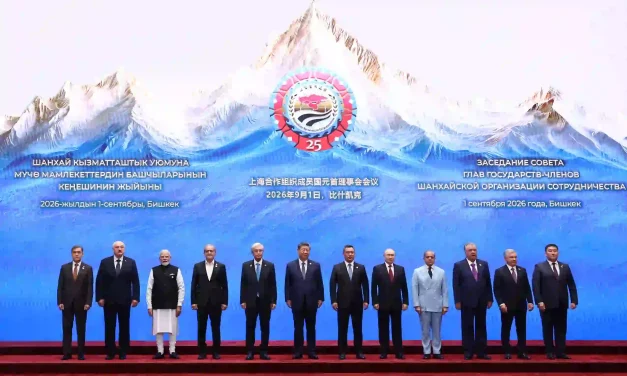
SCFR Online – Opinion: The Shanghai Cooperation Organization summit has created a new opportunity for Iran to transform its membership from a political achievement into economic and transit cooperation.
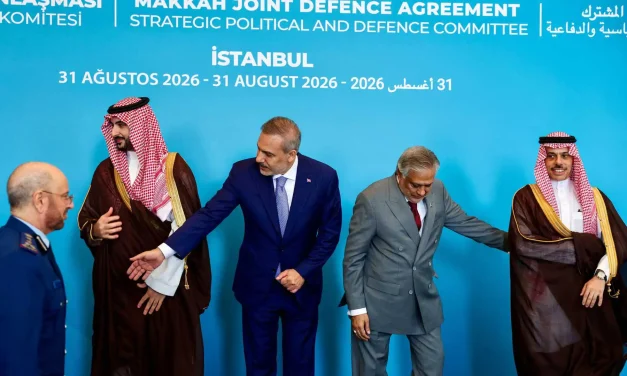
Strategic Council Online – Note: The Makkah Defense Pact can be seen as a sign of regional countries’ efforts to reduce security dependence on extra-regional powers and redefine the balance in West Asia.

SCFR Online – Opinion: The Ukraine war, by exhausting US military capability on one hand and strengthening European defense capacity on the other, has altered the balance of power in the European continent, cast uncertainty over NATO’s future, and is driving it toward a European NATO.
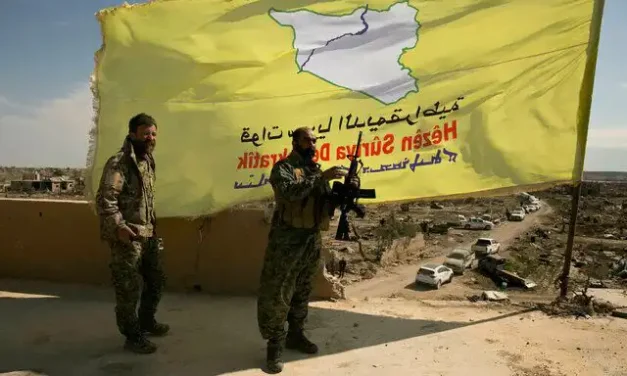
SCFR Online – Opinion: The dissolution of the SDF, although considered an achievement for Turkey’s security, does not put an end to the challenges arising from the Israeli regime’s aggression and expansionism, refugees, and Syria’s fragility.
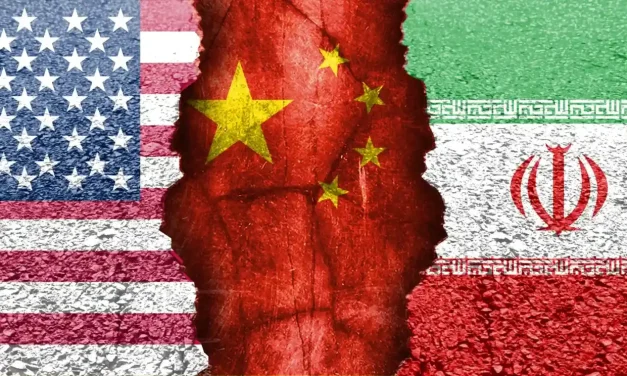
SCFR Online – Opinion: Concurrent with the official commencement of the United States’ economic war against our country, focusing on sanctions instruments, isolation, and economic pressure, what has now become increasingly important is the lack of alignment of other major global powers, especially China, with this policy.
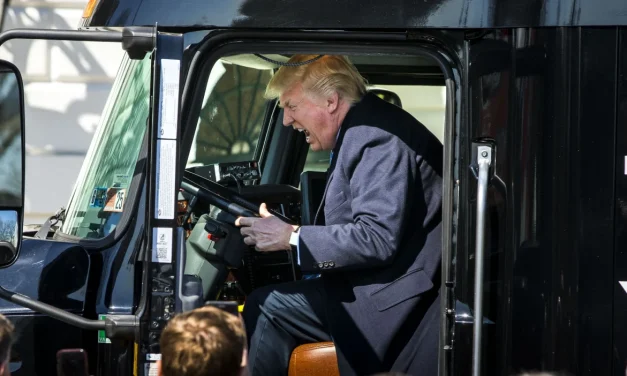
SCFR Online – Opinion: The new US sanctions against Iran, despite extensive propaganda, face serious obstacles to success due to the ineffectiveness of sanctions tools and opposition from some of Tehran’s trading partners.


Strategic Council Online – An expert on Africa affairs, explaining the causes and grounds for the recent public protests and political developments in Tunisia, said: On the one hand, the people of that country are disappointed with the management and efficiency of the parties, and on the other hand, there are concerns about the return of the dictatorship.

Strategic Council Online: China has recently boycotted as many as 70 organs and citizens of the United States, among them Wilbur Ross, Secretary of Commerce of Donald Trump administration is seen. This is a reaction to the similar measure taken by the US to boycott seven Chinese authorities. The action-reaction measure is considered as the continuation of the trade war launched during the Trump administration. Now, the question is: What are the leverages and capabilities of the two countries? How this confrontation will proceed?
Reza Majidzade, Researcher, development political economics

Strategic Council Online – An expert on West Asia affairs said that the presence of the Chinese Foreign Minister in Damascus after 10 years could be a prelude to Beijing’s desire for a broad economic presence in Syria, adding: China sees Syria and especially reconstruction of that country as an opportunity to enhance its presence and influence in the Middle East.

Strategic Council Online – Although China has the shortest border length (76 km) with Afghanistan due to the “Wakhan Corridor”, it is one of its most important neighbors. Throughout history, Kabul has been one of the most prominent axes on the China Silk Road; even today, when Afghanistan is in a state of turmoil and the Taliban control much of the territory, it is doubly important to China, especially economically and in security dimension.
Hamid Khoshayand – International Affairs Analyst

Strategic Council Online—Opinion: Recognizing Ansarollah by the US government is one of the main developments of the Yemen case. Recently, U.S. Special Envoy for Yemen Tim Lenderking during a speech in the meeting of the NCUSAR (National Council on U.S.-Arab Relations), announced that the US recognizes the Houthis as a legal party and a group with many achievements in Yemen and this group alone is not responsible for violence and is part of an Arab coalition. Alongside the US, the British government has also recognized Ansarollah.
Barsam Mohammadi—Analyst of international issues

Strategic Council Online- Interview
An expert on International Law affiliated to the Human Rights Headquarters of the Judicial Power while stating that gross violation of human rights in Canada is evident, he also pointed out the similar measures taken against the indigenous people of the United States and said:” For sure, these files are pursuable for international accountability of the governments of the US and Canada.

Strategic Council Online – An international expert of Human Rights Headquarters of the Judiciary has stated that Canada is committing gross and systematic human rights violations against indigenous groups, adding: Canada very artistically and abusively uses “human rights” as a tool and considers it only as a commodity of prestige.

Strategic Council Online – Director of the Institute of International Relations, referring to the published news about the US effort to continue its presence in Iraq’s apparently, and based on its allegations, as an advisor, said: Given that such presence is at the request of the Iraqi government, the US forces will consider greater legitimacy for themselves and will be more open to gaining more concessions and imposing their favorable conditions.

Strategic Council Online- Interview: A university professor said the US defeated in the materialization of her goals in Afghanistan and failed to create the order and pattern they claimed to establish there. He said the modality of the US exit from Afghanistan was quite wrong. Her performance has suddenly placed the Afghan government in a major crisis which can even proceed to collapse level.

Strategic Council Online: Hassan Hanizadeh, an expert on the Middle East affairs, speaking in an interview with the website of the Strategic Council on Foreign Relations, examined prospects for the formation of an independent Palestinian state and the obstacles on the way.
SCFR Online – Opinion: The intensification of U.S. sanctions against Iran on the eve of the U.S. midterm elections indicates Washington’s inability to achieve its war objectives.
SCFR Online – Opinion: The competition between Washington and Beijing over chips and artificial intelligence, simultaneously with the shifting of technological balances, has taken on new economic and security dimensions.
SCFR Online – Opinion: The Shanghai Cooperation Organization summit has created a new opportunity for Iran to transform its membership from a political achievement into economic and transit cooperation.
Strategic Council Online – Note: The Makkah Defense Pact can be seen as a sign of regional countries’ efforts to reduce security dependence on extra-regional powers and redefine the balance in West Asia.
SCFR Online – Opinion: The Ukraine war, by exhausting US military capability on one hand and strengthening European defense capacity on the other, has altered the balance of power in the European continent, cast uncertainty over NATO’s future, and is driving it toward a European NATO.
SCFR Online – Opinion: The dissolution of the SDF, although considered an achievement for Turkey’s security, does not put an end to the challenges arising from the Israeli regime’s aggression and expansionism, refugees, and Syria’s fragility.
SCFR Online – Opinion: Concurrent with the official commencement of the United States’ economic war against our country, focusing on sanctions instruments, isolation, and economic pressure, what has now become increasingly important is the lack of alignment of other major global powers, especially China, with this policy.
SCFR Online – Opinion: The new US sanctions against Iran, despite extensive propaganda, face serious obstacles to success due to the ineffectiveness of sanctions tools and opposition from some of Tehran’s trading partners.
Strategic Council Online – An expert on Africa affairs, explaining the causes and grounds for the recent public protests and political developments in Tunisia, said: On the one hand, the people of that country are disappointed with the management and efficiency of the parties, and on the other hand, there are concerns about the return of the dictatorship.
Strategic Council Online: China has recently boycotted as many as 70 organs and citizens of the United States, among them Wilbur Ross, Secretary of Commerce of Donald Trump administration is seen. This is a reaction to the similar measure taken by the US to boycott seven Chinese authorities. The action-reaction measure is considered as the continuation of the trade war launched during the Trump administration. Now, the question is: What are the leverages and capabilities of the two countries? How this confrontation will proceed?
Reza Majidzade, Researcher, development political economics
Strategic Council Online – An expert on West Asia affairs said that the presence of the Chinese Foreign Minister in Damascus after 10 years could be a prelude to Beijing’s desire for a broad economic presence in Syria, adding: China sees Syria and especially reconstruction of that country as an opportunity to enhance its presence and influence in the Middle East.
Strategic Council Online – Although China has the shortest border length (76 km) with Afghanistan due to the “Wakhan Corridor”, it is one of its most important neighbors. Throughout history, Kabul has been one of the most prominent axes on the China Silk Road; even today, when Afghanistan is in a state of turmoil and the Taliban control much of the territory, it is doubly important to China, especially economically and in security dimension.
Hamid Khoshayand – International Affairs Analyst
Strategic Council Online—Opinion: Recognizing Ansarollah by the US government is one of the main developments of the Yemen case. Recently, U.S. Special Envoy for Yemen Tim Lenderking during a speech in the meeting of the NCUSAR (National Council on U.S.-Arab Relations), announced that the US recognizes the Houthis as a legal party and a group with many achievements in Yemen and this group alone is not responsible for violence and is part of an Arab coalition. Alongside the US, the British government has also recognized Ansarollah.
Barsam Mohammadi—Analyst of international issues
Strategic Council Online- Interview
An expert on International Law affiliated to the Human Rights Headquarters of the Judicial Power while stating that gross violation of human rights in Canada is evident, he also pointed out the similar measures taken against the indigenous people of the United States and said:” For sure, these files are pursuable for international accountability of the governments of the US and Canada.
Strategic Council Online – An international expert of Human Rights Headquarters of the Judiciary has stated that Canada is committing gross and systematic human rights violations against indigenous groups, adding: Canada very artistically and abusively uses “human rights” as a tool and considers it only as a commodity of prestige.
Strategic Council Online – Director of the Institute of International Relations, referring to the published news about the US effort to continue its presence in Iraq’s apparently, and based on its allegations, as an advisor, said: Given that such presence is at the request of the Iraqi government, the US forces will consider greater legitimacy for themselves and will be more open to gaining more concessions and imposing their favorable conditions.
Strategic Council Online- Interview: A university professor said the US defeated in the materialization of her goals in Afghanistan and failed to create the order and pattern they claimed to establish there. He said the modality of the US exit from Afghanistan was quite wrong. Her performance has suddenly placed the Afghan government in a major crisis which can even proceed to collapse level.
Strategic Council Online: Hassan Hanizadeh, an expert on the Middle East affairs, speaking in an interview with the website of the Strategic Council on Foreign Relations, examined prospects for the formation of an independent Palestinian state and the obstacles on the way.
Strategic Council Online – An expert on Africa affairs, explaining the causes and grounds for the recent public protests and political developments in Tunisia, said: On the one hand, the people of that country are disappointed with the management and efficiency of the parties, and on the other hand, there are concerns about the return of the dictatorship.
Strategic Council Online: China has recently boycotted as many as 70 organs and citizens of the United States, among them Wilbur Ross, Secretary of Commerce of Donald Trump administration is seen. This is a reaction to the similar measure taken by the US to boycott seven Chinese authorities. The action-reaction measure is considered as the continuation of the trade war launched during the Trump administration. Now, the question is: What are the leverages and capabilities of the two countries? How this confrontation will proceed?
Reza Majidzade, Researcher, development political economics
Strategic Council Online – An expert on West Asia affairs said that the presence of the Chinese Foreign Minister in Damascus after 10 years could be a prelude to Beijing’s desire for a broad economic presence in Syria, adding: China sees Syria and especially reconstruction of that country as an opportunity to enhance its presence and influence in the Middle East.
Strategic Council Online – Although China has the shortest border length (76 km) with Afghanistan due to the “Wakhan Corridor”, it is one of its most important neighbors. Throughout history, Kabul has been one of the most prominent axes on the China Silk Road; even today, when Afghanistan is in a state of turmoil and the Taliban control much of the territory, it is doubly important to China, especially economically and in security dimension.
Hamid Khoshayand – International Affairs Analyst
Strategic Council Online—Opinion: Recognizing Ansarollah by the US government is one of the main developments of the Yemen case. Recently, U.S. Special Envoy for Yemen Tim Lenderking during a speech in the meeting of the NCUSAR (National Council on U.S.-Arab Relations), announced that the US recognizes the Houthis as a legal party and a group with many achievements in Yemen and this group alone is not responsible for violence and is part of an Arab coalition. Alongside the US, the British government has also recognized Ansarollah.
Barsam Mohammadi—Analyst of international issues
Strategic Council Online- Interview
An expert on International Law affiliated to the Human Rights Headquarters of the Judicial Power while stating that gross violation of human rights in Canada is evident, he also pointed out the similar measures taken against the indigenous people of the United States and said:” For sure, these files are pursuable for international accountability of the governments of the US and Canada.
Strategic Council Online – An international expert of Human Rights Headquarters of the Judiciary has stated that Canada is committing gross and systematic human rights violations against indigenous groups, adding: Canada very artistically and abusively uses “human rights” as a tool and considers it only as a commodity of prestige.
Strategic Council Online – Director of the Institute of International Relations, referring to the published news about the US effort to continue its presence in Iraq’s apparently, and based on its allegations, as an advisor, said: Given that such presence is at the request of the Iraqi government, the US forces will consider greater legitimacy for themselves and will be more open to gaining more concessions and imposing their favorable conditions.
Strategic Council Online- Interview: A university professor said the US defeated in the materialization of her goals in Afghanistan and failed to create the order and pattern they claimed to establish there. He said the modality of the US exit from Afghanistan was quite wrong. Her performance has suddenly placed the Afghan government in a major crisis which can even proceed to collapse level.
Strategic Council Online: Hassan Hanizadeh, an expert on the Middle East affairs, speaking in an interview with the website of the Strategic Council on Foreign Relations, examined prospects for the formation of an independent Palestinian state and the obstacles on the way.
SCFR Online – Opinion: The intensification of U.S. sanctions against Iran on the eve of the U.S. midterm elections indicates Washington’s inability to achieve its war objectives.
SCFR Online – Opinion: The competition between Washington and Beijing over chips and artificial intelligence, simultaneously with the shifting of technological balances, has taken on new economic and security dimensions.
SCFR Online – Opinion: The Shanghai Cooperation Organization summit has created a new opportunity for Iran to transform its membership from a political achievement into economic and transit cooperation.
Strategic Council Online – Note: The Makkah Defense Pact can be seen as a sign of regional countries’ efforts to reduce security dependence on extra-regional powers and redefine the balance in West Asia.
SCFR Online – Opinion: The Ukraine war, by exhausting US military capability on one hand and strengthening European defense capacity on the other, has altered the balance of power in the European continent, cast uncertainty over NATO’s future, and is driving it toward a European NATO.
SCFR Online – Opinion: The dissolution of the SDF, although considered an achievement for Turkey’s security, does not put an end to the challenges arising from the Israeli regime’s aggression and expansionism, refugees, and Syria’s fragility.
SCFR Online – Opinion: Concurrent with the official commencement of the United States’ economic war against our country, focusing on sanctions instruments, isolation, and economic pressure, what has now become increasingly important is the lack of alignment of other major global powers, especially China, with this policy.
SCFR Online – Opinion: The new US sanctions against Iran, despite extensive propaganda, face serious obstacles to success due to the ineffectiveness of sanctions tools and opposition from some of Tehran’s trading partners.
Strategic Council Online – An expert on Africa affairs, explaining the causes and grounds for the recent public protests and political developments in Tunisia, said: On the one hand, the people of that country are disappointed with the management and efficiency of the parties, and on the other hand, there are concerns about the return of the dictatorship.
Strategic Council Online: China has recently boycotted as many as 70 organs and citizens of the United States, among them Wilbur Ross, Secretary of Commerce of Donald Trump administration is seen. This is a reaction to the similar measure taken by the US to boycott seven Chinese authorities. The action-reaction measure is considered as the continuation of the trade war launched during the Trump administration. Now, the question is: What are the leverages and capabilities of the two countries? How this confrontation will proceed?
Reza Majidzade, Researcher, development political economics
Strategic Council Online – An expert on West Asia affairs said that the presence of the Chinese Foreign Minister in Damascus after 10 years could be a prelude to Beijing’s desire for a broad economic presence in Syria, adding: China sees Syria and especially reconstruction of that country as an opportunity to enhance its presence and influence in the Middle East.
Strategic Council Online – Although China has the shortest border length (76 km) with Afghanistan due to the “Wakhan Corridor”, it is one of its most important neighbors. Throughout history, Kabul has been one of the most prominent axes on the China Silk Road; even today, when Afghanistan is in a state of turmoil and the Taliban control much of the territory, it is doubly important to China, especially economically and in security dimension.
Hamid Khoshayand – International Affairs Analyst
Strategic Council Online—Opinion: Recognizing Ansarollah by the US government is one of the main developments of the Yemen case. Recently, U.S. Special Envoy for Yemen Tim Lenderking during a speech in the meeting of the NCUSAR (National Council on U.S.-Arab Relations), announced that the US recognizes the Houthis as a legal party and a group with many achievements in Yemen and this group alone is not responsible for violence and is part of an Arab coalition. Alongside the US, the British government has also recognized Ansarollah.
Barsam Mohammadi—Analyst of international issues
Strategic Council Online- Interview
An expert on International Law affiliated to the Human Rights Headquarters of the Judicial Power while stating that gross violation of human rights in Canada is evident, he also pointed out the similar measures taken against the indigenous people of the United States and said:” For sure, these files are pursuable for international accountability of the governments of the US and Canada.
Strategic Council Online – An international expert of Human Rights Headquarters of the Judiciary has stated that Canada is committing gross and systematic human rights violations against indigenous groups, adding: Canada very artistically and abusively uses “human rights” as a tool and considers it only as a commodity of prestige.
Strategic Council Online – Director of the Institute of International Relations, referring to the published news about the US effort to continue its presence in Iraq’s apparently, and based on its allegations, as an advisor, said: Given that such presence is at the request of the Iraqi government, the US forces will consider greater legitimacy for themselves and will be more open to gaining more concessions and imposing their favorable conditions.
Strategic Council Online- Interview: A university professor said the US defeated in the materialization of her goals in Afghanistan and failed to create the order and pattern they claimed to establish there. He said the modality of the US exit from Afghanistan was quite wrong. Her performance has suddenly placed the Afghan government in a major crisis which can even proceed to collapse level.
Strategic Council Online: Hassan Hanizadeh, an expert on the Middle East affairs, speaking in an interview with the website of the Strategic Council on Foreign Relations, examined prospects for the formation of an independent Palestinian state and the obstacles on the way.
SCFR Online – Opinion: The intensification of U.S. sanctions against Iran on the eve of the U.S. midterm elections indicates Washington’s inability to achieve its war objectives.
SCFR Online – Opinion: The competition between Washington and Beijing over chips and artificial intelligence, simultaneously with the shifting of technological balances, has taken on new economic and security dimensions.
SCFR Online – Opinion: The Shanghai Cooperation Organization summit has created a new opportunity for Iran to transform its membership from a political achievement into economic and transit cooperation.
Strategic Council Online – Note: The Makkah Defense Pact can be seen as a sign of regional countries’ efforts to reduce security dependence on extra-regional powers and redefine the balance in West Asia.
SCFR Online – Opinion: The Ukraine war, by exhausting US military capability on one hand and strengthening European defense capacity on the other, has altered the balance of power in the European continent, cast uncertainty over NATO’s future, and is driving it toward a European NATO.
SCFR Online – Opinion: The dissolution of the SDF, although considered an achievement for Turkey’s security, does not put an end to the challenges arising from the Israeli regime’s aggression and expansionism, refugees, and Syria’s fragility.
SCFR Online – Opinion: Concurrent with the official commencement of the United States’ economic war against our country, focusing on sanctions instruments, isolation, and economic pressure, what has now become increasingly important is the lack of alignment of other major global powers, especially China, with this policy.
SCFR Online – Opinion: The new US sanctions against Iran, despite extensive propaganda, face serious obstacles to success due to the ineffectiveness of sanctions tools and opposition from some of Tehran’s trading partners.
Strategic Council Online – An expert on Africa affairs, explaining the causes and grounds for the recent public protests and political developments in Tunisia, said: On the one hand, the people of that country are disappointed with the management and efficiency of the parties, and on the other hand, there are concerns about the return of the dictatorship.
Strategic Council Online: China has recently boycotted as many as 70 organs and citizens of the United States, among them Wilbur Ross, Secretary of Commerce of Donald Trump administration is seen. This is a reaction to the similar measure taken by the US to boycott seven Chinese authorities. The action-reaction measure is considered as the continuation of the trade war launched during the Trump administration. Now, the question is: What are the leverages and capabilities of the two countries? How this confrontation will proceed?
Reza Majidzade, Researcher, development political economics
Strategic Council Online – An expert on West Asia affairs said that the presence of the Chinese Foreign Minister in Damascus after 10 years could be a prelude to Beijing’s desire for a broad economic presence in Syria, adding: China sees Syria and especially reconstruction of that country as an opportunity to enhance its presence and influence in the Middle East.
Strategic Council Online – Although China has the shortest border length (76 km) with Afghanistan due to the “Wakhan Corridor”, it is one of its most important neighbors. Throughout history, Kabul has been one of the most prominent axes on the China Silk Road; even today, when Afghanistan is in a state of turmoil and the Taliban control much of the territory, it is doubly important to China, especially economically and in security dimension.
Hamid Khoshayand – International Affairs Analyst
Strategic Council Online—Opinion: Recognizing Ansarollah by the US government is one of the main developments of the Yemen case. Recently, U.S. Special Envoy for Yemen Tim Lenderking during a speech in the meeting of the NCUSAR (National Council on U.S.-Arab Relations), announced that the US recognizes the Houthis as a legal party and a group with many achievements in Yemen and this group alone is not responsible for violence and is part of an Arab coalition. Alongside the US, the British government has also recognized Ansarollah.
Barsam Mohammadi—Analyst of international issues
Strategic Council Online- Interview
An expert on International Law affiliated to the Human Rights Headquarters of the Judicial Power while stating that gross violation of human rights in Canada is evident, he also pointed out the similar measures taken against the indigenous people of the United States and said:” For sure, these files are pursuable for international accountability of the governments of the US and Canada.
Strategic Council Online – An international expert of Human Rights Headquarters of the Judiciary has stated that Canada is committing gross and systematic human rights violations against indigenous groups, adding: Canada very artistically and abusively uses “human rights” as a tool and considers it only as a commodity of prestige.
Strategic Council Online – Director of the Institute of International Relations, referring to the published news about the US effort to continue its presence in Iraq’s apparently, and based on its allegations, as an advisor, said: Given that such presence is at the request of the Iraqi government, the US forces will consider greater legitimacy for themselves and will be more open to gaining more concessions and imposing their favorable conditions.
Strategic Council Online- Interview: A university professor said the US defeated in the materialization of her goals in Afghanistan and failed to create the order and pattern they claimed to establish there. He said the modality of the US exit from Afghanistan was quite wrong. Her performance has suddenly placed the Afghan government in a major crisis which can even proceed to collapse level.
Strategic Council Online: Hassan Hanizadeh, an expert on the Middle East affairs, speaking in an interview with the website of the Strategic Council on Foreign Relations, examined prospects for the formation of an independent Palestinian state and the obstacles on the way.
SCFR Online – Opinion: The intensification of U.S. sanctions against Iran on the eve of the U.S. midterm elections indicates Washington’s inability to achieve its war objectives.
SCFR Online – Opinion: The competition between Washington and Beijing over chips and artificial intelligence, simultaneously with the shifting of technological balances, has taken on new economic and security dimensions.
SCFR Online – Opinion: The Shanghai Cooperation Organization summit has created a new opportunity for Iran to transform its membership from a political achievement into economic and transit cooperation.
Strategic Council Online – Note: The Makkah Defense Pact can be seen as a sign of regional countries’ efforts to reduce security dependence on extra-regional powers and redefine the balance in West Asia.
SCFR Online – Opinion: The Ukraine war, by exhausting US military capability on one hand and strengthening European defense capacity on the other, has altered the balance of power in the European continent, cast uncertainty over NATO’s future, and is driving it toward a European NATO.
SCFR Online – Opinion: The dissolution of the SDF, although considered an achievement for Turkey’s security, does not put an end to the challenges arising from the Israeli regime’s aggression and expansionism, refugees, and Syria’s fragility.
SCFR Online – Opinion: Concurrent with the official commencement of the United States’ economic war against our country, focusing on sanctions instruments, isolation, and economic pressure, what has now become increasingly important is the lack of alignment of other major global powers, especially China, with this policy.
SCFR Online – Opinion: The new US sanctions against Iran, despite extensive propaganda, face serious obstacles to success due to the ineffectiveness of sanctions tools and opposition from some of Tehran’s trading partners.
Strategic Council Online – An expert on Africa affairs, explaining the causes and grounds for the recent public protests and political developments in Tunisia, said: On the one hand, the people of that country are disappointed with the management and efficiency of the parties, and on the other hand, there are concerns about the return of the dictatorship.
Strategic Council Online: China has recently boycotted as many as 70 organs and citizens of the United States, among them Wilbur Ross, Secretary of Commerce of Donald Trump administration is seen. This is a reaction to the similar measure taken by the US to boycott seven Chinese authorities. The action-reaction measure is considered as the continuation of the trade war launched during the Trump administration. Now, the question is: What are the leverages and capabilities of the two countries? How this confrontation will proceed?
Reza Majidzade, Researcher, development political economics
Strategic Council Online – An expert on West Asia affairs said that the presence of the Chinese Foreign Minister in Damascus after 10 years could be a prelude to Beijing’s desire for a broad economic presence in Syria, adding: China sees Syria and especially reconstruction of that country as an opportunity to enhance its presence and influence in the Middle East.
Strategic Council Online – Although China has the shortest border length (76 km) with Afghanistan due to the “Wakhan Corridor”, it is one of its most important neighbors. Throughout history, Kabul has been one of the most prominent axes on the China Silk Road; even today, when Afghanistan is in a state of turmoil and the Taliban control much of the territory, it is doubly important to China, especially economically and in security dimension.
Hamid Khoshayand – International Affairs Analyst
Strategic Council Online—Opinion: Recognizing Ansarollah by the US government is one of the main developments of the Yemen case. Recently, U.S. Special Envoy for Yemen Tim Lenderking during a speech in the meeting of the NCUSAR (National Council on U.S.-Arab Relations), announced that the US recognizes the Houthis as a legal party and a group with many achievements in Yemen and this group alone is not responsible for violence and is part of an Arab coalition. Alongside the US, the British government has also recognized Ansarollah.
Barsam Mohammadi—Analyst of international issues
Strategic Council Online- Interview
An expert on International Law affiliated to the Human Rights Headquarters of the Judicial Power while stating that gross violation of human rights in Canada is evident, he also pointed out the similar measures taken against the indigenous people of the United States and said:” For sure, these files are pursuable for international accountability of the governments of the US and Canada.
Strategic Council Online – An international expert of Human Rights Headquarters of the Judiciary has stated that Canada is committing gross and systematic human rights violations against indigenous groups, adding: Canada very artistically and abusively uses “human rights” as a tool and considers it only as a commodity of prestige.
Strategic Council Online – Director of the Institute of International Relations, referring to the published news about the US effort to continue its presence in Iraq’s apparently, and based on its allegations, as an advisor, said: Given that such presence is at the request of the Iraqi government, the US forces will consider greater legitimacy for themselves and will be more open to gaining more concessions and imposing their favorable conditions.
Strategic Council Online- Interview: A university professor said the US defeated in the materialization of her goals in Afghanistan and failed to create the order and pattern they claimed to establish there. He said the modality of the US exit from Afghanistan was quite wrong. Her performance has suddenly placed the Afghan government in a major crisis which can even proceed to collapse level.
Strategic Council Online: Hassan Hanizadeh, an expert on the Middle East affairs, speaking in an interview with the website of the Strategic Council on Foreign Relations, examined prospects for the formation of an independent Palestinian state and the obstacles on the way.
SCFR Online – Opinion: The intensification of U.S. sanctions against Iran on the eve of the U.S. midterm elections indicates Washington’s inability to achieve its war objectives.
SCFR Online – Opinion: The competition between Washington and Beijing over chips and artificial intelligence, simultaneously with the shifting of technological balances, has taken on new economic and security dimensions.
SCFR Online – Opinion: The Shanghai Cooperation Organization summit has created a new opportunity for Iran to transform its membership from a political achievement into economic and transit cooperation.
Strategic Council Online – Note: The Makkah Defense Pact can be seen as a sign of regional countries’ efforts to reduce security dependence on extra-regional powers and redefine the balance in West Asia.
SCFR Online – Opinion: The Ukraine war, by exhausting US military capability on one hand and strengthening European defense capacity on the other, has altered the balance of power in the European continent, cast uncertainty over NATO’s future, and is driving it toward a European NATO.
SCFR Online – Opinion: The dissolution of the SDF, although considered an achievement for Turkey’s security, does not put an end to the challenges arising from the Israeli regime’s aggression and expansionism, refugees, and Syria’s fragility.
SCFR Online – Opinion: Concurrent with the official commencement of the United States’ economic war against our country, focusing on sanctions instruments, isolation, and economic pressure, what has now become increasingly important is the lack of alignment of other major global powers, especially China, with this policy.
SCFR Online – Opinion: The new US sanctions against Iran, despite extensive propaganda, face serious obstacles to success due to the ineffectiveness of sanctions tools and opposition from some of Tehran’s trading partners.
Strategic Council Online – An expert on Africa affairs, explaining the causes and grounds for the recent public protests and political developments in Tunisia, said: On the one hand, the people of that country are disappointed with the management and efficiency of the parties, and on the other hand, there are concerns about the return of the dictatorship.
Strategic Council Online: China has recently boycotted as many as 70 organs and citizens of the United States, among them Wilbur Ross, Secretary of Commerce of Donald Trump administration is seen. This is a reaction to the similar measure taken by the US to boycott seven Chinese authorities. The action-reaction measure is considered as the continuation of the trade war launched during the Trump administration. Now, the question is: What are the leverages and capabilities of the two countries? How this confrontation will proceed?
Reza Majidzade, Researcher, development political economics
Strategic Council Online – An expert on West Asia affairs said that the presence of the Chinese Foreign Minister in Damascus after 10 years could be a prelude to Beijing’s desire for a broad economic presence in Syria, adding: China sees Syria and especially reconstruction of that country as an opportunity to enhance its presence and influence in the Middle East.
Strategic Council Online – Although China has the shortest border length (76 km) with Afghanistan due to the “Wakhan Corridor”, it is one of its most important neighbors. Throughout history, Kabul has been one of the most prominent axes on the China Silk Road; even today, when Afghanistan is in a state of turmoil and the Taliban control much of the territory, it is doubly important to China, especially economically and in security dimension.
Hamid Khoshayand – International Affairs Analyst
Strategic Council Online—Opinion: Recognizing Ansarollah by the US government is one of the main developments of the Yemen case. Recently, U.S. Special Envoy for Yemen Tim Lenderking during a speech in the meeting of the NCUSAR (National Council on U.S.-Arab Relations), announced that the US recognizes the Houthis as a legal party and a group with many achievements in Yemen and this group alone is not responsible for violence and is part of an Arab coalition. Alongside the US, the British government has also recognized Ansarollah.
Barsam Mohammadi—Analyst of international issues
Strategic Council Online- Interview
An expert on International Law affiliated to the Human Rights Headquarters of the Judicial Power while stating that gross violation of human rights in Canada is evident, he also pointed out the similar measures taken against the indigenous people of the United States and said:” For sure, these files are pursuable for international accountability of the governments of the US and Canada.
Strategic Council Online – An international expert of Human Rights Headquarters of the Judiciary has stated that Canada is committing gross and systematic human rights violations against indigenous groups, adding: Canada very artistically and abusively uses “human rights” as a tool and considers it only as a commodity of prestige.
Strategic Council Online – Director of the Institute of International Relations, referring to the published news about the US effort to continue its presence in Iraq’s apparently, and based on its allegations, as an advisor, said: Given that such presence is at the request of the Iraqi government, the US forces will consider greater legitimacy for themselves and will be more open to gaining more concessions and imposing their favorable conditions.
Strategic Council Online- Interview: A university professor said the US defeated in the materialization of her goals in Afghanistan and failed to create the order and pattern they claimed to establish there. He said the modality of the US exit from Afghanistan was quite wrong. Her performance has suddenly placed the Afghan government in a major crisis which can even proceed to collapse level.
Strategic Council Online: Hassan Hanizadeh, an expert on the Middle East affairs, speaking in an interview with the website of the Strategic Council on Foreign Relations, examined prospects for the formation of an independent Palestinian state and the obstacles on the way.
SCFR Online – Opinion: The intensification of U.S. sanctions against Iran on the eve of the U.S. midterm elections indicates Washington’s inability to achieve its war objectives.
SCFR Online – Opinion: The competition between Washington and Beijing over chips and artificial intelligence, simultaneously with the shifting of technological balances, has taken on new economic and security dimensions.
SCFR Online – Opinion: The Shanghai Cooperation Organization summit has created a new opportunity for Iran to transform its membership from a political achievement into economic and transit cooperation.
Strategic Council Online – Note: The Makkah Defense Pact can be seen as a sign of regional countries’ efforts to reduce security dependence on extra-regional powers and redefine the balance in West Asia.
SCFR Online – Opinion: The Ukraine war, by exhausting US military capability on one hand and strengthening European defense capacity on the other, has altered the balance of power in the European continent, cast uncertainty over NATO’s future, and is driving it toward a European NATO.
SCFR Online – Opinion: The dissolution of the SDF, although considered an achievement for Turkey’s security, does not put an end to the challenges arising from the Israeli regime’s aggression and expansionism, refugees, and Syria’s fragility.
SCFR Online – Opinion: Concurrent with the official commencement of the United States’ economic war against our country, focusing on sanctions instruments, isolation, and economic pressure, what has now become increasingly important is the lack of alignment of other major global powers, especially China, with this policy.
SCFR Online – Opinion: The new US sanctions against Iran, despite extensive propaganda, face serious obstacles to success due to the ineffectiveness of sanctions tools and opposition from some of Tehran’s trading partners.