Reasons for the Ineffectiveness of Trump’s “Economic War” against Iran
SCFR Online – Opinion: The intensification of U.S. sanctions against Iran on the eve of the U.S. midterm elections indicates Washington’s inability to achieve its war objectives.


SCFR Online – Opinion: The intensification of U.S. sanctions against Iran on the eve of the U.S. midterm elections indicates Washington’s inability to achieve its war objectives.

SCFR Online – Opinion: The competition between Washington and Beijing over chips and artificial intelligence, simultaneously with the shifting of technological balances, has taken on new economic and security dimensions.
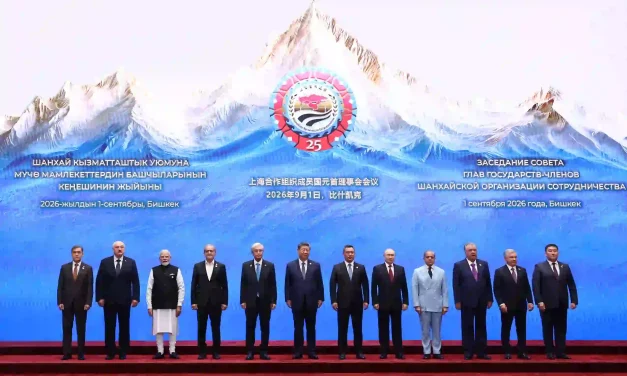
SCFR Online – Opinion: The Shanghai Cooperation Organization summit has created a new opportunity for Iran to transform its membership from a political achievement into economic and transit cooperation.
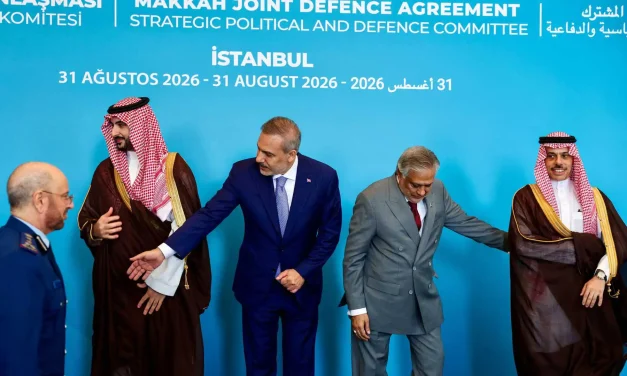
Strategic Council Online – Note: The Makkah Defense Pact can be seen as a sign of regional countries’ efforts to reduce security dependence on extra-regional powers and redefine the balance in West Asia.
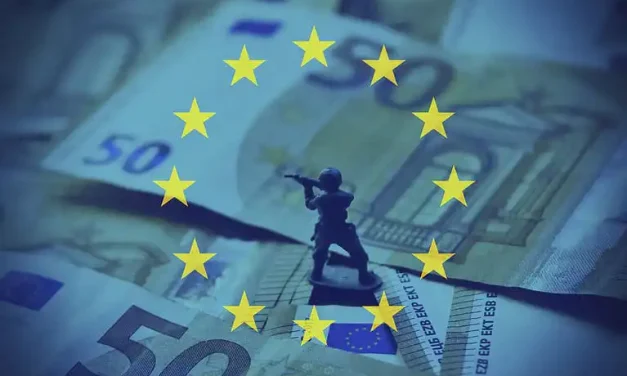
SCFR Online – Opinion: The Ukraine war, by exhausting US military capability on one hand and strengthening European defense capacity on the other, has altered the balance of power in the European continent, cast uncertainty over NATO’s future, and is driving it toward a European NATO.
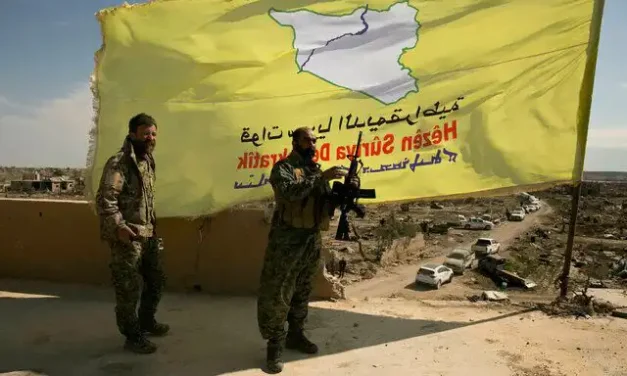
SCFR Online – Opinion: The dissolution of the SDF, although considered an achievement for Turkey’s security, does not put an end to the challenges arising from the Israeli regime’s aggression and expansionism, refugees, and Syria’s fragility.
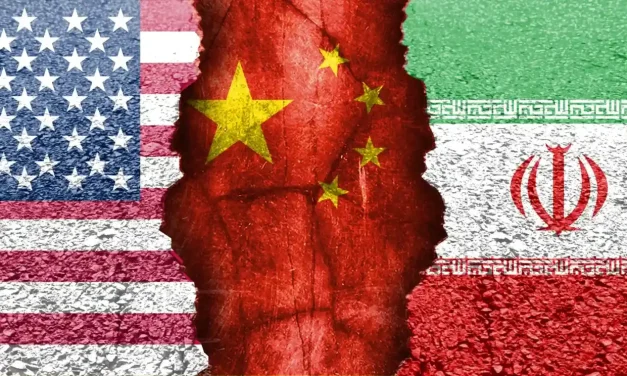
SCFR Online – Opinion: Concurrent with the official commencement of the United States’ economic war against our country, focusing on sanctions instruments, isolation, and economic pressure, what has now become increasingly important is the lack of alignment of other major global powers, especially China, with this policy.
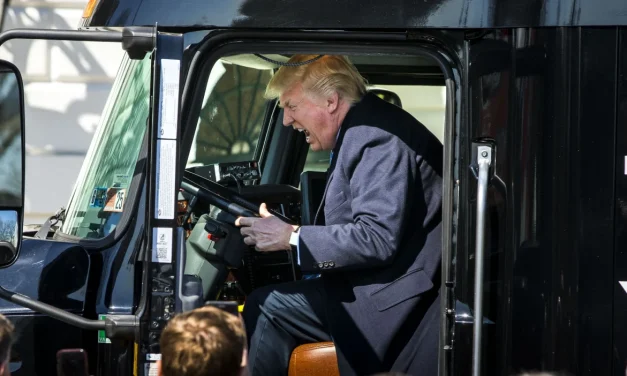
SCFR Online – Opinion: The new US sanctions against Iran, despite extensive propaganda, face serious obstacles to success due to the ineffectiveness of sanctions tools and opposition from some of Tehran’s trading partners.


Strategic Council Online – Following the signing of the controversial agreement between Egypt and Greece on the demarcation of water borders in the Eastern Mediterranean, the two countries agreed to complete the demarcation process. The agreement allows the two countries to use natural resources available in the intended economic zone and explore oil and natural gas. In the agreement in question, the maritime rights of the two parties have been specified to some extent and details of the maritime borders will be determined in the outcome of the future negotiations.
Mahmoud Fazeli – Expert on European Affairs

Strategic Council Online—Opinion: The serious concern of the United States about the expiration of arms sanctions against Iran, which has been undermentioned in the outlets, is that Iran is now able to, legally and openly, export weapons. And that is a serious and sensitive blow to Washington and its regional allies.
Seyyed Reza Mirtaher- Expert of military and strategic issues
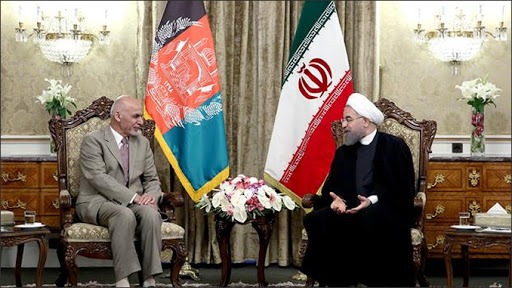
Strategic Council Online – Despite the efforts of Trump’s foreign policy team in Afghanistan to ignore Iran’s role in the peace process, the presence of Dr Abdullah Abdullah in Tehran showed that advancing the peace process is not possible without the cooperation of the Islamic Republic of Iran.
Seyed Mustafa Hashemi – Expert on Afghanistan

Strategic Council Online—Interview: An expert of West Asia affairs says crimes of the United States and Saudi Arabia against the people of Yemen are unprecedented in the history of humanity and the massive sale of arms during the past five years to Saudi Arabia has emboldened the Al Saud regime to keep on its crimes and murder against the people of Yemen.

Strategic Council Online – A university professor, referring to the cold relations between Pakistan and Arab countries in the Persian Gulf, said: Imran Khan’s government is trying to develop its relations with countries in the region and play an active role in de-escalating some of the tensions, but politicians of that country should be capable of balancing their relations with important countries.

Strategic Council Online—Opinion: The Security Council of the United Nations has issued four resolutions so far on the Karabakh issue, asking Armenia to evacuate seven cities of the Republic of Azerbaijan; however, Yerevan has refused to withdraw. Therefore, the Security Council should convince Armenia, perhaps through the current mechanisms such as Chapter Seven of the Charter of the United Nations, to return these cities to the Republic of Azerbaijan.
Mohsen Pak-Aeen – Former ambassador of Iran to the Republic of Azerbaijan

The Chinese are awaiting the announcement of the outcome of the US elections; if Joe Biden is elected it will probably return to the Joint Comprehensive Plan of Action (JCPOA) and a final agreement will be reached among the 5+1 member states, under which it will become smoother and easier for the Chinese.
Abdolreza Farajirad – Expert on Geopolitical Affairs
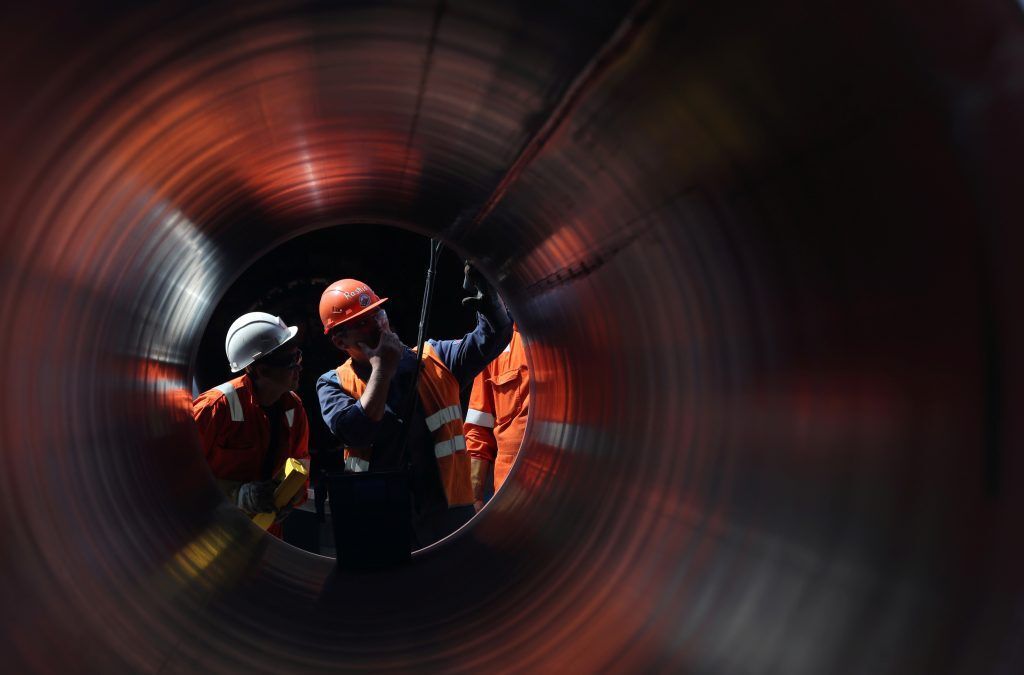
Strategic Council Online—Opinion: The United States believes that the power of Russia’s influence in Europe would be multiplied when the Nord Stream 2 gas pipeline goes on stream and European countries would become more dependant on cheap gas coming from Russia.
Mahmoud Fazeli—Expert of European affairs

Strategic Council Online – Pakistan’s relations with Arab countries, especially Saudi Arabia, have entered a new phase since the inauguration of Imran Khan, the Chairman of the ruling party Tehreek-e-Insaf (PTI) and the Prime Minister of the country, in 2018.
Mohammad Reza Asgari Moroudi – Senior Expert on Asia

Strategic Council Online – A university professor said that US President Donald Trump is trying to lead the US election towards confrontation because, the existing infrastructure helps him to win the fight, but given the social conditions in the United States, in the case of election disputes we will be witness to protests and violence in the American society.
SCFR Online – Opinion: The intensification of U.S. sanctions against Iran on the eve of the U.S. midterm elections indicates Washington’s inability to achieve its war objectives.
SCFR Online – Opinion: The competition between Washington and Beijing over chips and artificial intelligence, simultaneously with the shifting of technological balances, has taken on new economic and security dimensions.
SCFR Online – Opinion: The Shanghai Cooperation Organization summit has created a new opportunity for Iran to transform its membership from a political achievement into economic and transit cooperation.
Strategic Council Online – Note: The Makkah Defense Pact can be seen as a sign of regional countries’ efforts to reduce security dependence on extra-regional powers and redefine the balance in West Asia.
SCFR Online – Opinion: The Ukraine war, by exhausting US military capability on one hand and strengthening European defense capacity on the other, has altered the balance of power in the European continent, cast uncertainty over NATO’s future, and is driving it toward a European NATO.
SCFR Online – Opinion: The dissolution of the SDF, although considered an achievement for Turkey’s security, does not put an end to the challenges arising from the Israeli regime’s aggression and expansionism, refugees, and Syria’s fragility.
SCFR Online – Opinion: Concurrent with the official commencement of the United States’ economic war against our country, focusing on sanctions instruments, isolation, and economic pressure, what has now become increasingly important is the lack of alignment of other major global powers, especially China, with this policy.
SCFR Online – Opinion: The new US sanctions against Iran, despite extensive propaganda, face serious obstacles to success due to the ineffectiveness of sanctions tools and opposition from some of Tehran’s trading partners.
Strategic Council Online – Following the signing of the controversial agreement between Egypt and Greece on the demarcation of water borders in the Eastern Mediterranean, the two countries agreed to complete the demarcation process. The agreement allows the two countries to use natural resources available in the intended economic zone and explore oil and natural gas. In the agreement in question, the maritime rights of the two parties have been specified to some extent and details of the maritime borders will be determined in the outcome of the future negotiations.
Mahmoud Fazeli – Expert on European Affairs
Strategic Council Online—Opinion: The serious concern of the United States about the expiration of arms sanctions against Iran, which has been undermentioned in the outlets, is that Iran is now able to, legally and openly, export weapons. And that is a serious and sensitive blow to Washington and its regional allies.
Seyyed Reza Mirtaher- Expert of military and strategic issues
Strategic Council Online – Despite the efforts of Trump’s foreign policy team in Afghanistan to ignore Iran’s role in the peace process, the presence of Dr Abdullah Abdullah in Tehran showed that advancing the peace process is not possible without the cooperation of the Islamic Republic of Iran.
Seyed Mustafa Hashemi – Expert on Afghanistan
Strategic Council Online—Interview: An expert of West Asia affairs says crimes of the United States and Saudi Arabia against the people of Yemen are unprecedented in the history of humanity and the massive sale of arms during the past five years to Saudi Arabia has emboldened the Al Saud regime to keep on its crimes and murder against the people of Yemen.
Strategic Council Online – A university professor, referring to the cold relations between Pakistan and Arab countries in the Persian Gulf, said: Imran Khan’s government is trying to develop its relations with countries in the region and play an active role in de-escalating some of the tensions, but politicians of that country should be capable of balancing their relations with important countries.
Strategic Council Online—Opinion: The Security Council of the United Nations has issued four resolutions so far on the Karabakh issue, asking Armenia to evacuate seven cities of the Republic of Azerbaijan; however, Yerevan has refused to withdraw. Therefore, the Security Council should convince Armenia, perhaps through the current mechanisms such as Chapter Seven of the Charter of the United Nations, to return these cities to the Republic of Azerbaijan.
Mohsen Pak-Aeen – Former ambassador of Iran to the Republic of Azerbaijan
The Chinese are awaiting the announcement of the outcome of the US elections; if Joe Biden is elected it will probably return to the Joint Comprehensive Plan of Action (JCPOA) and a final agreement will be reached among the 5+1 member states, under which it will become smoother and easier for the Chinese.
Abdolreza Farajirad – Expert on Geopolitical Affairs
Strategic Council Online—Opinion: The United States believes that the power of Russia’s influence in Europe would be multiplied when the Nord Stream 2 gas pipeline goes on stream and European countries would become more dependant on cheap gas coming from Russia.
Mahmoud Fazeli—Expert of European affairs
Strategic Council Online – Pakistan’s relations with Arab countries, especially Saudi Arabia, have entered a new phase since the inauguration of Imran Khan, the Chairman of the ruling party Tehreek-e-Insaf (PTI) and the Prime Minister of the country, in 2018.
Mohammad Reza Asgari Moroudi – Senior Expert on Asia
Strategic Council Online – A university professor said that US President Donald Trump is trying to lead the US election towards confrontation because, the existing infrastructure helps him to win the fight, but given the social conditions in the United States, in the case of election disputes we will be witness to protests and violence in the American society.
Strategic Council Online – Following the signing of the controversial agreement between Egypt and Greece on the demarcation of water borders in the Eastern Mediterranean, the two countries agreed to complete the demarcation process. The agreement allows the two countries to use natural resources available in the intended economic zone and explore oil and natural gas. In the agreement in question, the maritime rights of the two parties have been specified to some extent and details of the maritime borders will be determined in the outcome of the future negotiations.
Mahmoud Fazeli – Expert on European Affairs
Strategic Council Online—Opinion: The serious concern of the United States about the expiration of arms sanctions against Iran, which has been undermentioned in the outlets, is that Iran is now able to, legally and openly, export weapons. And that is a serious and sensitive blow to Washington and its regional allies.
Seyyed Reza Mirtaher- Expert of military and strategic issues
Strategic Council Online – Despite the efforts of Trump’s foreign policy team in Afghanistan to ignore Iran’s role in the peace process, the presence of Dr Abdullah Abdullah in Tehran showed that advancing the peace process is not possible without the cooperation of the Islamic Republic of Iran.
Seyed Mustafa Hashemi – Expert on Afghanistan
Strategic Council Online—Interview: An expert of West Asia affairs says crimes of the United States and Saudi Arabia against the people of Yemen are unprecedented in the history of humanity and the massive sale of arms during the past five years to Saudi Arabia has emboldened the Al Saud regime to keep on its crimes and murder against the people of Yemen.
Strategic Council Online – A university professor, referring to the cold relations between Pakistan and Arab countries in the Persian Gulf, said: Imran Khan’s government is trying to develop its relations with countries in the region and play an active role in de-escalating some of the tensions, but politicians of that country should be capable of balancing their relations with important countries.
Strategic Council Online—Opinion: The Security Council of the United Nations has issued four resolutions so far on the Karabakh issue, asking Armenia to evacuate seven cities of the Republic of Azerbaijan; however, Yerevan has refused to withdraw. Therefore, the Security Council should convince Armenia, perhaps through the current mechanisms such as Chapter Seven of the Charter of the United Nations, to return these cities to the Republic of Azerbaijan.
Mohsen Pak-Aeen – Former ambassador of Iran to the Republic of Azerbaijan
The Chinese are awaiting the announcement of the outcome of the US elections; if Joe Biden is elected it will probably return to the Joint Comprehensive Plan of Action (JCPOA) and a final agreement will be reached among the 5+1 member states, under which it will become smoother and easier for the Chinese.
Abdolreza Farajirad – Expert on Geopolitical Affairs
Strategic Council Online—Opinion: The United States believes that the power of Russia’s influence in Europe would be multiplied when the Nord Stream 2 gas pipeline goes on stream and European countries would become more dependant on cheap gas coming from Russia.
Mahmoud Fazeli—Expert of European affairs
Strategic Council Online – Pakistan’s relations with Arab countries, especially Saudi Arabia, have entered a new phase since the inauguration of Imran Khan, the Chairman of the ruling party Tehreek-e-Insaf (PTI) and the Prime Minister of the country, in 2018.
Mohammad Reza Asgari Moroudi – Senior Expert on Asia
Strategic Council Online – A university professor said that US President Donald Trump is trying to lead the US election towards confrontation because, the existing infrastructure helps him to win the fight, but given the social conditions in the United States, in the case of election disputes we will be witness to protests and violence in the American society.
SCFR Online – Opinion: The intensification of U.S. sanctions against Iran on the eve of the U.S. midterm elections indicates Washington’s inability to achieve its war objectives.
SCFR Online – Opinion: The competition between Washington and Beijing over chips and artificial intelligence, simultaneously with the shifting of technological balances, has taken on new economic and security dimensions.
SCFR Online – Opinion: The Shanghai Cooperation Organization summit has created a new opportunity for Iran to transform its membership from a political achievement into economic and transit cooperation.
Strategic Council Online – Note: The Makkah Defense Pact can be seen as a sign of regional countries’ efforts to reduce security dependence on extra-regional powers and redefine the balance in West Asia.
SCFR Online – Opinion: The Ukraine war, by exhausting US military capability on one hand and strengthening European defense capacity on the other, has altered the balance of power in the European continent, cast uncertainty over NATO’s future, and is driving it toward a European NATO.
SCFR Online – Opinion: The dissolution of the SDF, although considered an achievement for Turkey’s security, does not put an end to the challenges arising from the Israeli regime’s aggression and expansionism, refugees, and Syria’s fragility.
SCFR Online – Opinion: Concurrent with the official commencement of the United States’ economic war against our country, focusing on sanctions instruments, isolation, and economic pressure, what has now become increasingly important is the lack of alignment of other major global powers, especially China, with this policy.
SCFR Online – Opinion: The new US sanctions against Iran, despite extensive propaganda, face serious obstacles to success due to the ineffectiveness of sanctions tools and opposition from some of Tehran’s trading partners.
Strategic Council Online – Following the signing of the controversial agreement between Egypt and Greece on the demarcation of water borders in the Eastern Mediterranean, the two countries agreed to complete the demarcation process. The agreement allows the two countries to use natural resources available in the intended economic zone and explore oil and natural gas. In the agreement in question, the maritime rights of the two parties have been specified to some extent and details of the maritime borders will be determined in the outcome of the future negotiations.
Mahmoud Fazeli – Expert on European Affairs
Strategic Council Online—Opinion: The serious concern of the United States about the expiration of arms sanctions against Iran, which has been undermentioned in the outlets, is that Iran is now able to, legally and openly, export weapons. And that is a serious and sensitive blow to Washington and its regional allies.
Seyyed Reza Mirtaher- Expert of military and strategic issues
Strategic Council Online – Despite the efforts of Trump’s foreign policy team in Afghanistan to ignore Iran’s role in the peace process, the presence of Dr Abdullah Abdullah in Tehran showed that advancing the peace process is not possible without the cooperation of the Islamic Republic of Iran.
Seyed Mustafa Hashemi – Expert on Afghanistan
Strategic Council Online—Interview: An expert of West Asia affairs says crimes of the United States and Saudi Arabia against the people of Yemen are unprecedented in the history of humanity and the massive sale of arms during the past five years to Saudi Arabia has emboldened the Al Saud regime to keep on its crimes and murder against the people of Yemen.
Strategic Council Online – A university professor, referring to the cold relations between Pakistan and Arab countries in the Persian Gulf, said: Imran Khan’s government is trying to develop its relations with countries in the region and play an active role in de-escalating some of the tensions, but politicians of that country should be capable of balancing their relations with important countries.
Strategic Council Online—Opinion: The Security Council of the United Nations has issued four resolutions so far on the Karabakh issue, asking Armenia to evacuate seven cities of the Republic of Azerbaijan; however, Yerevan has refused to withdraw. Therefore, the Security Council should convince Armenia, perhaps through the current mechanisms such as Chapter Seven of the Charter of the United Nations, to return these cities to the Republic of Azerbaijan.
Mohsen Pak-Aeen – Former ambassador of Iran to the Republic of Azerbaijan
The Chinese are awaiting the announcement of the outcome of the US elections; if Joe Biden is elected it will probably return to the Joint Comprehensive Plan of Action (JCPOA) and a final agreement will be reached among the 5+1 member states, under which it will become smoother and easier for the Chinese.
Abdolreza Farajirad – Expert on Geopolitical Affairs
Strategic Council Online—Opinion: The United States believes that the power of Russia’s influence in Europe would be multiplied when the Nord Stream 2 gas pipeline goes on stream and European countries would become more dependant on cheap gas coming from Russia.
Mahmoud Fazeli—Expert of European affairs
Strategic Council Online – Pakistan’s relations with Arab countries, especially Saudi Arabia, have entered a new phase since the inauguration of Imran Khan, the Chairman of the ruling party Tehreek-e-Insaf (PTI) and the Prime Minister of the country, in 2018.
Mohammad Reza Asgari Moroudi – Senior Expert on Asia
Strategic Council Online – A university professor said that US President Donald Trump is trying to lead the US election towards confrontation because, the existing infrastructure helps him to win the fight, but given the social conditions in the United States, in the case of election disputes we will be witness to protests and violence in the American society.
SCFR Online – Opinion: The intensification of U.S. sanctions against Iran on the eve of the U.S. midterm elections indicates Washington’s inability to achieve its war objectives.
SCFR Online – Opinion: The competition between Washington and Beijing over chips and artificial intelligence, simultaneously with the shifting of technological balances, has taken on new economic and security dimensions.
SCFR Online – Opinion: The Shanghai Cooperation Organization summit has created a new opportunity for Iran to transform its membership from a political achievement into economic and transit cooperation.
Strategic Council Online – Note: The Makkah Defense Pact can be seen as a sign of regional countries’ efforts to reduce security dependence on extra-regional powers and redefine the balance in West Asia.
SCFR Online – Opinion: The Ukraine war, by exhausting US military capability on one hand and strengthening European defense capacity on the other, has altered the balance of power in the European continent, cast uncertainty over NATO’s future, and is driving it toward a European NATO.
SCFR Online – Opinion: The dissolution of the SDF, although considered an achievement for Turkey’s security, does not put an end to the challenges arising from the Israeli regime’s aggression and expansionism, refugees, and Syria’s fragility.
SCFR Online – Opinion: Concurrent with the official commencement of the United States’ economic war against our country, focusing on sanctions instruments, isolation, and economic pressure, what has now become increasingly important is the lack of alignment of other major global powers, especially China, with this policy.
SCFR Online – Opinion: The new US sanctions against Iran, despite extensive propaganda, face serious obstacles to success due to the ineffectiveness of sanctions tools and opposition from some of Tehran’s trading partners.
Strategic Council Online – Following the signing of the controversial agreement between Egypt and Greece on the demarcation of water borders in the Eastern Mediterranean, the two countries agreed to complete the demarcation process. The agreement allows the two countries to use natural resources available in the intended economic zone and explore oil and natural gas. In the agreement in question, the maritime rights of the two parties have been specified to some extent and details of the maritime borders will be determined in the outcome of the future negotiations.
Mahmoud Fazeli – Expert on European Affairs
Strategic Council Online—Opinion: The serious concern of the United States about the expiration of arms sanctions against Iran, which has been undermentioned in the outlets, is that Iran is now able to, legally and openly, export weapons. And that is a serious and sensitive blow to Washington and its regional allies.
Seyyed Reza Mirtaher- Expert of military and strategic issues
Strategic Council Online – Despite the efforts of Trump’s foreign policy team in Afghanistan to ignore Iran’s role in the peace process, the presence of Dr Abdullah Abdullah in Tehran showed that advancing the peace process is not possible without the cooperation of the Islamic Republic of Iran.
Seyed Mustafa Hashemi – Expert on Afghanistan
Strategic Council Online—Interview: An expert of West Asia affairs says crimes of the United States and Saudi Arabia against the people of Yemen are unprecedented in the history of humanity and the massive sale of arms during the past five years to Saudi Arabia has emboldened the Al Saud regime to keep on its crimes and murder against the people of Yemen.
Strategic Council Online – A university professor, referring to the cold relations between Pakistan and Arab countries in the Persian Gulf, said: Imran Khan’s government is trying to develop its relations with countries in the region and play an active role in de-escalating some of the tensions, but politicians of that country should be capable of balancing their relations with important countries.
Strategic Council Online—Opinion: The Security Council of the United Nations has issued four resolutions so far on the Karabakh issue, asking Armenia to evacuate seven cities of the Republic of Azerbaijan; however, Yerevan has refused to withdraw. Therefore, the Security Council should convince Armenia, perhaps through the current mechanisms such as Chapter Seven of the Charter of the United Nations, to return these cities to the Republic of Azerbaijan.
Mohsen Pak-Aeen – Former ambassador of Iran to the Republic of Azerbaijan
The Chinese are awaiting the announcement of the outcome of the US elections; if Joe Biden is elected it will probably return to the Joint Comprehensive Plan of Action (JCPOA) and a final agreement will be reached among the 5+1 member states, under which it will become smoother and easier for the Chinese.
Abdolreza Farajirad – Expert on Geopolitical Affairs
Strategic Council Online—Opinion: The United States believes that the power of Russia’s influence in Europe would be multiplied when the Nord Stream 2 gas pipeline goes on stream and European countries would become more dependant on cheap gas coming from Russia.
Mahmoud Fazeli—Expert of European affairs
Strategic Council Online – Pakistan’s relations with Arab countries, especially Saudi Arabia, have entered a new phase since the inauguration of Imran Khan, the Chairman of the ruling party Tehreek-e-Insaf (PTI) and the Prime Minister of the country, in 2018.
Mohammad Reza Asgari Moroudi – Senior Expert on Asia
Strategic Council Online – A university professor said that US President Donald Trump is trying to lead the US election towards confrontation because, the existing infrastructure helps him to win the fight, but given the social conditions in the United States, in the case of election disputes we will be witness to protests and violence in the American society.
SCFR Online – Opinion: The intensification of U.S. sanctions against Iran on the eve of the U.S. midterm elections indicates Washington’s inability to achieve its war objectives.
SCFR Online – Opinion: The competition between Washington and Beijing over chips and artificial intelligence, simultaneously with the shifting of technological balances, has taken on new economic and security dimensions.
SCFR Online – Opinion: The Shanghai Cooperation Organization summit has created a new opportunity for Iran to transform its membership from a political achievement into economic and transit cooperation.
Strategic Council Online – Note: The Makkah Defense Pact can be seen as a sign of regional countries’ efforts to reduce security dependence on extra-regional powers and redefine the balance in West Asia.
SCFR Online – Opinion: The Ukraine war, by exhausting US military capability on one hand and strengthening European defense capacity on the other, has altered the balance of power in the European continent, cast uncertainty over NATO’s future, and is driving it toward a European NATO.
SCFR Online – Opinion: The dissolution of the SDF, although considered an achievement for Turkey’s security, does not put an end to the challenges arising from the Israeli regime’s aggression and expansionism, refugees, and Syria’s fragility.
SCFR Online – Opinion: Concurrent with the official commencement of the United States’ economic war against our country, focusing on sanctions instruments, isolation, and economic pressure, what has now become increasingly important is the lack of alignment of other major global powers, especially China, with this policy.
SCFR Online – Opinion: The new US sanctions against Iran, despite extensive propaganda, face serious obstacles to success due to the ineffectiveness of sanctions tools and opposition from some of Tehran’s trading partners.
Strategic Council Online – Following the signing of the controversial agreement between Egypt and Greece on the demarcation of water borders in the Eastern Mediterranean, the two countries agreed to complete the demarcation process. The agreement allows the two countries to use natural resources available in the intended economic zone and explore oil and natural gas. In the agreement in question, the maritime rights of the two parties have been specified to some extent and details of the maritime borders will be determined in the outcome of the future negotiations.
Mahmoud Fazeli – Expert on European Affairs
Strategic Council Online—Opinion: The serious concern of the United States about the expiration of arms sanctions against Iran, which has been undermentioned in the outlets, is that Iran is now able to, legally and openly, export weapons. And that is a serious and sensitive blow to Washington and its regional allies.
Seyyed Reza Mirtaher- Expert of military and strategic issues
Strategic Council Online – Despite the efforts of Trump’s foreign policy team in Afghanistan to ignore Iran’s role in the peace process, the presence of Dr Abdullah Abdullah in Tehran showed that advancing the peace process is not possible without the cooperation of the Islamic Republic of Iran.
Seyed Mustafa Hashemi – Expert on Afghanistan
Strategic Council Online—Interview: An expert of West Asia affairs says crimes of the United States and Saudi Arabia against the people of Yemen are unprecedented in the history of humanity and the massive sale of arms during the past five years to Saudi Arabia has emboldened the Al Saud regime to keep on its crimes and murder against the people of Yemen.
Strategic Council Online – A university professor, referring to the cold relations between Pakistan and Arab countries in the Persian Gulf, said: Imran Khan’s government is trying to develop its relations with countries in the region and play an active role in de-escalating some of the tensions, but politicians of that country should be capable of balancing their relations with important countries.
Strategic Council Online—Opinion: The Security Council of the United Nations has issued four resolutions so far on the Karabakh issue, asking Armenia to evacuate seven cities of the Republic of Azerbaijan; however, Yerevan has refused to withdraw. Therefore, the Security Council should convince Armenia, perhaps through the current mechanisms such as Chapter Seven of the Charter of the United Nations, to return these cities to the Republic of Azerbaijan.
Mohsen Pak-Aeen – Former ambassador of Iran to the Republic of Azerbaijan
The Chinese are awaiting the announcement of the outcome of the US elections; if Joe Biden is elected it will probably return to the Joint Comprehensive Plan of Action (JCPOA) and a final agreement will be reached among the 5+1 member states, under which it will become smoother and easier for the Chinese.
Abdolreza Farajirad – Expert on Geopolitical Affairs
Strategic Council Online—Opinion: The United States believes that the power of Russia’s influence in Europe would be multiplied when the Nord Stream 2 gas pipeline goes on stream and European countries would become more dependant on cheap gas coming from Russia.
Mahmoud Fazeli—Expert of European affairs
Strategic Council Online – Pakistan’s relations with Arab countries, especially Saudi Arabia, have entered a new phase since the inauguration of Imran Khan, the Chairman of the ruling party Tehreek-e-Insaf (PTI) and the Prime Minister of the country, in 2018.
Mohammad Reza Asgari Moroudi – Senior Expert on Asia
Strategic Council Online – A university professor said that US President Donald Trump is trying to lead the US election towards confrontation because, the existing infrastructure helps him to win the fight, but given the social conditions in the United States, in the case of election disputes we will be witness to protests and violence in the American society.
SCFR Online – Opinion: The intensification of U.S. sanctions against Iran on the eve of the U.S. midterm elections indicates Washington’s inability to achieve its war objectives.
SCFR Online – Opinion: The competition between Washington and Beijing over chips and artificial intelligence, simultaneously with the shifting of technological balances, has taken on new economic and security dimensions.
SCFR Online – Opinion: The Shanghai Cooperation Organization summit has created a new opportunity for Iran to transform its membership from a political achievement into economic and transit cooperation.
Strategic Council Online – Note: The Makkah Defense Pact can be seen as a sign of regional countries’ efforts to reduce security dependence on extra-regional powers and redefine the balance in West Asia.
SCFR Online – Opinion: The Ukraine war, by exhausting US military capability on one hand and strengthening European defense capacity on the other, has altered the balance of power in the European continent, cast uncertainty over NATO’s future, and is driving it toward a European NATO.
SCFR Online – Opinion: The dissolution of the SDF, although considered an achievement for Turkey’s security, does not put an end to the challenges arising from the Israeli regime’s aggression and expansionism, refugees, and Syria’s fragility.
SCFR Online – Opinion: Concurrent with the official commencement of the United States’ economic war against our country, focusing on sanctions instruments, isolation, and economic pressure, what has now become increasingly important is the lack of alignment of other major global powers, especially China, with this policy.
SCFR Online – Opinion: The new US sanctions against Iran, despite extensive propaganda, face serious obstacles to success due to the ineffectiveness of sanctions tools and opposition from some of Tehran’s trading partners.
Strategic Council Online – Following the signing of the controversial agreement between Egypt and Greece on the demarcation of water borders in the Eastern Mediterranean, the two countries agreed to complete the demarcation process. The agreement allows the two countries to use natural resources available in the intended economic zone and explore oil and natural gas. In the agreement in question, the maritime rights of the two parties have been specified to some extent and details of the maritime borders will be determined in the outcome of the future negotiations.
Mahmoud Fazeli – Expert on European Affairs
Strategic Council Online—Opinion: The serious concern of the United States about the expiration of arms sanctions against Iran, which has been undermentioned in the outlets, is that Iran is now able to, legally and openly, export weapons. And that is a serious and sensitive blow to Washington and its regional allies.
Seyyed Reza Mirtaher- Expert of military and strategic issues
Strategic Council Online – Despite the efforts of Trump’s foreign policy team in Afghanistan to ignore Iran’s role in the peace process, the presence of Dr Abdullah Abdullah in Tehran showed that advancing the peace process is not possible without the cooperation of the Islamic Republic of Iran.
Seyed Mustafa Hashemi – Expert on Afghanistan
Strategic Council Online—Interview: An expert of West Asia affairs says crimes of the United States and Saudi Arabia against the people of Yemen are unprecedented in the history of humanity and the massive sale of arms during the past five years to Saudi Arabia has emboldened the Al Saud regime to keep on its crimes and murder against the people of Yemen.
Strategic Council Online – A university professor, referring to the cold relations between Pakistan and Arab countries in the Persian Gulf, said: Imran Khan’s government is trying to develop its relations with countries in the region and play an active role in de-escalating some of the tensions, but politicians of that country should be capable of balancing their relations with important countries.
Strategic Council Online—Opinion: The Security Council of the United Nations has issued four resolutions so far on the Karabakh issue, asking Armenia to evacuate seven cities of the Republic of Azerbaijan; however, Yerevan has refused to withdraw. Therefore, the Security Council should convince Armenia, perhaps through the current mechanisms such as Chapter Seven of the Charter of the United Nations, to return these cities to the Republic of Azerbaijan.
Mohsen Pak-Aeen – Former ambassador of Iran to the Republic of Azerbaijan
The Chinese are awaiting the announcement of the outcome of the US elections; if Joe Biden is elected it will probably return to the Joint Comprehensive Plan of Action (JCPOA) and a final agreement will be reached among the 5+1 member states, under which it will become smoother and easier for the Chinese.
Abdolreza Farajirad – Expert on Geopolitical Affairs
Strategic Council Online—Opinion: The United States believes that the power of Russia’s influence in Europe would be multiplied when the Nord Stream 2 gas pipeline goes on stream and European countries would become more dependant on cheap gas coming from Russia.
Mahmoud Fazeli—Expert of European affairs
Strategic Council Online – Pakistan’s relations with Arab countries, especially Saudi Arabia, have entered a new phase since the inauguration of Imran Khan, the Chairman of the ruling party Tehreek-e-Insaf (PTI) and the Prime Minister of the country, in 2018.
Mohammad Reza Asgari Moroudi – Senior Expert on Asia
Strategic Council Online – A university professor said that US President Donald Trump is trying to lead the US election towards confrontation because, the existing infrastructure helps him to win the fight, but given the social conditions in the United States, in the case of election disputes we will be witness to protests and violence in the American society.
SCFR Online – Opinion: The intensification of U.S. sanctions against Iran on the eve of the U.S. midterm elections indicates Washington’s inability to achieve its war objectives.
SCFR Online – Opinion: The competition between Washington and Beijing over chips and artificial intelligence, simultaneously with the shifting of technological balances, has taken on new economic and security dimensions.
SCFR Online – Opinion: The Shanghai Cooperation Organization summit has created a new opportunity for Iran to transform its membership from a political achievement into economic and transit cooperation.
Strategic Council Online – Note: The Makkah Defense Pact can be seen as a sign of regional countries’ efforts to reduce security dependence on extra-regional powers and redefine the balance in West Asia.
SCFR Online – Opinion: The Ukraine war, by exhausting US military capability on one hand and strengthening European defense capacity on the other, has altered the balance of power in the European continent, cast uncertainty over NATO’s future, and is driving it toward a European NATO.
SCFR Online – Opinion: The dissolution of the SDF, although considered an achievement for Turkey’s security, does not put an end to the challenges arising from the Israeli regime’s aggression and expansionism, refugees, and Syria’s fragility.
SCFR Online – Opinion: Concurrent with the official commencement of the United States’ economic war against our country, focusing on sanctions instruments, isolation, and economic pressure, what has now become increasingly important is the lack of alignment of other major global powers, especially China, with this policy.
SCFR Online – Opinion: The new US sanctions against Iran, despite extensive propaganda, face serious obstacles to success due to the ineffectiveness of sanctions tools and opposition from some of Tehran’s trading partners.