Obstacles and capacities of strengthening relations between Iran and Uzbekistan

2020/11/06 | Note, Politics, Top News

Strategic Council Online—Opinion: During the tenure of Shavkat Miromonovich Mirziyoyev, the new President of Uzbekistan, changes have partly taken place in relations between Uzbekistan and other countries including Iran. Hassan Beheshtipoor—Expert of Asia affairs

The Islamic Republic of Iran and Uzbekistan, enjoy enormous capacities and similarities to expand mutual relations. Tehran and Tashkent benefit from a huge historical asset as well as cultural and religious commonalities. The use of such capacities could result in strengthening ties and relations between the two countries in various areas especially economy and trade in the interest of the two nations. Even though until Islam Karimov the ex-president of Uzbekistan was in power, the doors were closed to the improvement of relations between the two countries and therefore necessary cooperation was absent in the relations between Iran and Uzbekistan. This is while the two sides can profit from very good grounds for cooperation which already exist between them; however, Karimov was not interested in developing these relations. Now, during the tenure of Shavkat Miromonovich Mirziyoyev, the new President of Uzbekistan, changes have partly taken place in relations between Uzbekistan and other countries including Iran.

At the present time, Iran and Uzbekistan can establish stronger relations in several areas especially economy and trade. In this respect, railway cooperation between Iran, Uzbekistan and Afghanistan could result in the formation of trilateral cooperation which will benefit Uzbekistan and this country can connect to international markets through this railway. Using Iranian ports is another option which could be of interest to both Tehran and Tashkent as goods transited to Bandar Abbas Port, south of Iran, through railway spread to the north, could make their ways to open seas and the whole world. Therefore, thanks to its strategic location and neighbourliness with the Persian Gulf and the Sea of Oman, Iran can help link Uzbekistan to the world.

Under the present juncture, Uzbekistan can export cotton to Iran, for the domestic use of the country and re-export to other countries. Such capacities have remained untouched until date.

Moreover, cooperation in the tourism sector is of importance for both Iran and Uzbekistan as the latter is home to Iranian-Islamic civilization, especially in Samarqand and Bukhara as attractive tourist destinations. Similarly, Iran has a lot of attractions for the Uzbeks as both countries share some parts of their history as it is suggestive in civilization centres in Bukhara and Samarqand in Uzbekistan and Isfahan and Shiraz in Iran.

Therefore, cooperation in cultural and even sports sectors could be a good start for the expansion of bilateral relations.

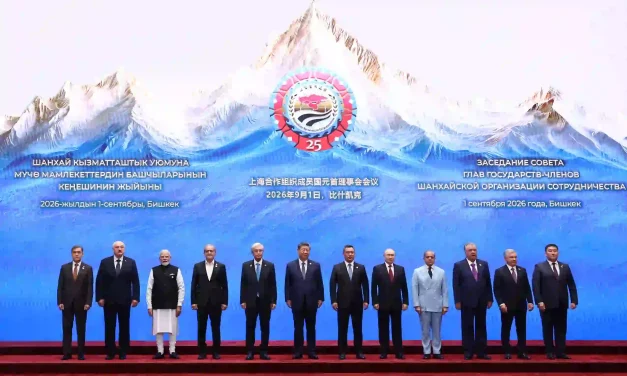
In this respect, regional cooperation should be also taken into consideration as both Iran and Uzbekistan are members of the Economic Cooperation Organization (ECO) but have had no trade and commerce in this framework. This is while banking and insurance cooperation is envisaged within the framework of ECO. In the meantime, the Shanghai Cooperation Organization (SCO) in which Iran enjoys an observer status could help Tehran and Tashkent develop relations. This  SCO capacity has been underused in the enhancement of relations and ties between the two countries.

It seems that trilateral or quadrilateral cooperation with the presence of Iran and Uzbekistan in the region could become a reality in formats of cooperation between Iran, Afghanistan and Uzbekistan or Iran, Turkmenistan and Uzbekistan and or even with the presence of Kazakhstan and or Tajikistan.

There are some issues to be blamed for the failure of the Tehran and Tashkent to develop relations with enormous commonalities; on one hand, there is some sort of suspicion and doubt for years overshadowing mutual relations and on the other, the American sanctions have created impediment in Iran-Uzbekistan relations.

In fact, the Uzbeks, like many other countries, have concerns about the US sanctions and punishment, refusing to cooperate with Iran.

Notwithstanding, the two countries can establish a greater cooperation and expand bilateral links. For example, they can begin by simpler sectors such as tourism and rail and road transport and transit and gradually expand other areas. Under the present circumstances, a barter mechanism should be defined between Iran and Uzbekistan so that goods are exchanged for goods and Uzbekistan is saved from American punishment and sanctions. Of course, in any way, and under the present regime of sanctions, the two countries are in a difficult condition to expand cooperation; however, officials and organs of the two countries could find proper solutions in close consultation through diplomatic channels.


0 Comments

Submit a Comment

Your email address will not be published. Required fields are marked *

LATEST CONTENT

Consequences of Declining Trust in the Judiciary in Europe

SCFRonline – Opinion: The increase in public distrust of the French judicial system, which in recent surveys has reached approximately two-thirds of citizens, should be analyzed within a framework broader than temporary dissatisfaction or an emotional reaction to a particular criminal case.

Iran’s Potential Levers of Power

SCFRonline– Opinion: Iran’s geopolitical power is not limited solely to oil and the Strait of Hormuz; the unintended emergence of disruptions in the future global food and energy security chains can also demonstrate Iran’s strategic importance.

The Inseparability of the Lebanese Front from the Axis of Resistance

SCFR Online–Opinion: By providing an extensive network of social, healthcare, educational, and post-war reconstruction services, Hezbollah has established a strong social base for itself among Lebanon’s Shiites and Sunnis, and even beyond that, among other segments of Lebanese society, including Christians. Hezbollah has never been an external actor imposed upon Lebanon; rather, it is a phenomenon fundamentally born out of the occupation and crimes of the Zionist regime and itself influenced by popular resistance.

The Increasing Efforts of the Zionist Regime to Redefine Borders and the Regional Order and Its Consequences

SCFR Online– Opinion: Security and military developments in the region over recent months indicate that the ongoing crises and wars in Gaza, southern Lebanon, and parts of Syrian territory encompass broader dimensions of geopolitical and geostrategic transformations. In this context, the increased military presence and control of the Zionist regime over parts of the territories of these areas, along with proposals regarding the creation of buffer zones or even the expansion of security borders, have raised serious questions about the future of the regional order and its consequences for the countries of West Asia.

Loading

Últimas publicaciones

Consequences of Declining Trust in the Judiciary in Europe

SCFRonline – Opinion: The increase in public distrust of the French judicial system, which in recent surveys has reached approximately two-thirds of citizens, should be analyzed within a framework broader than temporary dissatisfaction or an emotional reaction to a particular criminal case.

Iran’s Potential Levers of Power

SCFRonline– Opinion: Iran’s geopolitical power is not limited solely to oil and the Strait of Hormuz; the unintended emergence of disruptions in the future global food and energy security chains can also demonstrate Iran’s strategic importance.

The Inseparability of the Lebanese Front from the Axis of Resistance

SCFR Online–Opinion: By providing an extensive network of social, healthcare, educational, and post-war reconstruction services, Hezbollah has established a strong social base for itself among Lebanon’s Shiites and Sunnis, and even beyond that, among other segments of Lebanese society, including Christians. Hezbollah has never been an external actor imposed upon Lebanon; rather, it is a phenomenon fundamentally born out of the occupation and crimes of the Zionist regime and itself influenced by popular resistance.

The Increasing Efforts of the Zionist Regime to Redefine Borders and the Regional Order and Its Consequences

SCFR Online– Opinion: Security and military developments in the region over recent months indicate that the ongoing crises and wars in Gaza, southern Lebanon, and parts of Syrian territory encompass broader dimensions of geopolitical and geostrategic transformations. In this context, the increased military presence and control of the Zionist regime over parts of the territories of these areas, along with proposals regarding the creation of buffer zones or even the expansion of security borders, have raised serious questions about the future of the regional order and its consequences for the countries of West Asia.

Loading

DERNIER CONTENU

Consequences of Declining Trust in the Judiciary in Europe

SCFRonline – Opinion: The increase in public distrust of the French judicial system, which in recent surveys has reached approximately two-thirds of citizens, should be analyzed within a framework broader than temporary dissatisfaction or an emotional reaction to a particular criminal case.

Iran’s Potential Levers of Power

SCFRonline– Opinion: Iran’s geopolitical power is not limited solely to oil and the Strait of Hormuz; the unintended emergence of disruptions in the future global food and energy security chains can also demonstrate Iran’s strategic importance.

The Inseparability of the Lebanese Front from the Axis of Resistance

SCFR Online–Opinion: By providing an extensive network of social, healthcare, educational, and post-war reconstruction services, Hezbollah has established a strong social base for itself among Lebanon’s Shiites and Sunnis, and even beyond that, among other segments of Lebanese society, including Christians. Hezbollah has never been an external actor imposed upon Lebanon; rather, it is a phenomenon fundamentally born out of the occupation and crimes of the Zionist regime and itself influenced by popular resistance.

The Increasing Efforts of the Zionist Regime to Redefine Borders and the Regional Order and Its Consequences

SCFR Online– Opinion: Security and military developments in the region over recent months indicate that the ongoing crises and wars in Gaza, southern Lebanon, and parts of Syrian territory encompass broader dimensions of geopolitical and geostrategic transformations. In this context, the increased military presence and control of the Zionist regime over parts of the territories of these areas, along with proposals regarding the creation of buffer zones or even the expansion of security borders, have raised serious questions about the future of the regional order and its consequences for the countries of West Asia.

Loading

DERNIER CONTENU

Consequences of Declining Trust in the Judiciary in Europe

SCFRonline – Opinion: The increase in public distrust of the French judicial system, which in recent surveys has reached approximately two-thirds of citizens, should be analyzed within a framework broader than temporary dissatisfaction or an emotional reaction to a particular criminal case.

Iran’s Potential Levers of Power

SCFRonline– Opinion: Iran’s geopolitical power is not limited solely to oil and the Strait of Hormuz; the unintended emergence of disruptions in the future global food and energy security chains can also demonstrate Iran’s strategic importance.

The Inseparability of the Lebanese Front from the Axis of Resistance

SCFR Online–Opinion: By providing an extensive network of social, healthcare, educational, and post-war reconstruction services, Hezbollah has established a strong social base for itself among Lebanon’s Shiites and Sunnis, and even beyond that, among other segments of Lebanese society, including Christians. Hezbollah has never been an external actor imposed upon Lebanon; rather, it is a phenomenon fundamentally born out of the occupation and crimes of the Zionist regime and itself influenced by popular resistance.

The Increasing Efforts of the Zionist Regime to Redefine Borders and the Regional Order and Its Consequences

SCFR Online– Opinion: Security and military developments in the region over recent months indicate that the ongoing crises and wars in Gaza, southern Lebanon, and parts of Syrian territory encompass broader dimensions of geopolitical and geostrategic transformations. In this context, the increased military presence and control of the Zionist regime over parts of the territories of these areas, along with proposals regarding the creation of buffer zones or even the expansion of security borders, have raised serious questions about the future of the regional order and its consequences for the countries of West Asia.

Loading

DERNIER CONTENU

Consequences of Declining Trust in the Judiciary in Europe

SCFRonline – Opinion: The increase in public distrust of the French judicial system, which in recent surveys has reached approximately two-thirds of citizens, should be analyzed within a framework broader than temporary dissatisfaction or an emotional reaction to a particular criminal case.

Iran’s Potential Levers of Power

SCFRonline– Opinion: Iran’s geopolitical power is not limited solely to oil and the Strait of Hormuz; the unintended emergence of disruptions in the future global food and energy security chains can also demonstrate Iran’s strategic importance.

The Inseparability of the Lebanese Front from the Axis of Resistance

SCFR Online–Opinion: By providing an extensive network of social, healthcare, educational, and post-war reconstruction services, Hezbollah has established a strong social base for itself among Lebanon’s Shiites and Sunnis, and even beyond that, among other segments of Lebanese society, including Christians. Hezbollah has never been an external actor imposed upon Lebanon; rather, it is a phenomenon fundamentally born out of the occupation and crimes of the Zionist regime and itself influenced by popular resistance.

The Increasing Efforts of the Zionist Regime to Redefine Borders and the Regional Order and Its Consequences

SCFR Online– Opinion: Security and military developments in the region over recent months indicate that the ongoing crises and wars in Gaza, southern Lebanon, and parts of Syrian territory encompass broader dimensions of geopolitical and geostrategic transformations. In this context, the increased military presence and control of the Zionist regime over parts of the territories of these areas, along with proposals regarding the creation of buffer zones or even the expansion of security borders, have raised serious questions about the future of the regional order and its consequences for the countries of West Asia.

Loading