
Hamid Khoshayand – Expert on Regional Affairs
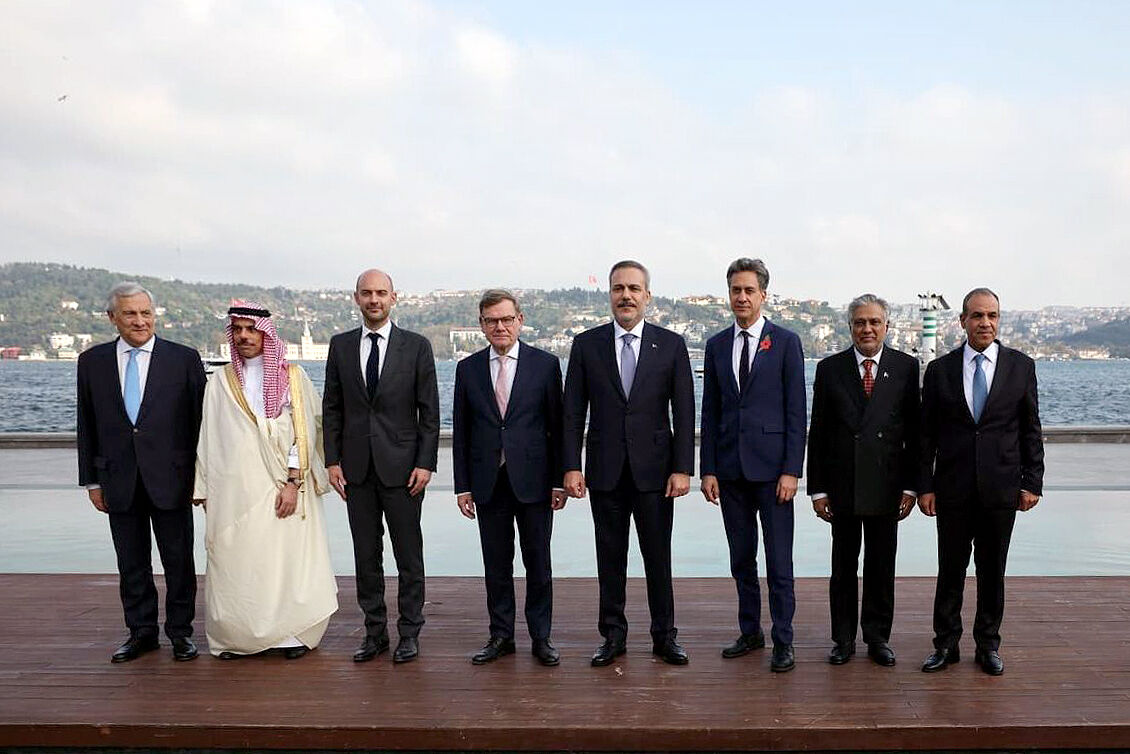
The holding of the meeting of the foreign ministers of Turkey, Saudi Arabia, Pakistan, and Egypt within the framework of the “R4” group, with the participation of Britain, France, Germany, and Italy, on October 23, 2026, in Istanbul, indicates efforts to expand diplomatic consultations regarding West Asian crises. This meeting was held in circumstances where the US and Israeli regime war against Iran, the Palestine crisis, developments in Yemen, and disruption in traffic through the Strait of Hormuz have brought about extensive security and economic consequences.
Assessing the significance of this meeting requires examining the objectives of the participating countries, diplomatic capacities, structural limitations, and the possibility of its impact on regional developments. The main question is whether the Istanbul meeting can go beyond the coordination of political positions and play an effective role in reducing tensions.
Objectives and Expectations of the Participating Countries
The composition of the countries present indicates that the meeting was held with the aim of coordination among regional and European actors regarding interconnected political, security, and economic issues. Preventing the expansion of war and preserving diplomatic channels are among the most important objectives of these consultations; because the continuation of conflicts can increase regional and international costs.
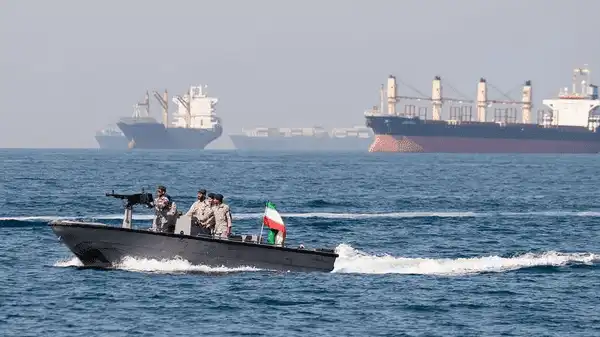
In the security domain, the situation of the Strait of Hormuz, Bab el-Mandeb, and the Red Sea is of particular importance. Disruption in these passages, in addition to threatening global trade, affects the energy market, supply chains, and the economic stability of various countries, especially in Europe.
However, the motivations of the participants are not identical. Turkey seeks to strengthen its diplomatic position; Saudi Arabia pursues security and economic stability; Egypt is sensitive to the security of the Red Sea and the Suez Canal; and Pakistan is concerned about the expansion of instability in its surrounding environment. European countries, while maintaining strategic relations with America, also seek to contain a crisis whose economic and security consequences have reached most of Europe; therefore, de-escalation is a common goal, but differences in interests can affect the level of coordination and the outcomes of the meeting.
Diplomatic Capacities of the Istanbul Meeting
The most important capacity of this meeting is bringing together countries that have relations through different channels with the main parties to the crisis. Turkey and Pakistan have the possibility of consulting with Tehran and Washington, and Saudi Arabia and Egypt can also use their regional and international relations to facilitate dialogue. Britain, France, Germany, and Italy, due to their close relations with America and their presence in international diplomatic structures, have the capacity to participate in political initiatives to contain the crisis.
This collection, if it possesses a common will, can provide the ground for the transfer of messages, the reduction of security misunderstandings, and the formation of preliminary understandings regarding the cessation of attacks, the protection of civilian infrastructure, and the security of shipping.
However, a distinction must be made between the capacity for consultation and the ability to resolve the crisis. Possessing diplomatic relations with the parties involved does not necessarily mean the ability to change their security calculations. The effectiveness of the meeting will depend on the members’ readiness to transform declaratory positions into specific and assessable measures.
Structural Limitations and the Necessity of Iran’s Participation
One of the main limitations of the meeting is the gap between the breadth of the agenda and the composition of the participants. The presence of regional and European powers can help facilitate dialogue, but achieving a sustainable agreement without the effective participation of the main parties to the conflict, especially Iran, will be difficult.
The Islamic Republic of Iran is one of the effective actors in the region and the direct party to the aggression of America and the Israeli regime. Therefore, Tehran’s participation in negotiations regarding the cessation of conflicts, the security of the Persian Gulf, the Strait of Hormuz, and the future of regional security arrangements is of fundamental importance for the formation of a sustainable and implementable agreement. Decision-making regarding these issues without Iran’s presence or without considering its sovereign and national security considerations will face serious limitations.
In the Palestine and Yemen files as well, achieving executive agreements requires attention to the rights of the peoples of these lands and the effective participation of relevant actors, including the Palestinian and Yemeni resistance currents, in inclusive political processes. Ignoring these components can increase the gap between diplomatic understandings and field realities.
Implementation Challenges and Requirements of Effectiveness
The difference in the approaches of the participating countries toward regional crises is another obstacle facing the meeting. The emphasis on the diplomatic resolution of tension between Iran and America, alongside critical positions regarding Ansarullah’s actions, indicates that the members’ perception of the causes of the crisis and the responsibility of the actors is not identical.
Furthermore, emphasis on dialogue and de-escalation, without an operational plan, timetable, and mechanism for monitoring commitments, will not be sufficient to create a sustainable agreement. The participating countries must use their political and diplomatic capacities to stop attacks, prevent the expansion of conflicts, and provide the ground for effective negotiations.
Moreover, the security of trade routes must be linked to the main factors behind the continuation of the war; because sustainable protection of shipping is not achieved merely through naval measures and also requires the reduction of military tensions and the creation of political understandings.
Conclusion and Outlook
The Istanbul meeting is an effort to increase diplomatic coordination among regional and European countries in confronting West Asian crises. This meeting has the capacity to facilitate dialogue, convey political messages, and prevent the expansion of conflicts, but the difference in the participants’ interests, the absence of a clear executive mechanism, and the non-participation of the main parties to the crisis can limit the scope of its impact.
In the meantime, the participation of the Islamic Republic of Iran, as the direct party to the aggression, is of fundamental importance for any agreement regarding the cessation of conflicts and regional security. The criterion for the meeting’s success will be not the number of countries present or the breadth of statements, but the extent of its ability to practically reduce tension, provide the ground for effective negotiations, and contribute to the formation of sustainable security arrangements.


0 Comments