جدیدترین مطالب

Implications of the US-Saudi Nuclear Agreement

SCFR Online – Opinion: The new US-Saudi nuclear agreement, despite legal and political ambiguities, could alter previous non-proliferation standards in West Asia and intensify nuclear competition, ushering it into a new phase.

An Analysis of Recent Turkey-Israeli Regime Tensions

SCFR Online – Opinion: Recent developments in Syria indicate an intensification of strategic rivalry between Turkey and the Israeli regime, but mutual considerations and the role of the United States have limited the likelihood of direct war.

Increasing criticism of the extensive Zionist lobby network

SCFR Online – Opinion: An examination of the mechanisms of the Israeli regime’s influence in the United States depicts a complex picture of shared interests, strategic dependencies, and the limitations of this relationship.

Realities of the Tripartite Makkah Pact

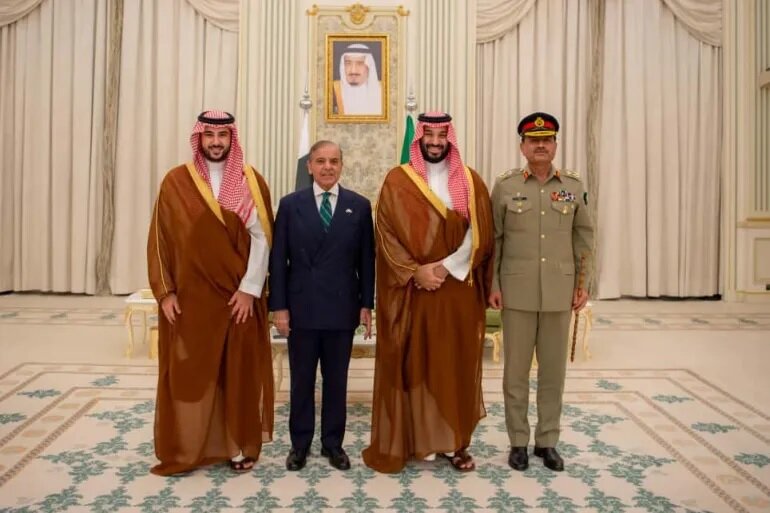
SCFR Online – Interview: The signing of the Makkah agreement between Saudi Arabia, Pakistan, and Turkey has raised questions about the future of the region’s security structure and the position of these countries in West Asian equations. Can this agreement become a genuine collective defense mechanism, or does it have more of a political and deterrent function than creating new military capacity?

Strategic Implications of the Reduction of US Weapons Stockpiles

SCFR Online – Opinion: The continuation of the US war against Iran, in addition to increasing operational costs, has called into question the actual capacity of the American arsenal to simultaneously fulfill security commitments on multiple fronts; an issue that affects deterrence, defense production capacity, and Washington’s resource prioritization.

The Formation of a New Order in Relations Between Powers

SCFR Online – Opinion: The Russia-Ukraine war and the war of the United States and the Israeli regime against Iran have been formed with different objectives and actors, but field and political developments indicate that they are not entirely separate from one another.

An Analysis of the Makkah Defense Pact

SCFR Online – Opinion: On Friday, August 7, the heads of state of three countries – Saudi Arabia, Turkey, and Pakistan – signed a text under the title “Makkah Joint Defense Agreement.”

Loading

Strategic Perspective

Attack by the Israeli Regime on Qatar and the Collapse of American Security Guarantees

Attack by the Israeli Regime on Qatar and the Collapse of American Security Guarantees

Strategic Council Online – Interview: An international affairs analyst stated that the Israeli regime’s airstrike on Qatar, under the pretext of targeting Hamas leaders, could be a turning point in the security and diplomatic equations of the Persian Gulf. This action not only challenged Qatar’s sovereignty but also raised questions about the security of the member states of the Persian Gulf Cooperation Council. Given that the Israeli regime is considered a close ally of the United States, this aggression has heightened sensitivities and increased doubts about Washington’s commitment to ensuring the security and protection of its regional partners. Under such circumstances, Iran can pursue regional dialogues and cooperation in the Persian Gulf, considering the Arab countries’ concerns about the ineffectiveness of American security guarantees. On the other hand, the Israeli regime’s aggression against Qatar has practically endangered normalization agreements, including the Abraham Accords, and reduced the chances of developing cooperation between Tel Aviv and some Arab countries. Internal pressure on the UAE and Bahrain to reconsider their relations with this regime has increased. Thus, the Israeli regime’s attack on Doha has not only complicated the security equations but also plunged the region’s political and diplomatic prospects into a complex phase, indicating that regional actors must reconsider traditional approaches dependent on extra-regional powers.

Positive Implications of the Recent SCO Summit on the Belt and Road Initiative

Positive Implications of the Recent SCO Summit on the Belt and Road Initiative

Strategic Council Online – Opinion: China’s Belt and Road Initiative (BRI), also known as the new and modern Silk Road, was launched in 2013 to connect Asia with Africa and Europe through land and maritime networks. Its purpose is to improve regional integration, revive land-based trade over sea and air, and foster economic growth. The project’s name was chosen by Chinese President Xi Jinping, inspired by the Silk Road, which was created 2,000 years ago during the Han dynasty. The Silk Road was, in fact, a vast ancient network of communication that included diverse trade routes connecting China through Eurasia to the Mediterranean Sea for centuries.

The Role of Bilateral Agreements in Securing Water Shares Between Countries

The Role of Bilateral Agreements in Securing Water Shares Between Countries

Strategic Council Online – Opinion: Recent tensions between New Delhi and Islamabad over the ‘Indus Waters Treaty’, along with climate data indicating the depletion of freshwater resources in various parts of the world, show that transboundary water resources in the 21st century are rapidly transforming from a technical and developmental issue into a strategic and even security variable.

Prospect of a Potential NATO Confrontation with Russia and China

Prospect of a Potential NATO Confrontation with Russia and China

Strategic Council Online – Opinion: The escalating possibility of confrontation between the world’s Eastern and Western powers, particularly after the Russia-Ukraine war, along with the consolidation of China’s narrative of itself as the largest developing country with the capacity to lead the Global South, has become a threatening issue for the West, led by America and Europe. In this context, Mark Rutte, the Secretary-General of NATO, recently spoke at a press conference in Berlin about the necessity of European military modernization and called for “changing defense postures” in line with the increasing international military threats.

America’s Aggressive Commercial Strategy and Imposing a Trade Agreement on the EU

America’s Aggressive Commercial Strategy and Imposing a Trade Agreement on the EU

Strategic Council Online – Interview: An international affairs analyst stated that the recent trade agreement between the United States and the European Union, signed on July 28, 2025, in Scotland, appears to have averted a full-scale tariff war. However, this agreement, shaped by Donald Trump’s pressures and threats to raise tariffs by up to 30%, reflects U.S. economic dominance over Europe more than it signifies mutual cooperation. The European Union’s commitment to purchasing $750 billion worth of energy and investing $600 billion in the U.S., along with accepting a 15% tariff on most European exports, raises serious questions about Europe’s economic independence and its implications for the global economy. Does this agreement mean stability for European trade, or does it represent a strategic surrender to the United States that will deepen existing rifts in the global order?

Objectives and Consequences of the Israeli Regime’s Military Attack on Qatar

Objectives and Consequences of the Israeli Regime’s Military Attack on Qatar

Strategic Council Online – Interview: A West Asia affairs expert stated that the Zionist regime’s airstrike on Doha, the capital of Qatar, aimed at assassinating senior Hamas leaders, once again revealed Tel Aviv’s brazen disregard for international law and the national sovereignty of countries. Benjamin Netanyahu, the Prime Minister of this regime, justified the operation by claiming to “eliminate an existential threat” and asserted that “Hamas leaders were targeted.” However, incoming reports indicate that this attack has failed. This aggression, carried out with the knowledge and consent of American officials, sparked a wave of anger and condemnation across the Arab and Islamic world. From the Arab League to Saudi Arabia, the UAE, Egypt, Iraq, Jordan, Kuwait, Lebanon, and even the Palestinian Authority, they deemed this action a clear violation of international law and a serious threat to regional security. Saudi Arabia warned that the continuation of such behavior could endanger the stability of West Asia, while the UAE described the security of Arab countries as “integral and indivisible.” However, regional observers believe that this wave of condemnations will likely remain at the level of diplomatic statements, with no serious practical action taken by Arab countries—a pattern previously observed in response to the Israeli regime’s repeated attacks on Gaza. Meanwhile, Tel Aviv, relying on American support and the inaction of regional countries, is attempting to manage its internal crisis and advance the “Greater Israel” project by creating successive crises; a project whose explosions are now heard as far as the heart of the Persian Gulf.

Limiting Palestinian Presence at the United Nations: A Deceptive Effort to Manage the Fate of Palestine

Limiting Palestinian Presence at the United Nations: A Deceptive Effort to Manage the Fate of Palestine

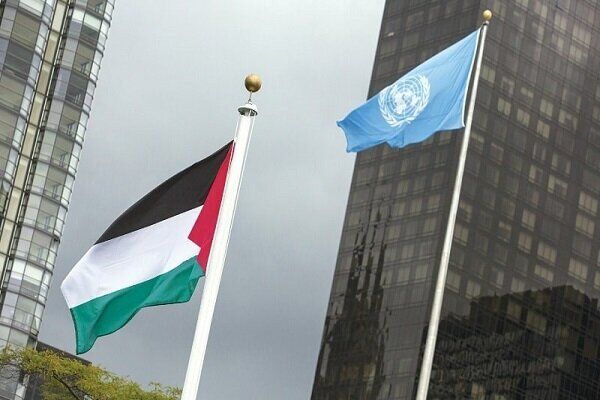
Strategic Council Online – Interview: A West Asia affairs analyst stated that on the eve of the September session of the United Nations General Assembly, the U.S. government limited the presence of the Palestinian delegation at this meeting by canceling the visa of Mahmoud Abbas, the head of the Palestinian Authority. This U.S. action is part of a complex political game between Washington, Tel Aviv, and global public opinion, aiming to question the role of Palestinians in international equations. The U.S. government and Zionist lobbies, by supporting the Israeli regime, have targeted any plan and flourishing of the Palestinian issue on the global stage, while some Western governments, due to public opinion pressure, are trying to advance the process of recognizing Palestine. This U.S. action has sparked widespread international reactions and raised concerns about violations of UN agreements and Washington’s blatant bias in favor of the Israeli regime. The Palestinian Ministry of Foreign Affairs has assessed this decision as a violation of international laws and an obstacle to the legal presence of their representatives at meetings, calling for diplomatic and legal solutions to ensure the participation of the Palestinian delegation. This restriction was imposed while European countries, especially France, Canada, and several other Western nations, are striving to increase diplomatic pressure on the Israeli regime and the U.S. by recognizing the state of Palestine.

Shanghai Summit, New Global Order, and Iran’s Position

Shanghai Summit, New Global Order, and Iran’s Position

Strategic Council Online – Opinion: The 25th Shanghai Cooperation Organization (SCO) Summit in Tianjin, China, can be considered one of the most significant events in recent years in terms of global power dynamics. Through its impressive hosting and the announcement of various economic and political initiatives, China attempted to present an image of a gradual transition from the West-centric financial order. The presence of leaders from Russia, India, and Central Asian countries also demonstrated that the idea of multipolarity is no longer merely a slogan but is being pursued through economic and institutional cooperation. The coincidence of the Shanghai Summit with the military parade in Beijing commemorating the 80th anniversary of China’s victory over Japan also highlighted the integration of the “hard power–soft power” strategy on the international stage.

Deception of EU3 Foreign Ministers in Joint Article on Trigger Mechanism

Deception of EU3 Foreign Ministers in Joint Article on Trigger Mechanism

Strategic Council Online – Opinion: The joint article by the foreign ministers of Britain, France, and Germany, recently published in Politico under the title “Why we are seeking to reimpose UN sanctions on Iran,” was an apparent attempt to present a one-sided narrative regarding Iran’s nuclear dossier. While the article emphasized increased uranium stockpiles, limited cooperation with the IAEA, and Iran’s security threats, important facts of our country’s nuclear case were ignored entirely.

Hidden Objectives of U.S. Military Threats Against Venezuela

Hidden Objectives of U.S. Military Threats Against Venezuela

Strategic Council Online – Interview: An American affairs expert stated that in recent weeks, U.S. policy toward Venezuela has undergone a distinct redefinition, shifting toward hard power tools. According to media reports, during Donald Trump’s presidency, the White House reviewed options for military operations “against drug cartels”. It even introduced a deadly attack on a suspected boat leaving Venezuelan waters as the beginning of a new phase of its campaign. This approach has been reinforced by the deployment of significant military assets to the Caribbean periphery, including cruisers equipped with cruise missiles and attack submarines, as well as the stationing of F-35 fighter jets in Puerto Rico. It is complemented by labeling Nicolás Maduro a “narcoterrorist” and doubling the bounty for his capture.
Although Trump, when asked about “regime change,” said, “We’re not discussing that,” by linking Venezuela to the anti-drug mission, he has effectively redefined the “maximum pressure” strategy within a security-military framework. At the regional level, the resurgence of the old concept of “gunboat diplomacy” in America’s backyard sends a deterrent message to Caracas and its allies on one hand, while increasing the risk of sliding into proxy and attritional conflicts on the other. At the structural level, the merging of U.S. domestic considerations, including the “crackdown on drug trafficking” agenda, with geopolitical calculations to control energy resources and routes of influence, indicates that the Venezuela issue is not merely a criminal-security matter but rather a reflection of great power competition and a test of the resilience of the Latin American regional order—an order that, with each crisis escalation, simultaneously creates opportunities and threats for both extra-regional and regional actors.

أحدث الوظائف

Implications of the US-Saudi Nuclear Agreement

SCFR Online – Opinion: The new US-Saudi nuclear agreement, despite legal and political ambiguities, could alter previous non-proliferation standards in West Asia and intensify nuclear competition, ushering it into a new phase.

An Analysis of Recent Turkey-Israeli Regime Tensions

SCFR Online – Opinion: Recent developments in Syria indicate an intensification of strategic rivalry between Turkey and the Israeli regime, but mutual considerations and the role of the United States have limited the likelihood of direct war.

Increasing criticism of the extensive Zionist lobby network

SCFR Online – Opinion: An examination of the mechanisms of the Israeli regime’s influence in the United States depicts a complex picture of shared interests, strategic dependencies, and the limitations of this relationship.

Realities of the Tripartite Makkah Pact

SCFR Online – Interview: The signing of the Makkah agreement between Saudi Arabia, Pakistan, and Turkey has raised questions about the future of the region’s security structure and the position of these countries in West Asian equations. Can this agreement become a genuine collective defense mechanism, or does it have more of a political and deterrent function than creating new military capacity?

Strategic Implications of the Reduction of US Weapons Stockpiles

SCFR Online – Opinion: The continuation of the US war against Iran, in addition to increasing operational costs, has called into question the actual capacity of the American arsenal to simultaneously fulfill security commitments on multiple fronts; an issue that affects deterrence, defense production capacity, and Washington’s resource prioritization.

The Formation of a New Order in Relations Between Powers

SCFR Online – Opinion: The Russia-Ukraine war and the war of the United States and the Israeli regime against Iran have been formed with different objectives and actors, but field and political developments indicate that they are not entirely separate from one another.

An Analysis of the Makkah Defense Pact

SCFR Online – Opinion: On Friday, August 7, the heads of state of three countries – Saudi Arabia, Turkey, and Pakistan – signed a text under the title “Makkah Joint Defense Agreement.”

Loading

Strategic Perspective

Attack by the Israeli Regime on Qatar and the Collapse of American Security Guarantees

Attack by the Israeli Regime on Qatar and the Collapse of American Security Guarantees

Strategic Council Online – Interview: An international affairs analyst stated that the Israeli regime’s airstrike on Qatar, under the pretext of targeting Hamas leaders, could be a turning point in the security and diplomatic equations of the Persian Gulf. This action not only challenged Qatar’s sovereignty but also raised questions about the security of the member states of the Persian Gulf Cooperation Council. Given that the Israeli regime is considered a close ally of the United States, this aggression has heightened sensitivities and increased doubts about Washington’s commitment to ensuring the security and protection of its regional partners. Under such circumstances, Iran can pursue regional dialogues and cooperation in the Persian Gulf, considering the Arab countries’ concerns about the ineffectiveness of American security guarantees. On the other hand, the Israeli regime’s aggression against Qatar has practically endangered normalization agreements, including the Abraham Accords, and reduced the chances of developing cooperation between Tel Aviv and some Arab countries. Internal pressure on the UAE and Bahrain to reconsider their relations with this regime has increased. Thus, the Israeli regime’s attack on Doha has not only complicated the security equations but also plunged the region’s political and diplomatic prospects into a complex phase, indicating that regional actors must reconsider traditional approaches dependent on extra-regional powers.

Positive Implications of the Recent SCO Summit on the Belt and Road Initiative

Positive Implications of the Recent SCO Summit on the Belt and Road Initiative

Strategic Council Online – Opinion: China’s Belt and Road Initiative (BRI), also known as the new and modern Silk Road, was launched in 2013 to connect Asia with Africa and Europe through land and maritime networks. Its purpose is to improve regional integration, revive land-based trade over sea and air, and foster economic growth. The project’s name was chosen by Chinese President Xi Jinping, inspired by the Silk Road, which was created 2,000 years ago during the Han dynasty. The Silk Road was, in fact, a vast ancient network of communication that included diverse trade routes connecting China through Eurasia to the Mediterranean Sea for centuries.

The Role of Bilateral Agreements in Securing Water Shares Between Countries

The Role of Bilateral Agreements in Securing Water Shares Between Countries

Strategic Council Online – Opinion: Recent tensions between New Delhi and Islamabad over the ‘Indus Waters Treaty’, along with climate data indicating the depletion of freshwater resources in various parts of the world, show that transboundary water resources in the 21st century are rapidly transforming from a technical and developmental issue into a strategic and even security variable.

Prospect of a Potential NATO Confrontation with Russia and China

Prospect of a Potential NATO Confrontation with Russia and China

Strategic Council Online – Opinion: The escalating possibility of confrontation between the world’s Eastern and Western powers, particularly after the Russia-Ukraine war, along with the consolidation of China’s narrative of itself as the largest developing country with the capacity to lead the Global South, has become a threatening issue for the West, led by America and Europe. In this context, Mark Rutte, the Secretary-General of NATO, recently spoke at a press conference in Berlin about the necessity of European military modernization and called for “changing defense postures” in line with the increasing international military threats.

America’s Aggressive Commercial Strategy and Imposing a Trade Agreement on the EU

America’s Aggressive Commercial Strategy and Imposing a Trade Agreement on the EU

Strategic Council Online – Interview: An international affairs analyst stated that the recent trade agreement between the United States and the European Union, signed on July 28, 2025, in Scotland, appears to have averted a full-scale tariff war. However, this agreement, shaped by Donald Trump’s pressures and threats to raise tariffs by up to 30%, reflects U.S. economic dominance over Europe more than it signifies mutual cooperation. The European Union’s commitment to purchasing $750 billion worth of energy and investing $600 billion in the U.S., along with accepting a 15% tariff on most European exports, raises serious questions about Europe’s economic independence and its implications for the global economy. Does this agreement mean stability for European trade, or does it represent a strategic surrender to the United States that will deepen existing rifts in the global order?

Objectives and Consequences of the Israeli Regime’s Military Attack on Qatar

Objectives and Consequences of the Israeli Regime’s Military Attack on Qatar

Strategic Council Online – Interview: A West Asia affairs expert stated that the Zionist regime’s airstrike on Doha, the capital of Qatar, aimed at assassinating senior Hamas leaders, once again revealed Tel Aviv’s brazen disregard for international law and the national sovereignty of countries. Benjamin Netanyahu, the Prime Minister of this regime, justified the operation by claiming to “eliminate an existential threat” and asserted that “Hamas leaders were targeted.” However, incoming reports indicate that this attack has failed. This aggression, carried out with the knowledge and consent of American officials, sparked a wave of anger and condemnation across the Arab and Islamic world. From the Arab League to Saudi Arabia, the UAE, Egypt, Iraq, Jordan, Kuwait, Lebanon, and even the Palestinian Authority, they deemed this action a clear violation of international law and a serious threat to regional security. Saudi Arabia warned that the continuation of such behavior could endanger the stability of West Asia, while the UAE described the security of Arab countries as “integral and indivisible.” However, regional observers believe that this wave of condemnations will likely remain at the level of diplomatic statements, with no serious practical action taken by Arab countries—a pattern previously observed in response to the Israeli regime’s repeated attacks on Gaza. Meanwhile, Tel Aviv, relying on American support and the inaction of regional countries, is attempting to manage its internal crisis and advance the “Greater Israel” project by creating successive crises; a project whose explosions are now heard as far as the heart of the Persian Gulf.

Limiting Palestinian Presence at the United Nations: A Deceptive Effort to Manage the Fate of Palestine

Limiting Palestinian Presence at the United Nations: A Deceptive Effort to Manage the Fate of Palestine

Strategic Council Online – Interview: A West Asia affairs analyst stated that on the eve of the September session of the United Nations General Assembly, the U.S. government limited the presence of the Palestinian delegation at this meeting by canceling the visa of Mahmoud Abbas, the head of the Palestinian Authority. This U.S. action is part of a complex political game between Washington, Tel Aviv, and global public opinion, aiming to question the role of Palestinians in international equations. The U.S. government and Zionist lobbies, by supporting the Israeli regime, have targeted any plan and flourishing of the Palestinian issue on the global stage, while some Western governments, due to public opinion pressure, are trying to advance the process of recognizing Palestine. This U.S. action has sparked widespread international reactions and raised concerns about violations of UN agreements and Washington’s blatant bias in favor of the Israeli regime. The Palestinian Ministry of Foreign Affairs has assessed this decision as a violation of international laws and an obstacle to the legal presence of their representatives at meetings, calling for diplomatic and legal solutions to ensure the participation of the Palestinian delegation. This restriction was imposed while European countries, especially France, Canada, and several other Western nations, are striving to increase diplomatic pressure on the Israeli regime and the U.S. by recognizing the state of Palestine.

Shanghai Summit, New Global Order, and Iran’s Position

Shanghai Summit, New Global Order, and Iran’s Position

Strategic Council Online – Opinion: The 25th Shanghai Cooperation Organization (SCO) Summit in Tianjin, China, can be considered one of the most significant events in recent years in terms of global power dynamics. Through its impressive hosting and the announcement of various economic and political initiatives, China attempted to present an image of a gradual transition from the West-centric financial order. The presence of leaders from Russia, India, and Central Asian countries also demonstrated that the idea of multipolarity is no longer merely a slogan but is being pursued through economic and institutional cooperation. The coincidence of the Shanghai Summit with the military parade in Beijing commemorating the 80th anniversary of China’s victory over Japan also highlighted the integration of the “hard power–soft power” strategy on the international stage.

Deception of EU3 Foreign Ministers in Joint Article on Trigger Mechanism

Deception of EU3 Foreign Ministers in Joint Article on Trigger Mechanism

Strategic Council Online – Opinion: The joint article by the foreign ministers of Britain, France, and Germany, recently published in Politico under the title “Why we are seeking to reimpose UN sanctions on Iran,” was an apparent attempt to present a one-sided narrative regarding Iran’s nuclear dossier. While the article emphasized increased uranium stockpiles, limited cooperation with the IAEA, and Iran’s security threats, important facts of our country’s nuclear case were ignored entirely.

Hidden Objectives of U.S. Military Threats Against Venezuela

Hidden Objectives of U.S. Military Threats Against Venezuela

Strategic Council Online – Interview: An American affairs expert stated that in recent weeks, U.S. policy toward Venezuela has undergone a distinct redefinition, shifting toward hard power tools. According to media reports, during Donald Trump’s presidency, the White House reviewed options for military operations “against drug cartels”. It even introduced a deadly attack on a suspected boat leaving Venezuelan waters as the beginning of a new phase of its campaign. This approach has been reinforced by the deployment of significant military assets to the Caribbean periphery, including cruisers equipped with cruise missiles and attack submarines, as well as the stationing of F-35 fighter jets in Puerto Rico. It is complemented by labeling Nicolás Maduro a “narcoterrorist” and doubling the bounty for his capture.
Although Trump, when asked about “regime change,” said, “We’re not discussing that,” by linking Venezuela to the anti-drug mission, he has effectively redefined the “maximum pressure” strategy within a security-military framework. At the regional level, the resurgence of the old concept of “gunboat diplomacy” in America’s backyard sends a deterrent message to Caracas and its allies on one hand, while increasing the risk of sliding into proxy and attritional conflicts on the other. At the structural level, the merging of U.S. domestic considerations, including the “crackdown on drug trafficking” agenda, with geopolitical calculations to control energy resources and routes of influence, indicates that the Venezuela issue is not merely a criminal-security matter but rather a reflection of great power competition and a test of the resilience of the Latin American regional order—an order that, with each crisis escalation, simultaneously creates opportunities and threats for both extra-regional and regional actors.

Strategic Perspective

Attack by the Israeli Regime on Qatar and the Collapse of American Security Guarantees

Attack by the Israeli Regime on Qatar and the Collapse of American Security Guarantees

Strategic Council Online – Interview: An international affairs analyst stated that the Israeli regime’s airstrike on Qatar, under the pretext of targeting Hamas leaders, could be a turning point in the security and diplomatic equations of the Persian Gulf. This action not only challenged Qatar’s sovereignty but also raised questions about the security of the member states of the Persian Gulf Cooperation Council. Given that the Israeli regime is considered a close ally of the United States, this aggression has heightened sensitivities and increased doubts about Washington’s commitment to ensuring the security and protection of its regional partners. Under such circumstances, Iran can pursue regional dialogues and cooperation in the Persian Gulf, considering the Arab countries’ concerns about the ineffectiveness of American security guarantees. On the other hand, the Israeli regime’s aggression against Qatar has practically endangered normalization agreements, including the Abraham Accords, and reduced the chances of developing cooperation between Tel Aviv and some Arab countries. Internal pressure on the UAE and Bahrain to reconsider their relations with this regime has increased. Thus, the Israeli regime’s attack on Doha has not only complicated the security equations but also plunged the region’s political and diplomatic prospects into a complex phase, indicating that regional actors must reconsider traditional approaches dependent on extra-regional powers.

Positive Implications of the Recent SCO Summit on the Belt and Road Initiative

Positive Implications of the Recent SCO Summit on the Belt and Road Initiative

Strategic Council Online – Opinion: China’s Belt and Road Initiative (BRI), also known as the new and modern Silk Road, was launched in 2013 to connect Asia with Africa and Europe through land and maritime networks. Its purpose is to improve regional integration, revive land-based trade over sea and air, and foster economic growth. The project’s name was chosen by Chinese President Xi Jinping, inspired by the Silk Road, which was created 2,000 years ago during the Han dynasty. The Silk Road was, in fact, a vast ancient network of communication that included diverse trade routes connecting China through Eurasia to the Mediterranean Sea for centuries.

The Role of Bilateral Agreements in Securing Water Shares Between Countries

The Role of Bilateral Agreements in Securing Water Shares Between Countries

Strategic Council Online – Opinion: Recent tensions between New Delhi and Islamabad over the ‘Indus Waters Treaty’, along with climate data indicating the depletion of freshwater resources in various parts of the world, show that transboundary water resources in the 21st century are rapidly transforming from a technical and developmental issue into a strategic and even security variable.

Prospect of a Potential NATO Confrontation with Russia and China

Prospect of a Potential NATO Confrontation with Russia and China

Strategic Council Online – Opinion: The escalating possibility of confrontation between the world’s Eastern and Western powers, particularly after the Russia-Ukraine war, along with the consolidation of China’s narrative of itself as the largest developing country with the capacity to lead the Global South, has become a threatening issue for the West, led by America and Europe. In this context, Mark Rutte, the Secretary-General of NATO, recently spoke at a press conference in Berlin about the necessity of European military modernization and called for “changing defense postures” in line with the increasing international military threats.

America’s Aggressive Commercial Strategy and Imposing a Trade Agreement on the EU

America’s Aggressive Commercial Strategy and Imposing a Trade Agreement on the EU

Strategic Council Online – Interview: An international affairs analyst stated that the recent trade agreement between the United States and the European Union, signed on July 28, 2025, in Scotland, appears to have averted a full-scale tariff war. However, this agreement, shaped by Donald Trump’s pressures and threats to raise tariffs by up to 30%, reflects U.S. economic dominance over Europe more than it signifies mutual cooperation. The European Union’s commitment to purchasing $750 billion worth of energy and investing $600 billion in the U.S., along with accepting a 15% tariff on most European exports, raises serious questions about Europe’s economic independence and its implications for the global economy. Does this agreement mean stability for European trade, or does it represent a strategic surrender to the United States that will deepen existing rifts in the global order?

Objectives and Consequences of the Israeli Regime’s Military Attack on Qatar

Objectives and Consequences of the Israeli Regime’s Military Attack on Qatar

Strategic Council Online – Interview: A West Asia affairs expert stated that the Zionist regime’s airstrike on Doha, the capital of Qatar, aimed at assassinating senior Hamas leaders, once again revealed Tel Aviv’s brazen disregard for international law and the national sovereignty of countries. Benjamin Netanyahu, the Prime Minister of this regime, justified the operation by claiming to “eliminate an existential threat” and asserted that “Hamas leaders were targeted.” However, incoming reports indicate that this attack has failed. This aggression, carried out with the knowledge and consent of American officials, sparked a wave of anger and condemnation across the Arab and Islamic world. From the Arab League to Saudi Arabia, the UAE, Egypt, Iraq, Jordan, Kuwait, Lebanon, and even the Palestinian Authority, they deemed this action a clear violation of international law and a serious threat to regional security. Saudi Arabia warned that the continuation of such behavior could endanger the stability of West Asia, while the UAE described the security of Arab countries as “integral and indivisible.” However, regional observers believe that this wave of condemnations will likely remain at the level of diplomatic statements, with no serious practical action taken by Arab countries—a pattern previously observed in response to the Israeli regime’s repeated attacks on Gaza. Meanwhile, Tel Aviv, relying on American support and the inaction of regional countries, is attempting to manage its internal crisis and advance the “Greater Israel” project by creating successive crises; a project whose explosions are now heard as far as the heart of the Persian Gulf.

Limiting Palestinian Presence at the United Nations: A Deceptive Effort to Manage the Fate of Palestine

Limiting Palestinian Presence at the United Nations: A Deceptive Effort to Manage the Fate of Palestine

Strategic Council Online – Interview: A West Asia affairs analyst stated that on the eve of the September session of the United Nations General Assembly, the U.S. government limited the presence of the Palestinian delegation at this meeting by canceling the visa of Mahmoud Abbas, the head of the Palestinian Authority. This U.S. action is part of a complex political game between Washington, Tel Aviv, and global public opinion, aiming to question the role of Palestinians in international equations. The U.S. government and Zionist lobbies, by supporting the Israeli regime, have targeted any plan and flourishing of the Palestinian issue on the global stage, while some Western governments, due to public opinion pressure, are trying to advance the process of recognizing Palestine. This U.S. action has sparked widespread international reactions and raised concerns about violations of UN agreements and Washington’s blatant bias in favor of the Israeli regime. The Palestinian Ministry of Foreign Affairs has assessed this decision as a violation of international laws and an obstacle to the legal presence of their representatives at meetings, calling for diplomatic and legal solutions to ensure the participation of the Palestinian delegation. This restriction was imposed while European countries, especially France, Canada, and several other Western nations, are striving to increase diplomatic pressure on the Israeli regime and the U.S. by recognizing the state of Palestine.

Shanghai Summit, New Global Order, and Iran’s Position

Shanghai Summit, New Global Order, and Iran’s Position

Strategic Council Online – Opinion: The 25th Shanghai Cooperation Organization (SCO) Summit in Tianjin, China, can be considered one of the most significant events in recent years in terms of global power dynamics. Through its impressive hosting and the announcement of various economic and political initiatives, China attempted to present an image of a gradual transition from the West-centric financial order. The presence of leaders from Russia, India, and Central Asian countries also demonstrated that the idea of multipolarity is no longer merely a slogan but is being pursued through economic and institutional cooperation. The coincidence of the Shanghai Summit with the military parade in Beijing commemorating the 80th anniversary of China’s victory over Japan also highlighted the integration of the “hard power–soft power” strategy on the international stage.

Deception of EU3 Foreign Ministers in Joint Article on Trigger Mechanism

Deception of EU3 Foreign Ministers in Joint Article on Trigger Mechanism

Strategic Council Online – Opinion: The joint article by the foreign ministers of Britain, France, and Germany, recently published in Politico under the title “Why we are seeking to reimpose UN sanctions on Iran,” was an apparent attempt to present a one-sided narrative regarding Iran’s nuclear dossier. While the article emphasized increased uranium stockpiles, limited cooperation with the IAEA, and Iran’s security threats, important facts of our country’s nuclear case were ignored entirely.

Hidden Objectives of U.S. Military Threats Against Venezuela

Hidden Objectives of U.S. Military Threats Against Venezuela

Strategic Council Online – Interview: An American affairs expert stated that in recent weeks, U.S. policy toward Venezuela has undergone a distinct redefinition, shifting toward hard power tools. According to media reports, during Donald Trump’s presidency, the White House reviewed options for military operations “against drug cartels”. It even introduced a deadly attack on a suspected boat leaving Venezuelan waters as the beginning of a new phase of its campaign. This approach has been reinforced by the deployment of significant military assets to the Caribbean periphery, including cruisers equipped with cruise missiles and attack submarines, as well as the stationing of F-35 fighter jets in Puerto Rico. It is complemented by labeling Nicolás Maduro a “narcoterrorist” and doubling the bounty for his capture.
Although Trump, when asked about “regime change,” said, “We’re not discussing that,” by linking Venezuela to the anti-drug mission, he has effectively redefined the “maximum pressure” strategy within a security-military framework. At the regional level, the resurgence of the old concept of “gunboat diplomacy” in America’s backyard sends a deterrent message to Caracas and its allies on one hand, while increasing the risk of sliding into proxy and attritional conflicts on the other. At the structural level, the merging of U.S. domestic considerations, including the “crackdown on drug trafficking” agenda, with geopolitical calculations to control energy resources and routes of influence, indicates that the Venezuela issue is not merely a criminal-security matter but rather a reflection of great power competition and a test of the resilience of the Latin American regional order—an order that, with each crisis escalation, simultaneously creates opportunities and threats for both extra-regional and regional actors.

LATEST CONTENT

Implications of the US-Saudi Nuclear Agreement

SCFR Online – Opinion: The new US-Saudi nuclear agreement, despite legal and political ambiguities, could alter previous non-proliferation standards in West Asia and intensify nuclear competition, ushering it into a new phase.

An Analysis of Recent Turkey-Israeli Regime Tensions

SCFR Online – Opinion: Recent developments in Syria indicate an intensification of strategic rivalry between Turkey and the Israeli regime, but mutual considerations and the role of the United States have limited the likelihood of direct war.

Increasing criticism of the extensive Zionist lobby network

SCFR Online – Opinion: An examination of the mechanisms of the Israeli regime’s influence in the United States depicts a complex picture of shared interests, strategic dependencies, and the limitations of this relationship.

Realities of the Tripartite Makkah Pact

SCFR Online – Interview: The signing of the Makkah agreement between Saudi Arabia, Pakistan, and Turkey has raised questions about the future of the region’s security structure and the position of these countries in West Asian equations. Can this agreement become a genuine collective defense mechanism, or does it have more of a political and deterrent function than creating new military capacity?

Strategic Implications of the Reduction of US Weapons Stockpiles

SCFR Online – Opinion: The continuation of the US war against Iran, in addition to increasing operational costs, has called into question the actual capacity of the American arsenal to simultaneously fulfill security commitments on multiple fronts; an issue that affects deterrence, defense production capacity, and Washington’s resource prioritization.

The Formation of a New Order in Relations Between Powers

SCFR Online – Opinion: The Russia-Ukraine war and the war of the United States and the Israeli regime against Iran have been formed with different objectives and actors, but field and political developments indicate that they are not entirely separate from one another.

An Analysis of the Makkah Defense Pact

SCFR Online – Opinion: On Friday, August 7, the heads of state of three countries – Saudi Arabia, Turkey, and Pakistan – signed a text under the title “Makkah Joint Defense Agreement.”

Loading

Strategic Perspective

Attack by the Israeli Regime on Qatar and the Collapse of American Security Guarantees

Attack by the Israeli Regime on Qatar and the Collapse of American Security Guarantees

Strategic Council Online – Interview: An international affairs analyst stated that the Israeli regime’s airstrike on Qatar, under the pretext of targeting Hamas leaders, could be a turning point in the security and diplomatic equations of the Persian Gulf. This action not only challenged Qatar’s sovereignty but also raised questions about the security of the member states of the Persian Gulf Cooperation Council. Given that the Israeli regime is considered a close ally of the United States, this aggression has heightened sensitivities and increased doubts about Washington’s commitment to ensuring the security and protection of its regional partners. Under such circumstances, Iran can pursue regional dialogues and cooperation in the Persian Gulf, considering the Arab countries’ concerns about the ineffectiveness of American security guarantees. On the other hand, the Israeli regime’s aggression against Qatar has practically endangered normalization agreements, including the Abraham Accords, and reduced the chances of developing cooperation between Tel Aviv and some Arab countries. Internal pressure on the UAE and Bahrain to reconsider their relations with this regime has increased. Thus, the Israeli regime’s attack on Doha has not only complicated the security equations but also plunged the region’s political and diplomatic prospects into a complex phase, indicating that regional actors must reconsider traditional approaches dependent on extra-regional powers.

Positive Implications of the Recent SCO Summit on the Belt and Road Initiative

Positive Implications of the Recent SCO Summit on the Belt and Road Initiative

Strategic Council Online – Opinion: China’s Belt and Road Initiative (BRI), also known as the new and modern Silk Road, was launched in 2013 to connect Asia with Africa and Europe through land and maritime networks. Its purpose is to improve regional integration, revive land-based trade over sea and air, and foster economic growth. The project’s name was chosen by Chinese President Xi Jinping, inspired by the Silk Road, which was created 2,000 years ago during the Han dynasty. The Silk Road was, in fact, a vast ancient network of communication that included diverse trade routes connecting China through Eurasia to the Mediterranean Sea for centuries.

The Role of Bilateral Agreements in Securing Water Shares Between Countries

The Role of Bilateral Agreements in Securing Water Shares Between Countries

Strategic Council Online – Opinion: Recent tensions between New Delhi and Islamabad over the ‘Indus Waters Treaty’, along with climate data indicating the depletion of freshwater resources in various parts of the world, show that transboundary water resources in the 21st century are rapidly transforming from a technical and developmental issue into a strategic and even security variable.

Prospect of a Potential NATO Confrontation with Russia and China

Prospect of a Potential NATO Confrontation with Russia and China

Strategic Council Online – Opinion: The escalating possibility of confrontation between the world’s Eastern and Western powers, particularly after the Russia-Ukraine war, along with the consolidation of China’s narrative of itself as the largest developing country with the capacity to lead the Global South, has become a threatening issue for the West, led by America and Europe. In this context, Mark Rutte, the Secretary-General of NATO, recently spoke at a press conference in Berlin about the necessity of European military modernization and called for “changing defense postures” in line with the increasing international military threats.

America’s Aggressive Commercial Strategy and Imposing a Trade Agreement on the EU

America’s Aggressive Commercial Strategy and Imposing a Trade Agreement on the EU

Strategic Council Online – Interview: An international affairs analyst stated that the recent trade agreement between the United States and the European Union, signed on July 28, 2025, in Scotland, appears to have averted a full-scale tariff war. However, this agreement, shaped by Donald Trump’s pressures and threats to raise tariffs by up to 30%, reflects U.S. economic dominance over Europe more than it signifies mutual cooperation. The European Union’s commitment to purchasing $750 billion worth of energy and investing $600 billion in the U.S., along with accepting a 15% tariff on most European exports, raises serious questions about Europe’s economic independence and its implications for the global economy. Does this agreement mean stability for European trade, or does it represent a strategic surrender to the United States that will deepen existing rifts in the global order?

Objectives and Consequences of the Israeli Regime’s Military Attack on Qatar

Objectives and Consequences of the Israeli Regime’s Military Attack on Qatar

Strategic Council Online – Interview: A West Asia affairs expert stated that the Zionist regime’s airstrike on Doha, the capital of Qatar, aimed at assassinating senior Hamas leaders, once again revealed Tel Aviv’s brazen disregard for international law and the national sovereignty of countries. Benjamin Netanyahu, the Prime Minister of this regime, justified the operation by claiming to “eliminate an existential threat” and asserted that “Hamas leaders were targeted.” However, incoming reports indicate that this attack has failed. This aggression, carried out with the knowledge and consent of American officials, sparked a wave of anger and condemnation across the Arab and Islamic world. From the Arab League to Saudi Arabia, the UAE, Egypt, Iraq, Jordan, Kuwait, Lebanon, and even the Palestinian Authority, they deemed this action a clear violation of international law and a serious threat to regional security. Saudi Arabia warned that the continuation of such behavior could endanger the stability of West Asia, while the UAE described the security of Arab countries as “integral and indivisible.” However, regional observers believe that this wave of condemnations will likely remain at the level of diplomatic statements, with no serious practical action taken by Arab countries—a pattern previously observed in response to the Israeli regime’s repeated attacks on Gaza. Meanwhile, Tel Aviv, relying on American support and the inaction of regional countries, is attempting to manage its internal crisis and advance the “Greater Israel” project by creating successive crises; a project whose explosions are now heard as far as the heart of the Persian Gulf.

Limiting Palestinian Presence at the United Nations: A Deceptive Effort to Manage the Fate of Palestine

Limiting Palestinian Presence at the United Nations: A Deceptive Effort to Manage the Fate of Palestine

Strategic Council Online – Interview: A West Asia affairs analyst stated that on the eve of the September session of the United Nations General Assembly, the U.S. government limited the presence of the Palestinian delegation at this meeting by canceling the visa of Mahmoud Abbas, the head of the Palestinian Authority. This U.S. action is part of a complex political game between Washington, Tel Aviv, and global public opinion, aiming to question the role of Palestinians in international equations. The U.S. government and Zionist lobbies, by supporting the Israeli regime, have targeted any plan and flourishing of the Palestinian issue on the global stage, while some Western governments, due to public opinion pressure, are trying to advance the process of recognizing Palestine. This U.S. action has sparked widespread international reactions and raised concerns about violations of UN agreements and Washington’s blatant bias in favor of the Israeli regime. The Palestinian Ministry of Foreign Affairs has assessed this decision as a violation of international laws and an obstacle to the legal presence of their representatives at meetings, calling for diplomatic and legal solutions to ensure the participation of the Palestinian delegation. This restriction was imposed while European countries, especially France, Canada, and several other Western nations, are striving to increase diplomatic pressure on the Israeli regime and the U.S. by recognizing the state of Palestine.

Shanghai Summit, New Global Order, and Iran’s Position

Shanghai Summit, New Global Order, and Iran’s Position

Strategic Council Online – Opinion: The 25th Shanghai Cooperation Organization (SCO) Summit in Tianjin, China, can be considered one of the most significant events in recent years in terms of global power dynamics. Through its impressive hosting and the announcement of various economic and political initiatives, China attempted to present an image of a gradual transition from the West-centric financial order. The presence of leaders from Russia, India, and Central Asian countries also demonstrated that the idea of multipolarity is no longer merely a slogan but is being pursued through economic and institutional cooperation. The coincidence of the Shanghai Summit with the military parade in Beijing commemorating the 80th anniversary of China’s victory over Japan also highlighted the integration of the “hard power–soft power” strategy on the international stage.

Deception of EU3 Foreign Ministers in Joint Article on Trigger Mechanism

Deception of EU3 Foreign Ministers in Joint Article on Trigger Mechanism

Strategic Council Online – Opinion: The joint article by the foreign ministers of Britain, France, and Germany, recently published in Politico under the title “Why we are seeking to reimpose UN sanctions on Iran,” was an apparent attempt to present a one-sided narrative regarding Iran’s nuclear dossier. While the article emphasized increased uranium stockpiles, limited cooperation with the IAEA, and Iran’s security threats, important facts of our country’s nuclear case were ignored entirely.

Hidden Objectives of U.S. Military Threats Against Venezuela

Hidden Objectives of U.S. Military Threats Against Venezuela

Strategic Council Online – Interview: An American affairs expert stated that in recent weeks, U.S. policy toward Venezuela has undergone a distinct redefinition, shifting toward hard power tools. According to media reports, during Donald Trump’s presidency, the White House reviewed options for military operations “against drug cartels”. It even introduced a deadly attack on a suspected boat leaving Venezuelan waters as the beginning of a new phase of its campaign. This approach has been reinforced by the deployment of significant military assets to the Caribbean periphery, including cruisers equipped with cruise missiles and attack submarines, as well as the stationing of F-35 fighter jets in Puerto Rico. It is complemented by labeling Nicolás Maduro a “narcoterrorist” and doubling the bounty for his capture.
Although Trump, when asked about “regime change,” said, “We’re not discussing that,” by linking Venezuela to the anti-drug mission, he has effectively redefined the “maximum pressure” strategy within a security-military framework. At the regional level, the resurgence of the old concept of “gunboat diplomacy” in America’s backyard sends a deterrent message to Caracas and its allies on one hand, while increasing the risk of sliding into proxy and attritional conflicts on the other. At the structural level, the merging of U.S. domestic considerations, including the “crackdown on drug trafficking” agenda, with geopolitical calculations to control energy resources and routes of influence, indicates that the Venezuela issue is not merely a criminal-security matter but rather a reflection of great power competition and a test of the resilience of the Latin American regional order—an order that, with each crisis escalation, simultaneously creates opportunities and threats for both extra-regional and regional actors.

ÚLTIMAS PUBLICACIONES

Implications of the US-Saudi Nuclear Agreement

SCFR Online – Opinion: The new US-Saudi nuclear agreement, despite legal and political ambiguities, could alter previous non-proliferation standards in West Asia and intensify nuclear competition, ushering it into a new phase.

An Analysis of Recent Turkey-Israeli Regime Tensions

SCFR Online – Opinion: Recent developments in Syria indicate an intensification of strategic rivalry between Turkey and the Israeli regime, but mutual considerations and the role of the United States have limited the likelihood of direct war.

Increasing criticism of the extensive Zionist lobby network

SCFR Online – Opinion: An examination of the mechanisms of the Israeli regime’s influence in the United States depicts a complex picture of shared interests, strategic dependencies, and the limitations of this relationship.

Realities of the Tripartite Makkah Pact

SCFR Online – Interview: The signing of the Makkah agreement between Saudi Arabia, Pakistan, and Turkey has raised questions about the future of the region’s security structure and the position of these countries in West Asian equations. Can this agreement become a genuine collective defense mechanism, or does it have more of a political and deterrent function than creating new military capacity?

Strategic Implications of the Reduction of US Weapons Stockpiles

SCFR Online – Opinion: The continuation of the US war against Iran, in addition to increasing operational costs, has called into question the actual capacity of the American arsenal to simultaneously fulfill security commitments on multiple fronts; an issue that affects deterrence, defense production capacity, and Washington’s resource prioritization.

The Formation of a New Order in Relations Between Powers

SCFR Online – Opinion: The Russia-Ukraine war and the war of the United States and the Israeli regime against Iran have been formed with different objectives and actors, but field and political developments indicate that they are not entirely separate from one another.

An Analysis of the Makkah Defense Pact

SCFR Online – Opinion: On Friday, August 7, the heads of state of three countries – Saudi Arabia, Turkey, and Pakistan – signed a text under the title “Makkah Joint Defense Agreement.”

Loading

Strategic Perspective

Attack by the Israeli Regime on Qatar and the Collapse of American Security Guarantees

Attack by the Israeli Regime on Qatar and the Collapse of American Security Guarantees

Strategic Council Online – Interview: An international affairs analyst stated that the Israeli regime’s airstrike on Qatar, under the pretext of targeting Hamas leaders, could be a turning point in the security and diplomatic equations of the Persian Gulf. This action not only challenged Qatar’s sovereignty but also raised questions about the security of the member states of the Persian Gulf Cooperation Council. Given that the Israeli regime is considered a close ally of the United States, this aggression has heightened sensitivities and increased doubts about Washington’s commitment to ensuring the security and protection of its regional partners. Under such circumstances, Iran can pursue regional dialogues and cooperation in the Persian Gulf, considering the Arab countries’ concerns about the ineffectiveness of American security guarantees. On the other hand, the Israeli regime’s aggression against Qatar has practically endangered normalization agreements, including the Abraham Accords, and reduced the chances of developing cooperation between Tel Aviv and some Arab countries. Internal pressure on the UAE and Bahrain to reconsider their relations with this regime has increased. Thus, the Israeli regime’s attack on Doha has not only complicated the security equations but also plunged the region’s political and diplomatic prospects into a complex phase, indicating that regional actors must reconsider traditional approaches dependent on extra-regional powers.

Positive Implications of the Recent SCO Summit on the Belt and Road Initiative

Positive Implications of the Recent SCO Summit on the Belt and Road Initiative

Strategic Council Online – Opinion: China’s Belt and Road Initiative (BRI), also known as the new and modern Silk Road, was launched in 2013 to connect Asia with Africa and Europe through land and maritime networks. Its purpose is to improve regional integration, revive land-based trade over sea and air, and foster economic growth. The project’s name was chosen by Chinese President Xi Jinping, inspired by the Silk Road, which was created 2,000 years ago during the Han dynasty. The Silk Road was, in fact, a vast ancient network of communication that included diverse trade routes connecting China through Eurasia to the Mediterranean Sea for centuries.

The Role of Bilateral Agreements in Securing Water Shares Between Countries

The Role of Bilateral Agreements in Securing Water Shares Between Countries

Strategic Council Online – Opinion: Recent tensions between New Delhi and Islamabad over the ‘Indus Waters Treaty’, along with climate data indicating the depletion of freshwater resources in various parts of the world, show that transboundary water resources in the 21st century are rapidly transforming from a technical and developmental issue into a strategic and even security variable.

Prospect of a Potential NATO Confrontation with Russia and China

Prospect of a Potential NATO Confrontation with Russia and China

Strategic Council Online – Opinion: The escalating possibility of confrontation between the world’s Eastern and Western powers, particularly after the Russia-Ukraine war, along with the consolidation of China’s narrative of itself as the largest developing country with the capacity to lead the Global South, has become a threatening issue for the West, led by America and Europe. In this context, Mark Rutte, the Secretary-General of NATO, recently spoke at a press conference in Berlin about the necessity of European military modernization and called for “changing defense postures” in line with the increasing international military threats.

America’s Aggressive Commercial Strategy and Imposing a Trade Agreement on the EU

America’s Aggressive Commercial Strategy and Imposing a Trade Agreement on the EU

Strategic Council Online – Interview: An international affairs analyst stated that the recent trade agreement between the United States and the European Union, signed on July 28, 2025, in Scotland, appears to have averted a full-scale tariff war. However, this agreement, shaped by Donald Trump’s pressures and threats to raise tariffs by up to 30%, reflects U.S. economic dominance over Europe more than it signifies mutual cooperation. The European Union’s commitment to purchasing $750 billion worth of energy and investing $600 billion in the U.S., along with accepting a 15% tariff on most European exports, raises serious questions about Europe’s economic independence and its implications for the global economy. Does this agreement mean stability for European trade, or does it represent a strategic surrender to the United States that will deepen existing rifts in the global order?

Objectives and Consequences of the Israeli Regime’s Military Attack on Qatar

Objectives and Consequences of the Israeli Regime’s Military Attack on Qatar

Strategic Council Online – Interview: A West Asia affairs expert stated that the Zionist regime’s airstrike on Doha, the capital of Qatar, aimed at assassinating senior Hamas leaders, once again revealed Tel Aviv’s brazen disregard for international law and the national sovereignty of countries. Benjamin Netanyahu, the Prime Minister of this regime, justified the operation by claiming to “eliminate an existential threat” and asserted that “Hamas leaders were targeted.” However, incoming reports indicate that this attack has failed. This aggression, carried out with the knowledge and consent of American officials, sparked a wave of anger and condemnation across the Arab and Islamic world. From the Arab League to Saudi Arabia, the UAE, Egypt, Iraq, Jordan, Kuwait, Lebanon, and even the Palestinian Authority, they deemed this action a clear violation of international law and a serious threat to regional security. Saudi Arabia warned that the continuation of such behavior could endanger the stability of West Asia, while the UAE described the security of Arab countries as “integral and indivisible.” However, regional observers believe that this wave of condemnations will likely remain at the level of diplomatic statements, with no serious practical action taken by Arab countries—a pattern previously observed in response to the Israeli regime’s repeated attacks on Gaza. Meanwhile, Tel Aviv, relying on American support and the inaction of regional countries, is attempting to manage its internal crisis and advance the “Greater Israel” project by creating successive crises; a project whose explosions are now heard as far as the heart of the Persian Gulf.

Limiting Palestinian Presence at the United Nations: A Deceptive Effort to Manage the Fate of Palestine

Limiting Palestinian Presence at the United Nations: A Deceptive Effort to Manage the Fate of Palestine

Strategic Council Online – Interview: A West Asia affairs analyst stated that on the eve of the September session of the United Nations General Assembly, the U.S. government limited the presence of the Palestinian delegation at this meeting by canceling the visa of Mahmoud Abbas, the head of the Palestinian Authority. This U.S. action is part of a complex political game between Washington, Tel Aviv, and global public opinion, aiming to question the role of Palestinians in international equations. The U.S. government and Zionist lobbies, by supporting the Israeli regime, have targeted any plan and flourishing of the Palestinian issue on the global stage, while some Western governments, due to public opinion pressure, are trying to advance the process of recognizing Palestine. This U.S. action has sparked widespread international reactions and raised concerns about violations of UN agreements and Washington’s blatant bias in favor of the Israeli regime. The Palestinian Ministry of Foreign Affairs has assessed this decision as a violation of international laws and an obstacle to the legal presence of their representatives at meetings, calling for diplomatic and legal solutions to ensure the participation of the Palestinian delegation. This restriction was imposed while European countries, especially France, Canada, and several other Western nations, are striving to increase diplomatic pressure on the Israeli regime and the U.S. by recognizing the state of Palestine.

Shanghai Summit, New Global Order, and Iran’s Position

Shanghai Summit, New Global Order, and Iran’s Position

Strategic Council Online – Opinion: The 25th Shanghai Cooperation Organization (SCO) Summit in Tianjin, China, can be considered one of the most significant events in recent years in terms of global power dynamics. Through its impressive hosting and the announcement of various economic and political initiatives, China attempted to present an image of a gradual transition from the West-centric financial order. The presence of leaders from Russia, India, and Central Asian countries also demonstrated that the idea of multipolarity is no longer merely a slogan but is being pursued through economic and institutional cooperation. The coincidence of the Shanghai Summit with the military parade in Beijing commemorating the 80th anniversary of China’s victory over Japan also highlighted the integration of the “hard power–soft power” strategy on the international stage.

Deception of EU3 Foreign Ministers in Joint Article on Trigger Mechanism

Deception of EU3 Foreign Ministers in Joint Article on Trigger Mechanism

Strategic Council Online – Opinion: The joint article by the foreign ministers of Britain, France, and Germany, recently published in Politico under the title “Why we are seeking to reimpose UN sanctions on Iran,” was an apparent attempt to present a one-sided narrative regarding Iran’s nuclear dossier. While the article emphasized increased uranium stockpiles, limited cooperation with the IAEA, and Iran’s security threats, important facts of our country’s nuclear case were ignored entirely.

Hidden Objectives of U.S. Military Threats Against Venezuela

Hidden Objectives of U.S. Military Threats Against Venezuela

Strategic Council Online – Interview: An American affairs expert stated that in recent weeks, U.S. policy toward Venezuela has undergone a distinct redefinition, shifting toward hard power tools. According to media reports, during Donald Trump’s presidency, the White House reviewed options for military operations “against drug cartels”. It even introduced a deadly attack on a suspected boat leaving Venezuelan waters as the beginning of a new phase of its campaign. This approach has been reinforced by the deployment of significant military assets to the Caribbean periphery, including cruisers equipped with cruise missiles and attack submarines, as well as the stationing of F-35 fighter jets in Puerto Rico. It is complemented by labeling Nicolás Maduro a “narcoterrorist” and doubling the bounty for his capture.
Although Trump, when asked about “regime change,” said, “We’re not discussing that,” by linking Venezuela to the anti-drug mission, he has effectively redefined the “maximum pressure” strategy within a security-military framework. At the regional level, the resurgence of the old concept of “gunboat diplomacy” in America’s backyard sends a deterrent message to Caracas and its allies on one hand, while increasing the risk of sliding into proxy and attritional conflicts on the other. At the structural level, the merging of U.S. domestic considerations, including the “crackdown on drug trafficking” agenda, with geopolitical calculations to control energy resources and routes of influence, indicates that the Venezuela issue is not merely a criminal-security matter but rather a reflection of great power competition and a test of the resilience of the Latin American regional order—an order that, with each crisis escalation, simultaneously creates opportunities and threats for both extra-regional and regional actors.

ÚLTIMAS PUBLICACIONES

Implications of the US-Saudi Nuclear Agreement

SCFR Online – Opinion: The new US-Saudi nuclear agreement, despite legal and political ambiguities, could alter previous non-proliferation standards in West Asia and intensify nuclear competition, ushering it into a new phase.

An Analysis of Recent Turkey-Israeli Regime Tensions

SCFR Online – Opinion: Recent developments in Syria indicate an intensification of strategic rivalry between Turkey and the Israeli regime, but mutual considerations and the role of the United States have limited the likelihood of direct war.

Increasing criticism of the extensive Zionist lobby network

SCFR Online – Opinion: An examination of the mechanisms of the Israeli regime’s influence in the United States depicts a complex picture of shared interests, strategic dependencies, and the limitations of this relationship.

Realities of the Tripartite Makkah Pact

SCFR Online – Interview: The signing of the Makkah agreement between Saudi Arabia, Pakistan, and Turkey has raised questions about the future of the region’s security structure and the position of these countries in West Asian equations. Can this agreement become a genuine collective defense mechanism, or does it have more of a political and deterrent function than creating new military capacity?

Strategic Implications of the Reduction of US Weapons Stockpiles

SCFR Online – Opinion: The continuation of the US war against Iran, in addition to increasing operational costs, has called into question the actual capacity of the American arsenal to simultaneously fulfill security commitments on multiple fronts; an issue that affects deterrence, defense production capacity, and Washington’s resource prioritization.

The Formation of a New Order in Relations Between Powers

SCFR Online – Opinion: The Russia-Ukraine war and the war of the United States and the Israeli regime against Iran have been formed with different objectives and actors, but field and political developments indicate that they are not entirely separate from one another.

An Analysis of the Makkah Defense Pact

SCFR Online – Opinion: On Friday, August 7, the heads of state of three countries – Saudi Arabia, Turkey, and Pakistan – signed a text under the title “Makkah Joint Defense Agreement.”

Loading

Strategic Perspective

Attack by the Israeli Regime on Qatar and the Collapse of American Security Guarantees

Attack by the Israeli Regime on Qatar and the Collapse of American Security Guarantees

Strategic Council Online – Interview: An international affairs analyst stated that the Israeli regime’s airstrike on Qatar, under the pretext of targeting Hamas leaders, could be a turning point in the security and diplomatic equations of the Persian Gulf. This action not only challenged Qatar’s sovereignty but also raised questions about the security of the member states of the Persian Gulf Cooperation Council. Given that the Israeli regime is considered a close ally of the United States, this aggression has heightened sensitivities and increased doubts about Washington’s commitment to ensuring the security and protection of its regional partners. Under such circumstances, Iran can pursue regional dialogues and cooperation in the Persian Gulf, considering the Arab countries’ concerns about the ineffectiveness of American security guarantees. On the other hand, the Israeli regime’s aggression against Qatar has practically endangered normalization agreements, including the Abraham Accords, and reduced the chances of developing cooperation between Tel Aviv and some Arab countries. Internal pressure on the UAE and Bahrain to reconsider their relations with this regime has increased. Thus, the Israeli regime’s attack on Doha has not only complicated the security equations but also plunged the region’s political and diplomatic prospects into a complex phase, indicating that regional actors must reconsider traditional approaches dependent on extra-regional powers.

Positive Implications of the Recent SCO Summit on the Belt and Road Initiative

Positive Implications of the Recent SCO Summit on the Belt and Road Initiative

Strategic Council Online – Opinion: China’s Belt and Road Initiative (BRI), also known as the new and modern Silk Road, was launched in 2013 to connect Asia with Africa and Europe through land and maritime networks. Its purpose is to improve regional integration, revive land-based trade over sea and air, and foster economic growth. The project’s name was chosen by Chinese President Xi Jinping, inspired by the Silk Road, which was created 2,000 years ago during the Han dynasty. The Silk Road was, in fact, a vast ancient network of communication that included diverse trade routes connecting China through Eurasia to the Mediterranean Sea for centuries.

The Role of Bilateral Agreements in Securing Water Shares Between Countries

The Role of Bilateral Agreements in Securing Water Shares Between Countries

Strategic Council Online – Opinion: Recent tensions between New Delhi and Islamabad over the ‘Indus Waters Treaty’, along with climate data indicating the depletion of freshwater resources in various parts of the world, show that transboundary water resources in the 21st century are rapidly transforming from a technical and developmental issue into a strategic and even security variable.

Prospect of a Potential NATO Confrontation with Russia and China

Prospect of a Potential NATO Confrontation with Russia and China

Strategic Council Online – Opinion: The escalating possibility of confrontation between the world’s Eastern and Western powers, particularly after the Russia-Ukraine war, along with the consolidation of China’s narrative of itself as the largest developing country with the capacity to lead the Global South, has become a threatening issue for the West, led by America and Europe. In this context, Mark Rutte, the Secretary-General of NATO, recently spoke at a press conference in Berlin about the necessity of European military modernization and called for “changing defense postures” in line with the increasing international military threats.

America’s Aggressive Commercial Strategy and Imposing a Trade Agreement on the EU

America’s Aggressive Commercial Strategy and Imposing a Trade Agreement on the EU

Strategic Council Online – Interview: An international affairs analyst stated that the recent trade agreement between the United States and the European Union, signed on July 28, 2025, in Scotland, appears to have averted a full-scale tariff war. However, this agreement, shaped by Donald Trump’s pressures and threats to raise tariffs by up to 30%, reflects U.S. economic dominance over Europe more than it signifies mutual cooperation. The European Union’s commitment to purchasing $750 billion worth of energy and investing $600 billion in the U.S., along with accepting a 15% tariff on most European exports, raises serious questions about Europe’s economic independence and its implications for the global economy. Does this agreement mean stability for European trade, or does it represent a strategic surrender to the United States that will deepen existing rifts in the global order?

Objectives and Consequences of the Israeli Regime’s Military Attack on Qatar

Objectives and Consequences of the Israeli Regime’s Military Attack on Qatar

Strategic Council Online – Interview: A West Asia affairs expert stated that the Zionist regime’s airstrike on Doha, the capital of Qatar, aimed at assassinating senior Hamas leaders, once again revealed Tel Aviv’s brazen disregard for international law and the national sovereignty of countries. Benjamin Netanyahu, the Prime Minister of this regime, justified the operation by claiming to “eliminate an existential threat” and asserted that “Hamas leaders were targeted.” However, incoming reports indicate that this attack has failed. This aggression, carried out with the knowledge and consent of American officials, sparked a wave of anger and condemnation across the Arab and Islamic world. From the Arab League to Saudi Arabia, the UAE, Egypt, Iraq, Jordan, Kuwait, Lebanon, and even the Palestinian Authority, they deemed this action a clear violation of international law and a serious threat to regional security. Saudi Arabia warned that the continuation of such behavior could endanger the stability of West Asia, while the UAE described the security of Arab countries as “integral and indivisible.” However, regional observers believe that this wave of condemnations will likely remain at the level of diplomatic statements, with no serious practical action taken by Arab countries—a pattern previously observed in response to the Israeli regime’s repeated attacks on Gaza. Meanwhile, Tel Aviv, relying on American support and the inaction of regional countries, is attempting to manage its internal crisis and advance the “Greater Israel” project by creating successive crises; a project whose explosions are now heard as far as the heart of the Persian Gulf.

Limiting Palestinian Presence at the United Nations: A Deceptive Effort to Manage the Fate of Palestine

Limiting Palestinian Presence at the United Nations: A Deceptive Effort to Manage the Fate of Palestine

Strategic Council Online – Interview: A West Asia affairs analyst stated that on the eve of the September session of the United Nations General Assembly, the U.S. government limited the presence of the Palestinian delegation at this meeting by canceling the visa of Mahmoud Abbas, the head of the Palestinian Authority. This U.S. action is part of a complex political game between Washington, Tel Aviv, and global public opinion, aiming to question the role of Palestinians in international equations. The U.S. government and Zionist lobbies, by supporting the Israeli regime, have targeted any plan and flourishing of the Palestinian issue on the global stage, while some Western governments, due to public opinion pressure, are trying to advance the process of recognizing Palestine. This U.S. action has sparked widespread international reactions and raised concerns about violations of UN agreements and Washington’s blatant bias in favor of the Israeli regime. The Palestinian Ministry of Foreign Affairs has assessed this decision as a violation of international laws and an obstacle to the legal presence of their representatives at meetings, calling for diplomatic and legal solutions to ensure the participation of the Palestinian delegation. This restriction was imposed while European countries, especially France, Canada, and several other Western nations, are striving to increase diplomatic pressure on the Israeli regime and the U.S. by recognizing the state of Palestine.

Shanghai Summit, New Global Order, and Iran’s Position

Shanghai Summit, New Global Order, and Iran’s Position

Strategic Council Online – Opinion: The 25th Shanghai Cooperation Organization (SCO) Summit in Tianjin, China, can be considered one of the most significant events in recent years in terms of global power dynamics. Through its impressive hosting and the announcement of various economic and political initiatives, China attempted to present an image of a gradual transition from the West-centric financial order. The presence of leaders from Russia, India, and Central Asian countries also demonstrated that the idea of multipolarity is no longer merely a slogan but is being pursued through economic and institutional cooperation. The coincidence of the Shanghai Summit with the military parade in Beijing commemorating the 80th anniversary of China’s victory over Japan also highlighted the integration of the “hard power–soft power” strategy on the international stage.

Deception of EU3 Foreign Ministers in Joint Article on Trigger Mechanism

Deception of EU3 Foreign Ministers in Joint Article on Trigger Mechanism

Strategic Council Online – Opinion: The joint article by the foreign ministers of Britain, France, and Germany, recently published in Politico under the title “Why we are seeking to reimpose UN sanctions on Iran,” was an apparent attempt to present a one-sided narrative regarding Iran’s nuclear dossier. While the article emphasized increased uranium stockpiles, limited cooperation with the IAEA, and Iran’s security threats, important facts of our country’s nuclear case were ignored entirely.

Hidden Objectives of U.S. Military Threats Against Venezuela

Hidden Objectives of U.S. Military Threats Against Venezuela

Strategic Council Online – Interview: An American affairs expert stated that in recent weeks, U.S. policy toward Venezuela has undergone a distinct redefinition, shifting toward hard power tools. According to media reports, during Donald Trump’s presidency, the White House reviewed options for military operations “against drug cartels”. It even introduced a deadly attack on a suspected boat leaving Venezuelan waters as the beginning of a new phase of its campaign. This approach has been reinforced by the deployment of significant military assets to the Caribbean periphery, including cruisers equipped with cruise missiles and attack submarines, as well as the stationing of F-35 fighter jets in Puerto Rico. It is complemented by labeling Nicolás Maduro a “narcoterrorist” and doubling the bounty for his capture.
Although Trump, when asked about “regime change,” said, “We’re not discussing that,” by linking Venezuela to the anti-drug mission, he has effectively redefined the “maximum pressure” strategy within a security-military framework. At the regional level, the resurgence of the old concept of “gunboat diplomacy” in America’s backyard sends a deterrent message to Caracas and its allies on one hand, while increasing the risk of sliding into proxy and attritional conflicts on the other. At the structural level, the merging of U.S. domestic considerations, including the “crackdown on drug trafficking” agenda, with geopolitical calculations to control energy resources and routes of influence, indicates that the Venezuela issue is not merely a criminal-security matter but rather a reflection of great power competition and a test of the resilience of the Latin American regional order—an order that, with each crisis escalation, simultaneously creates opportunities and threats for both extra-regional and regional actors.

ÚLTIMAS PUBLICACIONES

Implications of the US-Saudi Nuclear Agreement

SCFR Online – Opinion: The new US-Saudi nuclear agreement, despite legal and political ambiguities, could alter previous non-proliferation standards in West Asia and intensify nuclear competition, ushering it into a new phase.

An Analysis of Recent Turkey-Israeli Regime Tensions

SCFR Online – Opinion: Recent developments in Syria indicate an intensification of strategic rivalry between Turkey and the Israeli regime, but mutual considerations and the role of the United States have limited the likelihood of direct war.

Increasing criticism of the extensive Zionist lobby network

SCFR Online – Opinion: An examination of the mechanisms of the Israeli regime’s influence in the United States depicts a complex picture of shared interests, strategic dependencies, and the limitations of this relationship.

Realities of the Tripartite Makkah Pact

SCFR Online – Interview: The signing of the Makkah agreement between Saudi Arabia, Pakistan, and Turkey has raised questions about the future of the region’s security structure and the position of these countries in West Asian equations. Can this agreement become a genuine collective defense mechanism, or does it have more of a political and deterrent function than creating new military capacity?

Strategic Implications of the Reduction of US Weapons Stockpiles

SCFR Online – Opinion: The continuation of the US war against Iran, in addition to increasing operational costs, has called into question the actual capacity of the American arsenal to simultaneously fulfill security commitments on multiple fronts; an issue that affects deterrence, defense production capacity, and Washington’s resource prioritization.

The Formation of a New Order in Relations Between Powers

SCFR Online – Opinion: The Russia-Ukraine war and the war of the United States and the Israeli regime against Iran have been formed with different objectives and actors, but field and political developments indicate that they are not entirely separate from one another.

An Analysis of the Makkah Defense Pact

SCFR Online – Opinion: On Friday, August 7, the heads of state of three countries – Saudi Arabia, Turkey, and Pakistan – signed a text under the title “Makkah Joint Defense Agreement.”

Loading

Strategic Perspective

Attack by the Israeli Regime on Qatar and the Collapse of American Security Guarantees

Attack by the Israeli Regime on Qatar and the Collapse of American Security Guarantees

Strategic Council Online – Interview: An international affairs analyst stated that the Israeli regime’s airstrike on Qatar, under the pretext of targeting Hamas leaders, could be a turning point in the security and diplomatic equations of the Persian Gulf. This action not only challenged Qatar’s sovereignty but also raised questions about the security of the member states of the Persian Gulf Cooperation Council. Given that the Israeli regime is considered a close ally of the United States, this aggression has heightened sensitivities and increased doubts about Washington’s commitment to ensuring the security and protection of its regional partners. Under such circumstances, Iran can pursue regional dialogues and cooperation in the Persian Gulf, considering the Arab countries’ concerns about the ineffectiveness of American security guarantees. On the other hand, the Israeli regime’s aggression against Qatar has practically endangered normalization agreements, including the Abraham Accords, and reduced the chances of developing cooperation between Tel Aviv and some Arab countries. Internal pressure on the UAE and Bahrain to reconsider their relations with this regime has increased. Thus, the Israeli regime’s attack on Doha has not only complicated the security equations but also plunged the region’s political and diplomatic prospects into a complex phase, indicating that regional actors must reconsider traditional approaches dependent on extra-regional powers.

Positive Implications of the Recent SCO Summit on the Belt and Road Initiative

Positive Implications of the Recent SCO Summit on the Belt and Road Initiative

Strategic Council Online – Opinion: China’s Belt and Road Initiative (BRI), also known as the new and modern Silk Road, was launched in 2013 to connect Asia with Africa and Europe through land and maritime networks. Its purpose is to improve regional integration, revive land-based trade over sea and air, and foster economic growth. The project’s name was chosen by Chinese President Xi Jinping, inspired by the Silk Road, which was created 2,000 years ago during the Han dynasty. The Silk Road was, in fact, a vast ancient network of communication that included diverse trade routes connecting China through Eurasia to the Mediterranean Sea for centuries.

The Role of Bilateral Agreements in Securing Water Shares Between Countries

The Role of Bilateral Agreements in Securing Water Shares Between Countries

Strategic Council Online – Opinion: Recent tensions between New Delhi and Islamabad over the ‘Indus Waters Treaty’, along with climate data indicating the depletion of freshwater resources in various parts of the world, show that transboundary water resources in the 21st century are rapidly transforming from a technical and developmental issue into a strategic and even security variable.

Prospect of a Potential NATO Confrontation with Russia and China

Prospect of a Potential NATO Confrontation with Russia and China

Strategic Council Online – Opinion: The escalating possibility of confrontation between the world’s Eastern and Western powers, particularly after the Russia-Ukraine war, along with the consolidation of China’s narrative of itself as the largest developing country with the capacity to lead the Global South, has become a threatening issue for the West, led by America and Europe. In this context, Mark Rutte, the Secretary-General of NATO, recently spoke at a press conference in Berlin about the necessity of European military modernization and called for “changing defense postures” in line with the increasing international military threats.

America’s Aggressive Commercial Strategy and Imposing a Trade Agreement on the EU

America’s Aggressive Commercial Strategy and Imposing a Trade Agreement on the EU

Strategic Council Online – Interview: An international affairs analyst stated that the recent trade agreement between the United States and the European Union, signed on July 28, 2025, in Scotland, appears to have averted a full-scale tariff war. However, this agreement, shaped by Donald Trump’s pressures and threats to raise tariffs by up to 30%, reflects U.S. economic dominance over Europe more than it signifies mutual cooperation. The European Union’s commitment to purchasing $750 billion worth of energy and investing $600 billion in the U.S., along with accepting a 15% tariff on most European exports, raises serious questions about Europe’s economic independence and its implications for the global economy. Does this agreement mean stability for European trade, or does it represent a strategic surrender to the United States that will deepen existing rifts in the global order?

Objectives and Consequences of the Israeli Regime’s Military Attack on Qatar

Objectives and Consequences of the Israeli Regime’s Military Attack on Qatar

Strategic Council Online – Interview: A West Asia affairs expert stated that the Zionist regime’s airstrike on Doha, the capital of Qatar, aimed at assassinating senior Hamas leaders, once again revealed Tel Aviv’s brazen disregard for international law and the national sovereignty of countries. Benjamin Netanyahu, the Prime Minister of this regime, justified the operation by claiming to “eliminate an existential threat” and asserted that “Hamas leaders were targeted.” However, incoming reports indicate that this attack has failed. This aggression, carried out with the knowledge and consent of American officials, sparked a wave of anger and condemnation across the Arab and Islamic world. From the Arab League to Saudi Arabia, the UAE, Egypt, Iraq, Jordan, Kuwait, Lebanon, and even the Palestinian Authority, they deemed this action a clear violation of international law and a serious threat to regional security. Saudi Arabia warned that the continuation of such behavior could endanger the stability of West Asia, while the UAE described the security of Arab countries as “integral and indivisible.” However, regional observers believe that this wave of condemnations will likely remain at the level of diplomatic statements, with no serious practical action taken by Arab countries—a pattern previously observed in response to the Israeli regime’s repeated attacks on Gaza. Meanwhile, Tel Aviv, relying on American support and the inaction of regional countries, is attempting to manage its internal crisis and advance the “Greater Israel” project by creating successive crises; a project whose explosions are now heard as far as the heart of the Persian Gulf.

Limiting Palestinian Presence at the United Nations: A Deceptive Effort to Manage the Fate of Palestine

Limiting Palestinian Presence at the United Nations: A Deceptive Effort to Manage the Fate of Palestine

Strategic Council Online – Interview: A West Asia affairs analyst stated that on the eve of the September session of the United Nations General Assembly, the U.S. government limited the presence of the Palestinian delegation at this meeting by canceling the visa of Mahmoud Abbas, the head of the Palestinian Authority. This U.S. action is part of a complex political game between Washington, Tel Aviv, and global public opinion, aiming to question the role of Palestinians in international equations. The U.S. government and Zionist lobbies, by supporting the Israeli regime, have targeted any plan and flourishing of the Palestinian issue on the global stage, while some Western governments, due to public opinion pressure, are trying to advance the process of recognizing Palestine. This U.S. action has sparked widespread international reactions and raised concerns about violations of UN agreements and Washington’s blatant bias in favor of the Israeli regime. The Palestinian Ministry of Foreign Affairs has assessed this decision as a violation of international laws and an obstacle to the legal presence of their representatives at meetings, calling for diplomatic and legal solutions to ensure the participation of the Palestinian delegation. This restriction was imposed while European countries, especially France, Canada, and several other Western nations, are striving to increase diplomatic pressure on the Israeli regime and the U.S. by recognizing the state of Palestine.

Shanghai Summit, New Global Order, and Iran’s Position

Shanghai Summit, New Global Order, and Iran’s Position

Strategic Council Online – Opinion: The 25th Shanghai Cooperation Organization (SCO) Summit in Tianjin, China, can be considered one of the most significant events in recent years in terms of global power dynamics. Through its impressive hosting and the announcement of various economic and political initiatives, China attempted to present an image of a gradual transition from the West-centric financial order. The presence of leaders from Russia, India, and Central Asian countries also demonstrated that the idea of multipolarity is no longer merely a slogan but is being pursued through economic and institutional cooperation. The coincidence of the Shanghai Summit with the military parade in Beijing commemorating the 80th anniversary of China’s victory over Japan also highlighted the integration of the “hard power–soft power” strategy on the international stage.

Deception of EU3 Foreign Ministers in Joint Article on Trigger Mechanism

Deception of EU3 Foreign Ministers in Joint Article on Trigger Mechanism

Strategic Council Online – Opinion: The joint article by the foreign ministers of Britain, France, and Germany, recently published in Politico under the title “Why we are seeking to reimpose UN sanctions on Iran,” was an apparent attempt to present a one-sided narrative regarding Iran’s nuclear dossier. While the article emphasized increased uranium stockpiles, limited cooperation with the IAEA, and Iran’s security threats, important facts of our country’s nuclear case were ignored entirely.

Hidden Objectives of U.S. Military Threats Against Venezuela

Hidden Objectives of U.S. Military Threats Against Venezuela

Strategic Council Online – Interview: An American affairs expert stated that in recent weeks, U.S. policy toward Venezuela has undergone a distinct redefinition, shifting toward hard power tools. According to media reports, during Donald Trump’s presidency, the White House reviewed options for military operations “against drug cartels”. It even introduced a deadly attack on a suspected boat leaving Venezuelan waters as the beginning of a new phase of its campaign. This approach has been reinforced by the deployment of significant military assets to the Caribbean periphery, including cruisers equipped with cruise missiles and attack submarines, as well as the stationing of F-35 fighter jets in Puerto Rico. It is complemented by labeling Nicolás Maduro a “narcoterrorist” and doubling the bounty for his capture.
Although Trump, when asked about “regime change,” said, “We’re not discussing that,” by linking Venezuela to the anti-drug mission, he has effectively redefined the “maximum pressure” strategy within a security-military framework. At the regional level, the resurgence of the old concept of “gunboat diplomacy” in America’s backyard sends a deterrent message to Caracas and its allies on one hand, while increasing the risk of sliding into proxy and attritional conflicts on the other. At the structural level, the merging of U.S. domestic considerations, including the “crackdown on drug trafficking” agenda, with geopolitical calculations to control energy resources and routes of influence, indicates that the Venezuela issue is not merely a criminal-security matter but rather a reflection of great power competition and a test of the resilience of the Latin American regional order—an order that, with each crisis escalation, simultaneously creates opportunities and threats for both extra-regional and regional actors.

ÚLTIMAS PUBLICACIONES

Implications of the US-Saudi Nuclear Agreement

SCFR Online – Opinion: The new US-Saudi nuclear agreement, despite legal and political ambiguities, could alter previous non-proliferation standards in West Asia and intensify nuclear competition, ushering it into a new phase.

An Analysis of Recent Turkey-Israeli Regime Tensions

SCFR Online – Opinion: Recent developments in Syria indicate an intensification of strategic rivalry between Turkey and the Israeli regime, but mutual considerations and the role of the United States have limited the likelihood of direct war.

Increasing criticism of the extensive Zionist lobby network

SCFR Online – Opinion: An examination of the mechanisms of the Israeli regime’s influence in the United States depicts a complex picture of shared interests, strategic dependencies, and the limitations of this relationship.

Realities of the Tripartite Makkah Pact

SCFR Online – Interview: The signing of the Makkah agreement between Saudi Arabia, Pakistan, and Turkey has raised questions about the future of the region’s security structure and the position of these countries in West Asian equations. Can this agreement become a genuine collective defense mechanism, or does it have more of a political and deterrent function than creating new military capacity?

Strategic Implications of the Reduction of US Weapons Stockpiles

SCFR Online – Opinion: The continuation of the US war against Iran, in addition to increasing operational costs, has called into question the actual capacity of the American arsenal to simultaneously fulfill security commitments on multiple fronts; an issue that affects deterrence, defense production capacity, and Washington’s resource prioritization.

The Formation of a New Order in Relations Between Powers

SCFR Online – Opinion: The Russia-Ukraine war and the war of the United States and the Israeli regime against Iran have been formed with different objectives and actors, but field and political developments indicate that they are not entirely separate from one another.

An Analysis of the Makkah Defense Pact

SCFR Online – Opinion: On Friday, August 7, the heads of state of three countries – Saudi Arabia, Turkey, and Pakistan – signed a text under the title “Makkah Joint Defense Agreement.”

Loading