جدیدترین مطالب

Loading

Strategic Perspective

The Necessity of Strengthening Environmental Diplomacy to Counter the Consequences of the Trump Administration’s Deregulation

The Necessity of Strengthening Environmental Diplomacy to Counter the Consequences of the Trump Administration’s Deregulation

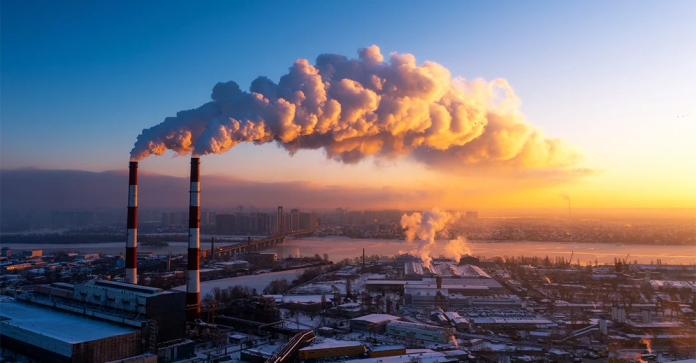
Strategic Council Online – Interview: A senior international security analyst stated: The Trump administration’s environmental deregulation policies will inflict serious and long-term damage on international security. The Donald Trump administration has adopted a controversial approach through extensive environmental deregulation policies, including revoking the 2009 scientific finding that identified greenhouse gases as a threat to public health. This decision, described by Lee Zeldin, head of the U.S. Environmental Protection Agency (EPA), as “the largest deregulation in American history,” not only weakens global efforts to combat global warming but will also have more destructive repercussions in the realm of international security.

Legal Avenues for Seeking Justice for the Crimes and Damages of the 12-Day War in International Forums

Legal Avenues for Seeking Justice for the Crimes and Damages of the 12-Day War in International Forums

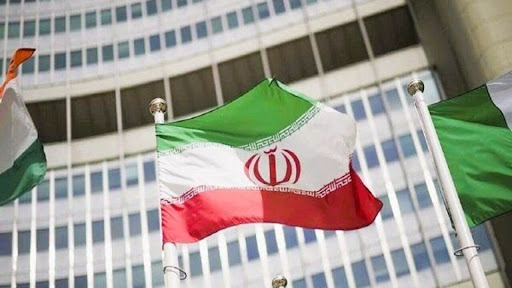
Strategic Council Online Opinion: The 12-day imposed war, which began on June 12 of this year with the Zionist regime’s invasion of Iranian soil, marked one of the darkest chapters in Iran’s contemporary history. This conflict started with Israel’s surprise attacks on Iran’s military and nuclear facilities, as well as civilian targets, including several hospitals. It was accompanied by the targeted assassinations of military commanders and prominent nuclear scientists, the destruction of Evin Prison (resulting in 71 deaths), and the bombing of the Islamic Republic of Iran Broadcasting (IRIB. The direct involvement of the U.S., through the bombing of Iran’s peaceful nuclear facilities in Fordow and Isfahan, completed this tragedy. These actions not only constituted a blatant violation of international obligations, including the UN Charter, the Geneva Conventions, and the Treaty on the Non-Proliferation of Nuclear Weapons (NPT), but also imposed heavy legal and criminal responsibility on the U.S. and the Israeli regime.

Opportunities and Challenges of Cooperation with Global Alliances

Opportunities and Challenges of Cooperation with Global Alliances

Strategic Council Online – Interview: An international affairs expert stated that Iran’s hybrid and multidimensional diplomacy, if combined with a measured, flexible, and more effective approach, could lead to tangible domestic and international achievements. The world is transitioning toward a multipolar order in which power is more dispersed and distributed among multiple actors. In this context, Iran, by adopting an inclusive policy and emphasizing cooperation with alliances such as BRICS and the Shanghai Cooperation Organization (SCO), seeks to reposition itself in the international system strategically. This policy goes beyond a reaction to the so-called Western-imposed isolation; it signifies a normative decision and choice to establish a fairer and more balanced order based on principles of justice, equality, and respect for national sovereignty. However, excessive reliance on specific alliances and blocs could limit Iran’s strategic options.

Turkey’s Concerns Regarding Recent Developments in Syria

Turkey’s Concerns Regarding Recent Developments in Syria

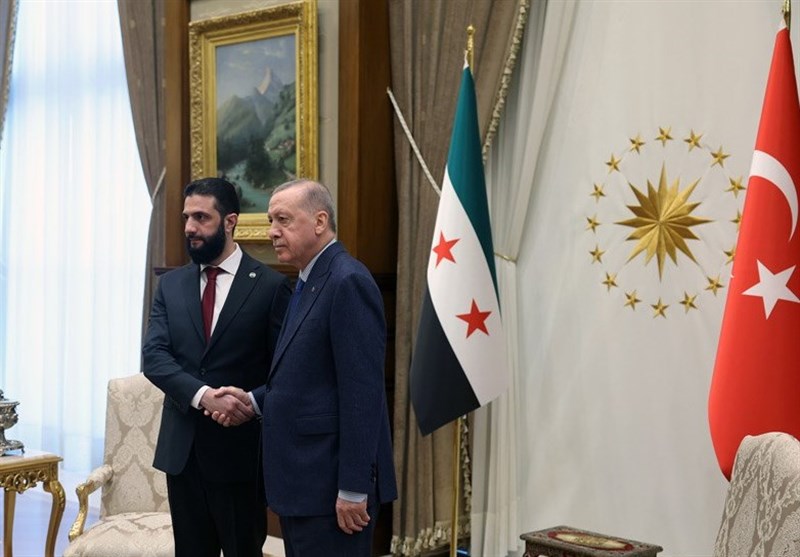
Strategic Council Online– Interview: A West Asia affairs expert stated that despite the internationally brokered ceasefire agreement reached a few days ago in Al-Suwayda, the Israeli regime’s movements in southern Syria continue. In this context, an important issue that has drawn public attention is Turkey’s reaction to these developments. By supporting Ahmed al-Shara (also known as Abu Muhammad al-Julene), Turkey managed to lay the groundwork for the fall of Bashar al-Assad and, in its view, solidify its foothold in the country. However, over the past few weeks, with the Zionist regime’s attacks on positions held by Julani’s forces in Syria and other areas, Ankara’s calculations in Syria have been significantly disrupted.

An Analysis of Russia’s Official Recognition of the Taliban

An Analysis of Russia’s Official Recognition of the Taliban

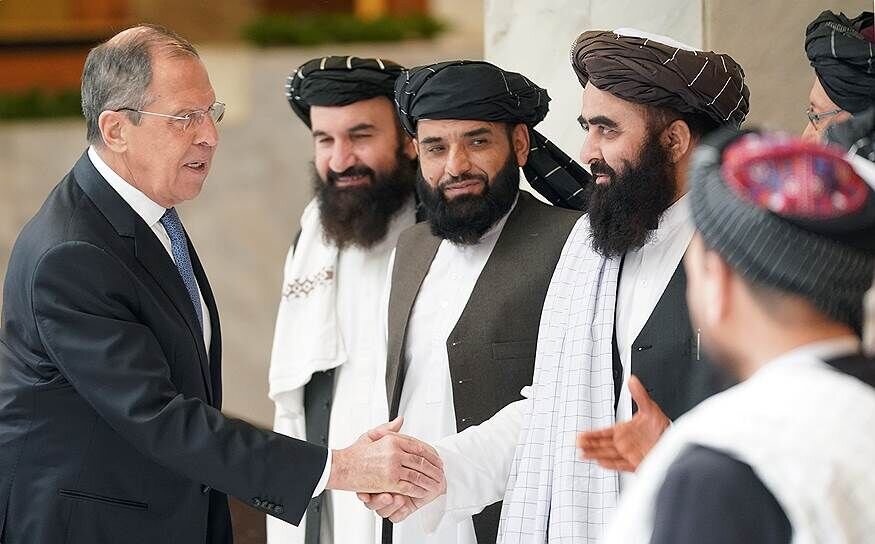
Strategic Council Online – Interview: A former Iranian diplomat stated that Russia’s recognition of the Taliban or the Islamic Emirate of Afghanistan is primarily a security and intelligence matter, and any expansion of political and economic relations with the Taliban will undoubtedly be carried out with Moscow’s specific considerations.

BRICS Initiatives to Reduce Countries’ Dependence on the Dollar and Their Challenges

BRICS Initiatives to Reduce Countries’ Dependence on the Dollar and Their Challenges

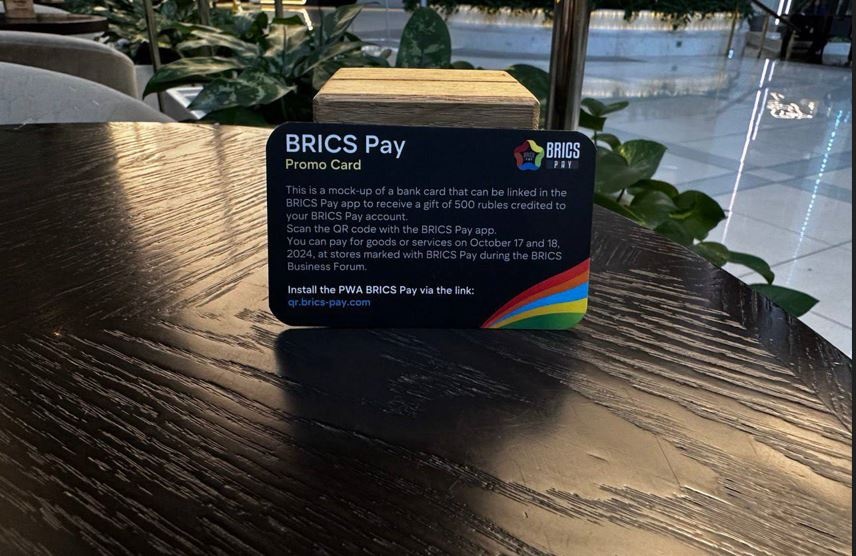
Strategic Council Online – Opinion: The expansion of the BRICS group, particularly with the addition of influential powers such as Iran, Saudi Arabia, the UAE, and Egypt, has sparked a wave of concern in American policymaking circles, especially among conservative factions symbolized by Donald Trump. This fear does not stem merely from the increase in membership. Still, it is rooted in the coalition’s potential to challenge the Western-led economic and political order—particularly the dollar’s exclusive status as the global reserve and exchange currency.

The Ukraine War and Europe’s Security Scenarios

The Ukraine War and Europe’s Security Scenarios

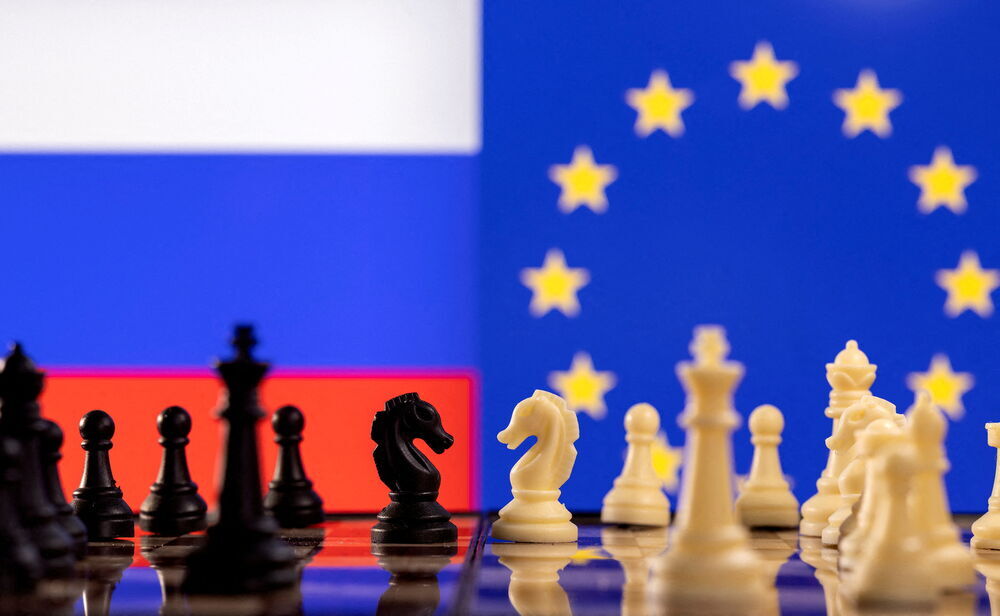
Strategic Council Online – Interview: A Russia affairs expert stated that Europe will face a complex security environment in the future, including increased militarization, economic challenges stemming from cutting dependence on Russian energy, and the need to redefine relations with the U.S. and NATO. As a result, without sustainable solutions, Europe may face greater existential, economic, and social threats in the future.

The Impact of the 12-Day War on the Economy of the Israeli Regime

The Impact of the 12-Day War on the Economy of the Israeli Regime

Strategic Council Online – Interview: A senior international affairs analyst stated that the Israeli regime’s 12-day war against Iran in June 2025 has pushed its economy to a fragile point. A 16.2% decline in exports to $3.6 billion is just the tip of the iceberg of the crisis. Simultaneously, global isolation and the continued widening of crimes in Gaza have placed an additional burden on its economy. The weakening of the shekel against the dollar and the destruction of key infrastructure have plunged the Israeli regime’s economy into a whirlpool of a 20.6% trade deficit and a 3.4% drop in six-month exports to $26.97 billion. A 5% increase in imports has further exacerbated the pressure. This crisis, rooted in the Israeli regime’s military adventurism and global isolation, has driven it toward dependence on foreign aid and social collapse.

An Analysis of Germany’s Wrong Approach to the 12-Day War

An Analysis of Germany’s Wrong Approach to the 12-Day War

Strategic Council Online – Interview: A senior European affairs analyst stated that Germany’s support for the Israeli regime in the 12-day war against Iran stems from its historical commitment to this regime. Friedrich Merz, Germany’s Chancellor from the Christian Democratic Party, firmly backed the Israeli regime’s attacks on Iran in June 2025, calling them a “dirty job for everyone’s benefit” and part of the Israeli regime’s “self-defense.” This stance is rooted in Germany’s historical commitment to the security of the Israeli regime (Staatsräson), which has been reinforced since the Holocaust and Angela Merkel’s 2008 speech at the Knesset. At the G7 summit and a conference in Berlin, Merz cited Iran’s underground facilities, arguing that the attacks were necessary to prevent Iran from obtaining nuclear weapons. Germany’s Foreign Minister, Johann Wadephul, also reiterated support for the Israeli regime’s “right to self-defense.” This position has faced domestic and international criticism. Germany’s unconditional support, aligned with Western geopolitical interests against Iran, signals a shift toward a more aggressive foreign policy. This stance has sparked criticism both at home and abroad.

Legal Avenues to Pursue the US and Zionist Regime’s Attack on Iran

Legal Avenues to Pursue the US and Zionist Regime’s Attack on Iran

Strategic Council Online – Interview: The Former Deputy for Legal Affairs of the Ministry of Foreign Affairs stated that two paths—general provisions of international law and the Algiers Accord—are avenues through which the issue of the US and Zionist regime’s attack on Iran can be pursued in international forums.

أحدث الوظائف

Loading

Strategic Perspective

The Necessity of Strengthening Environmental Diplomacy to Counter the Consequences of the Trump Administration’s Deregulation

The Necessity of Strengthening Environmental Diplomacy to Counter the Consequences of the Trump Administration’s Deregulation

Strategic Council Online – Interview: A senior international security analyst stated: The Trump administration’s environmental deregulation policies will inflict serious and long-term damage on international security. The Donald Trump administration has adopted a controversial approach through extensive environmental deregulation policies, including revoking the 2009 scientific finding that identified greenhouse gases as a threat to public health. This decision, described by Lee Zeldin, head of the U.S. Environmental Protection Agency (EPA), as “the largest deregulation in American history,” not only weakens global efforts to combat global warming but will also have more destructive repercussions in the realm of international security.

Legal Avenues for Seeking Justice for the Crimes and Damages of the 12-Day War in International Forums

Legal Avenues for Seeking Justice for the Crimes and Damages of the 12-Day War in International Forums

Strategic Council Online Opinion: The 12-day imposed war, which began on June 12 of this year with the Zionist regime’s invasion of Iranian soil, marked one of the darkest chapters in Iran’s contemporary history. This conflict started with Israel’s surprise attacks on Iran’s military and nuclear facilities, as well as civilian targets, including several hospitals. It was accompanied by the targeted assassinations of military commanders and prominent nuclear scientists, the destruction of Evin Prison (resulting in 71 deaths), and the bombing of the Islamic Republic of Iran Broadcasting (IRIB. The direct involvement of the U.S., through the bombing of Iran’s peaceful nuclear facilities in Fordow and Isfahan, completed this tragedy. These actions not only constituted a blatant violation of international obligations, including the UN Charter, the Geneva Conventions, and the Treaty on the Non-Proliferation of Nuclear Weapons (NPT), but also imposed heavy legal and criminal responsibility on the U.S. and the Israeli regime.

Opportunities and Challenges of Cooperation with Global Alliances

Opportunities and Challenges of Cooperation with Global Alliances

Strategic Council Online – Interview: An international affairs expert stated that Iran’s hybrid and multidimensional diplomacy, if combined with a measured, flexible, and more effective approach, could lead to tangible domestic and international achievements. The world is transitioning toward a multipolar order in which power is more dispersed and distributed among multiple actors. In this context, Iran, by adopting an inclusive policy and emphasizing cooperation with alliances such as BRICS and the Shanghai Cooperation Organization (SCO), seeks to reposition itself in the international system strategically. This policy goes beyond a reaction to the so-called Western-imposed isolation; it signifies a normative decision and choice to establish a fairer and more balanced order based on principles of justice, equality, and respect for national sovereignty. However, excessive reliance on specific alliances and blocs could limit Iran’s strategic options.

Turkey’s Concerns Regarding Recent Developments in Syria

Turkey’s Concerns Regarding Recent Developments in Syria

Strategic Council Online– Interview: A West Asia affairs expert stated that despite the internationally brokered ceasefire agreement reached a few days ago in Al-Suwayda, the Israeli regime’s movements in southern Syria continue. In this context, an important issue that has drawn public attention is Turkey’s reaction to these developments. By supporting Ahmed al-Shara (also known as Abu Muhammad al-Julene), Turkey managed to lay the groundwork for the fall of Bashar al-Assad and, in its view, solidify its foothold in the country. However, over the past few weeks, with the Zionist regime’s attacks on positions held by Julani’s forces in Syria and other areas, Ankara’s calculations in Syria have been significantly disrupted.

An Analysis of Russia’s Official Recognition of the Taliban

An Analysis of Russia’s Official Recognition of the Taliban

Strategic Council Online – Interview: A former Iranian diplomat stated that Russia’s recognition of the Taliban or the Islamic Emirate of Afghanistan is primarily a security and intelligence matter, and any expansion of political and economic relations with the Taliban will undoubtedly be carried out with Moscow’s specific considerations.

BRICS Initiatives to Reduce Countries’ Dependence on the Dollar and Their Challenges

BRICS Initiatives to Reduce Countries’ Dependence on the Dollar and Their Challenges

Strategic Council Online – Opinion: The expansion of the BRICS group, particularly with the addition of influential powers such as Iran, Saudi Arabia, the UAE, and Egypt, has sparked a wave of concern in American policymaking circles, especially among conservative factions symbolized by Donald Trump. This fear does not stem merely from the increase in membership. Still, it is rooted in the coalition’s potential to challenge the Western-led economic and political order—particularly the dollar’s exclusive status as the global reserve and exchange currency.

The Ukraine War and Europe’s Security Scenarios

The Ukraine War and Europe’s Security Scenarios

Strategic Council Online – Interview: A Russia affairs expert stated that Europe will face a complex security environment in the future, including increased militarization, economic challenges stemming from cutting dependence on Russian energy, and the need to redefine relations with the U.S. and NATO. As a result, without sustainable solutions, Europe may face greater existential, economic, and social threats in the future.

The Impact of the 12-Day War on the Economy of the Israeli Regime

The Impact of the 12-Day War on the Economy of the Israeli Regime

Strategic Council Online – Interview: A senior international affairs analyst stated that the Israeli regime’s 12-day war against Iran in June 2025 has pushed its economy to a fragile point. A 16.2% decline in exports to $3.6 billion is just the tip of the iceberg of the crisis. Simultaneously, global isolation and the continued widening of crimes in Gaza have placed an additional burden on its economy. The weakening of the shekel against the dollar and the destruction of key infrastructure have plunged the Israeli regime’s economy into a whirlpool of a 20.6% trade deficit and a 3.4% drop in six-month exports to $26.97 billion. A 5% increase in imports has further exacerbated the pressure. This crisis, rooted in the Israeli regime’s military adventurism and global isolation, has driven it toward dependence on foreign aid and social collapse.

An Analysis of Germany’s Wrong Approach to the 12-Day War

An Analysis of Germany’s Wrong Approach to the 12-Day War

Strategic Council Online – Interview: A senior European affairs analyst stated that Germany’s support for the Israeli regime in the 12-day war against Iran stems from its historical commitment to this regime. Friedrich Merz, Germany’s Chancellor from the Christian Democratic Party, firmly backed the Israeli regime’s attacks on Iran in June 2025, calling them a “dirty job for everyone’s benefit” and part of the Israeli regime’s “self-defense.” This stance is rooted in Germany’s historical commitment to the security of the Israeli regime (Staatsräson), which has been reinforced since the Holocaust and Angela Merkel’s 2008 speech at the Knesset. At the G7 summit and a conference in Berlin, Merz cited Iran’s underground facilities, arguing that the attacks were necessary to prevent Iran from obtaining nuclear weapons. Germany’s Foreign Minister, Johann Wadephul, also reiterated support for the Israeli regime’s “right to self-defense.” This position has faced domestic and international criticism. Germany’s unconditional support, aligned with Western geopolitical interests against Iran, signals a shift toward a more aggressive foreign policy. This stance has sparked criticism both at home and abroad.

Legal Avenues to Pursue the US and Zionist Regime’s Attack on Iran

Legal Avenues to Pursue the US and Zionist Regime’s Attack on Iran

Strategic Council Online – Interview: The Former Deputy for Legal Affairs of the Ministry of Foreign Affairs stated that two paths—general provisions of international law and the Algiers Accord—are avenues through which the issue of the US and Zionist regime’s attack on Iran can be pursued in international forums.

Strategic Perspective

The Necessity of Strengthening Environmental Diplomacy to Counter the Consequences of the Trump Administration’s Deregulation

The Necessity of Strengthening Environmental Diplomacy to Counter the Consequences of the Trump Administration’s Deregulation

Strategic Council Online – Interview: A senior international security analyst stated: The Trump administration’s environmental deregulation policies will inflict serious and long-term damage on international security. The Donald Trump administration has adopted a controversial approach through extensive environmental deregulation policies, including revoking the 2009 scientific finding that identified greenhouse gases as a threat to public health. This decision, described by Lee Zeldin, head of the U.S. Environmental Protection Agency (EPA), as “the largest deregulation in American history,” not only weakens global efforts to combat global warming but will also have more destructive repercussions in the realm of international security.

Legal Avenues for Seeking Justice for the Crimes and Damages of the 12-Day War in International Forums

Legal Avenues for Seeking Justice for the Crimes and Damages of the 12-Day War in International Forums

Strategic Council Online Opinion: The 12-day imposed war, which began on June 12 of this year with the Zionist regime’s invasion of Iranian soil, marked one of the darkest chapters in Iran’s contemporary history. This conflict started with Israel’s surprise attacks on Iran’s military and nuclear facilities, as well as civilian targets, including several hospitals. It was accompanied by the targeted assassinations of military commanders and prominent nuclear scientists, the destruction of Evin Prison (resulting in 71 deaths), and the bombing of the Islamic Republic of Iran Broadcasting (IRIB. The direct involvement of the U.S., through the bombing of Iran’s peaceful nuclear facilities in Fordow and Isfahan, completed this tragedy. These actions not only constituted a blatant violation of international obligations, including the UN Charter, the Geneva Conventions, and the Treaty on the Non-Proliferation of Nuclear Weapons (NPT), but also imposed heavy legal and criminal responsibility on the U.S. and the Israeli regime.

Opportunities and Challenges of Cooperation with Global Alliances

Opportunities and Challenges of Cooperation with Global Alliances

Strategic Council Online – Interview: An international affairs expert stated that Iran’s hybrid and multidimensional diplomacy, if combined with a measured, flexible, and more effective approach, could lead to tangible domestic and international achievements. The world is transitioning toward a multipolar order in which power is more dispersed and distributed among multiple actors. In this context, Iran, by adopting an inclusive policy and emphasizing cooperation with alliances such as BRICS and the Shanghai Cooperation Organization (SCO), seeks to reposition itself in the international system strategically. This policy goes beyond a reaction to the so-called Western-imposed isolation; it signifies a normative decision and choice to establish a fairer and more balanced order based on principles of justice, equality, and respect for national sovereignty. However, excessive reliance on specific alliances and blocs could limit Iran’s strategic options.

Turkey’s Concerns Regarding Recent Developments in Syria

Turkey’s Concerns Regarding Recent Developments in Syria

Strategic Council Online– Interview: A West Asia affairs expert stated that despite the internationally brokered ceasefire agreement reached a few days ago in Al-Suwayda, the Israeli regime’s movements in southern Syria continue. In this context, an important issue that has drawn public attention is Turkey’s reaction to these developments. By supporting Ahmed al-Shara (also known as Abu Muhammad al-Julene), Turkey managed to lay the groundwork for the fall of Bashar al-Assad and, in its view, solidify its foothold in the country. However, over the past few weeks, with the Zionist regime’s attacks on positions held by Julani’s forces in Syria and other areas, Ankara’s calculations in Syria have been significantly disrupted.

An Analysis of Russia’s Official Recognition of the Taliban

An Analysis of Russia’s Official Recognition of the Taliban

Strategic Council Online – Interview: A former Iranian diplomat stated that Russia’s recognition of the Taliban or the Islamic Emirate of Afghanistan is primarily a security and intelligence matter, and any expansion of political and economic relations with the Taliban will undoubtedly be carried out with Moscow’s specific considerations.

BRICS Initiatives to Reduce Countries’ Dependence on the Dollar and Their Challenges

BRICS Initiatives to Reduce Countries’ Dependence on the Dollar and Their Challenges

Strategic Council Online – Opinion: The expansion of the BRICS group, particularly with the addition of influential powers such as Iran, Saudi Arabia, the UAE, and Egypt, has sparked a wave of concern in American policymaking circles, especially among conservative factions symbolized by Donald Trump. This fear does not stem merely from the increase in membership. Still, it is rooted in the coalition’s potential to challenge the Western-led economic and political order—particularly the dollar’s exclusive status as the global reserve and exchange currency.

The Ukraine War and Europe’s Security Scenarios

The Ukraine War and Europe’s Security Scenarios

Strategic Council Online – Interview: A Russia affairs expert stated that Europe will face a complex security environment in the future, including increased militarization, economic challenges stemming from cutting dependence on Russian energy, and the need to redefine relations with the U.S. and NATO. As a result, without sustainable solutions, Europe may face greater existential, economic, and social threats in the future.

The Impact of the 12-Day War on the Economy of the Israeli Regime

The Impact of the 12-Day War on the Economy of the Israeli Regime

Strategic Council Online – Interview: A senior international affairs analyst stated that the Israeli regime’s 12-day war against Iran in June 2025 has pushed its economy to a fragile point. A 16.2% decline in exports to $3.6 billion is just the tip of the iceberg of the crisis. Simultaneously, global isolation and the continued widening of crimes in Gaza have placed an additional burden on its economy. The weakening of the shekel against the dollar and the destruction of key infrastructure have plunged the Israeli regime’s economy into a whirlpool of a 20.6% trade deficit and a 3.4% drop in six-month exports to $26.97 billion. A 5% increase in imports has further exacerbated the pressure. This crisis, rooted in the Israeli regime’s military adventurism and global isolation, has driven it toward dependence on foreign aid and social collapse.

An Analysis of Germany’s Wrong Approach to the 12-Day War

An Analysis of Germany’s Wrong Approach to the 12-Day War

Strategic Council Online – Interview: A senior European affairs analyst stated that Germany’s support for the Israeli regime in the 12-day war against Iran stems from its historical commitment to this regime. Friedrich Merz, Germany’s Chancellor from the Christian Democratic Party, firmly backed the Israeli regime’s attacks on Iran in June 2025, calling them a “dirty job for everyone’s benefit” and part of the Israeli regime’s “self-defense.” This stance is rooted in Germany’s historical commitment to the security of the Israeli regime (Staatsräson), which has been reinforced since the Holocaust and Angela Merkel’s 2008 speech at the Knesset. At the G7 summit and a conference in Berlin, Merz cited Iran’s underground facilities, arguing that the attacks were necessary to prevent Iran from obtaining nuclear weapons. Germany’s Foreign Minister, Johann Wadephul, also reiterated support for the Israeli regime’s “right to self-defense.” This position has faced domestic and international criticism. Germany’s unconditional support, aligned with Western geopolitical interests against Iran, signals a shift toward a more aggressive foreign policy. This stance has sparked criticism both at home and abroad.

Legal Avenues to Pursue the US and Zionist Regime’s Attack on Iran

Legal Avenues to Pursue the US and Zionist Regime’s Attack on Iran

Strategic Council Online – Interview: The Former Deputy for Legal Affairs of the Ministry of Foreign Affairs stated that two paths—general provisions of international law and the Algiers Accord—are avenues through which the issue of the US and Zionist regime’s attack on Iran can be pursued in international forums.

LATEST CONTENT

Loading

Strategic Perspective

The Necessity of Strengthening Environmental Diplomacy to Counter the Consequences of the Trump Administration’s Deregulation

The Necessity of Strengthening Environmental Diplomacy to Counter the Consequences of the Trump Administration’s Deregulation

Strategic Council Online – Interview: A senior international security analyst stated: The Trump administration’s environmental deregulation policies will inflict serious and long-term damage on international security. The Donald Trump administration has adopted a controversial approach through extensive environmental deregulation policies, including revoking the 2009 scientific finding that identified greenhouse gases as a threat to public health. This decision, described by Lee Zeldin, head of the U.S. Environmental Protection Agency (EPA), as “the largest deregulation in American history,” not only weakens global efforts to combat global warming but will also have more destructive repercussions in the realm of international security.

Legal Avenues for Seeking Justice for the Crimes and Damages of the 12-Day War in International Forums

Legal Avenues for Seeking Justice for the Crimes and Damages of the 12-Day War in International Forums

Strategic Council Online Opinion: The 12-day imposed war, which began on June 12 of this year with the Zionist regime’s invasion of Iranian soil, marked one of the darkest chapters in Iran’s contemporary history. This conflict started with Israel’s surprise attacks on Iran’s military and nuclear facilities, as well as civilian targets, including several hospitals. It was accompanied by the targeted assassinations of military commanders and prominent nuclear scientists, the destruction of Evin Prison (resulting in 71 deaths), and the bombing of the Islamic Republic of Iran Broadcasting (IRIB. The direct involvement of the U.S., through the bombing of Iran’s peaceful nuclear facilities in Fordow and Isfahan, completed this tragedy. These actions not only constituted a blatant violation of international obligations, including the UN Charter, the Geneva Conventions, and the Treaty on the Non-Proliferation of Nuclear Weapons (NPT), but also imposed heavy legal and criminal responsibility on the U.S. and the Israeli regime.

Opportunities and Challenges of Cooperation with Global Alliances

Opportunities and Challenges of Cooperation with Global Alliances

Strategic Council Online – Interview: An international affairs expert stated that Iran’s hybrid and multidimensional diplomacy, if combined with a measured, flexible, and more effective approach, could lead to tangible domestic and international achievements. The world is transitioning toward a multipolar order in which power is more dispersed and distributed among multiple actors. In this context, Iran, by adopting an inclusive policy and emphasizing cooperation with alliances such as BRICS and the Shanghai Cooperation Organization (SCO), seeks to reposition itself in the international system strategically. This policy goes beyond a reaction to the so-called Western-imposed isolation; it signifies a normative decision and choice to establish a fairer and more balanced order based on principles of justice, equality, and respect for national sovereignty. However, excessive reliance on specific alliances and blocs could limit Iran’s strategic options.

Turkey’s Concerns Regarding Recent Developments in Syria

Turkey’s Concerns Regarding Recent Developments in Syria

Strategic Council Online– Interview: A West Asia affairs expert stated that despite the internationally brokered ceasefire agreement reached a few days ago in Al-Suwayda, the Israeli regime’s movements in southern Syria continue. In this context, an important issue that has drawn public attention is Turkey’s reaction to these developments. By supporting Ahmed al-Shara (also known as Abu Muhammad al-Julene), Turkey managed to lay the groundwork for the fall of Bashar al-Assad and, in its view, solidify its foothold in the country. However, over the past few weeks, with the Zionist regime’s attacks on positions held by Julani’s forces in Syria and other areas, Ankara’s calculations in Syria have been significantly disrupted.

An Analysis of Russia’s Official Recognition of the Taliban

An Analysis of Russia’s Official Recognition of the Taliban

Strategic Council Online – Interview: A former Iranian diplomat stated that Russia’s recognition of the Taliban or the Islamic Emirate of Afghanistan is primarily a security and intelligence matter, and any expansion of political and economic relations with the Taliban will undoubtedly be carried out with Moscow’s specific considerations.

BRICS Initiatives to Reduce Countries’ Dependence on the Dollar and Their Challenges

BRICS Initiatives to Reduce Countries’ Dependence on the Dollar and Their Challenges

Strategic Council Online – Opinion: The expansion of the BRICS group, particularly with the addition of influential powers such as Iran, Saudi Arabia, the UAE, and Egypt, has sparked a wave of concern in American policymaking circles, especially among conservative factions symbolized by Donald Trump. This fear does not stem merely from the increase in membership. Still, it is rooted in the coalition’s potential to challenge the Western-led economic and political order—particularly the dollar’s exclusive status as the global reserve and exchange currency.

The Ukraine War and Europe’s Security Scenarios

The Ukraine War and Europe’s Security Scenarios

Strategic Council Online – Interview: A Russia affairs expert stated that Europe will face a complex security environment in the future, including increased militarization, economic challenges stemming from cutting dependence on Russian energy, and the need to redefine relations with the U.S. and NATO. As a result, without sustainable solutions, Europe may face greater existential, economic, and social threats in the future.

The Impact of the 12-Day War on the Economy of the Israeli Regime

The Impact of the 12-Day War on the Economy of the Israeli Regime

Strategic Council Online – Interview: A senior international affairs analyst stated that the Israeli regime’s 12-day war against Iran in June 2025 has pushed its economy to a fragile point. A 16.2% decline in exports to $3.6 billion is just the tip of the iceberg of the crisis. Simultaneously, global isolation and the continued widening of crimes in Gaza have placed an additional burden on its economy. The weakening of the shekel against the dollar and the destruction of key infrastructure have plunged the Israeli regime’s economy into a whirlpool of a 20.6% trade deficit and a 3.4% drop in six-month exports to $26.97 billion. A 5% increase in imports has further exacerbated the pressure. This crisis, rooted in the Israeli regime’s military adventurism and global isolation, has driven it toward dependence on foreign aid and social collapse.

An Analysis of Germany’s Wrong Approach to the 12-Day War

An Analysis of Germany’s Wrong Approach to the 12-Day War

Strategic Council Online – Interview: A senior European affairs analyst stated that Germany’s support for the Israeli regime in the 12-day war against Iran stems from its historical commitment to this regime. Friedrich Merz, Germany’s Chancellor from the Christian Democratic Party, firmly backed the Israeli regime’s attacks on Iran in June 2025, calling them a “dirty job for everyone’s benefit” and part of the Israeli regime’s “self-defense.” This stance is rooted in Germany’s historical commitment to the security of the Israeli regime (Staatsräson), which has been reinforced since the Holocaust and Angela Merkel’s 2008 speech at the Knesset. At the G7 summit and a conference in Berlin, Merz cited Iran’s underground facilities, arguing that the attacks were necessary to prevent Iran from obtaining nuclear weapons. Germany’s Foreign Minister, Johann Wadephul, also reiterated support for the Israeli regime’s “right to self-defense.” This position has faced domestic and international criticism. Germany’s unconditional support, aligned with Western geopolitical interests against Iran, signals a shift toward a more aggressive foreign policy. This stance has sparked criticism both at home and abroad.

Legal Avenues to Pursue the US and Zionist Regime’s Attack on Iran

Legal Avenues to Pursue the US and Zionist Regime’s Attack on Iran

Strategic Council Online – Interview: The Former Deputy for Legal Affairs of the Ministry of Foreign Affairs stated that two paths—general provisions of international law and the Algiers Accord—are avenues through which the issue of the US and Zionist regime’s attack on Iran can be pursued in international forums.

ÚLTIMAS PUBLICACIONES

Loading

Strategic Perspective

The Necessity of Strengthening Environmental Diplomacy to Counter the Consequences of the Trump Administration’s Deregulation

The Necessity of Strengthening Environmental Diplomacy to Counter the Consequences of the Trump Administration’s Deregulation

Strategic Council Online – Interview: A senior international security analyst stated: The Trump administration’s environmental deregulation policies will inflict serious and long-term damage on international security. The Donald Trump administration has adopted a controversial approach through extensive environmental deregulation policies, including revoking the 2009 scientific finding that identified greenhouse gases as a threat to public health. This decision, described by Lee Zeldin, head of the U.S. Environmental Protection Agency (EPA), as “the largest deregulation in American history,” not only weakens global efforts to combat global warming but will also have more destructive repercussions in the realm of international security.

Legal Avenues for Seeking Justice for the Crimes and Damages of the 12-Day War in International Forums

Legal Avenues for Seeking Justice for the Crimes and Damages of the 12-Day War in International Forums

Strategic Council Online Opinion: The 12-day imposed war, which began on June 12 of this year with the Zionist regime’s invasion of Iranian soil, marked one of the darkest chapters in Iran’s contemporary history. This conflict started with Israel’s surprise attacks on Iran’s military and nuclear facilities, as well as civilian targets, including several hospitals. It was accompanied by the targeted assassinations of military commanders and prominent nuclear scientists, the destruction of Evin Prison (resulting in 71 deaths), and the bombing of the Islamic Republic of Iran Broadcasting (IRIB. The direct involvement of the U.S., through the bombing of Iran’s peaceful nuclear facilities in Fordow and Isfahan, completed this tragedy. These actions not only constituted a blatant violation of international obligations, including the UN Charter, the Geneva Conventions, and the Treaty on the Non-Proliferation of Nuclear Weapons (NPT), but also imposed heavy legal and criminal responsibility on the U.S. and the Israeli regime.

Opportunities and Challenges of Cooperation with Global Alliances

Opportunities and Challenges of Cooperation with Global Alliances

Strategic Council Online – Interview: An international affairs expert stated that Iran’s hybrid and multidimensional diplomacy, if combined with a measured, flexible, and more effective approach, could lead to tangible domestic and international achievements. The world is transitioning toward a multipolar order in which power is more dispersed and distributed among multiple actors. In this context, Iran, by adopting an inclusive policy and emphasizing cooperation with alliances such as BRICS and the Shanghai Cooperation Organization (SCO), seeks to reposition itself in the international system strategically. This policy goes beyond a reaction to the so-called Western-imposed isolation; it signifies a normative decision and choice to establish a fairer and more balanced order based on principles of justice, equality, and respect for national sovereignty. However, excessive reliance on specific alliances and blocs could limit Iran’s strategic options.

Turkey’s Concerns Regarding Recent Developments in Syria

Turkey’s Concerns Regarding Recent Developments in Syria

Strategic Council Online– Interview: A West Asia affairs expert stated that despite the internationally brokered ceasefire agreement reached a few days ago in Al-Suwayda, the Israeli regime’s movements in southern Syria continue. In this context, an important issue that has drawn public attention is Turkey’s reaction to these developments. By supporting Ahmed al-Shara (also known as Abu Muhammad al-Julene), Turkey managed to lay the groundwork for the fall of Bashar al-Assad and, in its view, solidify its foothold in the country. However, over the past few weeks, with the Zionist regime’s attacks on positions held by Julani’s forces in Syria and other areas, Ankara’s calculations in Syria have been significantly disrupted.

An Analysis of Russia’s Official Recognition of the Taliban

An Analysis of Russia’s Official Recognition of the Taliban

Strategic Council Online – Interview: A former Iranian diplomat stated that Russia’s recognition of the Taliban or the Islamic Emirate of Afghanistan is primarily a security and intelligence matter, and any expansion of political and economic relations with the Taliban will undoubtedly be carried out with Moscow’s specific considerations.

BRICS Initiatives to Reduce Countries’ Dependence on the Dollar and Their Challenges

BRICS Initiatives to Reduce Countries’ Dependence on the Dollar and Their Challenges

Strategic Council Online – Opinion: The expansion of the BRICS group, particularly with the addition of influential powers such as Iran, Saudi Arabia, the UAE, and Egypt, has sparked a wave of concern in American policymaking circles, especially among conservative factions symbolized by Donald Trump. This fear does not stem merely from the increase in membership. Still, it is rooted in the coalition’s potential to challenge the Western-led economic and political order—particularly the dollar’s exclusive status as the global reserve and exchange currency.

The Ukraine War and Europe’s Security Scenarios

The Ukraine War and Europe’s Security Scenarios

Strategic Council Online – Interview: A Russia affairs expert stated that Europe will face a complex security environment in the future, including increased militarization, economic challenges stemming from cutting dependence on Russian energy, and the need to redefine relations with the U.S. and NATO. As a result, without sustainable solutions, Europe may face greater existential, economic, and social threats in the future.

The Impact of the 12-Day War on the Economy of the Israeli Regime

The Impact of the 12-Day War on the Economy of the Israeli Regime

Strategic Council Online – Interview: A senior international affairs analyst stated that the Israeli regime’s 12-day war against Iran in June 2025 has pushed its economy to a fragile point. A 16.2% decline in exports to $3.6 billion is just the tip of the iceberg of the crisis. Simultaneously, global isolation and the continued widening of crimes in Gaza have placed an additional burden on its economy. The weakening of the shekel against the dollar and the destruction of key infrastructure have plunged the Israeli regime’s economy into a whirlpool of a 20.6% trade deficit and a 3.4% drop in six-month exports to $26.97 billion. A 5% increase in imports has further exacerbated the pressure. This crisis, rooted in the Israeli regime’s military adventurism and global isolation, has driven it toward dependence on foreign aid and social collapse.

An Analysis of Germany’s Wrong Approach to the 12-Day War

An Analysis of Germany’s Wrong Approach to the 12-Day War

Strategic Council Online – Interview: A senior European affairs analyst stated that Germany’s support for the Israeli regime in the 12-day war against Iran stems from its historical commitment to this regime. Friedrich Merz, Germany’s Chancellor from the Christian Democratic Party, firmly backed the Israeli regime’s attacks on Iran in June 2025, calling them a “dirty job for everyone’s benefit” and part of the Israeli regime’s “self-defense.” This stance is rooted in Germany’s historical commitment to the security of the Israeli regime (Staatsräson), which has been reinforced since the Holocaust and Angela Merkel’s 2008 speech at the Knesset. At the G7 summit and a conference in Berlin, Merz cited Iran’s underground facilities, arguing that the attacks were necessary to prevent Iran from obtaining nuclear weapons. Germany’s Foreign Minister, Johann Wadephul, also reiterated support for the Israeli regime’s “right to self-defense.” This position has faced domestic and international criticism. Germany’s unconditional support, aligned with Western geopolitical interests against Iran, signals a shift toward a more aggressive foreign policy. This stance has sparked criticism both at home and abroad.

Legal Avenues to Pursue the US and Zionist Regime’s Attack on Iran

Legal Avenues to Pursue the US and Zionist Regime’s Attack on Iran

Strategic Council Online – Interview: The Former Deputy for Legal Affairs of the Ministry of Foreign Affairs stated that two paths—general provisions of international law and the Algiers Accord—are avenues through which the issue of the US and Zionist regime’s attack on Iran can be pursued in international forums.

ÚLTIMAS PUBLICACIONES

Loading

Strategic Perspective

The Necessity of Strengthening Environmental Diplomacy to Counter the Consequences of the Trump Administration’s Deregulation

The Necessity of Strengthening Environmental Diplomacy to Counter the Consequences of the Trump Administration’s Deregulation

Strategic Council Online – Interview: A senior international security analyst stated: The Trump administration’s environmental deregulation policies will inflict serious and long-term damage on international security. The Donald Trump administration has adopted a controversial approach through extensive environmental deregulation policies, including revoking the 2009 scientific finding that identified greenhouse gases as a threat to public health. This decision, described by Lee Zeldin, head of the U.S. Environmental Protection Agency (EPA), as “the largest deregulation in American history,” not only weakens global efforts to combat global warming but will also have more destructive repercussions in the realm of international security.

Legal Avenues for Seeking Justice for the Crimes and Damages of the 12-Day War in International Forums

Legal Avenues for Seeking Justice for the Crimes and Damages of the 12-Day War in International Forums

Strategic Council Online Opinion: The 12-day imposed war, which began on June 12 of this year with the Zionist regime’s invasion of Iranian soil, marked one of the darkest chapters in Iran’s contemporary history. This conflict started with Israel’s surprise attacks on Iran’s military and nuclear facilities, as well as civilian targets, including several hospitals. It was accompanied by the targeted assassinations of military commanders and prominent nuclear scientists, the destruction of Evin Prison (resulting in 71 deaths), and the bombing of the Islamic Republic of Iran Broadcasting (IRIB. The direct involvement of the U.S., through the bombing of Iran’s peaceful nuclear facilities in Fordow and Isfahan, completed this tragedy. These actions not only constituted a blatant violation of international obligations, including the UN Charter, the Geneva Conventions, and the Treaty on the Non-Proliferation of Nuclear Weapons (NPT), but also imposed heavy legal and criminal responsibility on the U.S. and the Israeli regime.

Opportunities and Challenges of Cooperation with Global Alliances

Opportunities and Challenges of Cooperation with Global Alliances

Strategic Council Online – Interview: An international affairs expert stated that Iran’s hybrid and multidimensional diplomacy, if combined with a measured, flexible, and more effective approach, could lead to tangible domestic and international achievements. The world is transitioning toward a multipolar order in which power is more dispersed and distributed among multiple actors. In this context, Iran, by adopting an inclusive policy and emphasizing cooperation with alliances such as BRICS and the Shanghai Cooperation Organization (SCO), seeks to reposition itself in the international system strategically. This policy goes beyond a reaction to the so-called Western-imposed isolation; it signifies a normative decision and choice to establish a fairer and more balanced order based on principles of justice, equality, and respect for national sovereignty. However, excessive reliance on specific alliances and blocs could limit Iran’s strategic options.

Turkey’s Concerns Regarding Recent Developments in Syria

Turkey’s Concerns Regarding Recent Developments in Syria

Strategic Council Online– Interview: A West Asia affairs expert stated that despite the internationally brokered ceasefire agreement reached a few days ago in Al-Suwayda, the Israeli regime’s movements in southern Syria continue. In this context, an important issue that has drawn public attention is Turkey’s reaction to these developments. By supporting Ahmed al-Shara (also known as Abu Muhammad al-Julene), Turkey managed to lay the groundwork for the fall of Bashar al-Assad and, in its view, solidify its foothold in the country. However, over the past few weeks, with the Zionist regime’s attacks on positions held by Julani’s forces in Syria and other areas, Ankara’s calculations in Syria have been significantly disrupted.

An Analysis of Russia’s Official Recognition of the Taliban

An Analysis of Russia’s Official Recognition of the Taliban

Strategic Council Online – Interview: A former Iranian diplomat stated that Russia’s recognition of the Taliban or the Islamic Emirate of Afghanistan is primarily a security and intelligence matter, and any expansion of political and economic relations with the Taliban will undoubtedly be carried out with Moscow’s specific considerations.

BRICS Initiatives to Reduce Countries’ Dependence on the Dollar and Their Challenges

BRICS Initiatives to Reduce Countries’ Dependence on the Dollar and Their Challenges

Strategic Council Online – Opinion: The expansion of the BRICS group, particularly with the addition of influential powers such as Iran, Saudi Arabia, the UAE, and Egypt, has sparked a wave of concern in American policymaking circles, especially among conservative factions symbolized by Donald Trump. This fear does not stem merely from the increase in membership. Still, it is rooted in the coalition’s potential to challenge the Western-led economic and political order—particularly the dollar’s exclusive status as the global reserve and exchange currency.

The Ukraine War and Europe’s Security Scenarios

The Ukraine War and Europe’s Security Scenarios

Strategic Council Online – Interview: A Russia affairs expert stated that Europe will face a complex security environment in the future, including increased militarization, economic challenges stemming from cutting dependence on Russian energy, and the need to redefine relations with the U.S. and NATO. As a result, without sustainable solutions, Europe may face greater existential, economic, and social threats in the future.

The Impact of the 12-Day War on the Economy of the Israeli Regime

The Impact of the 12-Day War on the Economy of the Israeli Regime

Strategic Council Online – Interview: A senior international affairs analyst stated that the Israeli regime’s 12-day war against Iran in June 2025 has pushed its economy to a fragile point. A 16.2% decline in exports to $3.6 billion is just the tip of the iceberg of the crisis. Simultaneously, global isolation and the continued widening of crimes in Gaza have placed an additional burden on its economy. The weakening of the shekel against the dollar and the destruction of key infrastructure have plunged the Israeli regime’s economy into a whirlpool of a 20.6% trade deficit and a 3.4% drop in six-month exports to $26.97 billion. A 5% increase in imports has further exacerbated the pressure. This crisis, rooted in the Israeli regime’s military adventurism and global isolation, has driven it toward dependence on foreign aid and social collapse.

An Analysis of Germany’s Wrong Approach to the 12-Day War

An Analysis of Germany’s Wrong Approach to the 12-Day War

Strategic Council Online – Interview: A senior European affairs analyst stated that Germany’s support for the Israeli regime in the 12-day war against Iran stems from its historical commitment to this regime. Friedrich Merz, Germany’s Chancellor from the Christian Democratic Party, firmly backed the Israeli regime’s attacks on Iran in June 2025, calling them a “dirty job for everyone’s benefit” and part of the Israeli regime’s “self-defense.” This stance is rooted in Germany’s historical commitment to the security of the Israeli regime (Staatsräson), which has been reinforced since the Holocaust and Angela Merkel’s 2008 speech at the Knesset. At the G7 summit and a conference in Berlin, Merz cited Iran’s underground facilities, arguing that the attacks were necessary to prevent Iran from obtaining nuclear weapons. Germany’s Foreign Minister, Johann Wadephul, also reiterated support for the Israeli regime’s “right to self-defense.” This position has faced domestic and international criticism. Germany’s unconditional support, aligned with Western geopolitical interests against Iran, signals a shift toward a more aggressive foreign policy. This stance has sparked criticism both at home and abroad.

Legal Avenues to Pursue the US and Zionist Regime’s Attack on Iran

Legal Avenues to Pursue the US and Zionist Regime’s Attack on Iran

Strategic Council Online – Interview: The Former Deputy for Legal Affairs of the Ministry of Foreign Affairs stated that two paths—general provisions of international law and the Algiers Accord—are avenues through which the issue of the US and Zionist regime’s attack on Iran can be pursued in international forums.

ÚLTIMAS PUBLICACIONES

Loading

Strategic Perspective

The Necessity of Strengthening Environmental Diplomacy to Counter the Consequences of the Trump Administration’s Deregulation

The Necessity of Strengthening Environmental Diplomacy to Counter the Consequences of the Trump Administration’s Deregulation

Strategic Council Online – Interview: A senior international security analyst stated: The Trump administration’s environmental deregulation policies will inflict serious and long-term damage on international security. The Donald Trump administration has adopted a controversial approach through extensive environmental deregulation policies, including revoking the 2009 scientific finding that identified greenhouse gases as a threat to public health. This decision, described by Lee Zeldin, head of the U.S. Environmental Protection Agency (EPA), as “the largest deregulation in American history,” not only weakens global efforts to combat global warming but will also have more destructive repercussions in the realm of international security.

Legal Avenues for Seeking Justice for the Crimes and Damages of the 12-Day War in International Forums

Legal Avenues for Seeking Justice for the Crimes and Damages of the 12-Day War in International Forums

Strategic Council Online Opinion: The 12-day imposed war, which began on June 12 of this year with the Zionist regime’s invasion of Iranian soil, marked one of the darkest chapters in Iran’s contemporary history. This conflict started with Israel’s surprise attacks on Iran’s military and nuclear facilities, as well as civilian targets, including several hospitals. It was accompanied by the targeted assassinations of military commanders and prominent nuclear scientists, the destruction of Evin Prison (resulting in 71 deaths), and the bombing of the Islamic Republic of Iran Broadcasting (IRIB. The direct involvement of the U.S., through the bombing of Iran’s peaceful nuclear facilities in Fordow and Isfahan, completed this tragedy. These actions not only constituted a blatant violation of international obligations, including the UN Charter, the Geneva Conventions, and the Treaty on the Non-Proliferation of Nuclear Weapons (NPT), but also imposed heavy legal and criminal responsibility on the U.S. and the Israeli regime.

Opportunities and Challenges of Cooperation with Global Alliances

Opportunities and Challenges of Cooperation with Global Alliances

Strategic Council Online – Interview: An international affairs expert stated that Iran’s hybrid and multidimensional diplomacy, if combined with a measured, flexible, and more effective approach, could lead to tangible domestic and international achievements. The world is transitioning toward a multipolar order in which power is more dispersed and distributed among multiple actors. In this context, Iran, by adopting an inclusive policy and emphasizing cooperation with alliances such as BRICS and the Shanghai Cooperation Organization (SCO), seeks to reposition itself in the international system strategically. This policy goes beyond a reaction to the so-called Western-imposed isolation; it signifies a normative decision and choice to establish a fairer and more balanced order based on principles of justice, equality, and respect for national sovereignty. However, excessive reliance on specific alliances and blocs could limit Iran’s strategic options.

Turkey’s Concerns Regarding Recent Developments in Syria

Turkey’s Concerns Regarding Recent Developments in Syria

Strategic Council Online– Interview: A West Asia affairs expert stated that despite the internationally brokered ceasefire agreement reached a few days ago in Al-Suwayda, the Israeli regime’s movements in southern Syria continue. In this context, an important issue that has drawn public attention is Turkey’s reaction to these developments. By supporting Ahmed al-Shara (also known as Abu Muhammad al-Julene), Turkey managed to lay the groundwork for the fall of Bashar al-Assad and, in its view, solidify its foothold in the country. However, over the past few weeks, with the Zionist regime’s attacks on positions held by Julani’s forces in Syria and other areas, Ankara’s calculations in Syria have been significantly disrupted.

An Analysis of Russia’s Official Recognition of the Taliban

An Analysis of Russia’s Official Recognition of the Taliban

Strategic Council Online – Interview: A former Iranian diplomat stated that Russia’s recognition of the Taliban or the Islamic Emirate of Afghanistan is primarily a security and intelligence matter, and any expansion of political and economic relations with the Taliban will undoubtedly be carried out with Moscow’s specific considerations.

BRICS Initiatives to Reduce Countries’ Dependence on the Dollar and Their Challenges

BRICS Initiatives to Reduce Countries’ Dependence on the Dollar and Their Challenges

Strategic Council Online – Opinion: The expansion of the BRICS group, particularly with the addition of influential powers such as Iran, Saudi Arabia, the UAE, and Egypt, has sparked a wave of concern in American policymaking circles, especially among conservative factions symbolized by Donald Trump. This fear does not stem merely from the increase in membership. Still, it is rooted in the coalition’s potential to challenge the Western-led economic and political order—particularly the dollar’s exclusive status as the global reserve and exchange currency.

The Ukraine War and Europe’s Security Scenarios

The Ukraine War and Europe’s Security Scenarios

Strategic Council Online – Interview: A Russia affairs expert stated that Europe will face a complex security environment in the future, including increased militarization, economic challenges stemming from cutting dependence on Russian energy, and the need to redefine relations with the U.S. and NATO. As a result, without sustainable solutions, Europe may face greater existential, economic, and social threats in the future.

The Impact of the 12-Day War on the Economy of the Israeli Regime

The Impact of the 12-Day War on the Economy of the Israeli Regime

Strategic Council Online – Interview: A senior international affairs analyst stated that the Israeli regime’s 12-day war against Iran in June 2025 has pushed its economy to a fragile point. A 16.2% decline in exports to $3.6 billion is just the tip of the iceberg of the crisis. Simultaneously, global isolation and the continued widening of crimes in Gaza have placed an additional burden on its economy. The weakening of the shekel against the dollar and the destruction of key infrastructure have plunged the Israeli regime’s economy into a whirlpool of a 20.6% trade deficit and a 3.4% drop in six-month exports to $26.97 billion. A 5% increase in imports has further exacerbated the pressure. This crisis, rooted in the Israeli regime’s military adventurism and global isolation, has driven it toward dependence on foreign aid and social collapse.

An Analysis of Germany’s Wrong Approach to the 12-Day War

An Analysis of Germany’s Wrong Approach to the 12-Day War

Strategic Council Online – Interview: A senior European affairs analyst stated that Germany’s support for the Israeli regime in the 12-day war against Iran stems from its historical commitment to this regime. Friedrich Merz, Germany’s Chancellor from the Christian Democratic Party, firmly backed the Israeli regime’s attacks on Iran in June 2025, calling them a “dirty job for everyone’s benefit” and part of the Israeli regime’s “self-defense.” This stance is rooted in Germany’s historical commitment to the security of the Israeli regime (Staatsräson), which has been reinforced since the Holocaust and Angela Merkel’s 2008 speech at the Knesset. At the G7 summit and a conference in Berlin, Merz cited Iran’s underground facilities, arguing that the attacks were necessary to prevent Iran from obtaining nuclear weapons. Germany’s Foreign Minister, Johann Wadephul, also reiterated support for the Israeli regime’s “right to self-defense.” This position has faced domestic and international criticism. Germany’s unconditional support, aligned with Western geopolitical interests against Iran, signals a shift toward a more aggressive foreign policy. This stance has sparked criticism both at home and abroad.

Legal Avenues to Pursue the US and Zionist Regime’s Attack on Iran

Legal Avenues to Pursue the US and Zionist Regime’s Attack on Iran

Strategic Council Online – Interview: The Former Deputy for Legal Affairs of the Ministry of Foreign Affairs stated that two paths—general provisions of international law and the Algiers Accord—are avenues through which the issue of the US and Zionist regime’s attack on Iran can be pursued in international forums.

ÚLTIMAS PUBLICACIONES

Loading