جدیدترین مطالب

Implications of the US-Saudi Nuclear Agreement

SCFR Online – Opinion: The new US-Saudi nuclear agreement, despite legal and political ambiguities, could alter previous non-proliferation standards in West Asia and intensify nuclear competition, ushering it into a new phase.

An Analysis of Recent Turkey-Israeli Regime Tensions

SCFR Online – Opinion: Recent developments in Syria indicate an intensification of strategic rivalry between Turkey and the Israeli regime, but mutual considerations and the role of the United States have limited the likelihood of direct war.

Increasing criticism of the extensive Zionist lobby network

SCFR Online – Opinion: An examination of the mechanisms of the Israeli regime’s influence in the United States depicts a complex picture of shared interests, strategic dependencies, and the limitations of this relationship.

Realities of the Tripartite Makkah Pact

SCFR Online – Interview: The signing of the Makkah agreement between Saudi Arabia, Pakistan, and Turkey has raised questions about the future of the region’s security structure and the position of these countries in West Asian equations. Can this agreement become a genuine collective defense mechanism, or does it have more of a political and deterrent function than creating new military capacity?

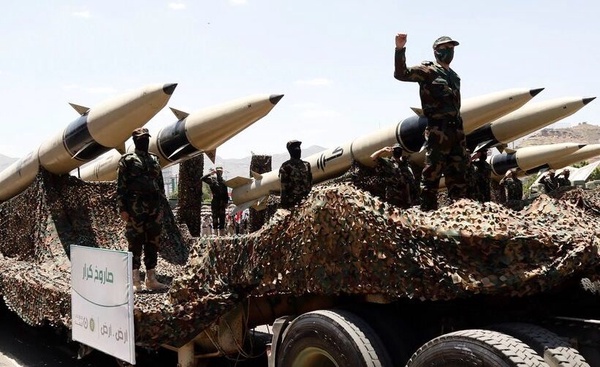
Strategic Implications of the Reduction of US Weapons Stockpiles

SCFR Online – Opinion: The continuation of the US war against Iran, in addition to increasing operational costs, has called into question the actual capacity of the American arsenal to simultaneously fulfill security commitments on multiple fronts; an issue that affects deterrence, defense production capacity, and Washington’s resource prioritization.

The Formation of a New Order in Relations Between Powers

SCFR Online – Opinion: The Russia-Ukraine war and the war of the United States and the Israeli regime against Iran have been formed with different objectives and actors, but field and political developments indicate that they are not entirely separate from one another.

An Analysis of the Makkah Defense Pact

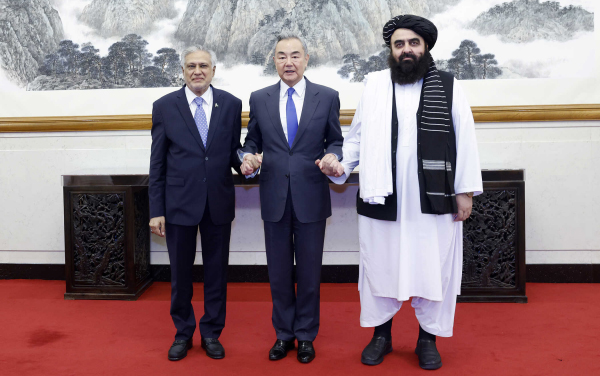
SCFR Online – Opinion: On Friday, August 7, the heads of state of three countries – Saudi Arabia, Turkey, and Pakistan – signed a text under the title “Makkah Joint Defense Agreement.”

Loading

Strategic Perspective

Analysis of the Recent Disagreements between Trump and Netanyahu

Analysis of the Recent Disagreements between Trump and Netanyahu

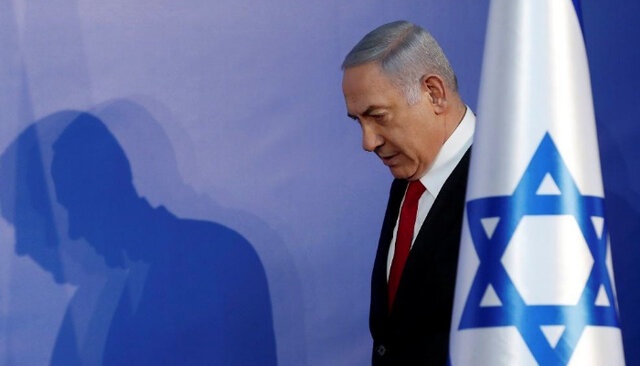
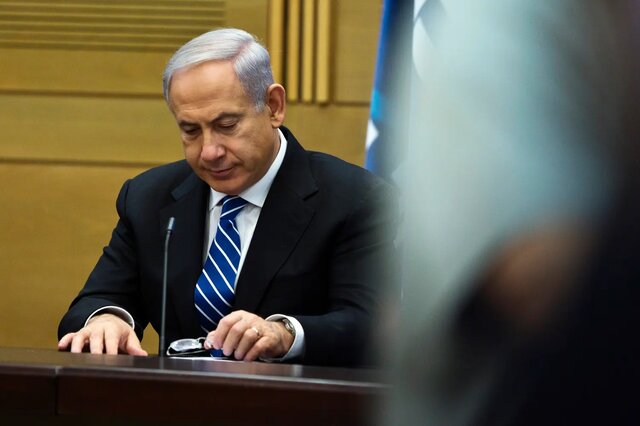
Strategic Council Online– Note: In recent weeks, the warmth of relations between Trump and Netanyahu has been questioned, and it seems that the two sides have had significant disagreements regarding the mechanisms for dealing with sensitive issues and challenges in the region, especially Iran, Hamas, Gaza, and Yemen.

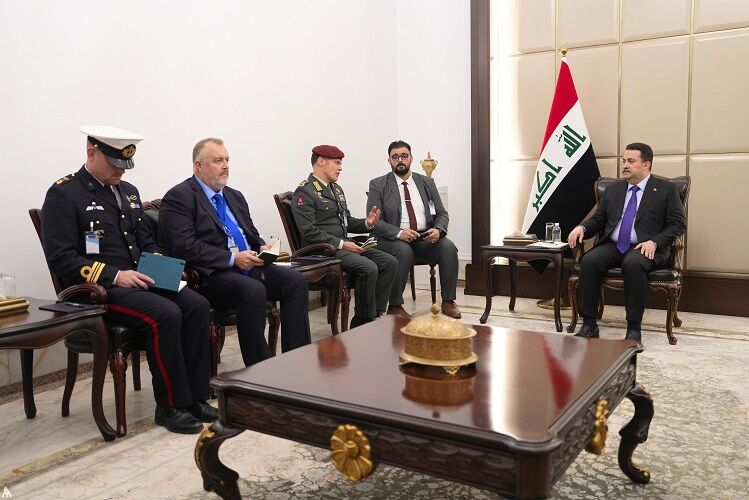
Consequences of Inviting Al-Sharaa to the Arab Summit in Iraq

Consequences of Inviting Al-Sharaa to the Arab Summit in Iraq

Strategic Council Online – Opinion: The invitation to Ahmed Al-Sharaa, head of Syria’s interim government, to attend the Arab Summit in Baghdad sends a message from the Iraqi government to the Arab world that Baghdad seeks to play a central role in rebuilding Arab relations and reducing regional tensions. However, the path ahead for Baghdad does not appear straightforward. The invitation to Syria’s interim President, facilitated by the mediation of Sheikh Tamim bin Hamad Al Thani, the Emir of Qatar, and Iraqi Prime Minister Sudani’s initial meeting with Al-Sharaa in Doha in February 2025, demonstrates Iraq’s determination to mediate regional conflicts.

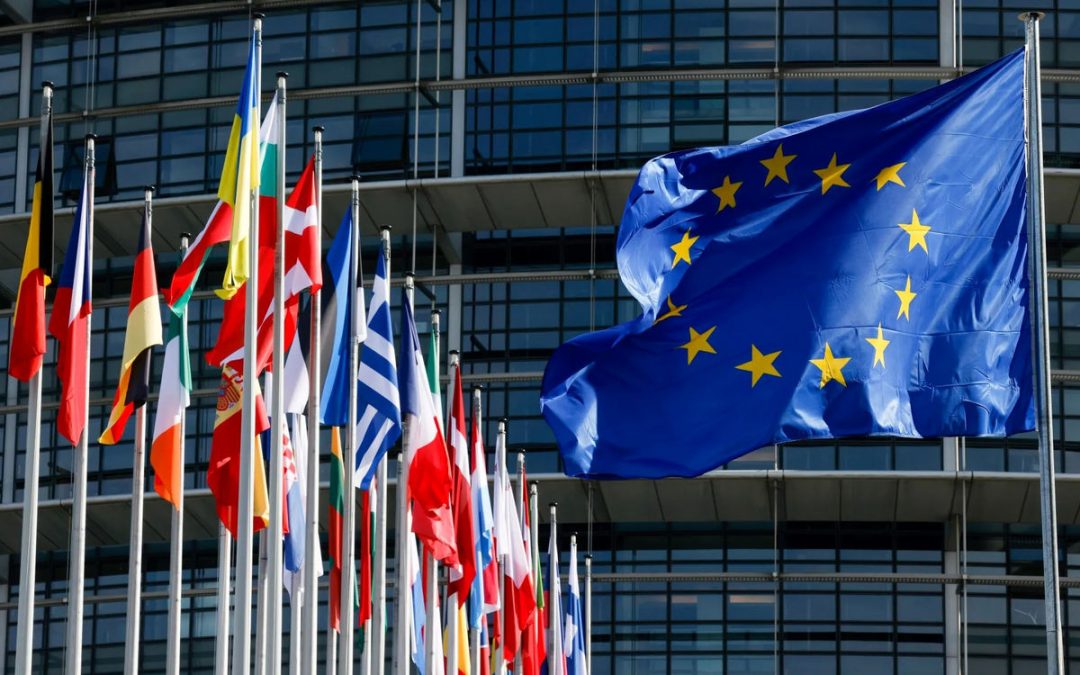
EU’s Aspiration for Defense Autonomy and Responsibility

EU’s Aspiration for Defense Autonomy and Responsibility

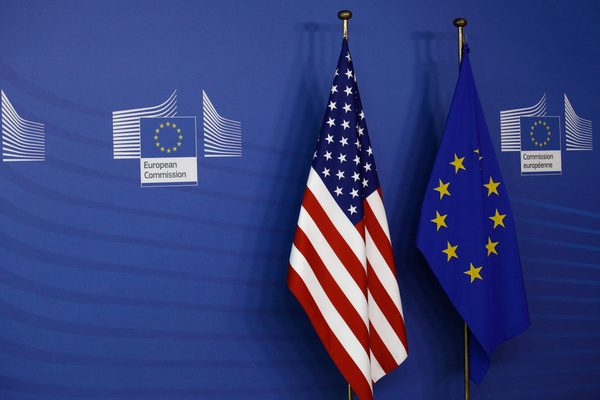
Strategic Council Online – Interview: A senior European affairs analyst stated that the European Union needs military autonomy and responsibility to reduce its dependence on the United States and strengthen its defense capabilities. However, there are serious doubts about whether this can be achieved.

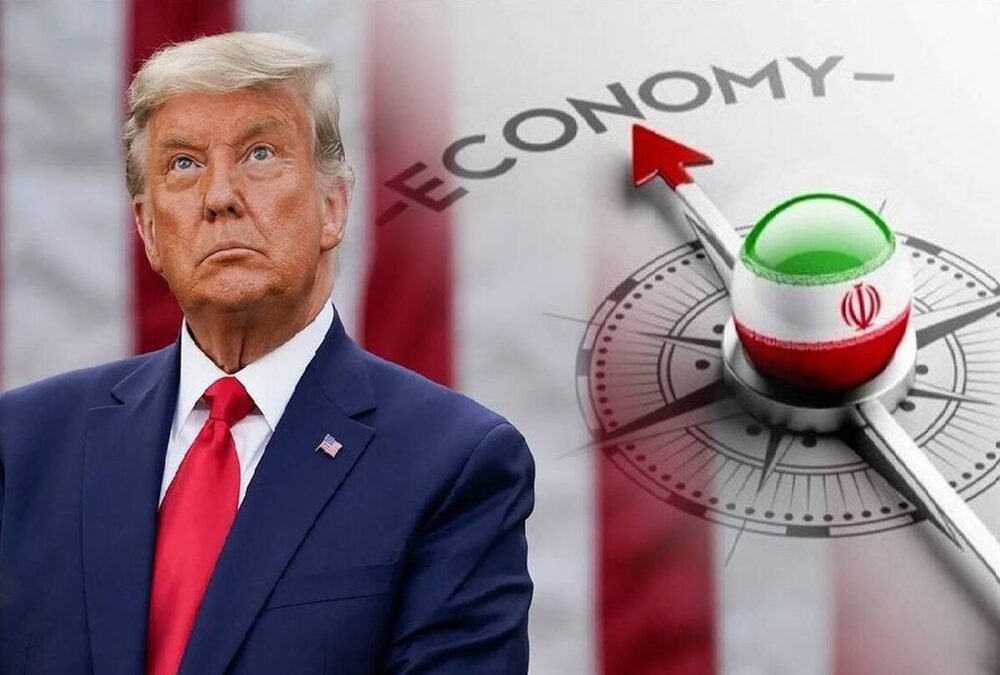
Implications of Trump Cabinet Reshuffle on U.S. Foreign Policy

Implications of Trump Cabinet Reshuffle on U.S. Foreign Policy

Strategic Council Online – Opinion: As Donald Trump’s second administration recently passed its 100-day mark, some changes in the composition of his team signal a potential reassessment of the structure and direction of U.S. foreign policy.

The Main Objective of Trump’s Proposal for Ukraine-Russia Peace Negotiations

The Main Objective of Trump’s Proposal for Ukraine-Russia Peace Negotiations

Strategic Council Online– Interview: An international affairs expert stated that the agreement between Ukraine and the U.S. on sharing profits from the sale of Ukrainian minerals, along with the shift in the U.S. stance on peace negotiations and the fading of its mediation between Moscow and Kyiv, demonstrates that Trump was never genuinely concerned with peace, termination of the war, or respecting the territorial integrity of nations. Instead, his sole focus has been securing his interests and objectives in Ukraine.

أحدث الوظائف

Implications of the US-Saudi Nuclear Agreement

SCFR Online – Opinion: The new US-Saudi nuclear agreement, despite legal and political ambiguities, could alter previous non-proliferation standards in West Asia and intensify nuclear competition, ushering it into a new phase.

An Analysis of Recent Turkey-Israeli Regime Tensions

SCFR Online – Opinion: Recent developments in Syria indicate an intensification of strategic rivalry between Turkey and the Israeli regime, but mutual considerations and the role of the United States have limited the likelihood of direct war.

Increasing criticism of the extensive Zionist lobby network

SCFR Online – Opinion: An examination of the mechanisms of the Israeli regime’s influence in the United States depicts a complex picture of shared interests, strategic dependencies, and the limitations of this relationship.

Realities of the Tripartite Makkah Pact

SCFR Online – Interview: The signing of the Makkah agreement between Saudi Arabia, Pakistan, and Turkey has raised questions about the future of the region’s security structure and the position of these countries in West Asian equations. Can this agreement become a genuine collective defense mechanism, or does it have more of a political and deterrent function than creating new military capacity?

Strategic Implications of the Reduction of US Weapons Stockpiles

SCFR Online – Opinion: The continuation of the US war against Iran, in addition to increasing operational costs, has called into question the actual capacity of the American arsenal to simultaneously fulfill security commitments on multiple fronts; an issue that affects deterrence, defense production capacity, and Washington’s resource prioritization.

The Formation of a New Order in Relations Between Powers

SCFR Online – Opinion: The Russia-Ukraine war and the war of the United States and the Israeli regime against Iran have been formed with different objectives and actors, but field and political developments indicate that they are not entirely separate from one another.

An Analysis of the Makkah Defense Pact

SCFR Online – Opinion: On Friday, August 7, the heads of state of three countries – Saudi Arabia, Turkey, and Pakistan – signed a text under the title “Makkah Joint Defense Agreement.”

Loading

Strategic Perspective

Analysis of the Recent Disagreements between Trump and Netanyahu

Analysis of the Recent Disagreements between Trump and Netanyahu

Strategic Council Online– Note: In recent weeks, the warmth of relations between Trump and Netanyahu has been questioned, and it seems that the two sides have had significant disagreements regarding the mechanisms for dealing with sensitive issues and challenges in the region, especially Iran, Hamas, Gaza, and Yemen.

Consequences of Inviting Al-Sharaa to the Arab Summit in Iraq

Consequences of Inviting Al-Sharaa to the Arab Summit in Iraq

Strategic Council Online – Opinion: The invitation to Ahmed Al-Sharaa, head of Syria’s interim government, to attend the Arab Summit in Baghdad sends a message from the Iraqi government to the Arab world that Baghdad seeks to play a central role in rebuilding Arab relations and reducing regional tensions. However, the path ahead for Baghdad does not appear straightforward. The invitation to Syria’s interim President, facilitated by the mediation of Sheikh Tamim bin Hamad Al Thani, the Emir of Qatar, and Iraqi Prime Minister Sudani’s initial meeting with Al-Sharaa in Doha in February 2025, demonstrates Iraq’s determination to mediate regional conflicts.

EU’s Aspiration for Defense Autonomy and Responsibility

EU’s Aspiration for Defense Autonomy and Responsibility

Strategic Council Online – Interview: A senior European affairs analyst stated that the European Union needs military autonomy and responsibility to reduce its dependence on the United States and strengthen its defense capabilities. However, there are serious doubts about whether this can be achieved.

Implications of Trump Cabinet Reshuffle on U.S. Foreign Policy

Implications of Trump Cabinet Reshuffle on U.S. Foreign Policy

Strategic Council Online – Opinion: As Donald Trump’s second administration recently passed its 100-day mark, some changes in the composition of his team signal a potential reassessment of the structure and direction of U.S. foreign policy.

The Main Objective of Trump’s Proposal for Ukraine-Russia Peace Negotiations

The Main Objective of Trump’s Proposal for Ukraine-Russia Peace Negotiations

Strategic Council Online– Interview: An international affairs expert stated that the agreement between Ukraine and the U.S. on sharing profits from the sale of Ukrainian minerals, along with the shift in the U.S. stance on peace negotiations and the fading of its mediation between Moscow and Kyiv, demonstrates that Trump was never genuinely concerned with peace, termination of the war, or respecting the territorial integrity of nations. Instead, his sole focus has been securing his interests and objectives in Ukraine.

Strategic Perspective

Analysis of the Recent Disagreements between Trump and Netanyahu

Analysis of the Recent Disagreements between Trump and Netanyahu

Strategic Council Online– Note: In recent weeks, the warmth of relations between Trump and Netanyahu has been questioned, and it seems that the two sides have had significant disagreements regarding the mechanisms for dealing with sensitive issues and challenges in the region, especially Iran, Hamas, Gaza, and Yemen.

Consequences of Inviting Al-Sharaa to the Arab Summit in Iraq

Consequences of Inviting Al-Sharaa to the Arab Summit in Iraq

Strategic Council Online – Opinion: The invitation to Ahmed Al-Sharaa, head of Syria’s interim government, to attend the Arab Summit in Baghdad sends a message from the Iraqi government to the Arab world that Baghdad seeks to play a central role in rebuilding Arab relations and reducing regional tensions. However, the path ahead for Baghdad does not appear straightforward. The invitation to Syria’s interim President, facilitated by the mediation of Sheikh Tamim bin Hamad Al Thani, the Emir of Qatar, and Iraqi Prime Minister Sudani’s initial meeting with Al-Sharaa in Doha in February 2025, demonstrates Iraq’s determination to mediate regional conflicts.

EU’s Aspiration for Defense Autonomy and Responsibility

EU’s Aspiration for Defense Autonomy and Responsibility

Strategic Council Online – Interview: A senior European affairs analyst stated that the European Union needs military autonomy and responsibility to reduce its dependence on the United States and strengthen its defense capabilities. However, there are serious doubts about whether this can be achieved.

Implications of Trump Cabinet Reshuffle on U.S. Foreign Policy

Implications of Trump Cabinet Reshuffle on U.S. Foreign Policy

Strategic Council Online – Opinion: As Donald Trump’s second administration recently passed its 100-day mark, some changes in the composition of his team signal a potential reassessment of the structure and direction of U.S. foreign policy.

The Main Objective of Trump’s Proposal for Ukraine-Russia Peace Negotiations

The Main Objective of Trump’s Proposal for Ukraine-Russia Peace Negotiations

Strategic Council Online– Interview: An international affairs expert stated that the agreement between Ukraine and the U.S. on sharing profits from the sale of Ukrainian minerals, along with the shift in the U.S. stance on peace negotiations and the fading of its mediation between Moscow and Kyiv, demonstrates that Trump was never genuinely concerned with peace, termination of the war, or respecting the territorial integrity of nations. Instead, his sole focus has been securing his interests and objectives in Ukraine.

LATEST CONTENT

Implications of the US-Saudi Nuclear Agreement

SCFR Online – Opinion: The new US-Saudi nuclear agreement, despite legal and political ambiguities, could alter previous non-proliferation standards in West Asia and intensify nuclear competition, ushering it into a new phase.

An Analysis of Recent Turkey-Israeli Regime Tensions

SCFR Online – Opinion: Recent developments in Syria indicate an intensification of strategic rivalry between Turkey and the Israeli regime, but mutual considerations and the role of the United States have limited the likelihood of direct war.

Increasing criticism of the extensive Zionist lobby network

SCFR Online – Opinion: An examination of the mechanisms of the Israeli regime’s influence in the United States depicts a complex picture of shared interests, strategic dependencies, and the limitations of this relationship.

Realities of the Tripartite Makkah Pact

SCFR Online – Interview: The signing of the Makkah agreement between Saudi Arabia, Pakistan, and Turkey has raised questions about the future of the region’s security structure and the position of these countries in West Asian equations. Can this agreement become a genuine collective defense mechanism, or does it have more of a political and deterrent function than creating new military capacity?

Strategic Implications of the Reduction of US Weapons Stockpiles

SCFR Online – Opinion: The continuation of the US war against Iran, in addition to increasing operational costs, has called into question the actual capacity of the American arsenal to simultaneously fulfill security commitments on multiple fronts; an issue that affects deterrence, defense production capacity, and Washington’s resource prioritization.

The Formation of a New Order in Relations Between Powers

SCFR Online – Opinion: The Russia-Ukraine war and the war of the United States and the Israeli regime against Iran have been formed with different objectives and actors, but field and political developments indicate that they are not entirely separate from one another.

An Analysis of the Makkah Defense Pact

SCFR Online – Opinion: On Friday, August 7, the heads of state of three countries – Saudi Arabia, Turkey, and Pakistan – signed a text under the title “Makkah Joint Defense Agreement.”

Loading

Strategic Perspective

Analysis of the Recent Disagreements between Trump and Netanyahu

Analysis of the Recent Disagreements between Trump and Netanyahu

Strategic Council Online– Note: In recent weeks, the warmth of relations between Trump and Netanyahu has been questioned, and it seems that the two sides have had significant disagreements regarding the mechanisms for dealing with sensitive issues and challenges in the region, especially Iran, Hamas, Gaza, and Yemen.

Consequences of Inviting Al-Sharaa to the Arab Summit in Iraq

Consequences of Inviting Al-Sharaa to the Arab Summit in Iraq

Strategic Council Online – Opinion: The invitation to Ahmed Al-Sharaa, head of Syria’s interim government, to attend the Arab Summit in Baghdad sends a message from the Iraqi government to the Arab world that Baghdad seeks to play a central role in rebuilding Arab relations and reducing regional tensions. However, the path ahead for Baghdad does not appear straightforward. The invitation to Syria’s interim President, facilitated by the mediation of Sheikh Tamim bin Hamad Al Thani, the Emir of Qatar, and Iraqi Prime Minister Sudani’s initial meeting with Al-Sharaa in Doha in February 2025, demonstrates Iraq’s determination to mediate regional conflicts.

EU’s Aspiration for Defense Autonomy and Responsibility

EU’s Aspiration for Defense Autonomy and Responsibility

Strategic Council Online – Interview: A senior European affairs analyst stated that the European Union needs military autonomy and responsibility to reduce its dependence on the United States and strengthen its defense capabilities. However, there are serious doubts about whether this can be achieved.

Implications of Trump Cabinet Reshuffle on U.S. Foreign Policy

Implications of Trump Cabinet Reshuffle on U.S. Foreign Policy

Strategic Council Online – Opinion: As Donald Trump’s second administration recently passed its 100-day mark, some changes in the composition of his team signal a potential reassessment of the structure and direction of U.S. foreign policy.

The Main Objective of Trump’s Proposal for Ukraine-Russia Peace Negotiations

The Main Objective of Trump’s Proposal for Ukraine-Russia Peace Negotiations

Strategic Council Online– Interview: An international affairs expert stated that the agreement between Ukraine and the U.S. on sharing profits from the sale of Ukrainian minerals, along with the shift in the U.S. stance on peace negotiations and the fading of its mediation between Moscow and Kyiv, demonstrates that Trump was never genuinely concerned with peace, termination of the war, or respecting the territorial integrity of nations. Instead, his sole focus has been securing his interests and objectives in Ukraine.

ÚLTIMAS PUBLICACIONES

Implications of the US-Saudi Nuclear Agreement

SCFR Online – Opinion: The new US-Saudi nuclear agreement, despite legal and political ambiguities, could alter previous non-proliferation standards in West Asia and intensify nuclear competition, ushering it into a new phase.

An Analysis of Recent Turkey-Israeli Regime Tensions

SCFR Online – Opinion: Recent developments in Syria indicate an intensification of strategic rivalry between Turkey and the Israeli regime, but mutual considerations and the role of the United States have limited the likelihood of direct war.

Increasing criticism of the extensive Zionist lobby network

SCFR Online – Opinion: An examination of the mechanisms of the Israeli regime’s influence in the United States depicts a complex picture of shared interests, strategic dependencies, and the limitations of this relationship.

Realities of the Tripartite Makkah Pact

SCFR Online – Interview: The signing of the Makkah agreement between Saudi Arabia, Pakistan, and Turkey has raised questions about the future of the region’s security structure and the position of these countries in West Asian equations. Can this agreement become a genuine collective defense mechanism, or does it have more of a political and deterrent function than creating new military capacity?

Strategic Implications of the Reduction of US Weapons Stockpiles

SCFR Online – Opinion: The continuation of the US war against Iran, in addition to increasing operational costs, has called into question the actual capacity of the American arsenal to simultaneously fulfill security commitments on multiple fronts; an issue that affects deterrence, defense production capacity, and Washington’s resource prioritization.

The Formation of a New Order in Relations Between Powers

SCFR Online – Opinion: The Russia-Ukraine war and the war of the United States and the Israeli regime against Iran have been formed with different objectives and actors, but field and political developments indicate that they are not entirely separate from one another.

An Analysis of the Makkah Defense Pact

SCFR Online – Opinion: On Friday, August 7, the heads of state of three countries – Saudi Arabia, Turkey, and Pakistan – signed a text under the title “Makkah Joint Defense Agreement.”

Loading

Strategic Perspective

Analysis of the Recent Disagreements between Trump and Netanyahu

Analysis of the Recent Disagreements between Trump and Netanyahu

Strategic Council Online– Note: In recent weeks, the warmth of relations between Trump and Netanyahu has been questioned, and it seems that the two sides have had significant disagreements regarding the mechanisms for dealing with sensitive issues and challenges in the region, especially Iran, Hamas, Gaza, and Yemen.

Consequences of Inviting Al-Sharaa to the Arab Summit in Iraq

Consequences of Inviting Al-Sharaa to the Arab Summit in Iraq

Strategic Council Online – Opinion: The invitation to Ahmed Al-Sharaa, head of Syria’s interim government, to attend the Arab Summit in Baghdad sends a message from the Iraqi government to the Arab world that Baghdad seeks to play a central role in rebuilding Arab relations and reducing regional tensions. However, the path ahead for Baghdad does not appear straightforward. The invitation to Syria’s interim President, facilitated by the mediation of Sheikh Tamim bin Hamad Al Thani, the Emir of Qatar, and Iraqi Prime Minister Sudani’s initial meeting with Al-Sharaa in Doha in February 2025, demonstrates Iraq’s determination to mediate regional conflicts.

EU’s Aspiration for Defense Autonomy and Responsibility

EU’s Aspiration for Defense Autonomy and Responsibility

Strategic Council Online – Interview: A senior European affairs analyst stated that the European Union needs military autonomy and responsibility to reduce its dependence on the United States and strengthen its defense capabilities. However, there are serious doubts about whether this can be achieved.

Implications of Trump Cabinet Reshuffle on U.S. Foreign Policy

Implications of Trump Cabinet Reshuffle on U.S. Foreign Policy

Strategic Council Online – Opinion: As Donald Trump’s second administration recently passed its 100-day mark, some changes in the composition of his team signal a potential reassessment of the structure and direction of U.S. foreign policy.

The Main Objective of Trump’s Proposal for Ukraine-Russia Peace Negotiations

The Main Objective of Trump’s Proposal for Ukraine-Russia Peace Negotiations

Strategic Council Online– Interview: An international affairs expert stated that the agreement between Ukraine and the U.S. on sharing profits from the sale of Ukrainian minerals, along with the shift in the U.S. stance on peace negotiations and the fading of its mediation between Moscow and Kyiv, demonstrates that Trump was never genuinely concerned with peace, termination of the war, or respecting the territorial integrity of nations. Instead, his sole focus has been securing his interests and objectives in Ukraine.

ÚLTIMAS PUBLICACIONES

Implications of the US-Saudi Nuclear Agreement

SCFR Online – Opinion: The new US-Saudi nuclear agreement, despite legal and political ambiguities, could alter previous non-proliferation standards in West Asia and intensify nuclear competition, ushering it into a new phase.

An Analysis of Recent Turkey-Israeli Regime Tensions

SCFR Online – Opinion: Recent developments in Syria indicate an intensification of strategic rivalry between Turkey and the Israeli regime, but mutual considerations and the role of the United States have limited the likelihood of direct war.

Increasing criticism of the extensive Zionist lobby network

SCFR Online – Opinion: An examination of the mechanisms of the Israeli regime’s influence in the United States depicts a complex picture of shared interests, strategic dependencies, and the limitations of this relationship.

Realities of the Tripartite Makkah Pact

SCFR Online – Interview: The signing of the Makkah agreement between Saudi Arabia, Pakistan, and Turkey has raised questions about the future of the region’s security structure and the position of these countries in West Asian equations. Can this agreement become a genuine collective defense mechanism, or does it have more of a political and deterrent function than creating new military capacity?

Strategic Implications of the Reduction of US Weapons Stockpiles

SCFR Online – Opinion: The continuation of the US war against Iran, in addition to increasing operational costs, has called into question the actual capacity of the American arsenal to simultaneously fulfill security commitments on multiple fronts; an issue that affects deterrence, defense production capacity, and Washington’s resource prioritization.

The Formation of a New Order in Relations Between Powers

SCFR Online – Opinion: The Russia-Ukraine war and the war of the United States and the Israeli regime against Iran have been formed with different objectives and actors, but field and political developments indicate that they are not entirely separate from one another.

An Analysis of the Makkah Defense Pact

SCFR Online – Opinion: On Friday, August 7, the heads of state of three countries – Saudi Arabia, Turkey, and Pakistan – signed a text under the title “Makkah Joint Defense Agreement.”

Loading

Strategic Perspective

Analysis of the Recent Disagreements between Trump and Netanyahu

Analysis of the Recent Disagreements between Trump and Netanyahu

Strategic Council Online– Note: In recent weeks, the warmth of relations between Trump and Netanyahu has been questioned, and it seems that the two sides have had significant disagreements regarding the mechanisms for dealing with sensitive issues and challenges in the region, especially Iran, Hamas, Gaza, and Yemen.

Consequences of Inviting Al-Sharaa to the Arab Summit in Iraq

Consequences of Inviting Al-Sharaa to the Arab Summit in Iraq

Strategic Council Online – Opinion: The invitation to Ahmed Al-Sharaa, head of Syria’s interim government, to attend the Arab Summit in Baghdad sends a message from the Iraqi government to the Arab world that Baghdad seeks to play a central role in rebuilding Arab relations and reducing regional tensions. However, the path ahead for Baghdad does not appear straightforward. The invitation to Syria’s interim President, facilitated by the mediation of Sheikh Tamim bin Hamad Al Thani, the Emir of Qatar, and Iraqi Prime Minister Sudani’s initial meeting with Al-Sharaa in Doha in February 2025, demonstrates Iraq’s determination to mediate regional conflicts.

EU’s Aspiration for Defense Autonomy and Responsibility

EU’s Aspiration for Defense Autonomy and Responsibility

Strategic Council Online – Interview: A senior European affairs analyst stated that the European Union needs military autonomy and responsibility to reduce its dependence on the United States and strengthen its defense capabilities. However, there are serious doubts about whether this can be achieved.

Implications of Trump Cabinet Reshuffle on U.S. Foreign Policy

Implications of Trump Cabinet Reshuffle on U.S. Foreign Policy

Strategic Council Online – Opinion: As Donald Trump’s second administration recently passed its 100-day mark, some changes in the composition of his team signal a potential reassessment of the structure and direction of U.S. foreign policy.

The Main Objective of Trump’s Proposal for Ukraine-Russia Peace Negotiations

The Main Objective of Trump’s Proposal for Ukraine-Russia Peace Negotiations

Strategic Council Online– Interview: An international affairs expert stated that the agreement between Ukraine and the U.S. on sharing profits from the sale of Ukrainian minerals, along with the shift in the U.S. stance on peace negotiations and the fading of its mediation between Moscow and Kyiv, demonstrates that Trump was never genuinely concerned with peace, termination of the war, or respecting the territorial integrity of nations. Instead, his sole focus has been securing his interests and objectives in Ukraine.

ÚLTIMAS PUBLICACIONES

Implications of the US-Saudi Nuclear Agreement

SCFR Online – Opinion: The new US-Saudi nuclear agreement, despite legal and political ambiguities, could alter previous non-proliferation standards in West Asia and intensify nuclear competition, ushering it into a new phase.

An Analysis of Recent Turkey-Israeli Regime Tensions

SCFR Online – Opinion: Recent developments in Syria indicate an intensification of strategic rivalry between Turkey and the Israeli regime, but mutual considerations and the role of the United States have limited the likelihood of direct war.

Increasing criticism of the extensive Zionist lobby network

SCFR Online – Opinion: An examination of the mechanisms of the Israeli regime’s influence in the United States depicts a complex picture of shared interests, strategic dependencies, and the limitations of this relationship.

Realities of the Tripartite Makkah Pact

SCFR Online – Interview: The signing of the Makkah agreement between Saudi Arabia, Pakistan, and Turkey has raised questions about the future of the region’s security structure and the position of these countries in West Asian equations. Can this agreement become a genuine collective defense mechanism, or does it have more of a political and deterrent function than creating new military capacity?

Strategic Implications of the Reduction of US Weapons Stockpiles

SCFR Online – Opinion: The continuation of the US war against Iran, in addition to increasing operational costs, has called into question the actual capacity of the American arsenal to simultaneously fulfill security commitments on multiple fronts; an issue that affects deterrence, defense production capacity, and Washington’s resource prioritization.

The Formation of a New Order in Relations Between Powers

SCFR Online – Opinion: The Russia-Ukraine war and the war of the United States and the Israeli regime against Iran have been formed with different objectives and actors, but field and political developments indicate that they are not entirely separate from one another.

An Analysis of the Makkah Defense Pact

SCFR Online – Opinion: On Friday, August 7, the heads of state of three countries – Saudi Arabia, Turkey, and Pakistan – signed a text under the title “Makkah Joint Defense Agreement.”

Loading

Strategic Perspective

Analysis of the Recent Disagreements between Trump and Netanyahu

Analysis of the Recent Disagreements between Trump and Netanyahu

Strategic Council Online– Note: In recent weeks, the warmth of relations between Trump and Netanyahu has been questioned, and it seems that the two sides have had significant disagreements regarding the mechanisms for dealing with sensitive issues and challenges in the region, especially Iran, Hamas, Gaza, and Yemen.

Consequences of Inviting Al-Sharaa to the Arab Summit in Iraq

Consequences of Inviting Al-Sharaa to the Arab Summit in Iraq

Strategic Council Online – Opinion: The invitation to Ahmed Al-Sharaa, head of Syria’s interim government, to attend the Arab Summit in Baghdad sends a message from the Iraqi government to the Arab world that Baghdad seeks to play a central role in rebuilding Arab relations and reducing regional tensions. However, the path ahead for Baghdad does not appear straightforward. The invitation to Syria’s interim President, facilitated by the mediation of Sheikh Tamim bin Hamad Al Thani, the Emir of Qatar, and Iraqi Prime Minister Sudani’s initial meeting with Al-Sharaa in Doha in February 2025, demonstrates Iraq’s determination to mediate regional conflicts.

EU’s Aspiration for Defense Autonomy and Responsibility

EU’s Aspiration for Defense Autonomy and Responsibility

Strategic Council Online – Interview: A senior European affairs analyst stated that the European Union needs military autonomy and responsibility to reduce its dependence on the United States and strengthen its defense capabilities. However, there are serious doubts about whether this can be achieved.

Implications of Trump Cabinet Reshuffle on U.S. Foreign Policy

Implications of Trump Cabinet Reshuffle on U.S. Foreign Policy

Strategic Council Online – Opinion: As Donald Trump’s second administration recently passed its 100-day mark, some changes in the composition of his team signal a potential reassessment of the structure and direction of U.S. foreign policy.

The Main Objective of Trump’s Proposal for Ukraine-Russia Peace Negotiations

The Main Objective of Trump’s Proposal for Ukraine-Russia Peace Negotiations

Strategic Council Online– Interview: An international affairs expert stated that the agreement between Ukraine and the U.S. on sharing profits from the sale of Ukrainian minerals, along with the shift in the U.S. stance on peace negotiations and the fading of its mediation between Moscow and Kyiv, demonstrates that Trump was never genuinely concerned with peace, termination of the war, or respecting the territorial integrity of nations. Instead, his sole focus has been securing his interests and objectives in Ukraine.

ÚLTIMAS PUBLICACIONES

Implications of the US-Saudi Nuclear Agreement

SCFR Online – Opinion: The new US-Saudi nuclear agreement, despite legal and political ambiguities, could alter previous non-proliferation standards in West Asia and intensify nuclear competition, ushering it into a new phase.

An Analysis of Recent Turkey-Israeli Regime Tensions

SCFR Online – Opinion: Recent developments in Syria indicate an intensification of strategic rivalry between Turkey and the Israeli regime, but mutual considerations and the role of the United States have limited the likelihood of direct war.

Increasing criticism of the extensive Zionist lobby network

SCFR Online – Opinion: An examination of the mechanisms of the Israeli regime’s influence in the United States depicts a complex picture of shared interests, strategic dependencies, and the limitations of this relationship.

Realities of the Tripartite Makkah Pact

SCFR Online – Interview: The signing of the Makkah agreement between Saudi Arabia, Pakistan, and Turkey has raised questions about the future of the region’s security structure and the position of these countries in West Asian equations. Can this agreement become a genuine collective defense mechanism, or does it have more of a political and deterrent function than creating new military capacity?

Strategic Implications of the Reduction of US Weapons Stockpiles

SCFR Online – Opinion: The continuation of the US war against Iran, in addition to increasing operational costs, has called into question the actual capacity of the American arsenal to simultaneously fulfill security commitments on multiple fronts; an issue that affects deterrence, defense production capacity, and Washington’s resource prioritization.

The Formation of a New Order in Relations Between Powers

SCFR Online – Opinion: The Russia-Ukraine war and the war of the United States and the Israeli regime against Iran have been formed with different objectives and actors, but field and political developments indicate that they are not entirely separate from one another.

An Analysis of the Makkah Defense Pact

SCFR Online – Opinion: On Friday, August 7, the heads of state of three countries – Saudi Arabia, Turkey, and Pakistan – signed a text under the title “Makkah Joint Defense Agreement.”

Loading