Barsam Mohammadi – Regional Affairs Expert
For the first time publicly in 47 years, it has been proven that the Islamic Republic of Iran, while preserving its nuclear and missile infrastructure, alone possesses the military capability to take action in direct confrontation against two nuclear and military powers of the region and the world, namely the Zionist regime and America.
The Zionist regime and America, which were the main parties to the war against Iran, although facing problems and obstacles during the war itself, have been grappling with significant issues and challenges since the war stopped.
Although the Zionist regime faced various internal problems before the war, since the day after the war stopped, these problems have not only not decreased but have increased.
Twelve days of living under the impact of Iran’s ballistic missiles have disrupted the psychological balance of Zionist society and continue to keep the residents of the occupied territories in shock. A new poll by Channel 11 television shows that even more than a week after the end of the 12-day war with Iran, 65% of Zionists are still afraid that this war will repeat itself.
At the beginning of the war, the Zionists witnessed internal and political consensus about the war and, influenced by the propaganda of the cabinet and the army, which claimed their objectives in attacking Iran would be achieved, had great enthusiasm for this war so much so that a large part of the opposition and internal critics had also joined the ranks of Netanyahu’s supporters. However, when they saw the war become attritional, they gradually distanced themselves from it. Today, with the war halted without the declared and practical objectives being achieved, they are opposing him more intensely.
Currently, with the approximate extent of damage to the regime’s vital infrastructure, including military and economic facilities, technology, etc., becoming clear, criticism within Zionist society against the regime’s cabinet and army for their miscalculations at the start of the war with Iran has increased. This has led to a deep rift in the internal consensus of the Zionists and weakened their trust in the military institution and the cabinet’s decisions.
The fact that Palestinian resistance groups in Gaza have significantly intensified their deadly operations in recent days, killing and wounding dozens of Zionist regime army forces, clearly demonstrates the disruption of the Zionist regime’s military and political focus, even in Gaza.
The Zionist regime’s failure to achieve practical and realistic gains in the war with Iran has intensified the difficult conditions it faces on the Gaza and West Bank fronts.
Meron Rapoport, a Zionist journalist, wrote in an article: “The Israeli consensus on attacking Iran, which initially created a rare example of Israeli internal unity, rapidly eroded as the war continued and hopes of achieving the declared goals faded. With the implementation of the war’s cessation, Israel also lost the cards it previously held, and it became clear that Netanyahu’s strategy, based solely on brute force, cannot lead to any real solution, and the victory declared by him is nothing but an illusion.”
Currently, the opposition and critics of Netanyahu are mobilizing to put him and his clique on trial, who constantly wage wars to escape trial and ensure their political survival, before he can start a new war.
In America, too, Trump has been under heavy criticism and is not in a good political position, part of which can be seen in the tweets he publishes, where confusion and contradiction are evident in a significant portion of them.
Trump had promised in his election campaign that he would not involve America in any war in West Asia and would withdraw American forces from the region. The most significant criticism currently, not only from Democrats but also from some Republicans, is why, despite such a promise and awareness of the consequences for the United States of entering new wars in West Asia, Trump attacked Iran without any threat to American security and interests from Iran, solely to save Netanyahu and the Israeli regime, without any authorization. This caused Iran to mock the credibility and global prestige of the United States by attacking its most important and powerful base in the region, Al-Udeid in Qatar.
Another issue raised in American political, security, and legislative circles, putting significant psychological pressure on Trump, is why he refuses to accept the facts regarding the attack on Iran’s nuclear facilities and the results and damages inflicted upon them. This issue has weakened the standing of governing institutions, especially American intelligence organizations and agencies. This has made doubting or rejecting Trump’s claims about destroying Iran’s nuclear infrastructure a significant challenge for him.
The next challenge for Trump is criticism regarding his performance in weakening the doctrine of American national security and foreign policy. Currently, this challenge has intensified in various American political, security, and other circles: considering Trump’s “America First” slogan and his desire to “restore America’s greatness,” should Israel serve American interests and greatness, or should America, with all its greatness, serve the Israeli regime?
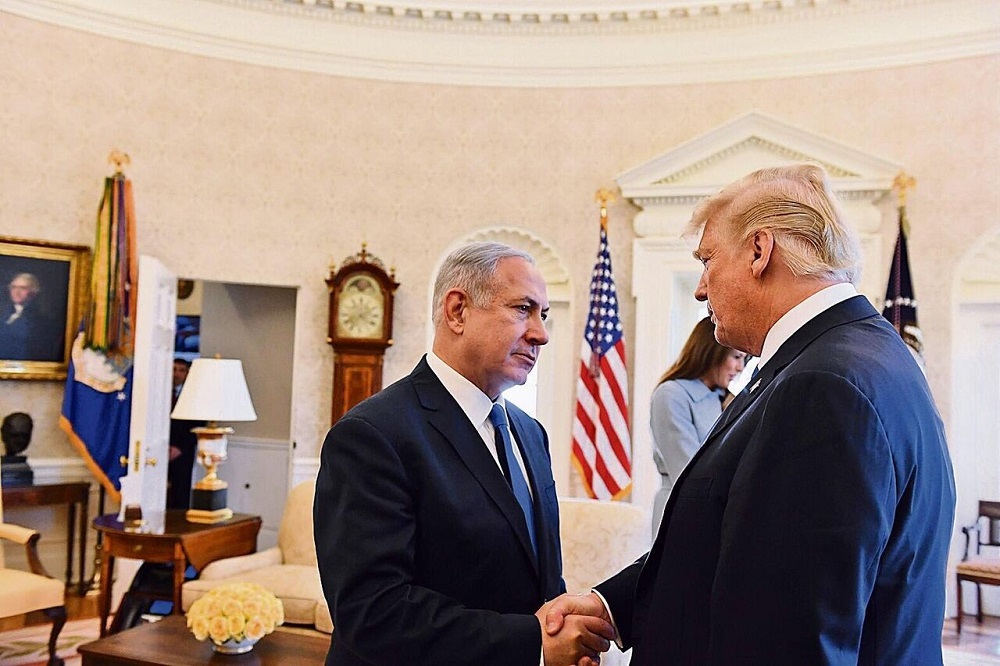
Overall, the 12-day war has had significant internal repercussions for Trump and Netanyahu, intensifying their political and social challenges and problems. These challenges are so severe that the Zionist regime and the United States might start the war again to cover them up, escape domestic criticism, and prevent the weakening of their leaders’ political positions. If they do so, they will face an even more crushing response from Iran.

Domestic Concerns and Repercussions of the 12-Day War for Trump and Netanyahu

LATEST CONTENT
The Global Energy Shock Situation and Future Scenarios
SCFR Online – Opinion: Only one month after the beginning of the Ramadan War, maritime traffic in the Strait of Hormuz decreased dramatically, with Bloomberg announcing a reduction of 103 vessels; Brent oil prices rose by more than 50 percent, and gasoline prices in the United States increased by 31.4 percent. Additionally, benchmark gas prices in Europe showed a 73.4 percent increase.
Al-Zaydi’s Selection as Prime Minister, The Beginning of a New Chapter in Iraq
SCFR Online – Note: After approximately five months of political deadlock and institutional confusion, Ali al-Zaydi has finally been selected as Iraq’s Prime Minister. Al-Zaydi’s selection as Prime Minister represents a positive sign of the completion of the government formation process and the beginning of a new phase in Iraqi politics and governance. The emergence of a young, technocratic figure from the third generation of politicians—in a context where the country has been administered by traditional figures for decades—revives hope that Iraq may perhaps distance itself from the repetitive cycle of crises and experience a new path of stability, efficiency, and regional convergence.
Intensifying Intra-Party Divisions in the United States Regarding the Zionist Regime
SCFR Online – Note: Over recent decades, support for the Zionist regime has been one of the few issues commanding bipartisan consensus in US foreign policy. Since the Cold War era, Republicans and Democrats have generally agreed on the necessity of preserving the security and survival of the Zionist regime as Washington’s most strategic ally in West Asia—and indeed, globally. However, developments in recent years—particularly the Gaza war, escalating regional conflicts, the expansion of tensions into Lebanon, and this regime’s recent warmongering against Iran—have caused this traditional consensus, especially within the Democratic Party, to face significant fractures.
Public Opinion Disappointment of the Zionist Regime Regarding Success in War with Iran
SCFR Online – Opinion: The internal situation of the Israeli regime during the 40-day war can be analyzed from several perspectives. The popularity levels of Benjamin Netanyahu, the Likud Party, and the ruling coalition led by Netanyahu until February 28, 2026, remained approximately the same as during the preceding year. The most recent factor that had somewhat increased Netanyahu’s popularity was the advancement of the 2024 war with Hezbollah Lebanon. Subsequently, his popularity temporarily increased during the 12-day war with Iran, but after the war, it returned to its previous state.
Últimas publicaciones
The Global Energy Shock Situation and Future Scenarios
SCFR Online – Opinion: Only one month after the beginning of the Ramadan War, maritime traffic in the Strait of Hormuz decreased dramatically, with Bloomberg announcing a reduction of 103 vessels; Brent oil prices rose by more than 50 percent, and gasoline prices in the United States increased by 31.4 percent. Additionally, benchmark gas prices in Europe showed a 73.4 percent increase.
Al-Zaydi’s Selection as Prime Minister, The Beginning of a New Chapter in Iraq
SCFR Online – Note: After approximately five months of political deadlock and institutional confusion, Ali al-Zaydi has finally been selected as Iraq’s Prime Minister. Al-Zaydi’s selection as Prime Minister represents a positive sign of the completion of the government formation process and the beginning of a new phase in Iraqi politics and governance. The emergence of a young, technocratic figure from the third generation of politicians—in a context where the country has been administered by traditional figures for decades—revives hope that Iraq may perhaps distance itself from the repetitive cycle of crises and experience a new path of stability, efficiency, and regional convergence.
Intensifying Intra-Party Divisions in the United States Regarding the Zionist Regime
SCFR Online – Note: Over recent decades, support for the Zionist regime has been one of the few issues commanding bipartisan consensus in US foreign policy. Since the Cold War era, Republicans and Democrats have generally agreed on the necessity of preserving the security and survival of the Zionist regime as Washington’s most strategic ally in West Asia—and indeed, globally. However, developments in recent years—particularly the Gaza war, escalating regional conflicts, the expansion of tensions into Lebanon, and this regime’s recent warmongering against Iran—have caused this traditional consensus, especially within the Democratic Party, to face significant fractures.
Public Opinion Disappointment of the Zionist Regime Regarding Success in War with Iran
SCFR Online – Opinion: The internal situation of the Israeli regime during the 40-day war can be analyzed from several perspectives. The popularity levels of Benjamin Netanyahu, the Likud Party, and the ruling coalition led by Netanyahu until February 28, 2026, remained approximately the same as during the preceding year. The most recent factor that had somewhat increased Netanyahu’s popularity was the advancement of the 2024 war with Hezbollah Lebanon. Subsequently, his popularity temporarily increased during the 12-day war with Iran, but after the war, it returned to its previous state.
DERNIER CONTENU
The Global Energy Shock Situation and Future Scenarios
SCFR Online – Opinion: Only one month after the beginning of the Ramadan War, maritime traffic in the Strait of Hormuz decreased dramatically, with Bloomberg announcing a reduction of 103 vessels; Brent oil prices rose by more than 50 percent, and gasoline prices in the United States increased by 31.4 percent. Additionally, benchmark gas prices in Europe showed a 73.4 percent increase.
Al-Zaydi’s Selection as Prime Minister, The Beginning of a New Chapter in Iraq
SCFR Online – Note: After approximately five months of political deadlock and institutional confusion, Ali al-Zaydi has finally been selected as Iraq’s Prime Minister. Al-Zaydi’s selection as Prime Minister represents a positive sign of the completion of the government formation process and the beginning of a new phase in Iraqi politics and governance. The emergence of a young, technocratic figure from the third generation of politicians—in a context where the country has been administered by traditional figures for decades—revives hope that Iraq may perhaps distance itself from the repetitive cycle of crises and experience a new path of stability, efficiency, and regional convergence.
Intensifying Intra-Party Divisions in the United States Regarding the Zionist Regime
SCFR Online – Note: Over recent decades, support for the Zionist regime has been one of the few issues commanding bipartisan consensus in US foreign policy. Since the Cold War era, Republicans and Democrats have generally agreed on the necessity of preserving the security and survival of the Zionist regime as Washington’s most strategic ally in West Asia—and indeed, globally. However, developments in recent years—particularly the Gaza war, escalating regional conflicts, the expansion of tensions into Lebanon, and this regime’s recent warmongering against Iran—have caused this traditional consensus, especially within the Democratic Party, to face significant fractures.
Public Opinion Disappointment of the Zionist Regime Regarding Success in War with Iran
SCFR Online – Opinion: The internal situation of the Israeli regime during the 40-day war can be analyzed from several perspectives. The popularity levels of Benjamin Netanyahu, the Likud Party, and the ruling coalition led by Netanyahu until February 28, 2026, remained approximately the same as during the preceding year. The most recent factor that had somewhat increased Netanyahu’s popularity was the advancement of the 2024 war with Hezbollah Lebanon. Subsequently, his popularity temporarily increased during the 12-day war with Iran, but after the war, it returned to its previous state.
DERNIER CONTENU
The Global Energy Shock Situation and Future Scenarios
SCFR Online – Opinion: Only one month after the beginning of the Ramadan War, maritime traffic in the Strait of Hormuz decreased dramatically, with Bloomberg announcing a reduction of 103 vessels; Brent oil prices rose by more than 50 percent, and gasoline prices in the United States increased by 31.4 percent. Additionally, benchmark gas prices in Europe showed a 73.4 percent increase.
Al-Zaydi’s Selection as Prime Minister, The Beginning of a New Chapter in Iraq
SCFR Online – Note: After approximately five months of political deadlock and institutional confusion, Ali al-Zaydi has finally been selected as Iraq’s Prime Minister. Al-Zaydi’s selection as Prime Minister represents a positive sign of the completion of the government formation process and the beginning of a new phase in Iraqi politics and governance. The emergence of a young, technocratic figure from the third generation of politicians—in a context where the country has been administered by traditional figures for decades—revives hope that Iraq may perhaps distance itself from the repetitive cycle of crises and experience a new path of stability, efficiency, and regional convergence.
Intensifying Intra-Party Divisions in the United States Regarding the Zionist Regime
SCFR Online – Note: Over recent decades, support for the Zionist regime has been one of the few issues commanding bipartisan consensus in US foreign policy. Since the Cold War era, Republicans and Democrats have generally agreed on the necessity of preserving the security and survival of the Zionist regime as Washington’s most strategic ally in West Asia—and indeed, globally. However, developments in recent years—particularly the Gaza war, escalating regional conflicts, the expansion of tensions into Lebanon, and this regime’s recent warmongering against Iran—have caused this traditional consensus, especially within the Democratic Party, to face significant fractures.
Public Opinion Disappointment of the Zionist Regime Regarding Success in War with Iran
SCFR Online – Opinion: The internal situation of the Israeli regime during the 40-day war can be analyzed from several perspectives. The popularity levels of Benjamin Netanyahu, the Likud Party, and the ruling coalition led by Netanyahu until February 28, 2026, remained approximately the same as during the preceding year. The most recent factor that had somewhat increased Netanyahu’s popularity was the advancement of the 2024 war with Hezbollah Lebanon. Subsequently, his popularity temporarily increased during the 12-day war with Iran, but after the war, it returned to its previous state.
DERNIER CONTENU
The Global Energy Shock Situation and Future Scenarios
SCFR Online – Opinion: Only one month after the beginning of the Ramadan War, maritime traffic in the Strait of Hormuz decreased dramatically, with Bloomberg announcing a reduction of 103 vessels; Brent oil prices rose by more than 50 percent, and gasoline prices in the United States increased by 31.4 percent. Additionally, benchmark gas prices in Europe showed a 73.4 percent increase.
Al-Zaydi’s Selection as Prime Minister, The Beginning of a New Chapter in Iraq
SCFR Online – Note: After approximately five months of political deadlock and institutional confusion, Ali al-Zaydi has finally been selected as Iraq’s Prime Minister. Al-Zaydi’s selection as Prime Minister represents a positive sign of the completion of the government formation process and the beginning of a new phase in Iraqi politics and governance. The emergence of a young, technocratic figure from the third generation of politicians—in a context where the country has been administered by traditional figures for decades—revives hope that Iraq may perhaps distance itself from the repetitive cycle of crises and experience a new path of stability, efficiency, and regional convergence.
Intensifying Intra-Party Divisions in the United States Regarding the Zionist Regime
SCFR Online – Note: Over recent decades, support for the Zionist regime has been one of the few issues commanding bipartisan consensus in US foreign policy. Since the Cold War era, Republicans and Democrats have generally agreed on the necessity of preserving the security and survival of the Zionist regime as Washington’s most strategic ally in West Asia—and indeed, globally. However, developments in recent years—particularly the Gaza war, escalating regional conflicts, the expansion of tensions into Lebanon, and this regime’s recent warmongering against Iran—have caused this traditional consensus, especially within the Democratic Party, to face significant fractures.
Public Opinion Disappointment of the Zionist Regime Regarding Success in War with Iran
SCFR Online – Opinion: The internal situation of the Israeli regime during the 40-day war can be analyzed from several perspectives. The popularity levels of Benjamin Netanyahu, the Likud Party, and the ruling coalition led by Netanyahu until February 28, 2026, remained approximately the same as during the preceding year. The most recent factor that had somewhat increased Netanyahu’s popularity was the advancement of the 2024 war with Hezbollah Lebanon. Subsequently, his popularity temporarily increased during the 12-day war with Iran, but after the war, it returned to its previous state.
0 Comments





