جدیدترین مطالب

Iran’s Potential Levers of Power

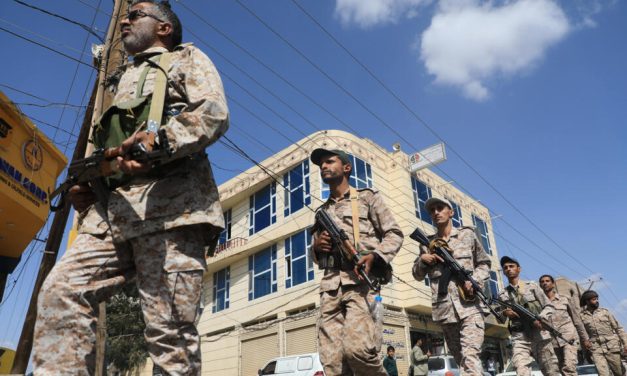
SCFRonline– Opinion: Iran’s geopolitical power is not limited solely to oil and the Strait of Hormuz; the unintended emergence of disruptions in the future global food and energy security chains can also demonstrate Iran’s strategic importance.

The Inseparability of the Lebanese Front from the Axis of Resistance

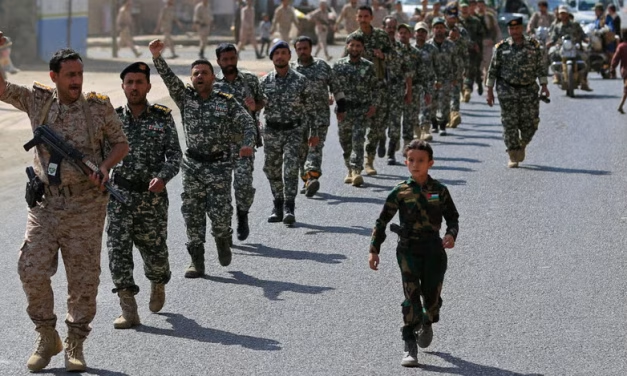
SCFR Online–Opinion: By providing an extensive network of social, healthcare, educational, and post-war reconstruction services, Hezbollah has established a strong social base for itself among Lebanon’s Shiites and Sunnis, and even beyond that, among other segments of Lebanese society, including Christians. Hezbollah has never been an external actor imposed upon Lebanon; rather, it is a phenomenon fundamentally born out of the occupation and crimes of the Zionist regime and itself influenced by popular resistance.

The Increasing Efforts of the Zionist Regime to Redefine Borders and the Regional Order and Its Consequences

SCFR Online– Opinion: Security and military developments in the region over recent months indicate that the ongoing crises and wars in Gaza, southern Lebanon, and parts of Syrian territory encompass broader dimensions of geopolitical and geostrategic transformations. In this context, the increased military presence and control of the Zionist regime over parts of the territories of these areas, along with proposals regarding the creation of buffer zones or even the expansion of security borders, have raised serious questions about the future of the regional order and its consequences for the countries of West Asia.

The Components of Iran’s Deterrence Power

SCFR Online – Opinion: At a time when regional security equations have reached a sensitive stage under the influence of Iran’s strategic confrontation with the United States and the Zionist regime, the question of the nature of Tehran’s defensive power has gained greater significance than ever before. While Washington and Tel Aviv rely on their technological superiority, the Islamic Republic of Iran has presented a model of deterrence that extends beyond the material calculations of the world’s classical militaries. This power, rooted in the connection between “the field” and “the people,” has not only altered the balance of power in recent conflicts but has also disrupted adversaries’ calculations when confronting Iran’s strategic depth.

Loading

12-day wars

An Analysis of Iran’s Missile Capability

An Analysis of Iran’s Missile Capability

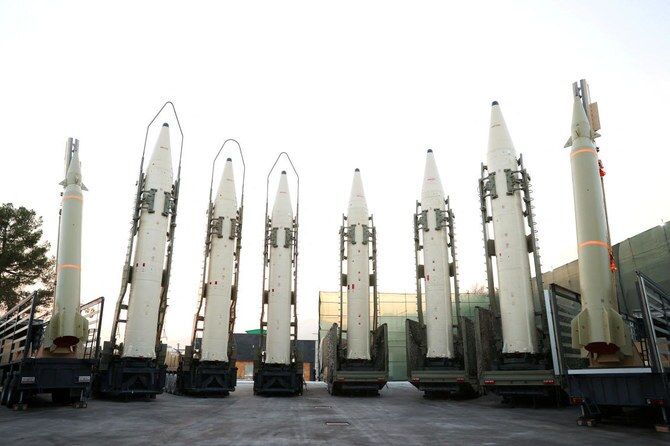
Strategic Council Online – Interview: A strategic affairs analyst said: Iran’s missile doctrine is not only part of its deterrent capability but also part of the security identity of the Islamic Republic of Iran and should not be weakened.

Full text of Dr. Kharrazi’s speech at the conference “International Law Under Assault: Aggression and Defense” – Center for Political and International Studies, Ministry of Foreign Affairs

Full text of Dr. Kharrazi’s speech at the conference “International Law Under Assault: Aggression and Defense” – Center for Political and International Studies, Ministry of Foreign Affairs

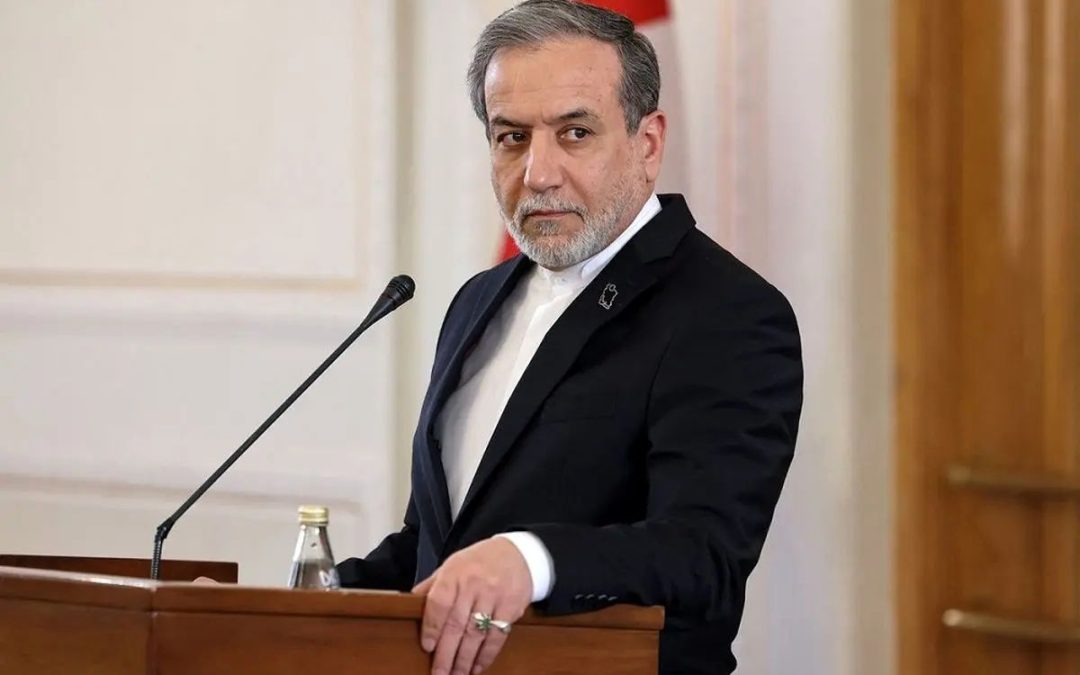
Strategic Council Online: Dr. Kharrazi, President of the Strategic Council on Foreign Relations, delivered a speech at the International Law Under Assault: Aggression and Defense conference held on November 16, 2025 (25 Aban 1404) at the Center for Political and International Studies of the Ministry of Foreign Affairs.

Redefining the Discourse of Resistance After the 12-Day War

Redefining the Discourse of Resistance After the 12-Day War

Strategic Council Online – Interview: A West Asia affairs analyst said: After the 12-day war, Iran, by redefining the discourse of resistance and utilizing media diplomacy, strengthened its soft and regional legitimacy against the Western narrative.

The Role of Missiles and Drones in Iran’s Deterrence Power

The Role of Missiles and Drones in Iran’s Deterrence Power

Online Strategic Council – Interview: An international affairs analyst said: In recent years, the Islamic Republic of Iran has strengthened its asymmetric capabilities, especially in the missile and drone fields. The growing development of missile and drone capabilities has not only raised the cost for regional rivals to enter the aerial arena but also enabled our country to establish layered deterrence and pursue more sustainable strategies compared to countries possessing advanced fighter jets.

The 12-Day War: An Opportunity for Designing Targeted Public Diplomacy

The 12-Day War: An Opportunity for Designing Targeted Public Diplomacy

Strategic Council Online – Interview: A researcher on West Asian affairs stated: The 12-day war of the Israeli regime against Iran, despite its aggressive and destructive nature, can turn into a strategic opportunity for our country; a chance to legitimize defense policies and strengthen the Resistance Discourse in the international system. In a world where public opinion plays an increasing role in shaping policies, effective narrative-building about this war is the key to turning threat into opportunity. Iran, relying on public diplomacy and transnational media, can present the Israeli regime’s attacks as a blatant violation of international law and emphasize its legitimate right to defense and deterrence. Furthermore, by portraying itself as logical, resistant, and oppressed, it can pave the way for increased regional and global empathy. Ultimately, this war can provide a platform for domestic consensus, cohesion of the Resistance Axis, and redefining Iran’s position as a responsible actor in regional security equations.

Legal Avenues for Seeking Justice for the Crimes and Damages of the 12-Day War in International Forums

Legal Avenues for Seeking Justice for the Crimes and Damages of the 12-Day War in International Forums

Strategic Council Online Opinion: The 12-day imposed war, which began on June 12 of this year with the Zionist regime’s invasion of Iranian soil, marked one of the darkest chapters in Iran’s contemporary history. This conflict started with Israel’s surprise attacks on Iran’s military and nuclear facilities, as well as civilian targets, including several hospitals. It was accompanied by the targeted assassinations of military commanders and prominent nuclear scientists, the destruction of Evin Prison (resulting in 71 deaths), and the bombing of the Islamic Republic of Iran Broadcasting (IRIB. The direct involvement of the U.S., through the bombing of Iran’s peaceful nuclear facilities in Fordow and Isfahan, completed this tragedy. These actions not only constituted a blatant violation of international obligations, including the UN Charter, the Geneva Conventions, and the Treaty on the Non-Proliferation of Nuclear Weapons (NPT), but also imposed heavy legal and criminal responsibility on the U.S. and the Israeli regime.

The Impact of the 12-Day War on the Economy of the Israeli Regime

The Impact of the 12-Day War on the Economy of the Israeli Regime

Strategic Council Online – Interview: A senior international affairs analyst stated that the Israeli regime’s 12-day war against Iran in June 2025 has pushed its economy to a fragile point. A 16.2% decline in exports to $3.6 billion is just the tip of the iceberg of the crisis. Simultaneously, global isolation and the continued widening of crimes in Gaza have placed an additional burden on its economy. The weakening of the shekel against the dollar and the destruction of key infrastructure have plunged the Israeli regime’s economy into a whirlpool of a 20.6% trade deficit and a 3.4% drop in six-month exports to $26.97 billion. A 5% increase in imports has further exacerbated the pressure. This crisis, rooted in the Israeli regime’s military adventurism and global isolation, has driven it toward dependence on foreign aid and social collapse.

An Analysis of Germany’s Wrong Approach to the 12-Day War

An Analysis of Germany’s Wrong Approach to the 12-Day War

Strategic Council Online – Interview: A senior European affairs analyst stated that Germany’s support for the Israeli regime in the 12-day war against Iran stems from its historical commitment to this regime. Friedrich Merz, Germany’s Chancellor from the Christian Democratic Party, firmly backed the Israeli regime’s attacks on Iran in June 2025, calling them a “dirty job for everyone’s benefit” and part of the Israeli regime’s “self-defense.” This stance is rooted in Germany’s historical commitment to the security of the Israeli regime (Staatsräson), which has been reinforced since the Holocaust and Angela Merkel’s 2008 speech at the Knesset. At the G7 summit and a conference in Berlin, Merz cited Iran’s underground facilities, arguing that the attacks were necessary to prevent Iran from obtaining nuclear weapons. Germany’s Foreign Minister, Johann Wadephul, also reiterated support for the Israeli regime’s “right to self-defense.” This position has faced domestic and international criticism. Germany’s unconditional support, aligned with Western geopolitical interests against Iran, signals a shift toward a more aggressive foreign policy. This stance has sparked criticism both at home and abroad.

Formation of a New Regional Order Through Consolidation of Iran-Arab Relations

Formation of a New Regional Order Through Consolidation of Iran-Arab Relations

Strategic Council Online – Interview: A senior West Asia analyst stated that The Washington Post recently emphasized in a report that the attacks by the Zionist regime and the U.S. on Iran not only failed in their strategy to isolate Tehran but also altered the perspective of Persian Gulf countries regarding regional threats, identifying the Zionists as the primary destabilizing force in the region.

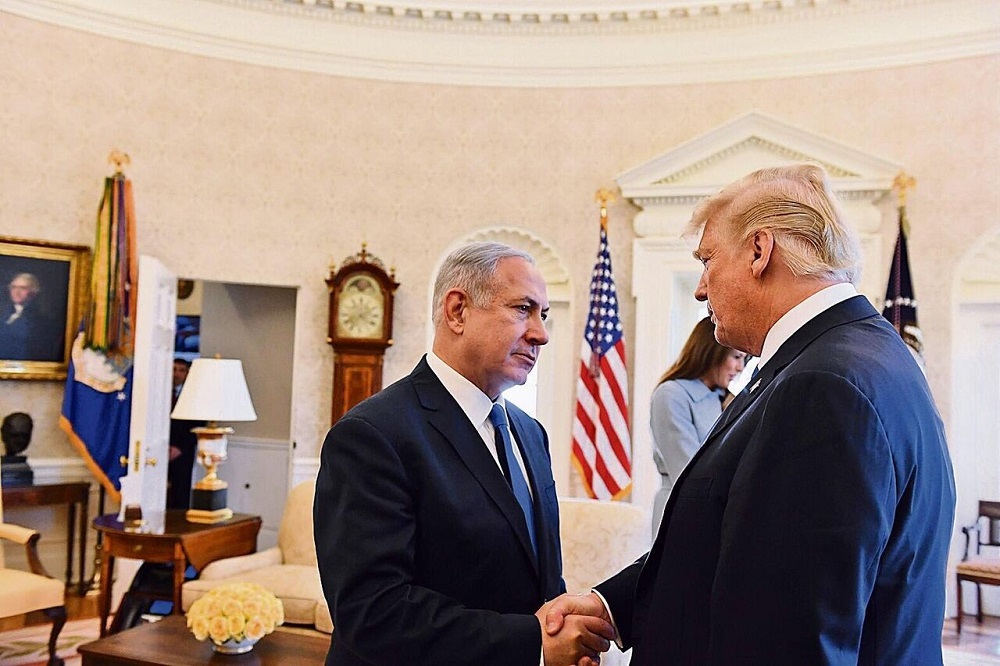
Domestic Concerns and Repercussions of the 12-Day War for Trump and Netanyahu

Domestic Concerns and Repercussions of the 12-Day War for Trump and Netanyahu

Strategic Council Online – Opinion: Every war, regardless of its duration (short or long) and how it ends (ceasefire, lifting siege, or peace), faces an issue called “The Day After.” The day after the war ends refers to the day when the consequences of the war gradually become apparent to the warring parties in various spheres, including political, military, social, economic, and others. The imposed war by the Zionist regime and America against Iran is no exception to this rule.

أحدث الوظائف

Iran’s Potential Levers of Power

SCFRonline– Opinion: Iran’s geopolitical power is not limited solely to oil and the Strait of Hormuz; the unintended emergence of disruptions in the future global food and energy security chains can also demonstrate Iran’s strategic importance.

The Inseparability of the Lebanese Front from the Axis of Resistance

SCFR Online–Opinion: By providing an extensive network of social, healthcare, educational, and post-war reconstruction services, Hezbollah has established a strong social base for itself among Lebanon’s Shiites and Sunnis, and even beyond that, among other segments of Lebanese society, including Christians. Hezbollah has never been an external actor imposed upon Lebanon; rather, it is a phenomenon fundamentally born out of the occupation and crimes of the Zionist regime and itself influenced by popular resistance.

The Increasing Efforts of the Zionist Regime to Redefine Borders and the Regional Order and Its Consequences

SCFR Online– Opinion: Security and military developments in the region over recent months indicate that the ongoing crises and wars in Gaza, southern Lebanon, and parts of Syrian territory encompass broader dimensions of geopolitical and geostrategic transformations. In this context, the increased military presence and control of the Zionist regime over parts of the territories of these areas, along with proposals regarding the creation of buffer zones or even the expansion of security borders, have raised serious questions about the future of the regional order and its consequences for the countries of West Asia.

The Components of Iran’s Deterrence Power

SCFR Online – Opinion: At a time when regional security equations have reached a sensitive stage under the influence of Iran’s strategic confrontation with the United States and the Zionist regime, the question of the nature of Tehran’s defensive power has gained greater significance than ever before. While Washington and Tel Aviv rely on their technological superiority, the Islamic Republic of Iran has presented a model of deterrence that extends beyond the material calculations of the world’s classical militaries. This power, rooted in the connection between “the field” and “the people,” has not only altered the balance of power in recent conflicts but has also disrupted adversaries’ calculations when confronting Iran’s strategic depth.

Loading

12-day wars

An Analysis of Iran’s Missile Capability

An Analysis of Iran’s Missile Capability

Strategic Council Online – Interview: A strategic affairs analyst said: Iran’s missile doctrine is not only part of its deterrent capability but also part of the security identity of the Islamic Republic of Iran and should not be weakened.

Full text of Dr. Kharrazi’s speech at the conference “International Law Under Assault: Aggression and Defense” – Center for Political and International Studies, Ministry of Foreign Affairs

Full text of Dr. Kharrazi’s speech at the conference “International Law Under Assault: Aggression and Defense” – Center for Political and International Studies, Ministry of Foreign Affairs

Strategic Council Online: Dr. Kharrazi, President of the Strategic Council on Foreign Relations, delivered a speech at the International Law Under Assault: Aggression and Defense conference held on November 16, 2025 (25 Aban 1404) at the Center for Political and International Studies of the Ministry of Foreign Affairs.

Redefining the Discourse of Resistance After the 12-Day War

Redefining the Discourse of Resistance After the 12-Day War

Strategic Council Online – Interview: A West Asia affairs analyst said: After the 12-day war, Iran, by redefining the discourse of resistance and utilizing media diplomacy, strengthened its soft and regional legitimacy against the Western narrative.

The Role of Missiles and Drones in Iran’s Deterrence Power

The Role of Missiles and Drones in Iran’s Deterrence Power

Online Strategic Council – Interview: An international affairs analyst said: In recent years, the Islamic Republic of Iran has strengthened its asymmetric capabilities, especially in the missile and drone fields. The growing development of missile and drone capabilities has not only raised the cost for regional rivals to enter the aerial arena but also enabled our country to establish layered deterrence and pursue more sustainable strategies compared to countries possessing advanced fighter jets.

The 12-Day War: An Opportunity for Designing Targeted Public Diplomacy

The 12-Day War: An Opportunity for Designing Targeted Public Diplomacy

Strategic Council Online – Interview: A researcher on West Asian affairs stated: The 12-day war of the Israeli regime against Iran, despite its aggressive and destructive nature, can turn into a strategic opportunity for our country; a chance to legitimize defense policies and strengthen the Resistance Discourse in the international system. In a world where public opinion plays an increasing role in shaping policies, effective narrative-building about this war is the key to turning threat into opportunity. Iran, relying on public diplomacy and transnational media, can present the Israeli regime’s attacks as a blatant violation of international law and emphasize its legitimate right to defense and deterrence. Furthermore, by portraying itself as logical, resistant, and oppressed, it can pave the way for increased regional and global empathy. Ultimately, this war can provide a platform for domestic consensus, cohesion of the Resistance Axis, and redefining Iran’s position as a responsible actor in regional security equations.

Legal Avenues for Seeking Justice for the Crimes and Damages of the 12-Day War in International Forums

Legal Avenues for Seeking Justice for the Crimes and Damages of the 12-Day War in International Forums

Strategic Council Online Opinion: The 12-day imposed war, which began on June 12 of this year with the Zionist regime’s invasion of Iranian soil, marked one of the darkest chapters in Iran’s contemporary history. This conflict started with Israel’s surprise attacks on Iran’s military and nuclear facilities, as well as civilian targets, including several hospitals. It was accompanied by the targeted assassinations of military commanders and prominent nuclear scientists, the destruction of Evin Prison (resulting in 71 deaths), and the bombing of the Islamic Republic of Iran Broadcasting (IRIB. The direct involvement of the U.S., through the bombing of Iran’s peaceful nuclear facilities in Fordow and Isfahan, completed this tragedy. These actions not only constituted a blatant violation of international obligations, including the UN Charter, the Geneva Conventions, and the Treaty on the Non-Proliferation of Nuclear Weapons (NPT), but also imposed heavy legal and criminal responsibility on the U.S. and the Israeli regime.

The Impact of the 12-Day War on the Economy of the Israeli Regime

The Impact of the 12-Day War on the Economy of the Israeli Regime

Strategic Council Online – Interview: A senior international affairs analyst stated that the Israeli regime’s 12-day war against Iran in June 2025 has pushed its economy to a fragile point. A 16.2% decline in exports to $3.6 billion is just the tip of the iceberg of the crisis. Simultaneously, global isolation and the continued widening of crimes in Gaza have placed an additional burden on its economy. The weakening of the shekel against the dollar and the destruction of key infrastructure have plunged the Israeli regime’s economy into a whirlpool of a 20.6% trade deficit and a 3.4% drop in six-month exports to $26.97 billion. A 5% increase in imports has further exacerbated the pressure. This crisis, rooted in the Israeli regime’s military adventurism and global isolation, has driven it toward dependence on foreign aid and social collapse.

An Analysis of Germany’s Wrong Approach to the 12-Day War

An Analysis of Germany’s Wrong Approach to the 12-Day War

Strategic Council Online – Interview: A senior European affairs analyst stated that Germany’s support for the Israeli regime in the 12-day war against Iran stems from its historical commitment to this regime. Friedrich Merz, Germany’s Chancellor from the Christian Democratic Party, firmly backed the Israeli regime’s attacks on Iran in June 2025, calling them a “dirty job for everyone’s benefit” and part of the Israeli regime’s “self-defense.” This stance is rooted in Germany’s historical commitment to the security of the Israeli regime (Staatsräson), which has been reinforced since the Holocaust and Angela Merkel’s 2008 speech at the Knesset. At the G7 summit and a conference in Berlin, Merz cited Iran’s underground facilities, arguing that the attacks were necessary to prevent Iran from obtaining nuclear weapons. Germany’s Foreign Minister, Johann Wadephul, also reiterated support for the Israeli regime’s “right to self-defense.” This position has faced domestic and international criticism. Germany’s unconditional support, aligned with Western geopolitical interests against Iran, signals a shift toward a more aggressive foreign policy. This stance has sparked criticism both at home and abroad.

Formation of a New Regional Order Through Consolidation of Iran-Arab Relations

Formation of a New Regional Order Through Consolidation of Iran-Arab Relations

Strategic Council Online – Interview: A senior West Asia analyst stated that The Washington Post recently emphasized in a report that the attacks by the Zionist regime and the U.S. on Iran not only failed in their strategy to isolate Tehran but also altered the perspective of Persian Gulf countries regarding regional threats, identifying the Zionists as the primary destabilizing force in the region.

Domestic Concerns and Repercussions of the 12-Day War for Trump and Netanyahu

Domestic Concerns and Repercussions of the 12-Day War for Trump and Netanyahu

Strategic Council Online – Opinion: Every war, regardless of its duration (short or long) and how it ends (ceasefire, lifting siege, or peace), faces an issue called “The Day After.” The day after the war ends refers to the day when the consequences of the war gradually become apparent to the warring parties in various spheres, including political, military, social, economic, and others. The imposed war by the Zionist regime and America against Iran is no exception to this rule.

12-day wars

An Analysis of Iran’s Missile Capability

An Analysis of Iran’s Missile Capability

Strategic Council Online – Interview: A strategic affairs analyst said: Iran’s missile doctrine is not only part of its deterrent capability but also part of the security identity of the Islamic Republic of Iran and should not be weakened.

Full text of Dr. Kharrazi’s speech at the conference “International Law Under Assault: Aggression and Defense” – Center for Political and International Studies, Ministry of Foreign Affairs

Full text of Dr. Kharrazi’s speech at the conference “International Law Under Assault: Aggression and Defense” – Center for Political and International Studies, Ministry of Foreign Affairs

Strategic Council Online: Dr. Kharrazi, President of the Strategic Council on Foreign Relations, delivered a speech at the International Law Under Assault: Aggression and Defense conference held on November 16, 2025 (25 Aban 1404) at the Center for Political and International Studies of the Ministry of Foreign Affairs.

Redefining the Discourse of Resistance After the 12-Day War

Redefining the Discourse of Resistance After the 12-Day War

Strategic Council Online – Interview: A West Asia affairs analyst said: After the 12-day war, Iran, by redefining the discourse of resistance and utilizing media diplomacy, strengthened its soft and regional legitimacy against the Western narrative.

The Role of Missiles and Drones in Iran’s Deterrence Power

The Role of Missiles and Drones in Iran’s Deterrence Power

Online Strategic Council – Interview: An international affairs analyst said: In recent years, the Islamic Republic of Iran has strengthened its asymmetric capabilities, especially in the missile and drone fields. The growing development of missile and drone capabilities has not only raised the cost for regional rivals to enter the aerial arena but also enabled our country to establish layered deterrence and pursue more sustainable strategies compared to countries possessing advanced fighter jets.

The 12-Day War: An Opportunity for Designing Targeted Public Diplomacy

The 12-Day War: An Opportunity for Designing Targeted Public Diplomacy

Strategic Council Online – Interview: A researcher on West Asian affairs stated: The 12-day war of the Israeli regime against Iran, despite its aggressive and destructive nature, can turn into a strategic opportunity for our country; a chance to legitimize defense policies and strengthen the Resistance Discourse in the international system. In a world where public opinion plays an increasing role in shaping policies, effective narrative-building about this war is the key to turning threat into opportunity. Iran, relying on public diplomacy and transnational media, can present the Israeli regime’s attacks as a blatant violation of international law and emphasize its legitimate right to defense and deterrence. Furthermore, by portraying itself as logical, resistant, and oppressed, it can pave the way for increased regional and global empathy. Ultimately, this war can provide a platform for domestic consensus, cohesion of the Resistance Axis, and redefining Iran’s position as a responsible actor in regional security equations.

Legal Avenues for Seeking Justice for the Crimes and Damages of the 12-Day War in International Forums

Legal Avenues for Seeking Justice for the Crimes and Damages of the 12-Day War in International Forums

Strategic Council Online Opinion: The 12-day imposed war, which began on June 12 of this year with the Zionist regime’s invasion of Iranian soil, marked one of the darkest chapters in Iran’s contemporary history. This conflict started with Israel’s surprise attacks on Iran’s military and nuclear facilities, as well as civilian targets, including several hospitals. It was accompanied by the targeted assassinations of military commanders and prominent nuclear scientists, the destruction of Evin Prison (resulting in 71 deaths), and the bombing of the Islamic Republic of Iran Broadcasting (IRIB. The direct involvement of the U.S., through the bombing of Iran’s peaceful nuclear facilities in Fordow and Isfahan, completed this tragedy. These actions not only constituted a blatant violation of international obligations, including the UN Charter, the Geneva Conventions, and the Treaty on the Non-Proliferation of Nuclear Weapons (NPT), but also imposed heavy legal and criminal responsibility on the U.S. and the Israeli regime.

The Impact of the 12-Day War on the Economy of the Israeli Regime

The Impact of the 12-Day War on the Economy of the Israeli Regime

Strategic Council Online – Interview: A senior international affairs analyst stated that the Israeli regime’s 12-day war against Iran in June 2025 has pushed its economy to a fragile point. A 16.2% decline in exports to $3.6 billion is just the tip of the iceberg of the crisis. Simultaneously, global isolation and the continued widening of crimes in Gaza have placed an additional burden on its economy. The weakening of the shekel against the dollar and the destruction of key infrastructure have plunged the Israeli regime’s economy into a whirlpool of a 20.6% trade deficit and a 3.4% drop in six-month exports to $26.97 billion. A 5% increase in imports has further exacerbated the pressure. This crisis, rooted in the Israeli regime’s military adventurism and global isolation, has driven it toward dependence on foreign aid and social collapse.

An Analysis of Germany’s Wrong Approach to the 12-Day War

An Analysis of Germany’s Wrong Approach to the 12-Day War

Strategic Council Online – Interview: A senior European affairs analyst stated that Germany’s support for the Israeli regime in the 12-day war against Iran stems from its historical commitment to this regime. Friedrich Merz, Germany’s Chancellor from the Christian Democratic Party, firmly backed the Israeli regime’s attacks on Iran in June 2025, calling them a “dirty job for everyone’s benefit” and part of the Israeli regime’s “self-defense.” This stance is rooted in Germany’s historical commitment to the security of the Israeli regime (Staatsräson), which has been reinforced since the Holocaust and Angela Merkel’s 2008 speech at the Knesset. At the G7 summit and a conference in Berlin, Merz cited Iran’s underground facilities, arguing that the attacks were necessary to prevent Iran from obtaining nuclear weapons. Germany’s Foreign Minister, Johann Wadephul, also reiterated support for the Israeli regime’s “right to self-defense.” This position has faced domestic and international criticism. Germany’s unconditional support, aligned with Western geopolitical interests against Iran, signals a shift toward a more aggressive foreign policy. This stance has sparked criticism both at home and abroad.

Formation of a New Regional Order Through Consolidation of Iran-Arab Relations

Formation of a New Regional Order Through Consolidation of Iran-Arab Relations

Strategic Council Online – Interview: A senior West Asia analyst stated that The Washington Post recently emphasized in a report that the attacks by the Zionist regime and the U.S. on Iran not only failed in their strategy to isolate Tehran but also altered the perspective of Persian Gulf countries regarding regional threats, identifying the Zionists as the primary destabilizing force in the region.

Domestic Concerns and Repercussions of the 12-Day War for Trump and Netanyahu

Domestic Concerns and Repercussions of the 12-Day War for Trump and Netanyahu

Strategic Council Online – Opinion: Every war, regardless of its duration (short or long) and how it ends (ceasefire, lifting siege, or peace), faces an issue called “The Day After.” The day after the war ends refers to the day when the consequences of the war gradually become apparent to the warring parties in various spheres, including political, military, social, economic, and others. The imposed war by the Zionist regime and America against Iran is no exception to this rule.

LATEST CONTENT

Iran’s Potential Levers of Power

SCFRonline– Opinion: Iran’s geopolitical power is not limited solely to oil and the Strait of Hormuz; the unintended emergence of disruptions in the future global food and energy security chains can also demonstrate Iran’s strategic importance.

The Inseparability of the Lebanese Front from the Axis of Resistance

SCFR Online–Opinion: By providing an extensive network of social, healthcare, educational, and post-war reconstruction services, Hezbollah has established a strong social base for itself among Lebanon’s Shiites and Sunnis, and even beyond that, among other segments of Lebanese society, including Christians. Hezbollah has never been an external actor imposed upon Lebanon; rather, it is a phenomenon fundamentally born out of the occupation and crimes of the Zionist regime and itself influenced by popular resistance.

The Increasing Efforts of the Zionist Regime to Redefine Borders and the Regional Order and Its Consequences

SCFR Online– Opinion: Security and military developments in the region over recent months indicate that the ongoing crises and wars in Gaza, southern Lebanon, and parts of Syrian territory encompass broader dimensions of geopolitical and geostrategic transformations. In this context, the increased military presence and control of the Zionist regime over parts of the territories of these areas, along with proposals regarding the creation of buffer zones or even the expansion of security borders, have raised serious questions about the future of the regional order and its consequences for the countries of West Asia.

The Components of Iran’s Deterrence Power

SCFR Online – Opinion: At a time when regional security equations have reached a sensitive stage under the influence of Iran’s strategic confrontation with the United States and the Zionist regime, the question of the nature of Tehran’s defensive power has gained greater significance than ever before. While Washington and Tel Aviv rely on their technological superiority, the Islamic Republic of Iran has presented a model of deterrence that extends beyond the material calculations of the world’s classical militaries. This power, rooted in the connection between “the field” and “the people,” has not only altered the balance of power in recent conflicts but has also disrupted adversaries’ calculations when confronting Iran’s strategic depth.

Loading

12-day wars

An Analysis of Iran’s Missile Capability

An Analysis of Iran’s Missile Capability

Strategic Council Online – Interview: A strategic affairs analyst said: Iran’s missile doctrine is not only part of its deterrent capability but also part of the security identity of the Islamic Republic of Iran and should not be weakened.

Full text of Dr. Kharrazi’s speech at the conference “International Law Under Assault: Aggression and Defense” – Center for Political and International Studies, Ministry of Foreign Affairs

Full text of Dr. Kharrazi’s speech at the conference “International Law Under Assault: Aggression and Defense” – Center for Political and International Studies, Ministry of Foreign Affairs

Strategic Council Online: Dr. Kharrazi, President of the Strategic Council on Foreign Relations, delivered a speech at the International Law Under Assault: Aggression and Defense conference held on November 16, 2025 (25 Aban 1404) at the Center for Political and International Studies of the Ministry of Foreign Affairs.

Redefining the Discourse of Resistance After the 12-Day War

Redefining the Discourse of Resistance After the 12-Day War

Strategic Council Online – Interview: A West Asia affairs analyst said: After the 12-day war, Iran, by redefining the discourse of resistance and utilizing media diplomacy, strengthened its soft and regional legitimacy against the Western narrative.

The Role of Missiles and Drones in Iran’s Deterrence Power

The Role of Missiles and Drones in Iran’s Deterrence Power

Online Strategic Council – Interview: An international affairs analyst said: In recent years, the Islamic Republic of Iran has strengthened its asymmetric capabilities, especially in the missile and drone fields. The growing development of missile and drone capabilities has not only raised the cost for regional rivals to enter the aerial arena but also enabled our country to establish layered deterrence and pursue more sustainable strategies compared to countries possessing advanced fighter jets.

The 12-Day War: An Opportunity for Designing Targeted Public Diplomacy

The 12-Day War: An Opportunity for Designing Targeted Public Diplomacy

Strategic Council Online – Interview: A researcher on West Asian affairs stated: The 12-day war of the Israeli regime against Iran, despite its aggressive and destructive nature, can turn into a strategic opportunity for our country; a chance to legitimize defense policies and strengthen the Resistance Discourse in the international system. In a world where public opinion plays an increasing role in shaping policies, effective narrative-building about this war is the key to turning threat into opportunity. Iran, relying on public diplomacy and transnational media, can present the Israeli regime’s attacks as a blatant violation of international law and emphasize its legitimate right to defense and deterrence. Furthermore, by portraying itself as logical, resistant, and oppressed, it can pave the way for increased regional and global empathy. Ultimately, this war can provide a platform for domestic consensus, cohesion of the Resistance Axis, and redefining Iran’s position as a responsible actor in regional security equations.

Legal Avenues for Seeking Justice for the Crimes and Damages of the 12-Day War in International Forums

Legal Avenues for Seeking Justice for the Crimes and Damages of the 12-Day War in International Forums

Strategic Council Online Opinion: The 12-day imposed war, which began on June 12 of this year with the Zionist regime’s invasion of Iranian soil, marked one of the darkest chapters in Iran’s contemporary history. This conflict started with Israel’s surprise attacks on Iran’s military and nuclear facilities, as well as civilian targets, including several hospitals. It was accompanied by the targeted assassinations of military commanders and prominent nuclear scientists, the destruction of Evin Prison (resulting in 71 deaths), and the bombing of the Islamic Republic of Iran Broadcasting (IRIB. The direct involvement of the U.S., through the bombing of Iran’s peaceful nuclear facilities in Fordow and Isfahan, completed this tragedy. These actions not only constituted a blatant violation of international obligations, including the UN Charter, the Geneva Conventions, and the Treaty on the Non-Proliferation of Nuclear Weapons (NPT), but also imposed heavy legal and criminal responsibility on the U.S. and the Israeli regime.

The Impact of the 12-Day War on the Economy of the Israeli Regime

The Impact of the 12-Day War on the Economy of the Israeli Regime

Strategic Council Online – Interview: A senior international affairs analyst stated that the Israeli regime’s 12-day war against Iran in June 2025 has pushed its economy to a fragile point. A 16.2% decline in exports to $3.6 billion is just the tip of the iceberg of the crisis. Simultaneously, global isolation and the continued widening of crimes in Gaza have placed an additional burden on its economy. The weakening of the shekel against the dollar and the destruction of key infrastructure have plunged the Israeli regime’s economy into a whirlpool of a 20.6% trade deficit and a 3.4% drop in six-month exports to $26.97 billion. A 5% increase in imports has further exacerbated the pressure. This crisis, rooted in the Israeli regime’s military adventurism and global isolation, has driven it toward dependence on foreign aid and social collapse.

An Analysis of Germany’s Wrong Approach to the 12-Day War

An Analysis of Germany’s Wrong Approach to the 12-Day War

Strategic Council Online – Interview: A senior European affairs analyst stated that Germany’s support for the Israeli regime in the 12-day war against Iran stems from its historical commitment to this regime. Friedrich Merz, Germany’s Chancellor from the Christian Democratic Party, firmly backed the Israeli regime’s attacks on Iran in June 2025, calling them a “dirty job for everyone’s benefit” and part of the Israeli regime’s “self-defense.” This stance is rooted in Germany’s historical commitment to the security of the Israeli regime (Staatsräson), which has been reinforced since the Holocaust and Angela Merkel’s 2008 speech at the Knesset. At the G7 summit and a conference in Berlin, Merz cited Iran’s underground facilities, arguing that the attacks were necessary to prevent Iran from obtaining nuclear weapons. Germany’s Foreign Minister, Johann Wadephul, also reiterated support for the Israeli regime’s “right to self-defense.” This position has faced domestic and international criticism. Germany’s unconditional support, aligned with Western geopolitical interests against Iran, signals a shift toward a more aggressive foreign policy. This stance has sparked criticism both at home and abroad.

Formation of a New Regional Order Through Consolidation of Iran-Arab Relations

Formation of a New Regional Order Through Consolidation of Iran-Arab Relations

Strategic Council Online – Interview: A senior West Asia analyst stated that The Washington Post recently emphasized in a report that the attacks by the Zionist regime and the U.S. on Iran not only failed in their strategy to isolate Tehran but also altered the perspective of Persian Gulf countries regarding regional threats, identifying the Zionists as the primary destabilizing force in the region.

Domestic Concerns and Repercussions of the 12-Day War for Trump and Netanyahu

Domestic Concerns and Repercussions of the 12-Day War for Trump and Netanyahu

Strategic Council Online – Opinion: Every war, regardless of its duration (short or long) and how it ends (ceasefire, lifting siege, or peace), faces an issue called “The Day After.” The day after the war ends refers to the day when the consequences of the war gradually become apparent to the warring parties in various spheres, including political, military, social, economic, and others. The imposed war by the Zionist regime and America against Iran is no exception to this rule.

ÚLTIMAS PUBLICACIONES

Iran’s Potential Levers of Power

SCFRonline– Opinion: Iran’s geopolitical power is not limited solely to oil and the Strait of Hormuz; the unintended emergence of disruptions in the future global food and energy security chains can also demonstrate Iran’s strategic importance.

The Inseparability of the Lebanese Front from the Axis of Resistance

SCFR Online–Opinion: By providing an extensive network of social, healthcare, educational, and post-war reconstruction services, Hezbollah has established a strong social base for itself among Lebanon’s Shiites and Sunnis, and even beyond that, among other segments of Lebanese society, including Christians. Hezbollah has never been an external actor imposed upon Lebanon; rather, it is a phenomenon fundamentally born out of the occupation and crimes of the Zionist regime and itself influenced by popular resistance.

The Increasing Efforts of the Zionist Regime to Redefine Borders and the Regional Order and Its Consequences

SCFR Online– Opinion: Security and military developments in the region over recent months indicate that the ongoing crises and wars in Gaza, southern Lebanon, and parts of Syrian territory encompass broader dimensions of geopolitical and geostrategic transformations. In this context, the increased military presence and control of the Zionist regime over parts of the territories of these areas, along with proposals regarding the creation of buffer zones or even the expansion of security borders, have raised serious questions about the future of the regional order and its consequences for the countries of West Asia.

The Components of Iran’s Deterrence Power

SCFR Online – Opinion: At a time when regional security equations have reached a sensitive stage under the influence of Iran’s strategic confrontation with the United States and the Zionist regime, the question of the nature of Tehran’s defensive power has gained greater significance than ever before. While Washington and Tel Aviv rely on their technological superiority, the Islamic Republic of Iran has presented a model of deterrence that extends beyond the material calculations of the world’s classical militaries. This power, rooted in the connection between “the field” and “the people,” has not only altered the balance of power in recent conflicts but has also disrupted adversaries’ calculations when confronting Iran’s strategic depth.

Loading

12-day wars

An Analysis of Iran’s Missile Capability

An Analysis of Iran’s Missile Capability

Strategic Council Online – Interview: A strategic affairs analyst said: Iran’s missile doctrine is not only part of its deterrent capability but also part of the security identity of the Islamic Republic of Iran and should not be weakened.

Full text of Dr. Kharrazi’s speech at the conference “International Law Under Assault: Aggression and Defense” – Center for Political and International Studies, Ministry of Foreign Affairs

Full text of Dr. Kharrazi’s speech at the conference “International Law Under Assault: Aggression and Defense” – Center for Political and International Studies, Ministry of Foreign Affairs

Strategic Council Online: Dr. Kharrazi, President of the Strategic Council on Foreign Relations, delivered a speech at the International Law Under Assault: Aggression and Defense conference held on November 16, 2025 (25 Aban 1404) at the Center for Political and International Studies of the Ministry of Foreign Affairs.

Redefining the Discourse of Resistance After the 12-Day War

Redefining the Discourse of Resistance After the 12-Day War

Strategic Council Online – Interview: A West Asia affairs analyst said: After the 12-day war, Iran, by redefining the discourse of resistance and utilizing media diplomacy, strengthened its soft and regional legitimacy against the Western narrative.

The Role of Missiles and Drones in Iran’s Deterrence Power

The Role of Missiles and Drones in Iran’s Deterrence Power

Online Strategic Council – Interview: An international affairs analyst said: In recent years, the Islamic Republic of Iran has strengthened its asymmetric capabilities, especially in the missile and drone fields. The growing development of missile and drone capabilities has not only raised the cost for regional rivals to enter the aerial arena but also enabled our country to establish layered deterrence and pursue more sustainable strategies compared to countries possessing advanced fighter jets.

The 12-Day War: An Opportunity for Designing Targeted Public Diplomacy

The 12-Day War: An Opportunity for Designing Targeted Public Diplomacy

Strategic Council Online – Interview: A researcher on West Asian affairs stated: The 12-day war of the Israeli regime against Iran, despite its aggressive and destructive nature, can turn into a strategic opportunity for our country; a chance to legitimize defense policies and strengthen the Resistance Discourse in the international system. In a world where public opinion plays an increasing role in shaping policies, effective narrative-building about this war is the key to turning threat into opportunity. Iran, relying on public diplomacy and transnational media, can present the Israeli regime’s attacks as a blatant violation of international law and emphasize its legitimate right to defense and deterrence. Furthermore, by portraying itself as logical, resistant, and oppressed, it can pave the way for increased regional and global empathy. Ultimately, this war can provide a platform for domestic consensus, cohesion of the Resistance Axis, and redefining Iran’s position as a responsible actor in regional security equations.

Legal Avenues for Seeking Justice for the Crimes and Damages of the 12-Day War in International Forums

Legal Avenues for Seeking Justice for the Crimes and Damages of the 12-Day War in International Forums

Strategic Council Online Opinion: The 12-day imposed war, which began on June 12 of this year with the Zionist regime’s invasion of Iranian soil, marked one of the darkest chapters in Iran’s contemporary history. This conflict started with Israel’s surprise attacks on Iran’s military and nuclear facilities, as well as civilian targets, including several hospitals. It was accompanied by the targeted assassinations of military commanders and prominent nuclear scientists, the destruction of Evin Prison (resulting in 71 deaths), and the bombing of the Islamic Republic of Iran Broadcasting (IRIB. The direct involvement of the U.S., through the bombing of Iran’s peaceful nuclear facilities in Fordow and Isfahan, completed this tragedy. These actions not only constituted a blatant violation of international obligations, including the UN Charter, the Geneva Conventions, and the Treaty on the Non-Proliferation of Nuclear Weapons (NPT), but also imposed heavy legal and criminal responsibility on the U.S. and the Israeli regime.

The Impact of the 12-Day War on the Economy of the Israeli Regime

The Impact of the 12-Day War on the Economy of the Israeli Regime

Strategic Council Online – Interview: A senior international affairs analyst stated that the Israeli regime’s 12-day war against Iran in June 2025 has pushed its economy to a fragile point. A 16.2% decline in exports to $3.6 billion is just the tip of the iceberg of the crisis. Simultaneously, global isolation and the continued widening of crimes in Gaza have placed an additional burden on its economy. The weakening of the shekel against the dollar and the destruction of key infrastructure have plunged the Israeli regime’s economy into a whirlpool of a 20.6% trade deficit and a 3.4% drop in six-month exports to $26.97 billion. A 5% increase in imports has further exacerbated the pressure. This crisis, rooted in the Israeli regime’s military adventurism and global isolation, has driven it toward dependence on foreign aid and social collapse.

An Analysis of Germany’s Wrong Approach to the 12-Day War

An Analysis of Germany’s Wrong Approach to the 12-Day War

Strategic Council Online – Interview: A senior European affairs analyst stated that Germany’s support for the Israeli regime in the 12-day war against Iran stems from its historical commitment to this regime. Friedrich Merz, Germany’s Chancellor from the Christian Democratic Party, firmly backed the Israeli regime’s attacks on Iran in June 2025, calling them a “dirty job for everyone’s benefit” and part of the Israeli regime’s “self-defense.” This stance is rooted in Germany’s historical commitment to the security of the Israeli regime (Staatsräson), which has been reinforced since the Holocaust and Angela Merkel’s 2008 speech at the Knesset. At the G7 summit and a conference in Berlin, Merz cited Iran’s underground facilities, arguing that the attacks were necessary to prevent Iran from obtaining nuclear weapons. Germany’s Foreign Minister, Johann Wadephul, also reiterated support for the Israeli regime’s “right to self-defense.” This position has faced domestic and international criticism. Germany’s unconditional support, aligned with Western geopolitical interests against Iran, signals a shift toward a more aggressive foreign policy. This stance has sparked criticism both at home and abroad.

Formation of a New Regional Order Through Consolidation of Iran-Arab Relations

Formation of a New Regional Order Through Consolidation of Iran-Arab Relations

Strategic Council Online – Interview: A senior West Asia analyst stated that The Washington Post recently emphasized in a report that the attacks by the Zionist regime and the U.S. on Iran not only failed in their strategy to isolate Tehran but also altered the perspective of Persian Gulf countries regarding regional threats, identifying the Zionists as the primary destabilizing force in the region.

Domestic Concerns and Repercussions of the 12-Day War for Trump and Netanyahu

Domestic Concerns and Repercussions of the 12-Day War for Trump and Netanyahu

Strategic Council Online – Opinion: Every war, regardless of its duration (short or long) and how it ends (ceasefire, lifting siege, or peace), faces an issue called “The Day After.” The day after the war ends refers to the day when the consequences of the war gradually become apparent to the warring parties in various spheres, including political, military, social, economic, and others. The imposed war by the Zionist regime and America against Iran is no exception to this rule.

ÚLTIMAS PUBLICACIONES

Iran’s Potential Levers of Power

SCFRonline– Opinion: Iran’s geopolitical power is not limited solely to oil and the Strait of Hormuz; the unintended emergence of disruptions in the future global food and energy security chains can also demonstrate Iran’s strategic importance.

The Inseparability of the Lebanese Front from the Axis of Resistance

SCFR Online–Opinion: By providing an extensive network of social, healthcare, educational, and post-war reconstruction services, Hezbollah has established a strong social base for itself among Lebanon’s Shiites and Sunnis, and even beyond that, among other segments of Lebanese society, including Christians. Hezbollah has never been an external actor imposed upon Lebanon; rather, it is a phenomenon fundamentally born out of the occupation and crimes of the Zionist regime and itself influenced by popular resistance.

The Increasing Efforts of the Zionist Regime to Redefine Borders and the Regional Order and Its Consequences

SCFR Online– Opinion: Security and military developments in the region over recent months indicate that the ongoing crises and wars in Gaza, southern Lebanon, and parts of Syrian territory encompass broader dimensions of geopolitical and geostrategic transformations. In this context, the increased military presence and control of the Zionist regime over parts of the territories of these areas, along with proposals regarding the creation of buffer zones or even the expansion of security borders, have raised serious questions about the future of the regional order and its consequences for the countries of West Asia.

The Components of Iran’s Deterrence Power

SCFR Online – Opinion: At a time when regional security equations have reached a sensitive stage under the influence of Iran’s strategic confrontation with the United States and the Zionist regime, the question of the nature of Tehran’s defensive power has gained greater significance than ever before. While Washington and Tel Aviv rely on their technological superiority, the Islamic Republic of Iran has presented a model of deterrence that extends beyond the material calculations of the world’s classical militaries. This power, rooted in the connection between “the field” and “the people,” has not only altered the balance of power in recent conflicts but has also disrupted adversaries’ calculations when confronting Iran’s strategic depth.

Loading

12-day wars

An Analysis of Iran’s Missile Capability

An Analysis of Iran’s Missile Capability

Strategic Council Online – Interview: A strategic affairs analyst said: Iran’s missile doctrine is not only part of its deterrent capability but also part of the security identity of the Islamic Republic of Iran and should not be weakened.

Full text of Dr. Kharrazi’s speech at the conference “International Law Under Assault: Aggression and Defense” – Center for Political and International Studies, Ministry of Foreign Affairs

Full text of Dr. Kharrazi’s speech at the conference “International Law Under Assault: Aggression and Defense” – Center for Political and International Studies, Ministry of Foreign Affairs

Strategic Council Online: Dr. Kharrazi, President of the Strategic Council on Foreign Relations, delivered a speech at the International Law Under Assault: Aggression and Defense conference held on November 16, 2025 (25 Aban 1404) at the Center for Political and International Studies of the Ministry of Foreign Affairs.

Redefining the Discourse of Resistance After the 12-Day War

Redefining the Discourse of Resistance After the 12-Day War

Strategic Council Online – Interview: A West Asia affairs analyst said: After the 12-day war, Iran, by redefining the discourse of resistance and utilizing media diplomacy, strengthened its soft and regional legitimacy against the Western narrative.

The Role of Missiles and Drones in Iran’s Deterrence Power

The Role of Missiles and Drones in Iran’s Deterrence Power

Online Strategic Council – Interview: An international affairs analyst said: In recent years, the Islamic Republic of Iran has strengthened its asymmetric capabilities, especially in the missile and drone fields. The growing development of missile and drone capabilities has not only raised the cost for regional rivals to enter the aerial arena but also enabled our country to establish layered deterrence and pursue more sustainable strategies compared to countries possessing advanced fighter jets.

The 12-Day War: An Opportunity for Designing Targeted Public Diplomacy

The 12-Day War: An Opportunity for Designing Targeted Public Diplomacy

Strategic Council Online – Interview: A researcher on West Asian affairs stated: The 12-day war of the Israeli regime against Iran, despite its aggressive and destructive nature, can turn into a strategic opportunity for our country; a chance to legitimize defense policies and strengthen the Resistance Discourse in the international system. In a world where public opinion plays an increasing role in shaping policies, effective narrative-building about this war is the key to turning threat into opportunity. Iran, relying on public diplomacy and transnational media, can present the Israeli regime’s attacks as a blatant violation of international law and emphasize its legitimate right to defense and deterrence. Furthermore, by portraying itself as logical, resistant, and oppressed, it can pave the way for increased regional and global empathy. Ultimately, this war can provide a platform for domestic consensus, cohesion of the Resistance Axis, and redefining Iran’s position as a responsible actor in regional security equations.

Legal Avenues for Seeking Justice for the Crimes and Damages of the 12-Day War in International Forums

Legal Avenues for Seeking Justice for the Crimes and Damages of the 12-Day War in International Forums

Strategic Council Online Opinion: The 12-day imposed war, which began on June 12 of this year with the Zionist regime’s invasion of Iranian soil, marked one of the darkest chapters in Iran’s contemporary history. This conflict started with Israel’s surprise attacks on Iran’s military and nuclear facilities, as well as civilian targets, including several hospitals. It was accompanied by the targeted assassinations of military commanders and prominent nuclear scientists, the destruction of Evin Prison (resulting in 71 deaths), and the bombing of the Islamic Republic of Iran Broadcasting (IRIB. The direct involvement of the U.S., through the bombing of Iran’s peaceful nuclear facilities in Fordow and Isfahan, completed this tragedy. These actions not only constituted a blatant violation of international obligations, including the UN Charter, the Geneva Conventions, and the Treaty on the Non-Proliferation of Nuclear Weapons (NPT), but also imposed heavy legal and criminal responsibility on the U.S. and the Israeli regime.

The Impact of the 12-Day War on the Economy of the Israeli Regime

The Impact of the 12-Day War on the Economy of the Israeli Regime

Strategic Council Online – Interview: A senior international affairs analyst stated that the Israeli regime’s 12-day war against Iran in June 2025 has pushed its economy to a fragile point. A 16.2% decline in exports to $3.6 billion is just the tip of the iceberg of the crisis. Simultaneously, global isolation and the continued widening of crimes in Gaza have placed an additional burden on its economy. The weakening of the shekel against the dollar and the destruction of key infrastructure have plunged the Israeli regime’s economy into a whirlpool of a 20.6% trade deficit and a 3.4% drop in six-month exports to $26.97 billion. A 5% increase in imports has further exacerbated the pressure. This crisis, rooted in the Israeli regime’s military adventurism and global isolation, has driven it toward dependence on foreign aid and social collapse.

An Analysis of Germany’s Wrong Approach to the 12-Day War

An Analysis of Germany’s Wrong Approach to the 12-Day War

Strategic Council Online – Interview: A senior European affairs analyst stated that Germany’s support for the Israeli regime in the 12-day war against Iran stems from its historical commitment to this regime. Friedrich Merz, Germany’s Chancellor from the Christian Democratic Party, firmly backed the Israeli regime’s attacks on Iran in June 2025, calling them a “dirty job for everyone’s benefit” and part of the Israeli regime’s “self-defense.” This stance is rooted in Germany’s historical commitment to the security of the Israeli regime (Staatsräson), which has been reinforced since the Holocaust and Angela Merkel’s 2008 speech at the Knesset. At the G7 summit and a conference in Berlin, Merz cited Iran’s underground facilities, arguing that the attacks were necessary to prevent Iran from obtaining nuclear weapons. Germany’s Foreign Minister, Johann Wadephul, also reiterated support for the Israeli regime’s “right to self-defense.” This position has faced domestic and international criticism. Germany’s unconditional support, aligned with Western geopolitical interests against Iran, signals a shift toward a more aggressive foreign policy. This stance has sparked criticism both at home and abroad.

Formation of a New Regional Order Through Consolidation of Iran-Arab Relations

Formation of a New Regional Order Through Consolidation of Iran-Arab Relations

Strategic Council Online – Interview: A senior West Asia analyst stated that The Washington Post recently emphasized in a report that the attacks by the Zionist regime and the U.S. on Iran not only failed in their strategy to isolate Tehran but also altered the perspective of Persian Gulf countries regarding regional threats, identifying the Zionists as the primary destabilizing force in the region.

Domestic Concerns and Repercussions of the 12-Day War for Trump and Netanyahu

Domestic Concerns and Repercussions of the 12-Day War for Trump and Netanyahu

Strategic Council Online – Opinion: Every war, regardless of its duration (short or long) and how it ends (ceasefire, lifting siege, or peace), faces an issue called “The Day After.” The day after the war ends refers to the day when the consequences of the war gradually become apparent to the warring parties in various spheres, including political, military, social, economic, and others. The imposed war by the Zionist regime and America against Iran is no exception to this rule.

ÚLTIMAS PUBLICACIONES

Iran’s Potential Levers of Power

SCFRonline– Opinion: Iran’s geopolitical power is not limited solely to oil and the Strait of Hormuz; the unintended emergence of disruptions in the future global food and energy security chains can also demonstrate Iran’s strategic importance.

The Inseparability of the Lebanese Front from the Axis of Resistance

SCFR Online–Opinion: By providing an extensive network of social, healthcare, educational, and post-war reconstruction services, Hezbollah has established a strong social base for itself among Lebanon’s Shiites and Sunnis, and even beyond that, among other segments of Lebanese society, including Christians. Hezbollah has never been an external actor imposed upon Lebanon; rather, it is a phenomenon fundamentally born out of the occupation and crimes of the Zionist regime and itself influenced by popular resistance.

The Increasing Efforts of the Zionist Regime to Redefine Borders and the Regional Order and Its Consequences

SCFR Online– Opinion: Security and military developments in the region over recent months indicate that the ongoing crises and wars in Gaza, southern Lebanon, and parts of Syrian territory encompass broader dimensions of geopolitical and geostrategic transformations. In this context, the increased military presence and control of the Zionist regime over parts of the territories of these areas, along with proposals regarding the creation of buffer zones or even the expansion of security borders, have raised serious questions about the future of the regional order and its consequences for the countries of West Asia.

The Components of Iran’s Deterrence Power

SCFR Online – Opinion: At a time when regional security equations have reached a sensitive stage under the influence of Iran’s strategic confrontation with the United States and the Zionist regime, the question of the nature of Tehran’s defensive power has gained greater significance than ever before. While Washington and Tel Aviv rely on their technological superiority, the Islamic Republic of Iran has presented a model of deterrence that extends beyond the material calculations of the world’s classical militaries. This power, rooted in the connection between “the field” and “the people,” has not only altered the balance of power in recent conflicts but has also disrupted adversaries’ calculations when confronting Iran’s strategic depth.

Loading

12-day wars

An Analysis of Iran’s Missile Capability

An Analysis of Iran’s Missile Capability

Strategic Council Online – Interview: A strategic affairs analyst said: Iran’s missile doctrine is not only part of its deterrent capability but also part of the security identity of the Islamic Republic of Iran and should not be weakened.

Full text of Dr. Kharrazi’s speech at the conference “International Law Under Assault: Aggression and Defense” – Center for Political and International Studies, Ministry of Foreign Affairs

Full text of Dr. Kharrazi’s speech at the conference “International Law Under Assault: Aggression and Defense” – Center for Political and International Studies, Ministry of Foreign Affairs

Strategic Council Online: Dr. Kharrazi, President of the Strategic Council on Foreign Relations, delivered a speech at the International Law Under Assault: Aggression and Defense conference held on November 16, 2025 (25 Aban 1404) at the Center for Political and International Studies of the Ministry of Foreign Affairs.

Redefining the Discourse of Resistance After the 12-Day War

Redefining the Discourse of Resistance After the 12-Day War

Strategic Council Online – Interview: A West Asia affairs analyst said: After the 12-day war, Iran, by redefining the discourse of resistance and utilizing media diplomacy, strengthened its soft and regional legitimacy against the Western narrative.

The Role of Missiles and Drones in Iran’s Deterrence Power

The Role of Missiles and Drones in Iran’s Deterrence Power

Online Strategic Council – Interview: An international affairs analyst said: In recent years, the Islamic Republic of Iran has strengthened its asymmetric capabilities, especially in the missile and drone fields. The growing development of missile and drone capabilities has not only raised the cost for regional rivals to enter the aerial arena but also enabled our country to establish layered deterrence and pursue more sustainable strategies compared to countries possessing advanced fighter jets.

The 12-Day War: An Opportunity for Designing Targeted Public Diplomacy

The 12-Day War: An Opportunity for Designing Targeted Public Diplomacy

Strategic Council Online – Interview: A researcher on West Asian affairs stated: The 12-day war of the Israeli regime against Iran, despite its aggressive and destructive nature, can turn into a strategic opportunity for our country; a chance to legitimize defense policies and strengthen the Resistance Discourse in the international system. In a world where public opinion plays an increasing role in shaping policies, effective narrative-building about this war is the key to turning threat into opportunity. Iran, relying on public diplomacy and transnational media, can present the Israeli regime’s attacks as a blatant violation of international law and emphasize its legitimate right to defense and deterrence. Furthermore, by portraying itself as logical, resistant, and oppressed, it can pave the way for increased regional and global empathy. Ultimately, this war can provide a platform for domestic consensus, cohesion of the Resistance Axis, and redefining Iran’s position as a responsible actor in regional security equations.

Legal Avenues for Seeking Justice for the Crimes and Damages of the 12-Day War in International Forums

Legal Avenues for Seeking Justice for the Crimes and Damages of the 12-Day War in International Forums

Strategic Council Online Opinion: The 12-day imposed war, which began on June 12 of this year with the Zionist regime’s invasion of Iranian soil, marked one of the darkest chapters in Iran’s contemporary history. This conflict started with Israel’s surprise attacks on Iran’s military and nuclear facilities, as well as civilian targets, including several hospitals. It was accompanied by the targeted assassinations of military commanders and prominent nuclear scientists, the destruction of Evin Prison (resulting in 71 deaths), and the bombing of the Islamic Republic of Iran Broadcasting (IRIB. The direct involvement of the U.S., through the bombing of Iran’s peaceful nuclear facilities in Fordow and Isfahan, completed this tragedy. These actions not only constituted a blatant violation of international obligations, including the UN Charter, the Geneva Conventions, and the Treaty on the Non-Proliferation of Nuclear Weapons (NPT), but also imposed heavy legal and criminal responsibility on the U.S. and the Israeli regime.

The Impact of the 12-Day War on the Economy of the Israeli Regime

The Impact of the 12-Day War on the Economy of the Israeli Regime

Strategic Council Online – Interview: A senior international affairs analyst stated that the Israeli regime’s 12-day war against Iran in June 2025 has pushed its economy to a fragile point. A 16.2% decline in exports to $3.6 billion is just the tip of the iceberg of the crisis. Simultaneously, global isolation and the continued widening of crimes in Gaza have placed an additional burden on its economy. The weakening of the shekel against the dollar and the destruction of key infrastructure have plunged the Israeli regime’s economy into a whirlpool of a 20.6% trade deficit and a 3.4% drop in six-month exports to $26.97 billion. A 5% increase in imports has further exacerbated the pressure. This crisis, rooted in the Israeli regime’s military adventurism and global isolation, has driven it toward dependence on foreign aid and social collapse.

An Analysis of Germany’s Wrong Approach to the 12-Day War

An Analysis of Germany’s Wrong Approach to the 12-Day War

Strategic Council Online – Interview: A senior European affairs analyst stated that Germany’s support for the Israeli regime in the 12-day war against Iran stems from its historical commitment to this regime. Friedrich Merz, Germany’s Chancellor from the Christian Democratic Party, firmly backed the Israeli regime’s attacks on Iran in June 2025, calling them a “dirty job for everyone’s benefit” and part of the Israeli regime’s “self-defense.” This stance is rooted in Germany’s historical commitment to the security of the Israeli regime (Staatsräson), which has been reinforced since the Holocaust and Angela Merkel’s 2008 speech at the Knesset. At the G7 summit and a conference in Berlin, Merz cited Iran’s underground facilities, arguing that the attacks were necessary to prevent Iran from obtaining nuclear weapons. Germany’s Foreign Minister, Johann Wadephul, also reiterated support for the Israeli regime’s “right to self-defense.” This position has faced domestic and international criticism. Germany’s unconditional support, aligned with Western geopolitical interests against Iran, signals a shift toward a more aggressive foreign policy. This stance has sparked criticism both at home and abroad.

Formation of a New Regional Order Through Consolidation of Iran-Arab Relations

Formation of a New Regional Order Through Consolidation of Iran-Arab Relations

Strategic Council Online – Interview: A senior West Asia analyst stated that The Washington Post recently emphasized in a report that the attacks by the Zionist regime and the U.S. on Iran not only failed in their strategy to isolate Tehran but also altered the perspective of Persian Gulf countries regarding regional threats, identifying the Zionists as the primary destabilizing force in the region.

Domestic Concerns and Repercussions of the 12-Day War for Trump and Netanyahu

Domestic Concerns and Repercussions of the 12-Day War for Trump and Netanyahu

Strategic Council Online – Opinion: Every war, regardless of its duration (short or long) and how it ends (ceasefire, lifting siege, or peace), faces an issue called “The Day After.” The day after the war ends refers to the day when the consequences of the war gradually become apparent to the warring parties in various spheres, including political, military, social, economic, and others. The imposed war by the Zionist regime and America against Iran is no exception to this rule.

ÚLTIMAS PUBLICACIONES

Iran’s Potential Levers of Power

SCFRonline– Opinion: Iran’s geopolitical power is not limited solely to oil and the Strait of Hormuz; the unintended emergence of disruptions in the future global food and energy security chains can also demonstrate Iran’s strategic importance.

The Inseparability of the Lebanese Front from the Axis of Resistance

SCFR Online–Opinion: By providing an extensive network of social, healthcare, educational, and post-war reconstruction services, Hezbollah has established a strong social base for itself among Lebanon’s Shiites and Sunnis, and even beyond that, among other segments of Lebanese society, including Christians. Hezbollah has never been an external actor imposed upon Lebanon; rather, it is a phenomenon fundamentally born out of the occupation and crimes of the Zionist regime and itself influenced by popular resistance.

The Increasing Efforts of the Zionist Regime to Redefine Borders and the Regional Order and Its Consequences

SCFR Online– Opinion: Security and military developments in the region over recent months indicate that the ongoing crises and wars in Gaza, southern Lebanon, and parts of Syrian territory encompass broader dimensions of geopolitical and geostrategic transformations. In this context, the increased military presence and control of the Zionist regime over parts of the territories of these areas, along with proposals regarding the creation of buffer zones or even the expansion of security borders, have raised serious questions about the future of the regional order and its consequences for the countries of West Asia.

The Components of Iran’s Deterrence Power

SCFR Online – Opinion: At a time when regional security equations have reached a sensitive stage under the influence of Iran’s strategic confrontation with the United States and the Zionist regime, the question of the nature of Tehran’s defensive power has gained greater significance than ever before. While Washington and Tel Aviv rely on their technological superiority, the Islamic Republic of Iran has presented a model of deterrence that extends beyond the material calculations of the world’s classical militaries. This power, rooted in the connection between “the field” and “the people,” has not only altered the balance of power in recent conflicts but has also disrupted adversaries’ calculations when confronting Iran’s strategic depth.

Loading