Reasons for the Ineffectiveness of Trump’s “Economic War” against Iran
SCFR Online – Opinion: The intensification of U.S. sanctions against Iran on the eve of the U.S. midterm elections indicates Washington’s inability to achieve its war objectives.
SCFR Online – Opinion: The competition between Washington and Beijing over chips and artificial intelligence, simultaneously with the shifting of technological balances, has taken on new economic and security dimensions.
SCFR Online – Opinion: The Shanghai Cooperation Organization summit has created a new opportunity for Iran to transform its membership from a political achievement into economic and transit cooperation.
Strategic Council Online – Note: The Makkah Defense Pact can be seen as a sign of regional countries’ efforts to reduce security dependence on extra-regional powers and redefine the balance in West Asia.
SCFR Online – Opinion: The Ukraine war, by exhausting US military capability on one hand and strengthening European defense capacity on the other, has altered the balance of power in the European continent, cast uncertainty over NATO’s future, and is driving it toward a European NATO.
SCFR Online – Opinion: The dissolution of the SDF, although considered an achievement for Turkey’s security, does not put an end to the challenges arising from the Israeli regime’s aggression and expansionism, refugees, and Syria’s fragility.
SCFR Online – Opinion: Concurrent with the official commencement of the United States’ economic war against our country, focusing on sanctions instruments, isolation, and economic pressure, what has now become increasingly important is the lack of alignment of other major global powers, especially China, with this policy.
SCFR Online – Opinion: The new US sanctions against Iran, despite extensive propaganda, face serious obstacles to success due to the ineffectiveness of sanctions tools and opposition from some of Tehran’s trading partners.
SCFR Online – Opinion: The internal situation of the Israeli regime during the 40-day war can be analyzed from several perspectives. The popularity levels of Benjamin Netanyahu, the Likud Party, and the ruling coalition led by Netanyahu until February 28, 2026, remained approximately the same as during the preceding year. The most recent factor that had somewhat increased Netanyahu’s popularity was the advancement of the 2024 war with Hezbollah Lebanon. Subsequently, his popularity temporarily increased during the 12-day war with Iran, but after the war, it returned to its previous state.
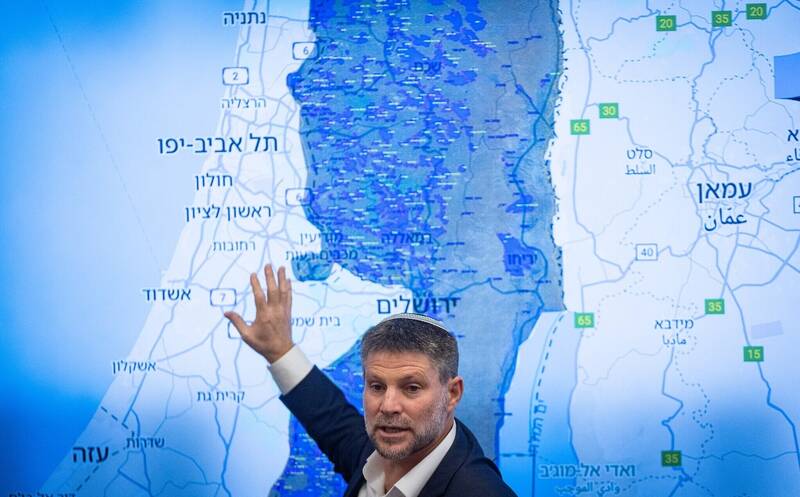
Strategic Council Online – Opinion: In the midst of America’s military deployment to West Asia and the Persian Gulf, which has increased tensions at the regional and global levels, the Zionist regime has seized the opportunity and accelerated the advancement of its ambitious projects, including the process of the illegal annexation of the West Bank to the occupied territories.
Strategic Council Online- Interview: An expert on West Asian issues stated: The developments following the Gaza war indicate that the U.S. strategy to redefine the West Asian order through the normalization of relations with the Israeli regime has reached a dead end. Therefore, the post-Gaza war developments have once again placed the U.S. security engineering strategy in West Asia at the center of analysts’ attention.
Online Strategic Council – Note: The recent movements by the Zionist regime to open a new front in Iraq indicate the continuation of this regime’s policy of creating crises and an effort to restore its lost deterrence in the region.
Strategic Council Online – Interview: A senior West Asia affairs analyst stated: By assassinating Yemeni executive officials, the Israeli regime has not only failed to achieve its military objectives, but its position has also been weakened in the diplomatic arena. In contrast, Yemen and the Resistance Front are continuing their path with greater cohesion, and the future outlook indicates that not only will their military capabilities not diminish, but their political standing will also be enhanced at the regional and global levels.
Strategic Council Online Opinion: Despite past cooperation and extensive interactions between Ankara and Tel Aviv in various economic, commercial, political, and other domains, Benjamin Netanyahu, the Prime Minister of the Zionist regime, recently took an unprecedented step by recognizing the Armenian Genocide perpetrated by the Ottoman Empire on April 24, 1915, during World War I.
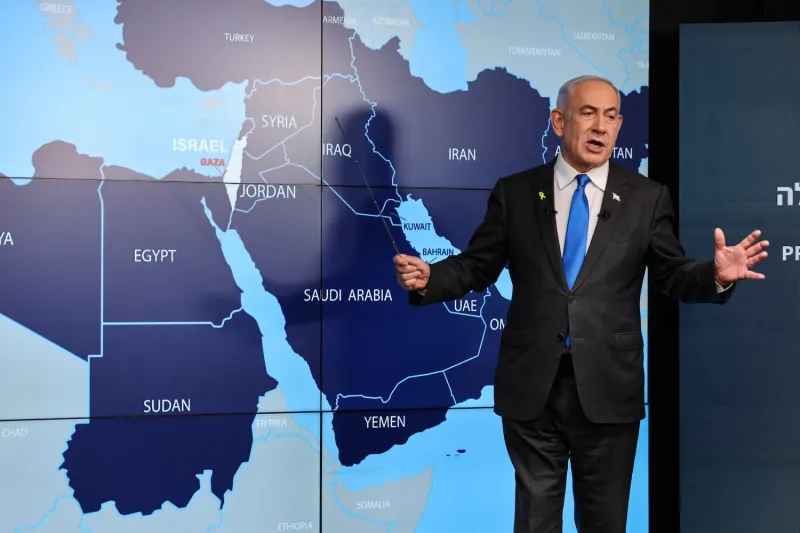
Strategic Council Online– Opinion: Netanyahu, the Prime Minister of the Zionist regime, in an interview with the i24 network, while receiving the “Promised Land” talisman from Sharon Gal, a former representative of the right-wing faction, said he is very attached to the ideal of “Greater Israel.” In this interview, he emphasized that he sees himself on a historical and spiritual mission that includes generations of Jews who dreamed of coming here and generations of Jews who will come after us.
Strategic Council Online – Interview: A senior Palestinian affairs analyst stated: To justify its crimes in Gaza, the Zionist regime employs two main strategies: using military censorship regarding the publication of operational details and presenting an official narrative by military spokespersons in Hebrew and Arabic. By relying on selective images and information, it attempts to make its military actions in Gaza seem believable. While Benjamin Netanyahu, the Prime Minister of the Israeli regime, has announced readiness to expand military operations in Gaza and claimed that Palestinians would be allowed to leave the area, international criticism of this regime’s actions under the accusation of ethnic cleansing has intensified. By controlling Gaza’s borders, the Israeli regime’s military has restricted the exit of Palestinians and simultaneously carried out extensive bombings in the residential areas of Zeitoun and Sabra, which, according to the Hamas Civil Defense Organization, resulted in at least 33 deaths and widespread destruction. The European Union, the United Kingdom, Australia, Canada, and Japan, in a joint statement, have warned of an impending famine in Gaza and called for a halt to the use of lethal force near aid distribution sites. The World Health Organization has also emphasized the necessity of medical equipment entering Gaza, but the Israeli regime continues to prevent sufficient humanitarian aid from being sent.
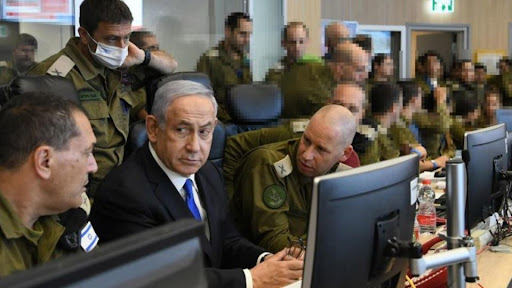
Strategic Council Online – Opinion: Despite widespread disagreements between Netanyahu and the Chief of the General Staff of the Zionist regime’s army, Eyal Zamir, the main framework of the plan to occupy Gaza City was finally signed after the war cabinet agreed to seize Gaza City; a decision that could have extensive consequences in the Occupied Territories and the region.
Strategic Council Online – Interview: A West Asia affairs analyst said: Recently, Benjamin Netanyahu, the Prime Minister of the Zionist regime, explicitly stated in an interview with Channel 14 of this regime that a significant number of Iran’s nuclear scientists have been killed as part of a targeted assassination program. This is the first time that a senior official of the Israeli regime has made such an explicit confession. Although the Israeli regime had previously been accused of playing a role in the assassination of Iranian scientists, this official confession opens a new chapter in legal and political pursuits; a chapter that could, by utilizing international capacities, confront a regime that sees itself as above the law with serious consequences.
SCFR Online – Opinion: The intensification of U.S. sanctions against Iran on the eve of the U.S. midterm elections indicates Washington’s inability to achieve its war objectives.
SCFR Online – Opinion: The competition between Washington and Beijing over chips and artificial intelligence, simultaneously with the shifting of technological balances, has taken on new economic and security dimensions.
SCFR Online – Opinion: The Shanghai Cooperation Organization summit has created a new opportunity for Iran to transform its membership from a political achievement into economic and transit cooperation.
Strategic Council Online – Note: The Makkah Defense Pact can be seen as a sign of regional countries’ efforts to reduce security dependence on extra-regional powers and redefine the balance in West Asia.
SCFR Online – Opinion: The Ukraine war, by exhausting US military capability on one hand and strengthening European defense capacity on the other, has altered the balance of power in the European continent, cast uncertainty over NATO’s future, and is driving it toward a European NATO.
SCFR Online – Opinion: The dissolution of the SDF, although considered an achievement for Turkey’s security, does not put an end to the challenges arising from the Israeli regime’s aggression and expansionism, refugees, and Syria’s fragility.
SCFR Online – Opinion: Concurrent with the official commencement of the United States’ economic war against our country, focusing on sanctions instruments, isolation, and economic pressure, what has now become increasingly important is the lack of alignment of other major global powers, especially China, with this policy.
SCFR Online – Opinion: The new US sanctions against Iran, despite extensive propaganda, face serious obstacles to success due to the ineffectiveness of sanctions tools and opposition from some of Tehran’s trading partners.
SCFR Online – Opinion: The internal situation of the Israeli regime during the 40-day war can be analyzed from several perspectives. The popularity levels of Benjamin Netanyahu, the Likud Party, and the ruling coalition led by Netanyahu until February 28, 2026, remained approximately the same as during the preceding year. The most recent factor that had somewhat increased Netanyahu’s popularity was the advancement of the 2024 war with Hezbollah Lebanon. Subsequently, his popularity temporarily increased during the 12-day war with Iran, but after the war, it returned to its previous state.
Strategic Council Online – Opinion: In the midst of America’s military deployment to West Asia and the Persian Gulf, which has increased tensions at the regional and global levels, the Zionist regime has seized the opportunity and accelerated the advancement of its ambitious projects, including the process of the illegal annexation of the West Bank to the occupied territories.
Strategic Council Online- Interview: An expert on West Asian issues stated: The developments following the Gaza war indicate that the U.S. strategy to redefine the West Asian order through the normalization of relations with the Israeli regime has reached a dead end. Therefore, the post-Gaza war developments have once again placed the U.S. security engineering strategy in West Asia at the center of analysts’ attention.
Online Strategic Council – Note: The recent movements by the Zionist regime to open a new front in Iraq indicate the continuation of this regime’s policy of creating crises and an effort to restore its lost deterrence in the region.
Strategic Council Online – Interview: A senior West Asia affairs analyst stated: By assassinating Yemeni executive officials, the Israeli regime has not only failed to achieve its military objectives, but its position has also been weakened in the diplomatic arena. In contrast, Yemen and the Resistance Front are continuing their path with greater cohesion, and the future outlook indicates that not only will their military capabilities not diminish, but their political standing will also be enhanced at the regional and global levels.
Strategic Council Online Opinion: Despite past cooperation and extensive interactions between Ankara and Tel Aviv in various economic, commercial, political, and other domains, Benjamin Netanyahu, the Prime Minister of the Zionist regime, recently took an unprecedented step by recognizing the Armenian Genocide perpetrated by the Ottoman Empire on April 24, 1915, during World War I.
Strategic Council Online– Opinion: Netanyahu, the Prime Minister of the Zionist regime, in an interview with the i24 network, while receiving the “Promised Land” talisman from Sharon Gal, a former representative of the right-wing faction, said he is very attached to the ideal of “Greater Israel.” In this interview, he emphasized that he sees himself on a historical and spiritual mission that includes generations of Jews who dreamed of coming here and generations of Jews who will come after us.
Strategic Council Online – Interview: A senior Palestinian affairs analyst stated: To justify its crimes in Gaza, the Zionist regime employs two main strategies: using military censorship regarding the publication of operational details and presenting an official narrative by military spokespersons in Hebrew and Arabic. By relying on selective images and information, it attempts to make its military actions in Gaza seem believable. While Benjamin Netanyahu, the Prime Minister of the Israeli regime, has announced readiness to expand military operations in Gaza and claimed that Palestinians would be allowed to leave the area, international criticism of this regime’s actions under the accusation of ethnic cleansing has intensified. By controlling Gaza’s borders, the Israeli regime’s military has restricted the exit of Palestinians and simultaneously carried out extensive bombings in the residential areas of Zeitoun and Sabra, which, according to the Hamas Civil Defense Organization, resulted in at least 33 deaths and widespread destruction. The European Union, the United Kingdom, Australia, Canada, and Japan, in a joint statement, have warned of an impending famine in Gaza and called for a halt to the use of lethal force near aid distribution sites. The World Health Organization has also emphasized the necessity of medical equipment entering Gaza, but the Israeli regime continues to prevent sufficient humanitarian aid from being sent.
Strategic Council Online – Opinion: Despite widespread disagreements between Netanyahu and the Chief of the General Staff of the Zionist regime’s army, Eyal Zamir, the main framework of the plan to occupy Gaza City was finally signed after the war cabinet agreed to seize Gaza City; a decision that could have extensive consequences in the Occupied Territories and the region.
Strategic Council Online – Interview: A West Asia affairs analyst said: Recently, Benjamin Netanyahu, the Prime Minister of the Zionist regime, explicitly stated in an interview with Channel 14 of this regime that a significant number of Iran’s nuclear scientists have been killed as part of a targeted assassination program. This is the first time that a senior official of the Israeli regime has made such an explicit confession. Although the Israeli regime had previously been accused of playing a role in the assassination of Iranian scientists, this official confession opens a new chapter in legal and political pursuits; a chapter that could, by utilizing international capacities, confront a regime that sees itself as above the law with serious consequences.
SCFR Online – Opinion: The internal situation of the Israeli regime during the 40-day war can be analyzed from several perspectives. The popularity levels of Benjamin Netanyahu, the Likud Party, and the ruling coalition led by Netanyahu until February 28, 2026, remained approximately the same as during the preceding year. The most recent factor that had somewhat increased Netanyahu’s popularity was the advancement of the 2024 war with Hezbollah Lebanon. Subsequently, his popularity temporarily increased during the 12-day war with Iran, but after the war, it returned to its previous state.
Strategic Council Online – Opinion: In the midst of America’s military deployment to West Asia and the Persian Gulf, which has increased tensions at the regional and global levels, the Zionist regime has seized the opportunity and accelerated the advancement of its ambitious projects, including the process of the illegal annexation of the West Bank to the occupied territories.
Strategic Council Online- Interview: An expert on West Asian issues stated: The developments following the Gaza war indicate that the U.S. strategy to redefine the West Asian order through the normalization of relations with the Israeli regime has reached a dead end. Therefore, the post-Gaza war developments have once again placed the U.S. security engineering strategy in West Asia at the center of analysts’ attention.
Online Strategic Council – Note: The recent movements by the Zionist regime to open a new front in Iraq indicate the continuation of this regime’s policy of creating crises and an effort to restore its lost deterrence in the region.
Strategic Council Online – Interview: A senior West Asia affairs analyst stated: By assassinating Yemeni executive officials, the Israeli regime has not only failed to achieve its military objectives, but its position has also been weakened in the diplomatic arena. In contrast, Yemen and the Resistance Front are continuing their path with greater cohesion, and the future outlook indicates that not only will their military capabilities not diminish, but their political standing will also be enhanced at the regional and global levels.
Strategic Council Online Opinion: Despite past cooperation and extensive interactions between Ankara and Tel Aviv in various economic, commercial, political, and other domains, Benjamin Netanyahu, the Prime Minister of the Zionist regime, recently took an unprecedented step by recognizing the Armenian Genocide perpetrated by the Ottoman Empire on April 24, 1915, during World War I.
Strategic Council Online– Opinion: Netanyahu, the Prime Minister of the Zionist regime, in an interview with the i24 network, while receiving the “Promised Land” talisman from Sharon Gal, a former representative of the right-wing faction, said he is very attached to the ideal of “Greater Israel.” In this interview, he emphasized that he sees himself on a historical and spiritual mission that includes generations of Jews who dreamed of coming here and generations of Jews who will come after us.
Strategic Council Online – Interview: A senior Palestinian affairs analyst stated: To justify its crimes in Gaza, the Zionist regime employs two main strategies: using military censorship regarding the publication of operational details and presenting an official narrative by military spokespersons in Hebrew and Arabic. By relying on selective images and information, it attempts to make its military actions in Gaza seem believable. While Benjamin Netanyahu, the Prime Minister of the Israeli regime, has announced readiness to expand military operations in Gaza and claimed that Palestinians would be allowed to leave the area, international criticism of this regime’s actions under the accusation of ethnic cleansing has intensified. By controlling Gaza’s borders, the Israeli regime’s military has restricted the exit of Palestinians and simultaneously carried out extensive bombings in the residential areas of Zeitoun and Sabra, which, according to the Hamas Civil Defense Organization, resulted in at least 33 deaths and widespread destruction. The European Union, the United Kingdom, Australia, Canada, and Japan, in a joint statement, have warned of an impending famine in Gaza and called for a halt to the use of lethal force near aid distribution sites. The World Health Organization has also emphasized the necessity of medical equipment entering Gaza, but the Israeli regime continues to prevent sufficient humanitarian aid from being sent.
Strategic Council Online – Opinion: Despite widespread disagreements between Netanyahu and the Chief of the General Staff of the Zionist regime’s army, Eyal Zamir, the main framework of the plan to occupy Gaza City was finally signed after the war cabinet agreed to seize Gaza City; a decision that could have extensive consequences in the Occupied Territories and the region.
Strategic Council Online – Interview: A West Asia affairs analyst said: Recently, Benjamin Netanyahu, the Prime Minister of the Zionist regime, explicitly stated in an interview with Channel 14 of this regime that a significant number of Iran’s nuclear scientists have been killed as part of a targeted assassination program. This is the first time that a senior official of the Israeli regime has made such an explicit confession. Although the Israeli regime had previously been accused of playing a role in the assassination of Iranian scientists, this official confession opens a new chapter in legal and political pursuits; a chapter that could, by utilizing international capacities, confront a regime that sees itself as above the law with serious consequences.
SCFR Online – Opinion: The intensification of U.S. sanctions against Iran on the eve of the U.S. midterm elections indicates Washington’s inability to achieve its war objectives.
SCFR Online – Opinion: The competition between Washington and Beijing over chips and artificial intelligence, simultaneously with the shifting of technological balances, has taken on new economic and security dimensions.
SCFR Online – Opinion: The Shanghai Cooperation Organization summit has created a new opportunity for Iran to transform its membership from a political achievement into economic and transit cooperation.
Strategic Council Online – Note: The Makkah Defense Pact can be seen as a sign of regional countries’ efforts to reduce security dependence on extra-regional powers and redefine the balance in West Asia.
SCFR Online – Opinion: The Ukraine war, by exhausting US military capability on one hand and strengthening European defense capacity on the other, has altered the balance of power in the European continent, cast uncertainty over NATO’s future, and is driving it toward a European NATO.
SCFR Online – Opinion: The dissolution of the SDF, although considered an achievement for Turkey’s security, does not put an end to the challenges arising from the Israeli regime’s aggression and expansionism, refugees, and Syria’s fragility.
SCFR Online – Opinion: Concurrent with the official commencement of the United States’ economic war against our country, focusing on sanctions instruments, isolation, and economic pressure, what has now become increasingly important is the lack of alignment of other major global powers, especially China, with this policy.
SCFR Online – Opinion: The new US sanctions against Iran, despite extensive propaganda, face serious obstacles to success due to the ineffectiveness of sanctions tools and opposition from some of Tehran’s trading partners.
SCFR Online – Opinion: The internal situation of the Israeli regime during the 40-day war can be analyzed from several perspectives. The popularity levels of Benjamin Netanyahu, the Likud Party, and the ruling coalition led by Netanyahu until February 28, 2026, remained approximately the same as during the preceding year. The most recent factor that had somewhat increased Netanyahu’s popularity was the advancement of the 2024 war with Hezbollah Lebanon. Subsequently, his popularity temporarily increased during the 12-day war with Iran, but after the war, it returned to its previous state.
Strategic Council Online – Opinion: In the midst of America’s military deployment to West Asia and the Persian Gulf, which has increased tensions at the regional and global levels, the Zionist regime has seized the opportunity and accelerated the advancement of its ambitious projects, including the process of the illegal annexation of the West Bank to the occupied territories.
Strategic Council Online- Interview: An expert on West Asian issues stated: The developments following the Gaza war indicate that the U.S. strategy to redefine the West Asian order through the normalization of relations with the Israeli regime has reached a dead end. Therefore, the post-Gaza war developments have once again placed the U.S. security engineering strategy in West Asia at the center of analysts’ attention.
Online Strategic Council – Note: The recent movements by the Zionist regime to open a new front in Iraq indicate the continuation of this regime’s policy of creating crises and an effort to restore its lost deterrence in the region.
Strategic Council Online – Interview: A senior West Asia affairs analyst stated: By assassinating Yemeni executive officials, the Israeli regime has not only failed to achieve its military objectives, but its position has also been weakened in the diplomatic arena. In contrast, Yemen and the Resistance Front are continuing their path with greater cohesion, and the future outlook indicates that not only will their military capabilities not diminish, but their political standing will also be enhanced at the regional and global levels.
Strategic Council Online Opinion: Despite past cooperation and extensive interactions between Ankara and Tel Aviv in various economic, commercial, political, and other domains, Benjamin Netanyahu, the Prime Minister of the Zionist regime, recently took an unprecedented step by recognizing the Armenian Genocide perpetrated by the Ottoman Empire on April 24, 1915, during World War I.
Strategic Council Online– Opinion: Netanyahu, the Prime Minister of the Zionist regime, in an interview with the i24 network, while receiving the “Promised Land” talisman from Sharon Gal, a former representative of the right-wing faction, said he is very attached to the ideal of “Greater Israel.” In this interview, he emphasized that he sees himself on a historical and spiritual mission that includes generations of Jews who dreamed of coming here and generations of Jews who will come after us.
Strategic Council Online – Interview: A senior Palestinian affairs analyst stated: To justify its crimes in Gaza, the Zionist regime employs two main strategies: using military censorship regarding the publication of operational details and presenting an official narrative by military spokespersons in Hebrew and Arabic. By relying on selective images and information, it attempts to make its military actions in Gaza seem believable. While Benjamin Netanyahu, the Prime Minister of the Israeli regime, has announced readiness to expand military operations in Gaza and claimed that Palestinians would be allowed to leave the area, international criticism of this regime’s actions under the accusation of ethnic cleansing has intensified. By controlling Gaza’s borders, the Israeli regime’s military has restricted the exit of Palestinians and simultaneously carried out extensive bombings in the residential areas of Zeitoun and Sabra, which, according to the Hamas Civil Defense Organization, resulted in at least 33 deaths and widespread destruction. The European Union, the United Kingdom, Australia, Canada, and Japan, in a joint statement, have warned of an impending famine in Gaza and called for a halt to the use of lethal force near aid distribution sites. The World Health Organization has also emphasized the necessity of medical equipment entering Gaza, but the Israeli regime continues to prevent sufficient humanitarian aid from being sent.
Strategic Council Online – Opinion: Despite widespread disagreements between Netanyahu and the Chief of the General Staff of the Zionist regime’s army, Eyal Zamir, the main framework of the plan to occupy Gaza City was finally signed after the war cabinet agreed to seize Gaza City; a decision that could have extensive consequences in the Occupied Territories and the region.
Strategic Council Online – Interview: A West Asia affairs analyst said: Recently, Benjamin Netanyahu, the Prime Minister of the Zionist regime, explicitly stated in an interview with Channel 14 of this regime that a significant number of Iran’s nuclear scientists have been killed as part of a targeted assassination program. This is the first time that a senior official of the Israeli regime has made such an explicit confession. Although the Israeli regime had previously been accused of playing a role in the assassination of Iranian scientists, this official confession opens a new chapter in legal and political pursuits; a chapter that could, by utilizing international capacities, confront a regime that sees itself as above the law with serious consequences.
SCFR Online – Opinion: The intensification of U.S. sanctions against Iran on the eve of the U.S. midterm elections indicates Washington’s inability to achieve its war objectives.
SCFR Online – Opinion: The competition between Washington and Beijing over chips and artificial intelligence, simultaneously with the shifting of technological balances, has taken on new economic and security dimensions.
SCFR Online – Opinion: The Shanghai Cooperation Organization summit has created a new opportunity for Iran to transform its membership from a political achievement into economic and transit cooperation.
Strategic Council Online – Note: The Makkah Defense Pact can be seen as a sign of regional countries’ efforts to reduce security dependence on extra-regional powers and redefine the balance in West Asia.
SCFR Online – Opinion: The Ukraine war, by exhausting US military capability on one hand and strengthening European defense capacity on the other, has altered the balance of power in the European continent, cast uncertainty over NATO’s future, and is driving it toward a European NATO.
SCFR Online – Opinion: The dissolution of the SDF, although considered an achievement for Turkey’s security, does not put an end to the challenges arising from the Israeli regime’s aggression and expansionism, refugees, and Syria’s fragility.
SCFR Online – Opinion: Concurrent with the official commencement of the United States’ economic war against our country, focusing on sanctions instruments, isolation, and economic pressure, what has now become increasingly important is the lack of alignment of other major global powers, especially China, with this policy.
SCFR Online – Opinion: The new US sanctions against Iran, despite extensive propaganda, face serious obstacles to success due to the ineffectiveness of sanctions tools and opposition from some of Tehran’s trading partners.
SCFR Online – Opinion: The internal situation of the Israeli regime during the 40-day war can be analyzed from several perspectives. The popularity levels of Benjamin Netanyahu, the Likud Party, and the ruling coalition led by Netanyahu until February 28, 2026, remained approximately the same as during the preceding year. The most recent factor that had somewhat increased Netanyahu’s popularity was the advancement of the 2024 war with Hezbollah Lebanon. Subsequently, his popularity temporarily increased during the 12-day war with Iran, but after the war, it returned to its previous state.
Strategic Council Online – Opinion: In the midst of America’s military deployment to West Asia and the Persian Gulf, which has increased tensions at the regional and global levels, the Zionist regime has seized the opportunity and accelerated the advancement of its ambitious projects, including the process of the illegal annexation of the West Bank to the occupied territories.
Strategic Council Online- Interview: An expert on West Asian issues stated: The developments following the Gaza war indicate that the U.S. strategy to redefine the West Asian order through the normalization of relations with the Israeli regime has reached a dead end. Therefore, the post-Gaza war developments have once again placed the U.S. security engineering strategy in West Asia at the center of analysts’ attention.
Online Strategic Council – Note: The recent movements by the Zionist regime to open a new front in Iraq indicate the continuation of this regime’s policy of creating crises and an effort to restore its lost deterrence in the region.
Strategic Council Online – Interview: A senior West Asia affairs analyst stated: By assassinating Yemeni executive officials, the Israeli regime has not only failed to achieve its military objectives, but its position has also been weakened in the diplomatic arena. In contrast, Yemen and the Resistance Front are continuing their path with greater cohesion, and the future outlook indicates that not only will their military capabilities not diminish, but their political standing will also be enhanced at the regional and global levels.
Strategic Council Online Opinion: Despite past cooperation and extensive interactions between Ankara and Tel Aviv in various economic, commercial, political, and other domains, Benjamin Netanyahu, the Prime Minister of the Zionist regime, recently took an unprecedented step by recognizing the Armenian Genocide perpetrated by the Ottoman Empire on April 24, 1915, during World War I.
Strategic Council Online– Opinion: Netanyahu, the Prime Minister of the Zionist regime, in an interview with the i24 network, while receiving the “Promised Land” talisman from Sharon Gal, a former representative of the right-wing faction, said he is very attached to the ideal of “Greater Israel.” In this interview, he emphasized that he sees himself on a historical and spiritual mission that includes generations of Jews who dreamed of coming here and generations of Jews who will come after us.
Strategic Council Online – Interview: A senior Palestinian affairs analyst stated: To justify its crimes in Gaza, the Zionist regime employs two main strategies: using military censorship regarding the publication of operational details and presenting an official narrative by military spokespersons in Hebrew and Arabic. By relying on selective images and information, it attempts to make its military actions in Gaza seem believable. While Benjamin Netanyahu, the Prime Minister of the Israeli regime, has announced readiness to expand military operations in Gaza and claimed that Palestinians would be allowed to leave the area, international criticism of this regime’s actions under the accusation of ethnic cleansing has intensified. By controlling Gaza’s borders, the Israeli regime’s military has restricted the exit of Palestinians and simultaneously carried out extensive bombings in the residential areas of Zeitoun and Sabra, which, according to the Hamas Civil Defense Organization, resulted in at least 33 deaths and widespread destruction. The European Union, the United Kingdom, Australia, Canada, and Japan, in a joint statement, have warned of an impending famine in Gaza and called for a halt to the use of lethal force near aid distribution sites. The World Health Organization has also emphasized the necessity of medical equipment entering Gaza, but the Israeli regime continues to prevent sufficient humanitarian aid from being sent.
Strategic Council Online – Opinion: Despite widespread disagreements between Netanyahu and the Chief of the General Staff of the Zionist regime’s army, Eyal Zamir, the main framework of the plan to occupy Gaza City was finally signed after the war cabinet agreed to seize Gaza City; a decision that could have extensive consequences in the Occupied Territories and the region.
Strategic Council Online – Interview: A West Asia affairs analyst said: Recently, Benjamin Netanyahu, the Prime Minister of the Zionist regime, explicitly stated in an interview with Channel 14 of this regime that a significant number of Iran’s nuclear scientists have been killed as part of a targeted assassination program. This is the first time that a senior official of the Israeli regime has made such an explicit confession. Although the Israeli regime had previously been accused of playing a role in the assassination of Iranian scientists, this official confession opens a new chapter in legal and political pursuits; a chapter that could, by utilizing international capacities, confront a regime that sees itself as above the law with serious consequences.
SCFR Online – Opinion: The intensification of U.S. sanctions against Iran on the eve of the U.S. midterm elections indicates Washington’s inability to achieve its war objectives.
SCFR Online – Opinion: The competition between Washington and Beijing over chips and artificial intelligence, simultaneously with the shifting of technological balances, has taken on new economic and security dimensions.
SCFR Online – Opinion: The Shanghai Cooperation Organization summit has created a new opportunity for Iran to transform its membership from a political achievement into economic and transit cooperation.
Strategic Council Online – Note: The Makkah Defense Pact can be seen as a sign of regional countries’ efforts to reduce security dependence on extra-regional powers and redefine the balance in West Asia.
SCFR Online – Opinion: The Ukraine war, by exhausting US military capability on one hand and strengthening European defense capacity on the other, has altered the balance of power in the European continent, cast uncertainty over NATO’s future, and is driving it toward a European NATO.
SCFR Online – Opinion: The dissolution of the SDF, although considered an achievement for Turkey’s security, does not put an end to the challenges arising from the Israeli regime’s aggression and expansionism, refugees, and Syria’s fragility.
SCFR Online – Opinion: Concurrent with the official commencement of the United States’ economic war against our country, focusing on sanctions instruments, isolation, and economic pressure, what has now become increasingly important is the lack of alignment of other major global powers, especially China, with this policy.
SCFR Online – Opinion: The new US sanctions against Iran, despite extensive propaganda, face serious obstacles to success due to the ineffectiveness of sanctions tools and opposition from some of Tehran’s trading partners.
SCFR Online – Opinion: The internal situation of the Israeli regime during the 40-day war can be analyzed from several perspectives. The popularity levels of Benjamin Netanyahu, the Likud Party, and the ruling coalition led by Netanyahu until February 28, 2026, remained approximately the same as during the preceding year. The most recent factor that had somewhat increased Netanyahu’s popularity was the advancement of the 2024 war with Hezbollah Lebanon. Subsequently, his popularity temporarily increased during the 12-day war with Iran, but after the war, it returned to its previous state.
Strategic Council Online – Opinion: In the midst of America’s military deployment to West Asia and the Persian Gulf, which has increased tensions at the regional and global levels, the Zionist regime has seized the opportunity and accelerated the advancement of its ambitious projects, including the process of the illegal annexation of the West Bank to the occupied territories.
Strategic Council Online- Interview: An expert on West Asian issues stated: The developments following the Gaza war indicate that the U.S. strategy to redefine the West Asian order through the normalization of relations with the Israeli regime has reached a dead end. Therefore, the post-Gaza war developments have once again placed the U.S. security engineering strategy in West Asia at the center of analysts’ attention.
Online Strategic Council – Note: The recent movements by the Zionist regime to open a new front in Iraq indicate the continuation of this regime’s policy of creating crises and an effort to restore its lost deterrence in the region.
Strategic Council Online – Interview: A senior West Asia affairs analyst stated: By assassinating Yemeni executive officials, the Israeli regime has not only failed to achieve its military objectives, but its position has also been weakened in the diplomatic arena. In contrast, Yemen and the Resistance Front are continuing their path with greater cohesion, and the future outlook indicates that not only will their military capabilities not diminish, but their political standing will also be enhanced at the regional and global levels.
Strategic Council Online Opinion: Despite past cooperation and extensive interactions between Ankara and Tel Aviv in various economic, commercial, political, and other domains, Benjamin Netanyahu, the Prime Minister of the Zionist regime, recently took an unprecedented step by recognizing the Armenian Genocide perpetrated by the Ottoman Empire on April 24, 1915, during World War I.
Strategic Council Online– Opinion: Netanyahu, the Prime Minister of the Zionist regime, in an interview with the i24 network, while receiving the “Promised Land” talisman from Sharon Gal, a former representative of the right-wing faction, said he is very attached to the ideal of “Greater Israel.” In this interview, he emphasized that he sees himself on a historical and spiritual mission that includes generations of Jews who dreamed of coming here and generations of Jews who will come after us.
Strategic Council Online – Interview: A senior Palestinian affairs analyst stated: To justify its crimes in Gaza, the Zionist regime employs two main strategies: using military censorship regarding the publication of operational details and presenting an official narrative by military spokespersons in Hebrew and Arabic. By relying on selective images and information, it attempts to make its military actions in Gaza seem believable. While Benjamin Netanyahu, the Prime Minister of the Israeli regime, has announced readiness to expand military operations in Gaza and claimed that Palestinians would be allowed to leave the area, international criticism of this regime’s actions under the accusation of ethnic cleansing has intensified. By controlling Gaza’s borders, the Israeli regime’s military has restricted the exit of Palestinians and simultaneously carried out extensive bombings in the residential areas of Zeitoun and Sabra, which, according to the Hamas Civil Defense Organization, resulted in at least 33 deaths and widespread destruction. The European Union, the United Kingdom, Australia, Canada, and Japan, in a joint statement, have warned of an impending famine in Gaza and called for a halt to the use of lethal force near aid distribution sites. The World Health Organization has also emphasized the necessity of medical equipment entering Gaza, but the Israeli regime continues to prevent sufficient humanitarian aid from being sent.
Strategic Council Online – Opinion: Despite widespread disagreements between Netanyahu and the Chief of the General Staff of the Zionist regime’s army, Eyal Zamir, the main framework of the plan to occupy Gaza City was finally signed after the war cabinet agreed to seize Gaza City; a decision that could have extensive consequences in the Occupied Territories and the region.
Strategic Council Online – Interview: A West Asia affairs analyst said: Recently, Benjamin Netanyahu, the Prime Minister of the Zionist regime, explicitly stated in an interview with Channel 14 of this regime that a significant number of Iran’s nuclear scientists have been killed as part of a targeted assassination program. This is the first time that a senior official of the Israeli regime has made such an explicit confession. Although the Israeli regime had previously been accused of playing a role in the assassination of Iranian scientists, this official confession opens a new chapter in legal and political pursuits; a chapter that could, by utilizing international capacities, confront a regime that sees itself as above the law with serious consequences.
SCFR Online – Opinion: The intensification of U.S. sanctions against Iran on the eve of the U.S. midterm elections indicates Washington’s inability to achieve its war objectives.
SCFR Online – Opinion: The competition between Washington and Beijing over chips and artificial intelligence, simultaneously with the shifting of technological balances, has taken on new economic and security dimensions.
SCFR Online – Opinion: The Shanghai Cooperation Organization summit has created a new opportunity for Iran to transform its membership from a political achievement into economic and transit cooperation.
Strategic Council Online – Note: The Makkah Defense Pact can be seen as a sign of regional countries’ efforts to reduce security dependence on extra-regional powers and redefine the balance in West Asia.
SCFR Online – Opinion: The Ukraine war, by exhausting US military capability on one hand and strengthening European defense capacity on the other, has altered the balance of power in the European continent, cast uncertainty over NATO’s future, and is driving it toward a European NATO.
SCFR Online – Opinion: The dissolution of the SDF, although considered an achievement for Turkey’s security, does not put an end to the challenges arising from the Israeli regime’s aggression and expansionism, refugees, and Syria’s fragility.
SCFR Online – Opinion: Concurrent with the official commencement of the United States’ economic war against our country, focusing on sanctions instruments, isolation, and economic pressure, what has now become increasingly important is the lack of alignment of other major global powers, especially China, with this policy.
SCFR Online – Opinion: The new US sanctions against Iran, despite extensive propaganda, face serious obstacles to success due to the ineffectiveness of sanctions tools and opposition from some of Tehran’s trading partners.
SCFR Online – Opinion: The internal situation of the Israeli regime during the 40-day war can be analyzed from several perspectives. The popularity levels of Benjamin Netanyahu, the Likud Party, and the ruling coalition led by Netanyahu until February 28, 2026, remained approximately the same as during the preceding year. The most recent factor that had somewhat increased Netanyahu’s popularity was the advancement of the 2024 war with Hezbollah Lebanon. Subsequently, his popularity temporarily increased during the 12-day war with Iran, but after the war, it returned to its previous state.
Strategic Council Online – Opinion: In the midst of America’s military deployment to West Asia and the Persian Gulf, which has increased tensions at the regional and global levels, the Zionist regime has seized the opportunity and accelerated the advancement of its ambitious projects, including the process of the illegal annexation of the West Bank to the occupied territories.
Strategic Council Online- Interview: An expert on West Asian issues stated: The developments following the Gaza war indicate that the U.S. strategy to redefine the West Asian order through the normalization of relations with the Israeli regime has reached a dead end. Therefore, the post-Gaza war developments have once again placed the U.S. security engineering strategy in West Asia at the center of analysts’ attention.
Online Strategic Council – Note: The recent movements by the Zionist regime to open a new front in Iraq indicate the continuation of this regime’s policy of creating crises and an effort to restore its lost deterrence in the region.
Strategic Council Online – Interview: A senior West Asia affairs analyst stated: By assassinating Yemeni executive officials, the Israeli regime has not only failed to achieve its military objectives, but its position has also been weakened in the diplomatic arena. In contrast, Yemen and the Resistance Front are continuing their path with greater cohesion, and the future outlook indicates that not only will their military capabilities not diminish, but their political standing will also be enhanced at the regional and global levels.
Strategic Council Online Opinion: Despite past cooperation and extensive interactions between Ankara and Tel Aviv in various economic, commercial, political, and other domains, Benjamin Netanyahu, the Prime Minister of the Zionist regime, recently took an unprecedented step by recognizing the Armenian Genocide perpetrated by the Ottoman Empire on April 24, 1915, during World War I.
Strategic Council Online– Opinion: Netanyahu, the Prime Minister of the Zionist regime, in an interview with the i24 network, while receiving the “Promised Land” talisman from Sharon Gal, a former representative of the right-wing faction, said he is very attached to the ideal of “Greater Israel.” In this interview, he emphasized that he sees himself on a historical and spiritual mission that includes generations of Jews who dreamed of coming here and generations of Jews who will come after us.
Strategic Council Online – Interview: A senior Palestinian affairs analyst stated: To justify its crimes in Gaza, the Zionist regime employs two main strategies: using military censorship regarding the publication of operational details and presenting an official narrative by military spokespersons in Hebrew and Arabic. By relying on selective images and information, it attempts to make its military actions in Gaza seem believable. While Benjamin Netanyahu, the Prime Minister of the Israeli regime, has announced readiness to expand military operations in Gaza and claimed that Palestinians would be allowed to leave the area, international criticism of this regime’s actions under the accusation of ethnic cleansing has intensified. By controlling Gaza’s borders, the Israeli regime’s military has restricted the exit of Palestinians and simultaneously carried out extensive bombings in the residential areas of Zeitoun and Sabra, which, according to the Hamas Civil Defense Organization, resulted in at least 33 deaths and widespread destruction. The European Union, the United Kingdom, Australia, Canada, and Japan, in a joint statement, have warned of an impending famine in Gaza and called for a halt to the use of lethal force near aid distribution sites. The World Health Organization has also emphasized the necessity of medical equipment entering Gaza, but the Israeli regime continues to prevent sufficient humanitarian aid from being sent.
Strategic Council Online – Opinion: Despite widespread disagreements between Netanyahu and the Chief of the General Staff of the Zionist regime’s army, Eyal Zamir, the main framework of the plan to occupy Gaza City was finally signed after the war cabinet agreed to seize Gaza City; a decision that could have extensive consequences in the Occupied Territories and the region.
Strategic Council Online – Interview: A West Asia affairs analyst said: Recently, Benjamin Netanyahu, the Prime Minister of the Zionist regime, explicitly stated in an interview with Channel 14 of this regime that a significant number of Iran’s nuclear scientists have been killed as part of a targeted assassination program. This is the first time that a senior official of the Israeli regime has made such an explicit confession. Although the Israeli regime had previously been accused of playing a role in the assassination of Iranian scientists, this official confession opens a new chapter in legal and political pursuits; a chapter that could, by utilizing international capacities, confront a regime that sees itself as above the law with serious consequences.
SCFR Online – Opinion: The intensification of U.S. sanctions against Iran on the eve of the U.S. midterm elections indicates Washington’s inability to achieve its war objectives.
SCFR Online – Opinion: The competition between Washington and Beijing over chips and artificial intelligence, simultaneously with the shifting of technological balances, has taken on new economic and security dimensions.
SCFR Online – Opinion: The Shanghai Cooperation Organization summit has created a new opportunity for Iran to transform its membership from a political achievement into economic and transit cooperation.
Strategic Council Online – Note: The Makkah Defense Pact can be seen as a sign of regional countries’ efforts to reduce security dependence on extra-regional powers and redefine the balance in West Asia.
SCFR Online – Opinion: The Ukraine war, by exhausting US military capability on one hand and strengthening European defense capacity on the other, has altered the balance of power in the European continent, cast uncertainty over NATO’s future, and is driving it toward a European NATO.
SCFR Online – Opinion: The dissolution of the SDF, although considered an achievement for Turkey’s security, does not put an end to the challenges arising from the Israeli regime’s aggression and expansionism, refugees, and Syria’s fragility.
SCFR Online – Opinion: Concurrent with the official commencement of the United States’ economic war against our country, focusing on sanctions instruments, isolation, and economic pressure, what has now become increasingly important is the lack of alignment of other major global powers, especially China, with this policy.
SCFR Online – Opinion: The new US sanctions against Iran, despite extensive propaganda, face serious obstacles to success due to the ineffectiveness of sanctions tools and opposition from some of Tehran’s trading partners.