جدیدترین مطالب

The Makkah Pact; Reasons for its Formation and Challenges Ahead

SCFR Online – Opinion: The Makkah Pact, signed between Saudi Arabia, Pakistan, and Turkey under the motto “an attack on one is an attack on all,” is viewed by some analysts less as a full-fledged military coalition and more as an attempt to reduce security dependence on an external power and to establish a regional security mechanism.

Implications of the US-Saudi Nuclear Agreement

SCFR Online – Opinion: The new US-Saudi nuclear agreement, despite legal and political ambiguities, could alter previous non-proliferation standards in West Asia and intensify nuclear competition, ushering it into a new phase.

An Analysis of Recent Turkey-Israeli Regime Tensions

SCFR Online – Opinion: Recent developments in Syria indicate an intensification of strategic rivalry between Turkey and the Israeli regime, but mutual considerations and the role of the United States have limited the likelihood of direct war.

Increasing criticism of the extensive Zionist lobby network

SCFR Online – Opinion: An examination of the mechanisms of the Israeli regime’s influence in the United States depicts a complex picture of shared interests, strategic dependencies, and the limitations of this relationship.

Realities of the Tripartite Makkah Pact

SCFR Online – Interview: The signing of the Makkah agreement between Saudi Arabia, Pakistan, and Turkey has raised questions about the future of the region’s security structure and the position of these countries in West Asian equations. Can this agreement become a genuine collective defense mechanism, or does it have more of a political and deterrent function than creating new military capacity?

Strategic Implications of the Reduction of US Weapons Stockpiles

SCFR Online – Opinion: The continuation of the US war against Iran, in addition to increasing operational costs, has called into question the actual capacity of the American arsenal to simultaneously fulfill security commitments on multiple fronts; an issue that affects deterrence, defense production capacity, and Washington’s resource prioritization.

Loading

Netanyahu

The Impact of the 12-Day War on the Economy of the Israeli Regime

The Impact of the 12-Day War on the Economy of the Israeli Regime

Strategic Council Online – Interview: A senior international affairs analyst stated that the Israeli regime’s 12-day war against Iran in June 2025 has pushed its economy to a fragile point. A 16.2% decline in exports to $3.6 billion is just the tip of the iceberg of the crisis. Simultaneously, global isolation and the continued widening of crimes in Gaza have placed an additional burden on its economy. The weakening of the shekel against the dollar and the destruction of key infrastructure have plunged the Israeli regime’s economy into a whirlpool of a 20.6% trade deficit and a 3.4% drop in six-month exports to $26.97 billion. A 5% increase in imports has further exacerbated the pressure. This crisis, rooted in the Israeli regime’s military adventurism and global isolation, has driven it toward dependence on foreign aid and social collapse.

Domestic Concerns and Repercussions of the 12-Day War for Trump and Netanyahu

Domestic Concerns and Repercussions of the 12-Day War for Trump and Netanyahu

Strategic Council Online – Opinion: Every war, regardless of its duration (short or long) and how it ends (ceasefire, lifting siege, or peace), faces an issue called “The Day After.” The day after the war ends refers to the day when the consequences of the war gradually become apparent to the warring parties in various spheres, including political, military, social, economic, and others. The imposed war by the Zionist regime and America against Iran is no exception to this rule.

Netanyahu’s Tactics to Evade Trial Under Pretext of Security and Regional Developments

Netanyahu’s Tactics to Evade Trial Under Pretext of Security and Regional Developments

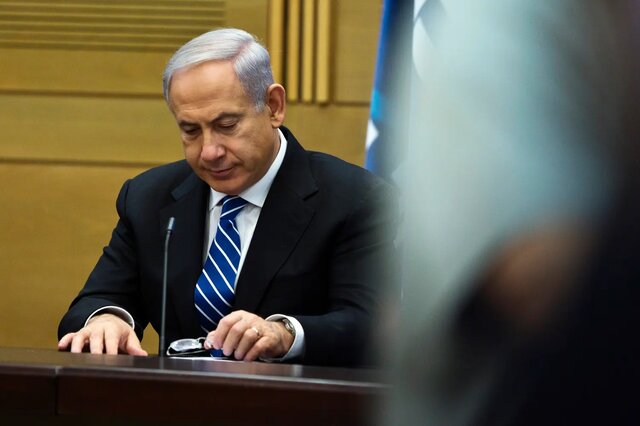
Strategic Council Online – Interview: An Israeli regime affairs researcher stated: The Zionist regime media recently announced that Benjamin Netanyahu, the Prime Minister of this regime, has requested a two-week postponement of his trial for security reasons and regional developments. On Sunday, news also emerged that the “Occupied Jerusalem” district court agreed to postpone Netanyahu’s trial by one week. This decision followed the Zionist regime Prime Minister summoning officials from the Foreign Intelligence Service (Mossad) and Military Intelligence Organization (Aman) to a confidential session held at this court to explain the reasons for his request to delay his trial by two weeks.

An Analysis of the Escalating Isolation of Netanyahu Govt Worldwide

An Analysis of the Escalating Isolation of Netanyahu Govt Worldwide

Strategic Council Online – Opinion: Netanyahu’s cabinet, which has recently launched a new military operation in Gaza, is insanely massacring civilians. The continuation of the war until the complete destruction of Gaza and its takeover is the ultimate goal of the Zionist regime’s recent military operation.

Multifaceted Crises of the Zionist Regime and Netanyahu’s Fragile Position

Multifaceted Crises of the Zionist Regime and Netanyahu’s Fragile Position

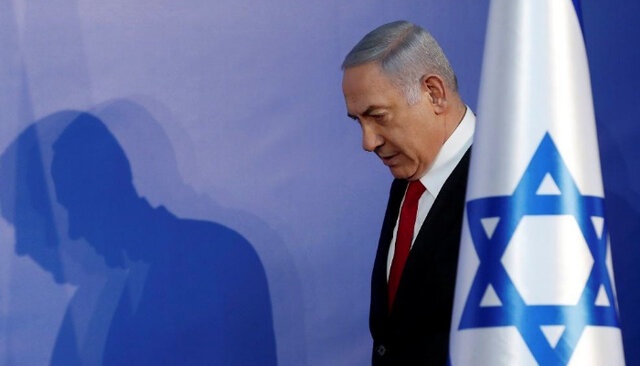
Strategic Council Online – Interview: A West Asia affairs analyst stated that according to a recent poll by the Maariv newspaper, Netanyahu’s ruling coalition would secure only 49 seats in the Knesset (parliament) if new elections were held, losing one seat, while a minimum of 61 seats is required to form a government. This situation and military and judicial failures will place Netanyahu in the most critical phase of his leadership.

Prospect of Military Conflict Between Ansar Allah and the Israeli Regime

Prospect of Military Conflict Between Ansar Allah and the Israeli Regime

Strategic Council Online – Interview: A regional affairs expert stated that the months-long history of conflict between the Israeli regime and Ansar Allah has shown that the leaders and structure of Ansar Allah will not collapse, even with continued intense attacks by the U.S. and the Zionist regime, nor with the potential assassination and loss of their leaders. They will continue their resistance and warfare against the Israeli regime. In reality, the Yemeni resistance has demonstrated that the Israeli regime is incapable of defeating or pushing back Ansar Allah from their positions in support of the people of Gaza and Palestine.

Analysis of the Recent Disagreements between Trump and Netanyahu

Analysis of the Recent Disagreements between Trump and Netanyahu

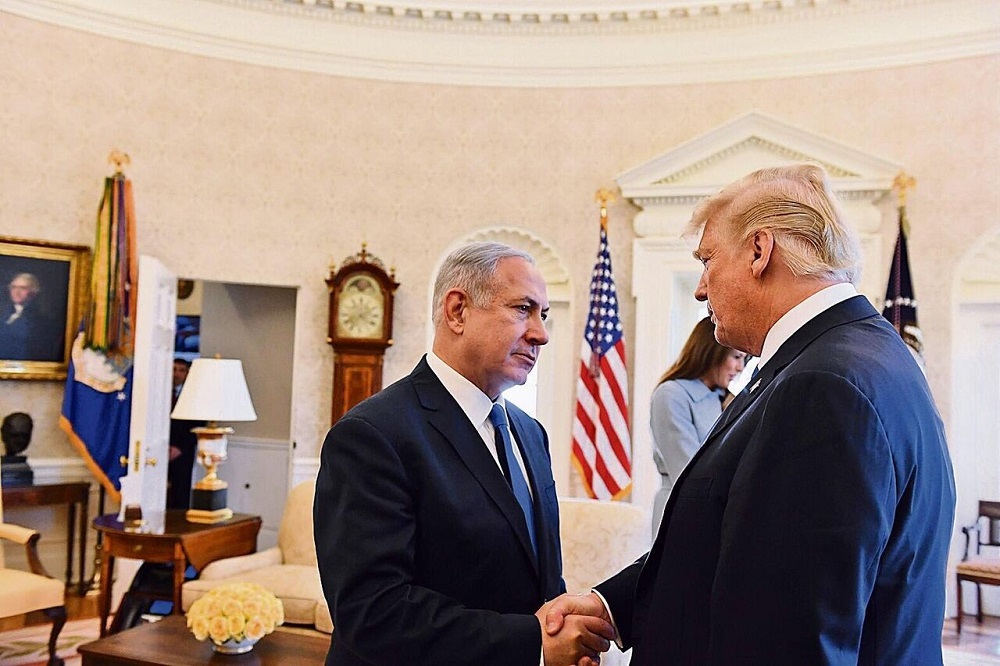
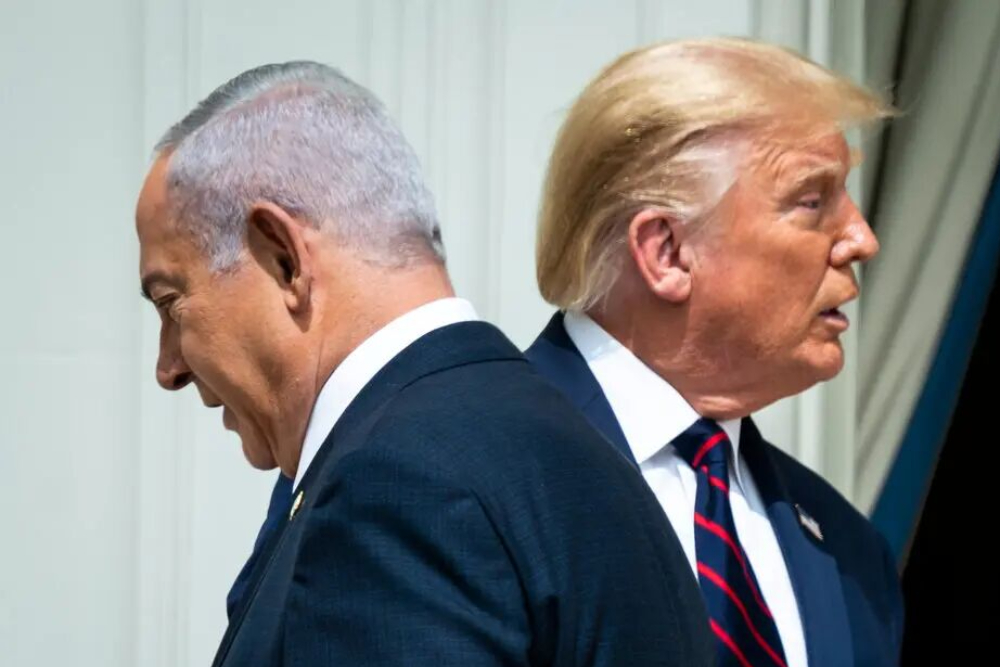
Strategic Council Online– Note: In recent weeks, the warmth of relations between Trump and Netanyahu has been questioned, and it seems that the two sides have had significant disagreements regarding the mechanisms for dealing with sensitive issues and challenges in the region, especially Iran, Hamas, Gaza, and Yemen.

A Look at Netanyahu’s Domestic and Foreign Challenges

A Look at Netanyahu’s Domestic and Foreign Challenges

Strategic Council Online – Interview: An expert on regional issues said: The members of the far-right coalition in the Zionist regime are seeking the destruction of Hamas, and Netanyahu continues the war to keep them satisfied.

West’s Double Standards and Destruction of Foundations of the Rule of Law in International Criminal Law

West’s Double Standards and Destruction of Foundations of the Rule of Law in International Criminal Law

Strategic Council Online – Opinion: International criminal law, as one of the main pillars of the international system, is based on principles such as justice, equality before the law, and the fight against impunity. However, the behavior of some Western countries, especially towards the Zionist regime, indicates the application of double standards and the weakening of the foundations of the rule of law.

An Analysis of the Gaza Ceasefire

An Analysis of the Gaza Ceasefire

Strategic Council Online – Opinion: The continuation of the Gaza war had become an unbearable issue for Netanyahu, which ultimately forced him to retreat from all war positions and accept a ceasefire under pressure from Trump.

أحدث الوظائف

The Makkah Pact; Reasons for its Formation and Challenges Ahead

SCFR Online – Opinion: The Makkah Pact, signed between Saudi Arabia, Pakistan, and Turkey under the motto “an attack on one is an attack on all,” is viewed by some analysts less as a full-fledged military coalition and more as an attempt to reduce security dependence on an external power and to establish a regional security mechanism.

Implications of the US-Saudi Nuclear Agreement

SCFR Online – Opinion: The new US-Saudi nuclear agreement, despite legal and political ambiguities, could alter previous non-proliferation standards in West Asia and intensify nuclear competition, ushering it into a new phase.

An Analysis of Recent Turkey-Israeli Regime Tensions

SCFR Online – Opinion: Recent developments in Syria indicate an intensification of strategic rivalry between Turkey and the Israeli regime, but mutual considerations and the role of the United States have limited the likelihood of direct war.

Increasing criticism of the extensive Zionist lobby network

SCFR Online – Opinion: An examination of the mechanisms of the Israeli regime’s influence in the United States depicts a complex picture of shared interests, strategic dependencies, and the limitations of this relationship.

Realities of the Tripartite Makkah Pact

SCFR Online – Interview: The signing of the Makkah agreement between Saudi Arabia, Pakistan, and Turkey has raised questions about the future of the region’s security structure and the position of these countries in West Asian equations. Can this agreement become a genuine collective defense mechanism, or does it have more of a political and deterrent function than creating new military capacity?

Strategic Implications of the Reduction of US Weapons Stockpiles

SCFR Online – Opinion: The continuation of the US war against Iran, in addition to increasing operational costs, has called into question the actual capacity of the American arsenal to simultaneously fulfill security commitments on multiple fronts; an issue that affects deterrence, defense production capacity, and Washington’s resource prioritization.

Loading

Netanyahu

The Impact of the 12-Day War on the Economy of the Israeli Regime

The Impact of the 12-Day War on the Economy of the Israeli Regime

Strategic Council Online – Interview: A senior international affairs analyst stated that the Israeli regime’s 12-day war against Iran in June 2025 has pushed its economy to a fragile point. A 16.2% decline in exports to $3.6 billion is just the tip of the iceberg of the crisis. Simultaneously, global isolation and the continued widening of crimes in Gaza have placed an additional burden on its economy. The weakening of the shekel against the dollar and the destruction of key infrastructure have plunged the Israeli regime’s economy into a whirlpool of a 20.6% trade deficit and a 3.4% drop in six-month exports to $26.97 billion. A 5% increase in imports has further exacerbated the pressure. This crisis, rooted in the Israeli regime’s military adventurism and global isolation, has driven it toward dependence on foreign aid and social collapse.

Domestic Concerns and Repercussions of the 12-Day War for Trump and Netanyahu

Domestic Concerns and Repercussions of the 12-Day War for Trump and Netanyahu

Strategic Council Online – Opinion: Every war, regardless of its duration (short or long) and how it ends (ceasefire, lifting siege, or peace), faces an issue called “The Day After.” The day after the war ends refers to the day when the consequences of the war gradually become apparent to the warring parties in various spheres, including political, military, social, economic, and others. The imposed war by the Zionist regime and America against Iran is no exception to this rule.

Netanyahu’s Tactics to Evade Trial Under Pretext of Security and Regional Developments

Netanyahu’s Tactics to Evade Trial Under Pretext of Security and Regional Developments

Strategic Council Online – Interview: An Israeli regime affairs researcher stated: The Zionist regime media recently announced that Benjamin Netanyahu, the Prime Minister of this regime, has requested a two-week postponement of his trial for security reasons and regional developments. On Sunday, news also emerged that the “Occupied Jerusalem” district court agreed to postpone Netanyahu’s trial by one week. This decision followed the Zionist regime Prime Minister summoning officials from the Foreign Intelligence Service (Mossad) and Military Intelligence Organization (Aman) to a confidential session held at this court to explain the reasons for his request to delay his trial by two weeks.

An Analysis of the Escalating Isolation of Netanyahu Govt Worldwide

An Analysis of the Escalating Isolation of Netanyahu Govt Worldwide

Strategic Council Online – Opinion: Netanyahu’s cabinet, which has recently launched a new military operation in Gaza, is insanely massacring civilians. The continuation of the war until the complete destruction of Gaza and its takeover is the ultimate goal of the Zionist regime’s recent military operation.

Multifaceted Crises of the Zionist Regime and Netanyahu’s Fragile Position

Multifaceted Crises of the Zionist Regime and Netanyahu’s Fragile Position

Strategic Council Online – Interview: A West Asia affairs analyst stated that according to a recent poll by the Maariv newspaper, Netanyahu’s ruling coalition would secure only 49 seats in the Knesset (parliament) if new elections were held, losing one seat, while a minimum of 61 seats is required to form a government. This situation and military and judicial failures will place Netanyahu in the most critical phase of his leadership.

Prospect of Military Conflict Between Ansar Allah and the Israeli Regime

Prospect of Military Conflict Between Ansar Allah and the Israeli Regime

Strategic Council Online – Interview: A regional affairs expert stated that the months-long history of conflict between the Israeli regime and Ansar Allah has shown that the leaders and structure of Ansar Allah will not collapse, even with continued intense attacks by the U.S. and the Zionist regime, nor with the potential assassination and loss of their leaders. They will continue their resistance and warfare against the Israeli regime. In reality, the Yemeni resistance has demonstrated that the Israeli regime is incapable of defeating or pushing back Ansar Allah from their positions in support of the people of Gaza and Palestine.

Analysis of the Recent Disagreements between Trump and Netanyahu

Analysis of the Recent Disagreements between Trump and Netanyahu

Strategic Council Online– Note: In recent weeks, the warmth of relations between Trump and Netanyahu has been questioned, and it seems that the two sides have had significant disagreements regarding the mechanisms for dealing with sensitive issues and challenges in the region, especially Iran, Hamas, Gaza, and Yemen.

A Look at Netanyahu’s Domestic and Foreign Challenges

A Look at Netanyahu’s Domestic and Foreign Challenges

Strategic Council Online – Interview: An expert on regional issues said: The members of the far-right coalition in the Zionist regime are seeking the destruction of Hamas, and Netanyahu continues the war to keep them satisfied.

West’s Double Standards and Destruction of Foundations of the Rule of Law in International Criminal Law

West’s Double Standards and Destruction of Foundations of the Rule of Law in International Criminal Law

Strategic Council Online – Opinion: International criminal law, as one of the main pillars of the international system, is based on principles such as justice, equality before the law, and the fight against impunity. However, the behavior of some Western countries, especially towards the Zionist regime, indicates the application of double standards and the weakening of the foundations of the rule of law.

An Analysis of the Gaza Ceasefire

An Analysis of the Gaza Ceasefire

Strategic Council Online – Opinion: The continuation of the Gaza war had become an unbearable issue for Netanyahu, which ultimately forced him to retreat from all war positions and accept a ceasefire under pressure from Trump.

Netanyahu

The Impact of the 12-Day War on the Economy of the Israeli Regime

The Impact of the 12-Day War on the Economy of the Israeli Regime

Strategic Council Online – Interview: A senior international affairs analyst stated that the Israeli regime’s 12-day war against Iran in June 2025 has pushed its economy to a fragile point. A 16.2% decline in exports to $3.6 billion is just the tip of the iceberg of the crisis. Simultaneously, global isolation and the continued widening of crimes in Gaza have placed an additional burden on its economy. The weakening of the shekel against the dollar and the destruction of key infrastructure have plunged the Israeli regime’s economy into a whirlpool of a 20.6% trade deficit and a 3.4% drop in six-month exports to $26.97 billion. A 5% increase in imports has further exacerbated the pressure. This crisis, rooted in the Israeli regime’s military adventurism and global isolation, has driven it toward dependence on foreign aid and social collapse.

Domestic Concerns and Repercussions of the 12-Day War for Trump and Netanyahu

Domestic Concerns and Repercussions of the 12-Day War for Trump and Netanyahu

Strategic Council Online – Opinion: Every war, regardless of its duration (short or long) and how it ends (ceasefire, lifting siege, or peace), faces an issue called “The Day After.” The day after the war ends refers to the day when the consequences of the war gradually become apparent to the warring parties in various spheres, including political, military, social, economic, and others. The imposed war by the Zionist regime and America against Iran is no exception to this rule.

Netanyahu’s Tactics to Evade Trial Under Pretext of Security and Regional Developments

Netanyahu’s Tactics to Evade Trial Under Pretext of Security and Regional Developments

Strategic Council Online – Interview: An Israeli regime affairs researcher stated: The Zionist regime media recently announced that Benjamin Netanyahu, the Prime Minister of this regime, has requested a two-week postponement of his trial for security reasons and regional developments. On Sunday, news also emerged that the “Occupied Jerusalem” district court agreed to postpone Netanyahu’s trial by one week. This decision followed the Zionist regime Prime Minister summoning officials from the Foreign Intelligence Service (Mossad) and Military Intelligence Organization (Aman) to a confidential session held at this court to explain the reasons for his request to delay his trial by two weeks.

An Analysis of the Escalating Isolation of Netanyahu Govt Worldwide

An Analysis of the Escalating Isolation of Netanyahu Govt Worldwide

Strategic Council Online – Opinion: Netanyahu’s cabinet, which has recently launched a new military operation in Gaza, is insanely massacring civilians. The continuation of the war until the complete destruction of Gaza and its takeover is the ultimate goal of the Zionist regime’s recent military operation.

Multifaceted Crises of the Zionist Regime and Netanyahu’s Fragile Position

Multifaceted Crises of the Zionist Regime and Netanyahu’s Fragile Position

Strategic Council Online – Interview: A West Asia affairs analyst stated that according to a recent poll by the Maariv newspaper, Netanyahu’s ruling coalition would secure only 49 seats in the Knesset (parliament) if new elections were held, losing one seat, while a minimum of 61 seats is required to form a government. This situation and military and judicial failures will place Netanyahu in the most critical phase of his leadership.

Prospect of Military Conflict Between Ansar Allah and the Israeli Regime

Prospect of Military Conflict Between Ansar Allah and the Israeli Regime

Strategic Council Online – Interview: A regional affairs expert stated that the months-long history of conflict between the Israeli regime and Ansar Allah has shown that the leaders and structure of Ansar Allah will not collapse, even with continued intense attacks by the U.S. and the Zionist regime, nor with the potential assassination and loss of their leaders. They will continue their resistance and warfare against the Israeli regime. In reality, the Yemeni resistance has demonstrated that the Israeli regime is incapable of defeating or pushing back Ansar Allah from their positions in support of the people of Gaza and Palestine.

Analysis of the Recent Disagreements between Trump and Netanyahu

Analysis of the Recent Disagreements between Trump and Netanyahu

Strategic Council Online– Note: In recent weeks, the warmth of relations between Trump and Netanyahu has been questioned, and it seems that the two sides have had significant disagreements regarding the mechanisms for dealing with sensitive issues and challenges in the region, especially Iran, Hamas, Gaza, and Yemen.

A Look at Netanyahu’s Domestic and Foreign Challenges

A Look at Netanyahu’s Domestic and Foreign Challenges

Strategic Council Online – Interview: An expert on regional issues said: The members of the far-right coalition in the Zionist regime are seeking the destruction of Hamas, and Netanyahu continues the war to keep them satisfied.

West’s Double Standards and Destruction of Foundations of the Rule of Law in International Criminal Law

West’s Double Standards and Destruction of Foundations of the Rule of Law in International Criminal Law

Strategic Council Online – Opinion: International criminal law, as one of the main pillars of the international system, is based on principles such as justice, equality before the law, and the fight against impunity. However, the behavior of some Western countries, especially towards the Zionist regime, indicates the application of double standards and the weakening of the foundations of the rule of law.

An Analysis of the Gaza Ceasefire

An Analysis of the Gaza Ceasefire

Strategic Council Online – Opinion: The continuation of the Gaza war had become an unbearable issue for Netanyahu, which ultimately forced him to retreat from all war positions and accept a ceasefire under pressure from Trump.

LATEST CONTENT

The Makkah Pact; Reasons for its Formation and Challenges Ahead

SCFR Online – Opinion: The Makkah Pact, signed between Saudi Arabia, Pakistan, and Turkey under the motto “an attack on one is an attack on all,” is viewed by some analysts less as a full-fledged military coalition and more as an attempt to reduce security dependence on an external power and to establish a regional security mechanism.

Implications of the US-Saudi Nuclear Agreement

SCFR Online – Opinion: The new US-Saudi nuclear agreement, despite legal and political ambiguities, could alter previous non-proliferation standards in West Asia and intensify nuclear competition, ushering it into a new phase.

An Analysis of Recent Turkey-Israeli Regime Tensions

SCFR Online – Opinion: Recent developments in Syria indicate an intensification of strategic rivalry between Turkey and the Israeli regime, but mutual considerations and the role of the United States have limited the likelihood of direct war.

Increasing criticism of the extensive Zionist lobby network

SCFR Online – Opinion: An examination of the mechanisms of the Israeli regime’s influence in the United States depicts a complex picture of shared interests, strategic dependencies, and the limitations of this relationship.

Realities of the Tripartite Makkah Pact

SCFR Online – Interview: The signing of the Makkah agreement between Saudi Arabia, Pakistan, and Turkey has raised questions about the future of the region’s security structure and the position of these countries in West Asian equations. Can this agreement become a genuine collective defense mechanism, or does it have more of a political and deterrent function than creating new military capacity?

Strategic Implications of the Reduction of US Weapons Stockpiles

SCFR Online – Opinion: The continuation of the US war against Iran, in addition to increasing operational costs, has called into question the actual capacity of the American arsenal to simultaneously fulfill security commitments on multiple fronts; an issue that affects deterrence, defense production capacity, and Washington’s resource prioritization.

Loading

Netanyahu

The Impact of the 12-Day War on the Economy of the Israeli Regime

The Impact of the 12-Day War on the Economy of the Israeli Regime

Strategic Council Online – Interview: A senior international affairs analyst stated that the Israeli regime’s 12-day war against Iran in June 2025 has pushed its economy to a fragile point. A 16.2% decline in exports to $3.6 billion is just the tip of the iceberg of the crisis. Simultaneously, global isolation and the continued widening of crimes in Gaza have placed an additional burden on its economy. The weakening of the shekel against the dollar and the destruction of key infrastructure have plunged the Israeli regime’s economy into a whirlpool of a 20.6% trade deficit and a 3.4% drop in six-month exports to $26.97 billion. A 5% increase in imports has further exacerbated the pressure. This crisis, rooted in the Israeli regime’s military adventurism and global isolation, has driven it toward dependence on foreign aid and social collapse.

Domestic Concerns and Repercussions of the 12-Day War for Trump and Netanyahu

Domestic Concerns and Repercussions of the 12-Day War for Trump and Netanyahu

Strategic Council Online – Opinion: Every war, regardless of its duration (short or long) and how it ends (ceasefire, lifting siege, or peace), faces an issue called “The Day After.” The day after the war ends refers to the day when the consequences of the war gradually become apparent to the warring parties in various spheres, including political, military, social, economic, and others. The imposed war by the Zionist regime and America against Iran is no exception to this rule.

Netanyahu’s Tactics to Evade Trial Under Pretext of Security and Regional Developments

Netanyahu’s Tactics to Evade Trial Under Pretext of Security and Regional Developments

Strategic Council Online – Interview: An Israeli regime affairs researcher stated: The Zionist regime media recently announced that Benjamin Netanyahu, the Prime Minister of this regime, has requested a two-week postponement of his trial for security reasons and regional developments. On Sunday, news also emerged that the “Occupied Jerusalem” district court agreed to postpone Netanyahu’s trial by one week. This decision followed the Zionist regime Prime Minister summoning officials from the Foreign Intelligence Service (Mossad) and Military Intelligence Organization (Aman) to a confidential session held at this court to explain the reasons for his request to delay his trial by two weeks.

An Analysis of the Escalating Isolation of Netanyahu Govt Worldwide

An Analysis of the Escalating Isolation of Netanyahu Govt Worldwide

Strategic Council Online – Opinion: Netanyahu’s cabinet, which has recently launched a new military operation in Gaza, is insanely massacring civilians. The continuation of the war until the complete destruction of Gaza and its takeover is the ultimate goal of the Zionist regime’s recent military operation.

Multifaceted Crises of the Zionist Regime and Netanyahu’s Fragile Position

Multifaceted Crises of the Zionist Regime and Netanyahu’s Fragile Position

Strategic Council Online – Interview: A West Asia affairs analyst stated that according to a recent poll by the Maariv newspaper, Netanyahu’s ruling coalition would secure only 49 seats in the Knesset (parliament) if new elections were held, losing one seat, while a minimum of 61 seats is required to form a government. This situation and military and judicial failures will place Netanyahu in the most critical phase of his leadership.

Prospect of Military Conflict Between Ansar Allah and the Israeli Regime

Prospect of Military Conflict Between Ansar Allah and the Israeli Regime

Strategic Council Online – Interview: A regional affairs expert stated that the months-long history of conflict between the Israeli regime and Ansar Allah has shown that the leaders and structure of Ansar Allah will not collapse, even with continued intense attacks by the U.S. and the Zionist regime, nor with the potential assassination and loss of their leaders. They will continue their resistance and warfare against the Israeli regime. In reality, the Yemeni resistance has demonstrated that the Israeli regime is incapable of defeating or pushing back Ansar Allah from their positions in support of the people of Gaza and Palestine.

Analysis of the Recent Disagreements between Trump and Netanyahu

Analysis of the Recent Disagreements between Trump and Netanyahu

Strategic Council Online– Note: In recent weeks, the warmth of relations between Trump and Netanyahu has been questioned, and it seems that the two sides have had significant disagreements regarding the mechanisms for dealing with sensitive issues and challenges in the region, especially Iran, Hamas, Gaza, and Yemen.

A Look at Netanyahu’s Domestic and Foreign Challenges

A Look at Netanyahu’s Domestic and Foreign Challenges

Strategic Council Online – Interview: An expert on regional issues said: The members of the far-right coalition in the Zionist regime are seeking the destruction of Hamas, and Netanyahu continues the war to keep them satisfied.

West’s Double Standards and Destruction of Foundations of the Rule of Law in International Criminal Law

West’s Double Standards and Destruction of Foundations of the Rule of Law in International Criminal Law

Strategic Council Online – Opinion: International criminal law, as one of the main pillars of the international system, is based on principles such as justice, equality before the law, and the fight against impunity. However, the behavior of some Western countries, especially towards the Zionist regime, indicates the application of double standards and the weakening of the foundations of the rule of law.

An Analysis of the Gaza Ceasefire

An Analysis of the Gaza Ceasefire

Strategic Council Online – Opinion: The continuation of the Gaza war had become an unbearable issue for Netanyahu, which ultimately forced him to retreat from all war positions and accept a ceasefire under pressure from Trump.

ÚLTIMAS PUBLICACIONES

The Makkah Pact; Reasons for its Formation and Challenges Ahead

SCFR Online – Opinion: The Makkah Pact, signed between Saudi Arabia, Pakistan, and Turkey under the motto “an attack on one is an attack on all,” is viewed by some analysts less as a full-fledged military coalition and more as an attempt to reduce security dependence on an external power and to establish a regional security mechanism.

Implications of the US-Saudi Nuclear Agreement

SCFR Online – Opinion: The new US-Saudi nuclear agreement, despite legal and political ambiguities, could alter previous non-proliferation standards in West Asia and intensify nuclear competition, ushering it into a new phase.

An Analysis of Recent Turkey-Israeli Regime Tensions

SCFR Online – Opinion: Recent developments in Syria indicate an intensification of strategic rivalry between Turkey and the Israeli regime, but mutual considerations and the role of the United States have limited the likelihood of direct war.

Increasing criticism of the extensive Zionist lobby network

SCFR Online – Opinion: An examination of the mechanisms of the Israeli regime’s influence in the United States depicts a complex picture of shared interests, strategic dependencies, and the limitations of this relationship.

Realities of the Tripartite Makkah Pact

SCFR Online – Interview: The signing of the Makkah agreement between Saudi Arabia, Pakistan, and Turkey has raised questions about the future of the region’s security structure and the position of these countries in West Asian equations. Can this agreement become a genuine collective defense mechanism, or does it have more of a political and deterrent function than creating new military capacity?

Strategic Implications of the Reduction of US Weapons Stockpiles

SCFR Online – Opinion: The continuation of the US war against Iran, in addition to increasing operational costs, has called into question the actual capacity of the American arsenal to simultaneously fulfill security commitments on multiple fronts; an issue that affects deterrence, defense production capacity, and Washington’s resource prioritization.

Loading

Netanyahu

The Impact of the 12-Day War on the Economy of the Israeli Regime

The Impact of the 12-Day War on the Economy of the Israeli Regime

Strategic Council Online – Interview: A senior international affairs analyst stated that the Israeli regime’s 12-day war against Iran in June 2025 has pushed its economy to a fragile point. A 16.2% decline in exports to $3.6 billion is just the tip of the iceberg of the crisis. Simultaneously, global isolation and the continued widening of crimes in Gaza have placed an additional burden on its economy. The weakening of the shekel against the dollar and the destruction of key infrastructure have plunged the Israeli regime’s economy into a whirlpool of a 20.6% trade deficit and a 3.4% drop in six-month exports to $26.97 billion. A 5% increase in imports has further exacerbated the pressure. This crisis, rooted in the Israeli regime’s military adventurism and global isolation, has driven it toward dependence on foreign aid and social collapse.

Domestic Concerns and Repercussions of the 12-Day War for Trump and Netanyahu

Domestic Concerns and Repercussions of the 12-Day War for Trump and Netanyahu

Strategic Council Online – Opinion: Every war, regardless of its duration (short or long) and how it ends (ceasefire, lifting siege, or peace), faces an issue called “The Day After.” The day after the war ends refers to the day when the consequences of the war gradually become apparent to the warring parties in various spheres, including political, military, social, economic, and others. The imposed war by the Zionist regime and America against Iran is no exception to this rule.

Netanyahu’s Tactics to Evade Trial Under Pretext of Security and Regional Developments

Netanyahu’s Tactics to Evade Trial Under Pretext of Security and Regional Developments

Strategic Council Online – Interview: An Israeli regime affairs researcher stated: The Zionist regime media recently announced that Benjamin Netanyahu, the Prime Minister of this regime, has requested a two-week postponement of his trial for security reasons and regional developments. On Sunday, news also emerged that the “Occupied Jerusalem” district court agreed to postpone Netanyahu’s trial by one week. This decision followed the Zionist regime Prime Minister summoning officials from the Foreign Intelligence Service (Mossad) and Military Intelligence Organization (Aman) to a confidential session held at this court to explain the reasons for his request to delay his trial by two weeks.

An Analysis of the Escalating Isolation of Netanyahu Govt Worldwide

An Analysis of the Escalating Isolation of Netanyahu Govt Worldwide

Strategic Council Online – Opinion: Netanyahu’s cabinet, which has recently launched a new military operation in Gaza, is insanely massacring civilians. The continuation of the war until the complete destruction of Gaza and its takeover is the ultimate goal of the Zionist regime’s recent military operation.

Multifaceted Crises of the Zionist Regime and Netanyahu’s Fragile Position

Multifaceted Crises of the Zionist Regime and Netanyahu’s Fragile Position

Strategic Council Online – Interview: A West Asia affairs analyst stated that according to a recent poll by the Maariv newspaper, Netanyahu’s ruling coalition would secure only 49 seats in the Knesset (parliament) if new elections were held, losing one seat, while a minimum of 61 seats is required to form a government. This situation and military and judicial failures will place Netanyahu in the most critical phase of his leadership.

Prospect of Military Conflict Between Ansar Allah and the Israeli Regime

Prospect of Military Conflict Between Ansar Allah and the Israeli Regime

Strategic Council Online – Interview: A regional affairs expert stated that the months-long history of conflict between the Israeli regime and Ansar Allah has shown that the leaders and structure of Ansar Allah will not collapse, even with continued intense attacks by the U.S. and the Zionist regime, nor with the potential assassination and loss of their leaders. They will continue their resistance and warfare against the Israeli regime. In reality, the Yemeni resistance has demonstrated that the Israeli regime is incapable of defeating or pushing back Ansar Allah from their positions in support of the people of Gaza and Palestine.

Analysis of the Recent Disagreements between Trump and Netanyahu

Analysis of the Recent Disagreements between Trump and Netanyahu

Strategic Council Online– Note: In recent weeks, the warmth of relations between Trump and Netanyahu has been questioned, and it seems that the two sides have had significant disagreements regarding the mechanisms for dealing with sensitive issues and challenges in the region, especially Iran, Hamas, Gaza, and Yemen.

A Look at Netanyahu’s Domestic and Foreign Challenges

A Look at Netanyahu’s Domestic and Foreign Challenges

Strategic Council Online – Interview: An expert on regional issues said: The members of the far-right coalition in the Zionist regime are seeking the destruction of Hamas, and Netanyahu continues the war to keep them satisfied.

West’s Double Standards and Destruction of Foundations of the Rule of Law in International Criminal Law

West’s Double Standards and Destruction of Foundations of the Rule of Law in International Criminal Law

Strategic Council Online – Opinion: International criminal law, as one of the main pillars of the international system, is based on principles such as justice, equality before the law, and the fight against impunity. However, the behavior of some Western countries, especially towards the Zionist regime, indicates the application of double standards and the weakening of the foundations of the rule of law.

An Analysis of the Gaza Ceasefire

An Analysis of the Gaza Ceasefire

Strategic Council Online – Opinion: The continuation of the Gaza war had become an unbearable issue for Netanyahu, which ultimately forced him to retreat from all war positions and accept a ceasefire under pressure from Trump.

ÚLTIMAS PUBLICACIONES

The Makkah Pact; Reasons for its Formation and Challenges Ahead

SCFR Online – Opinion: The Makkah Pact, signed between Saudi Arabia, Pakistan, and Turkey under the motto “an attack on one is an attack on all,” is viewed by some analysts less as a full-fledged military coalition and more as an attempt to reduce security dependence on an external power and to establish a regional security mechanism.

Implications of the US-Saudi Nuclear Agreement

SCFR Online – Opinion: The new US-Saudi nuclear agreement, despite legal and political ambiguities, could alter previous non-proliferation standards in West Asia and intensify nuclear competition, ushering it into a new phase.

An Analysis of Recent Turkey-Israeli Regime Tensions

SCFR Online – Opinion: Recent developments in Syria indicate an intensification of strategic rivalry between Turkey and the Israeli regime, but mutual considerations and the role of the United States have limited the likelihood of direct war.

Increasing criticism of the extensive Zionist lobby network

SCFR Online – Opinion: An examination of the mechanisms of the Israeli regime’s influence in the United States depicts a complex picture of shared interests, strategic dependencies, and the limitations of this relationship.

Realities of the Tripartite Makkah Pact

SCFR Online – Interview: The signing of the Makkah agreement between Saudi Arabia, Pakistan, and Turkey has raised questions about the future of the region’s security structure and the position of these countries in West Asian equations. Can this agreement become a genuine collective defense mechanism, or does it have more of a political and deterrent function than creating new military capacity?

Strategic Implications of the Reduction of US Weapons Stockpiles

SCFR Online – Opinion: The continuation of the US war against Iran, in addition to increasing operational costs, has called into question the actual capacity of the American arsenal to simultaneously fulfill security commitments on multiple fronts; an issue that affects deterrence, defense production capacity, and Washington’s resource prioritization.

Loading

Netanyahu

The Impact of the 12-Day War on the Economy of the Israeli Regime

The Impact of the 12-Day War on the Economy of the Israeli Regime

Strategic Council Online – Interview: A senior international affairs analyst stated that the Israeli regime’s 12-day war against Iran in June 2025 has pushed its economy to a fragile point. A 16.2% decline in exports to $3.6 billion is just the tip of the iceberg of the crisis. Simultaneously, global isolation and the continued widening of crimes in Gaza have placed an additional burden on its economy. The weakening of the shekel against the dollar and the destruction of key infrastructure have plunged the Israeli regime’s economy into a whirlpool of a 20.6% trade deficit and a 3.4% drop in six-month exports to $26.97 billion. A 5% increase in imports has further exacerbated the pressure. This crisis, rooted in the Israeli regime’s military adventurism and global isolation, has driven it toward dependence on foreign aid and social collapse.

Domestic Concerns and Repercussions of the 12-Day War for Trump and Netanyahu

Domestic Concerns and Repercussions of the 12-Day War for Trump and Netanyahu

Strategic Council Online – Opinion: Every war, regardless of its duration (short or long) and how it ends (ceasefire, lifting siege, or peace), faces an issue called “The Day After.” The day after the war ends refers to the day when the consequences of the war gradually become apparent to the warring parties in various spheres, including political, military, social, economic, and others. The imposed war by the Zionist regime and America against Iran is no exception to this rule.

Netanyahu’s Tactics to Evade Trial Under Pretext of Security and Regional Developments

Netanyahu’s Tactics to Evade Trial Under Pretext of Security and Regional Developments

Strategic Council Online – Interview: An Israeli regime affairs researcher stated: The Zionist regime media recently announced that Benjamin Netanyahu, the Prime Minister of this regime, has requested a two-week postponement of his trial for security reasons and regional developments. On Sunday, news also emerged that the “Occupied Jerusalem” district court agreed to postpone Netanyahu’s trial by one week. This decision followed the Zionist regime Prime Minister summoning officials from the Foreign Intelligence Service (Mossad) and Military Intelligence Organization (Aman) to a confidential session held at this court to explain the reasons for his request to delay his trial by two weeks.

An Analysis of the Escalating Isolation of Netanyahu Govt Worldwide

An Analysis of the Escalating Isolation of Netanyahu Govt Worldwide

Strategic Council Online – Opinion: Netanyahu’s cabinet, which has recently launched a new military operation in Gaza, is insanely massacring civilians. The continuation of the war until the complete destruction of Gaza and its takeover is the ultimate goal of the Zionist regime’s recent military operation.

Multifaceted Crises of the Zionist Regime and Netanyahu’s Fragile Position

Multifaceted Crises of the Zionist Regime and Netanyahu’s Fragile Position

Strategic Council Online – Interview: A West Asia affairs analyst stated that according to a recent poll by the Maariv newspaper, Netanyahu’s ruling coalition would secure only 49 seats in the Knesset (parliament) if new elections were held, losing one seat, while a minimum of 61 seats is required to form a government. This situation and military and judicial failures will place Netanyahu in the most critical phase of his leadership.

Prospect of Military Conflict Between Ansar Allah and the Israeli Regime

Prospect of Military Conflict Between Ansar Allah and the Israeli Regime

Strategic Council Online – Interview: A regional affairs expert stated that the months-long history of conflict between the Israeli regime and Ansar Allah has shown that the leaders and structure of Ansar Allah will not collapse, even with continued intense attacks by the U.S. and the Zionist regime, nor with the potential assassination and loss of their leaders. They will continue their resistance and warfare against the Israeli regime. In reality, the Yemeni resistance has demonstrated that the Israeli regime is incapable of defeating or pushing back Ansar Allah from their positions in support of the people of Gaza and Palestine.

Analysis of the Recent Disagreements between Trump and Netanyahu

Analysis of the Recent Disagreements between Trump and Netanyahu

Strategic Council Online– Note: In recent weeks, the warmth of relations between Trump and Netanyahu has been questioned, and it seems that the two sides have had significant disagreements regarding the mechanisms for dealing with sensitive issues and challenges in the region, especially Iran, Hamas, Gaza, and Yemen.

A Look at Netanyahu’s Domestic and Foreign Challenges

A Look at Netanyahu’s Domestic and Foreign Challenges

Strategic Council Online – Interview: An expert on regional issues said: The members of the far-right coalition in the Zionist regime are seeking the destruction of Hamas, and Netanyahu continues the war to keep them satisfied.

West’s Double Standards and Destruction of Foundations of the Rule of Law in International Criminal Law

West’s Double Standards and Destruction of Foundations of the Rule of Law in International Criminal Law

Strategic Council Online – Opinion: International criminal law, as one of the main pillars of the international system, is based on principles such as justice, equality before the law, and the fight against impunity. However, the behavior of some Western countries, especially towards the Zionist regime, indicates the application of double standards and the weakening of the foundations of the rule of law.

An Analysis of the Gaza Ceasefire

An Analysis of the Gaza Ceasefire

Strategic Council Online – Opinion: The continuation of the Gaza war had become an unbearable issue for Netanyahu, which ultimately forced him to retreat from all war positions and accept a ceasefire under pressure from Trump.

ÚLTIMAS PUBLICACIONES

The Makkah Pact; Reasons for its Formation and Challenges Ahead

SCFR Online – Opinion: The Makkah Pact, signed between Saudi Arabia, Pakistan, and Turkey under the motto “an attack on one is an attack on all,” is viewed by some analysts less as a full-fledged military coalition and more as an attempt to reduce security dependence on an external power and to establish a regional security mechanism.

Implications of the US-Saudi Nuclear Agreement

SCFR Online – Opinion: The new US-Saudi nuclear agreement, despite legal and political ambiguities, could alter previous non-proliferation standards in West Asia and intensify nuclear competition, ushering it into a new phase.

An Analysis of Recent Turkey-Israeli Regime Tensions

SCFR Online – Opinion: Recent developments in Syria indicate an intensification of strategic rivalry between Turkey and the Israeli regime, but mutual considerations and the role of the United States have limited the likelihood of direct war.

Increasing criticism of the extensive Zionist lobby network

SCFR Online – Opinion: An examination of the mechanisms of the Israeli regime’s influence in the United States depicts a complex picture of shared interests, strategic dependencies, and the limitations of this relationship.

Realities of the Tripartite Makkah Pact

SCFR Online – Interview: The signing of the Makkah agreement between Saudi Arabia, Pakistan, and Turkey has raised questions about the future of the region’s security structure and the position of these countries in West Asian equations. Can this agreement become a genuine collective defense mechanism, or does it have more of a political and deterrent function than creating new military capacity?

Strategic Implications of the Reduction of US Weapons Stockpiles

SCFR Online – Opinion: The continuation of the US war against Iran, in addition to increasing operational costs, has called into question the actual capacity of the American arsenal to simultaneously fulfill security commitments on multiple fronts; an issue that affects deterrence, defense production capacity, and Washington’s resource prioritization.

Loading

Netanyahu

The Impact of the 12-Day War on the Economy of the Israeli Regime

The Impact of the 12-Day War on the Economy of the Israeli Regime

Strategic Council Online – Interview: A senior international affairs analyst stated that the Israeli regime’s 12-day war against Iran in June 2025 has pushed its economy to a fragile point. A 16.2% decline in exports to $3.6 billion is just the tip of the iceberg of the crisis. Simultaneously, global isolation and the continued widening of crimes in Gaza have placed an additional burden on its economy. The weakening of the shekel against the dollar and the destruction of key infrastructure have plunged the Israeli regime’s economy into a whirlpool of a 20.6% trade deficit and a 3.4% drop in six-month exports to $26.97 billion. A 5% increase in imports has further exacerbated the pressure. This crisis, rooted in the Israeli regime’s military adventurism and global isolation, has driven it toward dependence on foreign aid and social collapse.

Domestic Concerns and Repercussions of the 12-Day War for Trump and Netanyahu

Domestic Concerns and Repercussions of the 12-Day War for Trump and Netanyahu

Strategic Council Online – Opinion: Every war, regardless of its duration (short or long) and how it ends (ceasefire, lifting siege, or peace), faces an issue called “The Day After.” The day after the war ends refers to the day when the consequences of the war gradually become apparent to the warring parties in various spheres, including political, military, social, economic, and others. The imposed war by the Zionist regime and America against Iran is no exception to this rule.

Netanyahu’s Tactics to Evade Trial Under Pretext of Security and Regional Developments

Netanyahu’s Tactics to Evade Trial Under Pretext of Security and Regional Developments

Strategic Council Online – Interview: An Israeli regime affairs researcher stated: The Zionist regime media recently announced that Benjamin Netanyahu, the Prime Minister of this regime, has requested a two-week postponement of his trial for security reasons and regional developments. On Sunday, news also emerged that the “Occupied Jerusalem” district court agreed to postpone Netanyahu’s trial by one week. This decision followed the Zionist regime Prime Minister summoning officials from the Foreign Intelligence Service (Mossad) and Military Intelligence Organization (Aman) to a confidential session held at this court to explain the reasons for his request to delay his trial by two weeks.

An Analysis of the Escalating Isolation of Netanyahu Govt Worldwide

An Analysis of the Escalating Isolation of Netanyahu Govt Worldwide

Strategic Council Online – Opinion: Netanyahu’s cabinet, which has recently launched a new military operation in Gaza, is insanely massacring civilians. The continuation of the war until the complete destruction of Gaza and its takeover is the ultimate goal of the Zionist regime’s recent military operation.

Multifaceted Crises of the Zionist Regime and Netanyahu’s Fragile Position

Multifaceted Crises of the Zionist Regime and Netanyahu’s Fragile Position

Strategic Council Online – Interview: A West Asia affairs analyst stated that according to a recent poll by the Maariv newspaper, Netanyahu’s ruling coalition would secure only 49 seats in the Knesset (parliament) if new elections were held, losing one seat, while a minimum of 61 seats is required to form a government. This situation and military and judicial failures will place Netanyahu in the most critical phase of his leadership.

Prospect of Military Conflict Between Ansar Allah and the Israeli Regime

Prospect of Military Conflict Between Ansar Allah and the Israeli Regime

Strategic Council Online – Interview: A regional affairs expert stated that the months-long history of conflict between the Israeli regime and Ansar Allah has shown that the leaders and structure of Ansar Allah will not collapse, even with continued intense attacks by the U.S. and the Zionist regime, nor with the potential assassination and loss of their leaders. They will continue their resistance and warfare against the Israeli regime. In reality, the Yemeni resistance has demonstrated that the Israeli regime is incapable of defeating or pushing back Ansar Allah from their positions in support of the people of Gaza and Palestine.

Analysis of the Recent Disagreements between Trump and Netanyahu

Analysis of the Recent Disagreements between Trump and Netanyahu

Strategic Council Online– Note: In recent weeks, the warmth of relations between Trump and Netanyahu has been questioned, and it seems that the two sides have had significant disagreements regarding the mechanisms for dealing with sensitive issues and challenges in the region, especially Iran, Hamas, Gaza, and Yemen.

A Look at Netanyahu’s Domestic and Foreign Challenges

A Look at Netanyahu’s Domestic and Foreign Challenges

Strategic Council Online – Interview: An expert on regional issues said: The members of the far-right coalition in the Zionist regime are seeking the destruction of Hamas, and Netanyahu continues the war to keep them satisfied.

West’s Double Standards and Destruction of Foundations of the Rule of Law in International Criminal Law

West’s Double Standards and Destruction of Foundations of the Rule of Law in International Criminal Law

Strategic Council Online – Opinion: International criminal law, as one of the main pillars of the international system, is based on principles such as justice, equality before the law, and the fight against impunity. However, the behavior of some Western countries, especially towards the Zionist regime, indicates the application of double standards and the weakening of the foundations of the rule of law.

An Analysis of the Gaza Ceasefire

An Analysis of the Gaza Ceasefire

Strategic Council Online – Opinion: The continuation of the Gaza war had become an unbearable issue for Netanyahu, which ultimately forced him to retreat from all war positions and accept a ceasefire under pressure from Trump.

ÚLTIMAS PUBLICACIONES

The Makkah Pact; Reasons for its Formation and Challenges Ahead

SCFR Online – Opinion: The Makkah Pact, signed between Saudi Arabia, Pakistan, and Turkey under the motto “an attack on one is an attack on all,” is viewed by some analysts less as a full-fledged military coalition and more as an attempt to reduce security dependence on an external power and to establish a regional security mechanism.

Implications of the US-Saudi Nuclear Agreement

SCFR Online – Opinion: The new US-Saudi nuclear agreement, despite legal and political ambiguities, could alter previous non-proliferation standards in West Asia and intensify nuclear competition, ushering it into a new phase.

An Analysis of Recent Turkey-Israeli Regime Tensions

SCFR Online – Opinion: Recent developments in Syria indicate an intensification of strategic rivalry between Turkey and the Israeli regime, but mutual considerations and the role of the United States have limited the likelihood of direct war.

Increasing criticism of the extensive Zionist lobby network

SCFR Online – Opinion: An examination of the mechanisms of the Israeli regime’s influence in the United States depicts a complex picture of shared interests, strategic dependencies, and the limitations of this relationship.

Realities of the Tripartite Makkah Pact

SCFR Online – Interview: The signing of the Makkah agreement between Saudi Arabia, Pakistan, and Turkey has raised questions about the future of the region’s security structure and the position of these countries in West Asian equations. Can this agreement become a genuine collective defense mechanism, or does it have more of a political and deterrent function than creating new military capacity?

Strategic Implications of the Reduction of US Weapons Stockpiles

SCFR Online – Opinion: The continuation of the US war against Iran, in addition to increasing operational costs, has called into question the actual capacity of the American arsenal to simultaneously fulfill security commitments on multiple fronts; an issue that affects deterrence, defense production capacity, and Washington’s resource prioritization.

Loading