
American Technology Companies Are Accomplices of the Zionist Regime in Gaza
Strategic Council Online – Opinion: American technology companies have played a significant role in facilitating and justifying the crimes of the Zionist regime in Gaza.

Strategic Council Online – Opinion: American technology companies have played a significant role in facilitating and justifying the crimes of the Zionist regime in Gaza.
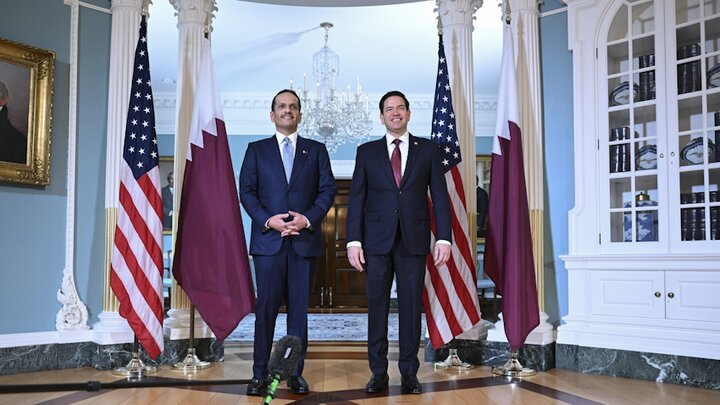
Strategic Council Online – Opinion: Contrary to the Trump administration’s claim that it was unaware of and had no role in the Israeli regime’s attack on Qatar, the reality is that the Zionist regime, with the U.S. green light, targeted a country that was a pioneer in normalizing relations with this regime. It is a given that the Zionist regime, especially regarding military and security actions against a U.S. ally, takes no action without coordination with the U.S. government.
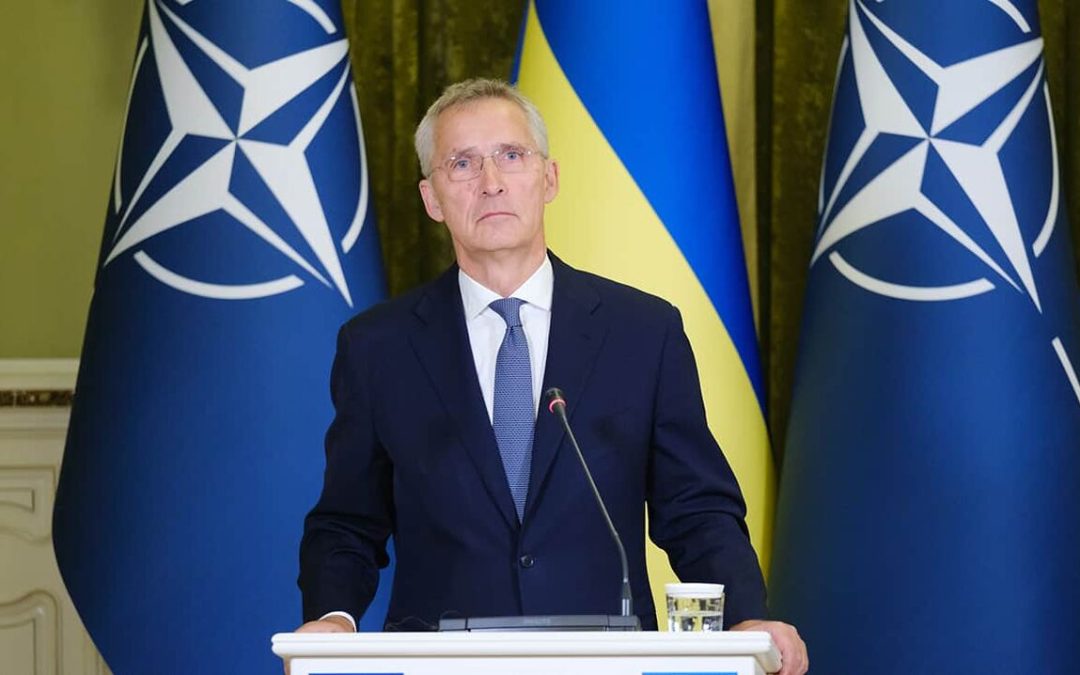
Strategic Council Online – Interview: An international affairs expert stated that the flight of unidentified drones over Polish airspace has sounded a new alarm for European security; an incident that, despite its limited scale, sent severe tremors through the foundations of NATO and U.S.-Europe relations. The situation became more complicated when Polish officials accused Russia of violating its airspace. At the same time, the Kremlin denied such accusations, and some sources even suggested that Ukraine was the origin of these drones. The importance of the issue lies in the fact that Poland, unlike Ukraine, is a member of NATO, and any attack on its territory could trigger the alliance’s collective defense clause. However, Donald Trump’s cold and ambiguous reaction to the drone incident left Europeans questioning whether Washington would be willing to defend its allies if the crisis escalates. Meanwhile, NATO has launched the “Eastern Guardian” operation to demonstrate its strength on its eastern borders. Still, at the same time, there are signs of hesitation and division among Western countries. These developments have shifted the balance of power in the Ukraine war into a new phase; a war in which Moscow is not retreating from its positions, Europe has no clear strategy to contain the crisis, and the U.S. shows no willingness to confront Russia directly.
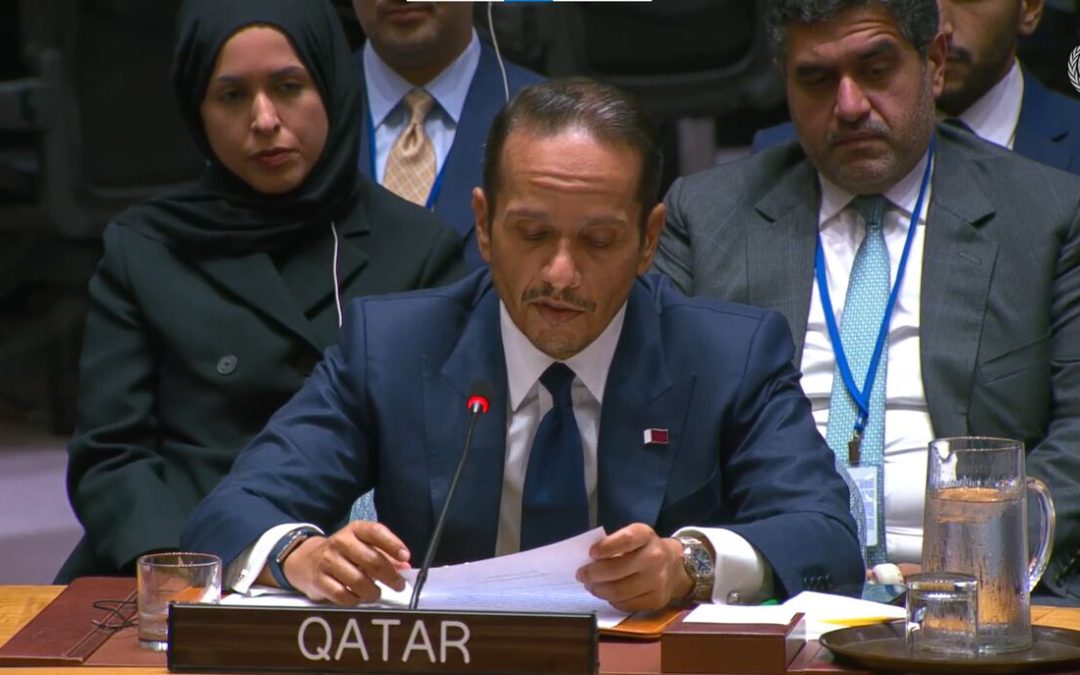
Strategic Council Online – Interview: An international affairs expert stated: The United Nations Security Council recently, in an emergency meeting, condemned the Israeli regime’s attack on Doha and, in a joint statement, called for an immediate cessation of tensions and full respect for Qatar’s national sovereignty. This statement, issued by consensus of all 15 Security Council members, while declaring solidarity with Qatar and speaking about the victimization of civilians and the necessity of a ceasefire in Gaza, did not mention the Israeli regime by name; a silence that itself carries contradictory messages. In other words, this statement was more of a political message to Tel Aviv than a legally binding instrument against the Israeli regime, stating that the international community considers attacking peace mediators a red line. However, currently, there is no will to exert practical pressure on this regime.
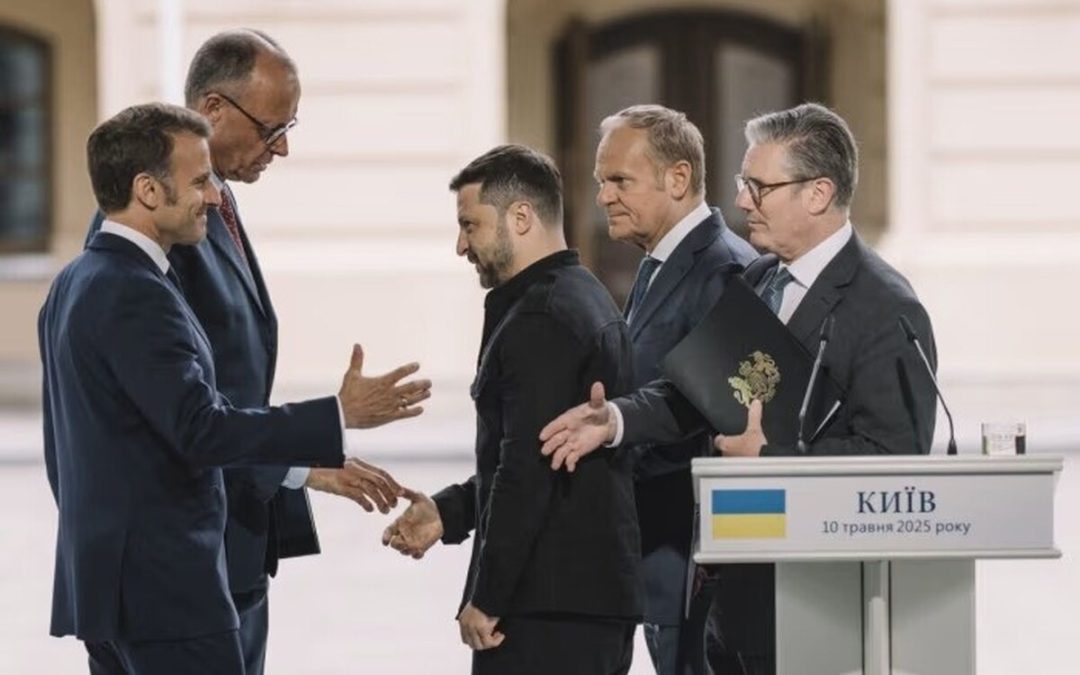
Strategic Council Online – Interview: A senior European affairs analyst stated that Russia’s sharp reaction to the decision by Britain and the European Union to use Moscow’s frozen assets in favor of Ukraine has once again revealed new dimensions of the West’s economic war against Russia. The Russian embassy in London described the allocation of over one billion pounds of its blocked funds to purchase weapons for Ukraine as a “criminal act”. It warned that such policies would not only weaken London’s financial and political credibility in the world but would also not go unanswered. Simultaneously, the European Commission is also considering transferring 200 billion euros of Russian assets for the reconstruction of Ukraine—a decision that Moscow has described as a clear violation of international law.
Experts believe that by arming Ukraine using Russia’s frozen resources, the West has not only escalated the level of economic confrontation but has also challenged the traditional rules of the international financial and trade system. While Russia is seeking ways to circumvent sanctions through some of its partners, Europe and Britain are also determined to maintain pressure. It appears that this economic war is no longer confined to the conflict over Ukraine, and its effects will continue for years to come, redefining international relations and creating new geopolitical blocs.