جدیدترین مطالب

Consequences of Declining Trust in the Judiciary in Europe

SCFRonline – Opinion: The increase in public distrust of the French judicial system, which in recent surveys has reached approximately two-thirds of citizens, should be analyzed within a framework broader than temporary dissatisfaction or an emotional reaction to a particular criminal case.

Iran’s Potential Levers of Power

SCFRonline– Opinion: Iran’s geopolitical power is not limited solely to oil and the Strait of Hormuz; the unintended emergence of disruptions in the future global food and energy security chains can also demonstrate Iran’s strategic importance.

The Inseparability of the Lebanese Front from the Axis of Resistance

SCFR Online–Opinion: By providing an extensive network of social, healthcare, educational, and post-war reconstruction services, Hezbollah has established a strong social base for itself among Lebanon’s Shiites and Sunnis, and even beyond that, among other segments of Lebanese society, including Christians. Hezbollah has never been an external actor imposed upon Lebanon; rather, it is a phenomenon fundamentally born out of the occupation and crimes of the Zionist regime and itself influenced by popular resistance.

The Increasing Efforts of the Zionist Regime to Redefine Borders and the Regional Order and Its Consequences

SCFR Online– Opinion: Security and military developments in the region over recent months indicate that the ongoing crises and wars in Gaza, southern Lebanon, and parts of Syrian territory encompass broader dimensions of geopolitical and geostrategic transformations. In this context, the increased military presence and control of the Zionist regime over parts of the territories of these areas, along with proposals regarding the creation of buffer zones or even the expansion of security borders, have raised serious questions about the future of the regional order and its consequences for the countries of West Asia.

Loading

USA

Continuity and Increasing Growth of the Resistance Despite Developments in Syria

Continuity and Increasing Growth of the Resistance Despite Developments in Syria

Strategic Council Online—Opinion: It is noteworthy that Bashar al-Assad’s government was an ally of the Islamic Resistance Front and that his fall from power is a challenge to this front. However, for various reasons, such an event can never be considered a “defeat” for the Resistance Front in the region.

Analysis of the Political Crisis in South Korea

Analysis of the Political Crisis in South Korea

Strategy Council Online – Opinion: The South Korean parliament finally voted to impeach Yoon Suk Yeol, removing the country’s president. The South Korean president had recently declared martial law in a sudden move, but the two main parties in Korea opposed it.

Trump and Trade Tensions Between China and the US

Trump and Trade Tensions Between China and the US

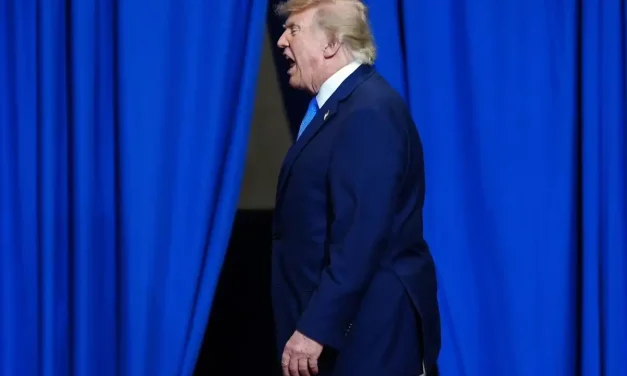
Strategic Council Online—One of the main foreign policy goals of President Donald Trump, who will be in the White House in less than two months, will undoubtedly be to confront China. Given the knowledge that exists about Trump, he will definitely focus a lot on the economic sphere.

Syrian Developments and the Perspective of Islamic Resistance

Syrian Developments and the Perspective of Islamic Resistance

Strategic Council Online—Opinion: With the recent developments in Syria, although there may be changes in the Islamic Resistance’s “tactical” areas, there will be no disruption or change in its macro strategies and anti-American and anti-Zionist approaches.

The Future World Order from Putin’s Perspective

The Future World Order from Putin’s Perspective

Strategic Council Online—Interview: An expert on Russian affairs said, “The Russian President’s talk of a “new world order” means that the Russians are disappointed in the achievement of a world order based on “multilateralism.” Therefore, they will pursue their desired order with the support of many other countries.

The Fall of Bashar Assad Government and Turkey’s Role and Challenges

The Fall of Bashar Assad Government and Turkey’s Role and Challenges

Strategic Council Online – Interview: An expert on Turkish affairs said: The power vacuum in the region after the US military withdrawal from Iraq and its intensification after the withdrawal from Afghanistan opened up space for maneuvering by regional powers, especially Turkey. In the meantime, Ankara, relying on national power, an active foreign policy, and cooperation with the main power blocs in the international system, turned towards ambition and role-playing in the affairs of countries and regional issues, the most important example of which we are witnessing today in Syria.

Implications of the ICC’s Arrest Warrant for Myanmar’s Leader

Implications of the ICC’s Arrest Warrant for Myanmar’s Leader

Strategic Council Online – Opinion: Myanmar’s military leader, Min Aung Hlaing, is facing charges of committing crimes against humanity for the killing and persecution of Rohingya Muslims. The crimes, which affected more than a million people in Myanmar, took place between August and December 2017. During this period, the Myanmar military launched an operation called “clearance” under the pretext of fighting armed groups that led to the genocide of Muslims in Rakhine State in western Myanmar. This operation was accompanied by the widespread killing of more than 200,000 Rohingya Muslims and the displacement of about 700,000 people. The International Criminal Court has identified these actions as examples of genocide and crimes against humanity.

Ukrainian War and the Widening East-West Divide

Ukrainian War and the Widening East-West Divide

Strategic Council Online – Opinion: A proxy war is when two countries fight each other indirectly by supporting the warring parties. Classic examples from the Cold War era include the Congo crisis in the 1960s and the Angola crisis in the 1970s when the Soviet Union and the United States supported each of the warring sides in a civil war with money, weapons, and sometimes soldiers, but never directly engaged in the war themselves. Accordingly, the approach of the United States and Europe, in the form of NATO and their all-out support for Ukraine, has all the hallmarks of a proxy war against Russia.

Analysis: The Reasons for Accepting the Ceasefire in Lebanon

Analysis: The Reasons for Accepting the Ceasefire in Lebanon

Strategic Council Online – Opinion: Finally, after about two months of the Zionist regime’s war against Lebanon and in a situation where the war on the Lebanese front had intensified to an unprecedented extent in the days leading up to the ceasefire, the Zionist regime agreed to truce.

أحدث الوظائف

Consequences of Declining Trust in the Judiciary in Europe

SCFRonline – Opinion: The increase in public distrust of the French judicial system, which in recent surveys has reached approximately two-thirds of citizens, should be analyzed within a framework broader than temporary dissatisfaction or an emotional reaction to a particular criminal case.

Iran’s Potential Levers of Power

SCFRonline– Opinion: Iran’s geopolitical power is not limited solely to oil and the Strait of Hormuz; the unintended emergence of disruptions in the future global food and energy security chains can also demonstrate Iran’s strategic importance.

The Inseparability of the Lebanese Front from the Axis of Resistance

SCFR Online–Opinion: By providing an extensive network of social, healthcare, educational, and post-war reconstruction services, Hezbollah has established a strong social base for itself among Lebanon’s Shiites and Sunnis, and even beyond that, among other segments of Lebanese society, including Christians. Hezbollah has never been an external actor imposed upon Lebanon; rather, it is a phenomenon fundamentally born out of the occupation and crimes of the Zionist regime and itself influenced by popular resistance.

The Increasing Efforts of the Zionist Regime to Redefine Borders and the Regional Order and Its Consequences

SCFR Online– Opinion: Security and military developments in the region over recent months indicate that the ongoing crises and wars in Gaza, southern Lebanon, and parts of Syrian territory encompass broader dimensions of geopolitical and geostrategic transformations. In this context, the increased military presence and control of the Zionist regime over parts of the territories of these areas, along with proposals regarding the creation of buffer zones or even the expansion of security borders, have raised serious questions about the future of the regional order and its consequences for the countries of West Asia.

Loading

USA

Continuity and Increasing Growth of the Resistance Despite Developments in Syria

Continuity and Increasing Growth of the Resistance Despite Developments in Syria

Strategic Council Online—Opinion: It is noteworthy that Bashar al-Assad’s government was an ally of the Islamic Resistance Front and that his fall from power is a challenge to this front. However, for various reasons, such an event can never be considered a “defeat” for the Resistance Front in the region.

Analysis of the Political Crisis in South Korea

Analysis of the Political Crisis in South Korea

Strategy Council Online – Opinion: The South Korean parliament finally voted to impeach Yoon Suk Yeol, removing the country’s president. The South Korean president had recently declared martial law in a sudden move, but the two main parties in Korea opposed it.

Trump and Trade Tensions Between China and the US

Trump and Trade Tensions Between China and the US

Strategic Council Online—One of the main foreign policy goals of President Donald Trump, who will be in the White House in less than two months, will undoubtedly be to confront China. Given the knowledge that exists about Trump, he will definitely focus a lot on the economic sphere.

Syrian Developments and the Perspective of Islamic Resistance

Syrian Developments and the Perspective of Islamic Resistance

Strategic Council Online—Opinion: With the recent developments in Syria, although there may be changes in the Islamic Resistance’s “tactical” areas, there will be no disruption or change in its macro strategies and anti-American and anti-Zionist approaches.

The Future World Order from Putin’s Perspective

The Future World Order from Putin’s Perspective

Strategic Council Online—Interview: An expert on Russian affairs said, “The Russian President’s talk of a “new world order” means that the Russians are disappointed in the achievement of a world order based on “multilateralism.” Therefore, they will pursue their desired order with the support of many other countries.

The Fall of Bashar Assad Government and Turkey’s Role and Challenges

The Fall of Bashar Assad Government and Turkey’s Role and Challenges

Strategic Council Online – Interview: An expert on Turkish affairs said: The power vacuum in the region after the US military withdrawal from Iraq and its intensification after the withdrawal from Afghanistan opened up space for maneuvering by regional powers, especially Turkey. In the meantime, Ankara, relying on national power, an active foreign policy, and cooperation with the main power blocs in the international system, turned towards ambition and role-playing in the affairs of countries and regional issues, the most important example of which we are witnessing today in Syria.

Implications of the ICC’s Arrest Warrant for Myanmar’s Leader

Implications of the ICC’s Arrest Warrant for Myanmar’s Leader

Strategic Council Online – Opinion: Myanmar’s military leader, Min Aung Hlaing, is facing charges of committing crimes against humanity for the killing and persecution of Rohingya Muslims. The crimes, which affected more than a million people in Myanmar, took place between August and December 2017. During this period, the Myanmar military launched an operation called “clearance” under the pretext of fighting armed groups that led to the genocide of Muslims in Rakhine State in western Myanmar. This operation was accompanied by the widespread killing of more than 200,000 Rohingya Muslims and the displacement of about 700,000 people. The International Criminal Court has identified these actions as examples of genocide and crimes against humanity.

Ukrainian War and the Widening East-West Divide

Ukrainian War and the Widening East-West Divide

Strategic Council Online – Opinion: A proxy war is when two countries fight each other indirectly by supporting the warring parties. Classic examples from the Cold War era include the Congo crisis in the 1960s and the Angola crisis in the 1970s when the Soviet Union and the United States supported each of the warring sides in a civil war with money, weapons, and sometimes soldiers, but never directly engaged in the war themselves. Accordingly, the approach of the United States and Europe, in the form of NATO and their all-out support for Ukraine, has all the hallmarks of a proxy war against Russia.

Analysis: The Reasons for Accepting the Ceasefire in Lebanon

Analysis: The Reasons for Accepting the Ceasefire in Lebanon

Strategic Council Online – Opinion: Finally, after about two months of the Zionist regime’s war against Lebanon and in a situation where the war on the Lebanese front had intensified to an unprecedented extent in the days leading up to the ceasefire, the Zionist regime agreed to truce.

USA

Continuity and Increasing Growth of the Resistance Despite Developments in Syria

Continuity and Increasing Growth of the Resistance Despite Developments in Syria

Strategic Council Online—Opinion: It is noteworthy that Bashar al-Assad’s government was an ally of the Islamic Resistance Front and that his fall from power is a challenge to this front. However, for various reasons, such an event can never be considered a “defeat” for the Resistance Front in the region.

Analysis of the Political Crisis in South Korea

Analysis of the Political Crisis in South Korea

Strategy Council Online – Opinion: The South Korean parliament finally voted to impeach Yoon Suk Yeol, removing the country’s president. The South Korean president had recently declared martial law in a sudden move, but the two main parties in Korea opposed it.

Trump and Trade Tensions Between China and the US

Trump and Trade Tensions Between China and the US

Strategic Council Online—One of the main foreign policy goals of President Donald Trump, who will be in the White House in less than two months, will undoubtedly be to confront China. Given the knowledge that exists about Trump, he will definitely focus a lot on the economic sphere.

Syrian Developments and the Perspective of Islamic Resistance

Syrian Developments and the Perspective of Islamic Resistance

Strategic Council Online—Opinion: With the recent developments in Syria, although there may be changes in the Islamic Resistance’s “tactical” areas, there will be no disruption or change in its macro strategies and anti-American and anti-Zionist approaches.

The Future World Order from Putin’s Perspective

The Future World Order from Putin’s Perspective

Strategic Council Online—Interview: An expert on Russian affairs said, “The Russian President’s talk of a “new world order” means that the Russians are disappointed in the achievement of a world order based on “multilateralism.” Therefore, they will pursue their desired order with the support of many other countries.

The Fall of Bashar Assad Government and Turkey’s Role and Challenges

The Fall of Bashar Assad Government and Turkey’s Role and Challenges

Strategic Council Online – Interview: An expert on Turkish affairs said: The power vacuum in the region after the US military withdrawal from Iraq and its intensification after the withdrawal from Afghanistan opened up space for maneuvering by regional powers, especially Turkey. In the meantime, Ankara, relying on national power, an active foreign policy, and cooperation with the main power blocs in the international system, turned towards ambition and role-playing in the affairs of countries and regional issues, the most important example of which we are witnessing today in Syria.

Implications of the ICC’s Arrest Warrant for Myanmar’s Leader

Implications of the ICC’s Arrest Warrant for Myanmar’s Leader

Strategic Council Online – Opinion: Myanmar’s military leader, Min Aung Hlaing, is facing charges of committing crimes against humanity for the killing and persecution of Rohingya Muslims. The crimes, which affected more than a million people in Myanmar, took place between August and December 2017. During this period, the Myanmar military launched an operation called “clearance” under the pretext of fighting armed groups that led to the genocide of Muslims in Rakhine State in western Myanmar. This operation was accompanied by the widespread killing of more than 200,000 Rohingya Muslims and the displacement of about 700,000 people. The International Criminal Court has identified these actions as examples of genocide and crimes against humanity.

Ukrainian War and the Widening East-West Divide

Ukrainian War and the Widening East-West Divide

Strategic Council Online – Opinion: A proxy war is when two countries fight each other indirectly by supporting the warring parties. Classic examples from the Cold War era include the Congo crisis in the 1960s and the Angola crisis in the 1970s when the Soviet Union and the United States supported each of the warring sides in a civil war with money, weapons, and sometimes soldiers, but never directly engaged in the war themselves. Accordingly, the approach of the United States and Europe, in the form of NATO and their all-out support for Ukraine, has all the hallmarks of a proxy war against Russia.

Analysis: The Reasons for Accepting the Ceasefire in Lebanon

Analysis: The Reasons for Accepting the Ceasefire in Lebanon

Strategic Council Online – Opinion: Finally, after about two months of the Zionist regime’s war against Lebanon and in a situation where the war on the Lebanese front had intensified to an unprecedented extent in the days leading up to the ceasefire, the Zionist regime agreed to truce.

LATEST CONTENT

Consequences of Declining Trust in the Judiciary in Europe

SCFRonline – Opinion: The increase in public distrust of the French judicial system, which in recent surveys has reached approximately two-thirds of citizens, should be analyzed within a framework broader than temporary dissatisfaction or an emotional reaction to a particular criminal case.

Iran’s Potential Levers of Power

SCFRonline– Opinion: Iran’s geopolitical power is not limited solely to oil and the Strait of Hormuz; the unintended emergence of disruptions in the future global food and energy security chains can also demonstrate Iran’s strategic importance.

The Inseparability of the Lebanese Front from the Axis of Resistance

SCFR Online–Opinion: By providing an extensive network of social, healthcare, educational, and post-war reconstruction services, Hezbollah has established a strong social base for itself among Lebanon’s Shiites and Sunnis, and even beyond that, among other segments of Lebanese society, including Christians. Hezbollah has never been an external actor imposed upon Lebanon; rather, it is a phenomenon fundamentally born out of the occupation and crimes of the Zionist regime and itself influenced by popular resistance.

The Increasing Efforts of the Zionist Regime to Redefine Borders and the Regional Order and Its Consequences

SCFR Online– Opinion: Security and military developments in the region over recent months indicate that the ongoing crises and wars in Gaza, southern Lebanon, and parts of Syrian territory encompass broader dimensions of geopolitical and geostrategic transformations. In this context, the increased military presence and control of the Zionist regime over parts of the territories of these areas, along with proposals regarding the creation of buffer zones or even the expansion of security borders, have raised serious questions about the future of the regional order and its consequences for the countries of West Asia.

Loading

USA

Continuity and Increasing Growth of the Resistance Despite Developments in Syria

Continuity and Increasing Growth of the Resistance Despite Developments in Syria

Strategic Council Online—Opinion: It is noteworthy that Bashar al-Assad’s government was an ally of the Islamic Resistance Front and that his fall from power is a challenge to this front. However, for various reasons, such an event can never be considered a “defeat” for the Resistance Front in the region.

Analysis of the Political Crisis in South Korea

Analysis of the Political Crisis in South Korea

Strategy Council Online – Opinion: The South Korean parliament finally voted to impeach Yoon Suk Yeol, removing the country’s president. The South Korean president had recently declared martial law in a sudden move, but the two main parties in Korea opposed it.

Trump and Trade Tensions Between China and the US

Trump and Trade Tensions Between China and the US

Strategic Council Online—One of the main foreign policy goals of President Donald Trump, who will be in the White House in less than two months, will undoubtedly be to confront China. Given the knowledge that exists about Trump, he will definitely focus a lot on the economic sphere.

Syrian Developments and the Perspective of Islamic Resistance

Syrian Developments and the Perspective of Islamic Resistance

Strategic Council Online—Opinion: With the recent developments in Syria, although there may be changes in the Islamic Resistance’s “tactical” areas, there will be no disruption or change in its macro strategies and anti-American and anti-Zionist approaches.

The Future World Order from Putin’s Perspective

The Future World Order from Putin’s Perspective

Strategic Council Online—Interview: An expert on Russian affairs said, “The Russian President’s talk of a “new world order” means that the Russians are disappointed in the achievement of a world order based on “multilateralism.” Therefore, they will pursue their desired order with the support of many other countries.

The Fall of Bashar Assad Government and Turkey’s Role and Challenges

The Fall of Bashar Assad Government and Turkey’s Role and Challenges

Strategic Council Online – Interview: An expert on Turkish affairs said: The power vacuum in the region after the US military withdrawal from Iraq and its intensification after the withdrawal from Afghanistan opened up space for maneuvering by regional powers, especially Turkey. In the meantime, Ankara, relying on national power, an active foreign policy, and cooperation with the main power blocs in the international system, turned towards ambition and role-playing in the affairs of countries and regional issues, the most important example of which we are witnessing today in Syria.

Implications of the ICC’s Arrest Warrant for Myanmar’s Leader

Implications of the ICC’s Arrest Warrant for Myanmar’s Leader

Strategic Council Online – Opinion: Myanmar’s military leader, Min Aung Hlaing, is facing charges of committing crimes against humanity for the killing and persecution of Rohingya Muslims. The crimes, which affected more than a million people in Myanmar, took place between August and December 2017. During this period, the Myanmar military launched an operation called “clearance” under the pretext of fighting armed groups that led to the genocide of Muslims in Rakhine State in western Myanmar. This operation was accompanied by the widespread killing of more than 200,000 Rohingya Muslims and the displacement of about 700,000 people. The International Criminal Court has identified these actions as examples of genocide and crimes against humanity.

Ukrainian War and the Widening East-West Divide

Ukrainian War and the Widening East-West Divide

Strategic Council Online – Opinion: A proxy war is when two countries fight each other indirectly by supporting the warring parties. Classic examples from the Cold War era include the Congo crisis in the 1960s and the Angola crisis in the 1970s when the Soviet Union and the United States supported each of the warring sides in a civil war with money, weapons, and sometimes soldiers, but never directly engaged in the war themselves. Accordingly, the approach of the United States and Europe, in the form of NATO and their all-out support for Ukraine, has all the hallmarks of a proxy war against Russia.

Analysis: The Reasons for Accepting the Ceasefire in Lebanon

Analysis: The Reasons for Accepting the Ceasefire in Lebanon

Strategic Council Online – Opinion: Finally, after about two months of the Zionist regime’s war against Lebanon and in a situation where the war on the Lebanese front had intensified to an unprecedented extent in the days leading up to the ceasefire, the Zionist regime agreed to truce.

ÚLTIMAS PUBLICACIONES

Consequences of Declining Trust in the Judiciary in Europe

SCFRonline – Opinion: The increase in public distrust of the French judicial system, which in recent surveys has reached approximately two-thirds of citizens, should be analyzed within a framework broader than temporary dissatisfaction or an emotional reaction to a particular criminal case.

Iran’s Potential Levers of Power

SCFRonline– Opinion: Iran’s geopolitical power is not limited solely to oil and the Strait of Hormuz; the unintended emergence of disruptions in the future global food and energy security chains can also demonstrate Iran’s strategic importance.

The Inseparability of the Lebanese Front from the Axis of Resistance

SCFR Online–Opinion: By providing an extensive network of social, healthcare, educational, and post-war reconstruction services, Hezbollah has established a strong social base for itself among Lebanon’s Shiites and Sunnis, and even beyond that, among other segments of Lebanese society, including Christians. Hezbollah has never been an external actor imposed upon Lebanon; rather, it is a phenomenon fundamentally born out of the occupation and crimes of the Zionist regime and itself influenced by popular resistance.

The Increasing Efforts of the Zionist Regime to Redefine Borders and the Regional Order and Its Consequences

SCFR Online– Opinion: Security and military developments in the region over recent months indicate that the ongoing crises and wars in Gaza, southern Lebanon, and parts of Syrian territory encompass broader dimensions of geopolitical and geostrategic transformations. In this context, the increased military presence and control of the Zionist regime over parts of the territories of these areas, along with proposals regarding the creation of buffer zones or even the expansion of security borders, have raised serious questions about the future of the regional order and its consequences for the countries of West Asia.

Loading

USA

Continuity and Increasing Growth of the Resistance Despite Developments in Syria

Continuity and Increasing Growth of the Resistance Despite Developments in Syria

Strategic Council Online—Opinion: It is noteworthy that Bashar al-Assad’s government was an ally of the Islamic Resistance Front and that his fall from power is a challenge to this front. However, for various reasons, such an event can never be considered a “defeat” for the Resistance Front in the region.

Analysis of the Political Crisis in South Korea

Analysis of the Political Crisis in South Korea

Strategy Council Online – Opinion: The South Korean parliament finally voted to impeach Yoon Suk Yeol, removing the country’s president. The South Korean president had recently declared martial law in a sudden move, but the two main parties in Korea opposed it.

Trump and Trade Tensions Between China and the US

Trump and Trade Tensions Between China and the US

Strategic Council Online—One of the main foreign policy goals of President Donald Trump, who will be in the White House in less than two months, will undoubtedly be to confront China. Given the knowledge that exists about Trump, he will definitely focus a lot on the economic sphere.

Syrian Developments and the Perspective of Islamic Resistance

Syrian Developments and the Perspective of Islamic Resistance

Strategic Council Online—Opinion: With the recent developments in Syria, although there may be changes in the Islamic Resistance’s “tactical” areas, there will be no disruption or change in its macro strategies and anti-American and anti-Zionist approaches.

The Future World Order from Putin’s Perspective

The Future World Order from Putin’s Perspective

Strategic Council Online—Interview: An expert on Russian affairs said, “The Russian President’s talk of a “new world order” means that the Russians are disappointed in the achievement of a world order based on “multilateralism.” Therefore, they will pursue their desired order with the support of many other countries.

The Fall of Bashar Assad Government and Turkey’s Role and Challenges

The Fall of Bashar Assad Government and Turkey’s Role and Challenges

Strategic Council Online – Interview: An expert on Turkish affairs said: The power vacuum in the region after the US military withdrawal from Iraq and its intensification after the withdrawal from Afghanistan opened up space for maneuvering by regional powers, especially Turkey. In the meantime, Ankara, relying on national power, an active foreign policy, and cooperation with the main power blocs in the international system, turned towards ambition and role-playing in the affairs of countries and regional issues, the most important example of which we are witnessing today in Syria.

Implications of the ICC’s Arrest Warrant for Myanmar’s Leader

Implications of the ICC’s Arrest Warrant for Myanmar’s Leader

Strategic Council Online – Opinion: Myanmar’s military leader, Min Aung Hlaing, is facing charges of committing crimes against humanity for the killing and persecution of Rohingya Muslims. The crimes, which affected more than a million people in Myanmar, took place between August and December 2017. During this period, the Myanmar military launched an operation called “clearance” under the pretext of fighting armed groups that led to the genocide of Muslims in Rakhine State in western Myanmar. This operation was accompanied by the widespread killing of more than 200,000 Rohingya Muslims and the displacement of about 700,000 people. The International Criminal Court has identified these actions as examples of genocide and crimes against humanity.

Ukrainian War and the Widening East-West Divide

Ukrainian War and the Widening East-West Divide

Strategic Council Online – Opinion: A proxy war is when two countries fight each other indirectly by supporting the warring parties. Classic examples from the Cold War era include the Congo crisis in the 1960s and the Angola crisis in the 1970s when the Soviet Union and the United States supported each of the warring sides in a civil war with money, weapons, and sometimes soldiers, but never directly engaged in the war themselves. Accordingly, the approach of the United States and Europe, in the form of NATO and their all-out support for Ukraine, has all the hallmarks of a proxy war against Russia.

Analysis: The Reasons for Accepting the Ceasefire in Lebanon

Analysis: The Reasons for Accepting the Ceasefire in Lebanon

Strategic Council Online – Opinion: Finally, after about two months of the Zionist regime’s war against Lebanon and in a situation where the war on the Lebanese front had intensified to an unprecedented extent in the days leading up to the ceasefire, the Zionist regime agreed to truce.

ÚLTIMAS PUBLICACIONES

Consequences of Declining Trust in the Judiciary in Europe

SCFRonline – Opinion: The increase in public distrust of the French judicial system, which in recent surveys has reached approximately two-thirds of citizens, should be analyzed within a framework broader than temporary dissatisfaction or an emotional reaction to a particular criminal case.

Iran’s Potential Levers of Power

SCFRonline– Opinion: Iran’s geopolitical power is not limited solely to oil and the Strait of Hormuz; the unintended emergence of disruptions in the future global food and energy security chains can also demonstrate Iran’s strategic importance.

The Inseparability of the Lebanese Front from the Axis of Resistance

SCFR Online–Opinion: By providing an extensive network of social, healthcare, educational, and post-war reconstruction services, Hezbollah has established a strong social base for itself among Lebanon’s Shiites and Sunnis, and even beyond that, among other segments of Lebanese society, including Christians. Hezbollah has never been an external actor imposed upon Lebanon; rather, it is a phenomenon fundamentally born out of the occupation and crimes of the Zionist regime and itself influenced by popular resistance.

The Increasing Efforts of the Zionist Regime to Redefine Borders and the Regional Order and Its Consequences

SCFR Online– Opinion: Security and military developments in the region over recent months indicate that the ongoing crises and wars in Gaza, southern Lebanon, and parts of Syrian territory encompass broader dimensions of geopolitical and geostrategic transformations. In this context, the increased military presence and control of the Zionist regime over parts of the territories of these areas, along with proposals regarding the creation of buffer zones or even the expansion of security borders, have raised serious questions about the future of the regional order and its consequences for the countries of West Asia.

Loading

USA

Continuity and Increasing Growth of the Resistance Despite Developments in Syria

Continuity and Increasing Growth of the Resistance Despite Developments in Syria

Strategic Council Online—Opinion: It is noteworthy that Bashar al-Assad’s government was an ally of the Islamic Resistance Front and that his fall from power is a challenge to this front. However, for various reasons, such an event can never be considered a “defeat” for the Resistance Front in the region.

Analysis of the Political Crisis in South Korea

Analysis of the Political Crisis in South Korea

Strategy Council Online – Opinion: The South Korean parliament finally voted to impeach Yoon Suk Yeol, removing the country’s president. The South Korean president had recently declared martial law in a sudden move, but the two main parties in Korea opposed it.

Trump and Trade Tensions Between China and the US

Trump and Trade Tensions Between China and the US

Strategic Council Online—One of the main foreign policy goals of President Donald Trump, who will be in the White House in less than two months, will undoubtedly be to confront China. Given the knowledge that exists about Trump, he will definitely focus a lot on the economic sphere.

Syrian Developments and the Perspective of Islamic Resistance

Syrian Developments and the Perspective of Islamic Resistance

Strategic Council Online—Opinion: With the recent developments in Syria, although there may be changes in the Islamic Resistance’s “tactical” areas, there will be no disruption or change in its macro strategies and anti-American and anti-Zionist approaches.

The Future World Order from Putin’s Perspective

The Future World Order from Putin’s Perspective

Strategic Council Online—Interview: An expert on Russian affairs said, “The Russian President’s talk of a “new world order” means that the Russians are disappointed in the achievement of a world order based on “multilateralism.” Therefore, they will pursue their desired order with the support of many other countries.

The Fall of Bashar Assad Government and Turkey’s Role and Challenges

The Fall of Bashar Assad Government and Turkey’s Role and Challenges

Strategic Council Online – Interview: An expert on Turkish affairs said: The power vacuum in the region after the US military withdrawal from Iraq and its intensification after the withdrawal from Afghanistan opened up space for maneuvering by regional powers, especially Turkey. In the meantime, Ankara, relying on national power, an active foreign policy, and cooperation with the main power blocs in the international system, turned towards ambition and role-playing in the affairs of countries and regional issues, the most important example of which we are witnessing today in Syria.

Implications of the ICC’s Arrest Warrant for Myanmar’s Leader

Implications of the ICC’s Arrest Warrant for Myanmar’s Leader

Strategic Council Online – Opinion: Myanmar’s military leader, Min Aung Hlaing, is facing charges of committing crimes against humanity for the killing and persecution of Rohingya Muslims. The crimes, which affected more than a million people in Myanmar, took place between August and December 2017. During this period, the Myanmar military launched an operation called “clearance” under the pretext of fighting armed groups that led to the genocide of Muslims in Rakhine State in western Myanmar. This operation was accompanied by the widespread killing of more than 200,000 Rohingya Muslims and the displacement of about 700,000 people. The International Criminal Court has identified these actions as examples of genocide and crimes against humanity.

Ukrainian War and the Widening East-West Divide

Ukrainian War and the Widening East-West Divide

Strategic Council Online – Opinion: A proxy war is when two countries fight each other indirectly by supporting the warring parties. Classic examples from the Cold War era include the Congo crisis in the 1960s and the Angola crisis in the 1970s when the Soviet Union and the United States supported each of the warring sides in a civil war with money, weapons, and sometimes soldiers, but never directly engaged in the war themselves. Accordingly, the approach of the United States and Europe, in the form of NATO and their all-out support for Ukraine, has all the hallmarks of a proxy war against Russia.

Analysis: The Reasons for Accepting the Ceasefire in Lebanon

Analysis: The Reasons for Accepting the Ceasefire in Lebanon

Strategic Council Online – Opinion: Finally, after about two months of the Zionist regime’s war against Lebanon and in a situation where the war on the Lebanese front had intensified to an unprecedented extent in the days leading up to the ceasefire, the Zionist regime agreed to truce.

ÚLTIMAS PUBLICACIONES

Consequences of Declining Trust in the Judiciary in Europe

SCFRonline – Opinion: The increase in public distrust of the French judicial system, which in recent surveys has reached approximately two-thirds of citizens, should be analyzed within a framework broader than temporary dissatisfaction or an emotional reaction to a particular criminal case.

Iran’s Potential Levers of Power

SCFRonline– Opinion: Iran’s geopolitical power is not limited solely to oil and the Strait of Hormuz; the unintended emergence of disruptions in the future global food and energy security chains can also demonstrate Iran’s strategic importance.

The Inseparability of the Lebanese Front from the Axis of Resistance

SCFR Online–Opinion: By providing an extensive network of social, healthcare, educational, and post-war reconstruction services, Hezbollah has established a strong social base for itself among Lebanon’s Shiites and Sunnis, and even beyond that, among other segments of Lebanese society, including Christians. Hezbollah has never been an external actor imposed upon Lebanon; rather, it is a phenomenon fundamentally born out of the occupation and crimes of the Zionist regime and itself influenced by popular resistance.

The Increasing Efforts of the Zionist Regime to Redefine Borders and the Regional Order and Its Consequences

SCFR Online– Opinion: Security and military developments in the region over recent months indicate that the ongoing crises and wars in Gaza, southern Lebanon, and parts of Syrian territory encompass broader dimensions of geopolitical and geostrategic transformations. In this context, the increased military presence and control of the Zionist regime over parts of the territories of these areas, along with proposals regarding the creation of buffer zones or even the expansion of security borders, have raised serious questions about the future of the regional order and its consequences for the countries of West Asia.

Loading

USA

Continuity and Increasing Growth of the Resistance Despite Developments in Syria

Continuity and Increasing Growth of the Resistance Despite Developments in Syria

Strategic Council Online—Opinion: It is noteworthy that Bashar al-Assad’s government was an ally of the Islamic Resistance Front and that his fall from power is a challenge to this front. However, for various reasons, such an event can never be considered a “defeat” for the Resistance Front in the region.

Analysis of the Political Crisis in South Korea

Analysis of the Political Crisis in South Korea

Strategy Council Online – Opinion: The South Korean parliament finally voted to impeach Yoon Suk Yeol, removing the country’s president. The South Korean president had recently declared martial law in a sudden move, but the two main parties in Korea opposed it.

Trump and Trade Tensions Between China and the US

Trump and Trade Tensions Between China and the US

Strategic Council Online—One of the main foreign policy goals of President Donald Trump, who will be in the White House in less than two months, will undoubtedly be to confront China. Given the knowledge that exists about Trump, he will definitely focus a lot on the economic sphere.

Syrian Developments and the Perspective of Islamic Resistance

Syrian Developments and the Perspective of Islamic Resistance

Strategic Council Online—Opinion: With the recent developments in Syria, although there may be changes in the Islamic Resistance’s “tactical” areas, there will be no disruption or change in its macro strategies and anti-American and anti-Zionist approaches.

The Future World Order from Putin’s Perspective

The Future World Order from Putin’s Perspective

Strategic Council Online—Interview: An expert on Russian affairs said, “The Russian President’s talk of a “new world order” means that the Russians are disappointed in the achievement of a world order based on “multilateralism.” Therefore, they will pursue their desired order with the support of many other countries.

The Fall of Bashar Assad Government and Turkey’s Role and Challenges

The Fall of Bashar Assad Government and Turkey’s Role and Challenges

Strategic Council Online – Interview: An expert on Turkish affairs said: The power vacuum in the region after the US military withdrawal from Iraq and its intensification after the withdrawal from Afghanistan opened up space for maneuvering by regional powers, especially Turkey. In the meantime, Ankara, relying on national power, an active foreign policy, and cooperation with the main power blocs in the international system, turned towards ambition and role-playing in the affairs of countries and regional issues, the most important example of which we are witnessing today in Syria.

Implications of the ICC’s Arrest Warrant for Myanmar’s Leader

Implications of the ICC’s Arrest Warrant for Myanmar’s Leader

Strategic Council Online – Opinion: Myanmar’s military leader, Min Aung Hlaing, is facing charges of committing crimes against humanity for the killing and persecution of Rohingya Muslims. The crimes, which affected more than a million people in Myanmar, took place between August and December 2017. During this period, the Myanmar military launched an operation called “clearance” under the pretext of fighting armed groups that led to the genocide of Muslims in Rakhine State in western Myanmar. This operation was accompanied by the widespread killing of more than 200,000 Rohingya Muslims and the displacement of about 700,000 people. The International Criminal Court has identified these actions as examples of genocide and crimes against humanity.

Ukrainian War and the Widening East-West Divide

Ukrainian War and the Widening East-West Divide

Strategic Council Online – Opinion: A proxy war is when two countries fight each other indirectly by supporting the warring parties. Classic examples from the Cold War era include the Congo crisis in the 1960s and the Angola crisis in the 1970s when the Soviet Union and the United States supported each of the warring sides in a civil war with money, weapons, and sometimes soldiers, but never directly engaged in the war themselves. Accordingly, the approach of the United States and Europe, in the form of NATO and their all-out support for Ukraine, has all the hallmarks of a proxy war against Russia.

Analysis: The Reasons for Accepting the Ceasefire in Lebanon

Analysis: The Reasons for Accepting the Ceasefire in Lebanon

Strategic Council Online – Opinion: Finally, after about two months of the Zionist regime’s war against Lebanon and in a situation where the war on the Lebanese front had intensified to an unprecedented extent in the days leading up to the ceasefire, the Zionist regime agreed to truce.

ÚLTIMAS PUBLICACIONES

Consequences of Declining Trust in the Judiciary in Europe

SCFRonline – Opinion: The increase in public distrust of the French judicial system, which in recent surveys has reached approximately two-thirds of citizens, should be analyzed within a framework broader than temporary dissatisfaction or an emotional reaction to a particular criminal case.

Iran’s Potential Levers of Power

SCFRonline– Opinion: Iran’s geopolitical power is not limited solely to oil and the Strait of Hormuz; the unintended emergence of disruptions in the future global food and energy security chains can also demonstrate Iran’s strategic importance.

The Inseparability of the Lebanese Front from the Axis of Resistance

SCFR Online–Opinion: By providing an extensive network of social, healthcare, educational, and post-war reconstruction services, Hezbollah has established a strong social base for itself among Lebanon’s Shiites and Sunnis, and even beyond that, among other segments of Lebanese society, including Christians. Hezbollah has never been an external actor imposed upon Lebanon; rather, it is a phenomenon fundamentally born out of the occupation and crimes of the Zionist regime and itself influenced by popular resistance.

The Increasing Efforts of the Zionist Regime to Redefine Borders and the Regional Order and Its Consequences

SCFR Online– Opinion: Security and military developments in the region over recent months indicate that the ongoing crises and wars in Gaza, southern Lebanon, and parts of Syrian territory encompass broader dimensions of geopolitical and geostrategic transformations. In this context, the increased military presence and control of the Zionist regime over parts of the territories of these areas, along with proposals regarding the creation of buffer zones or even the expansion of security borders, have raised serious questions about the future of the regional order and its consequences for the countries of West Asia.

Loading