The Future World Order from Putin’s Perspective

2024/12/14 | interview, Politics, Top News

Strategic Council Online—Interview: An expert on Russian affairs said, "The Russian President's talk of a "new world order" means that the Russians are disappointed in the achievement of a world order based on "multilateralism." Therefore, they will pursue their desired order with the support of many other countries.

In an interview with the Strategic Council for Foreign Relations website about Russian President Vladimir Putin’s speech at the Valdai Forum, which referred to reviewing Russia’s role in the international system and strengthening its position in the multipolar world, Mahmoud Shouri said: Since the beginning of the Ukrainian war, Russia has changed its view of the future conditions of the new world order that existed before this war and has tried to redefine its role and position in the international system.

According to Russian officials, the Ukrainian war resulted from the collapse of a series of measures to create a multipolar world. He continued: “Senior Russian officials point to the inability of Russia and the West to achieve a multilateral framework in the post-Cold War space and the West’s unilateral efforts to expand NATO, which in their opinion have been the most important reason for the failure to form a multipolar order.”

This international affairs expert said: “The reality of international developments shows that the West’s efforts to dominate the liberal order have met Russian resistance but have not achieved the desired results. Accordingly, the Ukrainian War is a war between two perspectives on the future order of the world; one is a liberal-centered order that liberal governments follow and are trying to organize a set of liberal norms within this framework, and the other is an order that believes there are diverse ways and means of living and shaping the future of the world.”

Shouri continued: This view is that countries on the opposite spectrum have their own experiences in managing domestic, regional, and international affairs, and this theory is followed in particular by the Russians. They believe a multipolar world should be formed so all countries can share it. Therefore, the Ukrainian war was the end of the attempt to create a new multipolar order peacefully. From this perspective, that multipolar order will not be formed again.

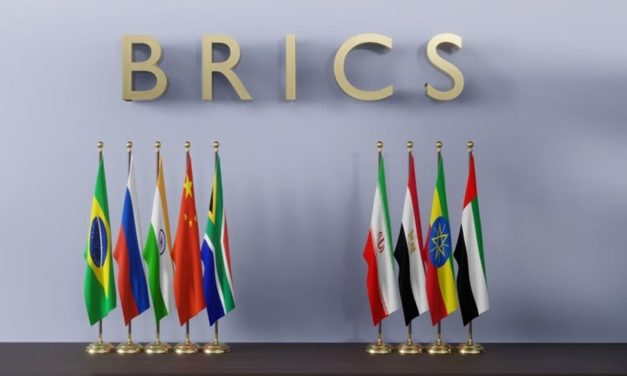
On how Russia redefined the status quo, he noted: In the past three years, the Russians have based their actions on the fact that a group of countries accompanied the process of sanctions imposed by the West against Russia, and from the Russian perspective, although this group is united in terms of norms, values ​​and structure, they are faced with a broader group of countries in the world that did not accompany the Western sanctions against Russia, and the Russians call this group of countries the “global majority.”

Therefore, from the Russian perspective, in the current situation, we are faced with two parts of countries: the majority that follow its own path in development and democracy and those that follow the liberal order of the Western powers.


This expert on Russian affairs clarified: The Russians optimistically wish to challenge the new world order envisaged by the Western powers with this type of conceptualization because they believe that the countries that constitute the “global majority,” although they have not yet reached common values ​​and do not necessarily have a common ideology, which of course they also consider a kind of positive feature of this group, they believe that the global majority follows its own different path and that Russia, as a leading country in this regard that confronts the unipolar order, is redefining its role in the future world.
0 Comments

LATEST CONTENT

The Impact of the Political Deadlock in the Israeli Regime on the Future of the War Against Iran

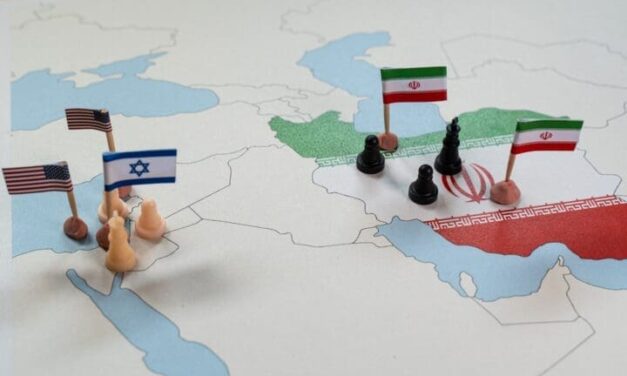
SCFR Online – Opinion: The deadlock in forming a new cabinet in the Israeli regime, simultaneous with the continuation of the atmosphere of military confrontation between Iran and the United States and the relevant diplomatic process, is considered an important variable in West Asian security calculations. Although the political developments of the Israeli regime alone do not determine the fate of the war, they can affect the timing, level, and manner of the continuation of military confrontation.

Strategic Consequences of the US Midterm Elections

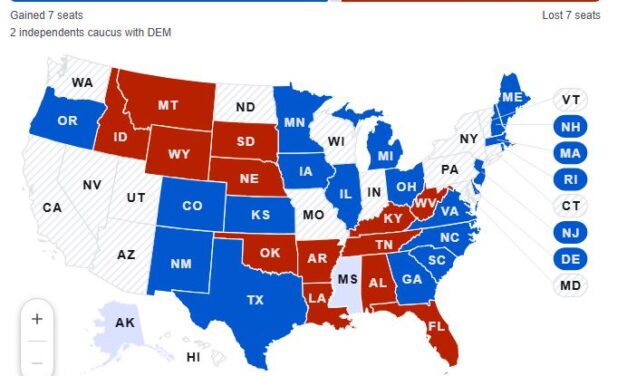
SCFR Online – Opinion: The results of the US midterm elections, by exposing the political and economic costs of the war against Iran, will affect the scope of maneuver of the Trump administration and Washington’s regional calculations.

A Reflection on the Capacities and Challenges of the Istanbul Ministerial Meeting

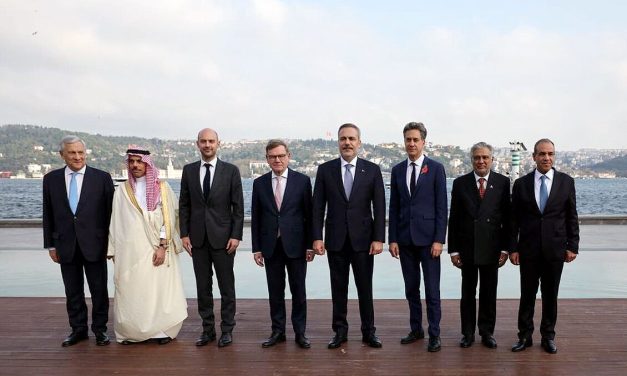
SCFR Online – Opinion: The meeting of the foreign ministers of Turkey, Saudi Arabia, Pakistan, and Egypt in Istanbul has provided an opportunity for diplomatic coordination regarding West Asian crises, but its success will depend on the participation of key actors and the transformation of consultations into practical measures.

Loading

Últimas publicaciones

The Impact of the Political Deadlock in the Israeli Regime on the Future of the War Against Iran

SCFR Online – Opinion: The deadlock in forming a new cabinet in the Israeli regime, simultaneous with the continuation of the atmosphere of military confrontation between Iran and the United States and the relevant diplomatic process, is considered an important variable in West Asian security calculations. Although the political developments of the Israeli regime alone do not determine the fate of the war, they can affect the timing, level, and manner of the continuation of military confrontation.

Strategic Consequences of the US Midterm Elections

SCFR Online – Opinion: The results of the US midterm elections, by exposing the political and economic costs of the war against Iran, will affect the scope of maneuver of the Trump administration and Washington’s regional calculations.

A Reflection on the Capacities and Challenges of the Istanbul Ministerial Meeting

SCFR Online – Opinion: The meeting of the foreign ministers of Turkey, Saudi Arabia, Pakistan, and Egypt in Istanbul has provided an opportunity for diplomatic coordination regarding West Asian crises, but its success will depend on the participation of key actors and the transformation of consultations into practical measures.

Loading

DERNIER CONTENU

The Impact of the Political Deadlock in the Israeli Regime on the Future of the War Against Iran

SCFR Online – Opinion: The deadlock in forming a new cabinet in the Israeli regime, simultaneous with the continuation of the atmosphere of military confrontation between Iran and the United States and the relevant diplomatic process, is considered an important variable in West Asian security calculations. Although the political developments of the Israeli regime alone do not determine the fate of the war, they can affect the timing, level, and manner of the continuation of military confrontation.

Strategic Consequences of the US Midterm Elections

SCFR Online – Opinion: The results of the US midterm elections, by exposing the political and economic costs of the war against Iran, will affect the scope of maneuver of the Trump administration and Washington’s regional calculations.

A Reflection on the Capacities and Challenges of the Istanbul Ministerial Meeting

SCFR Online – Opinion: The meeting of the foreign ministers of Turkey, Saudi Arabia, Pakistan, and Egypt in Istanbul has provided an opportunity for diplomatic coordination regarding West Asian crises, but its success will depend on the participation of key actors and the transformation of consultations into practical measures.

Loading