Reasons for the Ineffectiveness of Trump’s “Economic War” against Iran
SCFR Online – Opinion: The intensification of U.S. sanctions against Iran on the eve of the U.S. midterm elections indicates Washington’s inability to achieve its war objectives.
SCFR Online – Opinion: The competition between Washington and Beijing over chips and artificial intelligence, simultaneously with the shifting of technological balances, has taken on new economic and security dimensions.
SCFR Online – Opinion: The Shanghai Cooperation Organization summit has created a new opportunity for Iran to transform its membership from a political achievement into economic and transit cooperation.
Strategic Council Online – Note: The Makkah Defense Pact can be seen as a sign of regional countries’ efforts to reduce security dependence on extra-regional powers and redefine the balance in West Asia.
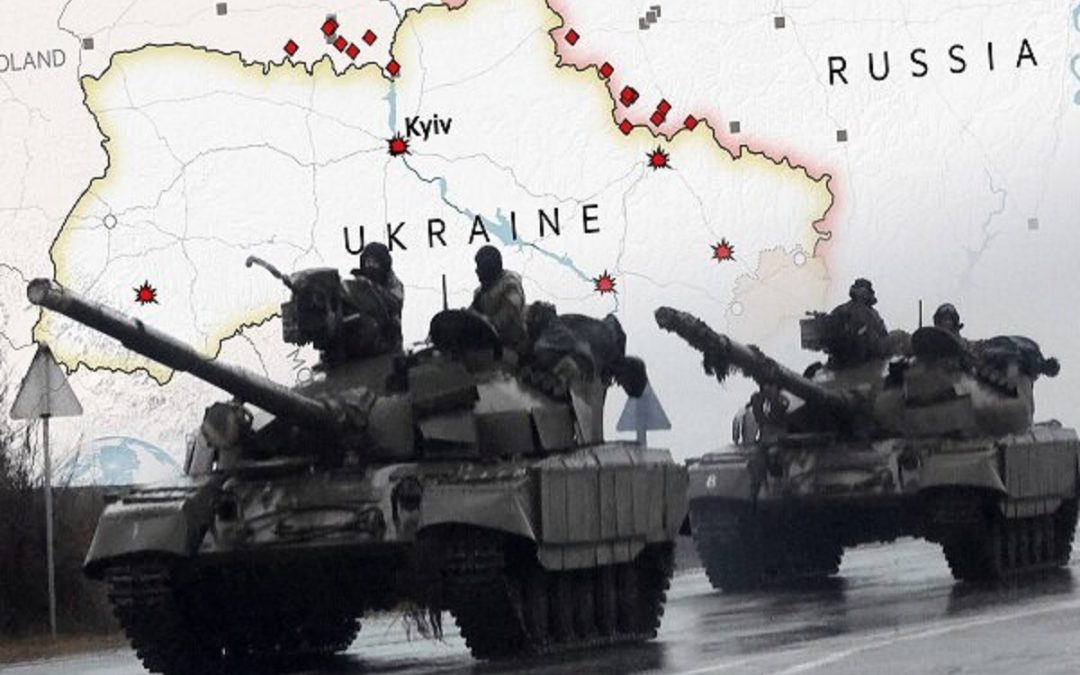
SCFR Online – Opinion: The Ukraine war, by exhausting US military capability on one hand and strengthening European defense capacity on the other, has altered the balance of power in the European continent, cast uncertainty over NATO’s future, and is driving it toward a European NATO.
SCFR Online – Opinion: The dissolution of the SDF, although considered an achievement for Turkey’s security, does not put an end to the challenges arising from the Israeli regime’s aggression and expansionism, refugees, and Syria’s fragility.
SCFR Online – Opinion: Concurrent with the official commencement of the United States’ economic war against our country, focusing on sanctions instruments, isolation, and economic pressure, what has now become increasingly important is the lack of alignment of other major global powers, especially China, with this policy.
SCFR Online – Opinion: The new US sanctions against Iran, despite extensive propaganda, face serious obstacles to success due to the ineffectiveness of sanctions tools and opposition from some of Tehran’s trading partners.
SCFR Online – Note: Vladimir Putin, President of Russia, recently announced—more than four years after the commencement of military aggression against Ukraine—that he believes the conflict between Russia and Ukraine is drawing to a close.
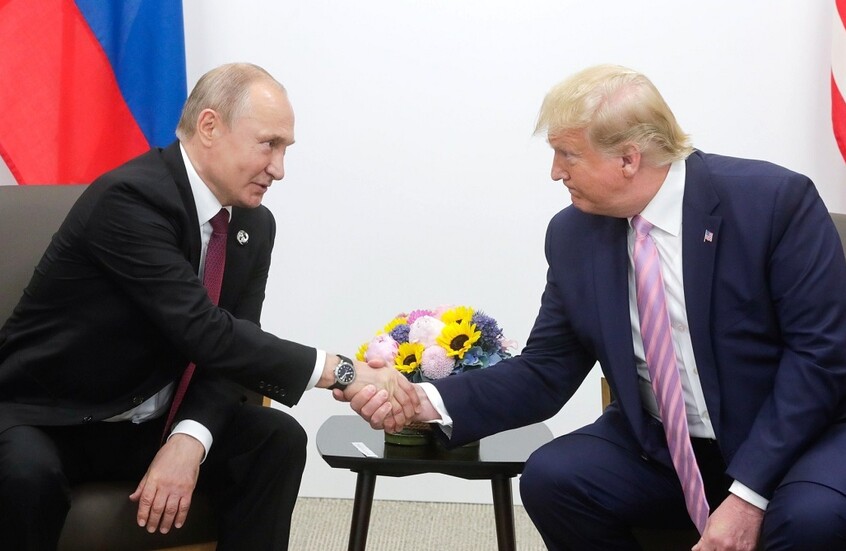
Strategic Council Online– Opinion: Russia’s recent nuclear exercises, under the direct supervision of Vladimir Putin, were not merely a military drill. Instead, they constituted a calculated show of force amidst a weakening diplomatic process and the suspension of a potential Trump-Putin meeting.
Online Strategic Council – Note: Volodymyr Zelenskyy’s third trip to Washington this year as President of Ukraine must be considered a turning point in the Ukraine war. This trip took place one day after a two-and-a-half-hour phone call between Trump and Putin. It coincided with speculation about holding a second meeting between the presidents of the United States and Russia in Budapest.
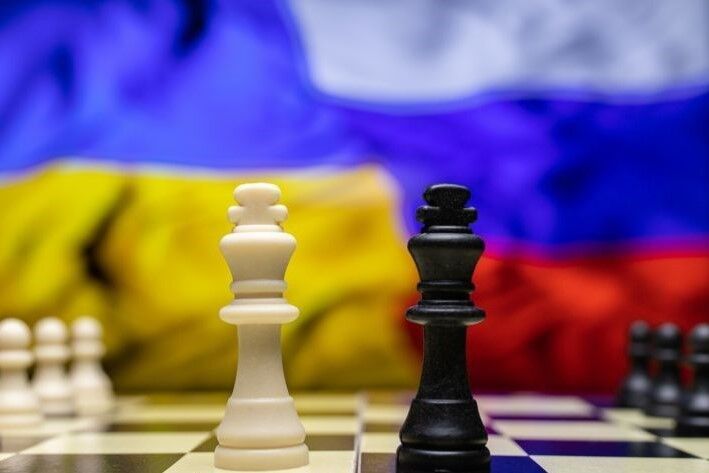
Strategic Council Online – Interview: A senior international affairs analyst stated: “The final week of summer 2025 marks a sensitive test for international relations and the future of the Ukraine war. The meeting between Donald Trump and Vladimir Putin in Alaska was merely seven months after Trump’s return to the White House, as the Ukraine war rages on relentlessly.” Volodymyr Zelenskyy, Ukraine’s president, has preemptively rejected Trump’s proposed peace plan—likely based on territorial concessions to Russia—warning that any agreement without Kyiv’s presence and consent would be a “dead solution.” Observers view the clash of interests among Moscow, Washington, Kyiv, and Europe as the intersection of four conflicting logics: Washington’s deal-driven logic, Moscow’s consolidationist logic, and Kyiv’s and Europe’s survivalist logic. While scenarios range from a minimal agreement to tacit Putin-Trump collusion solidifying current frontlines, each carries profound implications for European security and global power balances. Zelenskyy’s absence from Alaska could heighten risks of a deal that not only weakens Ukraine’s position but also undermines the legitimacy of fundamental international law.
Strategic Council Online—Interview: An international affairs expert said, “Trump’s most important challenge in this period of his presidency for interacting with Russia is the war in Ukraine. It seems that other than Trump, the other parties do not have the necessary preparation, will, and trust to end this war.”
Strategic Council Online – Opinion: Trump’s return to the White House has confronted Ukraine and its European supporters with important questions: Will the United States continue to provide weapons and financial support to Kiev, or, as Trump claims, will peace prevail in Ukraine-Russia relations? If an agreement is reached to end the war, what will be the fate of Ukraine’s lost territories? Will peace be a lasting agreement, or will it pave the way for another major conflict? These questions have not yet received a clear answer.
Strategic Council Online—Interview: An expert on Russian affairs said, “The Russian President’s talk of a “new world order” means that the Russians are disappointed in the achievement of a world order based on “multilateralism.” Therefore, they will pursue their desired order with the support of many other countries.
Strategic Council Online – Interview: An expert on West Asian issues said Russian President Vladimir Putin and Syrian President Bashar Assad recently met and conferred in the Kremlin Palace. In a part of this meeting, Putin said he had not met with Assad for a long time and had many issues to discuss. Apparently, in this meeting, the parties discussed commercial and economic relations and upcoming developments. According to the presidents of Russia and Syria, this meeting was of special importance.
Strategic Council Online – Interview: An international affairs expert said that the European Union is helping Ukraine not to defend the country of Ukraine but to defend its security against Russia; therefore, their financial aid to Ukraine will continue.
Strategic Council Online – Interview: A faculty member of the Research Institute for Strategic Studies, emphasizing that we should consider Wagner as being finished and annihilated, said: Wagner has handed over his weapons to Russia, and Moscow is closely monitoring them, therefore under the current situation taking organized measures against Kremlin is impossible, and the new leader of that group, in fact; is supposed to follow the plan for the integration of those people in the Ministry of Defense.
SCFR Online – Opinion: The intensification of U.S. sanctions against Iran on the eve of the U.S. midterm elections indicates Washington’s inability to achieve its war objectives.
SCFR Online – Opinion: The competition between Washington and Beijing over chips and artificial intelligence, simultaneously with the shifting of technological balances, has taken on new economic and security dimensions.
SCFR Online – Opinion: The Shanghai Cooperation Organization summit has created a new opportunity for Iran to transform its membership from a political achievement into economic and transit cooperation.
Strategic Council Online – Note: The Makkah Defense Pact can be seen as a sign of regional countries’ efforts to reduce security dependence on extra-regional powers and redefine the balance in West Asia.
SCFR Online – Opinion: The Ukraine war, by exhausting US military capability on one hand and strengthening European defense capacity on the other, has altered the balance of power in the European continent, cast uncertainty over NATO’s future, and is driving it toward a European NATO.
SCFR Online – Opinion: The dissolution of the SDF, although considered an achievement for Turkey’s security, does not put an end to the challenges arising from the Israeli regime’s aggression and expansionism, refugees, and Syria’s fragility.
SCFR Online – Opinion: Concurrent with the official commencement of the United States’ economic war against our country, focusing on sanctions instruments, isolation, and economic pressure, what has now become increasingly important is the lack of alignment of other major global powers, especially China, with this policy.
SCFR Online – Opinion: The new US sanctions against Iran, despite extensive propaganda, face serious obstacles to success due to the ineffectiveness of sanctions tools and opposition from some of Tehran’s trading partners.
SCFR Online – Note: Vladimir Putin, President of Russia, recently announced—more than four years after the commencement of military aggression against Ukraine—that he believes the conflict between Russia and Ukraine is drawing to a close.
Strategic Council Online– Opinion: Russia’s recent nuclear exercises, under the direct supervision of Vladimir Putin, were not merely a military drill. Instead, they constituted a calculated show of force amidst a weakening diplomatic process and the suspension of a potential Trump-Putin meeting.
Online Strategic Council – Note: Volodymyr Zelenskyy’s third trip to Washington this year as President of Ukraine must be considered a turning point in the Ukraine war. This trip took place one day after a two-and-a-half-hour phone call between Trump and Putin. It coincided with speculation about holding a second meeting between the presidents of the United States and Russia in Budapest.
Strategic Council Online – Interview: A senior international affairs analyst stated: “The final week of summer 2025 marks a sensitive test for international relations and the future of the Ukraine war. The meeting between Donald Trump and Vladimir Putin in Alaska was merely seven months after Trump’s return to the White House, as the Ukraine war rages on relentlessly.” Volodymyr Zelenskyy, Ukraine’s president, has preemptively rejected Trump’s proposed peace plan—likely based on territorial concessions to Russia—warning that any agreement without Kyiv’s presence and consent would be a “dead solution.” Observers view the clash of interests among Moscow, Washington, Kyiv, and Europe as the intersection of four conflicting logics: Washington’s deal-driven logic, Moscow’s consolidationist logic, and Kyiv’s and Europe’s survivalist logic. While scenarios range from a minimal agreement to tacit Putin-Trump collusion solidifying current frontlines, each carries profound implications for European security and global power balances. Zelenskyy’s absence from Alaska could heighten risks of a deal that not only weakens Ukraine’s position but also undermines the legitimacy of fundamental international law.
Strategic Council Online—Interview: An international affairs expert said, “Trump’s most important challenge in this period of his presidency for interacting with Russia is the war in Ukraine. It seems that other than Trump, the other parties do not have the necessary preparation, will, and trust to end this war.”
Strategic Council Online – Opinion: Trump’s return to the White House has confronted Ukraine and its European supporters with important questions: Will the United States continue to provide weapons and financial support to Kiev, or, as Trump claims, will peace prevail in Ukraine-Russia relations? If an agreement is reached to end the war, what will be the fate of Ukraine’s lost territories? Will peace be a lasting agreement, or will it pave the way for another major conflict? These questions have not yet received a clear answer.
Strategic Council Online—Interview: An expert on Russian affairs said, “The Russian President’s talk of a “new world order” means that the Russians are disappointed in the achievement of a world order based on “multilateralism.” Therefore, they will pursue their desired order with the support of many other countries.
Strategic Council Online – Interview: An expert on West Asian issues said Russian President Vladimir Putin and Syrian President Bashar Assad recently met and conferred in the Kremlin Palace. In a part of this meeting, Putin said he had not met with Assad for a long time and had many issues to discuss. Apparently, in this meeting, the parties discussed commercial and economic relations and upcoming developments. According to the presidents of Russia and Syria, this meeting was of special importance.
Strategic Council Online – Interview: An international affairs expert said that the European Union is helping Ukraine not to defend the country of Ukraine but to defend its security against Russia; therefore, their financial aid to Ukraine will continue.
Strategic Council Online – Interview: A faculty member of the Research Institute for Strategic Studies, emphasizing that we should consider Wagner as being finished and annihilated, said: Wagner has handed over his weapons to Russia, and Moscow is closely monitoring them, therefore under the current situation taking organized measures against Kremlin is impossible, and the new leader of that group, in fact; is supposed to follow the plan for the integration of those people in the Ministry of Defense.
SCFR Online – Note: Vladimir Putin, President of Russia, recently announced—more than four years after the commencement of military aggression against Ukraine—that he believes the conflict between Russia and Ukraine is drawing to a close.
Strategic Council Online– Opinion: Russia’s recent nuclear exercises, under the direct supervision of Vladimir Putin, were not merely a military drill. Instead, they constituted a calculated show of force amidst a weakening diplomatic process and the suspension of a potential Trump-Putin meeting.
Online Strategic Council – Note: Volodymyr Zelenskyy’s third trip to Washington this year as President of Ukraine must be considered a turning point in the Ukraine war. This trip took place one day after a two-and-a-half-hour phone call between Trump and Putin. It coincided with speculation about holding a second meeting between the presidents of the United States and Russia in Budapest.
Strategic Council Online – Interview: A senior international affairs analyst stated: “The final week of summer 2025 marks a sensitive test for international relations and the future of the Ukraine war. The meeting between Donald Trump and Vladimir Putin in Alaska was merely seven months after Trump’s return to the White House, as the Ukraine war rages on relentlessly.” Volodymyr Zelenskyy, Ukraine’s president, has preemptively rejected Trump’s proposed peace plan—likely based on territorial concessions to Russia—warning that any agreement without Kyiv’s presence and consent would be a “dead solution.” Observers view the clash of interests among Moscow, Washington, Kyiv, and Europe as the intersection of four conflicting logics: Washington’s deal-driven logic, Moscow’s consolidationist logic, and Kyiv’s and Europe’s survivalist logic. While scenarios range from a minimal agreement to tacit Putin-Trump collusion solidifying current frontlines, each carries profound implications for European security and global power balances. Zelenskyy’s absence from Alaska could heighten risks of a deal that not only weakens Ukraine’s position but also undermines the legitimacy of fundamental international law.
Strategic Council Online—Interview: An international affairs expert said, “Trump’s most important challenge in this period of his presidency for interacting with Russia is the war in Ukraine. It seems that other than Trump, the other parties do not have the necessary preparation, will, and trust to end this war.”
Strategic Council Online – Opinion: Trump’s return to the White House has confronted Ukraine and its European supporters with important questions: Will the United States continue to provide weapons and financial support to Kiev, or, as Trump claims, will peace prevail in Ukraine-Russia relations? If an agreement is reached to end the war, what will be the fate of Ukraine’s lost territories? Will peace be a lasting agreement, or will it pave the way for another major conflict? These questions have not yet received a clear answer.
Strategic Council Online—Interview: An expert on Russian affairs said, “The Russian President’s talk of a “new world order” means that the Russians are disappointed in the achievement of a world order based on “multilateralism.” Therefore, they will pursue their desired order with the support of many other countries.
Strategic Council Online – Interview: An expert on West Asian issues said Russian President Vladimir Putin and Syrian President Bashar Assad recently met and conferred in the Kremlin Palace. In a part of this meeting, Putin said he had not met with Assad for a long time and had many issues to discuss. Apparently, in this meeting, the parties discussed commercial and economic relations and upcoming developments. According to the presidents of Russia and Syria, this meeting was of special importance.
Strategic Council Online – Interview: An international affairs expert said that the European Union is helping Ukraine not to defend the country of Ukraine but to defend its security against Russia; therefore, their financial aid to Ukraine will continue.
Strategic Council Online – Interview: A faculty member of the Research Institute for Strategic Studies, emphasizing that we should consider Wagner as being finished and annihilated, said: Wagner has handed over his weapons to Russia, and Moscow is closely monitoring them, therefore under the current situation taking organized measures against Kremlin is impossible, and the new leader of that group, in fact; is supposed to follow the plan for the integration of those people in the Ministry of Defense.
SCFR Online – Opinion: The intensification of U.S. sanctions against Iran on the eve of the U.S. midterm elections indicates Washington’s inability to achieve its war objectives.
SCFR Online – Opinion: The competition between Washington and Beijing over chips and artificial intelligence, simultaneously with the shifting of technological balances, has taken on new economic and security dimensions.
SCFR Online – Opinion: The Shanghai Cooperation Organization summit has created a new opportunity for Iran to transform its membership from a political achievement into economic and transit cooperation.
Strategic Council Online – Note: The Makkah Defense Pact can be seen as a sign of regional countries’ efforts to reduce security dependence on extra-regional powers and redefine the balance in West Asia.
SCFR Online – Opinion: The Ukraine war, by exhausting US military capability on one hand and strengthening European defense capacity on the other, has altered the balance of power in the European continent, cast uncertainty over NATO’s future, and is driving it toward a European NATO.
SCFR Online – Opinion: The dissolution of the SDF, although considered an achievement for Turkey’s security, does not put an end to the challenges arising from the Israeli regime’s aggression and expansionism, refugees, and Syria’s fragility.
SCFR Online – Opinion: Concurrent with the official commencement of the United States’ economic war against our country, focusing on sanctions instruments, isolation, and economic pressure, what has now become increasingly important is the lack of alignment of other major global powers, especially China, with this policy.
SCFR Online – Opinion: The new US sanctions against Iran, despite extensive propaganda, face serious obstacles to success due to the ineffectiveness of sanctions tools and opposition from some of Tehran’s trading partners.
SCFR Online – Note: Vladimir Putin, President of Russia, recently announced—more than four years after the commencement of military aggression against Ukraine—that he believes the conflict between Russia and Ukraine is drawing to a close.
Strategic Council Online– Opinion: Russia’s recent nuclear exercises, under the direct supervision of Vladimir Putin, were not merely a military drill. Instead, they constituted a calculated show of force amidst a weakening diplomatic process and the suspension of a potential Trump-Putin meeting.
Online Strategic Council – Note: Volodymyr Zelenskyy’s third trip to Washington this year as President of Ukraine must be considered a turning point in the Ukraine war. This trip took place one day after a two-and-a-half-hour phone call between Trump and Putin. It coincided with speculation about holding a second meeting between the presidents of the United States and Russia in Budapest.
Strategic Council Online – Interview: A senior international affairs analyst stated: “The final week of summer 2025 marks a sensitive test for international relations and the future of the Ukraine war. The meeting between Donald Trump and Vladimir Putin in Alaska was merely seven months after Trump’s return to the White House, as the Ukraine war rages on relentlessly.” Volodymyr Zelenskyy, Ukraine’s president, has preemptively rejected Trump’s proposed peace plan—likely based on territorial concessions to Russia—warning that any agreement without Kyiv’s presence and consent would be a “dead solution.” Observers view the clash of interests among Moscow, Washington, Kyiv, and Europe as the intersection of four conflicting logics: Washington’s deal-driven logic, Moscow’s consolidationist logic, and Kyiv’s and Europe’s survivalist logic. While scenarios range from a minimal agreement to tacit Putin-Trump collusion solidifying current frontlines, each carries profound implications for European security and global power balances. Zelenskyy’s absence from Alaska could heighten risks of a deal that not only weakens Ukraine’s position but also undermines the legitimacy of fundamental international law.
Strategic Council Online—Interview: An international affairs expert said, “Trump’s most important challenge in this period of his presidency for interacting with Russia is the war in Ukraine. It seems that other than Trump, the other parties do not have the necessary preparation, will, and trust to end this war.”
Strategic Council Online – Opinion: Trump’s return to the White House has confronted Ukraine and its European supporters with important questions: Will the United States continue to provide weapons and financial support to Kiev, or, as Trump claims, will peace prevail in Ukraine-Russia relations? If an agreement is reached to end the war, what will be the fate of Ukraine’s lost territories? Will peace be a lasting agreement, or will it pave the way for another major conflict? These questions have not yet received a clear answer.
Strategic Council Online—Interview: An expert on Russian affairs said, “The Russian President’s talk of a “new world order” means that the Russians are disappointed in the achievement of a world order based on “multilateralism.” Therefore, they will pursue their desired order with the support of many other countries.
Strategic Council Online – Interview: An expert on West Asian issues said Russian President Vladimir Putin and Syrian President Bashar Assad recently met and conferred in the Kremlin Palace. In a part of this meeting, Putin said he had not met with Assad for a long time and had many issues to discuss. Apparently, in this meeting, the parties discussed commercial and economic relations and upcoming developments. According to the presidents of Russia and Syria, this meeting was of special importance.
Strategic Council Online – Interview: An international affairs expert said that the European Union is helping Ukraine not to defend the country of Ukraine but to defend its security against Russia; therefore, their financial aid to Ukraine will continue.
Strategic Council Online – Interview: A faculty member of the Research Institute for Strategic Studies, emphasizing that we should consider Wagner as being finished and annihilated, said: Wagner has handed over his weapons to Russia, and Moscow is closely monitoring them, therefore under the current situation taking organized measures against Kremlin is impossible, and the new leader of that group, in fact; is supposed to follow the plan for the integration of those people in the Ministry of Defense.
SCFR Online – Opinion: The intensification of U.S. sanctions against Iran on the eve of the U.S. midterm elections indicates Washington’s inability to achieve its war objectives.
SCFR Online – Opinion: The competition between Washington and Beijing over chips and artificial intelligence, simultaneously with the shifting of technological balances, has taken on new economic and security dimensions.
SCFR Online – Opinion: The Shanghai Cooperation Organization summit has created a new opportunity for Iran to transform its membership from a political achievement into economic and transit cooperation.
Strategic Council Online – Note: The Makkah Defense Pact can be seen as a sign of regional countries’ efforts to reduce security dependence on extra-regional powers and redefine the balance in West Asia.
SCFR Online – Opinion: The Ukraine war, by exhausting US military capability on one hand and strengthening European defense capacity on the other, has altered the balance of power in the European continent, cast uncertainty over NATO’s future, and is driving it toward a European NATO.
SCFR Online – Opinion: The dissolution of the SDF, although considered an achievement for Turkey’s security, does not put an end to the challenges arising from the Israeli regime’s aggression and expansionism, refugees, and Syria’s fragility.
SCFR Online – Opinion: Concurrent with the official commencement of the United States’ economic war against our country, focusing on sanctions instruments, isolation, and economic pressure, what has now become increasingly important is the lack of alignment of other major global powers, especially China, with this policy.
SCFR Online – Opinion: The new US sanctions against Iran, despite extensive propaganda, face serious obstacles to success due to the ineffectiveness of sanctions tools and opposition from some of Tehran’s trading partners.
SCFR Online – Note: Vladimir Putin, President of Russia, recently announced—more than four years after the commencement of military aggression against Ukraine—that he believes the conflict between Russia and Ukraine is drawing to a close.
Strategic Council Online– Opinion: Russia’s recent nuclear exercises, under the direct supervision of Vladimir Putin, were not merely a military drill. Instead, they constituted a calculated show of force amidst a weakening diplomatic process and the suspension of a potential Trump-Putin meeting.
Online Strategic Council – Note: Volodymyr Zelenskyy’s third trip to Washington this year as President of Ukraine must be considered a turning point in the Ukraine war. This trip took place one day after a two-and-a-half-hour phone call between Trump and Putin. It coincided with speculation about holding a second meeting between the presidents of the United States and Russia in Budapest.
Strategic Council Online – Interview: A senior international affairs analyst stated: “The final week of summer 2025 marks a sensitive test for international relations and the future of the Ukraine war. The meeting between Donald Trump and Vladimir Putin in Alaska was merely seven months after Trump’s return to the White House, as the Ukraine war rages on relentlessly.” Volodymyr Zelenskyy, Ukraine’s president, has preemptively rejected Trump’s proposed peace plan—likely based on territorial concessions to Russia—warning that any agreement without Kyiv’s presence and consent would be a “dead solution.” Observers view the clash of interests among Moscow, Washington, Kyiv, and Europe as the intersection of four conflicting logics: Washington’s deal-driven logic, Moscow’s consolidationist logic, and Kyiv’s and Europe’s survivalist logic. While scenarios range from a minimal agreement to tacit Putin-Trump collusion solidifying current frontlines, each carries profound implications for European security and global power balances. Zelenskyy’s absence from Alaska could heighten risks of a deal that not only weakens Ukraine’s position but also undermines the legitimacy of fundamental international law.
Strategic Council Online—Interview: An international affairs expert said, “Trump’s most important challenge in this period of his presidency for interacting with Russia is the war in Ukraine. It seems that other than Trump, the other parties do not have the necessary preparation, will, and trust to end this war.”
Strategic Council Online – Opinion: Trump’s return to the White House has confronted Ukraine and its European supporters with important questions: Will the United States continue to provide weapons and financial support to Kiev, or, as Trump claims, will peace prevail in Ukraine-Russia relations? If an agreement is reached to end the war, what will be the fate of Ukraine’s lost territories? Will peace be a lasting agreement, or will it pave the way for another major conflict? These questions have not yet received a clear answer.
Strategic Council Online—Interview: An expert on Russian affairs said, “The Russian President’s talk of a “new world order” means that the Russians are disappointed in the achievement of a world order based on “multilateralism.” Therefore, they will pursue their desired order with the support of many other countries.
Strategic Council Online – Interview: An expert on West Asian issues said Russian President Vladimir Putin and Syrian President Bashar Assad recently met and conferred in the Kremlin Palace. In a part of this meeting, Putin said he had not met with Assad for a long time and had many issues to discuss. Apparently, in this meeting, the parties discussed commercial and economic relations and upcoming developments. According to the presidents of Russia and Syria, this meeting was of special importance.
Strategic Council Online – Interview: An international affairs expert said that the European Union is helping Ukraine not to defend the country of Ukraine but to defend its security against Russia; therefore, their financial aid to Ukraine will continue.
Strategic Council Online – Interview: A faculty member of the Research Institute for Strategic Studies, emphasizing that we should consider Wagner as being finished and annihilated, said: Wagner has handed over his weapons to Russia, and Moscow is closely monitoring them, therefore under the current situation taking organized measures against Kremlin is impossible, and the new leader of that group, in fact; is supposed to follow the plan for the integration of those people in the Ministry of Defense.
SCFR Online – Opinion: The intensification of U.S. sanctions against Iran on the eve of the U.S. midterm elections indicates Washington’s inability to achieve its war objectives.
SCFR Online – Opinion: The competition between Washington and Beijing over chips and artificial intelligence, simultaneously with the shifting of technological balances, has taken on new economic and security dimensions.
SCFR Online – Opinion: The Shanghai Cooperation Organization summit has created a new opportunity for Iran to transform its membership from a political achievement into economic and transit cooperation.
Strategic Council Online – Note: The Makkah Defense Pact can be seen as a sign of regional countries’ efforts to reduce security dependence on extra-regional powers and redefine the balance in West Asia.
SCFR Online – Opinion: The Ukraine war, by exhausting US military capability on one hand and strengthening European defense capacity on the other, has altered the balance of power in the European continent, cast uncertainty over NATO’s future, and is driving it toward a European NATO.
SCFR Online – Opinion: The dissolution of the SDF, although considered an achievement for Turkey’s security, does not put an end to the challenges arising from the Israeli regime’s aggression and expansionism, refugees, and Syria’s fragility.
SCFR Online – Opinion: Concurrent with the official commencement of the United States’ economic war against our country, focusing on sanctions instruments, isolation, and economic pressure, what has now become increasingly important is the lack of alignment of other major global powers, especially China, with this policy.
SCFR Online – Opinion: The new US sanctions against Iran, despite extensive propaganda, face serious obstacles to success due to the ineffectiveness of sanctions tools and opposition from some of Tehran’s trading partners.
SCFR Online – Note: Vladimir Putin, President of Russia, recently announced—more than four years after the commencement of military aggression against Ukraine—that he believes the conflict between Russia and Ukraine is drawing to a close.
Strategic Council Online– Opinion: Russia’s recent nuclear exercises, under the direct supervision of Vladimir Putin, were not merely a military drill. Instead, they constituted a calculated show of force amidst a weakening diplomatic process and the suspension of a potential Trump-Putin meeting.
Online Strategic Council – Note: Volodymyr Zelenskyy’s third trip to Washington this year as President of Ukraine must be considered a turning point in the Ukraine war. This trip took place one day after a two-and-a-half-hour phone call between Trump and Putin. It coincided with speculation about holding a second meeting between the presidents of the United States and Russia in Budapest.
Strategic Council Online – Interview: A senior international affairs analyst stated: “The final week of summer 2025 marks a sensitive test for international relations and the future of the Ukraine war. The meeting between Donald Trump and Vladimir Putin in Alaska was merely seven months after Trump’s return to the White House, as the Ukraine war rages on relentlessly.” Volodymyr Zelenskyy, Ukraine’s president, has preemptively rejected Trump’s proposed peace plan—likely based on territorial concessions to Russia—warning that any agreement without Kyiv’s presence and consent would be a “dead solution.” Observers view the clash of interests among Moscow, Washington, Kyiv, and Europe as the intersection of four conflicting logics: Washington’s deal-driven logic, Moscow’s consolidationist logic, and Kyiv’s and Europe’s survivalist logic. While scenarios range from a minimal agreement to tacit Putin-Trump collusion solidifying current frontlines, each carries profound implications for European security and global power balances. Zelenskyy’s absence from Alaska could heighten risks of a deal that not only weakens Ukraine’s position but also undermines the legitimacy of fundamental international law.
Strategic Council Online—Interview: An international affairs expert said, “Trump’s most important challenge in this period of his presidency for interacting with Russia is the war in Ukraine. It seems that other than Trump, the other parties do not have the necessary preparation, will, and trust to end this war.”
Strategic Council Online – Opinion: Trump’s return to the White House has confronted Ukraine and its European supporters with important questions: Will the United States continue to provide weapons and financial support to Kiev, or, as Trump claims, will peace prevail in Ukraine-Russia relations? If an agreement is reached to end the war, what will be the fate of Ukraine’s lost territories? Will peace be a lasting agreement, or will it pave the way for another major conflict? These questions have not yet received a clear answer.
Strategic Council Online—Interview: An expert on Russian affairs said, “The Russian President’s talk of a “new world order” means that the Russians are disappointed in the achievement of a world order based on “multilateralism.” Therefore, they will pursue their desired order with the support of many other countries.
Strategic Council Online – Interview: An expert on West Asian issues said Russian President Vladimir Putin and Syrian President Bashar Assad recently met and conferred in the Kremlin Palace. In a part of this meeting, Putin said he had not met with Assad for a long time and had many issues to discuss. Apparently, in this meeting, the parties discussed commercial and economic relations and upcoming developments. According to the presidents of Russia and Syria, this meeting was of special importance.
Strategic Council Online – Interview: An international affairs expert said that the European Union is helping Ukraine not to defend the country of Ukraine but to defend its security against Russia; therefore, their financial aid to Ukraine will continue.
Strategic Council Online – Interview: A faculty member of the Research Institute for Strategic Studies, emphasizing that we should consider Wagner as being finished and annihilated, said: Wagner has handed over his weapons to Russia, and Moscow is closely monitoring them, therefore under the current situation taking organized measures against Kremlin is impossible, and the new leader of that group, in fact; is supposed to follow the plan for the integration of those people in the Ministry of Defense.
SCFR Online – Opinion: The intensification of U.S. sanctions against Iran on the eve of the U.S. midterm elections indicates Washington’s inability to achieve its war objectives.
SCFR Online – Opinion: The competition between Washington and Beijing over chips and artificial intelligence, simultaneously with the shifting of technological balances, has taken on new economic and security dimensions.
SCFR Online – Opinion: The Shanghai Cooperation Organization summit has created a new opportunity for Iran to transform its membership from a political achievement into economic and transit cooperation.
Strategic Council Online – Note: The Makkah Defense Pact can be seen as a sign of regional countries’ efforts to reduce security dependence on extra-regional powers and redefine the balance in West Asia.
SCFR Online – Opinion: The Ukraine war, by exhausting US military capability on one hand and strengthening European defense capacity on the other, has altered the balance of power in the European continent, cast uncertainty over NATO’s future, and is driving it toward a European NATO.
SCFR Online – Opinion: The dissolution of the SDF, although considered an achievement for Turkey’s security, does not put an end to the challenges arising from the Israeli regime’s aggression and expansionism, refugees, and Syria’s fragility.
SCFR Online – Opinion: Concurrent with the official commencement of the United States’ economic war against our country, focusing on sanctions instruments, isolation, and economic pressure, what has now become increasingly important is the lack of alignment of other major global powers, especially China, with this policy.
SCFR Online – Opinion: The new US sanctions against Iran, despite extensive propaganda, face serious obstacles to success due to the ineffectiveness of sanctions tools and opposition from some of Tehran’s trading partners.
SCFR Online – Note: Vladimir Putin, President of Russia, recently announced—more than four years after the commencement of military aggression against Ukraine—that he believes the conflict between Russia and Ukraine is drawing to a close.
Strategic Council Online– Opinion: Russia’s recent nuclear exercises, under the direct supervision of Vladimir Putin, were not merely a military drill. Instead, they constituted a calculated show of force amidst a weakening diplomatic process and the suspension of a potential Trump-Putin meeting.
Online Strategic Council – Note: Volodymyr Zelenskyy’s third trip to Washington this year as President of Ukraine must be considered a turning point in the Ukraine war. This trip took place one day after a two-and-a-half-hour phone call between Trump and Putin. It coincided with speculation about holding a second meeting between the presidents of the United States and Russia in Budapest.
Strategic Council Online – Interview: A senior international affairs analyst stated: “The final week of summer 2025 marks a sensitive test for international relations and the future of the Ukraine war. The meeting between Donald Trump and Vladimir Putin in Alaska was merely seven months after Trump’s return to the White House, as the Ukraine war rages on relentlessly.” Volodymyr Zelenskyy, Ukraine’s president, has preemptively rejected Trump’s proposed peace plan—likely based on territorial concessions to Russia—warning that any agreement without Kyiv’s presence and consent would be a “dead solution.” Observers view the clash of interests among Moscow, Washington, Kyiv, and Europe as the intersection of four conflicting logics: Washington’s deal-driven logic, Moscow’s consolidationist logic, and Kyiv’s and Europe’s survivalist logic. While scenarios range from a minimal agreement to tacit Putin-Trump collusion solidifying current frontlines, each carries profound implications for European security and global power balances. Zelenskyy’s absence from Alaska could heighten risks of a deal that not only weakens Ukraine’s position but also undermines the legitimacy of fundamental international law.
Strategic Council Online—Interview: An international affairs expert said, “Trump’s most important challenge in this period of his presidency for interacting with Russia is the war in Ukraine. It seems that other than Trump, the other parties do not have the necessary preparation, will, and trust to end this war.”
Strategic Council Online – Opinion: Trump’s return to the White House has confronted Ukraine and its European supporters with important questions: Will the United States continue to provide weapons and financial support to Kiev, or, as Trump claims, will peace prevail in Ukraine-Russia relations? If an agreement is reached to end the war, what will be the fate of Ukraine’s lost territories? Will peace be a lasting agreement, or will it pave the way for another major conflict? These questions have not yet received a clear answer.
Strategic Council Online—Interview: An expert on Russian affairs said, “The Russian President’s talk of a “new world order” means that the Russians are disappointed in the achievement of a world order based on “multilateralism.” Therefore, they will pursue their desired order with the support of many other countries.
Strategic Council Online – Interview: An expert on West Asian issues said Russian President Vladimir Putin and Syrian President Bashar Assad recently met and conferred in the Kremlin Palace. In a part of this meeting, Putin said he had not met with Assad for a long time and had many issues to discuss. Apparently, in this meeting, the parties discussed commercial and economic relations and upcoming developments. According to the presidents of Russia and Syria, this meeting was of special importance.
Strategic Council Online – Interview: An international affairs expert said that the European Union is helping Ukraine not to defend the country of Ukraine but to defend its security against Russia; therefore, their financial aid to Ukraine will continue.
Strategic Council Online – Interview: A faculty member of the Research Institute for Strategic Studies, emphasizing that we should consider Wagner as being finished and annihilated, said: Wagner has handed over his weapons to Russia, and Moscow is closely monitoring them, therefore under the current situation taking organized measures against Kremlin is impossible, and the new leader of that group, in fact; is supposed to follow the plan for the integration of those people in the Ministry of Defense.
SCFR Online – Opinion: The intensification of U.S. sanctions against Iran on the eve of the U.S. midterm elections indicates Washington’s inability to achieve its war objectives.
SCFR Online – Opinion: The competition between Washington and Beijing over chips and artificial intelligence, simultaneously with the shifting of technological balances, has taken on new economic and security dimensions.
SCFR Online – Opinion: The Shanghai Cooperation Organization summit has created a new opportunity for Iran to transform its membership from a political achievement into economic and transit cooperation.
Strategic Council Online – Note: The Makkah Defense Pact can be seen as a sign of regional countries’ efforts to reduce security dependence on extra-regional powers and redefine the balance in West Asia.
SCFR Online – Opinion: The Ukraine war, by exhausting US military capability on one hand and strengthening European defense capacity on the other, has altered the balance of power in the European continent, cast uncertainty over NATO’s future, and is driving it toward a European NATO.
SCFR Online – Opinion: The dissolution of the SDF, although considered an achievement for Turkey’s security, does not put an end to the challenges arising from the Israeli regime’s aggression and expansionism, refugees, and Syria’s fragility.
SCFR Online – Opinion: Concurrent with the official commencement of the United States’ economic war against our country, focusing on sanctions instruments, isolation, and economic pressure, what has now become increasingly important is the lack of alignment of other major global powers, especially China, with this policy.
SCFR Online – Opinion: The new US sanctions against Iran, despite extensive propaganda, face serious obstacles to success due to the ineffectiveness of sanctions tools and opposition from some of Tehran’s trading partners.