
Hamid Khoshayand – Expert on Regional Affairs
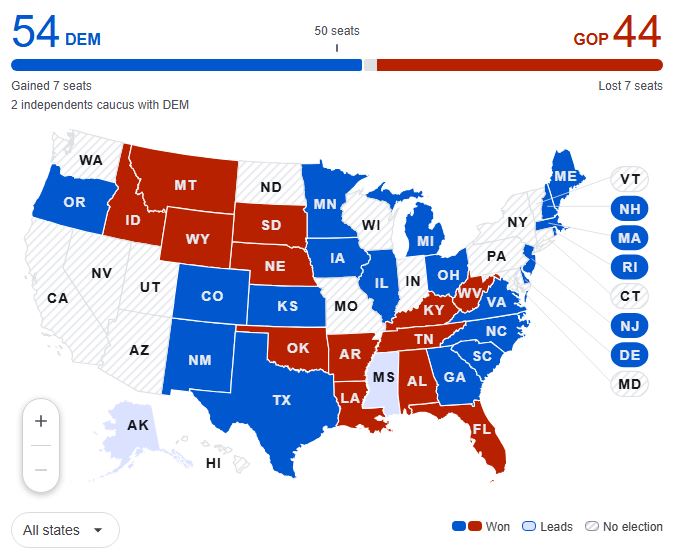
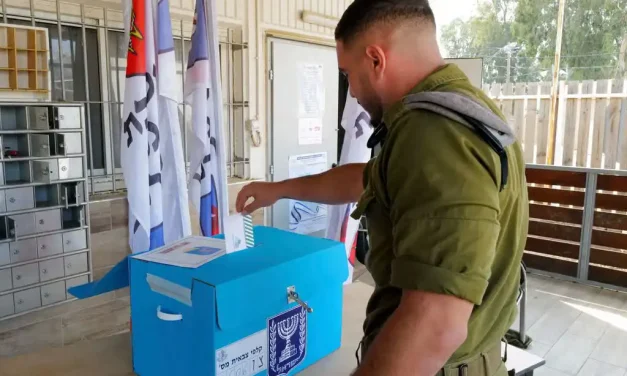
As predicted, the US midterm elections of November 3, 2026, ended with a broad victory for the Democrats and the loss of Republican control over the House of Representatives and the Senate. The heavy defeat of the Republicans, and that too under circumstances in which they hold the government, is not only considered a rare event in the history of the United States, but is also regarded as a turning point in Donald Trump’s second presidential term.
This defeat essentially reflects public dissatisfaction with the consequences of the war against Iran, the increase in economic pressures, and the inefficiency of the Trump administration in both domestic and foreign policy. The strategic significance of this development also goes back to the fact that US foreign policy, especially in West Asia, has come under the influence of domestic political factors more than before.
The election results showed that a significant part of American society, contrary to Trump’s assumption, has adopted a relatively rational and realistic approach toward his propaganda displays, exaggerated claims, and political atmospherics, and is not easily influenced by his slogans and promises. In other words, American public opinion, more than media displays, bases its assessment on the real consequences of policies and the government’s performance. Regarding the significance of these results and their possible effects on the power equations in Washington and US foreign policy, five strategic consequences of these elections can be examined.
Erosion of domestic support due to the war against Iran
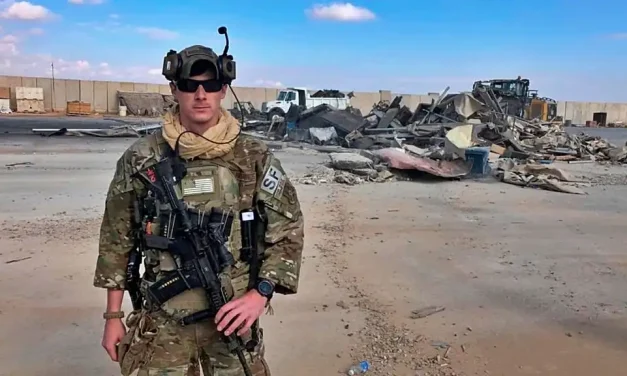
The first strategic consequence of the elections is the weakening of domestic support for America’s military policy toward Iran. The aggression that America and the Israeli regime began against Iran in February 2026, contrary to initial expectations, has turned into a long and costly crisis. Rising energy prices, disruption in global markets, and intensified pressure on the livelihood of American citizens have transformed the costs of this aggression from the realm of foreign policy into a domestic issue.
According to polls inside the United States, 74 percent of voters considered the Iran war important in their electoral decision, and 62 percent also assessed resorting to force against Iran as incorrect. These figures show that the consequences of the war have become one of the factors influencing the assessment of the government’s performance. Therefore, the continuation of costly military policies, without enjoying domestic support, will face difficulty.
Institutional deterrence and the rift among Republicans
The second consequence is the increase in political and institutional constraints on the Trump administration in foreign policy. Democratic control over the House of Representatives and the Senate increases these institutions’ oversight capacity over military decisions, review of war costs, and pressure on the government to change its approach toward Iran. Nevertheless, the broad powers of the president, especially his veto right in the field of foreign policy, prevent the Republicans’ defeat from necessarily leading to the end of the aggression or an immediate change in Washington’s regional strategy.
However, the more important issue goes back to developments over the next two years; a period in which differences between the White House and Congress will increase. The intensification of these differences can weaken the coherence of American decision-making and even make achieving sustainable agreements more complicated.
The third consequence is the intensification of the strategic rift in the Republican camp and the weakening of the credibility of the “America First” slogan. Trump came to power with the promise of avoiding long wars and focusing on domestic economic interests, but entering the war against Iran exposed the conflict between these promises and the government’s performance. This conflict has intensified the difference between interventionist currents in foreign policy and conservatives opposed to foreign wars. In such circumstances, maintaining Trump’s political coalition will become more difficult, and the possibility of revising the Republicans’ foreign policy priorities will increase.
The questioning of the nature of the alliance with the Israeli regime
The fourth strategic consequence is the increase in doubts about the costs of the US-Israeli regime alliance. This issue is also well visible in the American political atmosphere; the Israeli regime’s participation in starting the war against Iran has expanded the debate about the extent to which Washington’s and Tel Aviv’s interests align. Criticism of the costs of American support for Tel Aviv’s regional policies is no longer limited to Democratic currents and is also observed among part of the Republicans.
The statements of Vice President JD Vance about the role of the Iran war and relations with the Israeli regime in the Republicans’ electoral defeat are also considered a sign of the expansion of these differences. However, the important point is that the continuation of the two sides’ deep security and strategic ties means that the increase in criticisms will not necessarily lead to a fundamental change in the Washington-Tel Aviv alliance.
Reconsideration of role-playing in West Asia
The fifth consequence is the increase in pressure to reconsider the manner of exercising American power in West Asia. The election results, alongside the field conditions in the region, show that military superiority alone does not guarantee strategic success, and the economic, social, and political costs of foreign interventions also affect the calculations of American decision-makers. Therefore, the possibility of strengthening the tendency toward diplomatic management of crises and reducing the costs of direct intervention increases; although this development will not mean abandoning America’s security and geopolitical objectives in the region.
Conclusion
Overall, the 2026 midterm elections, more than being a sign of a definitive change in America’s strategy, express the significant increase in the domestic consequences and costs of implementing it. These elections can limit the scope of maneuver of the Trump administration, intensify political rifts, and highlight the necessity of reconsidering the tools of Washington’s foreign policy.
However, the results of the US elections will not have an effect on the fundamental principles of the foreign policy of the Islamic Republic of Iran and its strategic orientations. Iran’s foreign policy is regulated not on the basis of the change in the balance of power among American parties, but on the basis of its national interests, strategic independence, preservation of sovereignty and national security, and the long-term requirements of the regional and international environment. From this perspective, Washington’s political developments may affect tactics, diplomatic opportunities, and the manner of managing interactions, but they will not cause a change in the objectives and strategic principles of the Islamic Republic of Iran.


0 Comments