جدیدترین مطالب

Consequences of Declining Trust in the Judiciary in Europe

SCFRonline – Opinion: The increase in public distrust of the French judicial system, which in recent surveys has reached approximately two-thirds of citizens, should be analyzed within a framework broader than temporary dissatisfaction or an emotional reaction to a particular criminal case.

Iran’s Potential Levers of Power

SCFRonline– Opinion: Iran’s geopolitical power is not limited solely to oil and the Strait of Hormuz; the unintended emergence of disruptions in the future global food and energy security chains can also demonstrate Iran’s strategic importance.

The Inseparability of the Lebanese Front from the Axis of Resistance

SCFR Online–Opinion: By providing an extensive network of social, healthcare, educational, and post-war reconstruction services, Hezbollah has established a strong social base for itself among Lebanon’s Shiites and Sunnis, and even beyond that, among other segments of Lebanese society, including Christians. Hezbollah has never been an external actor imposed upon Lebanon; rather, it is a phenomenon fundamentally born out of the occupation and crimes of the Zionist regime and itself influenced by popular resistance.

The Increasing Efforts of the Zionist Regime to Redefine Borders and the Regional Order and Its Consequences

SCFR Online– Opinion: Security and military developments in the region over recent months indicate that the ongoing crises and wars in Gaza, southern Lebanon, and parts of Syrian territory encompass broader dimensions of geopolitical and geostrategic transformations. In this context, the increased military presence and control of the Zionist regime over parts of the territories of these areas, along with proposals regarding the creation of buffer zones or even the expansion of security borders, have raised serious questions about the future of the regional order and its consequences for the countries of West Asia.

Loading

Iran

Aims of New Russian Foreign Policy Document, Its Challenges

Aims of New Russian Foreign Policy Document, Its Challenges

Strategic Council Online – Interview: The associate professor of international relations at the University of Tehran, while explaining Moscow’s targets and challenges in implementing its new foreign policy strategy document, said: Russia’s desire to shape the new structures and norms in the international system is not a simple task; meanwhile, in this case too, Moscow’s strategy has its contradictions.

Behind the scenes of the Zionist regime’s attacks on Syria

Behind the scenes of the Zionist regime’s attacks on Syria

Strategic Council Online—Opinion: Repeated missile attacks on Syria can have several goals, including maintaining the atmosphere of tension, measuring Syrian air defense systems and radars, supporting terrorists, etc., but the coincidence of these attacks with the internal crisis of the Zionist regime strengthens this hypothesis and proves that this regime has resorted to the policy of “exporting a severe internal crisis.”
Hamid Khoshayand—Expert in regional issues

Fields of Cooperation between Iran and Saudi

Fields of Cooperation between Iran and Saudi

Strategic Council Online – Guest Opinion: The normalization of relations between Tehran and Riyadh, despite several decades of tension in Iran-Saudi Arabia relations, has created new speculations about the prospects of ties between the two countries. Despite many controversial cases between Iran and Saudi Arabia, there are many fears and hopes about the results of the resumption of relations between Tehran and Riyadh and its effects and regional consequences. Still, with the current conditions, it seems that the drivers are effective in improving the atmosphere of cooperation between Iran and Saudi Arabia, and solving regional issues is stronger than the challenges and doubts in this regard.
Abbas Aslani – International affairs expert

A Glance at China-US Approach, Rivalry in Africa

A Glance at China-US Approach, Rivalry in Africa

Strategic Council Online – Interview: An analyst of international affairs emphasized: Under the current situation, the US is not able to compete with China in Africa, but if it can advance its long-term plan in the form of sanctions or a war of chips, it can shock and deal a blow on China’s position in Africa and also affect the economy of that country.

Strategic Consequences of Improved Ties with the Saudis

Strategic Consequences of Improved Ties with the Saudis

Strategic Council Online – Opinion: The agreement between the Islamic Republic of Iran and the Kingdom of Saudi Arabia to resume bilateral relations is West Asia’s most important political and diplomatic event.
Barsam Mohammadi – International affairs analyst

An analysis of the countermeasures of the Zionist regime against Moscow in approving the transfer of anti-drone systems to Ukraine

An analysis of the countermeasures of the Zionist regime against Moscow in approving the transfer of anti-drone systems to Ukraine

Strategic Council Online—Opinion: Relations between Russia and the Zionist regime have always accompanied many ups and downs. In some cases, cooperation and coordination and some cases, conflict and disagreement have defined the relations of the parties. This situation became more evident after the Ukrainian War. Although Tel Aviv tried to show some neutrality towards the war in Ukraine from the beginning, the talks of its military aid to Ukraine led to a wave of differences between Tel Aviv and Moscow.
Mohammad Javad Ghahremani—Expert in international issues

Future of the presence of US forces in Iraq

Future of the presence of US forces in Iraq

Strategic Council Online – Interview: An expert on West Asia affairs called the central message of the US defense secretary’s visit to Baghdad as the declaration of their desire to maintain the presence of their troops in Iraq and stressed: The United States still wants and insists that its forces remain in Iraq. Even though it declared policy, Iraq’s prime minister stated that Baghdad needed no presence of foreign troops, and this policy would only stay at the announcement level.

The continuation of the US military presence in Iraq and its consequences

The continuation of the US military presence in Iraq and its consequences

Strategic Council Online-Interview: An Iraqi affairs expert emphasized that the US wants to maintain a military presence in Iraq and the region, adding that the US presence has no consequences other than insecurity in the region and an impact on the independence of decision-making in the governments that host them.

Middle East on the Threshold of Comprehensive Peace

Middle East on the Threshold of Comprehensive Peace

Strategic Council Online – Opinion: The strategic agreement between Iran and Saudi Arabia in Beijing will help transform the political and security conditions and move towards stable peace and stability in the region. This agreement will end the costly tensions between Tehran and Riyadh and create new political and security stability requirements and expand cooperation between the region’s countries.
Hassan Hanizadeh – Expert on Middle East affairs

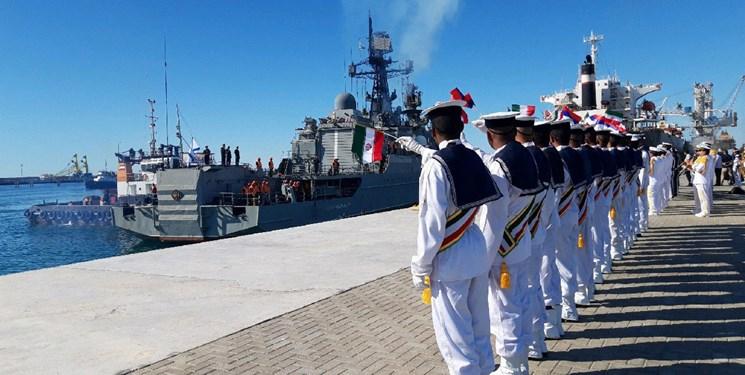
Iran’s Defense Diplomacy, Marine Security Belt Exercise 2023

Iran’s Defense Diplomacy, Marine Security Belt Exercise 2023

Strategic Council Online – Interview: The commander of the strategic naval forces of the army said that the 2023 marine security belt joint exercise would help to develop cooperation between the naval forces of Iran, China, and Russia, as well as increase the readiness to provide maritime security and safety jointly in line with creating peace and regional stability, announced the efforts being made to have the countries of the region participate in a marine belt exercise as well as the cooperation of the commanders of the Indian Ocean Naval Forces Symposium (IONS) for the following year.

أحدث الوظائف

Consequences of Declining Trust in the Judiciary in Europe

SCFRonline – Opinion: The increase in public distrust of the French judicial system, which in recent surveys has reached approximately two-thirds of citizens, should be analyzed within a framework broader than temporary dissatisfaction or an emotional reaction to a particular criminal case.

Iran’s Potential Levers of Power

SCFRonline– Opinion: Iran’s geopolitical power is not limited solely to oil and the Strait of Hormuz; the unintended emergence of disruptions in the future global food and energy security chains can also demonstrate Iran’s strategic importance.

The Inseparability of the Lebanese Front from the Axis of Resistance

SCFR Online–Opinion: By providing an extensive network of social, healthcare, educational, and post-war reconstruction services, Hezbollah has established a strong social base for itself among Lebanon’s Shiites and Sunnis, and even beyond that, among other segments of Lebanese society, including Christians. Hezbollah has never been an external actor imposed upon Lebanon; rather, it is a phenomenon fundamentally born out of the occupation and crimes of the Zionist regime and itself influenced by popular resistance.

The Increasing Efforts of the Zionist Regime to Redefine Borders and the Regional Order and Its Consequences

SCFR Online– Opinion: Security and military developments in the region over recent months indicate that the ongoing crises and wars in Gaza, southern Lebanon, and parts of Syrian territory encompass broader dimensions of geopolitical and geostrategic transformations. In this context, the increased military presence and control of the Zionist regime over parts of the territories of these areas, along with proposals regarding the creation of buffer zones or even the expansion of security borders, have raised serious questions about the future of the regional order and its consequences for the countries of West Asia.

Loading

Iran

Aims of New Russian Foreign Policy Document, Its Challenges

Aims of New Russian Foreign Policy Document, Its Challenges

Strategic Council Online – Interview: The associate professor of international relations at the University of Tehran, while explaining Moscow’s targets and challenges in implementing its new foreign policy strategy document, said: Russia’s desire to shape the new structures and norms in the international system is not a simple task; meanwhile, in this case too, Moscow’s strategy has its contradictions.

Behind the scenes of the Zionist regime’s attacks on Syria

Behind the scenes of the Zionist regime’s attacks on Syria

Strategic Council Online—Opinion: Repeated missile attacks on Syria can have several goals, including maintaining the atmosphere of tension, measuring Syrian air defense systems and radars, supporting terrorists, etc., but the coincidence of these attacks with the internal crisis of the Zionist regime strengthens this hypothesis and proves that this regime has resorted to the policy of “exporting a severe internal crisis.”
Hamid Khoshayand—Expert in regional issues

Fields of Cooperation between Iran and Saudi

Fields of Cooperation between Iran and Saudi

Strategic Council Online – Guest Opinion: The normalization of relations between Tehran and Riyadh, despite several decades of tension in Iran-Saudi Arabia relations, has created new speculations about the prospects of ties between the two countries. Despite many controversial cases between Iran and Saudi Arabia, there are many fears and hopes about the results of the resumption of relations between Tehran and Riyadh and its effects and regional consequences. Still, with the current conditions, it seems that the drivers are effective in improving the atmosphere of cooperation between Iran and Saudi Arabia, and solving regional issues is stronger than the challenges and doubts in this regard.
Abbas Aslani – International affairs expert

A Glance at China-US Approach, Rivalry in Africa

A Glance at China-US Approach, Rivalry in Africa

Strategic Council Online – Interview: An analyst of international affairs emphasized: Under the current situation, the US is not able to compete with China in Africa, but if it can advance its long-term plan in the form of sanctions or a war of chips, it can shock and deal a blow on China’s position in Africa and also affect the economy of that country.

Strategic Consequences of Improved Ties with the Saudis

Strategic Consequences of Improved Ties with the Saudis

Strategic Council Online – Opinion: The agreement between the Islamic Republic of Iran and the Kingdom of Saudi Arabia to resume bilateral relations is West Asia’s most important political and diplomatic event.
Barsam Mohammadi – International affairs analyst

An analysis of the countermeasures of the Zionist regime against Moscow in approving the transfer of anti-drone systems to Ukraine

An analysis of the countermeasures of the Zionist regime against Moscow in approving the transfer of anti-drone systems to Ukraine

Strategic Council Online—Opinion: Relations between Russia and the Zionist regime have always accompanied many ups and downs. In some cases, cooperation and coordination and some cases, conflict and disagreement have defined the relations of the parties. This situation became more evident after the Ukrainian War. Although Tel Aviv tried to show some neutrality towards the war in Ukraine from the beginning, the talks of its military aid to Ukraine led to a wave of differences between Tel Aviv and Moscow.
Mohammad Javad Ghahremani—Expert in international issues

Future of the presence of US forces in Iraq

Future of the presence of US forces in Iraq

Strategic Council Online – Interview: An expert on West Asia affairs called the central message of the US defense secretary’s visit to Baghdad as the declaration of their desire to maintain the presence of their troops in Iraq and stressed: The United States still wants and insists that its forces remain in Iraq. Even though it declared policy, Iraq’s prime minister stated that Baghdad needed no presence of foreign troops, and this policy would only stay at the announcement level.

The continuation of the US military presence in Iraq and its consequences

The continuation of the US military presence in Iraq and its consequences

Strategic Council Online-Interview: An Iraqi affairs expert emphasized that the US wants to maintain a military presence in Iraq and the region, adding that the US presence has no consequences other than insecurity in the region and an impact on the independence of decision-making in the governments that host them.

Middle East on the Threshold of Comprehensive Peace

Middle East on the Threshold of Comprehensive Peace

Strategic Council Online – Opinion: The strategic agreement between Iran and Saudi Arabia in Beijing will help transform the political and security conditions and move towards stable peace and stability in the region. This agreement will end the costly tensions between Tehran and Riyadh and create new political and security stability requirements and expand cooperation between the region’s countries.
Hassan Hanizadeh – Expert on Middle East affairs

Iran’s Defense Diplomacy, Marine Security Belt Exercise 2023

Iran’s Defense Diplomacy, Marine Security Belt Exercise 2023

Strategic Council Online – Interview: The commander of the strategic naval forces of the army said that the 2023 marine security belt joint exercise would help to develop cooperation between the naval forces of Iran, China, and Russia, as well as increase the readiness to provide maritime security and safety jointly in line with creating peace and regional stability, announced the efforts being made to have the countries of the region participate in a marine belt exercise as well as the cooperation of the commanders of the Indian Ocean Naval Forces Symposium (IONS) for the following year.

Iran

Aims of New Russian Foreign Policy Document, Its Challenges

Aims of New Russian Foreign Policy Document, Its Challenges

Strategic Council Online – Interview: The associate professor of international relations at the University of Tehran, while explaining Moscow’s targets and challenges in implementing its new foreign policy strategy document, said: Russia’s desire to shape the new structures and norms in the international system is not a simple task; meanwhile, in this case too, Moscow’s strategy has its contradictions.

Behind the scenes of the Zionist regime’s attacks on Syria

Behind the scenes of the Zionist regime’s attacks on Syria

Strategic Council Online—Opinion: Repeated missile attacks on Syria can have several goals, including maintaining the atmosphere of tension, measuring Syrian air defense systems and radars, supporting terrorists, etc., but the coincidence of these attacks with the internal crisis of the Zionist regime strengthens this hypothesis and proves that this regime has resorted to the policy of “exporting a severe internal crisis.”
Hamid Khoshayand—Expert in regional issues

Fields of Cooperation between Iran and Saudi

Fields of Cooperation between Iran and Saudi

Strategic Council Online – Guest Opinion: The normalization of relations between Tehran and Riyadh, despite several decades of tension in Iran-Saudi Arabia relations, has created new speculations about the prospects of ties between the two countries. Despite many controversial cases between Iran and Saudi Arabia, there are many fears and hopes about the results of the resumption of relations between Tehran and Riyadh and its effects and regional consequences. Still, with the current conditions, it seems that the drivers are effective in improving the atmosphere of cooperation between Iran and Saudi Arabia, and solving regional issues is stronger than the challenges and doubts in this regard.
Abbas Aslani – International affairs expert

A Glance at China-US Approach, Rivalry in Africa

A Glance at China-US Approach, Rivalry in Africa

Strategic Council Online – Interview: An analyst of international affairs emphasized: Under the current situation, the US is not able to compete with China in Africa, but if it can advance its long-term plan in the form of sanctions or a war of chips, it can shock and deal a blow on China’s position in Africa and also affect the economy of that country.

Strategic Consequences of Improved Ties with the Saudis

Strategic Consequences of Improved Ties with the Saudis

Strategic Council Online – Opinion: The agreement between the Islamic Republic of Iran and the Kingdom of Saudi Arabia to resume bilateral relations is West Asia’s most important political and diplomatic event.
Barsam Mohammadi – International affairs analyst

An analysis of the countermeasures of the Zionist regime against Moscow in approving the transfer of anti-drone systems to Ukraine

An analysis of the countermeasures of the Zionist regime against Moscow in approving the transfer of anti-drone systems to Ukraine

Strategic Council Online—Opinion: Relations between Russia and the Zionist regime have always accompanied many ups and downs. In some cases, cooperation and coordination and some cases, conflict and disagreement have defined the relations of the parties. This situation became more evident after the Ukrainian War. Although Tel Aviv tried to show some neutrality towards the war in Ukraine from the beginning, the talks of its military aid to Ukraine led to a wave of differences between Tel Aviv and Moscow.
Mohammad Javad Ghahremani—Expert in international issues

Future of the presence of US forces in Iraq

Future of the presence of US forces in Iraq

Strategic Council Online – Interview: An expert on West Asia affairs called the central message of the US defense secretary’s visit to Baghdad as the declaration of their desire to maintain the presence of their troops in Iraq and stressed: The United States still wants and insists that its forces remain in Iraq. Even though it declared policy, Iraq’s prime minister stated that Baghdad needed no presence of foreign troops, and this policy would only stay at the announcement level.

The continuation of the US military presence in Iraq and its consequences

The continuation of the US military presence in Iraq and its consequences

Strategic Council Online-Interview: An Iraqi affairs expert emphasized that the US wants to maintain a military presence in Iraq and the region, adding that the US presence has no consequences other than insecurity in the region and an impact on the independence of decision-making in the governments that host them.

Middle East on the Threshold of Comprehensive Peace

Middle East on the Threshold of Comprehensive Peace

Strategic Council Online – Opinion: The strategic agreement between Iran and Saudi Arabia in Beijing will help transform the political and security conditions and move towards stable peace and stability in the region. This agreement will end the costly tensions between Tehran and Riyadh and create new political and security stability requirements and expand cooperation between the region’s countries.
Hassan Hanizadeh – Expert on Middle East affairs

Iran’s Defense Diplomacy, Marine Security Belt Exercise 2023

Iran’s Defense Diplomacy, Marine Security Belt Exercise 2023

Strategic Council Online – Interview: The commander of the strategic naval forces of the army said that the 2023 marine security belt joint exercise would help to develop cooperation between the naval forces of Iran, China, and Russia, as well as increase the readiness to provide maritime security and safety jointly in line with creating peace and regional stability, announced the efforts being made to have the countries of the region participate in a marine belt exercise as well as the cooperation of the commanders of the Indian Ocean Naval Forces Symposium (IONS) for the following year.

LATEST CONTENT

Consequences of Declining Trust in the Judiciary in Europe

SCFRonline – Opinion: The increase in public distrust of the French judicial system, which in recent surveys has reached approximately two-thirds of citizens, should be analyzed within a framework broader than temporary dissatisfaction or an emotional reaction to a particular criminal case.

Iran’s Potential Levers of Power

SCFRonline– Opinion: Iran’s geopolitical power is not limited solely to oil and the Strait of Hormuz; the unintended emergence of disruptions in the future global food and energy security chains can also demonstrate Iran’s strategic importance.

The Inseparability of the Lebanese Front from the Axis of Resistance

SCFR Online–Opinion: By providing an extensive network of social, healthcare, educational, and post-war reconstruction services, Hezbollah has established a strong social base for itself among Lebanon’s Shiites and Sunnis, and even beyond that, among other segments of Lebanese society, including Christians. Hezbollah has never been an external actor imposed upon Lebanon; rather, it is a phenomenon fundamentally born out of the occupation and crimes of the Zionist regime and itself influenced by popular resistance.

The Increasing Efforts of the Zionist Regime to Redefine Borders and the Regional Order and Its Consequences

SCFR Online– Opinion: Security and military developments in the region over recent months indicate that the ongoing crises and wars in Gaza, southern Lebanon, and parts of Syrian territory encompass broader dimensions of geopolitical and geostrategic transformations. In this context, the increased military presence and control of the Zionist regime over parts of the territories of these areas, along with proposals regarding the creation of buffer zones or even the expansion of security borders, have raised serious questions about the future of the regional order and its consequences for the countries of West Asia.

Loading

Iran

Aims of New Russian Foreign Policy Document, Its Challenges

Aims of New Russian Foreign Policy Document, Its Challenges

Strategic Council Online – Interview: The associate professor of international relations at the University of Tehran, while explaining Moscow’s targets and challenges in implementing its new foreign policy strategy document, said: Russia’s desire to shape the new structures and norms in the international system is not a simple task; meanwhile, in this case too, Moscow’s strategy has its contradictions.

Behind the scenes of the Zionist regime’s attacks on Syria

Behind the scenes of the Zionist regime’s attacks on Syria

Strategic Council Online—Opinion: Repeated missile attacks on Syria can have several goals, including maintaining the atmosphere of tension, measuring Syrian air defense systems and radars, supporting terrorists, etc., but the coincidence of these attacks with the internal crisis of the Zionist regime strengthens this hypothesis and proves that this regime has resorted to the policy of “exporting a severe internal crisis.”
Hamid Khoshayand—Expert in regional issues

Fields of Cooperation between Iran and Saudi

Fields of Cooperation between Iran and Saudi

Strategic Council Online – Guest Opinion: The normalization of relations between Tehran and Riyadh, despite several decades of tension in Iran-Saudi Arabia relations, has created new speculations about the prospects of ties between the two countries. Despite many controversial cases between Iran and Saudi Arabia, there are many fears and hopes about the results of the resumption of relations between Tehran and Riyadh and its effects and regional consequences. Still, with the current conditions, it seems that the drivers are effective in improving the atmosphere of cooperation between Iran and Saudi Arabia, and solving regional issues is stronger than the challenges and doubts in this regard.
Abbas Aslani – International affairs expert

A Glance at China-US Approach, Rivalry in Africa

A Glance at China-US Approach, Rivalry in Africa

Strategic Council Online – Interview: An analyst of international affairs emphasized: Under the current situation, the US is not able to compete with China in Africa, but if it can advance its long-term plan in the form of sanctions or a war of chips, it can shock and deal a blow on China’s position in Africa and also affect the economy of that country.

Strategic Consequences of Improved Ties with the Saudis

Strategic Consequences of Improved Ties with the Saudis

Strategic Council Online – Opinion: The agreement between the Islamic Republic of Iran and the Kingdom of Saudi Arabia to resume bilateral relations is West Asia’s most important political and diplomatic event.
Barsam Mohammadi – International affairs analyst

An analysis of the countermeasures of the Zionist regime against Moscow in approving the transfer of anti-drone systems to Ukraine

An analysis of the countermeasures of the Zionist regime against Moscow in approving the transfer of anti-drone systems to Ukraine

Strategic Council Online—Opinion: Relations between Russia and the Zionist regime have always accompanied many ups and downs. In some cases, cooperation and coordination and some cases, conflict and disagreement have defined the relations of the parties. This situation became more evident after the Ukrainian War. Although Tel Aviv tried to show some neutrality towards the war in Ukraine from the beginning, the talks of its military aid to Ukraine led to a wave of differences between Tel Aviv and Moscow.
Mohammad Javad Ghahremani—Expert in international issues

Future of the presence of US forces in Iraq

Future of the presence of US forces in Iraq

Strategic Council Online – Interview: An expert on West Asia affairs called the central message of the US defense secretary’s visit to Baghdad as the declaration of their desire to maintain the presence of their troops in Iraq and stressed: The United States still wants and insists that its forces remain in Iraq. Even though it declared policy, Iraq’s prime minister stated that Baghdad needed no presence of foreign troops, and this policy would only stay at the announcement level.

The continuation of the US military presence in Iraq and its consequences

The continuation of the US military presence in Iraq and its consequences

Strategic Council Online-Interview: An Iraqi affairs expert emphasized that the US wants to maintain a military presence in Iraq and the region, adding that the US presence has no consequences other than insecurity in the region and an impact on the independence of decision-making in the governments that host them.

Middle East on the Threshold of Comprehensive Peace

Middle East on the Threshold of Comprehensive Peace

Strategic Council Online – Opinion: The strategic agreement between Iran and Saudi Arabia in Beijing will help transform the political and security conditions and move towards stable peace and stability in the region. This agreement will end the costly tensions between Tehran and Riyadh and create new political and security stability requirements and expand cooperation between the region’s countries.
Hassan Hanizadeh – Expert on Middle East affairs

Iran’s Defense Diplomacy, Marine Security Belt Exercise 2023

Iran’s Defense Diplomacy, Marine Security Belt Exercise 2023

Strategic Council Online – Interview: The commander of the strategic naval forces of the army said that the 2023 marine security belt joint exercise would help to develop cooperation between the naval forces of Iran, China, and Russia, as well as increase the readiness to provide maritime security and safety jointly in line with creating peace and regional stability, announced the efforts being made to have the countries of the region participate in a marine belt exercise as well as the cooperation of the commanders of the Indian Ocean Naval Forces Symposium (IONS) for the following year.

ÚLTIMAS PUBLICACIONES

Consequences of Declining Trust in the Judiciary in Europe

SCFRonline – Opinion: The increase in public distrust of the French judicial system, which in recent surveys has reached approximately two-thirds of citizens, should be analyzed within a framework broader than temporary dissatisfaction or an emotional reaction to a particular criminal case.

Iran’s Potential Levers of Power

SCFRonline– Opinion: Iran’s geopolitical power is not limited solely to oil and the Strait of Hormuz; the unintended emergence of disruptions in the future global food and energy security chains can also demonstrate Iran’s strategic importance.

The Inseparability of the Lebanese Front from the Axis of Resistance

SCFR Online–Opinion: By providing an extensive network of social, healthcare, educational, and post-war reconstruction services, Hezbollah has established a strong social base for itself among Lebanon’s Shiites and Sunnis, and even beyond that, among other segments of Lebanese society, including Christians. Hezbollah has never been an external actor imposed upon Lebanon; rather, it is a phenomenon fundamentally born out of the occupation and crimes of the Zionist regime and itself influenced by popular resistance.

The Increasing Efforts of the Zionist Regime to Redefine Borders and the Regional Order and Its Consequences

SCFR Online– Opinion: Security and military developments in the region over recent months indicate that the ongoing crises and wars in Gaza, southern Lebanon, and parts of Syrian territory encompass broader dimensions of geopolitical and geostrategic transformations. In this context, the increased military presence and control of the Zionist regime over parts of the territories of these areas, along with proposals regarding the creation of buffer zones or even the expansion of security borders, have raised serious questions about the future of the regional order and its consequences for the countries of West Asia.

Loading

Iran

Aims of New Russian Foreign Policy Document, Its Challenges

Aims of New Russian Foreign Policy Document, Its Challenges

Strategic Council Online – Interview: The associate professor of international relations at the University of Tehran, while explaining Moscow’s targets and challenges in implementing its new foreign policy strategy document, said: Russia’s desire to shape the new structures and norms in the international system is not a simple task; meanwhile, in this case too, Moscow’s strategy has its contradictions.

Behind the scenes of the Zionist regime’s attacks on Syria

Behind the scenes of the Zionist regime’s attacks on Syria

Strategic Council Online—Opinion: Repeated missile attacks on Syria can have several goals, including maintaining the atmosphere of tension, measuring Syrian air defense systems and radars, supporting terrorists, etc., but the coincidence of these attacks with the internal crisis of the Zionist regime strengthens this hypothesis and proves that this regime has resorted to the policy of “exporting a severe internal crisis.”
Hamid Khoshayand—Expert in regional issues

Fields of Cooperation between Iran and Saudi

Fields of Cooperation between Iran and Saudi

Strategic Council Online – Guest Opinion: The normalization of relations between Tehran and Riyadh, despite several decades of tension in Iran-Saudi Arabia relations, has created new speculations about the prospects of ties between the two countries. Despite many controversial cases between Iran and Saudi Arabia, there are many fears and hopes about the results of the resumption of relations between Tehran and Riyadh and its effects and regional consequences. Still, with the current conditions, it seems that the drivers are effective in improving the atmosphere of cooperation between Iran and Saudi Arabia, and solving regional issues is stronger than the challenges and doubts in this regard.
Abbas Aslani – International affairs expert

A Glance at China-US Approach, Rivalry in Africa

A Glance at China-US Approach, Rivalry in Africa

Strategic Council Online – Interview: An analyst of international affairs emphasized: Under the current situation, the US is not able to compete with China in Africa, but if it can advance its long-term plan in the form of sanctions or a war of chips, it can shock and deal a blow on China’s position in Africa and also affect the economy of that country.

Strategic Consequences of Improved Ties with the Saudis

Strategic Consequences of Improved Ties with the Saudis

Strategic Council Online – Opinion: The agreement between the Islamic Republic of Iran and the Kingdom of Saudi Arabia to resume bilateral relations is West Asia’s most important political and diplomatic event.
Barsam Mohammadi – International affairs analyst

An analysis of the countermeasures of the Zionist regime against Moscow in approving the transfer of anti-drone systems to Ukraine

An analysis of the countermeasures of the Zionist regime against Moscow in approving the transfer of anti-drone systems to Ukraine

Strategic Council Online—Opinion: Relations between Russia and the Zionist regime have always accompanied many ups and downs. In some cases, cooperation and coordination and some cases, conflict and disagreement have defined the relations of the parties. This situation became more evident after the Ukrainian War. Although Tel Aviv tried to show some neutrality towards the war in Ukraine from the beginning, the talks of its military aid to Ukraine led to a wave of differences between Tel Aviv and Moscow.
Mohammad Javad Ghahremani—Expert in international issues

Future of the presence of US forces in Iraq

Future of the presence of US forces in Iraq

Strategic Council Online – Interview: An expert on West Asia affairs called the central message of the US defense secretary’s visit to Baghdad as the declaration of their desire to maintain the presence of their troops in Iraq and stressed: The United States still wants and insists that its forces remain in Iraq. Even though it declared policy, Iraq’s prime minister stated that Baghdad needed no presence of foreign troops, and this policy would only stay at the announcement level.

The continuation of the US military presence in Iraq and its consequences

The continuation of the US military presence in Iraq and its consequences

Strategic Council Online-Interview: An Iraqi affairs expert emphasized that the US wants to maintain a military presence in Iraq and the region, adding that the US presence has no consequences other than insecurity in the region and an impact on the independence of decision-making in the governments that host them.

Middle East on the Threshold of Comprehensive Peace

Middle East on the Threshold of Comprehensive Peace

Strategic Council Online – Opinion: The strategic agreement between Iran and Saudi Arabia in Beijing will help transform the political and security conditions and move towards stable peace and stability in the region. This agreement will end the costly tensions between Tehran and Riyadh and create new political and security stability requirements and expand cooperation between the region’s countries.
Hassan Hanizadeh – Expert on Middle East affairs

Iran’s Defense Diplomacy, Marine Security Belt Exercise 2023

Iran’s Defense Diplomacy, Marine Security Belt Exercise 2023

Strategic Council Online – Interview: The commander of the strategic naval forces of the army said that the 2023 marine security belt joint exercise would help to develop cooperation between the naval forces of Iran, China, and Russia, as well as increase the readiness to provide maritime security and safety jointly in line with creating peace and regional stability, announced the efforts being made to have the countries of the region participate in a marine belt exercise as well as the cooperation of the commanders of the Indian Ocean Naval Forces Symposium (IONS) for the following year.

ÚLTIMAS PUBLICACIONES

Consequences of Declining Trust in the Judiciary in Europe

SCFRonline – Opinion: The increase in public distrust of the French judicial system, which in recent surveys has reached approximately two-thirds of citizens, should be analyzed within a framework broader than temporary dissatisfaction or an emotional reaction to a particular criminal case.

Iran’s Potential Levers of Power

SCFRonline– Opinion: Iran’s geopolitical power is not limited solely to oil and the Strait of Hormuz; the unintended emergence of disruptions in the future global food and energy security chains can also demonstrate Iran’s strategic importance.

The Inseparability of the Lebanese Front from the Axis of Resistance

SCFR Online–Opinion: By providing an extensive network of social, healthcare, educational, and post-war reconstruction services, Hezbollah has established a strong social base for itself among Lebanon’s Shiites and Sunnis, and even beyond that, among other segments of Lebanese society, including Christians. Hezbollah has never been an external actor imposed upon Lebanon; rather, it is a phenomenon fundamentally born out of the occupation and crimes of the Zionist regime and itself influenced by popular resistance.

The Increasing Efforts of the Zionist Regime to Redefine Borders and the Regional Order and Its Consequences

SCFR Online– Opinion: Security and military developments in the region over recent months indicate that the ongoing crises and wars in Gaza, southern Lebanon, and parts of Syrian territory encompass broader dimensions of geopolitical and geostrategic transformations. In this context, the increased military presence and control of the Zionist regime over parts of the territories of these areas, along with proposals regarding the creation of buffer zones or even the expansion of security borders, have raised serious questions about the future of the regional order and its consequences for the countries of West Asia.

Loading

Iran

Aims of New Russian Foreign Policy Document, Its Challenges

Aims of New Russian Foreign Policy Document, Its Challenges

Strategic Council Online – Interview: The associate professor of international relations at the University of Tehran, while explaining Moscow’s targets and challenges in implementing its new foreign policy strategy document, said: Russia’s desire to shape the new structures and norms in the international system is not a simple task; meanwhile, in this case too, Moscow’s strategy has its contradictions.

Behind the scenes of the Zionist regime’s attacks on Syria

Behind the scenes of the Zionist regime’s attacks on Syria

Strategic Council Online—Opinion: Repeated missile attacks on Syria can have several goals, including maintaining the atmosphere of tension, measuring Syrian air defense systems and radars, supporting terrorists, etc., but the coincidence of these attacks with the internal crisis of the Zionist regime strengthens this hypothesis and proves that this regime has resorted to the policy of “exporting a severe internal crisis.”
Hamid Khoshayand—Expert in regional issues

Fields of Cooperation between Iran and Saudi

Fields of Cooperation between Iran and Saudi

Strategic Council Online – Guest Opinion: The normalization of relations between Tehran and Riyadh, despite several decades of tension in Iran-Saudi Arabia relations, has created new speculations about the prospects of ties between the two countries. Despite many controversial cases between Iran and Saudi Arabia, there are many fears and hopes about the results of the resumption of relations between Tehran and Riyadh and its effects and regional consequences. Still, with the current conditions, it seems that the drivers are effective in improving the atmosphere of cooperation between Iran and Saudi Arabia, and solving regional issues is stronger than the challenges and doubts in this regard.
Abbas Aslani – International affairs expert

A Glance at China-US Approach, Rivalry in Africa

A Glance at China-US Approach, Rivalry in Africa

Strategic Council Online – Interview: An analyst of international affairs emphasized: Under the current situation, the US is not able to compete with China in Africa, but if it can advance its long-term plan in the form of sanctions or a war of chips, it can shock and deal a blow on China’s position in Africa and also affect the economy of that country.

Strategic Consequences of Improved Ties with the Saudis

Strategic Consequences of Improved Ties with the Saudis

Strategic Council Online – Opinion: The agreement between the Islamic Republic of Iran and the Kingdom of Saudi Arabia to resume bilateral relations is West Asia’s most important political and diplomatic event.
Barsam Mohammadi – International affairs analyst

An analysis of the countermeasures of the Zionist regime against Moscow in approving the transfer of anti-drone systems to Ukraine

An analysis of the countermeasures of the Zionist regime against Moscow in approving the transfer of anti-drone systems to Ukraine

Strategic Council Online—Opinion: Relations between Russia and the Zionist regime have always accompanied many ups and downs. In some cases, cooperation and coordination and some cases, conflict and disagreement have defined the relations of the parties. This situation became more evident after the Ukrainian War. Although Tel Aviv tried to show some neutrality towards the war in Ukraine from the beginning, the talks of its military aid to Ukraine led to a wave of differences between Tel Aviv and Moscow.
Mohammad Javad Ghahremani—Expert in international issues

Future of the presence of US forces in Iraq

Future of the presence of US forces in Iraq

Strategic Council Online – Interview: An expert on West Asia affairs called the central message of the US defense secretary’s visit to Baghdad as the declaration of their desire to maintain the presence of their troops in Iraq and stressed: The United States still wants and insists that its forces remain in Iraq. Even though it declared policy, Iraq’s prime minister stated that Baghdad needed no presence of foreign troops, and this policy would only stay at the announcement level.

The continuation of the US military presence in Iraq and its consequences

The continuation of the US military presence in Iraq and its consequences

Strategic Council Online-Interview: An Iraqi affairs expert emphasized that the US wants to maintain a military presence in Iraq and the region, adding that the US presence has no consequences other than insecurity in the region and an impact on the independence of decision-making in the governments that host them.

Middle East on the Threshold of Comprehensive Peace

Middle East on the Threshold of Comprehensive Peace

Strategic Council Online – Opinion: The strategic agreement between Iran and Saudi Arabia in Beijing will help transform the political and security conditions and move towards stable peace and stability in the region. This agreement will end the costly tensions between Tehran and Riyadh and create new political and security stability requirements and expand cooperation between the region’s countries.
Hassan Hanizadeh – Expert on Middle East affairs

Iran’s Defense Diplomacy, Marine Security Belt Exercise 2023

Iran’s Defense Diplomacy, Marine Security Belt Exercise 2023

Strategic Council Online – Interview: The commander of the strategic naval forces of the army said that the 2023 marine security belt joint exercise would help to develop cooperation between the naval forces of Iran, China, and Russia, as well as increase the readiness to provide maritime security and safety jointly in line with creating peace and regional stability, announced the efforts being made to have the countries of the region participate in a marine belt exercise as well as the cooperation of the commanders of the Indian Ocean Naval Forces Symposium (IONS) for the following year.

ÚLTIMAS PUBLICACIONES

Consequences of Declining Trust in the Judiciary in Europe

SCFRonline – Opinion: The increase in public distrust of the French judicial system, which in recent surveys has reached approximately two-thirds of citizens, should be analyzed within a framework broader than temporary dissatisfaction or an emotional reaction to a particular criminal case.

Iran’s Potential Levers of Power

SCFRonline– Opinion: Iran’s geopolitical power is not limited solely to oil and the Strait of Hormuz; the unintended emergence of disruptions in the future global food and energy security chains can also demonstrate Iran’s strategic importance.

The Inseparability of the Lebanese Front from the Axis of Resistance

SCFR Online–Opinion: By providing an extensive network of social, healthcare, educational, and post-war reconstruction services, Hezbollah has established a strong social base for itself among Lebanon’s Shiites and Sunnis, and even beyond that, among other segments of Lebanese society, including Christians. Hezbollah has never been an external actor imposed upon Lebanon; rather, it is a phenomenon fundamentally born out of the occupation and crimes of the Zionist regime and itself influenced by popular resistance.

The Increasing Efforts of the Zionist Regime to Redefine Borders and the Regional Order and Its Consequences

SCFR Online– Opinion: Security and military developments in the region over recent months indicate that the ongoing crises and wars in Gaza, southern Lebanon, and parts of Syrian territory encompass broader dimensions of geopolitical and geostrategic transformations. In this context, the increased military presence and control of the Zionist regime over parts of the territories of these areas, along with proposals regarding the creation of buffer zones or even the expansion of security borders, have raised serious questions about the future of the regional order and its consequences for the countries of West Asia.

Loading

Iran

Aims of New Russian Foreign Policy Document, Its Challenges

Aims of New Russian Foreign Policy Document, Its Challenges

Strategic Council Online – Interview: The associate professor of international relations at the University of Tehran, while explaining Moscow’s targets and challenges in implementing its new foreign policy strategy document, said: Russia’s desire to shape the new structures and norms in the international system is not a simple task; meanwhile, in this case too, Moscow’s strategy has its contradictions.

Behind the scenes of the Zionist regime’s attacks on Syria

Behind the scenes of the Zionist regime’s attacks on Syria

Strategic Council Online—Opinion: Repeated missile attacks on Syria can have several goals, including maintaining the atmosphere of tension, measuring Syrian air defense systems and radars, supporting terrorists, etc., but the coincidence of these attacks with the internal crisis of the Zionist regime strengthens this hypothesis and proves that this regime has resorted to the policy of “exporting a severe internal crisis.”
Hamid Khoshayand—Expert in regional issues

Fields of Cooperation between Iran and Saudi

Fields of Cooperation between Iran and Saudi

Strategic Council Online – Guest Opinion: The normalization of relations between Tehran and Riyadh, despite several decades of tension in Iran-Saudi Arabia relations, has created new speculations about the prospects of ties between the two countries. Despite many controversial cases between Iran and Saudi Arabia, there are many fears and hopes about the results of the resumption of relations between Tehran and Riyadh and its effects and regional consequences. Still, with the current conditions, it seems that the drivers are effective in improving the atmosphere of cooperation between Iran and Saudi Arabia, and solving regional issues is stronger than the challenges and doubts in this regard.
Abbas Aslani – International affairs expert

A Glance at China-US Approach, Rivalry in Africa

A Glance at China-US Approach, Rivalry in Africa

Strategic Council Online – Interview: An analyst of international affairs emphasized: Under the current situation, the US is not able to compete with China in Africa, but if it can advance its long-term plan in the form of sanctions or a war of chips, it can shock and deal a blow on China’s position in Africa and also affect the economy of that country.

Strategic Consequences of Improved Ties with the Saudis

Strategic Consequences of Improved Ties with the Saudis

Strategic Council Online – Opinion: The agreement between the Islamic Republic of Iran and the Kingdom of Saudi Arabia to resume bilateral relations is West Asia’s most important political and diplomatic event.
Barsam Mohammadi – International affairs analyst

An analysis of the countermeasures of the Zionist regime against Moscow in approving the transfer of anti-drone systems to Ukraine

An analysis of the countermeasures of the Zionist regime against Moscow in approving the transfer of anti-drone systems to Ukraine

Strategic Council Online—Opinion: Relations between Russia and the Zionist regime have always accompanied many ups and downs. In some cases, cooperation and coordination and some cases, conflict and disagreement have defined the relations of the parties. This situation became more evident after the Ukrainian War. Although Tel Aviv tried to show some neutrality towards the war in Ukraine from the beginning, the talks of its military aid to Ukraine led to a wave of differences between Tel Aviv and Moscow.
Mohammad Javad Ghahremani—Expert in international issues

Future of the presence of US forces in Iraq

Future of the presence of US forces in Iraq

Strategic Council Online – Interview: An expert on West Asia affairs called the central message of the US defense secretary’s visit to Baghdad as the declaration of their desire to maintain the presence of their troops in Iraq and stressed: The United States still wants and insists that its forces remain in Iraq. Even though it declared policy, Iraq’s prime minister stated that Baghdad needed no presence of foreign troops, and this policy would only stay at the announcement level.

The continuation of the US military presence in Iraq and its consequences

The continuation of the US military presence in Iraq and its consequences

Strategic Council Online-Interview: An Iraqi affairs expert emphasized that the US wants to maintain a military presence in Iraq and the region, adding that the US presence has no consequences other than insecurity in the region and an impact on the independence of decision-making in the governments that host them.

Middle East on the Threshold of Comprehensive Peace

Middle East on the Threshold of Comprehensive Peace

Strategic Council Online – Opinion: The strategic agreement between Iran and Saudi Arabia in Beijing will help transform the political and security conditions and move towards stable peace and stability in the region. This agreement will end the costly tensions between Tehran and Riyadh and create new political and security stability requirements and expand cooperation between the region’s countries.
Hassan Hanizadeh – Expert on Middle East affairs

Iran’s Defense Diplomacy, Marine Security Belt Exercise 2023

Iran’s Defense Diplomacy, Marine Security Belt Exercise 2023

Strategic Council Online – Interview: The commander of the strategic naval forces of the army said that the 2023 marine security belt joint exercise would help to develop cooperation between the naval forces of Iran, China, and Russia, as well as increase the readiness to provide maritime security and safety jointly in line with creating peace and regional stability, announced the efforts being made to have the countries of the region participate in a marine belt exercise as well as the cooperation of the commanders of the Indian Ocean Naval Forces Symposium (IONS) for the following year.

ÚLTIMAS PUBLICACIONES

Consequences of Declining Trust in the Judiciary in Europe

SCFRonline – Opinion: The increase in public distrust of the French judicial system, which in recent surveys has reached approximately two-thirds of citizens, should be analyzed within a framework broader than temporary dissatisfaction or an emotional reaction to a particular criminal case.

Iran’s Potential Levers of Power

SCFRonline– Opinion: Iran’s geopolitical power is not limited solely to oil and the Strait of Hormuz; the unintended emergence of disruptions in the future global food and energy security chains can also demonstrate Iran’s strategic importance.

The Inseparability of the Lebanese Front from the Axis of Resistance

SCFR Online–Opinion: By providing an extensive network of social, healthcare, educational, and post-war reconstruction services, Hezbollah has established a strong social base for itself among Lebanon’s Shiites and Sunnis, and even beyond that, among other segments of Lebanese society, including Christians. Hezbollah has never been an external actor imposed upon Lebanon; rather, it is a phenomenon fundamentally born out of the occupation and crimes of the Zionist regime and itself influenced by popular resistance.

The Increasing Efforts of the Zionist Regime to Redefine Borders and the Regional Order and Its Consequences

SCFR Online– Opinion: Security and military developments in the region over recent months indicate that the ongoing crises and wars in Gaza, southern Lebanon, and parts of Syrian territory encompass broader dimensions of geopolitical and geostrategic transformations. In this context, the increased military presence and control of the Zionist regime over parts of the territories of these areas, along with proposals regarding the creation of buffer zones or even the expansion of security borders, have raised serious questions about the future of the regional order and its consequences for the countries of West Asia.

Loading