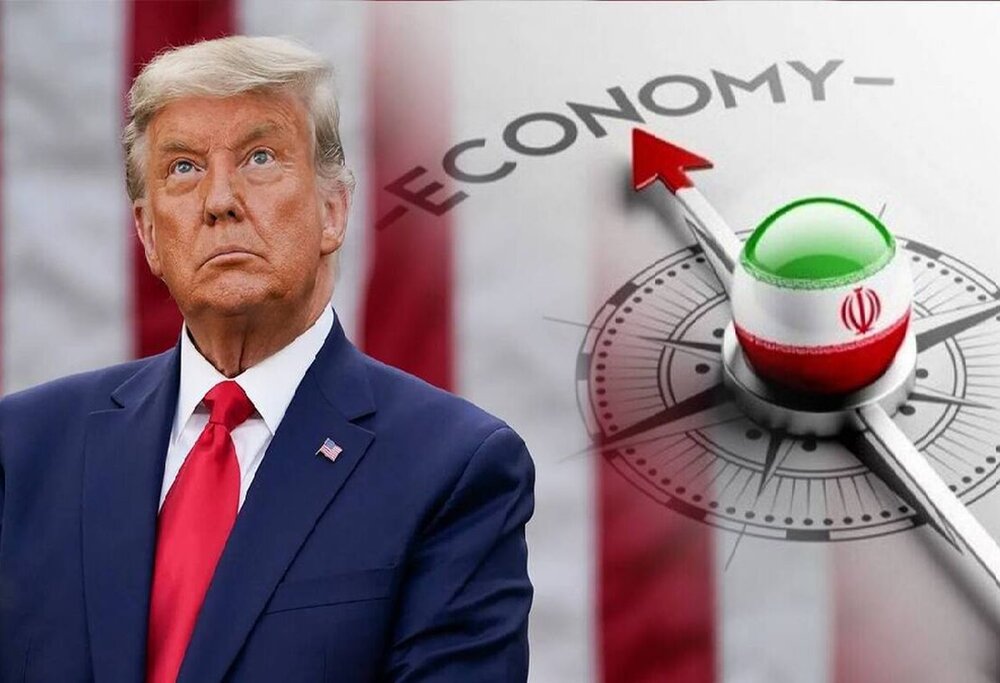
Impact of the U.S.-China Tariff War on Iran’s Economy

2025/06/08 | Economy, interview, Top News

Strategic Council Online – Interview: An economist and university faculty member stated that the temporary agreement between the U.S. and China to reduce trade tariffs, recently announced in Geneva, is a turning point in easing trade tensions between the two largest economies in the world. This development, which led to positive reactions in global markets and a rise in economic indicators, has indirect consequences for Iran’s economy.

The Impact of the Tariff War on the Oil Market and Iran’s Economy
Albert Boghossian, in an interview with the website of the Strategic Council on Foreign Relations, said: Before the recent agreement, the U.S.-China trade war had a negative impact on oil-exporting countries like Iran by reducing China’s demand for production inputs, including oil. This decline in demand, resulting from China’s export restrictions to the U.S., created an additional challenge for Iran, which is already under U.S. sanctions. Since China is one of the largest importers of Iranian oil, its reduced economic growth during the trade war led to lower oil demand, which could result in decreased oil revenues for Iran.

Boghossian emphasized: However, with the announcement of the temporary agreement, which significantly reduces tariffs, the outlook for global oil demand has improved. Although this agreement does not directly ease U.S. sanctions against Iran, the increase in China’s oil demand provides Iran with an opportunity to boost its oil exports to China.

He noted: China, which has previously played a significant role in Iran’s oil market by purchasing Iranian oil, could now become a key destination for Iran’s oil exports under this agreement. This allows Iran to rely on its strategic relations with Beijing to partially offset pressure from U.S. sanctions and increase its foreign exchange earnings.

Iran’s Opportunities in Global Markets Amid Easing Trade Tensions
Boghossian added: The provisional U.S.-China agreement has provided breathing space for Iran’s economy and opened new opportunities for a more active presence in global markets. The reduction in tariffs and improved trade relations between the two economic powers enable China to seek alternative markets for production inputs and expand its trade while reducing export pressures to the U.S. In this context, Iran can strengthen its position in the global supply chain by enhancing trade relations with China and other BRICS members, such as India and Brazil.

He also pointed to the potential scenario of the 90-day negotiations failing, stressing that if trade tensions between the U.S. and China resurface, Iran could exploit the resulting competitive environment. Under such circumstances, China might turn to markets like Iran to meet its needs, particularly in energy. This opportunity would allow Iran to export oil and non-oil goods such as petrochemical and mineral products to Asian markets.

The economist emphasized that Iran must use active economic diplomacy to take advantage of this polarized global environment in its favor, diversifying its trade partners to reduce dependence on specific markets.

Iran’s Economic Diplomacy in a Polarized World
Boghossian, referring to the economic polarization between the U.S. and China, believes that Iran can strengthen its position in global dynamics through smart diplomacy. The economic growth of major countries like China and India, major raw materials consumers, benefits economies like Iran. Conversely, a recession in these countries could harm Iran’s economy. Therefore, Iran must play a more active role in the global supply chain by strengthening ties with BRICS countries and leveraging organizations like the Shanghai Cooperation Organization.

The academic also stressed the importance of negotiations during this critical period. According to Boghossian, Iran should use the 90-day window of U.S.-China talks to advance economic negotiations with its partners. This approach helps mitigate the effects of sanctions and enables Iran to resist Western political and economic pressures by relying on Eastern alliances. He believes Iran must actively engage in global markets and seize opportunities to diversify its economy. Strengthening cooperation with countries like India, which has growing energy demands, could be a key strategy for Iran.

The economic analyst noted: Although the temporary U.S.-China tariff reduction agreement does not directly affect sanctions on Iran, it has created new opportunities for Iran’s economy by improving global oil demand and fostering a competitive environment in global markets, which must be optimally utilized.

Boghossian argued that Iran could leverage active economic diplomacy and stronger ties with China and other BRICS countries to benefit from these developments. The agreement, by reducing the negative effects of the trade war, allows Iran to strengthen its position in the global economy by expanding oil and non-oil exports. Iran’s smart policies, including focusing on economic negotiations and leveraging Eastern alliances, could help achieve national interests, ease sanctions pressure, and enhance the country’s economic resilience.

0 Comments

LATEST CONTENT

Realities of the Tripartite Makkah Pact

SCFR Online – Interview: The signing of the Makkah agreement between Saudi Arabia, Pakistan, and Turkey has raised questions about the future of the region’s security structure and the position of these countries in West Asian equations. Can this agreement become a genuine collective defense mechanism, or does it have more of a political and deterrent function than creating new military capacity?

Strategic Implications of the Reduction of US Weapons Stockpiles

SCFR Online – Opinion: The continuation of the US war against Iran, in addition to increasing operational costs, has called into question the actual capacity of the American arsenal to simultaneously fulfill security commitments on multiple fronts; an issue that affects deterrence, defense production capacity, and Washington’s resource prioritization.

The Formation of a New Order in Relations Between Powers

SCFR Online – Opinion: The Russia-Ukraine war and the war of the United States and the Israeli regime against Iran have been formed with different objectives and actors, but field and political developments indicate that they are not entirely separate from one another.

An Analysis of the Makkah Defense Pact

SCFR Online – Opinion: On Friday, August 7, the heads of state of three countries – Saudi Arabia, Turkey, and Pakistan – signed a text under the title “Makkah Joint Defense Agreement.”

Dimensions and challenges of the initiative to revive the Hejaz Railway

Strategic Council Online – Note: The initiative to revive the Hejaz Railway, beyond being a transportation project, constitutes an attempt to redefine geopolitics, the economy, and Turkey’s regional position; however, its realization appears to face significant financial, security, and institutional challenges.

Loading

Últimas publicaciones

Realities of the Tripartite Makkah Pact

SCFR Online – Interview: The signing of the Makkah agreement between Saudi Arabia, Pakistan, and Turkey has raised questions about the future of the region’s security structure and the position of these countries in West Asian equations. Can this agreement become a genuine collective defense mechanism, or does it have more of a political and deterrent function than creating new military capacity?

Strategic Implications of the Reduction of US Weapons Stockpiles

SCFR Online – Opinion: The continuation of the US war against Iran, in addition to increasing operational costs, has called into question the actual capacity of the American arsenal to simultaneously fulfill security commitments on multiple fronts; an issue that affects deterrence, defense production capacity, and Washington’s resource prioritization.

The Formation of a New Order in Relations Between Powers

SCFR Online – Opinion: The Russia-Ukraine war and the war of the United States and the Israeli regime against Iran have been formed with different objectives and actors, but field and political developments indicate that they are not entirely separate from one another.

An Analysis of the Makkah Defense Pact

SCFR Online – Opinion: On Friday, August 7, the heads of state of three countries – Saudi Arabia, Turkey, and Pakistan – signed a text under the title “Makkah Joint Defense Agreement.”

Dimensions and challenges of the initiative to revive the Hejaz Railway

Strategic Council Online – Note: The initiative to revive the Hejaz Railway, beyond being a transportation project, constitutes an attempt to redefine geopolitics, the economy, and Turkey’s regional position; however, its realization appears to face significant financial, security, and institutional challenges.

Loading

DERNIER CONTENU

Realities of the Tripartite Makkah Pact

SCFR Online – Interview: The signing of the Makkah agreement between Saudi Arabia, Pakistan, and Turkey has raised questions about the future of the region’s security structure and the position of these countries in West Asian equations. Can this agreement become a genuine collective defense mechanism, or does it have more of a political and deterrent function than creating new military capacity?

Strategic Implications of the Reduction of US Weapons Stockpiles

SCFR Online – Opinion: The continuation of the US war against Iran, in addition to increasing operational costs, has called into question the actual capacity of the American arsenal to simultaneously fulfill security commitments on multiple fronts; an issue that affects deterrence, defense production capacity, and Washington’s resource prioritization.

The Formation of a New Order in Relations Between Powers

SCFR Online – Opinion: The Russia-Ukraine war and the war of the United States and the Israeli regime against Iran have been formed with different objectives and actors, but field and political developments indicate that they are not entirely separate from one another.

An Analysis of the Makkah Defense Pact

SCFR Online – Opinion: On Friday, August 7, the heads of state of three countries – Saudi Arabia, Turkey, and Pakistan – signed a text under the title “Makkah Joint Defense Agreement.”

Dimensions and challenges of the initiative to revive the Hejaz Railway

Strategic Council Online – Note: The initiative to revive the Hejaz Railway, beyond being a transportation project, constitutes an attempt to redefine geopolitics, the economy, and Turkey’s regional position; however, its realization appears to face significant financial, security, and institutional challenges.

Loading

DERNIER CONTENU

Realities of the Tripartite Makkah Pact

SCFR Online – Interview: The signing of the Makkah agreement between Saudi Arabia, Pakistan, and Turkey has raised questions about the future of the region’s security structure and the position of these countries in West Asian equations. Can this agreement become a genuine collective defense mechanism, or does it have more of a political and deterrent function than creating new military capacity?

Strategic Implications of the Reduction of US Weapons Stockpiles

SCFR Online – Opinion: The continuation of the US war against Iran, in addition to increasing operational costs, has called into question the actual capacity of the American arsenal to simultaneously fulfill security commitments on multiple fronts; an issue that affects deterrence, defense production capacity, and Washington’s resource prioritization.

The Formation of a New Order in Relations Between Powers

SCFR Online – Opinion: The Russia-Ukraine war and the war of the United States and the Israeli regime against Iran have been formed with different objectives and actors, but field and political developments indicate that they are not entirely separate from one another.

An Analysis of the Makkah Defense Pact

SCFR Online – Opinion: On Friday, August 7, the heads of state of three countries – Saudi Arabia, Turkey, and Pakistan – signed a text under the title “Makkah Joint Defense Agreement.”

Dimensions and challenges of the initiative to revive the Hejaz Railway

Strategic Council Online – Note: The initiative to revive the Hejaz Railway, beyond being a transportation project, constitutes an attempt to redefine geopolitics, the economy, and Turkey’s regional position; however, its realization appears to face significant financial, security, and institutional challenges.

Loading

DERNIER CONTENU

Realities of the Tripartite Makkah Pact

SCFR Online – Interview: The signing of the Makkah agreement between Saudi Arabia, Pakistan, and Turkey has raised questions about the future of the region’s security structure and the position of these countries in West Asian equations. Can this agreement become a genuine collective defense mechanism, or does it have more of a political and deterrent function than creating new military capacity?

Strategic Implications of the Reduction of US Weapons Stockpiles

SCFR Online – Opinion: The continuation of the US war against Iran, in addition to increasing operational costs, has called into question the actual capacity of the American arsenal to simultaneously fulfill security commitments on multiple fronts; an issue that affects deterrence, defense production capacity, and Washington’s resource prioritization.

The Formation of a New Order in Relations Between Powers

SCFR Online – Opinion: The Russia-Ukraine war and the war of the United States and the Israeli regime against Iran have been formed with different objectives and actors, but field and political developments indicate that they are not entirely separate from one another.

An Analysis of the Makkah Defense Pact

SCFR Online – Opinion: On Friday, August 7, the heads of state of three countries – Saudi Arabia, Turkey, and Pakistan – signed a text under the title “Makkah Joint Defense Agreement.”

Dimensions and challenges of the initiative to revive the Hejaz Railway

Strategic Council Online – Note: The initiative to revive the Hejaz Railway, beyond being a transportation project, constitutes an attempt to redefine geopolitics, the economy, and Turkey’s regional position; however, its realization appears to face significant financial, security, and institutional challenges.

Loading





