جدیدترین مطالب

The Makkah Pact; Reasons for its Formation and Challenges Ahead

SCFR Online – Opinion: The Makkah Pact, signed between Saudi Arabia, Pakistan, and Turkey under the motto “an attack on one is an attack on all,” is viewed by some analysts less as a full-fledged military coalition and more as an attempt to reduce security dependence on an external power and to establish a regional security mechanism.

Implications of the US-Saudi Nuclear Agreement

SCFR Online – Opinion: The new US-Saudi nuclear agreement, despite legal and political ambiguities, could alter previous non-proliferation standards in West Asia and intensify nuclear competition, ushering it into a new phase.

An Analysis of Recent Turkey-Israeli Regime Tensions

SCFR Online – Opinion: Recent developments in Syria indicate an intensification of strategic rivalry between Turkey and the Israeli regime, but mutual considerations and the role of the United States have limited the likelihood of direct war.

Increasing criticism of the extensive Zionist lobby network

SCFR Online – Opinion: An examination of the mechanisms of the Israeli regime’s influence in the United States depicts a complex picture of shared interests, strategic dependencies, and the limitations of this relationship.

Realities of the Tripartite Makkah Pact

SCFR Online – Interview: The signing of the Makkah agreement between Saudi Arabia, Pakistan, and Turkey has raised questions about the future of the region’s security structure and the position of these countries in West Asian equations. Can this agreement become a genuine collective defense mechanism, or does it have more of a political and deterrent function than creating new military capacity?

Strategic Implications of the Reduction of US Weapons Stockpiles

SCFR Online – Opinion: The continuation of the US war against Iran, in addition to increasing operational costs, has called into question the actual capacity of the American arsenal to simultaneously fulfill security commitments on multiple fronts; an issue that affects deterrence, defense production capacity, and Washington’s resource prioritization.

The Formation of a New Order in Relations Between Powers

SCFR Online – Opinion: The Russia-Ukraine war and the war of the United States and the Israeli regime against Iran have been formed with different objectives and actors, but field and political developments indicate that they are not entirely separate from one another.

Loading

Dollar

The Prospect of a Possible Trade Agreement between the United States and China

The Prospect of a Possible Trade Agreement between the United States and China

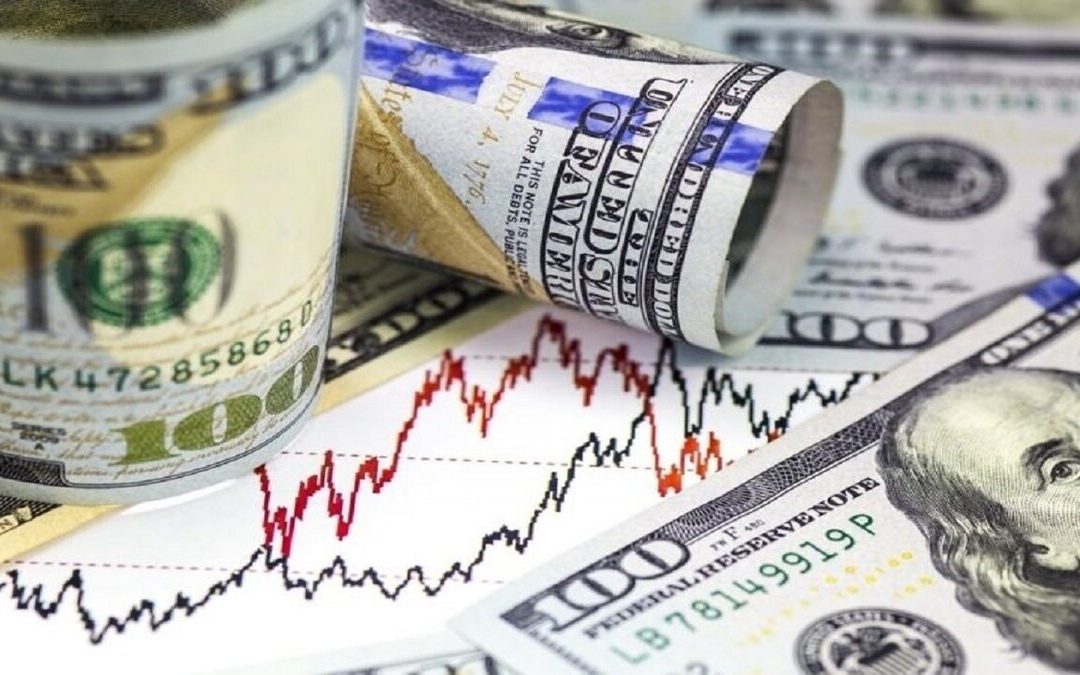
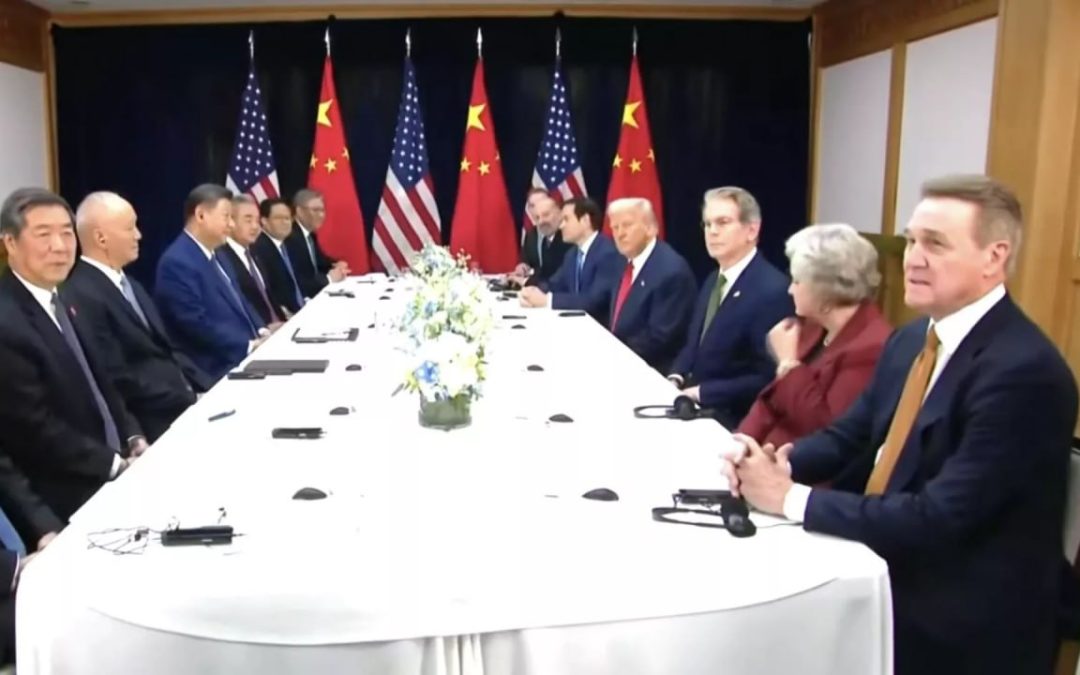
Strategic Council Online– Interview: An international relations expert stated that the growing possibility of a trade agreement between the United States and China following the recent meeting between Donald Trump and Xi Jinping in South Korea is not a strategic economic reconciliation, but rather a tactical move by Beijing in the process of restructuring power within the emerging world order.

U.S. Economic Recession and Its Domestic and Global Consequences

U.S. Economic Recession and Its Domestic and Global Consequences

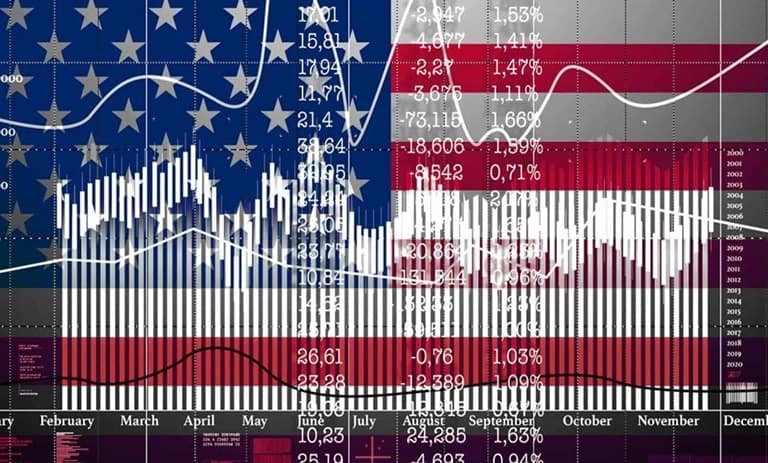
Strategic Council Online – Interview: An analyst of U.S. affairs stated that while Donald Trump promised to revive the U.S. economy and restore the country’s industrial glory upon his return to the White House, the latest economic data indicate otherwise. The unemployment rate, which was 3.8% at the beginning of the new administration, has now risen to 4.3%, and factories and construction companies have laid off thousands of workers. Even revised statistics show that in June of this year alone, 13,000 jobs were lost. These developments highlight the gap between Trump’s campaign promises and the economic reality in the U.S.. This divide has overshadowed not only domestic politics but also the country’s economic and geopolitical future.
At the same time, Trump is attempting to shift pressures outward by leveraging geopolitical tools; an example is his threat to the European Union following the fines imposed on Google, an action many observers see as an effort to shift the agenda from domestic recession to external challenges. The question is whether these policies can pull the U.S. economy out of recession or if their consequences will ultimately spill over into the global economy.

BRICS Initiatives to Reduce Countries’ Dependence on the Dollar and Their Challenges

BRICS Initiatives to Reduce Countries’ Dependence on the Dollar and Their Challenges

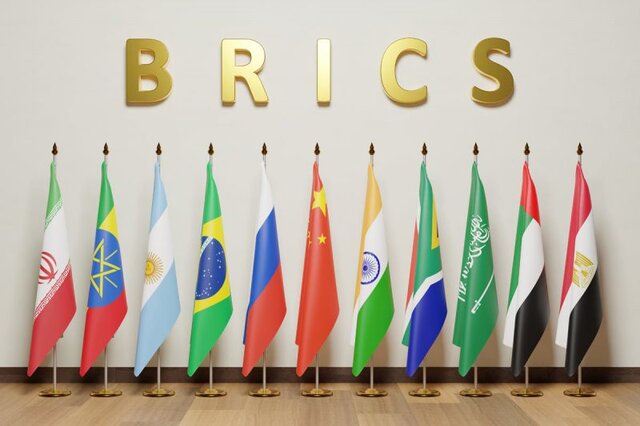
Strategic Council Online – Opinion: The expansion of the BRICS group, particularly with the addition of influential powers such as Iran, Saudi Arabia, the UAE, and Egypt, has sparked a wave of concern in American policymaking circles, especially among conservative factions symbolized by Donald Trump. This fear does not stem merely from the increase in membership. Still, it is rooted in the coalition’s potential to challenge the Western-led economic and political order—particularly the dollar’s exclusive status as the global reserve and exchange currency.

The prospect of Turning BRICS Money into a  Globally Accepted Currency

The prospect of Turning BRICS Money into a Globally Accepted Currency

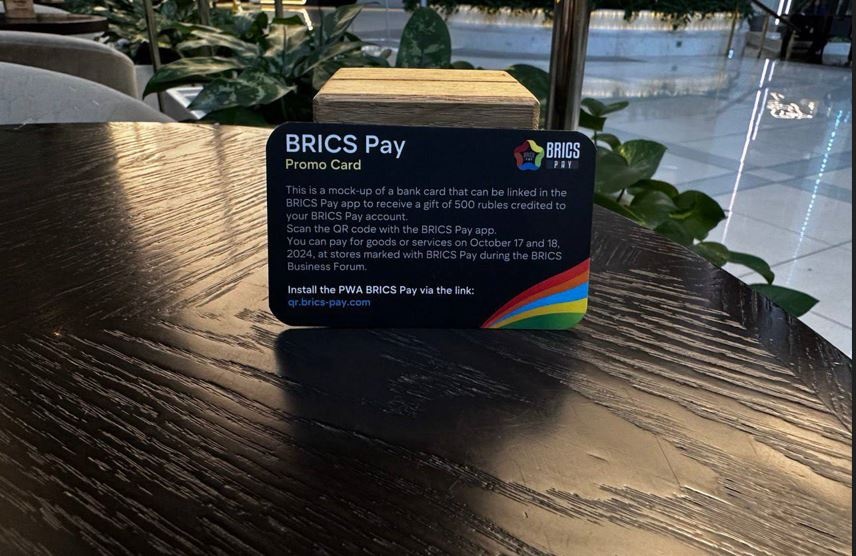
Strategic Council Online – Opinion: The recent BRICS meeting ended with a symbolic image of the BRICS currency in the hands of Russian President Vladimir Putin. Perhaps, before this meeting, some experts did not believe in continuing BRICS as a block (or newly emerging network). Although India’s veto of Turkey’s membership showed that BRICS has a relatively long way to go to gain power from the expansion channel of the alliance, views on BRICS show it to be largely successful. BRICS money and its display in Putin’s hands are signs of seriousness in BRICS and its increasing importance in the future.

BRICS Role in Realization of New World Order

BRICS Role in Realization of New World Order

Strategic Council Online – Opinion: BRICS, within the framework of “positive” and not “negative” policies, without violating or opposing the principles and order-building components based on the United Nations Charter, is looking for new arrangements that govern political and economic paradigms, security, etc., has challenged America and the liberal system in today’s world.

BRICS: Capacities & Opportunities

BRICS: Capacities & Opportunities

Strategic Council Online—Opinion: Recently, Russian Foreign Minister Sergei Lavrov said that BRICS is currently reviewing about 30 requests from different countries proposing various forms of cooperation. The increase in the number of countries applying for membership in the BRICS group indicates the growing importance of this group in the political and economic relations of the international system.

China’s Role in Undermining Effectiveness of Western Sanctions against Russia

China’s Role in Undermining Effectiveness of Western Sanctions against Russia

Strategic Council Online – Interview: An expert on Russian affairs stated that despite some challenges and uncertainties, the relationship between Moscow and Beijing has somehow insured the Russian economy; at the same time, she said that the West has a long-term plan to weaken Russia through sanctions.

أحدث الوظائف

The Makkah Pact; Reasons for its Formation and Challenges Ahead

SCFR Online – Opinion: The Makkah Pact, signed between Saudi Arabia, Pakistan, and Turkey under the motto “an attack on one is an attack on all,” is viewed by some analysts less as a full-fledged military coalition and more as an attempt to reduce security dependence on an external power and to establish a regional security mechanism.

Implications of the US-Saudi Nuclear Agreement

SCFR Online – Opinion: The new US-Saudi nuclear agreement, despite legal and political ambiguities, could alter previous non-proliferation standards in West Asia and intensify nuclear competition, ushering it into a new phase.

An Analysis of Recent Turkey-Israeli Regime Tensions

SCFR Online – Opinion: Recent developments in Syria indicate an intensification of strategic rivalry between Turkey and the Israeli regime, but mutual considerations and the role of the United States have limited the likelihood of direct war.

Increasing criticism of the extensive Zionist lobby network

SCFR Online – Opinion: An examination of the mechanisms of the Israeli regime’s influence in the United States depicts a complex picture of shared interests, strategic dependencies, and the limitations of this relationship.

Realities of the Tripartite Makkah Pact

SCFR Online – Interview: The signing of the Makkah agreement between Saudi Arabia, Pakistan, and Turkey has raised questions about the future of the region’s security structure and the position of these countries in West Asian equations. Can this agreement become a genuine collective defense mechanism, or does it have more of a political and deterrent function than creating new military capacity?

Strategic Implications of the Reduction of US Weapons Stockpiles

SCFR Online – Opinion: The continuation of the US war against Iran, in addition to increasing operational costs, has called into question the actual capacity of the American arsenal to simultaneously fulfill security commitments on multiple fronts; an issue that affects deterrence, defense production capacity, and Washington’s resource prioritization.

The Formation of a New Order in Relations Between Powers

SCFR Online – Opinion: The Russia-Ukraine war and the war of the United States and the Israeli regime against Iran have been formed with different objectives and actors, but field and political developments indicate that they are not entirely separate from one another.

Loading

Dollar

The Prospect of a Possible Trade Agreement between the United States and China

The Prospect of a Possible Trade Agreement between the United States and China

Strategic Council Online– Interview: An international relations expert stated that the growing possibility of a trade agreement between the United States and China following the recent meeting between Donald Trump and Xi Jinping in South Korea is not a strategic economic reconciliation, but rather a tactical move by Beijing in the process of restructuring power within the emerging world order.

U.S. Economic Recession and Its Domestic and Global Consequences

U.S. Economic Recession and Its Domestic and Global Consequences

Strategic Council Online – Interview: An analyst of U.S. affairs stated that while Donald Trump promised to revive the U.S. economy and restore the country’s industrial glory upon his return to the White House, the latest economic data indicate otherwise. The unemployment rate, which was 3.8% at the beginning of the new administration, has now risen to 4.3%, and factories and construction companies have laid off thousands of workers. Even revised statistics show that in June of this year alone, 13,000 jobs were lost. These developments highlight the gap between Trump’s campaign promises and the economic reality in the U.S.. This divide has overshadowed not only domestic politics but also the country’s economic and geopolitical future.
At the same time, Trump is attempting to shift pressures outward by leveraging geopolitical tools; an example is his threat to the European Union following the fines imposed on Google, an action many observers see as an effort to shift the agenda from domestic recession to external challenges. The question is whether these policies can pull the U.S. economy out of recession or if their consequences will ultimately spill over into the global economy.

BRICS Initiatives to Reduce Countries’ Dependence on the Dollar and Their Challenges

BRICS Initiatives to Reduce Countries’ Dependence on the Dollar and Their Challenges

Strategic Council Online – Opinion: The expansion of the BRICS group, particularly with the addition of influential powers such as Iran, Saudi Arabia, the UAE, and Egypt, has sparked a wave of concern in American policymaking circles, especially among conservative factions symbolized by Donald Trump. This fear does not stem merely from the increase in membership. Still, it is rooted in the coalition’s potential to challenge the Western-led economic and political order—particularly the dollar’s exclusive status as the global reserve and exchange currency.

The prospect of Turning BRICS Money into a  Globally Accepted Currency

The prospect of Turning BRICS Money into a Globally Accepted Currency

Strategic Council Online – Opinion: The recent BRICS meeting ended with a symbolic image of the BRICS currency in the hands of Russian President Vladimir Putin. Perhaps, before this meeting, some experts did not believe in continuing BRICS as a block (or newly emerging network). Although India’s veto of Turkey’s membership showed that BRICS has a relatively long way to go to gain power from the expansion channel of the alliance, views on BRICS show it to be largely successful. BRICS money and its display in Putin’s hands are signs of seriousness in BRICS and its increasing importance in the future.

BRICS Role in Realization of New World Order

BRICS Role in Realization of New World Order

Strategic Council Online – Opinion: BRICS, within the framework of “positive” and not “negative” policies, without violating or opposing the principles and order-building components based on the United Nations Charter, is looking for new arrangements that govern political and economic paradigms, security, etc., has challenged America and the liberal system in today’s world.

BRICS: Capacities & Opportunities

BRICS: Capacities & Opportunities

Strategic Council Online—Opinion: Recently, Russian Foreign Minister Sergei Lavrov said that BRICS is currently reviewing about 30 requests from different countries proposing various forms of cooperation. The increase in the number of countries applying for membership in the BRICS group indicates the growing importance of this group in the political and economic relations of the international system.

China’s Role in Undermining Effectiveness of Western Sanctions against Russia

China’s Role in Undermining Effectiveness of Western Sanctions against Russia

Strategic Council Online – Interview: An expert on Russian affairs stated that despite some challenges and uncertainties, the relationship between Moscow and Beijing has somehow insured the Russian economy; at the same time, she said that the West has a long-term plan to weaken Russia through sanctions.

Dollar

The Prospect of a Possible Trade Agreement between the United States and China

The Prospect of a Possible Trade Agreement between the United States and China

Strategic Council Online– Interview: An international relations expert stated that the growing possibility of a trade agreement between the United States and China following the recent meeting between Donald Trump and Xi Jinping in South Korea is not a strategic economic reconciliation, but rather a tactical move by Beijing in the process of restructuring power within the emerging world order.

U.S. Economic Recession and Its Domestic and Global Consequences

U.S. Economic Recession and Its Domestic and Global Consequences

Strategic Council Online – Interview: An analyst of U.S. affairs stated that while Donald Trump promised to revive the U.S. economy and restore the country’s industrial glory upon his return to the White House, the latest economic data indicate otherwise. The unemployment rate, which was 3.8% at the beginning of the new administration, has now risen to 4.3%, and factories and construction companies have laid off thousands of workers. Even revised statistics show that in June of this year alone, 13,000 jobs were lost. These developments highlight the gap between Trump’s campaign promises and the economic reality in the U.S.. This divide has overshadowed not only domestic politics but also the country’s economic and geopolitical future.
At the same time, Trump is attempting to shift pressures outward by leveraging geopolitical tools; an example is his threat to the European Union following the fines imposed on Google, an action many observers see as an effort to shift the agenda from domestic recession to external challenges. The question is whether these policies can pull the U.S. economy out of recession or if their consequences will ultimately spill over into the global economy.

BRICS Initiatives to Reduce Countries’ Dependence on the Dollar and Their Challenges

BRICS Initiatives to Reduce Countries’ Dependence on the Dollar and Their Challenges

Strategic Council Online – Opinion: The expansion of the BRICS group, particularly with the addition of influential powers such as Iran, Saudi Arabia, the UAE, and Egypt, has sparked a wave of concern in American policymaking circles, especially among conservative factions symbolized by Donald Trump. This fear does not stem merely from the increase in membership. Still, it is rooted in the coalition’s potential to challenge the Western-led economic and political order—particularly the dollar’s exclusive status as the global reserve and exchange currency.

The prospect of Turning BRICS Money into a  Globally Accepted Currency

The prospect of Turning BRICS Money into a Globally Accepted Currency

Strategic Council Online – Opinion: The recent BRICS meeting ended with a symbolic image of the BRICS currency in the hands of Russian President Vladimir Putin. Perhaps, before this meeting, some experts did not believe in continuing BRICS as a block (or newly emerging network). Although India’s veto of Turkey’s membership showed that BRICS has a relatively long way to go to gain power from the expansion channel of the alliance, views on BRICS show it to be largely successful. BRICS money and its display in Putin’s hands are signs of seriousness in BRICS and its increasing importance in the future.

BRICS Role in Realization of New World Order

BRICS Role in Realization of New World Order

Strategic Council Online – Opinion: BRICS, within the framework of “positive” and not “negative” policies, without violating or opposing the principles and order-building components based on the United Nations Charter, is looking for new arrangements that govern political and economic paradigms, security, etc., has challenged America and the liberal system in today’s world.

BRICS: Capacities & Opportunities

BRICS: Capacities & Opportunities

Strategic Council Online—Opinion: Recently, Russian Foreign Minister Sergei Lavrov said that BRICS is currently reviewing about 30 requests from different countries proposing various forms of cooperation. The increase in the number of countries applying for membership in the BRICS group indicates the growing importance of this group in the political and economic relations of the international system.

China’s Role in Undermining Effectiveness of Western Sanctions against Russia

China’s Role in Undermining Effectiveness of Western Sanctions against Russia

Strategic Council Online – Interview: An expert on Russian affairs stated that despite some challenges and uncertainties, the relationship between Moscow and Beijing has somehow insured the Russian economy; at the same time, she said that the West has a long-term plan to weaken Russia through sanctions.

LATEST CONTENT

The Makkah Pact; Reasons for its Formation and Challenges Ahead

SCFR Online – Opinion: The Makkah Pact, signed between Saudi Arabia, Pakistan, and Turkey under the motto “an attack on one is an attack on all,” is viewed by some analysts less as a full-fledged military coalition and more as an attempt to reduce security dependence on an external power and to establish a regional security mechanism.

Implications of the US-Saudi Nuclear Agreement

SCFR Online – Opinion: The new US-Saudi nuclear agreement, despite legal and political ambiguities, could alter previous non-proliferation standards in West Asia and intensify nuclear competition, ushering it into a new phase.

An Analysis of Recent Turkey-Israeli Regime Tensions

SCFR Online – Opinion: Recent developments in Syria indicate an intensification of strategic rivalry between Turkey and the Israeli regime, but mutual considerations and the role of the United States have limited the likelihood of direct war.

Increasing criticism of the extensive Zionist lobby network

SCFR Online – Opinion: An examination of the mechanisms of the Israeli regime’s influence in the United States depicts a complex picture of shared interests, strategic dependencies, and the limitations of this relationship.

Realities of the Tripartite Makkah Pact

SCFR Online – Interview: The signing of the Makkah agreement between Saudi Arabia, Pakistan, and Turkey has raised questions about the future of the region’s security structure and the position of these countries in West Asian equations. Can this agreement become a genuine collective defense mechanism, or does it have more of a political and deterrent function than creating new military capacity?

Strategic Implications of the Reduction of US Weapons Stockpiles

SCFR Online – Opinion: The continuation of the US war against Iran, in addition to increasing operational costs, has called into question the actual capacity of the American arsenal to simultaneously fulfill security commitments on multiple fronts; an issue that affects deterrence, defense production capacity, and Washington’s resource prioritization.

The Formation of a New Order in Relations Between Powers

SCFR Online – Opinion: The Russia-Ukraine war and the war of the United States and the Israeli regime against Iran have been formed with different objectives and actors, but field and political developments indicate that they are not entirely separate from one another.

Loading

Dollar

The Prospect of a Possible Trade Agreement between the United States and China

The Prospect of a Possible Trade Agreement between the United States and China

Strategic Council Online– Interview: An international relations expert stated that the growing possibility of a trade agreement between the United States and China following the recent meeting between Donald Trump and Xi Jinping in South Korea is not a strategic economic reconciliation, but rather a tactical move by Beijing in the process of restructuring power within the emerging world order.

U.S. Economic Recession and Its Domestic and Global Consequences

U.S. Economic Recession and Its Domestic and Global Consequences

Strategic Council Online – Interview: An analyst of U.S. affairs stated that while Donald Trump promised to revive the U.S. economy and restore the country’s industrial glory upon his return to the White House, the latest economic data indicate otherwise. The unemployment rate, which was 3.8% at the beginning of the new administration, has now risen to 4.3%, and factories and construction companies have laid off thousands of workers. Even revised statistics show that in June of this year alone, 13,000 jobs were lost. These developments highlight the gap between Trump’s campaign promises and the economic reality in the U.S.. This divide has overshadowed not only domestic politics but also the country’s economic and geopolitical future.
At the same time, Trump is attempting to shift pressures outward by leveraging geopolitical tools; an example is his threat to the European Union following the fines imposed on Google, an action many observers see as an effort to shift the agenda from domestic recession to external challenges. The question is whether these policies can pull the U.S. economy out of recession or if their consequences will ultimately spill over into the global economy.

BRICS Initiatives to Reduce Countries’ Dependence on the Dollar and Their Challenges

BRICS Initiatives to Reduce Countries’ Dependence on the Dollar and Their Challenges

Strategic Council Online – Opinion: The expansion of the BRICS group, particularly with the addition of influential powers such as Iran, Saudi Arabia, the UAE, and Egypt, has sparked a wave of concern in American policymaking circles, especially among conservative factions symbolized by Donald Trump. This fear does not stem merely from the increase in membership. Still, it is rooted in the coalition’s potential to challenge the Western-led economic and political order—particularly the dollar’s exclusive status as the global reserve and exchange currency.

The prospect of Turning BRICS Money into a  Globally Accepted Currency

The prospect of Turning BRICS Money into a Globally Accepted Currency

Strategic Council Online – Opinion: The recent BRICS meeting ended with a symbolic image of the BRICS currency in the hands of Russian President Vladimir Putin. Perhaps, before this meeting, some experts did not believe in continuing BRICS as a block (or newly emerging network). Although India’s veto of Turkey’s membership showed that BRICS has a relatively long way to go to gain power from the expansion channel of the alliance, views on BRICS show it to be largely successful. BRICS money and its display in Putin’s hands are signs of seriousness in BRICS and its increasing importance in the future.

BRICS Role in Realization of New World Order

BRICS Role in Realization of New World Order

Strategic Council Online – Opinion: BRICS, within the framework of “positive” and not “negative” policies, without violating or opposing the principles and order-building components based on the United Nations Charter, is looking for new arrangements that govern political and economic paradigms, security, etc., has challenged America and the liberal system in today’s world.

BRICS: Capacities & Opportunities

BRICS: Capacities & Opportunities

Strategic Council Online—Opinion: Recently, Russian Foreign Minister Sergei Lavrov said that BRICS is currently reviewing about 30 requests from different countries proposing various forms of cooperation. The increase in the number of countries applying for membership in the BRICS group indicates the growing importance of this group in the political and economic relations of the international system.

China’s Role in Undermining Effectiveness of Western Sanctions against Russia

China’s Role in Undermining Effectiveness of Western Sanctions against Russia

Strategic Council Online – Interview: An expert on Russian affairs stated that despite some challenges and uncertainties, the relationship between Moscow and Beijing has somehow insured the Russian economy; at the same time, she said that the West has a long-term plan to weaken Russia through sanctions.

ÚLTIMAS PUBLICACIONES

The Makkah Pact; Reasons for its Formation and Challenges Ahead

SCFR Online – Opinion: The Makkah Pact, signed between Saudi Arabia, Pakistan, and Turkey under the motto “an attack on one is an attack on all,” is viewed by some analysts less as a full-fledged military coalition and more as an attempt to reduce security dependence on an external power and to establish a regional security mechanism.

Implications of the US-Saudi Nuclear Agreement

SCFR Online – Opinion: The new US-Saudi nuclear agreement, despite legal and political ambiguities, could alter previous non-proliferation standards in West Asia and intensify nuclear competition, ushering it into a new phase.

An Analysis of Recent Turkey-Israeli Regime Tensions

SCFR Online – Opinion: Recent developments in Syria indicate an intensification of strategic rivalry between Turkey and the Israeli regime, but mutual considerations and the role of the United States have limited the likelihood of direct war.

Increasing criticism of the extensive Zionist lobby network

SCFR Online – Opinion: An examination of the mechanisms of the Israeli regime’s influence in the United States depicts a complex picture of shared interests, strategic dependencies, and the limitations of this relationship.

Realities of the Tripartite Makkah Pact

SCFR Online – Interview: The signing of the Makkah agreement between Saudi Arabia, Pakistan, and Turkey has raised questions about the future of the region’s security structure and the position of these countries in West Asian equations. Can this agreement become a genuine collective defense mechanism, or does it have more of a political and deterrent function than creating new military capacity?

Strategic Implications of the Reduction of US Weapons Stockpiles

SCFR Online – Opinion: The continuation of the US war against Iran, in addition to increasing operational costs, has called into question the actual capacity of the American arsenal to simultaneously fulfill security commitments on multiple fronts; an issue that affects deterrence, defense production capacity, and Washington’s resource prioritization.

The Formation of a New Order in Relations Between Powers

SCFR Online – Opinion: The Russia-Ukraine war and the war of the United States and the Israeli regime against Iran have been formed with different objectives and actors, but field and political developments indicate that they are not entirely separate from one another.

Loading

Dollar

The Prospect of a Possible Trade Agreement between the United States and China

The Prospect of a Possible Trade Agreement between the United States and China

Strategic Council Online– Interview: An international relations expert stated that the growing possibility of a trade agreement between the United States and China following the recent meeting between Donald Trump and Xi Jinping in South Korea is not a strategic economic reconciliation, but rather a tactical move by Beijing in the process of restructuring power within the emerging world order.

U.S. Economic Recession and Its Domestic and Global Consequences

U.S. Economic Recession and Its Domestic and Global Consequences

Strategic Council Online – Interview: An analyst of U.S. affairs stated that while Donald Trump promised to revive the U.S. economy and restore the country’s industrial glory upon his return to the White House, the latest economic data indicate otherwise. The unemployment rate, which was 3.8% at the beginning of the new administration, has now risen to 4.3%, and factories and construction companies have laid off thousands of workers. Even revised statistics show that in June of this year alone, 13,000 jobs were lost. These developments highlight the gap between Trump’s campaign promises and the economic reality in the U.S.. This divide has overshadowed not only domestic politics but also the country’s economic and geopolitical future.
At the same time, Trump is attempting to shift pressures outward by leveraging geopolitical tools; an example is his threat to the European Union following the fines imposed on Google, an action many observers see as an effort to shift the agenda from domestic recession to external challenges. The question is whether these policies can pull the U.S. economy out of recession or if their consequences will ultimately spill over into the global economy.

BRICS Initiatives to Reduce Countries’ Dependence on the Dollar and Their Challenges

BRICS Initiatives to Reduce Countries’ Dependence on the Dollar and Their Challenges

Strategic Council Online – Opinion: The expansion of the BRICS group, particularly with the addition of influential powers such as Iran, Saudi Arabia, the UAE, and Egypt, has sparked a wave of concern in American policymaking circles, especially among conservative factions symbolized by Donald Trump. This fear does not stem merely from the increase in membership. Still, it is rooted in the coalition’s potential to challenge the Western-led economic and political order—particularly the dollar’s exclusive status as the global reserve and exchange currency.

The prospect of Turning BRICS Money into a  Globally Accepted Currency

The prospect of Turning BRICS Money into a Globally Accepted Currency

Strategic Council Online – Opinion: The recent BRICS meeting ended with a symbolic image of the BRICS currency in the hands of Russian President Vladimir Putin. Perhaps, before this meeting, some experts did not believe in continuing BRICS as a block (or newly emerging network). Although India’s veto of Turkey’s membership showed that BRICS has a relatively long way to go to gain power from the expansion channel of the alliance, views on BRICS show it to be largely successful. BRICS money and its display in Putin’s hands are signs of seriousness in BRICS and its increasing importance in the future.

BRICS Role in Realization of New World Order

BRICS Role in Realization of New World Order

Strategic Council Online – Opinion: BRICS, within the framework of “positive” and not “negative” policies, without violating or opposing the principles and order-building components based on the United Nations Charter, is looking for new arrangements that govern political and economic paradigms, security, etc., has challenged America and the liberal system in today’s world.

BRICS: Capacities & Opportunities

BRICS: Capacities & Opportunities

Strategic Council Online—Opinion: Recently, Russian Foreign Minister Sergei Lavrov said that BRICS is currently reviewing about 30 requests from different countries proposing various forms of cooperation. The increase in the number of countries applying for membership in the BRICS group indicates the growing importance of this group in the political and economic relations of the international system.

China’s Role in Undermining Effectiveness of Western Sanctions against Russia

China’s Role in Undermining Effectiveness of Western Sanctions against Russia

Strategic Council Online – Interview: An expert on Russian affairs stated that despite some challenges and uncertainties, the relationship between Moscow and Beijing has somehow insured the Russian economy; at the same time, she said that the West has a long-term plan to weaken Russia through sanctions.

ÚLTIMAS PUBLICACIONES

The Makkah Pact; Reasons for its Formation and Challenges Ahead

SCFR Online – Opinion: The Makkah Pact, signed between Saudi Arabia, Pakistan, and Turkey under the motto “an attack on one is an attack on all,” is viewed by some analysts less as a full-fledged military coalition and more as an attempt to reduce security dependence on an external power and to establish a regional security mechanism.

Implications of the US-Saudi Nuclear Agreement

SCFR Online – Opinion: The new US-Saudi nuclear agreement, despite legal and political ambiguities, could alter previous non-proliferation standards in West Asia and intensify nuclear competition, ushering it into a new phase.

An Analysis of Recent Turkey-Israeli Regime Tensions

SCFR Online – Opinion: Recent developments in Syria indicate an intensification of strategic rivalry between Turkey and the Israeli regime, but mutual considerations and the role of the United States have limited the likelihood of direct war.

Increasing criticism of the extensive Zionist lobby network

SCFR Online – Opinion: An examination of the mechanisms of the Israeli regime’s influence in the United States depicts a complex picture of shared interests, strategic dependencies, and the limitations of this relationship.

Realities of the Tripartite Makkah Pact

SCFR Online – Interview: The signing of the Makkah agreement between Saudi Arabia, Pakistan, and Turkey has raised questions about the future of the region’s security structure and the position of these countries in West Asian equations. Can this agreement become a genuine collective defense mechanism, or does it have more of a political and deterrent function than creating new military capacity?

Strategic Implications of the Reduction of US Weapons Stockpiles

SCFR Online – Opinion: The continuation of the US war against Iran, in addition to increasing operational costs, has called into question the actual capacity of the American arsenal to simultaneously fulfill security commitments on multiple fronts; an issue that affects deterrence, defense production capacity, and Washington’s resource prioritization.

The Formation of a New Order in Relations Between Powers

SCFR Online – Opinion: The Russia-Ukraine war and the war of the United States and the Israeli regime against Iran have been formed with different objectives and actors, but field and political developments indicate that they are not entirely separate from one another.

Loading

Dollar

The Prospect of a Possible Trade Agreement between the United States and China

The Prospect of a Possible Trade Agreement between the United States and China

Strategic Council Online– Interview: An international relations expert stated that the growing possibility of a trade agreement between the United States and China following the recent meeting between Donald Trump and Xi Jinping in South Korea is not a strategic economic reconciliation, but rather a tactical move by Beijing in the process of restructuring power within the emerging world order.

U.S. Economic Recession and Its Domestic and Global Consequences

U.S. Economic Recession and Its Domestic and Global Consequences

Strategic Council Online – Interview: An analyst of U.S. affairs stated that while Donald Trump promised to revive the U.S. economy and restore the country’s industrial glory upon his return to the White House, the latest economic data indicate otherwise. The unemployment rate, which was 3.8% at the beginning of the new administration, has now risen to 4.3%, and factories and construction companies have laid off thousands of workers. Even revised statistics show that in June of this year alone, 13,000 jobs were lost. These developments highlight the gap between Trump’s campaign promises and the economic reality in the U.S.. This divide has overshadowed not only domestic politics but also the country’s economic and geopolitical future.
At the same time, Trump is attempting to shift pressures outward by leveraging geopolitical tools; an example is his threat to the European Union following the fines imposed on Google, an action many observers see as an effort to shift the agenda from domestic recession to external challenges. The question is whether these policies can pull the U.S. economy out of recession or if their consequences will ultimately spill over into the global economy.

BRICS Initiatives to Reduce Countries’ Dependence on the Dollar and Their Challenges

BRICS Initiatives to Reduce Countries’ Dependence on the Dollar and Their Challenges

Strategic Council Online – Opinion: The expansion of the BRICS group, particularly with the addition of influential powers such as Iran, Saudi Arabia, the UAE, and Egypt, has sparked a wave of concern in American policymaking circles, especially among conservative factions symbolized by Donald Trump. This fear does not stem merely from the increase in membership. Still, it is rooted in the coalition’s potential to challenge the Western-led economic and political order—particularly the dollar’s exclusive status as the global reserve and exchange currency.

The prospect of Turning BRICS Money into a  Globally Accepted Currency

The prospect of Turning BRICS Money into a Globally Accepted Currency

Strategic Council Online – Opinion: The recent BRICS meeting ended with a symbolic image of the BRICS currency in the hands of Russian President Vladimir Putin. Perhaps, before this meeting, some experts did not believe in continuing BRICS as a block (or newly emerging network). Although India’s veto of Turkey’s membership showed that BRICS has a relatively long way to go to gain power from the expansion channel of the alliance, views on BRICS show it to be largely successful. BRICS money and its display in Putin’s hands are signs of seriousness in BRICS and its increasing importance in the future.

BRICS Role in Realization of New World Order

BRICS Role in Realization of New World Order

Strategic Council Online – Opinion: BRICS, within the framework of “positive” and not “negative” policies, without violating or opposing the principles and order-building components based on the United Nations Charter, is looking for new arrangements that govern political and economic paradigms, security, etc., has challenged America and the liberal system in today’s world.

BRICS: Capacities & Opportunities

BRICS: Capacities & Opportunities

Strategic Council Online—Opinion: Recently, Russian Foreign Minister Sergei Lavrov said that BRICS is currently reviewing about 30 requests from different countries proposing various forms of cooperation. The increase in the number of countries applying for membership in the BRICS group indicates the growing importance of this group in the political and economic relations of the international system.

China’s Role in Undermining Effectiveness of Western Sanctions against Russia

China’s Role in Undermining Effectiveness of Western Sanctions against Russia

Strategic Council Online – Interview: An expert on Russian affairs stated that despite some challenges and uncertainties, the relationship between Moscow and Beijing has somehow insured the Russian economy; at the same time, she said that the West has a long-term plan to weaken Russia through sanctions.

ÚLTIMAS PUBLICACIONES

The Makkah Pact; Reasons for its Formation and Challenges Ahead

SCFR Online – Opinion: The Makkah Pact, signed between Saudi Arabia, Pakistan, and Turkey under the motto “an attack on one is an attack on all,” is viewed by some analysts less as a full-fledged military coalition and more as an attempt to reduce security dependence on an external power and to establish a regional security mechanism.

Implications of the US-Saudi Nuclear Agreement

SCFR Online – Opinion: The new US-Saudi nuclear agreement, despite legal and political ambiguities, could alter previous non-proliferation standards in West Asia and intensify nuclear competition, ushering it into a new phase.

An Analysis of Recent Turkey-Israeli Regime Tensions

SCFR Online – Opinion: Recent developments in Syria indicate an intensification of strategic rivalry between Turkey and the Israeli regime, but mutual considerations and the role of the United States have limited the likelihood of direct war.

Increasing criticism of the extensive Zionist lobby network

SCFR Online – Opinion: An examination of the mechanisms of the Israeli regime’s influence in the United States depicts a complex picture of shared interests, strategic dependencies, and the limitations of this relationship.

Realities of the Tripartite Makkah Pact

SCFR Online – Interview: The signing of the Makkah agreement between Saudi Arabia, Pakistan, and Turkey has raised questions about the future of the region’s security structure and the position of these countries in West Asian equations. Can this agreement become a genuine collective defense mechanism, or does it have more of a political and deterrent function than creating new military capacity?

Strategic Implications of the Reduction of US Weapons Stockpiles

SCFR Online – Opinion: The continuation of the US war against Iran, in addition to increasing operational costs, has called into question the actual capacity of the American arsenal to simultaneously fulfill security commitments on multiple fronts; an issue that affects deterrence, defense production capacity, and Washington’s resource prioritization.

The Formation of a New Order in Relations Between Powers

SCFR Online – Opinion: The Russia-Ukraine war and the war of the United States and the Israeli regime against Iran have been formed with different objectives and actors, but field and political developments indicate that they are not entirely separate from one another.

Loading

Dollar

The Prospect of a Possible Trade Agreement between the United States and China

The Prospect of a Possible Trade Agreement between the United States and China

Strategic Council Online– Interview: An international relations expert stated that the growing possibility of a trade agreement between the United States and China following the recent meeting between Donald Trump and Xi Jinping in South Korea is not a strategic economic reconciliation, but rather a tactical move by Beijing in the process of restructuring power within the emerging world order.

U.S. Economic Recession and Its Domestic and Global Consequences

U.S. Economic Recession and Its Domestic and Global Consequences

Strategic Council Online – Interview: An analyst of U.S. affairs stated that while Donald Trump promised to revive the U.S. economy and restore the country’s industrial glory upon his return to the White House, the latest economic data indicate otherwise. The unemployment rate, which was 3.8% at the beginning of the new administration, has now risen to 4.3%, and factories and construction companies have laid off thousands of workers. Even revised statistics show that in June of this year alone, 13,000 jobs were lost. These developments highlight the gap between Trump’s campaign promises and the economic reality in the U.S.. This divide has overshadowed not only domestic politics but also the country’s economic and geopolitical future.
At the same time, Trump is attempting to shift pressures outward by leveraging geopolitical tools; an example is his threat to the European Union following the fines imposed on Google, an action many observers see as an effort to shift the agenda from domestic recession to external challenges. The question is whether these policies can pull the U.S. economy out of recession or if their consequences will ultimately spill over into the global economy.

BRICS Initiatives to Reduce Countries’ Dependence on the Dollar and Their Challenges

BRICS Initiatives to Reduce Countries’ Dependence on the Dollar and Their Challenges

Strategic Council Online – Opinion: The expansion of the BRICS group, particularly with the addition of influential powers such as Iran, Saudi Arabia, the UAE, and Egypt, has sparked a wave of concern in American policymaking circles, especially among conservative factions symbolized by Donald Trump. This fear does not stem merely from the increase in membership. Still, it is rooted in the coalition’s potential to challenge the Western-led economic and political order—particularly the dollar’s exclusive status as the global reserve and exchange currency.

The prospect of Turning BRICS Money into a  Globally Accepted Currency

The prospect of Turning BRICS Money into a Globally Accepted Currency

Strategic Council Online – Opinion: The recent BRICS meeting ended with a symbolic image of the BRICS currency in the hands of Russian President Vladimir Putin. Perhaps, before this meeting, some experts did not believe in continuing BRICS as a block (or newly emerging network). Although India’s veto of Turkey’s membership showed that BRICS has a relatively long way to go to gain power from the expansion channel of the alliance, views on BRICS show it to be largely successful. BRICS money and its display in Putin’s hands are signs of seriousness in BRICS and its increasing importance in the future.

BRICS Role in Realization of New World Order

BRICS Role in Realization of New World Order

Strategic Council Online – Opinion: BRICS, within the framework of “positive” and not “negative” policies, without violating or opposing the principles and order-building components based on the United Nations Charter, is looking for new arrangements that govern political and economic paradigms, security, etc., has challenged America and the liberal system in today’s world.

BRICS: Capacities & Opportunities

BRICS: Capacities & Opportunities

Strategic Council Online—Opinion: Recently, Russian Foreign Minister Sergei Lavrov said that BRICS is currently reviewing about 30 requests from different countries proposing various forms of cooperation. The increase in the number of countries applying for membership in the BRICS group indicates the growing importance of this group in the political and economic relations of the international system.

China’s Role in Undermining Effectiveness of Western Sanctions against Russia

China’s Role in Undermining Effectiveness of Western Sanctions against Russia

Strategic Council Online – Interview: An expert on Russian affairs stated that despite some challenges and uncertainties, the relationship between Moscow and Beijing has somehow insured the Russian economy; at the same time, she said that the West has a long-term plan to weaken Russia through sanctions.

ÚLTIMAS PUBLICACIONES

The Makkah Pact; Reasons for its Formation and Challenges Ahead

SCFR Online – Opinion: The Makkah Pact, signed between Saudi Arabia, Pakistan, and Turkey under the motto “an attack on one is an attack on all,” is viewed by some analysts less as a full-fledged military coalition and more as an attempt to reduce security dependence on an external power and to establish a regional security mechanism.

Implications of the US-Saudi Nuclear Agreement

SCFR Online – Opinion: The new US-Saudi nuclear agreement, despite legal and political ambiguities, could alter previous non-proliferation standards in West Asia and intensify nuclear competition, ushering it into a new phase.

An Analysis of Recent Turkey-Israeli Regime Tensions

SCFR Online – Opinion: Recent developments in Syria indicate an intensification of strategic rivalry between Turkey and the Israeli regime, but mutual considerations and the role of the United States have limited the likelihood of direct war.

Increasing criticism of the extensive Zionist lobby network

SCFR Online – Opinion: An examination of the mechanisms of the Israeli regime’s influence in the United States depicts a complex picture of shared interests, strategic dependencies, and the limitations of this relationship.

Realities of the Tripartite Makkah Pact

SCFR Online – Interview: The signing of the Makkah agreement between Saudi Arabia, Pakistan, and Turkey has raised questions about the future of the region’s security structure and the position of these countries in West Asian equations. Can this agreement become a genuine collective defense mechanism, or does it have more of a political and deterrent function than creating new military capacity?

Strategic Implications of the Reduction of US Weapons Stockpiles

SCFR Online – Opinion: The continuation of the US war against Iran, in addition to increasing operational costs, has called into question the actual capacity of the American arsenal to simultaneously fulfill security commitments on multiple fronts; an issue that affects deterrence, defense production capacity, and Washington’s resource prioritization.

The Formation of a New Order in Relations Between Powers

SCFR Online – Opinion: The Russia-Ukraine war and the war of the United States and the Israeli regime against Iran have been formed with different objectives and actors, but field and political developments indicate that they are not entirely separate from one another.

Loading