جدیدترین مطالب

Iran’s Success in the Narrative Battle in Cyberspace

SCFR Online – Opinion: In the war between Iran and the United States, the main battlefield was not defined solely in the military domain; rather, the battle of narratives in cyberspace—particularly through memes—reached a decisive level.

The Global Energy Shock Situation and Future Scenarios

SCFR Online – Opinion: Only one month after the beginning of the Ramadan War, maritime traffic in the Strait of Hormuz decreased dramatically, with Bloomberg announcing a reduction of 103 vessels; Brent oil prices rose by more than 50 percent, and gasoline prices in the United States increased by 31.4 percent. Additionally, benchmark gas prices in Europe showed a 73.4 percent increase.

Al-Zaydi’s Selection as Prime Minister, The Beginning of a New Chapter in Iraq

SCFR Online – Note: After approximately five months of political deadlock and institutional confusion, Ali al-Zaydi has finally been selected as Iraq’s Prime Minister. Al-Zaydi’s selection as Prime Minister represents a positive sign of the completion of the government formation process and the beginning of a new phase in Iraqi politics and governance. The emergence of a young, technocratic figure from the third generation of politicians—in a context where the country has been administered by traditional figures for decades—revives hope that Iraq may perhaps distance itself from the repetitive cycle of crises and experience a new path of stability, efficiency, and regional convergence.

Intensifying Intra-Party Divisions in the United States Regarding the Zionist Regime

SCFR Online – Note: Over recent decades, support for the Zionist regime has been one of the few issues commanding bipartisan consensus in US foreign policy. Since the Cold War era, Republicans and Democrats have generally agreed on the necessity of preserving the security and survival of the Zionist regime as Washington’s most strategic ally in West Asia—and indeed, globally. However, developments in recent years—particularly the Gaza war, escalating regional conflicts, the expansion of tensions into Lebanon, and this regime’s recent warmongering against Iran—have caused this traditional consensus, especially within the Democratic Party, to face significant fractures.

Public Opinion Disappointment of the Zionist Regime Regarding Success in War with Iran

SCFR Online – Opinion: The internal situation of the Israeli regime during the 40-day war can be analyzed from several perspectives. The popularity levels of Benjamin Netanyahu, the Likud Party, and the ruling coalition led by Netanyahu until February 28, 2026, remained approximately the same as during the preceding year. The most recent factor that had somewhat increased Netanyahu’s popularity was the advancement of the 2024 war with Hezbollah Lebanon. Subsequently, his popularity temporarily increased during the 12-day war with Iran, but after the war, it returned to its previous state.

Loading

Saudi Arabia

Analysis of Iraq – Germany Energy Agreements

Analysis of Iraq – Germany Energy Agreements

Strategic Council Online – Opinion: While preliminary agreements have been made regarding the export of oil and gas to Germany and Europe, Baghdad will face great challenges in realizing its ambitious goals.
Pouria Nabipour – PhD in political science and international relations

Strategic Implications of Saudi-UAE Tension in Yemen

Strategic Implications of Saudi-UAE Tension in Yemen

Strategic Council Online – Opinion: Since the beginning of Saudi Arabia’s military attack on Yemen, political, military, and security relations between Riyadh and Abu Dhabi have gone through four different stages. Based on “unity and convergence” at the beginning of the war, bilateral ties have become “rivalries” after a while. This competition led to many “disagreements,s,” With its continuation, the two countries have passed the stage of disagreement and have “tension” with each other.
Hamid Khoshayand – Expert on regional affairs

Iran and Saudi relationship contribute to ending the war in Yemen

Iran and Saudi relationship contribute to ending the war in Yemen

Strategic Council Online: The president of the Strategic Council on Foreign Relations said in a meeting with Hans Grundberg, the UN Special Envoy for Yemen that the restoration of diplomatic relations between Iran and Saudi Arabia, which was mediated by China, will contribute to ending the war in Yemen.

Dimensions, goals and consequences of Judaization of Bahraini textbooks

Dimensions, goals and consequences of Judaization of Bahraini textbooks

Strategic Council Online—Opinion: In September 2020, the Kingdom of Bahrain signed a reconciliation plan with the Zionist regime known as the “Abraham Accords”. Bahrain is the fourth Arab regime that has recognized the Zionist regime. During the past two years, Bahrain has been one of the Arab regimes that has continued to expand bilateral relations with Tel Aviv despite widespread domestic opposition.
Hamid Khoshayand- Expert of regional issues

A Glimpse at Developments of Intl. Order; a Year after Ukrainian War

A Glimpse at Developments of Intl. Order; a Year after Ukrainian War

Strategic Council Online – Interview: An analyst of international affairs, saying that there is no sign of an end to the war in Ukraine in the current conditions, emphasized: Now the equations of the past are messed up and the new system is based on multilateralism and neutrality and relies on regionalism in which regional powers will cooperate and compete with each other at the international level.

Analysis of Inconclusive Paris Meeting on Lebanon, Impotence of Trans-Regional Powers

Analysis of Inconclusive Paris Meeting on Lebanon, Impotence of Trans-Regional Powers

Strategic Council Online – Interview: An expert on West Asia affairs emphasized that the interventionist meeting in Paris about Lebanon could not reach a conclusion due to the many contradictions in the point of view of members participating in the meeting, adding: Transregional countries are unable to solve the political crisis in Lebanon, but they refuse to admit it.

Prospects for expansion of UAE-Pakistan cooperation

Prospects for expansion of UAE-Pakistan cooperation

Strategic Council Online – Interview: An expert on Asia affairs, stating that the recent evidence shows the deepening of Pakistan’s relations with Arab countries of the Persian Gulf, focusing on economic assistance in exchange for military aid, said: The Middle East region is witnessing a new security order and needs to strengthen itself more in terms of military, and the view of Arab countries of the Persian Gulf towards the East and Pakistan can be evaluated in this regard.

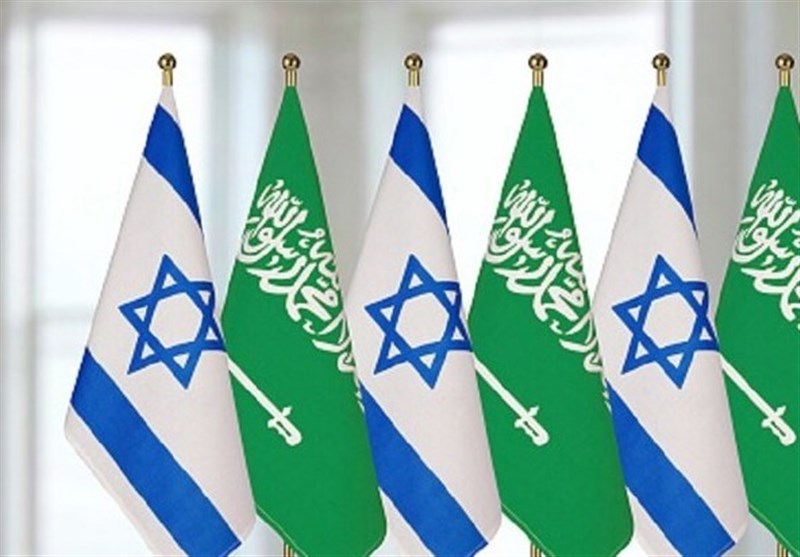
The way of developing relations between Saudi Arabia and the Zionist regime

The way of developing relations between Saudi Arabia and the Zionist regime

Strategic Council Online—Interview: An expert on West Asian issues stated that the frequent publication of news about the normalization of relations between the Zionist regime and Saudi Arabia in the Zionist media does not necessarily mean the occurrence of new developments that can change the geopolitics of the region, and said that repeatedly dealing with the issue of normalizing relations with Saudi Arabia is a media achievement. It is for Netanyahu and the Likud party to divert the attention of public opinion from the internal problems and challenges of the Zionist regime.

The Persian Gulf Needs New Regional Arrangements

The Persian Gulf Needs New Regional Arrangements

Strategic Council Online: The President of the Strategic Council on Foreign Relations in his speech at the 10th world Peace Forum said that: the countries of the Persian Gulf region are mature enough to overcome their differences, complement each other, and turn their historical rivalries into cooperation by setting up a regional security mechanism.

أحدث الوظائف

Iran’s Success in the Narrative Battle in Cyberspace

SCFR Online – Opinion: In the war between Iran and the United States, the main battlefield was not defined solely in the military domain; rather, the battle of narratives in cyberspace—particularly through memes—reached a decisive level.

The Global Energy Shock Situation and Future Scenarios

SCFR Online – Opinion: Only one month after the beginning of the Ramadan War, maritime traffic in the Strait of Hormuz decreased dramatically, with Bloomberg announcing a reduction of 103 vessels; Brent oil prices rose by more than 50 percent, and gasoline prices in the United States increased by 31.4 percent. Additionally, benchmark gas prices in Europe showed a 73.4 percent increase.

Al-Zaydi’s Selection as Prime Minister, The Beginning of a New Chapter in Iraq

SCFR Online – Note: After approximately five months of political deadlock and institutional confusion, Ali al-Zaydi has finally been selected as Iraq’s Prime Minister. Al-Zaydi’s selection as Prime Minister represents a positive sign of the completion of the government formation process and the beginning of a new phase in Iraqi politics and governance. The emergence of a young, technocratic figure from the third generation of politicians—in a context where the country has been administered by traditional figures for decades—revives hope that Iraq may perhaps distance itself from the repetitive cycle of crises and experience a new path of stability, efficiency, and regional convergence.

Intensifying Intra-Party Divisions in the United States Regarding the Zionist Regime

SCFR Online – Note: Over recent decades, support for the Zionist regime has been one of the few issues commanding bipartisan consensus in US foreign policy. Since the Cold War era, Republicans and Democrats have generally agreed on the necessity of preserving the security and survival of the Zionist regime as Washington’s most strategic ally in West Asia—and indeed, globally. However, developments in recent years—particularly the Gaza war, escalating regional conflicts, the expansion of tensions into Lebanon, and this regime’s recent warmongering against Iran—have caused this traditional consensus, especially within the Democratic Party, to face significant fractures.

Public Opinion Disappointment of the Zionist Regime Regarding Success in War with Iran

SCFR Online – Opinion: The internal situation of the Israeli regime during the 40-day war can be analyzed from several perspectives. The popularity levels of Benjamin Netanyahu, the Likud Party, and the ruling coalition led by Netanyahu until February 28, 2026, remained approximately the same as during the preceding year. The most recent factor that had somewhat increased Netanyahu’s popularity was the advancement of the 2024 war with Hezbollah Lebanon. Subsequently, his popularity temporarily increased during the 12-day war with Iran, but after the war, it returned to its previous state.

Loading

Saudi Arabia

Analysis of Iraq – Germany Energy Agreements

Analysis of Iraq – Germany Energy Agreements

Strategic Council Online – Opinion: While preliminary agreements have been made regarding the export of oil and gas to Germany and Europe, Baghdad will face great challenges in realizing its ambitious goals.
Pouria Nabipour – PhD in political science and international relations

Strategic Implications of Saudi-UAE Tension in Yemen

Strategic Implications of Saudi-UAE Tension in Yemen

Strategic Council Online – Opinion: Since the beginning of Saudi Arabia’s military attack on Yemen, political, military, and security relations between Riyadh and Abu Dhabi have gone through four different stages. Based on “unity and convergence” at the beginning of the war, bilateral ties have become “rivalries” after a while. This competition led to many “disagreements,s,” With its continuation, the two countries have passed the stage of disagreement and have “tension” with each other.
Hamid Khoshayand – Expert on regional affairs

Iran and Saudi relationship contribute to ending the war in Yemen

Iran and Saudi relationship contribute to ending the war in Yemen

Strategic Council Online: The president of the Strategic Council on Foreign Relations said in a meeting with Hans Grundberg, the UN Special Envoy for Yemen that the restoration of diplomatic relations between Iran and Saudi Arabia, which was mediated by China, will contribute to ending the war in Yemen.

Dimensions, goals and consequences of Judaization of Bahraini textbooks

Dimensions, goals and consequences of Judaization of Bahraini textbooks

Strategic Council Online—Opinion: In September 2020, the Kingdom of Bahrain signed a reconciliation plan with the Zionist regime known as the “Abraham Accords”. Bahrain is the fourth Arab regime that has recognized the Zionist regime. During the past two years, Bahrain has been one of the Arab regimes that has continued to expand bilateral relations with Tel Aviv despite widespread domestic opposition.
Hamid Khoshayand- Expert of regional issues

A Glimpse at Developments of Intl. Order; a Year after Ukrainian War

A Glimpse at Developments of Intl. Order; a Year after Ukrainian War

Strategic Council Online – Interview: An analyst of international affairs, saying that there is no sign of an end to the war in Ukraine in the current conditions, emphasized: Now the equations of the past are messed up and the new system is based on multilateralism and neutrality and relies on regionalism in which regional powers will cooperate and compete with each other at the international level.

Analysis of Inconclusive Paris Meeting on Lebanon, Impotence of Trans-Regional Powers

Analysis of Inconclusive Paris Meeting on Lebanon, Impotence of Trans-Regional Powers

Strategic Council Online – Interview: An expert on West Asia affairs emphasized that the interventionist meeting in Paris about Lebanon could not reach a conclusion due to the many contradictions in the point of view of members participating in the meeting, adding: Transregional countries are unable to solve the political crisis in Lebanon, but they refuse to admit it.

Prospects for expansion of UAE-Pakistan cooperation

Prospects for expansion of UAE-Pakistan cooperation

Strategic Council Online – Interview: An expert on Asia affairs, stating that the recent evidence shows the deepening of Pakistan’s relations with Arab countries of the Persian Gulf, focusing on economic assistance in exchange for military aid, said: The Middle East region is witnessing a new security order and needs to strengthen itself more in terms of military, and the view of Arab countries of the Persian Gulf towards the East and Pakistan can be evaluated in this regard.

The way of developing relations between Saudi Arabia and the Zionist regime

The way of developing relations between Saudi Arabia and the Zionist regime

Strategic Council Online—Interview: An expert on West Asian issues stated that the frequent publication of news about the normalization of relations between the Zionist regime and Saudi Arabia in the Zionist media does not necessarily mean the occurrence of new developments that can change the geopolitics of the region, and said that repeatedly dealing with the issue of normalizing relations with Saudi Arabia is a media achievement. It is for Netanyahu and the Likud party to divert the attention of public opinion from the internal problems and challenges of the Zionist regime.

The Persian Gulf Needs New Regional Arrangements

The Persian Gulf Needs New Regional Arrangements

Strategic Council Online: The President of the Strategic Council on Foreign Relations in his speech at the 10th world Peace Forum said that: the countries of the Persian Gulf region are mature enough to overcome their differences, complement each other, and turn their historical rivalries into cooperation by setting up a regional security mechanism.

Saudi Arabia

Analysis of Iraq – Germany Energy Agreements

Analysis of Iraq – Germany Energy Agreements

Strategic Council Online – Opinion: While preliminary agreements have been made regarding the export of oil and gas to Germany and Europe, Baghdad will face great challenges in realizing its ambitious goals.
Pouria Nabipour – PhD in political science and international relations

Strategic Implications of Saudi-UAE Tension in Yemen

Strategic Implications of Saudi-UAE Tension in Yemen

Strategic Council Online – Opinion: Since the beginning of Saudi Arabia’s military attack on Yemen, political, military, and security relations between Riyadh and Abu Dhabi have gone through four different stages. Based on “unity and convergence” at the beginning of the war, bilateral ties have become “rivalries” after a while. This competition led to many “disagreements,s,” With its continuation, the two countries have passed the stage of disagreement and have “tension” with each other.
Hamid Khoshayand – Expert on regional affairs

Iran and Saudi relationship contribute to ending the war in Yemen

Iran and Saudi relationship contribute to ending the war in Yemen

Strategic Council Online: The president of the Strategic Council on Foreign Relations said in a meeting with Hans Grundberg, the UN Special Envoy for Yemen that the restoration of diplomatic relations between Iran and Saudi Arabia, which was mediated by China, will contribute to ending the war in Yemen.

Dimensions, goals and consequences of Judaization of Bahraini textbooks

Dimensions, goals and consequences of Judaization of Bahraini textbooks

Strategic Council Online—Opinion: In September 2020, the Kingdom of Bahrain signed a reconciliation plan with the Zionist regime known as the “Abraham Accords”. Bahrain is the fourth Arab regime that has recognized the Zionist regime. During the past two years, Bahrain has been one of the Arab regimes that has continued to expand bilateral relations with Tel Aviv despite widespread domestic opposition.
Hamid Khoshayand- Expert of regional issues

A Glimpse at Developments of Intl. Order; a Year after Ukrainian War

A Glimpse at Developments of Intl. Order; a Year after Ukrainian War

Strategic Council Online – Interview: An analyst of international affairs, saying that there is no sign of an end to the war in Ukraine in the current conditions, emphasized: Now the equations of the past are messed up and the new system is based on multilateralism and neutrality and relies on regionalism in which regional powers will cooperate and compete with each other at the international level.

Analysis of Inconclusive Paris Meeting on Lebanon, Impotence of Trans-Regional Powers

Analysis of Inconclusive Paris Meeting on Lebanon, Impotence of Trans-Regional Powers

Strategic Council Online – Interview: An expert on West Asia affairs emphasized that the interventionist meeting in Paris about Lebanon could not reach a conclusion due to the many contradictions in the point of view of members participating in the meeting, adding: Transregional countries are unable to solve the political crisis in Lebanon, but they refuse to admit it.

Prospects for expansion of UAE-Pakistan cooperation

Prospects for expansion of UAE-Pakistan cooperation

Strategic Council Online – Interview: An expert on Asia affairs, stating that the recent evidence shows the deepening of Pakistan’s relations with Arab countries of the Persian Gulf, focusing on economic assistance in exchange for military aid, said: The Middle East region is witnessing a new security order and needs to strengthen itself more in terms of military, and the view of Arab countries of the Persian Gulf towards the East and Pakistan can be evaluated in this regard.

The way of developing relations between Saudi Arabia and the Zionist regime

The way of developing relations between Saudi Arabia and the Zionist regime

Strategic Council Online—Interview: An expert on West Asian issues stated that the frequent publication of news about the normalization of relations between the Zionist regime and Saudi Arabia in the Zionist media does not necessarily mean the occurrence of new developments that can change the geopolitics of the region, and said that repeatedly dealing with the issue of normalizing relations with Saudi Arabia is a media achievement. It is for Netanyahu and the Likud party to divert the attention of public opinion from the internal problems and challenges of the Zionist regime.

The Persian Gulf Needs New Regional Arrangements

The Persian Gulf Needs New Regional Arrangements

Strategic Council Online: The President of the Strategic Council on Foreign Relations in his speech at the 10th world Peace Forum said that: the countries of the Persian Gulf region are mature enough to overcome their differences, complement each other, and turn their historical rivalries into cooperation by setting up a regional security mechanism.

LATEST CONTENT

Iran’s Success in the Narrative Battle in Cyberspace

SCFR Online – Opinion: In the war between Iran and the United States, the main battlefield was not defined solely in the military domain; rather, the battle of narratives in cyberspace—particularly through memes—reached a decisive level.

The Global Energy Shock Situation and Future Scenarios

SCFR Online – Opinion: Only one month after the beginning of the Ramadan War, maritime traffic in the Strait of Hormuz decreased dramatically, with Bloomberg announcing a reduction of 103 vessels; Brent oil prices rose by more than 50 percent, and gasoline prices in the United States increased by 31.4 percent. Additionally, benchmark gas prices in Europe showed a 73.4 percent increase.

Al-Zaydi’s Selection as Prime Minister, The Beginning of a New Chapter in Iraq

SCFR Online – Note: After approximately five months of political deadlock and institutional confusion, Ali al-Zaydi has finally been selected as Iraq’s Prime Minister. Al-Zaydi’s selection as Prime Minister represents a positive sign of the completion of the government formation process and the beginning of a new phase in Iraqi politics and governance. The emergence of a young, technocratic figure from the third generation of politicians—in a context where the country has been administered by traditional figures for decades—revives hope that Iraq may perhaps distance itself from the repetitive cycle of crises and experience a new path of stability, efficiency, and regional convergence.

Intensifying Intra-Party Divisions in the United States Regarding the Zionist Regime

SCFR Online – Note: Over recent decades, support for the Zionist regime has been one of the few issues commanding bipartisan consensus in US foreign policy. Since the Cold War era, Republicans and Democrats have generally agreed on the necessity of preserving the security and survival of the Zionist regime as Washington’s most strategic ally in West Asia—and indeed, globally. However, developments in recent years—particularly the Gaza war, escalating regional conflicts, the expansion of tensions into Lebanon, and this regime’s recent warmongering against Iran—have caused this traditional consensus, especially within the Democratic Party, to face significant fractures.

Public Opinion Disappointment of the Zionist Regime Regarding Success in War with Iran

SCFR Online – Opinion: The internal situation of the Israeli regime during the 40-day war can be analyzed from several perspectives. The popularity levels of Benjamin Netanyahu, the Likud Party, and the ruling coalition led by Netanyahu until February 28, 2026, remained approximately the same as during the preceding year. The most recent factor that had somewhat increased Netanyahu’s popularity was the advancement of the 2024 war with Hezbollah Lebanon. Subsequently, his popularity temporarily increased during the 12-day war with Iran, but after the war, it returned to its previous state.

Loading

Saudi Arabia

Analysis of Iraq – Germany Energy Agreements

Analysis of Iraq – Germany Energy Agreements

Strategic Council Online – Opinion: While preliminary agreements have been made regarding the export of oil and gas to Germany and Europe, Baghdad will face great challenges in realizing its ambitious goals.
Pouria Nabipour – PhD in political science and international relations

Strategic Implications of Saudi-UAE Tension in Yemen

Strategic Implications of Saudi-UAE Tension in Yemen

Strategic Council Online – Opinion: Since the beginning of Saudi Arabia’s military attack on Yemen, political, military, and security relations between Riyadh and Abu Dhabi have gone through four different stages. Based on “unity and convergence” at the beginning of the war, bilateral ties have become “rivalries” after a while. This competition led to many “disagreements,s,” With its continuation, the two countries have passed the stage of disagreement and have “tension” with each other.
Hamid Khoshayand – Expert on regional affairs

Iran and Saudi relationship contribute to ending the war in Yemen

Iran and Saudi relationship contribute to ending the war in Yemen

Strategic Council Online: The president of the Strategic Council on Foreign Relations said in a meeting with Hans Grundberg, the UN Special Envoy for Yemen that the restoration of diplomatic relations between Iran and Saudi Arabia, which was mediated by China, will contribute to ending the war in Yemen.

Dimensions, goals and consequences of Judaization of Bahraini textbooks

Dimensions, goals and consequences of Judaization of Bahraini textbooks

Strategic Council Online—Opinion: In September 2020, the Kingdom of Bahrain signed a reconciliation plan with the Zionist regime known as the “Abraham Accords”. Bahrain is the fourth Arab regime that has recognized the Zionist regime. During the past two years, Bahrain has been one of the Arab regimes that has continued to expand bilateral relations with Tel Aviv despite widespread domestic opposition.
Hamid Khoshayand- Expert of regional issues

A Glimpse at Developments of Intl. Order; a Year after Ukrainian War

A Glimpse at Developments of Intl. Order; a Year after Ukrainian War

Strategic Council Online – Interview: An analyst of international affairs, saying that there is no sign of an end to the war in Ukraine in the current conditions, emphasized: Now the equations of the past are messed up and the new system is based on multilateralism and neutrality and relies on regionalism in which regional powers will cooperate and compete with each other at the international level.

Analysis of Inconclusive Paris Meeting on Lebanon, Impotence of Trans-Regional Powers

Analysis of Inconclusive Paris Meeting on Lebanon, Impotence of Trans-Regional Powers

Strategic Council Online – Interview: An expert on West Asia affairs emphasized that the interventionist meeting in Paris about Lebanon could not reach a conclusion due to the many contradictions in the point of view of members participating in the meeting, adding: Transregional countries are unable to solve the political crisis in Lebanon, but they refuse to admit it.

Prospects for expansion of UAE-Pakistan cooperation

Prospects for expansion of UAE-Pakistan cooperation

Strategic Council Online – Interview: An expert on Asia affairs, stating that the recent evidence shows the deepening of Pakistan’s relations with Arab countries of the Persian Gulf, focusing on economic assistance in exchange for military aid, said: The Middle East region is witnessing a new security order and needs to strengthen itself more in terms of military, and the view of Arab countries of the Persian Gulf towards the East and Pakistan can be evaluated in this regard.

The way of developing relations between Saudi Arabia and the Zionist regime

The way of developing relations between Saudi Arabia and the Zionist regime

Strategic Council Online—Interview: An expert on West Asian issues stated that the frequent publication of news about the normalization of relations between the Zionist regime and Saudi Arabia in the Zionist media does not necessarily mean the occurrence of new developments that can change the geopolitics of the region, and said that repeatedly dealing with the issue of normalizing relations with Saudi Arabia is a media achievement. It is for Netanyahu and the Likud party to divert the attention of public opinion from the internal problems and challenges of the Zionist regime.

The Persian Gulf Needs New Regional Arrangements

The Persian Gulf Needs New Regional Arrangements

Strategic Council Online: The President of the Strategic Council on Foreign Relations in his speech at the 10th world Peace Forum said that: the countries of the Persian Gulf region are mature enough to overcome their differences, complement each other, and turn their historical rivalries into cooperation by setting up a regional security mechanism.

ÚLTIMAS PUBLICACIONES

Iran’s Success in the Narrative Battle in Cyberspace

SCFR Online – Opinion: In the war between Iran and the United States, the main battlefield was not defined solely in the military domain; rather, the battle of narratives in cyberspace—particularly through memes—reached a decisive level.

The Global Energy Shock Situation and Future Scenarios

SCFR Online – Opinion: Only one month after the beginning of the Ramadan War, maritime traffic in the Strait of Hormuz decreased dramatically, with Bloomberg announcing a reduction of 103 vessels; Brent oil prices rose by more than 50 percent, and gasoline prices in the United States increased by 31.4 percent. Additionally, benchmark gas prices in Europe showed a 73.4 percent increase.

Al-Zaydi’s Selection as Prime Minister, The Beginning of a New Chapter in Iraq

SCFR Online – Note: After approximately five months of political deadlock and institutional confusion, Ali al-Zaydi has finally been selected as Iraq’s Prime Minister. Al-Zaydi’s selection as Prime Minister represents a positive sign of the completion of the government formation process and the beginning of a new phase in Iraqi politics and governance. The emergence of a young, technocratic figure from the third generation of politicians—in a context where the country has been administered by traditional figures for decades—revives hope that Iraq may perhaps distance itself from the repetitive cycle of crises and experience a new path of stability, efficiency, and regional convergence.

Intensifying Intra-Party Divisions in the United States Regarding the Zionist Regime

SCFR Online – Note: Over recent decades, support for the Zionist regime has been one of the few issues commanding bipartisan consensus in US foreign policy. Since the Cold War era, Republicans and Democrats have generally agreed on the necessity of preserving the security and survival of the Zionist regime as Washington’s most strategic ally in West Asia—and indeed, globally. However, developments in recent years—particularly the Gaza war, escalating regional conflicts, the expansion of tensions into Lebanon, and this regime’s recent warmongering against Iran—have caused this traditional consensus, especially within the Democratic Party, to face significant fractures.

Public Opinion Disappointment of the Zionist Regime Regarding Success in War with Iran

SCFR Online – Opinion: The internal situation of the Israeli regime during the 40-day war can be analyzed from several perspectives. The popularity levels of Benjamin Netanyahu, the Likud Party, and the ruling coalition led by Netanyahu until February 28, 2026, remained approximately the same as during the preceding year. The most recent factor that had somewhat increased Netanyahu’s popularity was the advancement of the 2024 war with Hezbollah Lebanon. Subsequently, his popularity temporarily increased during the 12-day war with Iran, but after the war, it returned to its previous state.

Loading

Saudi Arabia

Analysis of Iraq – Germany Energy Agreements

Analysis of Iraq – Germany Energy Agreements

Strategic Council Online – Opinion: While preliminary agreements have been made regarding the export of oil and gas to Germany and Europe, Baghdad will face great challenges in realizing its ambitious goals.
Pouria Nabipour – PhD in political science and international relations

Strategic Implications of Saudi-UAE Tension in Yemen

Strategic Implications of Saudi-UAE Tension in Yemen

Strategic Council Online – Opinion: Since the beginning of Saudi Arabia’s military attack on Yemen, political, military, and security relations between Riyadh and Abu Dhabi have gone through four different stages. Based on “unity and convergence” at the beginning of the war, bilateral ties have become “rivalries” after a while. This competition led to many “disagreements,s,” With its continuation, the two countries have passed the stage of disagreement and have “tension” with each other.
Hamid Khoshayand – Expert on regional affairs

Iran and Saudi relationship contribute to ending the war in Yemen

Iran and Saudi relationship contribute to ending the war in Yemen

Strategic Council Online: The president of the Strategic Council on Foreign Relations said in a meeting with Hans Grundberg, the UN Special Envoy for Yemen that the restoration of diplomatic relations between Iran and Saudi Arabia, which was mediated by China, will contribute to ending the war in Yemen.

Dimensions, goals and consequences of Judaization of Bahraini textbooks

Dimensions, goals and consequences of Judaization of Bahraini textbooks

Strategic Council Online—Opinion: In September 2020, the Kingdom of Bahrain signed a reconciliation plan with the Zionist regime known as the “Abraham Accords”. Bahrain is the fourth Arab regime that has recognized the Zionist regime. During the past two years, Bahrain has been one of the Arab regimes that has continued to expand bilateral relations with Tel Aviv despite widespread domestic opposition.
Hamid Khoshayand- Expert of regional issues

A Glimpse at Developments of Intl. Order; a Year after Ukrainian War

A Glimpse at Developments of Intl. Order; a Year after Ukrainian War

Strategic Council Online – Interview: An analyst of international affairs, saying that there is no sign of an end to the war in Ukraine in the current conditions, emphasized: Now the equations of the past are messed up and the new system is based on multilateralism and neutrality and relies on regionalism in which regional powers will cooperate and compete with each other at the international level.

Analysis of Inconclusive Paris Meeting on Lebanon, Impotence of Trans-Regional Powers

Analysis of Inconclusive Paris Meeting on Lebanon, Impotence of Trans-Regional Powers

Strategic Council Online – Interview: An expert on West Asia affairs emphasized that the interventionist meeting in Paris about Lebanon could not reach a conclusion due to the many contradictions in the point of view of members participating in the meeting, adding: Transregional countries are unable to solve the political crisis in Lebanon, but they refuse to admit it.

Prospects for expansion of UAE-Pakistan cooperation

Prospects for expansion of UAE-Pakistan cooperation

Strategic Council Online – Interview: An expert on Asia affairs, stating that the recent evidence shows the deepening of Pakistan’s relations with Arab countries of the Persian Gulf, focusing on economic assistance in exchange for military aid, said: The Middle East region is witnessing a new security order and needs to strengthen itself more in terms of military, and the view of Arab countries of the Persian Gulf towards the East and Pakistan can be evaluated in this regard.

The way of developing relations between Saudi Arabia and the Zionist regime

The way of developing relations between Saudi Arabia and the Zionist regime

Strategic Council Online—Interview: An expert on West Asian issues stated that the frequent publication of news about the normalization of relations between the Zionist regime and Saudi Arabia in the Zionist media does not necessarily mean the occurrence of new developments that can change the geopolitics of the region, and said that repeatedly dealing with the issue of normalizing relations with Saudi Arabia is a media achievement. It is for Netanyahu and the Likud party to divert the attention of public opinion from the internal problems and challenges of the Zionist regime.

The Persian Gulf Needs New Regional Arrangements

The Persian Gulf Needs New Regional Arrangements

Strategic Council Online: The President of the Strategic Council on Foreign Relations in his speech at the 10th world Peace Forum said that: the countries of the Persian Gulf region are mature enough to overcome their differences, complement each other, and turn their historical rivalries into cooperation by setting up a regional security mechanism.

ÚLTIMAS PUBLICACIONES

Iran’s Success in the Narrative Battle in Cyberspace

SCFR Online – Opinion: In the war between Iran and the United States, the main battlefield was not defined solely in the military domain; rather, the battle of narratives in cyberspace—particularly through memes—reached a decisive level.

The Global Energy Shock Situation and Future Scenarios

SCFR Online – Opinion: Only one month after the beginning of the Ramadan War, maritime traffic in the Strait of Hormuz decreased dramatically, with Bloomberg announcing a reduction of 103 vessels; Brent oil prices rose by more than 50 percent, and gasoline prices in the United States increased by 31.4 percent. Additionally, benchmark gas prices in Europe showed a 73.4 percent increase.

Al-Zaydi’s Selection as Prime Minister, The Beginning of a New Chapter in Iraq

SCFR Online – Note: After approximately five months of political deadlock and institutional confusion, Ali al-Zaydi has finally been selected as Iraq’s Prime Minister. Al-Zaydi’s selection as Prime Minister represents a positive sign of the completion of the government formation process and the beginning of a new phase in Iraqi politics and governance. The emergence of a young, technocratic figure from the third generation of politicians—in a context where the country has been administered by traditional figures for decades—revives hope that Iraq may perhaps distance itself from the repetitive cycle of crises and experience a new path of stability, efficiency, and regional convergence.

Intensifying Intra-Party Divisions in the United States Regarding the Zionist Regime

SCFR Online – Note: Over recent decades, support for the Zionist regime has been one of the few issues commanding bipartisan consensus in US foreign policy. Since the Cold War era, Republicans and Democrats have generally agreed on the necessity of preserving the security and survival of the Zionist regime as Washington’s most strategic ally in West Asia—and indeed, globally. However, developments in recent years—particularly the Gaza war, escalating regional conflicts, the expansion of tensions into Lebanon, and this regime’s recent warmongering against Iran—have caused this traditional consensus, especially within the Democratic Party, to face significant fractures.

Public Opinion Disappointment of the Zionist Regime Regarding Success in War with Iran

SCFR Online – Opinion: The internal situation of the Israeli regime during the 40-day war can be analyzed from several perspectives. The popularity levels of Benjamin Netanyahu, the Likud Party, and the ruling coalition led by Netanyahu until February 28, 2026, remained approximately the same as during the preceding year. The most recent factor that had somewhat increased Netanyahu’s popularity was the advancement of the 2024 war with Hezbollah Lebanon. Subsequently, his popularity temporarily increased during the 12-day war with Iran, but after the war, it returned to its previous state.

Loading

Saudi Arabia

Analysis of Iraq – Germany Energy Agreements

Analysis of Iraq – Germany Energy Agreements

Strategic Council Online – Opinion: While preliminary agreements have been made regarding the export of oil and gas to Germany and Europe, Baghdad will face great challenges in realizing its ambitious goals.
Pouria Nabipour – PhD in political science and international relations

Strategic Implications of Saudi-UAE Tension in Yemen

Strategic Implications of Saudi-UAE Tension in Yemen

Strategic Council Online – Opinion: Since the beginning of Saudi Arabia’s military attack on Yemen, political, military, and security relations between Riyadh and Abu Dhabi have gone through four different stages. Based on “unity and convergence” at the beginning of the war, bilateral ties have become “rivalries” after a while. This competition led to many “disagreements,s,” With its continuation, the two countries have passed the stage of disagreement and have “tension” with each other.
Hamid Khoshayand – Expert on regional affairs

Iran and Saudi relationship contribute to ending the war in Yemen

Iran and Saudi relationship contribute to ending the war in Yemen

Strategic Council Online: The president of the Strategic Council on Foreign Relations said in a meeting with Hans Grundberg, the UN Special Envoy for Yemen that the restoration of diplomatic relations between Iran and Saudi Arabia, which was mediated by China, will contribute to ending the war in Yemen.

Dimensions, goals and consequences of Judaization of Bahraini textbooks

Dimensions, goals and consequences of Judaization of Bahraini textbooks

Strategic Council Online—Opinion: In September 2020, the Kingdom of Bahrain signed a reconciliation plan with the Zionist regime known as the “Abraham Accords”. Bahrain is the fourth Arab regime that has recognized the Zionist regime. During the past two years, Bahrain has been one of the Arab regimes that has continued to expand bilateral relations with Tel Aviv despite widespread domestic opposition.
Hamid Khoshayand- Expert of regional issues

A Glimpse at Developments of Intl. Order; a Year after Ukrainian War

A Glimpse at Developments of Intl. Order; a Year after Ukrainian War

Strategic Council Online – Interview: An analyst of international affairs, saying that there is no sign of an end to the war in Ukraine in the current conditions, emphasized: Now the equations of the past are messed up and the new system is based on multilateralism and neutrality and relies on regionalism in which regional powers will cooperate and compete with each other at the international level.

Analysis of Inconclusive Paris Meeting on Lebanon, Impotence of Trans-Regional Powers

Analysis of Inconclusive Paris Meeting on Lebanon, Impotence of Trans-Regional Powers

Strategic Council Online – Interview: An expert on West Asia affairs emphasized that the interventionist meeting in Paris about Lebanon could not reach a conclusion due to the many contradictions in the point of view of members participating in the meeting, adding: Transregional countries are unable to solve the political crisis in Lebanon, but they refuse to admit it.

Prospects for expansion of UAE-Pakistan cooperation

Prospects for expansion of UAE-Pakistan cooperation

Strategic Council Online – Interview: An expert on Asia affairs, stating that the recent evidence shows the deepening of Pakistan’s relations with Arab countries of the Persian Gulf, focusing on economic assistance in exchange for military aid, said: The Middle East region is witnessing a new security order and needs to strengthen itself more in terms of military, and the view of Arab countries of the Persian Gulf towards the East and Pakistan can be evaluated in this regard.

The way of developing relations between Saudi Arabia and the Zionist regime

The way of developing relations between Saudi Arabia and the Zionist regime

Strategic Council Online—Interview: An expert on West Asian issues stated that the frequent publication of news about the normalization of relations between the Zionist regime and Saudi Arabia in the Zionist media does not necessarily mean the occurrence of new developments that can change the geopolitics of the region, and said that repeatedly dealing with the issue of normalizing relations with Saudi Arabia is a media achievement. It is for Netanyahu and the Likud party to divert the attention of public opinion from the internal problems and challenges of the Zionist regime.

The Persian Gulf Needs New Regional Arrangements

The Persian Gulf Needs New Regional Arrangements

Strategic Council Online: The President of the Strategic Council on Foreign Relations in his speech at the 10th world Peace Forum said that: the countries of the Persian Gulf region are mature enough to overcome their differences, complement each other, and turn their historical rivalries into cooperation by setting up a regional security mechanism.

ÚLTIMAS PUBLICACIONES

Iran’s Success in the Narrative Battle in Cyberspace

SCFR Online – Opinion: In the war between Iran and the United States, the main battlefield was not defined solely in the military domain; rather, the battle of narratives in cyberspace—particularly through memes—reached a decisive level.

The Global Energy Shock Situation and Future Scenarios

SCFR Online – Opinion: Only one month after the beginning of the Ramadan War, maritime traffic in the Strait of Hormuz decreased dramatically, with Bloomberg announcing a reduction of 103 vessels; Brent oil prices rose by more than 50 percent, and gasoline prices in the United States increased by 31.4 percent. Additionally, benchmark gas prices in Europe showed a 73.4 percent increase.

Al-Zaydi’s Selection as Prime Minister, The Beginning of a New Chapter in Iraq

SCFR Online – Note: After approximately five months of political deadlock and institutional confusion, Ali al-Zaydi has finally been selected as Iraq’s Prime Minister. Al-Zaydi’s selection as Prime Minister represents a positive sign of the completion of the government formation process and the beginning of a new phase in Iraqi politics and governance. The emergence of a young, technocratic figure from the third generation of politicians—in a context where the country has been administered by traditional figures for decades—revives hope that Iraq may perhaps distance itself from the repetitive cycle of crises and experience a new path of stability, efficiency, and regional convergence.

Intensifying Intra-Party Divisions in the United States Regarding the Zionist Regime

SCFR Online – Note: Over recent decades, support for the Zionist regime has been one of the few issues commanding bipartisan consensus in US foreign policy. Since the Cold War era, Republicans and Democrats have generally agreed on the necessity of preserving the security and survival of the Zionist regime as Washington’s most strategic ally in West Asia—and indeed, globally. However, developments in recent years—particularly the Gaza war, escalating regional conflicts, the expansion of tensions into Lebanon, and this regime’s recent warmongering against Iran—have caused this traditional consensus, especially within the Democratic Party, to face significant fractures.

Public Opinion Disappointment of the Zionist Regime Regarding Success in War with Iran

SCFR Online – Opinion: The internal situation of the Israeli regime during the 40-day war can be analyzed from several perspectives. The popularity levels of Benjamin Netanyahu, the Likud Party, and the ruling coalition led by Netanyahu until February 28, 2026, remained approximately the same as during the preceding year. The most recent factor that had somewhat increased Netanyahu’s popularity was the advancement of the 2024 war with Hezbollah Lebanon. Subsequently, his popularity temporarily increased during the 12-day war with Iran, but after the war, it returned to its previous state.

Loading

Saudi Arabia

Analysis of Iraq – Germany Energy Agreements

Analysis of Iraq – Germany Energy Agreements

Strategic Council Online – Opinion: While preliminary agreements have been made regarding the export of oil and gas to Germany and Europe, Baghdad will face great challenges in realizing its ambitious goals.
Pouria Nabipour – PhD in political science and international relations

Strategic Implications of Saudi-UAE Tension in Yemen

Strategic Implications of Saudi-UAE Tension in Yemen

Strategic Council Online – Opinion: Since the beginning of Saudi Arabia’s military attack on Yemen, political, military, and security relations between Riyadh and Abu Dhabi have gone through four different stages. Based on “unity and convergence” at the beginning of the war, bilateral ties have become “rivalries” after a while. This competition led to many “disagreements,s,” With its continuation, the two countries have passed the stage of disagreement and have “tension” with each other.
Hamid Khoshayand – Expert on regional affairs

Iran and Saudi relationship contribute to ending the war in Yemen

Iran and Saudi relationship contribute to ending the war in Yemen

Strategic Council Online: The president of the Strategic Council on Foreign Relations said in a meeting with Hans Grundberg, the UN Special Envoy for Yemen that the restoration of diplomatic relations between Iran and Saudi Arabia, which was mediated by China, will contribute to ending the war in Yemen.

Dimensions, goals and consequences of Judaization of Bahraini textbooks

Dimensions, goals and consequences of Judaization of Bahraini textbooks

Strategic Council Online—Opinion: In September 2020, the Kingdom of Bahrain signed a reconciliation plan with the Zionist regime known as the “Abraham Accords”. Bahrain is the fourth Arab regime that has recognized the Zionist regime. During the past two years, Bahrain has been one of the Arab regimes that has continued to expand bilateral relations with Tel Aviv despite widespread domestic opposition.
Hamid Khoshayand- Expert of regional issues

A Glimpse at Developments of Intl. Order; a Year after Ukrainian War

A Glimpse at Developments of Intl. Order; a Year after Ukrainian War

Strategic Council Online – Interview: An analyst of international affairs, saying that there is no sign of an end to the war in Ukraine in the current conditions, emphasized: Now the equations of the past are messed up and the new system is based on multilateralism and neutrality and relies on regionalism in which regional powers will cooperate and compete with each other at the international level.

Analysis of Inconclusive Paris Meeting on Lebanon, Impotence of Trans-Regional Powers

Analysis of Inconclusive Paris Meeting on Lebanon, Impotence of Trans-Regional Powers

Strategic Council Online – Interview: An expert on West Asia affairs emphasized that the interventionist meeting in Paris about Lebanon could not reach a conclusion due to the many contradictions in the point of view of members participating in the meeting, adding: Transregional countries are unable to solve the political crisis in Lebanon, but they refuse to admit it.

Prospects for expansion of UAE-Pakistan cooperation

Prospects for expansion of UAE-Pakistan cooperation

Strategic Council Online – Interview: An expert on Asia affairs, stating that the recent evidence shows the deepening of Pakistan’s relations with Arab countries of the Persian Gulf, focusing on economic assistance in exchange for military aid, said: The Middle East region is witnessing a new security order and needs to strengthen itself more in terms of military, and the view of Arab countries of the Persian Gulf towards the East and Pakistan can be evaluated in this regard.

The way of developing relations between Saudi Arabia and the Zionist regime

The way of developing relations between Saudi Arabia and the Zionist regime

Strategic Council Online—Interview: An expert on West Asian issues stated that the frequent publication of news about the normalization of relations between the Zionist regime and Saudi Arabia in the Zionist media does not necessarily mean the occurrence of new developments that can change the geopolitics of the region, and said that repeatedly dealing with the issue of normalizing relations with Saudi Arabia is a media achievement. It is for Netanyahu and the Likud party to divert the attention of public opinion from the internal problems and challenges of the Zionist regime.

The Persian Gulf Needs New Regional Arrangements

The Persian Gulf Needs New Regional Arrangements

Strategic Council Online: The President of the Strategic Council on Foreign Relations in his speech at the 10th world Peace Forum said that: the countries of the Persian Gulf region are mature enough to overcome their differences, complement each other, and turn their historical rivalries into cooperation by setting up a regional security mechanism.

ÚLTIMAS PUBLICACIONES

Iran’s Success in the Narrative Battle in Cyberspace

SCFR Online – Opinion: In the war between Iran and the United States, the main battlefield was not defined solely in the military domain; rather, the battle of narratives in cyberspace—particularly through memes—reached a decisive level.

The Global Energy Shock Situation and Future Scenarios

SCFR Online – Opinion: Only one month after the beginning of the Ramadan War, maritime traffic in the Strait of Hormuz decreased dramatically, with Bloomberg announcing a reduction of 103 vessels; Brent oil prices rose by more than 50 percent, and gasoline prices in the United States increased by 31.4 percent. Additionally, benchmark gas prices in Europe showed a 73.4 percent increase.

Al-Zaydi’s Selection as Prime Minister, The Beginning of a New Chapter in Iraq

SCFR Online – Note: After approximately five months of political deadlock and institutional confusion, Ali al-Zaydi has finally been selected as Iraq’s Prime Minister. Al-Zaydi’s selection as Prime Minister represents a positive sign of the completion of the government formation process and the beginning of a new phase in Iraqi politics and governance. The emergence of a young, technocratic figure from the third generation of politicians—in a context where the country has been administered by traditional figures for decades—revives hope that Iraq may perhaps distance itself from the repetitive cycle of crises and experience a new path of stability, efficiency, and regional convergence.

Intensifying Intra-Party Divisions in the United States Regarding the Zionist Regime

SCFR Online – Note: Over recent decades, support for the Zionist regime has been one of the few issues commanding bipartisan consensus in US foreign policy. Since the Cold War era, Republicans and Democrats have generally agreed on the necessity of preserving the security and survival of the Zionist regime as Washington’s most strategic ally in West Asia—and indeed, globally. However, developments in recent years—particularly the Gaza war, escalating regional conflicts, the expansion of tensions into Lebanon, and this regime’s recent warmongering against Iran—have caused this traditional consensus, especially within the Democratic Party, to face significant fractures.

Public Opinion Disappointment of the Zionist Regime Regarding Success in War with Iran

SCFR Online – Opinion: The internal situation of the Israeli regime during the 40-day war can be analyzed from several perspectives. The popularity levels of Benjamin Netanyahu, the Likud Party, and the ruling coalition led by Netanyahu until February 28, 2026, remained approximately the same as during the preceding year. The most recent factor that had somewhat increased Netanyahu’s popularity was the advancement of the 2024 war with Hezbollah Lebanon. Subsequently, his popularity temporarily increased during the 12-day war with Iran, but after the war, it returned to its previous state.

Loading