جدیدترین مطالب

The Makkah Pact; Reasons for its Formation and Challenges Ahead

SCFR Online – Opinion: The Makkah Pact, signed between Saudi Arabia, Pakistan, and Turkey under the motto “an attack on one is an attack on all,” is viewed by some analysts less as a full-fledged military coalition and more as an attempt to reduce security dependence on an external power and to establish a regional security mechanism.

Implications of the US-Saudi Nuclear Agreement

SCFR Online – Opinion: The new US-Saudi nuclear agreement, despite legal and political ambiguities, could alter previous non-proliferation standards in West Asia and intensify nuclear competition, ushering it into a new phase.

An Analysis of Recent Turkey-Israeli Regime Tensions

SCFR Online – Opinion: Recent developments in Syria indicate an intensification of strategic rivalry between Turkey and the Israeli regime, but mutual considerations and the role of the United States have limited the likelihood of direct war.

Increasing criticism of the extensive Zionist lobby network

SCFR Online – Opinion: An examination of the mechanisms of the Israeli regime’s influence in the United States depicts a complex picture of shared interests, strategic dependencies, and the limitations of this relationship.

Realities of the Tripartite Makkah Pact

SCFR Online – Interview: The signing of the Makkah agreement between Saudi Arabia, Pakistan, and Turkey has raised questions about the future of the region’s security structure and the position of these countries in West Asian equations. Can this agreement become a genuine collective defense mechanism, or does it have more of a political and deterrent function than creating new military capacity?

Strategic Implications of the Reduction of US Weapons Stockpiles

SCFR Online – Opinion: The continuation of the US war against Iran, in addition to increasing operational costs, has called into question the actual capacity of the American arsenal to simultaneously fulfill security commitments on multiple fronts; an issue that affects deterrence, defense production capacity, and Washington’s resource prioritization.

Loading

Yemen

The Axis of Resistance and Regional Developments

The Axis of Resistance and Regional Developments

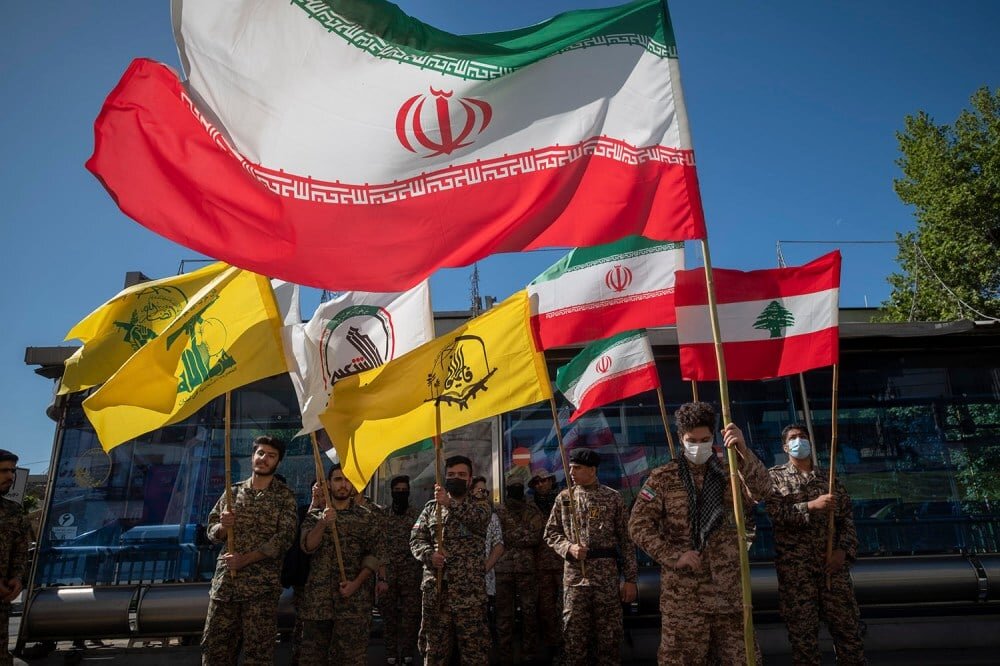
Strategic Council Online – Interview: A West Asia affairs expert said: More than two years after the Al-Aqsa Storm, the question today is: What is the status of the Axis of Resistance, and has it collapsed?

Failure of the Israeli Regime’s Assassination Policy in Containing the Resistance Front

Failure of the Israeli Regime’s Assassination Policy in Containing the Resistance Front

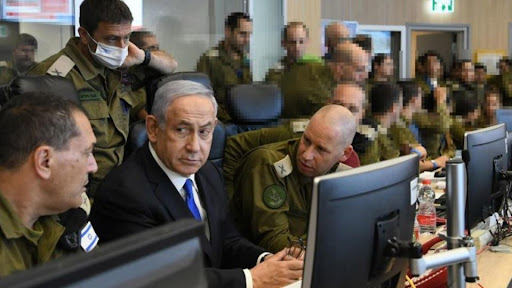
Strategic Council Online – Interview: A senior West Asia affairs analyst stated: By assassinating Yemeni executive officials, the Israeli regime has not only failed to achieve its military objectives, but its position has also been weakened in the diplomatic arena. In contrast, Yemen and the Resistance Front are continuing their path with greater cohesion, and the future outlook indicates that not only will their military capabilities not diminish, but their political standing will also be enhanced at the regional and global levels.

The Landscape of the Battle Between the Zionist Regime and the Yemeni Resistance

The Landscape of the Battle Between the Zionist Regime and the Yemeni Resistance

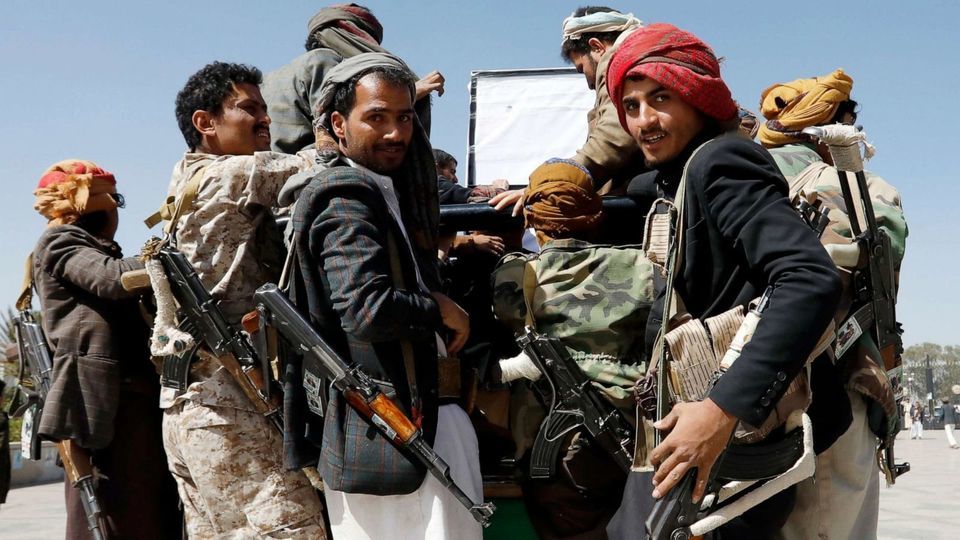
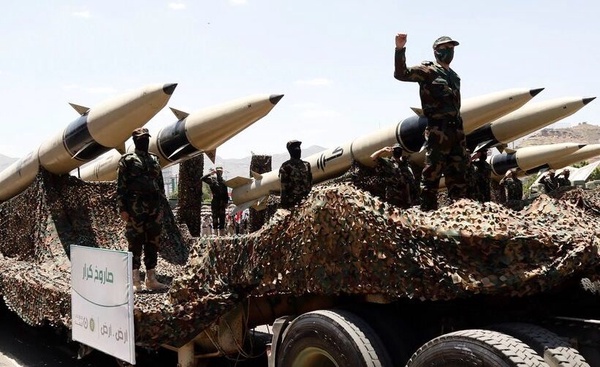
Strategic Council Online – Opinion: The escalating conflict between the Yemeni Resistance and the Zionist regime is a clear example of asymmetric confrontation with strategic consequences in the region. The missile operations of the Yemeni Resistance serve as a demonstration of this country’s strategic and military power and send a clear message to the Zionist regime and America regarding the costs of continuing the status quo. This has increased the legitimacy and influence of the Yemeni Resistance, led by Ansarullah, in the Arab world and turned it into an undeniable strategic actor.

Prospect of Military Confrontation Between Yemen’s Ansarullah and the Zionist Regime

Prospect of Military Confrontation Between Yemen’s Ansarullah and the Zionist Regime

Strategic Council Online – Interview: A senior West Asia affairs analyst stated that the recent ceasefire agreement between Yemen’s Ansarullah and the U.S., mediated by Oman, led to the cessation of Ansarullah’s attacks on non-Israeli ships in the Red Sea and the suspension of American airstrikes. This agreement, reached after weeks of intense clashes—during which Ansarullah targeted the USS Harry Truman aircraft carrier with missile and drone attacks, inflicting over a billion dollars in losses on the U.S.—marks a turning point in Yemen’s strategic equations. Ansarullah’s military successes, from downing MQ-9 Reaper drones to missile strikes on Ben Gurion Airport, which halted its operations and sent millions of Zionists to shelters, have solidified its position as a key player in the Axis of Resistance.

Prospect of Military Conflict Between Ansar Allah and the Israeli Regime

Prospect of Military Conflict Between Ansar Allah and the Israeli Regime

Strategic Council Online – Interview: A regional affairs expert stated that the months-long history of conflict between the Israeli regime and Ansar Allah has shown that the leaders and structure of Ansar Allah will not collapse, even with continued intense attacks by the U.S. and the Zionist regime, nor with the potential assassination and loss of their leaders. They will continue their resistance and warfare against the Israeli regime. In reality, the Yemeni resistance has demonstrated that the Israeli regime is incapable of defeating or pushing back Ansar Allah from their positions in support of the people of Gaza and Palestine.

Prospects for US Attacks on Ansar Allah

Prospects for US Attacks on Ansar Allah

strategic Council Online – Opinion: After more than three weeks of military aggression and unprecedented and widespread bombing of various cities in Yemen, the US government has not yet gained significant and strategic achievements in line with its declared goals.

أحدث الوظائف

The Makkah Pact; Reasons for its Formation and Challenges Ahead

SCFR Online – Opinion: The Makkah Pact, signed between Saudi Arabia, Pakistan, and Turkey under the motto “an attack on one is an attack on all,” is viewed by some analysts less as a full-fledged military coalition and more as an attempt to reduce security dependence on an external power and to establish a regional security mechanism.

Implications of the US-Saudi Nuclear Agreement

SCFR Online – Opinion: The new US-Saudi nuclear agreement, despite legal and political ambiguities, could alter previous non-proliferation standards in West Asia and intensify nuclear competition, ushering it into a new phase.

An Analysis of Recent Turkey-Israeli Regime Tensions

SCFR Online – Opinion: Recent developments in Syria indicate an intensification of strategic rivalry between Turkey and the Israeli regime, but mutual considerations and the role of the United States have limited the likelihood of direct war.

Increasing criticism of the extensive Zionist lobby network

SCFR Online – Opinion: An examination of the mechanisms of the Israeli regime’s influence in the United States depicts a complex picture of shared interests, strategic dependencies, and the limitations of this relationship.

Realities of the Tripartite Makkah Pact

SCFR Online – Interview: The signing of the Makkah agreement between Saudi Arabia, Pakistan, and Turkey has raised questions about the future of the region’s security structure and the position of these countries in West Asian equations. Can this agreement become a genuine collective defense mechanism, or does it have more of a political and deterrent function than creating new military capacity?

Strategic Implications of the Reduction of US Weapons Stockpiles

SCFR Online – Opinion: The continuation of the US war against Iran, in addition to increasing operational costs, has called into question the actual capacity of the American arsenal to simultaneously fulfill security commitments on multiple fronts; an issue that affects deterrence, defense production capacity, and Washington’s resource prioritization.

Loading

Yemen

The Axis of Resistance and Regional Developments

The Axis of Resistance and Regional Developments

Strategic Council Online – Interview: A West Asia affairs expert said: More than two years after the Al-Aqsa Storm, the question today is: What is the status of the Axis of Resistance, and has it collapsed?

Failure of the Israeli Regime’s Assassination Policy in Containing the Resistance Front

Failure of the Israeli Regime’s Assassination Policy in Containing the Resistance Front

Strategic Council Online – Interview: A senior West Asia affairs analyst stated: By assassinating Yemeni executive officials, the Israeli regime has not only failed to achieve its military objectives, but its position has also been weakened in the diplomatic arena. In contrast, Yemen and the Resistance Front are continuing their path with greater cohesion, and the future outlook indicates that not only will their military capabilities not diminish, but their political standing will also be enhanced at the regional and global levels.

The Landscape of the Battle Between the Zionist Regime and the Yemeni Resistance

The Landscape of the Battle Between the Zionist Regime and the Yemeni Resistance

Strategic Council Online – Opinion: The escalating conflict between the Yemeni Resistance and the Zionist regime is a clear example of asymmetric confrontation with strategic consequences in the region. The missile operations of the Yemeni Resistance serve as a demonstration of this country’s strategic and military power and send a clear message to the Zionist regime and America regarding the costs of continuing the status quo. This has increased the legitimacy and influence of the Yemeni Resistance, led by Ansarullah, in the Arab world and turned it into an undeniable strategic actor.

Prospect of Military Confrontation Between Yemen’s Ansarullah and the Zionist Regime

Prospect of Military Confrontation Between Yemen’s Ansarullah and the Zionist Regime

Strategic Council Online – Interview: A senior West Asia affairs analyst stated that the recent ceasefire agreement between Yemen’s Ansarullah and the U.S., mediated by Oman, led to the cessation of Ansarullah’s attacks on non-Israeli ships in the Red Sea and the suspension of American airstrikes. This agreement, reached after weeks of intense clashes—during which Ansarullah targeted the USS Harry Truman aircraft carrier with missile and drone attacks, inflicting over a billion dollars in losses on the U.S.—marks a turning point in Yemen’s strategic equations. Ansarullah’s military successes, from downing MQ-9 Reaper drones to missile strikes on Ben Gurion Airport, which halted its operations and sent millions of Zionists to shelters, have solidified its position as a key player in the Axis of Resistance.

Prospect of Military Conflict Between Ansar Allah and the Israeli Regime

Prospect of Military Conflict Between Ansar Allah and the Israeli Regime

Strategic Council Online – Interview: A regional affairs expert stated that the months-long history of conflict between the Israeli regime and Ansar Allah has shown that the leaders and structure of Ansar Allah will not collapse, even with continued intense attacks by the U.S. and the Zionist regime, nor with the potential assassination and loss of their leaders. They will continue their resistance and warfare against the Israeli regime. In reality, the Yemeni resistance has demonstrated that the Israeli regime is incapable of defeating or pushing back Ansar Allah from their positions in support of the people of Gaza and Palestine.

Prospects for US Attacks on Ansar Allah

Prospects for US Attacks on Ansar Allah

strategic Council Online – Opinion: After more than three weeks of military aggression and unprecedented and widespread bombing of various cities in Yemen, the US government has not yet gained significant and strategic achievements in line with its declared goals.

Yemen

The Axis of Resistance and Regional Developments

The Axis of Resistance and Regional Developments

Strategic Council Online – Interview: A West Asia affairs expert said: More than two years after the Al-Aqsa Storm, the question today is: What is the status of the Axis of Resistance, and has it collapsed?

Failure of the Israeli Regime’s Assassination Policy in Containing the Resistance Front

Failure of the Israeli Regime’s Assassination Policy in Containing the Resistance Front

Strategic Council Online – Interview: A senior West Asia affairs analyst stated: By assassinating Yemeni executive officials, the Israeli regime has not only failed to achieve its military objectives, but its position has also been weakened in the diplomatic arena. In contrast, Yemen and the Resistance Front are continuing their path with greater cohesion, and the future outlook indicates that not only will their military capabilities not diminish, but their political standing will also be enhanced at the regional and global levels.

The Landscape of the Battle Between the Zionist Regime and the Yemeni Resistance

The Landscape of the Battle Between the Zionist Regime and the Yemeni Resistance

Strategic Council Online – Opinion: The escalating conflict between the Yemeni Resistance and the Zionist regime is a clear example of asymmetric confrontation with strategic consequences in the region. The missile operations of the Yemeni Resistance serve as a demonstration of this country’s strategic and military power and send a clear message to the Zionist regime and America regarding the costs of continuing the status quo. This has increased the legitimacy and influence of the Yemeni Resistance, led by Ansarullah, in the Arab world and turned it into an undeniable strategic actor.

Prospect of Military Confrontation Between Yemen’s Ansarullah and the Zionist Regime

Prospect of Military Confrontation Between Yemen’s Ansarullah and the Zionist Regime

Strategic Council Online – Interview: A senior West Asia affairs analyst stated that the recent ceasefire agreement between Yemen’s Ansarullah and the U.S., mediated by Oman, led to the cessation of Ansarullah’s attacks on non-Israeli ships in the Red Sea and the suspension of American airstrikes. This agreement, reached after weeks of intense clashes—during which Ansarullah targeted the USS Harry Truman aircraft carrier with missile and drone attacks, inflicting over a billion dollars in losses on the U.S.—marks a turning point in Yemen’s strategic equations. Ansarullah’s military successes, from downing MQ-9 Reaper drones to missile strikes on Ben Gurion Airport, which halted its operations and sent millions of Zionists to shelters, have solidified its position as a key player in the Axis of Resistance.

Prospect of Military Conflict Between Ansar Allah and the Israeli Regime

Prospect of Military Conflict Between Ansar Allah and the Israeli Regime

Strategic Council Online – Interview: A regional affairs expert stated that the months-long history of conflict between the Israeli regime and Ansar Allah has shown that the leaders and structure of Ansar Allah will not collapse, even with continued intense attacks by the U.S. and the Zionist regime, nor with the potential assassination and loss of their leaders. They will continue their resistance and warfare against the Israeli regime. In reality, the Yemeni resistance has demonstrated that the Israeli regime is incapable of defeating or pushing back Ansar Allah from their positions in support of the people of Gaza and Palestine.

Prospects for US Attacks on Ansar Allah

Prospects for US Attacks on Ansar Allah

strategic Council Online – Opinion: After more than three weeks of military aggression and unprecedented and widespread bombing of various cities in Yemen, the US government has not yet gained significant and strategic achievements in line with its declared goals.

LATEST CONTENT

The Makkah Pact; Reasons for its Formation and Challenges Ahead

SCFR Online – Opinion: The Makkah Pact, signed between Saudi Arabia, Pakistan, and Turkey under the motto “an attack on one is an attack on all,” is viewed by some analysts less as a full-fledged military coalition and more as an attempt to reduce security dependence on an external power and to establish a regional security mechanism.

Implications of the US-Saudi Nuclear Agreement

SCFR Online – Opinion: The new US-Saudi nuclear agreement, despite legal and political ambiguities, could alter previous non-proliferation standards in West Asia and intensify nuclear competition, ushering it into a new phase.

An Analysis of Recent Turkey-Israeli Regime Tensions

SCFR Online – Opinion: Recent developments in Syria indicate an intensification of strategic rivalry between Turkey and the Israeli regime, but mutual considerations and the role of the United States have limited the likelihood of direct war.

Increasing criticism of the extensive Zionist lobby network

SCFR Online – Opinion: An examination of the mechanisms of the Israeli regime’s influence in the United States depicts a complex picture of shared interests, strategic dependencies, and the limitations of this relationship.

Realities of the Tripartite Makkah Pact

SCFR Online – Interview: The signing of the Makkah agreement between Saudi Arabia, Pakistan, and Turkey has raised questions about the future of the region’s security structure and the position of these countries in West Asian equations. Can this agreement become a genuine collective defense mechanism, or does it have more of a political and deterrent function than creating new military capacity?

Strategic Implications of the Reduction of US Weapons Stockpiles

SCFR Online – Opinion: The continuation of the US war against Iran, in addition to increasing operational costs, has called into question the actual capacity of the American arsenal to simultaneously fulfill security commitments on multiple fronts; an issue that affects deterrence, defense production capacity, and Washington’s resource prioritization.

Loading

Yemen

The Axis of Resistance and Regional Developments

The Axis of Resistance and Regional Developments

Strategic Council Online – Interview: A West Asia affairs expert said: More than two years after the Al-Aqsa Storm, the question today is: What is the status of the Axis of Resistance, and has it collapsed?

Failure of the Israeli Regime’s Assassination Policy in Containing the Resistance Front

Failure of the Israeli Regime’s Assassination Policy in Containing the Resistance Front

Strategic Council Online – Interview: A senior West Asia affairs analyst stated: By assassinating Yemeni executive officials, the Israeli regime has not only failed to achieve its military objectives, but its position has also been weakened in the diplomatic arena. In contrast, Yemen and the Resistance Front are continuing their path with greater cohesion, and the future outlook indicates that not only will their military capabilities not diminish, but their political standing will also be enhanced at the regional and global levels.

The Landscape of the Battle Between the Zionist Regime and the Yemeni Resistance

The Landscape of the Battle Between the Zionist Regime and the Yemeni Resistance

Strategic Council Online – Opinion: The escalating conflict between the Yemeni Resistance and the Zionist regime is a clear example of asymmetric confrontation with strategic consequences in the region. The missile operations of the Yemeni Resistance serve as a demonstration of this country’s strategic and military power and send a clear message to the Zionist regime and America regarding the costs of continuing the status quo. This has increased the legitimacy and influence of the Yemeni Resistance, led by Ansarullah, in the Arab world and turned it into an undeniable strategic actor.

Prospect of Military Confrontation Between Yemen’s Ansarullah and the Zionist Regime

Prospect of Military Confrontation Between Yemen’s Ansarullah and the Zionist Regime

Strategic Council Online – Interview: A senior West Asia affairs analyst stated that the recent ceasefire agreement between Yemen’s Ansarullah and the U.S., mediated by Oman, led to the cessation of Ansarullah’s attacks on non-Israeli ships in the Red Sea and the suspension of American airstrikes. This agreement, reached after weeks of intense clashes—during which Ansarullah targeted the USS Harry Truman aircraft carrier with missile and drone attacks, inflicting over a billion dollars in losses on the U.S.—marks a turning point in Yemen’s strategic equations. Ansarullah’s military successes, from downing MQ-9 Reaper drones to missile strikes on Ben Gurion Airport, which halted its operations and sent millions of Zionists to shelters, have solidified its position as a key player in the Axis of Resistance.

Prospect of Military Conflict Between Ansar Allah and the Israeli Regime

Prospect of Military Conflict Between Ansar Allah and the Israeli Regime

Strategic Council Online – Interview: A regional affairs expert stated that the months-long history of conflict between the Israeli regime and Ansar Allah has shown that the leaders and structure of Ansar Allah will not collapse, even with continued intense attacks by the U.S. and the Zionist regime, nor with the potential assassination and loss of their leaders. They will continue their resistance and warfare against the Israeli regime. In reality, the Yemeni resistance has demonstrated that the Israeli regime is incapable of defeating or pushing back Ansar Allah from their positions in support of the people of Gaza and Palestine.

Prospects for US Attacks on Ansar Allah

Prospects for US Attacks on Ansar Allah

strategic Council Online – Opinion: After more than three weeks of military aggression and unprecedented and widespread bombing of various cities in Yemen, the US government has not yet gained significant and strategic achievements in line with its declared goals.

ÚLTIMAS PUBLICACIONES

The Makkah Pact; Reasons for its Formation and Challenges Ahead

SCFR Online – Opinion: The Makkah Pact, signed between Saudi Arabia, Pakistan, and Turkey under the motto “an attack on one is an attack on all,” is viewed by some analysts less as a full-fledged military coalition and more as an attempt to reduce security dependence on an external power and to establish a regional security mechanism.

Implications of the US-Saudi Nuclear Agreement

SCFR Online – Opinion: The new US-Saudi nuclear agreement, despite legal and political ambiguities, could alter previous non-proliferation standards in West Asia and intensify nuclear competition, ushering it into a new phase.

An Analysis of Recent Turkey-Israeli Regime Tensions

SCFR Online – Opinion: Recent developments in Syria indicate an intensification of strategic rivalry between Turkey and the Israeli regime, but mutual considerations and the role of the United States have limited the likelihood of direct war.

Increasing criticism of the extensive Zionist lobby network

SCFR Online – Opinion: An examination of the mechanisms of the Israeli regime’s influence in the United States depicts a complex picture of shared interests, strategic dependencies, and the limitations of this relationship.

Realities of the Tripartite Makkah Pact

SCFR Online – Interview: The signing of the Makkah agreement between Saudi Arabia, Pakistan, and Turkey has raised questions about the future of the region’s security structure and the position of these countries in West Asian equations. Can this agreement become a genuine collective defense mechanism, or does it have more of a political and deterrent function than creating new military capacity?

Strategic Implications of the Reduction of US Weapons Stockpiles

SCFR Online – Opinion: The continuation of the US war against Iran, in addition to increasing operational costs, has called into question the actual capacity of the American arsenal to simultaneously fulfill security commitments on multiple fronts; an issue that affects deterrence, defense production capacity, and Washington’s resource prioritization.

Loading

Yemen

The Axis of Resistance and Regional Developments

The Axis of Resistance and Regional Developments

Strategic Council Online – Interview: A West Asia affairs expert said: More than two years after the Al-Aqsa Storm, the question today is: What is the status of the Axis of Resistance, and has it collapsed?

Failure of the Israeli Regime’s Assassination Policy in Containing the Resistance Front

Failure of the Israeli Regime’s Assassination Policy in Containing the Resistance Front

Strategic Council Online – Interview: A senior West Asia affairs analyst stated: By assassinating Yemeni executive officials, the Israeli regime has not only failed to achieve its military objectives, but its position has also been weakened in the diplomatic arena. In contrast, Yemen and the Resistance Front are continuing their path with greater cohesion, and the future outlook indicates that not only will their military capabilities not diminish, but their political standing will also be enhanced at the regional and global levels.

The Landscape of the Battle Between the Zionist Regime and the Yemeni Resistance

The Landscape of the Battle Between the Zionist Regime and the Yemeni Resistance

Strategic Council Online – Opinion: The escalating conflict between the Yemeni Resistance and the Zionist regime is a clear example of asymmetric confrontation with strategic consequences in the region. The missile operations of the Yemeni Resistance serve as a demonstration of this country’s strategic and military power and send a clear message to the Zionist regime and America regarding the costs of continuing the status quo. This has increased the legitimacy and influence of the Yemeni Resistance, led by Ansarullah, in the Arab world and turned it into an undeniable strategic actor.

Prospect of Military Confrontation Between Yemen’s Ansarullah and the Zionist Regime

Prospect of Military Confrontation Between Yemen’s Ansarullah and the Zionist Regime

Strategic Council Online – Interview: A senior West Asia affairs analyst stated that the recent ceasefire agreement between Yemen’s Ansarullah and the U.S., mediated by Oman, led to the cessation of Ansarullah’s attacks on non-Israeli ships in the Red Sea and the suspension of American airstrikes. This agreement, reached after weeks of intense clashes—during which Ansarullah targeted the USS Harry Truman aircraft carrier with missile and drone attacks, inflicting over a billion dollars in losses on the U.S.—marks a turning point in Yemen’s strategic equations. Ansarullah’s military successes, from downing MQ-9 Reaper drones to missile strikes on Ben Gurion Airport, which halted its operations and sent millions of Zionists to shelters, have solidified its position as a key player in the Axis of Resistance.

Prospect of Military Conflict Between Ansar Allah and the Israeli Regime

Prospect of Military Conflict Between Ansar Allah and the Israeli Regime

Strategic Council Online – Interview: A regional affairs expert stated that the months-long history of conflict between the Israeli regime and Ansar Allah has shown that the leaders and structure of Ansar Allah will not collapse, even with continued intense attacks by the U.S. and the Zionist regime, nor with the potential assassination and loss of their leaders. They will continue their resistance and warfare against the Israeli regime. In reality, the Yemeni resistance has demonstrated that the Israeli regime is incapable of defeating or pushing back Ansar Allah from their positions in support of the people of Gaza and Palestine.

Prospects for US Attacks on Ansar Allah

Prospects for US Attacks on Ansar Allah

strategic Council Online – Opinion: After more than three weeks of military aggression and unprecedented and widespread bombing of various cities in Yemen, the US government has not yet gained significant and strategic achievements in line with its declared goals.

ÚLTIMAS PUBLICACIONES

The Makkah Pact; Reasons for its Formation and Challenges Ahead

SCFR Online – Opinion: The Makkah Pact, signed between Saudi Arabia, Pakistan, and Turkey under the motto “an attack on one is an attack on all,” is viewed by some analysts less as a full-fledged military coalition and more as an attempt to reduce security dependence on an external power and to establish a regional security mechanism.

Implications of the US-Saudi Nuclear Agreement

SCFR Online – Opinion: The new US-Saudi nuclear agreement, despite legal and political ambiguities, could alter previous non-proliferation standards in West Asia and intensify nuclear competition, ushering it into a new phase.

An Analysis of Recent Turkey-Israeli Regime Tensions

SCFR Online – Opinion: Recent developments in Syria indicate an intensification of strategic rivalry between Turkey and the Israeli regime, but mutual considerations and the role of the United States have limited the likelihood of direct war.

Increasing criticism of the extensive Zionist lobby network

SCFR Online – Opinion: An examination of the mechanisms of the Israeli regime’s influence in the United States depicts a complex picture of shared interests, strategic dependencies, and the limitations of this relationship.

Realities of the Tripartite Makkah Pact

SCFR Online – Interview: The signing of the Makkah agreement between Saudi Arabia, Pakistan, and Turkey has raised questions about the future of the region’s security structure and the position of these countries in West Asian equations. Can this agreement become a genuine collective defense mechanism, or does it have more of a political and deterrent function than creating new military capacity?

Strategic Implications of the Reduction of US Weapons Stockpiles

SCFR Online – Opinion: The continuation of the US war against Iran, in addition to increasing operational costs, has called into question the actual capacity of the American arsenal to simultaneously fulfill security commitments on multiple fronts; an issue that affects deterrence, defense production capacity, and Washington’s resource prioritization.

Loading

Yemen

The Axis of Resistance and Regional Developments

The Axis of Resistance and Regional Developments

Strategic Council Online – Interview: A West Asia affairs expert said: More than two years after the Al-Aqsa Storm, the question today is: What is the status of the Axis of Resistance, and has it collapsed?

Failure of the Israeli Regime’s Assassination Policy in Containing the Resistance Front

Failure of the Israeli Regime’s Assassination Policy in Containing the Resistance Front

Strategic Council Online – Interview: A senior West Asia affairs analyst stated: By assassinating Yemeni executive officials, the Israeli regime has not only failed to achieve its military objectives, but its position has also been weakened in the diplomatic arena. In contrast, Yemen and the Resistance Front are continuing their path with greater cohesion, and the future outlook indicates that not only will their military capabilities not diminish, but their political standing will also be enhanced at the regional and global levels.

The Landscape of the Battle Between the Zionist Regime and the Yemeni Resistance

The Landscape of the Battle Between the Zionist Regime and the Yemeni Resistance

Strategic Council Online – Opinion: The escalating conflict between the Yemeni Resistance and the Zionist regime is a clear example of asymmetric confrontation with strategic consequences in the region. The missile operations of the Yemeni Resistance serve as a demonstration of this country’s strategic and military power and send a clear message to the Zionist regime and America regarding the costs of continuing the status quo. This has increased the legitimacy and influence of the Yemeni Resistance, led by Ansarullah, in the Arab world and turned it into an undeniable strategic actor.

Prospect of Military Confrontation Between Yemen’s Ansarullah and the Zionist Regime

Prospect of Military Confrontation Between Yemen’s Ansarullah and the Zionist Regime

Strategic Council Online – Interview: A senior West Asia affairs analyst stated that the recent ceasefire agreement between Yemen’s Ansarullah and the U.S., mediated by Oman, led to the cessation of Ansarullah’s attacks on non-Israeli ships in the Red Sea and the suspension of American airstrikes. This agreement, reached after weeks of intense clashes—during which Ansarullah targeted the USS Harry Truman aircraft carrier with missile and drone attacks, inflicting over a billion dollars in losses on the U.S.—marks a turning point in Yemen’s strategic equations. Ansarullah’s military successes, from downing MQ-9 Reaper drones to missile strikes on Ben Gurion Airport, which halted its operations and sent millions of Zionists to shelters, have solidified its position as a key player in the Axis of Resistance.

Prospect of Military Conflict Between Ansar Allah and the Israeli Regime

Prospect of Military Conflict Between Ansar Allah and the Israeli Regime

Strategic Council Online – Interview: A regional affairs expert stated that the months-long history of conflict between the Israeli regime and Ansar Allah has shown that the leaders and structure of Ansar Allah will not collapse, even with continued intense attacks by the U.S. and the Zionist regime, nor with the potential assassination and loss of their leaders. They will continue their resistance and warfare against the Israeli regime. In reality, the Yemeni resistance has demonstrated that the Israeli regime is incapable of defeating or pushing back Ansar Allah from their positions in support of the people of Gaza and Palestine.

Prospects for US Attacks on Ansar Allah

Prospects for US Attacks on Ansar Allah

strategic Council Online – Opinion: After more than three weeks of military aggression and unprecedented and widespread bombing of various cities in Yemen, the US government has not yet gained significant and strategic achievements in line with its declared goals.

ÚLTIMAS PUBLICACIONES

The Makkah Pact; Reasons for its Formation and Challenges Ahead

SCFR Online – Opinion: The Makkah Pact, signed between Saudi Arabia, Pakistan, and Turkey under the motto “an attack on one is an attack on all,” is viewed by some analysts less as a full-fledged military coalition and more as an attempt to reduce security dependence on an external power and to establish a regional security mechanism.

Implications of the US-Saudi Nuclear Agreement

SCFR Online – Opinion: The new US-Saudi nuclear agreement, despite legal and political ambiguities, could alter previous non-proliferation standards in West Asia and intensify nuclear competition, ushering it into a new phase.

An Analysis of Recent Turkey-Israeli Regime Tensions

SCFR Online – Opinion: Recent developments in Syria indicate an intensification of strategic rivalry between Turkey and the Israeli regime, but mutual considerations and the role of the United States have limited the likelihood of direct war.

Increasing criticism of the extensive Zionist lobby network

SCFR Online – Opinion: An examination of the mechanisms of the Israeli regime’s influence in the United States depicts a complex picture of shared interests, strategic dependencies, and the limitations of this relationship.

Realities of the Tripartite Makkah Pact

SCFR Online – Interview: The signing of the Makkah agreement between Saudi Arabia, Pakistan, and Turkey has raised questions about the future of the region’s security structure and the position of these countries in West Asian equations. Can this agreement become a genuine collective defense mechanism, or does it have more of a political and deterrent function than creating new military capacity?

Strategic Implications of the Reduction of US Weapons Stockpiles

SCFR Online – Opinion: The continuation of the US war against Iran, in addition to increasing operational costs, has called into question the actual capacity of the American arsenal to simultaneously fulfill security commitments on multiple fronts; an issue that affects deterrence, defense production capacity, and Washington’s resource prioritization.

Loading

Yemen

The Axis of Resistance and Regional Developments

The Axis of Resistance and Regional Developments

Strategic Council Online – Interview: A West Asia affairs expert said: More than two years after the Al-Aqsa Storm, the question today is: What is the status of the Axis of Resistance, and has it collapsed?

Failure of the Israeli Regime’s Assassination Policy in Containing the Resistance Front

Failure of the Israeli Regime’s Assassination Policy in Containing the Resistance Front

Strategic Council Online – Interview: A senior West Asia affairs analyst stated: By assassinating Yemeni executive officials, the Israeli regime has not only failed to achieve its military objectives, but its position has also been weakened in the diplomatic arena. In contrast, Yemen and the Resistance Front are continuing their path with greater cohesion, and the future outlook indicates that not only will their military capabilities not diminish, but their political standing will also be enhanced at the regional and global levels.

The Landscape of the Battle Between the Zionist Regime and the Yemeni Resistance

The Landscape of the Battle Between the Zionist Regime and the Yemeni Resistance

Strategic Council Online – Opinion: The escalating conflict between the Yemeni Resistance and the Zionist regime is a clear example of asymmetric confrontation with strategic consequences in the region. The missile operations of the Yemeni Resistance serve as a demonstration of this country’s strategic and military power and send a clear message to the Zionist regime and America regarding the costs of continuing the status quo. This has increased the legitimacy and influence of the Yemeni Resistance, led by Ansarullah, in the Arab world and turned it into an undeniable strategic actor.

Prospect of Military Confrontation Between Yemen’s Ansarullah and the Zionist Regime

Prospect of Military Confrontation Between Yemen’s Ansarullah and the Zionist Regime

Strategic Council Online – Interview: A senior West Asia affairs analyst stated that the recent ceasefire agreement between Yemen’s Ansarullah and the U.S., mediated by Oman, led to the cessation of Ansarullah’s attacks on non-Israeli ships in the Red Sea and the suspension of American airstrikes. This agreement, reached after weeks of intense clashes—during which Ansarullah targeted the USS Harry Truman aircraft carrier with missile and drone attacks, inflicting over a billion dollars in losses on the U.S.—marks a turning point in Yemen’s strategic equations. Ansarullah’s military successes, from downing MQ-9 Reaper drones to missile strikes on Ben Gurion Airport, which halted its operations and sent millions of Zionists to shelters, have solidified its position as a key player in the Axis of Resistance.

Prospect of Military Conflict Between Ansar Allah and the Israeli Regime

Prospect of Military Conflict Between Ansar Allah and the Israeli Regime

Strategic Council Online – Interview: A regional affairs expert stated that the months-long history of conflict between the Israeli regime and Ansar Allah has shown that the leaders and structure of Ansar Allah will not collapse, even with continued intense attacks by the U.S. and the Zionist regime, nor with the potential assassination and loss of their leaders. They will continue their resistance and warfare against the Israeli regime. In reality, the Yemeni resistance has demonstrated that the Israeli regime is incapable of defeating or pushing back Ansar Allah from their positions in support of the people of Gaza and Palestine.

Prospects for US Attacks on Ansar Allah

Prospects for US Attacks on Ansar Allah

strategic Council Online – Opinion: After more than three weeks of military aggression and unprecedented and widespread bombing of various cities in Yemen, the US government has not yet gained significant and strategic achievements in line with its declared goals.

ÚLTIMAS PUBLICACIONES

The Makkah Pact; Reasons for its Formation and Challenges Ahead

SCFR Online – Opinion: The Makkah Pact, signed between Saudi Arabia, Pakistan, and Turkey under the motto “an attack on one is an attack on all,” is viewed by some analysts less as a full-fledged military coalition and more as an attempt to reduce security dependence on an external power and to establish a regional security mechanism.

Implications of the US-Saudi Nuclear Agreement

SCFR Online – Opinion: The new US-Saudi nuclear agreement, despite legal and political ambiguities, could alter previous non-proliferation standards in West Asia and intensify nuclear competition, ushering it into a new phase.

An Analysis of Recent Turkey-Israeli Regime Tensions

SCFR Online – Opinion: Recent developments in Syria indicate an intensification of strategic rivalry between Turkey and the Israeli regime, but mutual considerations and the role of the United States have limited the likelihood of direct war.

Increasing criticism of the extensive Zionist lobby network

SCFR Online – Opinion: An examination of the mechanisms of the Israeli regime’s influence in the United States depicts a complex picture of shared interests, strategic dependencies, and the limitations of this relationship.

Realities of the Tripartite Makkah Pact

SCFR Online – Interview: The signing of the Makkah agreement between Saudi Arabia, Pakistan, and Turkey has raised questions about the future of the region’s security structure and the position of these countries in West Asian equations. Can this agreement become a genuine collective defense mechanism, or does it have more of a political and deterrent function than creating new military capacity?

Strategic Implications of the Reduction of US Weapons Stockpiles

SCFR Online – Opinion: The continuation of the US war against Iran, in addition to increasing operational costs, has called into question the actual capacity of the American arsenal to simultaneously fulfill security commitments on multiple fronts; an issue that affects deterrence, defense production capacity, and Washington’s resource prioritization.

Loading