Geoeconomics as the Most Important Arena of Great Power Competition
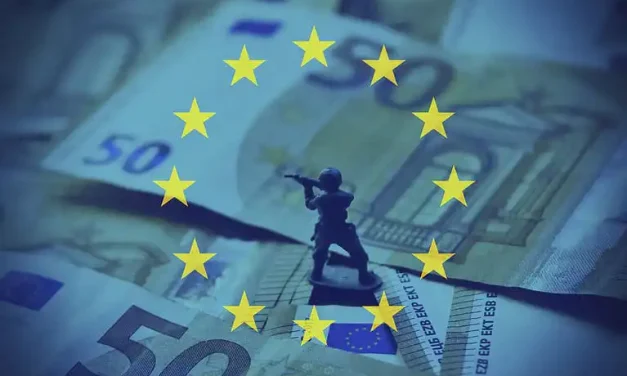
SCFR Online – Opinion: Great power competition is now pursued more in trade, currency, technology, and global supply chains than on the battlefields of military confrontation.
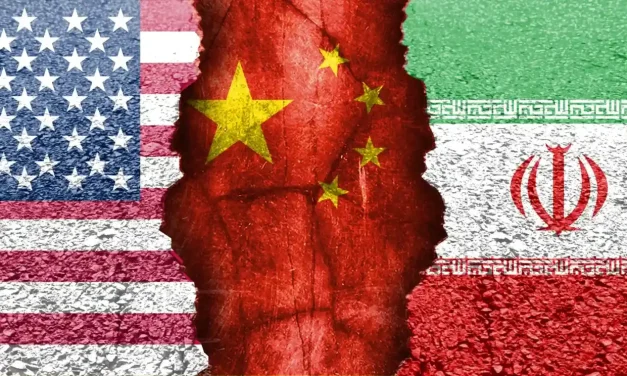
Strategic Council Online – Note: By disregarding Iran’s deterrence capabilities and political economy leverage in the Strait of Hormuz, Washington has reached a strategic deadlock from which military means are unable to extricate it.
SCFR Online – Opinion: Foreign policy analysis is valid when it evaluates decisions based on the information and circumstances prevailing at the time they were made, not on the basis of outcomes that only become apparent after the crisis has ended.
SCFR Online-Opinion: Sanctions are gradually transforming from classical financial instruments into complex mechanisms for the containment of technology, data, and global supply chains.
SCFR Online – Opinion: Emmanuel Macron’s visit to Damascus is an attempt to redefine France’s role in Syria following the recent political developments in that country; an effort pursued within the context of great power competition and the country’s security challenges.
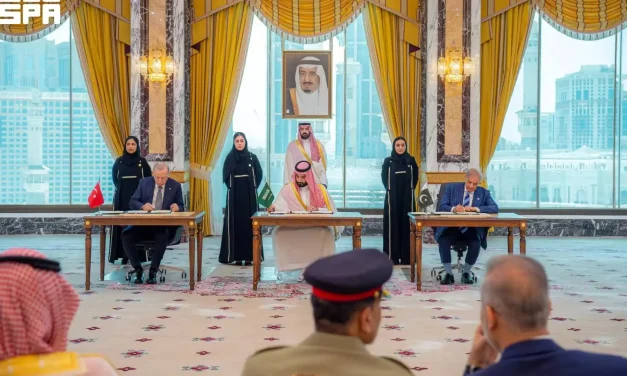
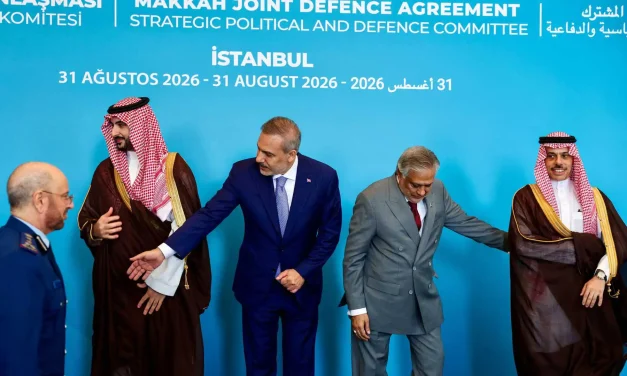
Strategic Council Online – Note: Middle powers such as India, Turkey, Australia, and some Persian Gulf countries are no longer marginal actors, but are redefining global power equations through balancing diplomacy.
Strategic Council Online – Note: In today’s global politics, the creation of narratives has become as important as territorial control and economic management, and has turned into the main tool of great power competition.
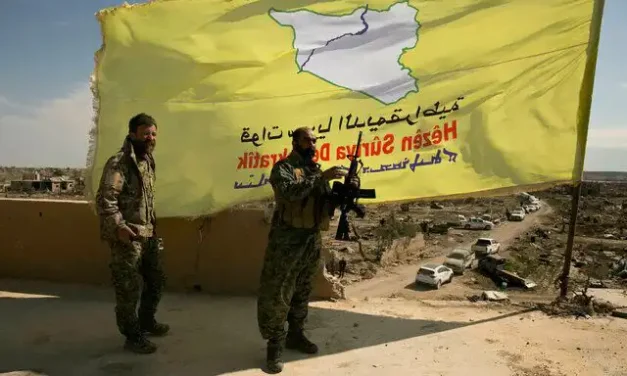
Strategic Council Online – Note: Hamas’s handing over the civilian management in Gaza is assessed as an attempt to reduce political pressures, facilitate reconstruction, and preserve the status of resistance in the future equations of Palestine.
Strategic Council Online—Opinion: The concurrency of the return of Navalnyto Moscow with the establishment of the Biden administration in the Washington suggests that Democrats are still trying to loan concrete concepts such as democracy and citizenship rights to exert maximum pressure on the present government in Kremlin—an issue which could complement economic pressures on Russia and instigate protests in the country.
Dr. Ahmad Vakhshiteh—Professor of Eurasia National University
Strategic Council Online-Editorial: The interference of the White House in the domestic affairs of Russia during the past one month concerning the Alexi Navalny issue indicated that the Biden administration is profiting from the tools of democracy and human rights for its own interest in order to obtain maximal interests in the global order. And this is an issue which can cause more frictions in the relations between the United States and Russia as Russia believes that the West presents a two-direction and conflicting definition of concrete concepts such as freedom, human rights and democracy.
Dr. Ahmad Vakhishteh, professor of the International Relations Faculty of the National Eurasia University
Strategic Council Online: Editorial—In spite of Washington’s view that considers China and Russia as permanent threats that should be contained and insolated through the instrument of sanctions, Moscow and Beijing, on the other hand, have been pursuing a pragmatic approach based on realism to maximize their cooperation and relations with the West with the aim of neutralizing Washington’s isolation efforts.
Dr. Ahmad Vakhshiteh—Associate Professor, Eurasia National University
Strategic Council Online – The outcome of the amendments to Articles 67 and 79 of the Russian Constitution reflects President Vladimir Putin’s pragmatic and, of course, multifaceted Russian foreign policy approach. Russia is moving in line with improving ties with the West by sticking to its red lines in order to strengthening its upstream status in the regional crises and global order.
Ahmad Vakhshiteh – Associate Professor, Eurasian National University
SCFR Online – Opinion: Great power competition is now pursued more in trade, currency, technology, and global supply chains than on the battlefields of military confrontation.
Strategic Council Online – Note: By disregarding Iran’s deterrence capabilities and political economy leverage in the Strait of Hormuz, Washington has reached a strategic deadlock from which military means are unable to extricate it.
SCFR Online – Opinion: Foreign policy analysis is valid when it evaluates decisions based on the information and circumstances prevailing at the time they were made, not on the basis of outcomes that only become apparent after the crisis has ended.
SCFR Online-Opinion: Sanctions are gradually transforming from classical financial instruments into complex mechanisms for the containment of technology, data, and global supply chains.
SCFR Online – Opinion: Emmanuel Macron’s visit to Damascus is an attempt to redefine France’s role in Syria following the recent political developments in that country; an effort pursued within the context of great power competition and the country’s security challenges.
Strategic Council Online – Note: Middle powers such as India, Turkey, Australia, and some Persian Gulf countries are no longer marginal actors, but are redefining global power equations through balancing diplomacy.
Strategic Council Online – Note: In today’s global politics, the creation of narratives has become as important as territorial control and economic management, and has turned into the main tool of great power competition.
Strategic Council Online – Note: Hamas’s handing over the civilian management in Gaza is assessed as an attempt to reduce political pressures, facilitate reconstruction, and preserve the status of resistance in the future equations of Palestine.
Strategic Council Online—Opinion: The concurrency of the return of Navalnyto Moscow with the establishment of the Biden administration in the Washington suggests that Democrats are still trying to loan concrete concepts such as democracy and citizenship rights to exert maximum pressure on the present government in Kremlin—an issue which could complement economic pressures on Russia and instigate protests in the country.
Dr. Ahmad Vakhshiteh—Professor of Eurasia National University
Strategic Council Online-Editorial: The interference of the White House in the domestic affairs of Russia during the past one month concerning the Alexi Navalny issue indicated that the Biden administration is profiting from the tools of democracy and human rights for its own interest in order to obtain maximal interests in the global order. And this is an issue which can cause more frictions in the relations between the United States and Russia as Russia believes that the West presents a two-direction and conflicting definition of concrete concepts such as freedom, human rights and democracy.
Dr. Ahmad Vakhishteh, professor of the International Relations Faculty of the National Eurasia University
Strategic Council Online: Editorial—In spite of Washington’s view that considers China and Russia as permanent threats that should be contained and insolated through the instrument of sanctions, Moscow and Beijing, on the other hand, have been pursuing a pragmatic approach based on realism to maximize their cooperation and relations with the West with the aim of neutralizing Washington’s isolation efforts.
Dr. Ahmad Vakhshiteh—Associate Professor, Eurasia National University
Strategic Council Online – The outcome of the amendments to Articles 67 and 79 of the Russian Constitution reflects President Vladimir Putin’s pragmatic and, of course, multifaceted Russian foreign policy approach. Russia is moving in line with improving ties with the West by sticking to its red lines in order to strengthening its upstream status in the regional crises and global order.
Ahmad Vakhshiteh – Associate Professor, Eurasian National University
Strategic Council Online—Opinion: The concurrency of the return of Navalnyto Moscow with the establishment of the Biden administration in the Washington suggests that Democrats are still trying to loan concrete concepts such as democracy and citizenship rights to exert maximum pressure on the present government in Kremlin—an issue which could complement economic pressures on Russia and instigate protests in the country.
Dr. Ahmad Vakhshiteh—Professor of Eurasia National University
Strategic Council Online-Editorial: The interference of the White House in the domestic affairs of Russia during the past one month concerning the Alexi Navalny issue indicated that the Biden administration is profiting from the tools of democracy and human rights for its own interest in order to obtain maximal interests in the global order. And this is an issue which can cause more frictions in the relations between the United States and Russia as Russia believes that the West presents a two-direction and conflicting definition of concrete concepts such as freedom, human rights and democracy.
Dr. Ahmad Vakhishteh, professor of the International Relations Faculty of the National Eurasia University
Strategic Council Online: Editorial—In spite of Washington’s view that considers China and Russia as permanent threats that should be contained and insolated through the instrument of sanctions, Moscow and Beijing, on the other hand, have been pursuing a pragmatic approach based on realism to maximize their cooperation and relations with the West with the aim of neutralizing Washington’s isolation efforts.
Dr. Ahmad Vakhshiteh—Associate Professor, Eurasia National University
Strategic Council Online – The outcome of the amendments to Articles 67 and 79 of the Russian Constitution reflects President Vladimir Putin’s pragmatic and, of course, multifaceted Russian foreign policy approach. Russia is moving in line with improving ties with the West by sticking to its red lines in order to strengthening its upstream status in the regional crises and global order.
Ahmad Vakhshiteh – Associate Professor, Eurasian National University
SCFR Online – Opinion: Great power competition is now pursued more in trade, currency, technology, and global supply chains than on the battlefields of military confrontation.
Strategic Council Online – Note: By disregarding Iran’s deterrence capabilities and political economy leverage in the Strait of Hormuz, Washington has reached a strategic deadlock from which military means are unable to extricate it.
SCFR Online – Opinion: Foreign policy analysis is valid when it evaluates decisions based on the information and circumstances prevailing at the time they were made, not on the basis of outcomes that only become apparent after the crisis has ended.
SCFR Online-Opinion: Sanctions are gradually transforming from classical financial instruments into complex mechanisms for the containment of technology, data, and global supply chains.
SCFR Online – Opinion: Emmanuel Macron’s visit to Damascus is an attempt to redefine France’s role in Syria following the recent political developments in that country; an effort pursued within the context of great power competition and the country’s security challenges.
Strategic Council Online – Note: Middle powers such as India, Turkey, Australia, and some Persian Gulf countries are no longer marginal actors, but are redefining global power equations through balancing diplomacy.
Strategic Council Online – Note: In today’s global politics, the creation of narratives has become as important as territorial control and economic management, and has turned into the main tool of great power competition.
Strategic Council Online – Note: Hamas’s handing over the civilian management in Gaza is assessed as an attempt to reduce political pressures, facilitate reconstruction, and preserve the status of resistance in the future equations of Palestine.
Strategic Council Online—Opinion: The concurrency of the return of Navalnyto Moscow with the establishment of the Biden administration in the Washington suggests that Democrats are still trying to loan concrete concepts such as democracy and citizenship rights to exert maximum pressure on the present government in Kremlin—an issue which could complement economic pressures on Russia and instigate protests in the country.
Dr. Ahmad Vakhshiteh—Professor of Eurasia National University
Strategic Council Online-Editorial: The interference of the White House in the domestic affairs of Russia during the past one month concerning the Alexi Navalny issue indicated that the Biden administration is profiting from the tools of democracy and human rights for its own interest in order to obtain maximal interests in the global order. And this is an issue which can cause more frictions in the relations between the United States and Russia as Russia believes that the West presents a two-direction and conflicting definition of concrete concepts such as freedom, human rights and democracy.
Dr. Ahmad Vakhishteh, professor of the International Relations Faculty of the National Eurasia University
Strategic Council Online: Editorial—In spite of Washington’s view that considers China and Russia as permanent threats that should be contained and insolated through the instrument of sanctions, Moscow and Beijing, on the other hand, have been pursuing a pragmatic approach based on realism to maximize their cooperation and relations with the West with the aim of neutralizing Washington’s isolation efforts.
Dr. Ahmad Vakhshiteh—Associate Professor, Eurasia National University
Strategic Council Online – The outcome of the amendments to Articles 67 and 79 of the Russian Constitution reflects President Vladimir Putin’s pragmatic and, of course, multifaceted Russian foreign policy approach. Russia is moving in line with improving ties with the West by sticking to its red lines in order to strengthening its upstream status in the regional crises and global order.
Ahmad Vakhshiteh – Associate Professor, Eurasian National University
SCFR Online – Opinion: Great power competition is now pursued more in trade, currency, technology, and global supply chains than on the battlefields of military confrontation.
Strategic Council Online – Note: By disregarding Iran’s deterrence capabilities and political economy leverage in the Strait of Hormuz, Washington has reached a strategic deadlock from which military means are unable to extricate it.
SCFR Online – Opinion: Foreign policy analysis is valid when it evaluates decisions based on the information and circumstances prevailing at the time they were made, not on the basis of outcomes that only become apparent after the crisis has ended.
SCFR Online-Opinion: Sanctions are gradually transforming from classical financial instruments into complex mechanisms for the containment of technology, data, and global supply chains.
SCFR Online – Opinion: Emmanuel Macron’s visit to Damascus is an attempt to redefine France’s role in Syria following the recent political developments in that country; an effort pursued within the context of great power competition and the country’s security challenges.
Strategic Council Online – Note: Middle powers such as India, Turkey, Australia, and some Persian Gulf countries are no longer marginal actors, but are redefining global power equations through balancing diplomacy.
Strategic Council Online – Note: In today’s global politics, the creation of narratives has become as important as territorial control and economic management, and has turned into the main tool of great power competition.
Strategic Council Online – Note: Hamas’s handing over the civilian management in Gaza is assessed as an attempt to reduce political pressures, facilitate reconstruction, and preserve the status of resistance in the future equations of Palestine.
Strategic Council Online—Opinion: The concurrency of the return of Navalnyto Moscow with the establishment of the Biden administration in the Washington suggests that Democrats are still trying to loan concrete concepts such as democracy and citizenship rights to exert maximum pressure on the present government in Kremlin—an issue which could complement economic pressures on Russia and instigate protests in the country.
Dr. Ahmad Vakhshiteh—Professor of Eurasia National University
Strategic Council Online-Editorial: The interference of the White House in the domestic affairs of Russia during the past one month concerning the Alexi Navalny issue indicated that the Biden administration is profiting from the tools of democracy and human rights for its own interest in order to obtain maximal interests in the global order. And this is an issue which can cause more frictions in the relations between the United States and Russia as Russia believes that the West presents a two-direction and conflicting definition of concrete concepts such as freedom, human rights and democracy.
Dr. Ahmad Vakhishteh, professor of the International Relations Faculty of the National Eurasia University
Strategic Council Online: Editorial—In spite of Washington’s view that considers China and Russia as permanent threats that should be contained and insolated through the instrument of sanctions, Moscow and Beijing, on the other hand, have been pursuing a pragmatic approach based on realism to maximize their cooperation and relations with the West with the aim of neutralizing Washington’s isolation efforts.
Dr. Ahmad Vakhshiteh—Associate Professor, Eurasia National University
Strategic Council Online – The outcome of the amendments to Articles 67 and 79 of the Russian Constitution reflects President Vladimir Putin’s pragmatic and, of course, multifaceted Russian foreign policy approach. Russia is moving in line with improving ties with the West by sticking to its red lines in order to strengthening its upstream status in the regional crises and global order.
Ahmad Vakhshiteh – Associate Professor, Eurasian National University
SCFR Online – Opinion: Great power competition is now pursued more in trade, currency, technology, and global supply chains than on the battlefields of military confrontation.
Strategic Council Online – Note: By disregarding Iran’s deterrence capabilities and political economy leverage in the Strait of Hormuz, Washington has reached a strategic deadlock from which military means are unable to extricate it.
SCFR Online – Opinion: Foreign policy analysis is valid when it evaluates decisions based on the information and circumstances prevailing at the time they were made, not on the basis of outcomes that only become apparent after the crisis has ended.
SCFR Online-Opinion: Sanctions are gradually transforming from classical financial instruments into complex mechanisms for the containment of technology, data, and global supply chains.
SCFR Online – Opinion: Emmanuel Macron’s visit to Damascus is an attempt to redefine France’s role in Syria following the recent political developments in that country; an effort pursued within the context of great power competition and the country’s security challenges.
Strategic Council Online – Note: Middle powers such as India, Turkey, Australia, and some Persian Gulf countries are no longer marginal actors, but are redefining global power equations through balancing diplomacy.
Strategic Council Online – Note: In today’s global politics, the creation of narratives has become as important as territorial control and economic management, and has turned into the main tool of great power competition.
Strategic Council Online – Note: Hamas’s handing over the civilian management in Gaza is assessed as an attempt to reduce political pressures, facilitate reconstruction, and preserve the status of resistance in the future equations of Palestine.
Strategic Council Online—Opinion: The concurrency of the return of Navalnyto Moscow with the establishment of the Biden administration in the Washington suggests that Democrats are still trying to loan concrete concepts such as democracy and citizenship rights to exert maximum pressure on the present government in Kremlin—an issue which could complement economic pressures on Russia and instigate protests in the country.
Dr. Ahmad Vakhshiteh—Professor of Eurasia National University
Strategic Council Online-Editorial: The interference of the White House in the domestic affairs of Russia during the past one month concerning the Alexi Navalny issue indicated that the Biden administration is profiting from the tools of democracy and human rights for its own interest in order to obtain maximal interests in the global order. And this is an issue which can cause more frictions in the relations between the United States and Russia as Russia believes that the West presents a two-direction and conflicting definition of concrete concepts such as freedom, human rights and democracy.
Dr. Ahmad Vakhishteh, professor of the International Relations Faculty of the National Eurasia University
Strategic Council Online: Editorial—In spite of Washington’s view that considers China and Russia as permanent threats that should be contained and insolated through the instrument of sanctions, Moscow and Beijing, on the other hand, have been pursuing a pragmatic approach based on realism to maximize their cooperation and relations with the West with the aim of neutralizing Washington’s isolation efforts.
Dr. Ahmad Vakhshiteh—Associate Professor, Eurasia National University
Strategic Council Online – The outcome of the amendments to Articles 67 and 79 of the Russian Constitution reflects President Vladimir Putin’s pragmatic and, of course, multifaceted Russian foreign policy approach. Russia is moving in line with improving ties with the West by sticking to its red lines in order to strengthening its upstream status in the regional crises and global order.
Ahmad Vakhshiteh – Associate Professor, Eurasian National University
SCFR Online – Opinion: Great power competition is now pursued more in trade, currency, technology, and global supply chains than on the battlefields of military confrontation.
Strategic Council Online – Note: By disregarding Iran’s deterrence capabilities and political economy leverage in the Strait of Hormuz, Washington has reached a strategic deadlock from which military means are unable to extricate it.
SCFR Online – Opinion: Foreign policy analysis is valid when it evaluates decisions based on the information and circumstances prevailing at the time they were made, not on the basis of outcomes that only become apparent after the crisis has ended.
SCFR Online-Opinion: Sanctions are gradually transforming from classical financial instruments into complex mechanisms for the containment of technology, data, and global supply chains.
SCFR Online – Opinion: Emmanuel Macron’s visit to Damascus is an attempt to redefine France’s role in Syria following the recent political developments in that country; an effort pursued within the context of great power competition and the country’s security challenges.
Strategic Council Online – Note: Middle powers such as India, Turkey, Australia, and some Persian Gulf countries are no longer marginal actors, but are redefining global power equations through balancing diplomacy.
Strategic Council Online – Note: In today’s global politics, the creation of narratives has become as important as territorial control and economic management, and has turned into the main tool of great power competition.
Strategic Council Online – Note: Hamas’s handing over the civilian management in Gaza is assessed as an attempt to reduce political pressures, facilitate reconstruction, and preserve the status of resistance in the future equations of Palestine.
Strategic Council Online—Opinion: The concurrency of the return of Navalnyto Moscow with the establishment of the Biden administration in the Washington suggests that Democrats are still trying to loan concrete concepts such as democracy and citizenship rights to exert maximum pressure on the present government in Kremlin—an issue which could complement economic pressures on Russia and instigate protests in the country.
Dr. Ahmad Vakhshiteh—Professor of Eurasia National University
Strategic Council Online-Editorial: The interference of the White House in the domestic affairs of Russia during the past one month concerning the Alexi Navalny issue indicated that the Biden administration is profiting from the tools of democracy and human rights for its own interest in order to obtain maximal interests in the global order. And this is an issue which can cause more frictions in the relations between the United States and Russia as Russia believes that the West presents a two-direction and conflicting definition of concrete concepts such as freedom, human rights and democracy.
Dr. Ahmad Vakhishteh, professor of the International Relations Faculty of the National Eurasia University
Strategic Council Online: Editorial—In spite of Washington’s view that considers China and Russia as permanent threats that should be contained and insolated through the instrument of sanctions, Moscow and Beijing, on the other hand, have been pursuing a pragmatic approach based on realism to maximize their cooperation and relations with the West with the aim of neutralizing Washington’s isolation efforts.
Dr. Ahmad Vakhshiteh—Associate Professor, Eurasia National University
Strategic Council Online – The outcome of the amendments to Articles 67 and 79 of the Russian Constitution reflects President Vladimir Putin’s pragmatic and, of course, multifaceted Russian foreign policy approach. Russia is moving in line with improving ties with the West by sticking to its red lines in order to strengthening its upstream status in the regional crises and global order.
Ahmad Vakhshiteh – Associate Professor, Eurasian National University
SCFR Online – Opinion: Great power competition is now pursued more in trade, currency, technology, and global supply chains than on the battlefields of military confrontation.
Strategic Council Online – Note: By disregarding Iran’s deterrence capabilities and political economy leverage in the Strait of Hormuz, Washington has reached a strategic deadlock from which military means are unable to extricate it.
SCFR Online – Opinion: Foreign policy analysis is valid when it evaluates decisions based on the information and circumstances prevailing at the time they were made, not on the basis of outcomes that only become apparent after the crisis has ended.
SCFR Online-Opinion: Sanctions are gradually transforming from classical financial instruments into complex mechanisms for the containment of technology, data, and global supply chains.
SCFR Online – Opinion: Emmanuel Macron’s visit to Damascus is an attempt to redefine France’s role in Syria following the recent political developments in that country; an effort pursued within the context of great power competition and the country’s security challenges.
Strategic Council Online – Note: Middle powers such as India, Turkey, Australia, and some Persian Gulf countries are no longer marginal actors, but are redefining global power equations through balancing diplomacy.
Strategic Council Online – Note: In today’s global politics, the creation of narratives has become as important as territorial control and economic management, and has turned into the main tool of great power competition.
Strategic Council Online – Note: Hamas’s handing over the civilian management in Gaza is assessed as an attempt to reduce political pressures, facilitate reconstruction, and preserve the status of resistance in the future equations of Palestine.