Reasons for the Ineffectiveness of Trump’s “Economic War” against Iran
SCFR Online – Opinion: The intensification of U.S. sanctions against Iran on the eve of the U.S. midterm elections indicates Washington’s inability to achieve its war objectives.
SCFR Online – Opinion: The competition between Washington and Beijing over chips and artificial intelligence, simultaneously with the shifting of technological balances, has taken on new economic and security dimensions.
SCFR Online – Opinion: The Shanghai Cooperation Organization summit has created a new opportunity for Iran to transform its membership from a political achievement into economic and transit cooperation.
Strategic Council Online – Note: The Makkah Defense Pact can be seen as a sign of regional countries’ efforts to reduce security dependence on extra-regional powers and redefine the balance in West Asia.
SCFR Online – Opinion: The Ukraine war, by exhausting US military capability on one hand and strengthening European defense capacity on the other, has altered the balance of power in the European continent, cast uncertainty over NATO’s future, and is driving it toward a European NATO.
SCFR Online – Opinion: The dissolution of the SDF, although considered an achievement for Turkey’s security, does not put an end to the challenges arising from the Israeli regime’s aggression and expansionism, refugees, and Syria’s fragility.
SCFR Online – Opinion: Concurrent with the official commencement of the United States’ economic war against our country, focusing on sanctions instruments, isolation, and economic pressure, what has now become increasingly important is the lack of alignment of other major global powers, especially China, with this policy.
SCFR Online – Opinion: The new US sanctions against Iran, despite extensive propaganda, face serious obstacles to success due to the ineffectiveness of sanctions tools and opposition from some of Tehran’s trading partners.
SCFR Online – Note: Following the resumption of the US and Israeli regime’s war against Iran on February 28, certain divisions have emerged within the United States regarding this issue, both among the public and among political factions.
Strategic Council Online – Opinion: The new U.S. National Security Strategy document, which emphasizes the slogan “America First,” indicates that Washington has moved away from many previous patterns and shifted its focus from external interventions to the preservation of domestic security and the preservation of the Western Hemisphere. This document redefines threats, priorities, and America’s global role.
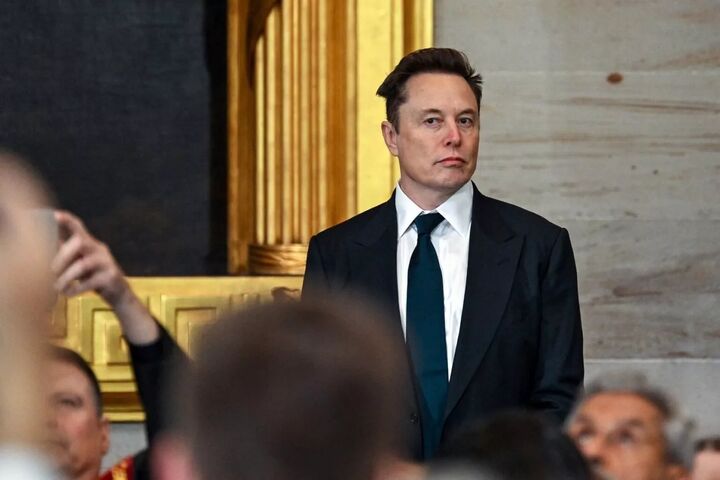
Strategic Council Online – A senior US affairs analyst stated that the overt intervention of billionaire and media mogul Elon Musk in the UK’s internal developments has once again brought the discussion about the role of non-state actors in international politics to the forefront of attention. With his provocative speech at the extreme right-wing rally in London, Musk not only called for the dissolution of parliament and early elections but also effectively sowed the seeds of political violence in the country’s fragile social fabric by promoting a rhetoric of “resistance or destruction.” UK Prime Minister Keir Starmer condemned these remarks, but the matter goes beyond a war of words. The emergence of figures like Musk, who simultaneously possess capital, media influence, and social popularity, has blurred the line between official politics and protest movements. This trend could become a serious challenge to the principle of non-interference in the internal affairs of countries, one of the fundamental principles of the UN Charter. International institutions have been designed primarily to control the actions of states, rather than billionaires who own global platforms. Today, however, developments show that technology and media giants can influence the political developments of countries as independent actors; a reality that could pose new questions to the international order regarding national sovereignty and political security.
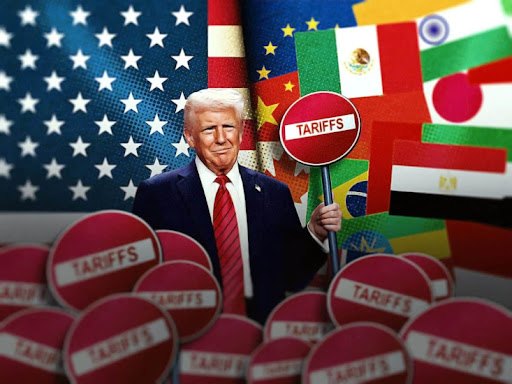
Strategic Council Online – Interview: A senior U.S. affairs analyst stated that the tariff policies of U.S. President Donald Trump have once again exposed the world to the prospect of a full-scale trade war. Trump’s threat to impose a 50% tariff on Brazilian goods and extensive tariffs against over 150 countries, including close U.S. allies like Japan and South Korea, reflects the White House’s aggressive approach to global trade.
Strategic Council Online – Interview: An expert on American affairs believes that Donald Trump’s territorial and sovereign threats against Denmark, Canada, and Mexico stem from his nationalistic approach and force these countries to accept the increase in trade tariffs from the United States.
Strategic Council Online—Interview: An expert on American affairs said: Although, during Donald Trump’s presidency, the approach to the Chinese threat will be the first issue of American foreign policy, the American public will not support the government in a full-scale economic war with China.
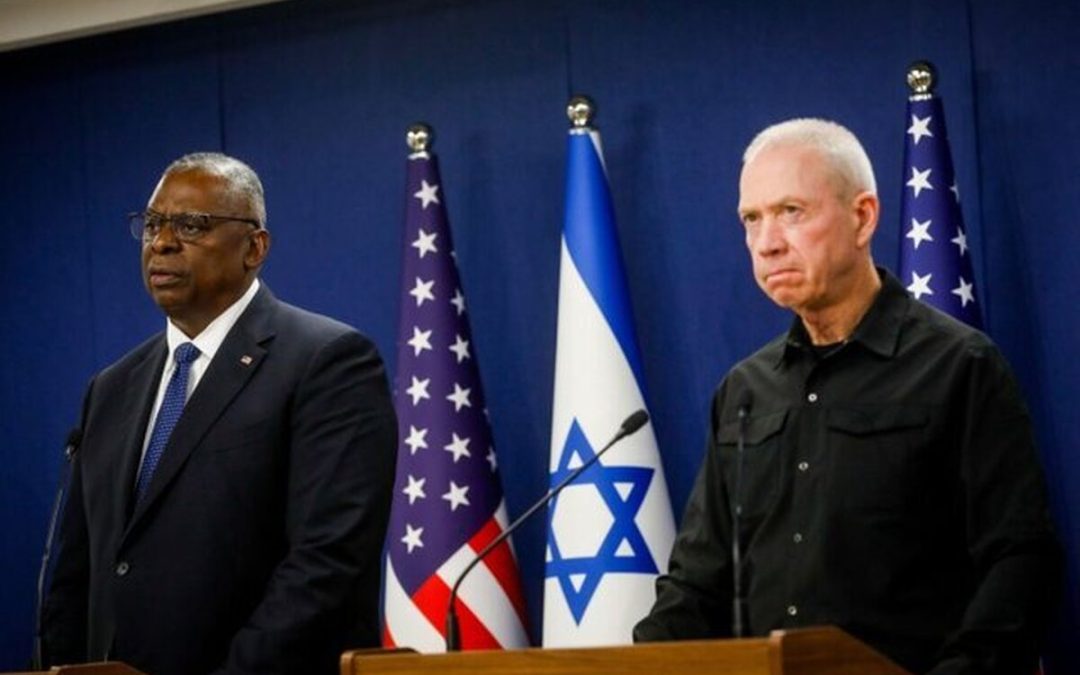
Strategic Council Online: An American issues expert said: The American strategy after one year of the Gaza war is to eradicate West Asia’s resistance groups, but this should be done in such a way that the United States would lose control of the situation because its interests are not in starting a full-scale war in the region.
Strategic Council Online—Interview: An expert on American issues said: Following Joe Biden’s withdrawal from the US election, Kamala Harris entered the race as the Democratic Party candidate. But why did Biden leave, and does Harris have the ability to compete with Donald Trump? Also, what is the direction of this Democratic candidate’s foreign policy?
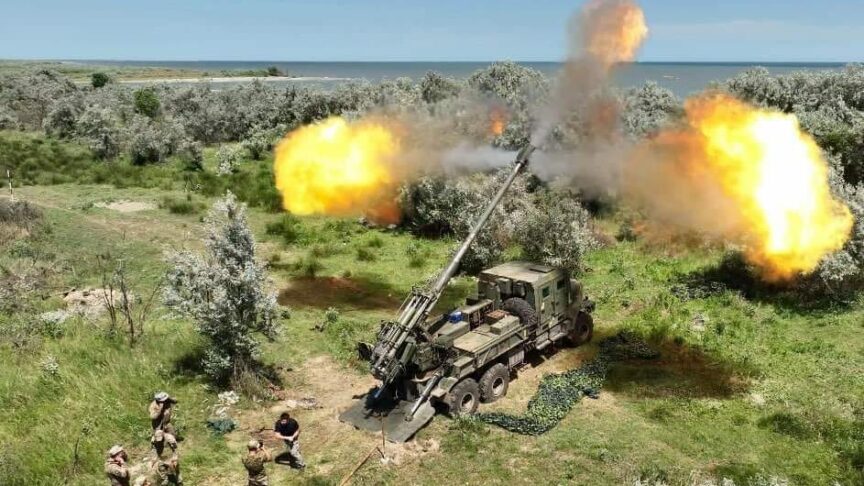
Strategic Council Online – Interview: An expert on international issues said: The more the Ukrainian front is weakened in the war, the more likely this country will use American and European weapons to attack Russian territory and the currently occupied areas, but adopting such a decision needs the cooperation and coordination of the internal issues of these countries, especially the United States.
Strategic Council Online – Interview: An expert on international issues said that the US claims to have suspended sending weapons to the Zionist regime is a political deception to silence public opinion because this would make no difference in the nature of Washington’s support for the Zionist army and the existence of this regime.
SCFR Online – Opinion: The intensification of U.S. sanctions against Iran on the eve of the U.S. midterm elections indicates Washington’s inability to achieve its war objectives.
SCFR Online – Opinion: The competition between Washington and Beijing over chips and artificial intelligence, simultaneously with the shifting of technological balances, has taken on new economic and security dimensions.
SCFR Online – Opinion: The Shanghai Cooperation Organization summit has created a new opportunity for Iran to transform its membership from a political achievement into economic and transit cooperation.
Strategic Council Online – Note: The Makkah Defense Pact can be seen as a sign of regional countries’ efforts to reduce security dependence on extra-regional powers and redefine the balance in West Asia.
SCFR Online – Opinion: The Ukraine war, by exhausting US military capability on one hand and strengthening European defense capacity on the other, has altered the balance of power in the European continent, cast uncertainty over NATO’s future, and is driving it toward a European NATO.
SCFR Online – Opinion: The dissolution of the SDF, although considered an achievement for Turkey’s security, does not put an end to the challenges arising from the Israeli regime’s aggression and expansionism, refugees, and Syria’s fragility.
SCFR Online – Opinion: Concurrent with the official commencement of the United States’ economic war against our country, focusing on sanctions instruments, isolation, and economic pressure, what has now become increasingly important is the lack of alignment of other major global powers, especially China, with this policy.
SCFR Online – Opinion: The new US sanctions against Iran, despite extensive propaganda, face serious obstacles to success due to the ineffectiveness of sanctions tools and opposition from some of Tehran’s trading partners.
SCFR Online – Note: Following the resumption of the US and Israeli regime’s war against Iran on February 28, certain divisions have emerged within the United States regarding this issue, both among the public and among political factions.
Strategic Council Online – Opinion: The new U.S. National Security Strategy document, which emphasizes the slogan “America First,” indicates that Washington has moved away from many previous patterns and shifted its focus from external interventions to the preservation of domestic security and the preservation of the Western Hemisphere. This document redefines threats, priorities, and America’s global role.
Strategic Council Online – A senior US affairs analyst stated that the overt intervention of billionaire and media mogul Elon Musk in the UK’s internal developments has once again brought the discussion about the role of non-state actors in international politics to the forefront of attention. With his provocative speech at the extreme right-wing rally in London, Musk not only called for the dissolution of parliament and early elections but also effectively sowed the seeds of political violence in the country’s fragile social fabric by promoting a rhetoric of “resistance or destruction.” UK Prime Minister Keir Starmer condemned these remarks, but the matter goes beyond a war of words. The emergence of figures like Musk, who simultaneously possess capital, media influence, and social popularity, has blurred the line between official politics and protest movements. This trend could become a serious challenge to the principle of non-interference in the internal affairs of countries, one of the fundamental principles of the UN Charter. International institutions have been designed primarily to control the actions of states, rather than billionaires who own global platforms. Today, however, developments show that technology and media giants can influence the political developments of countries as independent actors; a reality that could pose new questions to the international order regarding national sovereignty and political security.
Strategic Council Online – Interview: A senior U.S. affairs analyst stated that the tariff policies of U.S. President Donald Trump have once again exposed the world to the prospect of a full-scale trade war. Trump’s threat to impose a 50% tariff on Brazilian goods and extensive tariffs against over 150 countries, including close U.S. allies like Japan and South Korea, reflects the White House’s aggressive approach to global trade.
Strategic Council Online – Interview: An expert on American affairs believes that Donald Trump’s territorial and sovereign threats against Denmark, Canada, and Mexico stem from his nationalistic approach and force these countries to accept the increase in trade tariffs from the United States.
Strategic Council Online—Interview: An expert on American affairs said: Although, during Donald Trump’s presidency, the approach to the Chinese threat will be the first issue of American foreign policy, the American public will not support the government in a full-scale economic war with China.
Strategic Council Online: An American issues expert said: The American strategy after one year of the Gaza war is to eradicate West Asia’s resistance groups, but this should be done in such a way that the United States would lose control of the situation because its interests are not in starting a full-scale war in the region.
Strategic Council Online—Interview: An expert on American issues said: Following Joe Biden’s withdrawal from the US election, Kamala Harris entered the race as the Democratic Party candidate. But why did Biden leave, and does Harris have the ability to compete with Donald Trump? Also, what is the direction of this Democratic candidate’s foreign policy?
Strategic Council Online – Interview: An expert on international issues said: The more the Ukrainian front is weakened in the war, the more likely this country will use American and European weapons to attack Russian territory and the currently occupied areas, but adopting such a decision needs the cooperation and coordination of the internal issues of these countries, especially the United States.
Strategic Council Online – Interview: An expert on international issues said that the US claims to have suspended sending weapons to the Zionist regime is a political deception to silence public opinion because this would make no difference in the nature of Washington’s support for the Zionist army and the existence of this regime.
SCFR Online – Note: Following the resumption of the US and Israeli regime’s war against Iran on February 28, certain divisions have emerged within the United States regarding this issue, both among the public and among political factions.
Strategic Council Online – Opinion: The new U.S. National Security Strategy document, which emphasizes the slogan “America First,” indicates that Washington has moved away from many previous patterns and shifted its focus from external interventions to the preservation of domestic security and the preservation of the Western Hemisphere. This document redefines threats, priorities, and America’s global role.
Strategic Council Online – A senior US affairs analyst stated that the overt intervention of billionaire and media mogul Elon Musk in the UK’s internal developments has once again brought the discussion about the role of non-state actors in international politics to the forefront of attention. With his provocative speech at the extreme right-wing rally in London, Musk not only called for the dissolution of parliament and early elections but also effectively sowed the seeds of political violence in the country’s fragile social fabric by promoting a rhetoric of “resistance or destruction.” UK Prime Minister Keir Starmer condemned these remarks, but the matter goes beyond a war of words. The emergence of figures like Musk, who simultaneously possess capital, media influence, and social popularity, has blurred the line between official politics and protest movements. This trend could become a serious challenge to the principle of non-interference in the internal affairs of countries, one of the fundamental principles of the UN Charter. International institutions have been designed primarily to control the actions of states, rather than billionaires who own global platforms. Today, however, developments show that technology and media giants can influence the political developments of countries as independent actors; a reality that could pose new questions to the international order regarding national sovereignty and political security.
Strategic Council Online – Interview: A senior U.S. affairs analyst stated that the tariff policies of U.S. President Donald Trump have once again exposed the world to the prospect of a full-scale trade war. Trump’s threat to impose a 50% tariff on Brazilian goods and extensive tariffs against over 150 countries, including close U.S. allies like Japan and South Korea, reflects the White House’s aggressive approach to global trade.
Strategic Council Online – Interview: An expert on American affairs believes that Donald Trump’s territorial and sovereign threats against Denmark, Canada, and Mexico stem from his nationalistic approach and force these countries to accept the increase in trade tariffs from the United States.
Strategic Council Online—Interview: An expert on American affairs said: Although, during Donald Trump’s presidency, the approach to the Chinese threat will be the first issue of American foreign policy, the American public will not support the government in a full-scale economic war with China.
Strategic Council Online: An American issues expert said: The American strategy after one year of the Gaza war is to eradicate West Asia’s resistance groups, but this should be done in such a way that the United States would lose control of the situation because its interests are not in starting a full-scale war in the region.
Strategic Council Online—Interview: An expert on American issues said: Following Joe Biden’s withdrawal from the US election, Kamala Harris entered the race as the Democratic Party candidate. But why did Biden leave, and does Harris have the ability to compete with Donald Trump? Also, what is the direction of this Democratic candidate’s foreign policy?
Strategic Council Online – Interview: An expert on international issues said: The more the Ukrainian front is weakened in the war, the more likely this country will use American and European weapons to attack Russian territory and the currently occupied areas, but adopting such a decision needs the cooperation and coordination of the internal issues of these countries, especially the United States.
Strategic Council Online – Interview: An expert on international issues said that the US claims to have suspended sending weapons to the Zionist regime is a political deception to silence public opinion because this would make no difference in the nature of Washington’s support for the Zionist army and the existence of this regime.
SCFR Online – Opinion: The intensification of U.S. sanctions against Iran on the eve of the U.S. midterm elections indicates Washington’s inability to achieve its war objectives.
SCFR Online – Opinion: The competition between Washington and Beijing over chips and artificial intelligence, simultaneously with the shifting of technological balances, has taken on new economic and security dimensions.
SCFR Online – Opinion: The Shanghai Cooperation Organization summit has created a new opportunity for Iran to transform its membership from a political achievement into economic and transit cooperation.
Strategic Council Online – Note: The Makkah Defense Pact can be seen as a sign of regional countries’ efforts to reduce security dependence on extra-regional powers and redefine the balance in West Asia.
SCFR Online – Opinion: The Ukraine war, by exhausting US military capability on one hand and strengthening European defense capacity on the other, has altered the balance of power in the European continent, cast uncertainty over NATO’s future, and is driving it toward a European NATO.
SCFR Online – Opinion: The dissolution of the SDF, although considered an achievement for Turkey’s security, does not put an end to the challenges arising from the Israeli regime’s aggression and expansionism, refugees, and Syria’s fragility.
SCFR Online – Opinion: Concurrent with the official commencement of the United States’ economic war against our country, focusing on sanctions instruments, isolation, and economic pressure, what has now become increasingly important is the lack of alignment of other major global powers, especially China, with this policy.
SCFR Online – Opinion: The new US sanctions against Iran, despite extensive propaganda, face serious obstacles to success due to the ineffectiveness of sanctions tools and opposition from some of Tehran’s trading partners.
SCFR Online – Note: Following the resumption of the US and Israeli regime’s war against Iran on February 28, certain divisions have emerged within the United States regarding this issue, both among the public and among political factions.
Strategic Council Online – Opinion: The new U.S. National Security Strategy document, which emphasizes the slogan “America First,” indicates that Washington has moved away from many previous patterns and shifted its focus from external interventions to the preservation of domestic security and the preservation of the Western Hemisphere. This document redefines threats, priorities, and America’s global role.
Strategic Council Online – A senior US affairs analyst stated that the overt intervention of billionaire and media mogul Elon Musk in the UK’s internal developments has once again brought the discussion about the role of non-state actors in international politics to the forefront of attention. With his provocative speech at the extreme right-wing rally in London, Musk not only called for the dissolution of parliament and early elections but also effectively sowed the seeds of political violence in the country’s fragile social fabric by promoting a rhetoric of “resistance or destruction.” UK Prime Minister Keir Starmer condemned these remarks, but the matter goes beyond a war of words. The emergence of figures like Musk, who simultaneously possess capital, media influence, and social popularity, has blurred the line between official politics and protest movements. This trend could become a serious challenge to the principle of non-interference in the internal affairs of countries, one of the fundamental principles of the UN Charter. International institutions have been designed primarily to control the actions of states, rather than billionaires who own global platforms. Today, however, developments show that technology and media giants can influence the political developments of countries as independent actors; a reality that could pose new questions to the international order regarding national sovereignty and political security.
Strategic Council Online – Interview: A senior U.S. affairs analyst stated that the tariff policies of U.S. President Donald Trump have once again exposed the world to the prospect of a full-scale trade war. Trump’s threat to impose a 50% tariff on Brazilian goods and extensive tariffs against over 150 countries, including close U.S. allies like Japan and South Korea, reflects the White House’s aggressive approach to global trade.
Strategic Council Online – Interview: An expert on American affairs believes that Donald Trump’s territorial and sovereign threats against Denmark, Canada, and Mexico stem from his nationalistic approach and force these countries to accept the increase in trade tariffs from the United States.
Strategic Council Online—Interview: An expert on American affairs said: Although, during Donald Trump’s presidency, the approach to the Chinese threat will be the first issue of American foreign policy, the American public will not support the government in a full-scale economic war with China.
Strategic Council Online: An American issues expert said: The American strategy after one year of the Gaza war is to eradicate West Asia’s resistance groups, but this should be done in such a way that the United States would lose control of the situation because its interests are not in starting a full-scale war in the region.
Strategic Council Online—Interview: An expert on American issues said: Following Joe Biden’s withdrawal from the US election, Kamala Harris entered the race as the Democratic Party candidate. But why did Biden leave, and does Harris have the ability to compete with Donald Trump? Also, what is the direction of this Democratic candidate’s foreign policy?
Strategic Council Online – Interview: An expert on international issues said: The more the Ukrainian front is weakened in the war, the more likely this country will use American and European weapons to attack Russian territory and the currently occupied areas, but adopting such a decision needs the cooperation and coordination of the internal issues of these countries, especially the United States.
Strategic Council Online – Interview: An expert on international issues said that the US claims to have suspended sending weapons to the Zionist regime is a political deception to silence public opinion because this would make no difference in the nature of Washington’s support for the Zionist army and the existence of this regime.
SCFR Online – Opinion: The intensification of U.S. sanctions against Iran on the eve of the U.S. midterm elections indicates Washington’s inability to achieve its war objectives.
SCFR Online – Opinion: The competition between Washington and Beijing over chips and artificial intelligence, simultaneously with the shifting of technological balances, has taken on new economic and security dimensions.
SCFR Online – Opinion: The Shanghai Cooperation Organization summit has created a new opportunity for Iran to transform its membership from a political achievement into economic and transit cooperation.
Strategic Council Online – Note: The Makkah Defense Pact can be seen as a sign of regional countries’ efforts to reduce security dependence on extra-regional powers and redefine the balance in West Asia.
SCFR Online – Opinion: The Ukraine war, by exhausting US military capability on one hand and strengthening European defense capacity on the other, has altered the balance of power in the European continent, cast uncertainty over NATO’s future, and is driving it toward a European NATO.
SCFR Online – Opinion: The dissolution of the SDF, although considered an achievement for Turkey’s security, does not put an end to the challenges arising from the Israeli regime’s aggression and expansionism, refugees, and Syria’s fragility.
SCFR Online – Opinion: Concurrent with the official commencement of the United States’ economic war against our country, focusing on sanctions instruments, isolation, and economic pressure, what has now become increasingly important is the lack of alignment of other major global powers, especially China, with this policy.
SCFR Online – Opinion: The new US sanctions against Iran, despite extensive propaganda, face serious obstacles to success due to the ineffectiveness of sanctions tools and opposition from some of Tehran’s trading partners.
SCFR Online – Note: Following the resumption of the US and Israeli regime’s war against Iran on February 28, certain divisions have emerged within the United States regarding this issue, both among the public and among political factions.
Strategic Council Online – Opinion: The new U.S. National Security Strategy document, which emphasizes the slogan “America First,” indicates that Washington has moved away from many previous patterns and shifted its focus from external interventions to the preservation of domestic security and the preservation of the Western Hemisphere. This document redefines threats, priorities, and America’s global role.
Strategic Council Online – A senior US affairs analyst stated that the overt intervention of billionaire and media mogul Elon Musk in the UK’s internal developments has once again brought the discussion about the role of non-state actors in international politics to the forefront of attention. With his provocative speech at the extreme right-wing rally in London, Musk not only called for the dissolution of parliament and early elections but also effectively sowed the seeds of political violence in the country’s fragile social fabric by promoting a rhetoric of “resistance or destruction.” UK Prime Minister Keir Starmer condemned these remarks, but the matter goes beyond a war of words. The emergence of figures like Musk, who simultaneously possess capital, media influence, and social popularity, has blurred the line between official politics and protest movements. This trend could become a serious challenge to the principle of non-interference in the internal affairs of countries, one of the fundamental principles of the UN Charter. International institutions have been designed primarily to control the actions of states, rather than billionaires who own global platforms. Today, however, developments show that technology and media giants can influence the political developments of countries as independent actors; a reality that could pose new questions to the international order regarding national sovereignty and political security.
Strategic Council Online – Interview: A senior U.S. affairs analyst stated that the tariff policies of U.S. President Donald Trump have once again exposed the world to the prospect of a full-scale trade war. Trump’s threat to impose a 50% tariff on Brazilian goods and extensive tariffs against over 150 countries, including close U.S. allies like Japan and South Korea, reflects the White House’s aggressive approach to global trade.
Strategic Council Online – Interview: An expert on American affairs believes that Donald Trump’s territorial and sovereign threats against Denmark, Canada, and Mexico stem from his nationalistic approach and force these countries to accept the increase in trade tariffs from the United States.
Strategic Council Online—Interview: An expert on American affairs said: Although, during Donald Trump’s presidency, the approach to the Chinese threat will be the first issue of American foreign policy, the American public will not support the government in a full-scale economic war with China.
Strategic Council Online: An American issues expert said: The American strategy after one year of the Gaza war is to eradicate West Asia’s resistance groups, but this should be done in such a way that the United States would lose control of the situation because its interests are not in starting a full-scale war in the region.
Strategic Council Online—Interview: An expert on American issues said: Following Joe Biden’s withdrawal from the US election, Kamala Harris entered the race as the Democratic Party candidate. But why did Biden leave, and does Harris have the ability to compete with Donald Trump? Also, what is the direction of this Democratic candidate’s foreign policy?
Strategic Council Online – Interview: An expert on international issues said: The more the Ukrainian front is weakened in the war, the more likely this country will use American and European weapons to attack Russian territory and the currently occupied areas, but adopting such a decision needs the cooperation and coordination of the internal issues of these countries, especially the United States.
Strategic Council Online – Interview: An expert on international issues said that the US claims to have suspended sending weapons to the Zionist regime is a political deception to silence public opinion because this would make no difference in the nature of Washington’s support for the Zionist army and the existence of this regime.
SCFR Online – Opinion: The intensification of U.S. sanctions against Iran on the eve of the U.S. midterm elections indicates Washington’s inability to achieve its war objectives.
SCFR Online – Opinion: The competition between Washington and Beijing over chips and artificial intelligence, simultaneously with the shifting of technological balances, has taken on new economic and security dimensions.
SCFR Online – Opinion: The Shanghai Cooperation Organization summit has created a new opportunity for Iran to transform its membership from a political achievement into economic and transit cooperation.
Strategic Council Online – Note: The Makkah Defense Pact can be seen as a sign of regional countries’ efforts to reduce security dependence on extra-regional powers and redefine the balance in West Asia.
SCFR Online – Opinion: The Ukraine war, by exhausting US military capability on one hand and strengthening European defense capacity on the other, has altered the balance of power in the European continent, cast uncertainty over NATO’s future, and is driving it toward a European NATO.
SCFR Online – Opinion: The dissolution of the SDF, although considered an achievement for Turkey’s security, does not put an end to the challenges arising from the Israeli regime’s aggression and expansionism, refugees, and Syria’s fragility.
SCFR Online – Opinion: Concurrent with the official commencement of the United States’ economic war against our country, focusing on sanctions instruments, isolation, and economic pressure, what has now become increasingly important is the lack of alignment of other major global powers, especially China, with this policy.
SCFR Online – Opinion: The new US sanctions against Iran, despite extensive propaganda, face serious obstacles to success due to the ineffectiveness of sanctions tools and opposition from some of Tehran’s trading partners.
SCFR Online – Note: Following the resumption of the US and Israeli regime’s war against Iran on February 28, certain divisions have emerged within the United States regarding this issue, both among the public and among political factions.
Strategic Council Online – Opinion: The new U.S. National Security Strategy document, which emphasizes the slogan “America First,” indicates that Washington has moved away from many previous patterns and shifted its focus from external interventions to the preservation of domestic security and the preservation of the Western Hemisphere. This document redefines threats, priorities, and America’s global role.
Strategic Council Online – A senior US affairs analyst stated that the overt intervention of billionaire and media mogul Elon Musk in the UK’s internal developments has once again brought the discussion about the role of non-state actors in international politics to the forefront of attention. With his provocative speech at the extreme right-wing rally in London, Musk not only called for the dissolution of parliament and early elections but also effectively sowed the seeds of political violence in the country’s fragile social fabric by promoting a rhetoric of “resistance or destruction.” UK Prime Minister Keir Starmer condemned these remarks, but the matter goes beyond a war of words. The emergence of figures like Musk, who simultaneously possess capital, media influence, and social popularity, has blurred the line between official politics and protest movements. This trend could become a serious challenge to the principle of non-interference in the internal affairs of countries, one of the fundamental principles of the UN Charter. International institutions have been designed primarily to control the actions of states, rather than billionaires who own global platforms. Today, however, developments show that technology and media giants can influence the political developments of countries as independent actors; a reality that could pose new questions to the international order regarding national sovereignty and political security.
Strategic Council Online – Interview: A senior U.S. affairs analyst stated that the tariff policies of U.S. President Donald Trump have once again exposed the world to the prospect of a full-scale trade war. Trump’s threat to impose a 50% tariff on Brazilian goods and extensive tariffs against over 150 countries, including close U.S. allies like Japan and South Korea, reflects the White House’s aggressive approach to global trade.
Strategic Council Online – Interview: An expert on American affairs believes that Donald Trump’s territorial and sovereign threats against Denmark, Canada, and Mexico stem from his nationalistic approach and force these countries to accept the increase in trade tariffs from the United States.
Strategic Council Online—Interview: An expert on American affairs said: Although, during Donald Trump’s presidency, the approach to the Chinese threat will be the first issue of American foreign policy, the American public will not support the government in a full-scale economic war with China.
Strategic Council Online: An American issues expert said: The American strategy after one year of the Gaza war is to eradicate West Asia’s resistance groups, but this should be done in such a way that the United States would lose control of the situation because its interests are not in starting a full-scale war in the region.
Strategic Council Online—Interview: An expert on American issues said: Following Joe Biden’s withdrawal from the US election, Kamala Harris entered the race as the Democratic Party candidate. But why did Biden leave, and does Harris have the ability to compete with Donald Trump? Also, what is the direction of this Democratic candidate’s foreign policy?
Strategic Council Online – Interview: An expert on international issues said: The more the Ukrainian front is weakened in the war, the more likely this country will use American and European weapons to attack Russian territory and the currently occupied areas, but adopting such a decision needs the cooperation and coordination of the internal issues of these countries, especially the United States.
Strategic Council Online – Interview: An expert on international issues said that the US claims to have suspended sending weapons to the Zionist regime is a political deception to silence public opinion because this would make no difference in the nature of Washington’s support for the Zionist army and the existence of this regime.
SCFR Online – Opinion: The intensification of U.S. sanctions against Iran on the eve of the U.S. midterm elections indicates Washington’s inability to achieve its war objectives.
SCFR Online – Opinion: The competition between Washington and Beijing over chips and artificial intelligence, simultaneously with the shifting of technological balances, has taken on new economic and security dimensions.
SCFR Online – Opinion: The Shanghai Cooperation Organization summit has created a new opportunity for Iran to transform its membership from a political achievement into economic and transit cooperation.
Strategic Council Online – Note: The Makkah Defense Pact can be seen as a sign of regional countries’ efforts to reduce security dependence on extra-regional powers and redefine the balance in West Asia.
SCFR Online – Opinion: The Ukraine war, by exhausting US military capability on one hand and strengthening European defense capacity on the other, has altered the balance of power in the European continent, cast uncertainty over NATO’s future, and is driving it toward a European NATO.
SCFR Online – Opinion: The dissolution of the SDF, although considered an achievement for Turkey’s security, does not put an end to the challenges arising from the Israeli regime’s aggression and expansionism, refugees, and Syria’s fragility.
SCFR Online – Opinion: Concurrent with the official commencement of the United States’ economic war against our country, focusing on sanctions instruments, isolation, and economic pressure, what has now become increasingly important is the lack of alignment of other major global powers, especially China, with this policy.
SCFR Online – Opinion: The new US sanctions against Iran, despite extensive propaganda, face serious obstacles to success due to the ineffectiveness of sanctions tools and opposition from some of Tehran’s trading partners.
SCFR Online – Note: Following the resumption of the US and Israeli regime’s war against Iran on February 28, certain divisions have emerged within the United States regarding this issue, both among the public and among political factions.
Strategic Council Online – Opinion: The new U.S. National Security Strategy document, which emphasizes the slogan “America First,” indicates that Washington has moved away from many previous patterns and shifted its focus from external interventions to the preservation of domestic security and the preservation of the Western Hemisphere. This document redefines threats, priorities, and America’s global role.
Strategic Council Online – A senior US affairs analyst stated that the overt intervention of billionaire and media mogul Elon Musk in the UK’s internal developments has once again brought the discussion about the role of non-state actors in international politics to the forefront of attention. With his provocative speech at the extreme right-wing rally in London, Musk not only called for the dissolution of parliament and early elections but also effectively sowed the seeds of political violence in the country’s fragile social fabric by promoting a rhetoric of “resistance or destruction.” UK Prime Minister Keir Starmer condemned these remarks, but the matter goes beyond a war of words. The emergence of figures like Musk, who simultaneously possess capital, media influence, and social popularity, has blurred the line between official politics and protest movements. This trend could become a serious challenge to the principle of non-interference in the internal affairs of countries, one of the fundamental principles of the UN Charter. International institutions have been designed primarily to control the actions of states, rather than billionaires who own global platforms. Today, however, developments show that technology and media giants can influence the political developments of countries as independent actors; a reality that could pose new questions to the international order regarding national sovereignty and political security.
Strategic Council Online – Interview: A senior U.S. affairs analyst stated that the tariff policies of U.S. President Donald Trump have once again exposed the world to the prospect of a full-scale trade war. Trump’s threat to impose a 50% tariff on Brazilian goods and extensive tariffs against over 150 countries, including close U.S. allies like Japan and South Korea, reflects the White House’s aggressive approach to global trade.
Strategic Council Online – Interview: An expert on American affairs believes that Donald Trump’s territorial and sovereign threats against Denmark, Canada, and Mexico stem from his nationalistic approach and force these countries to accept the increase in trade tariffs from the United States.
Strategic Council Online—Interview: An expert on American affairs said: Although, during Donald Trump’s presidency, the approach to the Chinese threat will be the first issue of American foreign policy, the American public will not support the government in a full-scale economic war with China.
Strategic Council Online: An American issues expert said: The American strategy after one year of the Gaza war is to eradicate West Asia’s resistance groups, but this should be done in such a way that the United States would lose control of the situation because its interests are not in starting a full-scale war in the region.
Strategic Council Online—Interview: An expert on American issues said: Following Joe Biden’s withdrawal from the US election, Kamala Harris entered the race as the Democratic Party candidate. But why did Biden leave, and does Harris have the ability to compete with Donald Trump? Also, what is the direction of this Democratic candidate’s foreign policy?
Strategic Council Online – Interview: An expert on international issues said: The more the Ukrainian front is weakened in the war, the more likely this country will use American and European weapons to attack Russian territory and the currently occupied areas, but adopting such a decision needs the cooperation and coordination of the internal issues of these countries, especially the United States.
Strategic Council Online – Interview: An expert on international issues said that the US claims to have suspended sending weapons to the Zionist regime is a political deception to silence public opinion because this would make no difference in the nature of Washington’s support for the Zionist army and the existence of this regime.
SCFR Online – Opinion: The intensification of U.S. sanctions against Iran on the eve of the U.S. midterm elections indicates Washington’s inability to achieve its war objectives.
SCFR Online – Opinion: The competition between Washington and Beijing over chips and artificial intelligence, simultaneously with the shifting of technological balances, has taken on new economic and security dimensions.
SCFR Online – Opinion: The Shanghai Cooperation Organization summit has created a new opportunity for Iran to transform its membership from a political achievement into economic and transit cooperation.
Strategic Council Online – Note: The Makkah Defense Pact can be seen as a sign of regional countries’ efforts to reduce security dependence on extra-regional powers and redefine the balance in West Asia.
SCFR Online – Opinion: The Ukraine war, by exhausting US military capability on one hand and strengthening European defense capacity on the other, has altered the balance of power in the European continent, cast uncertainty over NATO’s future, and is driving it toward a European NATO.
SCFR Online – Opinion: The dissolution of the SDF, although considered an achievement for Turkey’s security, does not put an end to the challenges arising from the Israeli regime’s aggression and expansionism, refugees, and Syria’s fragility.
SCFR Online – Opinion: Concurrent with the official commencement of the United States’ economic war against our country, focusing on sanctions instruments, isolation, and economic pressure, what has now become increasingly important is the lack of alignment of other major global powers, especially China, with this policy.
SCFR Online – Opinion: The new US sanctions against Iran, despite extensive propaganda, face serious obstacles to success due to the ineffectiveness of sanctions tools and opposition from some of Tehran’s trading partners.