An Analysis of the Makkah Defense Pact
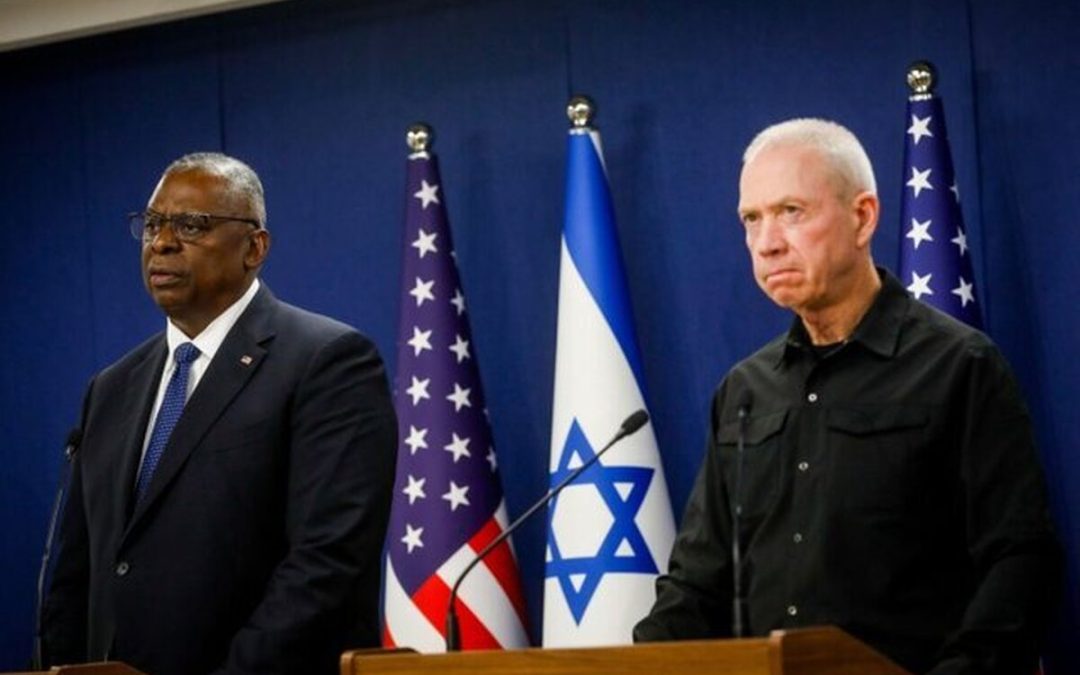
SCFR Online – Opinion: On Friday, August 7, the heads of state of three countries – Saudi Arabia, Turkey, and Pakistan – signed a text under the title “Makkah Joint Defense Agreement.”
Strategic Council Online – Note: The initiative to revive the Hejaz Railway, beyond being a transportation project, constitutes an attempt to redefine geopolitics, the economy, and Turkey’s regional position; however, its realization appears to face significant financial, security, and institutional challenges.
SCFR Online – Opinion: The Strait of Hormuz crisis is no longer merely the consequence of a military confrontation, but rather a sign of the transition from the US-centered maritime order to a new energy security structure involving the participation of emerging and influential powers.
SCFR Online – Opinion: Iran’s active deterrence strategy, while increasing the costs of US intervention, has increasingly exposed the hidden rifts between Washington’s interests and those of the Israeli regime.
SCFR Online – Opinion: The escalation of verbal and strategic tensions between Turkey and the Israeli regime, although not increasing the likelihood of direct war, indicates the formation of a new order in West Asian geopolitical rivalries.
Strategic Council Online – Note: Recent developments in the political geography of West Asia, from rising tensions in the Persian Gulf to missile and drone activities in the Red Sea and the recent warning by Kaja Kallas, the European Union’s foreign policy chief, regarding the threat to freedom of navigation, indicate a key pattern shift; the US-Iran war has moved beyond the scope of a regional and local confrontation and has linked two vital passageways for the global economy: the Strait of Hormuz and the Bab el-Mandeb Strait.
SCFR Online – Opinion: The Ukraine war was not merely a European crisis, but rather the starting point for the rearrangement of the global balance of power and a shift in the strategic behavior of great powers.
SCFR Online – Opinion: Great power competition is now pursued more in trade, currency, technology, and global supply chains than on the battlefields of military confrontation.
Strategic Council Online – Interview: An expert on international issues said that the US claims to have suspended sending weapons to the Zionist regime is a political deception to silence public opinion because this would make no difference in the nature of Washington’s support for the Zionist army and the existence of this regime.
Strategic Council Online – Interview: Former Iranian diplomat in Sanaa, stating that adoption of the UN Security Council resolution against Ansarollah will complicate the peace process in that country, added: Such a measure by some countries and the United Nations, while escalating tensions, will face the peace process with problems and prolongs the war.
Strategic Council Online- Relations between Brussels and Minsk has entered into a new challenge within the past few days. Belarussian government made the Ryan Air flight, flying from Greece to Lithuania carrying Roman Protasevich, an opposition journalist of Belarus government, to land at Minsk International Airport escorted by a fighter jet. European leaders have called the measure of Lukashenko as hijacking. On the other side, Lukashenko considers the imposition of sanctions by the EU as an effort to instigate his domestic opponents and to destabilize Belarus.
Alireza Samoodi, European Analyst
Strategic Council Online – Russian Foreign Minister Sergei Lavrov visited Iran on April 13 and met with senior Iranian officials. The content of Lavrov’s visit was to discuss strengthening of bilateral relations between Iran and Russia and paving the way for strategizing these relations.
Seyed Reza Mirtaher – Analyst of international affairs
Strategic Council Online – National governments and international institutions such as the United Nations and the European Union impose economic sanctions with an aim of forcing, deterring, punishing or discrediting entities that jeopardize their interests or violate the so-called international norms. In fact, the philosophy of the existence of sanctions is a tool for the punishment and consequently forcing the target country to change its behavior. Sanctions are generally seen as a low-cost, low-risk route, and in fact as a course between diplomacy and war.
Peyman Hassani – Researcher at the Office of Economic Diplomacy Studies, Imam Sadegh (AS) University
Strategic Council Online—Opinion: The serious concern of the United States about the expiration of arms sanctions against Iran, which has been undermentioned in the outlets, is that Iran is now able to, legally and openly, export weapons. And that is a serious and sensitive blow to Washington and its regional allies.
Seyyed Reza Mirtaher- Expert of military and strategic issues
Strategic Council Online – If Joe Biden, Trump’s Democratic rival, wins the presidential elections, we will be witness to a different atmosphere in the arena of international relations and Chinese and Russian arms sales to Iran will be overshadowed by Biden’s return to the Joint Comprehensive Plan of Action (JCPOA). Under such circumstances, Beijing and Moscow will sell conventional and limited arms to Iran more conveniently.
Rahman Qahramanpour – Senior Expert on Geopolitical Affairs
Strategic Council Online-Interview: The United States is totally alone and isolated in its campaign against Iran, an expert of international relations said adding that “Iran, instead of engaging in direct confrontation with the US, incited in practice the global community against the US and so far, the US has been the loser of this confrontation.”
Online Strategic Council-interview: An expert of international relations, while explaining various aspects of the new US letter to the UN to re-impose sanctions against Iran, said “it is surprising that this letter has been send to the UN totally irrespective of the reaction by the international community including the opposition of 13 of the Security Council members.”
Strategic Council Online – The opposition of Beijing and Moscow to Washington’s request to extend the arms embargo on Iran, i.e. giving a negative vote to the US draft resolution of the Security Council, indicates that these countries want to sell arms to Iran.
Amir Ali Abolfath – American Affairs Expert
SCFR Online – Opinion: On Friday, August 7, the heads of state of three countries – Saudi Arabia, Turkey, and Pakistan – signed a text under the title “Makkah Joint Defense Agreement.”
Strategic Council Online – Note: The initiative to revive the Hejaz Railway, beyond being a transportation project, constitutes an attempt to redefine geopolitics, the economy, and Turkey’s regional position; however, its realization appears to face significant financial, security, and institutional challenges.
SCFR Online – Opinion: The Strait of Hormuz crisis is no longer merely the consequence of a military confrontation, but rather a sign of the transition from the US-centered maritime order to a new energy security structure involving the participation of emerging and influential powers.
SCFR Online – Opinion: Iran’s active deterrence strategy, while increasing the costs of US intervention, has increasingly exposed the hidden rifts between Washington’s interests and those of the Israeli regime.
SCFR Online – Opinion: The escalation of verbal and strategic tensions between Turkey and the Israeli regime, although not increasing the likelihood of direct war, indicates the formation of a new order in West Asian geopolitical rivalries.
Strategic Council Online – Note: Recent developments in the political geography of West Asia, from rising tensions in the Persian Gulf to missile and drone activities in the Red Sea and the recent warning by Kaja Kallas, the European Union’s foreign policy chief, regarding the threat to freedom of navigation, indicate a key pattern shift; the US-Iran war has moved beyond the scope of a regional and local confrontation and has linked two vital passageways for the global economy: the Strait of Hormuz and the Bab el-Mandeb Strait.
SCFR Online – Opinion: The Ukraine war was not merely a European crisis, but rather the starting point for the rearrangement of the global balance of power and a shift in the strategic behavior of great powers.
SCFR Online – Opinion: Great power competition is now pursued more in trade, currency, technology, and global supply chains than on the battlefields of military confrontation.
Strategic Council Online – Interview: An expert on international issues said that the US claims to have suspended sending weapons to the Zionist regime is a political deception to silence public opinion because this would make no difference in the nature of Washington’s support for the Zionist army and the existence of this regime.
Strategic Council Online – Interview: Former Iranian diplomat in Sanaa, stating that adoption of the UN Security Council resolution against Ansarollah will complicate the peace process in that country, added: Such a measure by some countries and the United Nations, while escalating tensions, will face the peace process with problems and prolongs the war.
Strategic Council Online- Relations between Brussels and Minsk has entered into a new challenge within the past few days. Belarussian government made the Ryan Air flight, flying from Greece to Lithuania carrying Roman Protasevich, an opposition journalist of Belarus government, to land at Minsk International Airport escorted by a fighter jet. European leaders have called the measure of Lukashenko as hijacking. On the other side, Lukashenko considers the imposition of sanctions by the EU as an effort to instigate his domestic opponents and to destabilize Belarus.
Alireza Samoodi, European Analyst
Strategic Council Online – Russian Foreign Minister Sergei Lavrov visited Iran on April 13 and met with senior Iranian officials. The content of Lavrov’s visit was to discuss strengthening of bilateral relations between Iran and Russia and paving the way for strategizing these relations.
Seyed Reza Mirtaher – Analyst of international affairs
Strategic Council Online – National governments and international institutions such as the United Nations and the European Union impose economic sanctions with an aim of forcing, deterring, punishing or discrediting entities that jeopardize their interests or violate the so-called international norms. In fact, the philosophy of the existence of sanctions is a tool for the punishment and consequently forcing the target country to change its behavior. Sanctions are generally seen as a low-cost, low-risk route, and in fact as a course between diplomacy and war.
Peyman Hassani – Researcher at the Office of Economic Diplomacy Studies, Imam Sadegh (AS) University
Strategic Council Online—Opinion: The serious concern of the United States about the expiration of arms sanctions against Iran, which has been undermentioned in the outlets, is that Iran is now able to, legally and openly, export weapons. And that is a serious and sensitive blow to Washington and its regional allies.
Seyyed Reza Mirtaher- Expert of military and strategic issues
Strategic Council Online – If Joe Biden, Trump’s Democratic rival, wins the presidential elections, we will be witness to a different atmosphere in the arena of international relations and Chinese and Russian arms sales to Iran will be overshadowed by Biden’s return to the Joint Comprehensive Plan of Action (JCPOA). Under such circumstances, Beijing and Moscow will sell conventional and limited arms to Iran more conveniently.
Rahman Qahramanpour – Senior Expert on Geopolitical Affairs
Strategic Council Online-Interview: The United States is totally alone and isolated in its campaign against Iran, an expert of international relations said adding that “Iran, instead of engaging in direct confrontation with the US, incited in practice the global community against the US and so far, the US has been the loser of this confrontation.”
Online Strategic Council-interview: An expert of international relations, while explaining various aspects of the new US letter to the UN to re-impose sanctions against Iran, said “it is surprising that this letter has been send to the UN totally irrespective of the reaction by the international community including the opposition of 13 of the Security Council members.”
Strategic Council Online – The opposition of Beijing and Moscow to Washington’s request to extend the arms embargo on Iran, i.e. giving a negative vote to the US draft resolution of the Security Council, indicates that these countries want to sell arms to Iran.
Amir Ali Abolfath – American Affairs Expert
Strategic Council Online – Interview: An expert on international issues said that the US claims to have suspended sending weapons to the Zionist regime is a political deception to silence public opinion because this would make no difference in the nature of Washington’s support for the Zionist army and the existence of this regime.
Strategic Council Online – Interview: Former Iranian diplomat in Sanaa, stating that adoption of the UN Security Council resolution against Ansarollah will complicate the peace process in that country, added: Such a measure by some countries and the United Nations, while escalating tensions, will face the peace process with problems and prolongs the war.
Strategic Council Online- Relations between Brussels and Minsk has entered into a new challenge within the past few days. Belarussian government made the Ryan Air flight, flying from Greece to Lithuania carrying Roman Protasevich, an opposition journalist of Belarus government, to land at Minsk International Airport escorted by a fighter jet. European leaders have called the measure of Lukashenko as hijacking. On the other side, Lukashenko considers the imposition of sanctions by the EU as an effort to instigate his domestic opponents and to destabilize Belarus.
Alireza Samoodi, European Analyst
Strategic Council Online – Russian Foreign Minister Sergei Lavrov visited Iran on April 13 and met with senior Iranian officials. The content of Lavrov’s visit was to discuss strengthening of bilateral relations between Iran and Russia and paving the way for strategizing these relations.
Seyed Reza Mirtaher – Analyst of international affairs
Strategic Council Online – National governments and international institutions such as the United Nations and the European Union impose economic sanctions with an aim of forcing, deterring, punishing or discrediting entities that jeopardize their interests or violate the so-called international norms. In fact, the philosophy of the existence of sanctions is a tool for the punishment and consequently forcing the target country to change its behavior. Sanctions are generally seen as a low-cost, low-risk route, and in fact as a course between diplomacy and war.
Peyman Hassani – Researcher at the Office of Economic Diplomacy Studies, Imam Sadegh (AS) University
Strategic Council Online—Opinion: The serious concern of the United States about the expiration of arms sanctions against Iran, which has been undermentioned in the outlets, is that Iran is now able to, legally and openly, export weapons. And that is a serious and sensitive blow to Washington and its regional allies.
Seyyed Reza Mirtaher- Expert of military and strategic issues
Strategic Council Online – If Joe Biden, Trump’s Democratic rival, wins the presidential elections, we will be witness to a different atmosphere in the arena of international relations and Chinese and Russian arms sales to Iran will be overshadowed by Biden’s return to the Joint Comprehensive Plan of Action (JCPOA). Under such circumstances, Beijing and Moscow will sell conventional and limited arms to Iran more conveniently.
Rahman Qahramanpour – Senior Expert on Geopolitical Affairs
Strategic Council Online-Interview: The United States is totally alone and isolated in its campaign against Iran, an expert of international relations said adding that “Iran, instead of engaging in direct confrontation with the US, incited in practice the global community against the US and so far, the US has been the loser of this confrontation.”
Online Strategic Council-interview: An expert of international relations, while explaining various aspects of the new US letter to the UN to re-impose sanctions against Iran, said “it is surprising that this letter has been send to the UN totally irrespective of the reaction by the international community including the opposition of 13 of the Security Council members.”
Strategic Council Online – The opposition of Beijing and Moscow to Washington’s request to extend the arms embargo on Iran, i.e. giving a negative vote to the US draft resolution of the Security Council, indicates that these countries want to sell arms to Iran.
Amir Ali Abolfath – American Affairs Expert
SCFR Online – Opinion: On Friday, August 7, the heads of state of three countries – Saudi Arabia, Turkey, and Pakistan – signed a text under the title “Makkah Joint Defense Agreement.”
Strategic Council Online – Note: The initiative to revive the Hejaz Railway, beyond being a transportation project, constitutes an attempt to redefine geopolitics, the economy, and Turkey’s regional position; however, its realization appears to face significant financial, security, and institutional challenges.
SCFR Online – Opinion: The Strait of Hormuz crisis is no longer merely the consequence of a military confrontation, but rather a sign of the transition from the US-centered maritime order to a new energy security structure involving the participation of emerging and influential powers.
SCFR Online – Opinion: Iran’s active deterrence strategy, while increasing the costs of US intervention, has increasingly exposed the hidden rifts between Washington’s interests and those of the Israeli regime.
SCFR Online – Opinion: The escalation of verbal and strategic tensions between Turkey and the Israeli regime, although not increasing the likelihood of direct war, indicates the formation of a new order in West Asian geopolitical rivalries.
Strategic Council Online – Note: Recent developments in the political geography of West Asia, from rising tensions in the Persian Gulf to missile and drone activities in the Red Sea and the recent warning by Kaja Kallas, the European Union’s foreign policy chief, regarding the threat to freedom of navigation, indicate a key pattern shift; the US-Iran war has moved beyond the scope of a regional and local confrontation and has linked two vital passageways for the global economy: the Strait of Hormuz and the Bab el-Mandeb Strait.
SCFR Online – Opinion: The Ukraine war was not merely a European crisis, but rather the starting point for the rearrangement of the global balance of power and a shift in the strategic behavior of great powers.
SCFR Online – Opinion: Great power competition is now pursued more in trade, currency, technology, and global supply chains than on the battlefields of military confrontation.
Strategic Council Online – Interview: An expert on international issues said that the US claims to have suspended sending weapons to the Zionist regime is a political deception to silence public opinion because this would make no difference in the nature of Washington’s support for the Zionist army and the existence of this regime.
Strategic Council Online – Interview: Former Iranian diplomat in Sanaa, stating that adoption of the UN Security Council resolution against Ansarollah will complicate the peace process in that country, added: Such a measure by some countries and the United Nations, while escalating tensions, will face the peace process with problems and prolongs the war.
Strategic Council Online- Relations between Brussels and Minsk has entered into a new challenge within the past few days. Belarussian government made the Ryan Air flight, flying from Greece to Lithuania carrying Roman Protasevich, an opposition journalist of Belarus government, to land at Minsk International Airport escorted by a fighter jet. European leaders have called the measure of Lukashenko as hijacking. On the other side, Lukashenko considers the imposition of sanctions by the EU as an effort to instigate his domestic opponents and to destabilize Belarus.
Alireza Samoodi, European Analyst
Strategic Council Online – Russian Foreign Minister Sergei Lavrov visited Iran on April 13 and met with senior Iranian officials. The content of Lavrov’s visit was to discuss strengthening of bilateral relations between Iran and Russia and paving the way for strategizing these relations.
Seyed Reza Mirtaher – Analyst of international affairs
Strategic Council Online – National governments and international institutions such as the United Nations and the European Union impose economic sanctions with an aim of forcing, deterring, punishing or discrediting entities that jeopardize their interests or violate the so-called international norms. In fact, the philosophy of the existence of sanctions is a tool for the punishment and consequently forcing the target country to change its behavior. Sanctions are generally seen as a low-cost, low-risk route, and in fact as a course between diplomacy and war.
Peyman Hassani – Researcher at the Office of Economic Diplomacy Studies, Imam Sadegh (AS) University
Strategic Council Online—Opinion: The serious concern of the United States about the expiration of arms sanctions against Iran, which has been undermentioned in the outlets, is that Iran is now able to, legally and openly, export weapons. And that is a serious and sensitive blow to Washington and its regional allies.
Seyyed Reza Mirtaher- Expert of military and strategic issues
Strategic Council Online – If Joe Biden, Trump’s Democratic rival, wins the presidential elections, we will be witness to a different atmosphere in the arena of international relations and Chinese and Russian arms sales to Iran will be overshadowed by Biden’s return to the Joint Comprehensive Plan of Action (JCPOA). Under such circumstances, Beijing and Moscow will sell conventional and limited arms to Iran more conveniently.
Rahman Qahramanpour – Senior Expert on Geopolitical Affairs
Strategic Council Online-Interview: The United States is totally alone and isolated in its campaign against Iran, an expert of international relations said adding that “Iran, instead of engaging in direct confrontation with the US, incited in practice the global community against the US and so far, the US has been the loser of this confrontation.”
Online Strategic Council-interview: An expert of international relations, while explaining various aspects of the new US letter to the UN to re-impose sanctions against Iran, said “it is surprising that this letter has been send to the UN totally irrespective of the reaction by the international community including the opposition of 13 of the Security Council members.”
Strategic Council Online – The opposition of Beijing and Moscow to Washington’s request to extend the arms embargo on Iran, i.e. giving a negative vote to the US draft resolution of the Security Council, indicates that these countries want to sell arms to Iran.
Amir Ali Abolfath – American Affairs Expert
SCFR Online – Opinion: On Friday, August 7, the heads of state of three countries – Saudi Arabia, Turkey, and Pakistan – signed a text under the title “Makkah Joint Defense Agreement.”
Strategic Council Online – Note: The initiative to revive the Hejaz Railway, beyond being a transportation project, constitutes an attempt to redefine geopolitics, the economy, and Turkey’s regional position; however, its realization appears to face significant financial, security, and institutional challenges.
SCFR Online – Opinion: The Strait of Hormuz crisis is no longer merely the consequence of a military confrontation, but rather a sign of the transition from the US-centered maritime order to a new energy security structure involving the participation of emerging and influential powers.
SCFR Online – Opinion: Iran’s active deterrence strategy, while increasing the costs of US intervention, has increasingly exposed the hidden rifts between Washington’s interests and those of the Israeli regime.
SCFR Online – Opinion: The escalation of verbal and strategic tensions between Turkey and the Israeli regime, although not increasing the likelihood of direct war, indicates the formation of a new order in West Asian geopolitical rivalries.
Strategic Council Online – Note: Recent developments in the political geography of West Asia, from rising tensions in the Persian Gulf to missile and drone activities in the Red Sea and the recent warning by Kaja Kallas, the European Union’s foreign policy chief, regarding the threat to freedom of navigation, indicate a key pattern shift; the US-Iran war has moved beyond the scope of a regional and local confrontation and has linked two vital passageways for the global economy: the Strait of Hormuz and the Bab el-Mandeb Strait.
SCFR Online – Opinion: The Ukraine war was not merely a European crisis, but rather the starting point for the rearrangement of the global balance of power and a shift in the strategic behavior of great powers.
SCFR Online – Opinion: Great power competition is now pursued more in trade, currency, technology, and global supply chains than on the battlefields of military confrontation.
Strategic Council Online – Interview: An expert on international issues said that the US claims to have suspended sending weapons to the Zionist regime is a political deception to silence public opinion because this would make no difference in the nature of Washington’s support for the Zionist army and the existence of this regime.
Strategic Council Online – Interview: Former Iranian diplomat in Sanaa, stating that adoption of the UN Security Council resolution against Ansarollah will complicate the peace process in that country, added: Such a measure by some countries and the United Nations, while escalating tensions, will face the peace process with problems and prolongs the war.
Strategic Council Online- Relations between Brussels and Minsk has entered into a new challenge within the past few days. Belarussian government made the Ryan Air flight, flying from Greece to Lithuania carrying Roman Protasevich, an opposition journalist of Belarus government, to land at Minsk International Airport escorted by a fighter jet. European leaders have called the measure of Lukashenko as hijacking. On the other side, Lukashenko considers the imposition of sanctions by the EU as an effort to instigate his domestic opponents and to destabilize Belarus.
Alireza Samoodi, European Analyst
Strategic Council Online – Russian Foreign Minister Sergei Lavrov visited Iran on April 13 and met with senior Iranian officials. The content of Lavrov’s visit was to discuss strengthening of bilateral relations between Iran and Russia and paving the way for strategizing these relations.
Seyed Reza Mirtaher – Analyst of international affairs
Strategic Council Online – National governments and international institutions such as the United Nations and the European Union impose economic sanctions with an aim of forcing, deterring, punishing or discrediting entities that jeopardize their interests or violate the so-called international norms. In fact, the philosophy of the existence of sanctions is a tool for the punishment and consequently forcing the target country to change its behavior. Sanctions are generally seen as a low-cost, low-risk route, and in fact as a course between diplomacy and war.
Peyman Hassani – Researcher at the Office of Economic Diplomacy Studies, Imam Sadegh (AS) University
Strategic Council Online—Opinion: The serious concern of the United States about the expiration of arms sanctions against Iran, which has been undermentioned in the outlets, is that Iran is now able to, legally and openly, export weapons. And that is a serious and sensitive blow to Washington and its regional allies.
Seyyed Reza Mirtaher- Expert of military and strategic issues
Strategic Council Online – If Joe Biden, Trump’s Democratic rival, wins the presidential elections, we will be witness to a different atmosphere in the arena of international relations and Chinese and Russian arms sales to Iran will be overshadowed by Biden’s return to the Joint Comprehensive Plan of Action (JCPOA). Under such circumstances, Beijing and Moscow will sell conventional and limited arms to Iran more conveniently.
Rahman Qahramanpour – Senior Expert on Geopolitical Affairs
Strategic Council Online-Interview: The United States is totally alone and isolated in its campaign against Iran, an expert of international relations said adding that “Iran, instead of engaging in direct confrontation with the US, incited in practice the global community against the US and so far, the US has been the loser of this confrontation.”
Online Strategic Council-interview: An expert of international relations, while explaining various aspects of the new US letter to the UN to re-impose sanctions against Iran, said “it is surprising that this letter has been send to the UN totally irrespective of the reaction by the international community including the opposition of 13 of the Security Council members.”
Strategic Council Online – The opposition of Beijing and Moscow to Washington’s request to extend the arms embargo on Iran, i.e. giving a negative vote to the US draft resolution of the Security Council, indicates that these countries want to sell arms to Iran.
Amir Ali Abolfath – American Affairs Expert
SCFR Online – Opinion: On Friday, August 7, the heads of state of three countries – Saudi Arabia, Turkey, and Pakistan – signed a text under the title “Makkah Joint Defense Agreement.”
Strategic Council Online – Note: The initiative to revive the Hejaz Railway, beyond being a transportation project, constitutes an attempt to redefine geopolitics, the economy, and Turkey’s regional position; however, its realization appears to face significant financial, security, and institutional challenges.
SCFR Online – Opinion: The Strait of Hormuz crisis is no longer merely the consequence of a military confrontation, but rather a sign of the transition from the US-centered maritime order to a new energy security structure involving the participation of emerging and influential powers.
SCFR Online – Opinion: Iran’s active deterrence strategy, while increasing the costs of US intervention, has increasingly exposed the hidden rifts between Washington’s interests and those of the Israeli regime.
SCFR Online – Opinion: The escalation of verbal and strategic tensions between Turkey and the Israeli regime, although not increasing the likelihood of direct war, indicates the formation of a new order in West Asian geopolitical rivalries.
Strategic Council Online – Note: Recent developments in the political geography of West Asia, from rising tensions in the Persian Gulf to missile and drone activities in the Red Sea and the recent warning by Kaja Kallas, the European Union’s foreign policy chief, regarding the threat to freedom of navigation, indicate a key pattern shift; the US-Iran war has moved beyond the scope of a regional and local confrontation and has linked two vital passageways for the global economy: the Strait of Hormuz and the Bab el-Mandeb Strait.
SCFR Online – Opinion: The Ukraine war was not merely a European crisis, but rather the starting point for the rearrangement of the global balance of power and a shift in the strategic behavior of great powers.
SCFR Online – Opinion: Great power competition is now pursued more in trade, currency, technology, and global supply chains than on the battlefields of military confrontation.
Strategic Council Online – Interview: An expert on international issues said that the US claims to have suspended sending weapons to the Zionist regime is a political deception to silence public opinion because this would make no difference in the nature of Washington’s support for the Zionist army and the existence of this regime.
Strategic Council Online – Interview: Former Iranian diplomat in Sanaa, stating that adoption of the UN Security Council resolution against Ansarollah will complicate the peace process in that country, added: Such a measure by some countries and the United Nations, while escalating tensions, will face the peace process with problems and prolongs the war.
Strategic Council Online- Relations between Brussels and Minsk has entered into a new challenge within the past few days. Belarussian government made the Ryan Air flight, flying from Greece to Lithuania carrying Roman Protasevich, an opposition journalist of Belarus government, to land at Minsk International Airport escorted by a fighter jet. European leaders have called the measure of Lukashenko as hijacking. On the other side, Lukashenko considers the imposition of sanctions by the EU as an effort to instigate his domestic opponents and to destabilize Belarus.
Alireza Samoodi, European Analyst
Strategic Council Online – Russian Foreign Minister Sergei Lavrov visited Iran on April 13 and met with senior Iranian officials. The content of Lavrov’s visit was to discuss strengthening of bilateral relations between Iran and Russia and paving the way for strategizing these relations.
Seyed Reza Mirtaher – Analyst of international affairs
Strategic Council Online – National governments and international institutions such as the United Nations and the European Union impose economic sanctions with an aim of forcing, deterring, punishing or discrediting entities that jeopardize their interests or violate the so-called international norms. In fact, the philosophy of the existence of sanctions is a tool for the punishment and consequently forcing the target country to change its behavior. Sanctions are generally seen as a low-cost, low-risk route, and in fact as a course between diplomacy and war.
Peyman Hassani – Researcher at the Office of Economic Diplomacy Studies, Imam Sadegh (AS) University
Strategic Council Online—Opinion: The serious concern of the United States about the expiration of arms sanctions against Iran, which has been undermentioned in the outlets, is that Iran is now able to, legally and openly, export weapons. And that is a serious and sensitive blow to Washington and its regional allies.
Seyyed Reza Mirtaher- Expert of military and strategic issues
Strategic Council Online – If Joe Biden, Trump’s Democratic rival, wins the presidential elections, we will be witness to a different atmosphere in the arena of international relations and Chinese and Russian arms sales to Iran will be overshadowed by Biden’s return to the Joint Comprehensive Plan of Action (JCPOA). Under such circumstances, Beijing and Moscow will sell conventional and limited arms to Iran more conveniently.
Rahman Qahramanpour – Senior Expert on Geopolitical Affairs
Strategic Council Online-Interview: The United States is totally alone and isolated in its campaign against Iran, an expert of international relations said adding that “Iran, instead of engaging in direct confrontation with the US, incited in practice the global community against the US and so far, the US has been the loser of this confrontation.”
Online Strategic Council-interview: An expert of international relations, while explaining various aspects of the new US letter to the UN to re-impose sanctions against Iran, said “it is surprising that this letter has been send to the UN totally irrespective of the reaction by the international community including the opposition of 13 of the Security Council members.”
Strategic Council Online – The opposition of Beijing and Moscow to Washington’s request to extend the arms embargo on Iran, i.e. giving a negative vote to the US draft resolution of the Security Council, indicates that these countries want to sell arms to Iran.
Amir Ali Abolfath – American Affairs Expert
SCFR Online – Opinion: On Friday, August 7, the heads of state of three countries – Saudi Arabia, Turkey, and Pakistan – signed a text under the title “Makkah Joint Defense Agreement.”
Strategic Council Online – Note: The initiative to revive the Hejaz Railway, beyond being a transportation project, constitutes an attempt to redefine geopolitics, the economy, and Turkey’s regional position; however, its realization appears to face significant financial, security, and institutional challenges.
SCFR Online – Opinion: The Strait of Hormuz crisis is no longer merely the consequence of a military confrontation, but rather a sign of the transition from the US-centered maritime order to a new energy security structure involving the participation of emerging and influential powers.
SCFR Online – Opinion: Iran’s active deterrence strategy, while increasing the costs of US intervention, has increasingly exposed the hidden rifts between Washington’s interests and those of the Israeli regime.
SCFR Online – Opinion: The escalation of verbal and strategic tensions between Turkey and the Israeli regime, although not increasing the likelihood of direct war, indicates the formation of a new order in West Asian geopolitical rivalries.
Strategic Council Online – Note: Recent developments in the political geography of West Asia, from rising tensions in the Persian Gulf to missile and drone activities in the Red Sea and the recent warning by Kaja Kallas, the European Union’s foreign policy chief, regarding the threat to freedom of navigation, indicate a key pattern shift; the US-Iran war has moved beyond the scope of a regional and local confrontation and has linked two vital passageways for the global economy: the Strait of Hormuz and the Bab el-Mandeb Strait.
SCFR Online – Opinion: The Ukraine war was not merely a European crisis, but rather the starting point for the rearrangement of the global balance of power and a shift in the strategic behavior of great powers.
SCFR Online – Opinion: Great power competition is now pursued more in trade, currency, technology, and global supply chains than on the battlefields of military confrontation.
Strategic Council Online – Interview: An expert on international issues said that the US claims to have suspended sending weapons to the Zionist regime is a political deception to silence public opinion because this would make no difference in the nature of Washington’s support for the Zionist army and the existence of this regime.
Strategic Council Online – Interview: Former Iranian diplomat in Sanaa, stating that adoption of the UN Security Council resolution against Ansarollah will complicate the peace process in that country, added: Such a measure by some countries and the United Nations, while escalating tensions, will face the peace process with problems and prolongs the war.
Strategic Council Online- Relations between Brussels and Minsk has entered into a new challenge within the past few days. Belarussian government made the Ryan Air flight, flying from Greece to Lithuania carrying Roman Protasevich, an opposition journalist of Belarus government, to land at Minsk International Airport escorted by a fighter jet. European leaders have called the measure of Lukashenko as hijacking. On the other side, Lukashenko considers the imposition of sanctions by the EU as an effort to instigate his domestic opponents and to destabilize Belarus.
Alireza Samoodi, European Analyst
Strategic Council Online – Russian Foreign Minister Sergei Lavrov visited Iran on April 13 and met with senior Iranian officials. The content of Lavrov’s visit was to discuss strengthening of bilateral relations between Iran and Russia and paving the way for strategizing these relations.
Seyed Reza Mirtaher – Analyst of international affairs
Strategic Council Online – National governments and international institutions such as the United Nations and the European Union impose economic sanctions with an aim of forcing, deterring, punishing or discrediting entities that jeopardize their interests or violate the so-called international norms. In fact, the philosophy of the existence of sanctions is a tool for the punishment and consequently forcing the target country to change its behavior. Sanctions are generally seen as a low-cost, low-risk route, and in fact as a course between diplomacy and war.
Peyman Hassani – Researcher at the Office of Economic Diplomacy Studies, Imam Sadegh (AS) University
Strategic Council Online—Opinion: The serious concern of the United States about the expiration of arms sanctions against Iran, which has been undermentioned in the outlets, is that Iran is now able to, legally and openly, export weapons. And that is a serious and sensitive blow to Washington and its regional allies.
Seyyed Reza Mirtaher- Expert of military and strategic issues
Strategic Council Online – If Joe Biden, Trump’s Democratic rival, wins the presidential elections, we will be witness to a different atmosphere in the arena of international relations and Chinese and Russian arms sales to Iran will be overshadowed by Biden’s return to the Joint Comprehensive Plan of Action (JCPOA). Under such circumstances, Beijing and Moscow will sell conventional and limited arms to Iran more conveniently.
Rahman Qahramanpour – Senior Expert on Geopolitical Affairs
Strategic Council Online-Interview: The United States is totally alone and isolated in its campaign against Iran, an expert of international relations said adding that “Iran, instead of engaging in direct confrontation with the US, incited in practice the global community against the US and so far, the US has been the loser of this confrontation.”
Online Strategic Council-interview: An expert of international relations, while explaining various aspects of the new US letter to the UN to re-impose sanctions against Iran, said “it is surprising that this letter has been send to the UN totally irrespective of the reaction by the international community including the opposition of 13 of the Security Council members.”
Strategic Council Online – The opposition of Beijing and Moscow to Washington’s request to extend the arms embargo on Iran, i.e. giving a negative vote to the US draft resolution of the Security Council, indicates that these countries want to sell arms to Iran.
Amir Ali Abolfath – American Affairs Expert
SCFR Online – Opinion: On Friday, August 7, the heads of state of three countries – Saudi Arabia, Turkey, and Pakistan – signed a text under the title “Makkah Joint Defense Agreement.”
Strategic Council Online – Note: The initiative to revive the Hejaz Railway, beyond being a transportation project, constitutes an attempt to redefine geopolitics, the economy, and Turkey’s regional position; however, its realization appears to face significant financial, security, and institutional challenges.
SCFR Online – Opinion: The Strait of Hormuz crisis is no longer merely the consequence of a military confrontation, but rather a sign of the transition from the US-centered maritime order to a new energy security structure involving the participation of emerging and influential powers.
SCFR Online – Opinion: Iran’s active deterrence strategy, while increasing the costs of US intervention, has increasingly exposed the hidden rifts between Washington’s interests and those of the Israeli regime.
SCFR Online – Opinion: The escalation of verbal and strategic tensions between Turkey and the Israeli regime, although not increasing the likelihood of direct war, indicates the formation of a new order in West Asian geopolitical rivalries.
Strategic Council Online – Note: Recent developments in the political geography of West Asia, from rising tensions in the Persian Gulf to missile and drone activities in the Red Sea and the recent warning by Kaja Kallas, the European Union’s foreign policy chief, regarding the threat to freedom of navigation, indicate a key pattern shift; the US-Iran war has moved beyond the scope of a regional and local confrontation and has linked two vital passageways for the global economy: the Strait of Hormuz and the Bab el-Mandeb Strait.
SCFR Online – Opinion: The Ukraine war was not merely a European crisis, but rather the starting point for the rearrangement of the global balance of power and a shift in the strategic behavior of great powers.
SCFR Online – Opinion: Great power competition is now pursued more in trade, currency, technology, and global supply chains than on the battlefields of military confrontation.