جدیدترین مطالب

The Makkah Pact; Reasons for its Formation and Challenges Ahead

SCFR Online – Opinion: The Makkah Pact, signed between Saudi Arabia, Pakistan, and Turkey under the motto “an attack on one is an attack on all,” is viewed by some analysts less as a full-fledged military coalition and more as an attempt to reduce security dependence on an external power and to establish a regional security mechanism.

Implications of the US-Saudi Nuclear Agreement

SCFR Online – Opinion: The new US-Saudi nuclear agreement, despite legal and political ambiguities, could alter previous non-proliferation standards in West Asia and intensify nuclear competition, ushering it into a new phase.

An Analysis of Recent Turkey-Israeli Regime Tensions

SCFR Online – Opinion: Recent developments in Syria indicate an intensification of strategic rivalry between Turkey and the Israeli regime, but mutual considerations and the role of the United States have limited the likelihood of direct war.

Increasing criticism of the extensive Zionist lobby network

SCFR Online – Opinion: An examination of the mechanisms of the Israeli regime’s influence in the United States depicts a complex picture of shared interests, strategic dependencies, and the limitations of this relationship.

Realities of the Tripartite Makkah Pact

SCFR Online – Interview: The signing of the Makkah agreement between Saudi Arabia, Pakistan, and Turkey has raised questions about the future of the region’s security structure and the position of these countries in West Asian equations. Can this agreement become a genuine collective defense mechanism, or does it have more of a political and deterrent function than creating new military capacity?

Strategic Implications of the Reduction of US Weapons Stockpiles

SCFR Online – Opinion: The continuation of the US war against Iran, in addition to increasing operational costs, has called into question the actual capacity of the American arsenal to simultaneously fulfill security commitments on multiple fronts; an issue that affects deterrence, defense production capacity, and Washington’s resource prioritization.

The Formation of a New Order in Relations Between Powers

SCFR Online – Opinion: The Russia-Ukraine war and the war of the United States and the Israeli regime against Iran have been formed with different objectives and actors, but field and political developments indicate that they are not entirely separate from one another.

Loading

Benjamin Netanyahu

Internal Differences in Zionist Regime’s Cabinet over Gaza War, Its Consequences

Internal Differences in Zionist Regime’s Cabinet over Gaza War, Its Consequences

Strategic Council Online – Opinion: Field and political estimates show that elements in the Zionist regime’s cabinet are seeking a “war of attrition” in Gaza. Because the end of this war will be the “starting point” of the escalation of problems in the Occupied Territories, especially against the cabinet and Benjamin Netanyahu.
Barsam Mohammadi – Expert on regional affairs

Behind the scenes of the Zionist regime’s attacks on Syria

Behind the scenes of the Zionist regime’s attacks on Syria

Strategic Council Online—Opinion: Repeated missile attacks on Syria can have several goals, including maintaining the atmosphere of tension, measuring Syrian air defense systems and radars, supporting terrorists, etc., but the coincidence of these attacks with the internal crisis of the Zionist regime strengthens this hypothesis and proves that this regime has resorted to the policy of “exporting a severe internal crisis.”
Hamid Khoshayand—Expert in regional issues

Prospect of Internal Challenges of Zionist Regime

Prospect of Internal Challenges of Zionist Regime

Strategic Council Online – Interview: An expert on the Middle East affairs, commenting on the dissolution of the Zionist regime’s parliament, said: In the past three decades, except for the government of Benjamin Netanyahu, other governments have not been in power for more than a year and a half, the analysis of which is very important.

Reasons for Zionist Regime’s Concern, Opposition to Palestinian Elections

Reasons for Zionist Regime’s Concern, Opposition to Palestinian Elections

Strategic Council Online – An expert on Palestine affairs, commenting on the recent decision of Mahmoud Abbas, the head of the Palestinian Authority, to postpone the Palestinian elections said: The most important issue that has now led to the suspension of the Palestinian elections was the protest of the Zionists; because they do not want the elections to take place as they know that holding the elections will have serious consequences for them.

Yemen; Battlefield of Biden and Saudi Arabia

Yemen; Battlefield of Biden and Saudi Arabia

Strategic Council Online-Opinion: Joe Biden will have no choice but to remove Ansarullah from the American list of terrorist groups in order to participate in the peace talks with Saudi Arabia in future.
Hassan Hanizadeh-Middle East expert

Prospect of Recent Political Developments in Zionist Regime

Prospect of Recent Political Developments in Zionist Regime

Strategic Council Online: If Donald Trump is re-elected US President, Benjamin Netanyahu will remain in power, but if the Democratic candidate wins the next US election, the power will certainly shift to the Blue and White Party, and the Zionist regime will have to coordinate its policies with the Democratic Party of America.
Hassan Hanizadeh- Middle East affairs expert

Failed Deal of the Century Awaits New Intifada!

Failed Deal of the Century Awaits New Intifada!

Strategic Council Online: In the future, Palestine will witness bloody demonstrations and clashes between the Palestinians and the Zionist regime, and even the Palestinian Authority President Mahmoud Abbas may dissolve the PA and become a Palestinian militant organization to formally and effectively oppose the Deal of the Century. Then the US and the Zionist regime can no longer negotiate with a Palestinian official. In addition, the rising tide of opposition in the world to the plan, especially by Palestinian groups, has led us to see some kind of retreat from Washington as the US ambassador to the United Nations said at a special Security Council session: The United States peace plan is not a program to be imposed on the parties to the conflict, they have a choice to accept or reject it.”
Hassan Hanizadeh – Middle East Affairs Expert

أحدث الوظائف

The Makkah Pact; Reasons for its Formation and Challenges Ahead

SCFR Online – Opinion: The Makkah Pact, signed between Saudi Arabia, Pakistan, and Turkey under the motto “an attack on one is an attack on all,” is viewed by some analysts less as a full-fledged military coalition and more as an attempt to reduce security dependence on an external power and to establish a regional security mechanism.

Implications of the US-Saudi Nuclear Agreement

SCFR Online – Opinion: The new US-Saudi nuclear agreement, despite legal and political ambiguities, could alter previous non-proliferation standards in West Asia and intensify nuclear competition, ushering it into a new phase.

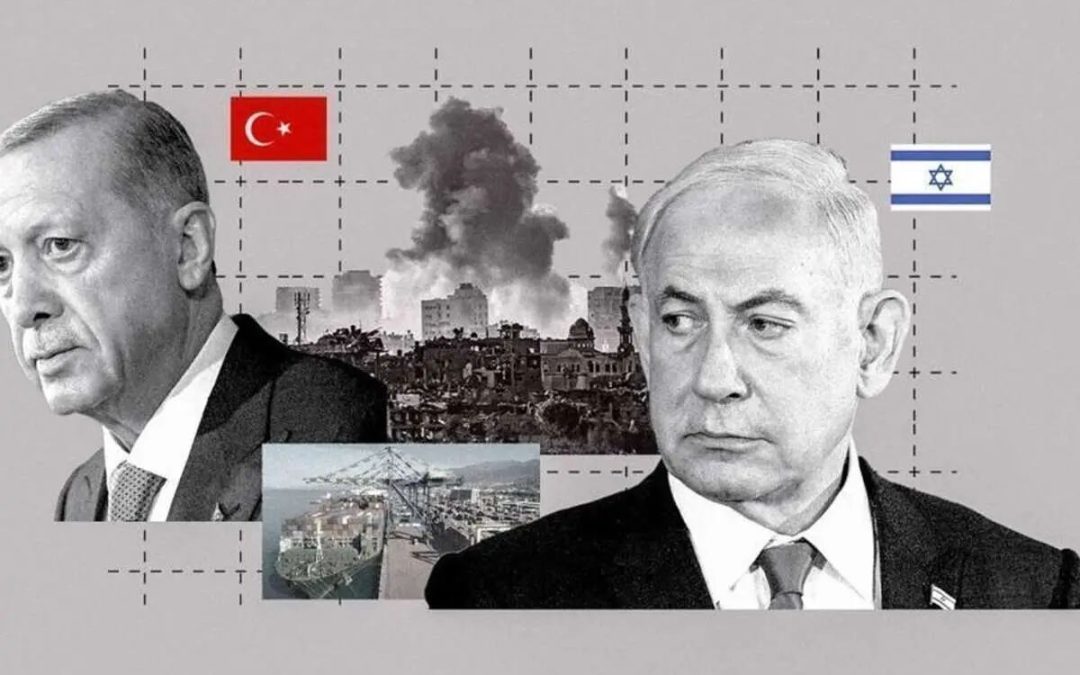
An Analysis of Recent Turkey-Israeli Regime Tensions

SCFR Online – Opinion: Recent developments in Syria indicate an intensification of strategic rivalry between Turkey and the Israeli regime, but mutual considerations and the role of the United States have limited the likelihood of direct war.

Increasing criticism of the extensive Zionist lobby network

SCFR Online – Opinion: An examination of the mechanisms of the Israeli regime’s influence in the United States depicts a complex picture of shared interests, strategic dependencies, and the limitations of this relationship.

Realities of the Tripartite Makkah Pact

SCFR Online – Interview: The signing of the Makkah agreement between Saudi Arabia, Pakistan, and Turkey has raised questions about the future of the region’s security structure and the position of these countries in West Asian equations. Can this agreement become a genuine collective defense mechanism, or does it have more of a political and deterrent function than creating new military capacity?

Strategic Implications of the Reduction of US Weapons Stockpiles

SCFR Online – Opinion: The continuation of the US war against Iran, in addition to increasing operational costs, has called into question the actual capacity of the American arsenal to simultaneously fulfill security commitments on multiple fronts; an issue that affects deterrence, defense production capacity, and Washington’s resource prioritization.

The Formation of a New Order in Relations Between Powers

SCFR Online – Opinion: The Russia-Ukraine war and the war of the United States and the Israeli regime against Iran have been formed with different objectives and actors, but field and political developments indicate that they are not entirely separate from one another.

Loading

Benjamin Netanyahu

Internal Differences in Zionist Regime’s Cabinet over Gaza War, Its Consequences

Internal Differences in Zionist Regime’s Cabinet over Gaza War, Its Consequences

Strategic Council Online – Opinion: Field and political estimates show that elements in the Zionist regime’s cabinet are seeking a “war of attrition” in Gaza. Because the end of this war will be the “starting point” of the escalation of problems in the Occupied Territories, especially against the cabinet and Benjamin Netanyahu.
Barsam Mohammadi – Expert on regional affairs

Behind the scenes of the Zionist regime’s attacks on Syria

Behind the scenes of the Zionist regime’s attacks on Syria

Strategic Council Online—Opinion: Repeated missile attacks on Syria can have several goals, including maintaining the atmosphere of tension, measuring Syrian air defense systems and radars, supporting terrorists, etc., but the coincidence of these attacks with the internal crisis of the Zionist regime strengthens this hypothesis and proves that this regime has resorted to the policy of “exporting a severe internal crisis.”
Hamid Khoshayand—Expert in regional issues

Prospect of Internal Challenges of Zionist Regime

Prospect of Internal Challenges of Zionist Regime

Strategic Council Online – Interview: An expert on the Middle East affairs, commenting on the dissolution of the Zionist regime’s parliament, said: In the past three decades, except for the government of Benjamin Netanyahu, other governments have not been in power for more than a year and a half, the analysis of which is very important.

Reasons for Zionist Regime’s Concern, Opposition to Palestinian Elections

Reasons for Zionist Regime’s Concern, Opposition to Palestinian Elections

Strategic Council Online – An expert on Palestine affairs, commenting on the recent decision of Mahmoud Abbas, the head of the Palestinian Authority, to postpone the Palestinian elections said: The most important issue that has now led to the suspension of the Palestinian elections was the protest of the Zionists; because they do not want the elections to take place as they know that holding the elections will have serious consequences for them.

Yemen; Battlefield of Biden and Saudi Arabia

Yemen; Battlefield of Biden and Saudi Arabia

Strategic Council Online-Opinion: Joe Biden will have no choice but to remove Ansarullah from the American list of terrorist groups in order to participate in the peace talks with Saudi Arabia in future.
Hassan Hanizadeh-Middle East expert

Prospect of Recent Political Developments in Zionist Regime

Prospect of Recent Political Developments in Zionist Regime

Strategic Council Online: If Donald Trump is re-elected US President, Benjamin Netanyahu will remain in power, but if the Democratic candidate wins the next US election, the power will certainly shift to the Blue and White Party, and the Zionist regime will have to coordinate its policies with the Democratic Party of America.
Hassan Hanizadeh- Middle East affairs expert

Failed Deal of the Century Awaits New Intifada!

Failed Deal of the Century Awaits New Intifada!

Strategic Council Online: In the future, Palestine will witness bloody demonstrations and clashes between the Palestinians and the Zionist regime, and even the Palestinian Authority President Mahmoud Abbas may dissolve the PA and become a Palestinian militant organization to formally and effectively oppose the Deal of the Century. Then the US and the Zionist regime can no longer negotiate with a Palestinian official. In addition, the rising tide of opposition in the world to the plan, especially by Palestinian groups, has led us to see some kind of retreat from Washington as the US ambassador to the United Nations said at a special Security Council session: The United States peace plan is not a program to be imposed on the parties to the conflict, they have a choice to accept or reject it.”
Hassan Hanizadeh – Middle East Affairs Expert

Benjamin Netanyahu

Internal Differences in Zionist Regime’s Cabinet over Gaza War, Its Consequences

Internal Differences in Zionist Regime’s Cabinet over Gaza War, Its Consequences

Strategic Council Online – Opinion: Field and political estimates show that elements in the Zionist regime’s cabinet are seeking a “war of attrition” in Gaza. Because the end of this war will be the “starting point” of the escalation of problems in the Occupied Territories, especially against the cabinet and Benjamin Netanyahu.
Barsam Mohammadi – Expert on regional affairs

Behind the scenes of the Zionist regime’s attacks on Syria

Behind the scenes of the Zionist regime’s attacks on Syria

Strategic Council Online—Opinion: Repeated missile attacks on Syria can have several goals, including maintaining the atmosphere of tension, measuring Syrian air defense systems and radars, supporting terrorists, etc., but the coincidence of these attacks with the internal crisis of the Zionist regime strengthens this hypothesis and proves that this regime has resorted to the policy of “exporting a severe internal crisis.”
Hamid Khoshayand—Expert in regional issues

Prospect of Internal Challenges of Zionist Regime

Prospect of Internal Challenges of Zionist Regime

Strategic Council Online – Interview: An expert on the Middle East affairs, commenting on the dissolution of the Zionist regime’s parliament, said: In the past three decades, except for the government of Benjamin Netanyahu, other governments have not been in power for more than a year and a half, the analysis of which is very important.

Reasons for Zionist Regime’s Concern, Opposition to Palestinian Elections

Reasons for Zionist Regime’s Concern, Opposition to Palestinian Elections

Strategic Council Online – An expert on Palestine affairs, commenting on the recent decision of Mahmoud Abbas, the head of the Palestinian Authority, to postpone the Palestinian elections said: The most important issue that has now led to the suspension of the Palestinian elections was the protest of the Zionists; because they do not want the elections to take place as they know that holding the elections will have serious consequences for them.

Yemen; Battlefield of Biden and Saudi Arabia

Yemen; Battlefield of Biden and Saudi Arabia

Strategic Council Online-Opinion: Joe Biden will have no choice but to remove Ansarullah from the American list of terrorist groups in order to participate in the peace talks with Saudi Arabia in future.
Hassan Hanizadeh-Middle East expert

Prospect of Recent Political Developments in Zionist Regime

Prospect of Recent Political Developments in Zionist Regime

Strategic Council Online: If Donald Trump is re-elected US President, Benjamin Netanyahu will remain in power, but if the Democratic candidate wins the next US election, the power will certainly shift to the Blue and White Party, and the Zionist regime will have to coordinate its policies with the Democratic Party of America.
Hassan Hanizadeh- Middle East affairs expert

Failed Deal of the Century Awaits New Intifada!

Failed Deal of the Century Awaits New Intifada!

Strategic Council Online: In the future, Palestine will witness bloody demonstrations and clashes between the Palestinians and the Zionist regime, and even the Palestinian Authority President Mahmoud Abbas may dissolve the PA and become a Palestinian militant organization to formally and effectively oppose the Deal of the Century. Then the US and the Zionist regime can no longer negotiate with a Palestinian official. In addition, the rising tide of opposition in the world to the plan, especially by Palestinian groups, has led us to see some kind of retreat from Washington as the US ambassador to the United Nations said at a special Security Council session: The United States peace plan is not a program to be imposed on the parties to the conflict, they have a choice to accept or reject it.”
Hassan Hanizadeh – Middle East Affairs Expert

LATEST CONTENT

The Makkah Pact; Reasons for its Formation and Challenges Ahead

SCFR Online – Opinion: The Makkah Pact, signed between Saudi Arabia, Pakistan, and Turkey under the motto “an attack on one is an attack on all,” is viewed by some analysts less as a full-fledged military coalition and more as an attempt to reduce security dependence on an external power and to establish a regional security mechanism.

Implications of the US-Saudi Nuclear Agreement

SCFR Online – Opinion: The new US-Saudi nuclear agreement, despite legal and political ambiguities, could alter previous non-proliferation standards in West Asia and intensify nuclear competition, ushering it into a new phase.

An Analysis of Recent Turkey-Israeli Regime Tensions

SCFR Online – Opinion: Recent developments in Syria indicate an intensification of strategic rivalry between Turkey and the Israeli regime, but mutual considerations and the role of the United States have limited the likelihood of direct war.

Increasing criticism of the extensive Zionist lobby network

SCFR Online – Opinion: An examination of the mechanisms of the Israeli regime’s influence in the United States depicts a complex picture of shared interests, strategic dependencies, and the limitations of this relationship.

Realities of the Tripartite Makkah Pact

SCFR Online – Interview: The signing of the Makkah agreement between Saudi Arabia, Pakistan, and Turkey has raised questions about the future of the region’s security structure and the position of these countries in West Asian equations. Can this agreement become a genuine collective defense mechanism, or does it have more of a political and deterrent function than creating new military capacity?

Strategic Implications of the Reduction of US Weapons Stockpiles

SCFR Online – Opinion: The continuation of the US war against Iran, in addition to increasing operational costs, has called into question the actual capacity of the American arsenal to simultaneously fulfill security commitments on multiple fronts; an issue that affects deterrence, defense production capacity, and Washington’s resource prioritization.

The Formation of a New Order in Relations Between Powers

SCFR Online – Opinion: The Russia-Ukraine war and the war of the United States and the Israeli regime against Iran have been formed with different objectives and actors, but field and political developments indicate that they are not entirely separate from one another.

Loading

Benjamin Netanyahu

Internal Differences in Zionist Regime’s Cabinet over Gaza War, Its Consequences

Internal Differences in Zionist Regime’s Cabinet over Gaza War, Its Consequences

Strategic Council Online – Opinion: Field and political estimates show that elements in the Zionist regime’s cabinet are seeking a “war of attrition” in Gaza. Because the end of this war will be the “starting point” of the escalation of problems in the Occupied Territories, especially against the cabinet and Benjamin Netanyahu.
Barsam Mohammadi – Expert on regional affairs

Behind the scenes of the Zionist regime’s attacks on Syria

Behind the scenes of the Zionist regime’s attacks on Syria

Strategic Council Online—Opinion: Repeated missile attacks on Syria can have several goals, including maintaining the atmosphere of tension, measuring Syrian air defense systems and radars, supporting terrorists, etc., but the coincidence of these attacks with the internal crisis of the Zionist regime strengthens this hypothesis and proves that this regime has resorted to the policy of “exporting a severe internal crisis.”
Hamid Khoshayand—Expert in regional issues

Prospect of Internal Challenges of Zionist Regime

Prospect of Internal Challenges of Zionist Regime

Strategic Council Online – Interview: An expert on the Middle East affairs, commenting on the dissolution of the Zionist regime’s parliament, said: In the past three decades, except for the government of Benjamin Netanyahu, other governments have not been in power for more than a year and a half, the analysis of which is very important.

Reasons for Zionist Regime’s Concern, Opposition to Palestinian Elections

Reasons for Zionist Regime’s Concern, Opposition to Palestinian Elections

Strategic Council Online – An expert on Palestine affairs, commenting on the recent decision of Mahmoud Abbas, the head of the Palestinian Authority, to postpone the Palestinian elections said: The most important issue that has now led to the suspension of the Palestinian elections was the protest of the Zionists; because they do not want the elections to take place as they know that holding the elections will have serious consequences for them.

Yemen; Battlefield of Biden and Saudi Arabia

Yemen; Battlefield of Biden and Saudi Arabia

Strategic Council Online-Opinion: Joe Biden will have no choice but to remove Ansarullah from the American list of terrorist groups in order to participate in the peace talks with Saudi Arabia in future.
Hassan Hanizadeh-Middle East expert

Prospect of Recent Political Developments in Zionist Regime

Prospect of Recent Political Developments in Zionist Regime

Strategic Council Online: If Donald Trump is re-elected US President, Benjamin Netanyahu will remain in power, but if the Democratic candidate wins the next US election, the power will certainly shift to the Blue and White Party, and the Zionist regime will have to coordinate its policies with the Democratic Party of America.
Hassan Hanizadeh- Middle East affairs expert

Failed Deal of the Century Awaits New Intifada!

Failed Deal of the Century Awaits New Intifada!

Strategic Council Online: In the future, Palestine will witness bloody demonstrations and clashes between the Palestinians and the Zionist regime, and even the Palestinian Authority President Mahmoud Abbas may dissolve the PA and become a Palestinian militant organization to formally and effectively oppose the Deal of the Century. Then the US and the Zionist regime can no longer negotiate with a Palestinian official. In addition, the rising tide of opposition in the world to the plan, especially by Palestinian groups, has led us to see some kind of retreat from Washington as the US ambassador to the United Nations said at a special Security Council session: The United States peace plan is not a program to be imposed on the parties to the conflict, they have a choice to accept or reject it.”
Hassan Hanizadeh – Middle East Affairs Expert

ÚLTIMAS PUBLICACIONES

The Makkah Pact; Reasons for its Formation and Challenges Ahead

SCFR Online – Opinion: The Makkah Pact, signed between Saudi Arabia, Pakistan, and Turkey under the motto “an attack on one is an attack on all,” is viewed by some analysts less as a full-fledged military coalition and more as an attempt to reduce security dependence on an external power and to establish a regional security mechanism.

Implications of the US-Saudi Nuclear Agreement

SCFR Online – Opinion: The new US-Saudi nuclear agreement, despite legal and political ambiguities, could alter previous non-proliferation standards in West Asia and intensify nuclear competition, ushering it into a new phase.

An Analysis of Recent Turkey-Israeli Regime Tensions

SCFR Online – Opinion: Recent developments in Syria indicate an intensification of strategic rivalry between Turkey and the Israeli regime, but mutual considerations and the role of the United States have limited the likelihood of direct war.

Increasing criticism of the extensive Zionist lobby network

SCFR Online – Opinion: An examination of the mechanisms of the Israeli regime’s influence in the United States depicts a complex picture of shared interests, strategic dependencies, and the limitations of this relationship.

Realities of the Tripartite Makkah Pact

SCFR Online – Interview: The signing of the Makkah agreement between Saudi Arabia, Pakistan, and Turkey has raised questions about the future of the region’s security structure and the position of these countries in West Asian equations. Can this agreement become a genuine collective defense mechanism, or does it have more of a political and deterrent function than creating new military capacity?

Strategic Implications of the Reduction of US Weapons Stockpiles

SCFR Online – Opinion: The continuation of the US war against Iran, in addition to increasing operational costs, has called into question the actual capacity of the American arsenal to simultaneously fulfill security commitments on multiple fronts; an issue that affects deterrence, defense production capacity, and Washington’s resource prioritization.

The Formation of a New Order in Relations Between Powers

SCFR Online – Opinion: The Russia-Ukraine war and the war of the United States and the Israeli regime against Iran have been formed with different objectives and actors, but field and political developments indicate that they are not entirely separate from one another.

Loading

Benjamin Netanyahu

Internal Differences in Zionist Regime’s Cabinet over Gaza War, Its Consequences

Internal Differences in Zionist Regime’s Cabinet over Gaza War, Its Consequences

Strategic Council Online – Opinion: Field and political estimates show that elements in the Zionist regime’s cabinet are seeking a “war of attrition” in Gaza. Because the end of this war will be the “starting point” of the escalation of problems in the Occupied Territories, especially against the cabinet and Benjamin Netanyahu.
Barsam Mohammadi – Expert on regional affairs

Behind the scenes of the Zionist regime’s attacks on Syria

Behind the scenes of the Zionist regime’s attacks on Syria

Strategic Council Online—Opinion: Repeated missile attacks on Syria can have several goals, including maintaining the atmosphere of tension, measuring Syrian air defense systems and radars, supporting terrorists, etc., but the coincidence of these attacks with the internal crisis of the Zionist regime strengthens this hypothesis and proves that this regime has resorted to the policy of “exporting a severe internal crisis.”
Hamid Khoshayand—Expert in regional issues

Prospect of Internal Challenges of Zionist Regime

Prospect of Internal Challenges of Zionist Regime

Strategic Council Online – Interview: An expert on the Middle East affairs, commenting on the dissolution of the Zionist regime’s parliament, said: In the past three decades, except for the government of Benjamin Netanyahu, other governments have not been in power for more than a year and a half, the analysis of which is very important.

Reasons for Zionist Regime’s Concern, Opposition to Palestinian Elections

Reasons for Zionist Regime’s Concern, Opposition to Palestinian Elections

Strategic Council Online – An expert on Palestine affairs, commenting on the recent decision of Mahmoud Abbas, the head of the Palestinian Authority, to postpone the Palestinian elections said: The most important issue that has now led to the suspension of the Palestinian elections was the protest of the Zionists; because they do not want the elections to take place as they know that holding the elections will have serious consequences for them.

Yemen; Battlefield of Biden and Saudi Arabia

Yemen; Battlefield of Biden and Saudi Arabia

Strategic Council Online-Opinion: Joe Biden will have no choice but to remove Ansarullah from the American list of terrorist groups in order to participate in the peace talks with Saudi Arabia in future.
Hassan Hanizadeh-Middle East expert

Prospect of Recent Political Developments in Zionist Regime

Prospect of Recent Political Developments in Zionist Regime

Strategic Council Online: If Donald Trump is re-elected US President, Benjamin Netanyahu will remain in power, but if the Democratic candidate wins the next US election, the power will certainly shift to the Blue and White Party, and the Zionist regime will have to coordinate its policies with the Democratic Party of America.
Hassan Hanizadeh- Middle East affairs expert

Failed Deal of the Century Awaits New Intifada!

Failed Deal of the Century Awaits New Intifada!

Strategic Council Online: In the future, Palestine will witness bloody demonstrations and clashes between the Palestinians and the Zionist regime, and even the Palestinian Authority President Mahmoud Abbas may dissolve the PA and become a Palestinian militant organization to formally and effectively oppose the Deal of the Century. Then the US and the Zionist regime can no longer negotiate with a Palestinian official. In addition, the rising tide of opposition in the world to the plan, especially by Palestinian groups, has led us to see some kind of retreat from Washington as the US ambassador to the United Nations said at a special Security Council session: The United States peace plan is not a program to be imposed on the parties to the conflict, they have a choice to accept or reject it.”
Hassan Hanizadeh – Middle East Affairs Expert

ÚLTIMAS PUBLICACIONES

The Makkah Pact; Reasons for its Formation and Challenges Ahead

SCFR Online – Opinion: The Makkah Pact, signed between Saudi Arabia, Pakistan, and Turkey under the motto “an attack on one is an attack on all,” is viewed by some analysts less as a full-fledged military coalition and more as an attempt to reduce security dependence on an external power and to establish a regional security mechanism.

Implications of the US-Saudi Nuclear Agreement

SCFR Online – Opinion: The new US-Saudi nuclear agreement, despite legal and political ambiguities, could alter previous non-proliferation standards in West Asia and intensify nuclear competition, ushering it into a new phase.

An Analysis of Recent Turkey-Israeli Regime Tensions

SCFR Online – Opinion: Recent developments in Syria indicate an intensification of strategic rivalry between Turkey and the Israeli regime, but mutual considerations and the role of the United States have limited the likelihood of direct war.

Increasing criticism of the extensive Zionist lobby network

SCFR Online – Opinion: An examination of the mechanisms of the Israeli regime’s influence in the United States depicts a complex picture of shared interests, strategic dependencies, and the limitations of this relationship.

Realities of the Tripartite Makkah Pact

SCFR Online – Interview: The signing of the Makkah agreement between Saudi Arabia, Pakistan, and Turkey has raised questions about the future of the region’s security structure and the position of these countries in West Asian equations. Can this agreement become a genuine collective defense mechanism, or does it have more of a political and deterrent function than creating new military capacity?

Strategic Implications of the Reduction of US Weapons Stockpiles

SCFR Online – Opinion: The continuation of the US war against Iran, in addition to increasing operational costs, has called into question the actual capacity of the American arsenal to simultaneously fulfill security commitments on multiple fronts; an issue that affects deterrence, defense production capacity, and Washington’s resource prioritization.

The Formation of a New Order in Relations Between Powers

SCFR Online – Opinion: The Russia-Ukraine war and the war of the United States and the Israeli regime against Iran have been formed with different objectives and actors, but field and political developments indicate that they are not entirely separate from one another.

Loading

Benjamin Netanyahu

Internal Differences in Zionist Regime’s Cabinet over Gaza War, Its Consequences

Internal Differences in Zionist Regime’s Cabinet over Gaza War, Its Consequences

Strategic Council Online – Opinion: Field and political estimates show that elements in the Zionist regime’s cabinet are seeking a “war of attrition” in Gaza. Because the end of this war will be the “starting point” of the escalation of problems in the Occupied Territories, especially against the cabinet and Benjamin Netanyahu.
Barsam Mohammadi – Expert on regional affairs

Behind the scenes of the Zionist regime’s attacks on Syria

Behind the scenes of the Zionist regime’s attacks on Syria

Strategic Council Online—Opinion: Repeated missile attacks on Syria can have several goals, including maintaining the atmosphere of tension, measuring Syrian air defense systems and radars, supporting terrorists, etc., but the coincidence of these attacks with the internal crisis of the Zionist regime strengthens this hypothesis and proves that this regime has resorted to the policy of “exporting a severe internal crisis.”
Hamid Khoshayand—Expert in regional issues

Prospect of Internal Challenges of Zionist Regime

Prospect of Internal Challenges of Zionist Regime

Strategic Council Online – Interview: An expert on the Middle East affairs, commenting on the dissolution of the Zionist regime’s parliament, said: In the past three decades, except for the government of Benjamin Netanyahu, other governments have not been in power for more than a year and a half, the analysis of which is very important.

Reasons for Zionist Regime’s Concern, Opposition to Palestinian Elections

Reasons for Zionist Regime’s Concern, Opposition to Palestinian Elections

Strategic Council Online – An expert on Palestine affairs, commenting on the recent decision of Mahmoud Abbas, the head of the Palestinian Authority, to postpone the Palestinian elections said: The most important issue that has now led to the suspension of the Palestinian elections was the protest of the Zionists; because they do not want the elections to take place as they know that holding the elections will have serious consequences for them.

Yemen; Battlefield of Biden and Saudi Arabia

Yemen; Battlefield of Biden and Saudi Arabia

Strategic Council Online-Opinion: Joe Biden will have no choice but to remove Ansarullah from the American list of terrorist groups in order to participate in the peace talks with Saudi Arabia in future.
Hassan Hanizadeh-Middle East expert

Prospect of Recent Political Developments in Zionist Regime

Prospect of Recent Political Developments in Zionist Regime

Strategic Council Online: If Donald Trump is re-elected US President, Benjamin Netanyahu will remain in power, but if the Democratic candidate wins the next US election, the power will certainly shift to the Blue and White Party, and the Zionist regime will have to coordinate its policies with the Democratic Party of America.
Hassan Hanizadeh- Middle East affairs expert

Failed Deal of the Century Awaits New Intifada!

Failed Deal of the Century Awaits New Intifada!

Strategic Council Online: In the future, Palestine will witness bloody demonstrations and clashes between the Palestinians and the Zionist regime, and even the Palestinian Authority President Mahmoud Abbas may dissolve the PA and become a Palestinian militant organization to formally and effectively oppose the Deal of the Century. Then the US and the Zionist regime can no longer negotiate with a Palestinian official. In addition, the rising tide of opposition in the world to the plan, especially by Palestinian groups, has led us to see some kind of retreat from Washington as the US ambassador to the United Nations said at a special Security Council session: The United States peace plan is not a program to be imposed on the parties to the conflict, they have a choice to accept or reject it.”
Hassan Hanizadeh – Middle East Affairs Expert

ÚLTIMAS PUBLICACIONES

The Makkah Pact; Reasons for its Formation and Challenges Ahead

SCFR Online – Opinion: The Makkah Pact, signed between Saudi Arabia, Pakistan, and Turkey under the motto “an attack on one is an attack on all,” is viewed by some analysts less as a full-fledged military coalition and more as an attempt to reduce security dependence on an external power and to establish a regional security mechanism.

Implications of the US-Saudi Nuclear Agreement

SCFR Online – Opinion: The new US-Saudi nuclear agreement, despite legal and political ambiguities, could alter previous non-proliferation standards in West Asia and intensify nuclear competition, ushering it into a new phase.

An Analysis of Recent Turkey-Israeli Regime Tensions

SCFR Online – Opinion: Recent developments in Syria indicate an intensification of strategic rivalry between Turkey and the Israeli regime, but mutual considerations and the role of the United States have limited the likelihood of direct war.

Increasing criticism of the extensive Zionist lobby network

SCFR Online – Opinion: An examination of the mechanisms of the Israeli regime’s influence in the United States depicts a complex picture of shared interests, strategic dependencies, and the limitations of this relationship.

Realities of the Tripartite Makkah Pact

SCFR Online – Interview: The signing of the Makkah agreement between Saudi Arabia, Pakistan, and Turkey has raised questions about the future of the region’s security structure and the position of these countries in West Asian equations. Can this agreement become a genuine collective defense mechanism, or does it have more of a political and deterrent function than creating new military capacity?

Strategic Implications of the Reduction of US Weapons Stockpiles

SCFR Online – Opinion: The continuation of the US war against Iran, in addition to increasing operational costs, has called into question the actual capacity of the American arsenal to simultaneously fulfill security commitments on multiple fronts; an issue that affects deterrence, defense production capacity, and Washington’s resource prioritization.

The Formation of a New Order in Relations Between Powers

SCFR Online – Opinion: The Russia-Ukraine war and the war of the United States and the Israeli regime against Iran have been formed with different objectives and actors, but field and political developments indicate that they are not entirely separate from one another.

Loading

Benjamin Netanyahu

Internal Differences in Zionist Regime’s Cabinet over Gaza War, Its Consequences

Internal Differences in Zionist Regime’s Cabinet over Gaza War, Its Consequences

Strategic Council Online – Opinion: Field and political estimates show that elements in the Zionist regime’s cabinet are seeking a “war of attrition” in Gaza. Because the end of this war will be the “starting point” of the escalation of problems in the Occupied Territories, especially against the cabinet and Benjamin Netanyahu.
Barsam Mohammadi – Expert on regional affairs

Behind the scenes of the Zionist regime’s attacks on Syria

Behind the scenes of the Zionist regime’s attacks on Syria

Strategic Council Online—Opinion: Repeated missile attacks on Syria can have several goals, including maintaining the atmosphere of tension, measuring Syrian air defense systems and radars, supporting terrorists, etc., but the coincidence of these attacks with the internal crisis of the Zionist regime strengthens this hypothesis and proves that this regime has resorted to the policy of “exporting a severe internal crisis.”
Hamid Khoshayand—Expert in regional issues

Prospect of Internal Challenges of Zionist Regime

Prospect of Internal Challenges of Zionist Regime

Strategic Council Online – Interview: An expert on the Middle East affairs, commenting on the dissolution of the Zionist regime’s parliament, said: In the past three decades, except for the government of Benjamin Netanyahu, other governments have not been in power for more than a year and a half, the analysis of which is very important.

Reasons for Zionist Regime’s Concern, Opposition to Palestinian Elections

Reasons for Zionist Regime’s Concern, Opposition to Palestinian Elections

Strategic Council Online – An expert on Palestine affairs, commenting on the recent decision of Mahmoud Abbas, the head of the Palestinian Authority, to postpone the Palestinian elections said: The most important issue that has now led to the suspension of the Palestinian elections was the protest of the Zionists; because they do not want the elections to take place as they know that holding the elections will have serious consequences for them.

Yemen; Battlefield of Biden and Saudi Arabia

Yemen; Battlefield of Biden and Saudi Arabia

Strategic Council Online-Opinion: Joe Biden will have no choice but to remove Ansarullah from the American list of terrorist groups in order to participate in the peace talks with Saudi Arabia in future.
Hassan Hanizadeh-Middle East expert

Prospect of Recent Political Developments in Zionist Regime

Prospect of Recent Political Developments in Zionist Regime

Strategic Council Online: If Donald Trump is re-elected US President, Benjamin Netanyahu will remain in power, but if the Democratic candidate wins the next US election, the power will certainly shift to the Blue and White Party, and the Zionist regime will have to coordinate its policies with the Democratic Party of America.
Hassan Hanizadeh- Middle East affairs expert

Failed Deal of the Century Awaits New Intifada!

Failed Deal of the Century Awaits New Intifada!

Strategic Council Online: In the future, Palestine will witness bloody demonstrations and clashes between the Palestinians and the Zionist regime, and even the Palestinian Authority President Mahmoud Abbas may dissolve the PA and become a Palestinian militant organization to formally and effectively oppose the Deal of the Century. Then the US and the Zionist regime can no longer negotiate with a Palestinian official. In addition, the rising tide of opposition in the world to the plan, especially by Palestinian groups, has led us to see some kind of retreat from Washington as the US ambassador to the United Nations said at a special Security Council session: The United States peace plan is not a program to be imposed on the parties to the conflict, they have a choice to accept or reject it.”
Hassan Hanizadeh – Middle East Affairs Expert

ÚLTIMAS PUBLICACIONES

The Makkah Pact; Reasons for its Formation and Challenges Ahead

SCFR Online – Opinion: The Makkah Pact, signed between Saudi Arabia, Pakistan, and Turkey under the motto “an attack on one is an attack on all,” is viewed by some analysts less as a full-fledged military coalition and more as an attempt to reduce security dependence on an external power and to establish a regional security mechanism.

Implications of the US-Saudi Nuclear Agreement

SCFR Online – Opinion: The new US-Saudi nuclear agreement, despite legal and political ambiguities, could alter previous non-proliferation standards in West Asia and intensify nuclear competition, ushering it into a new phase.

An Analysis of Recent Turkey-Israeli Regime Tensions

SCFR Online – Opinion: Recent developments in Syria indicate an intensification of strategic rivalry between Turkey and the Israeli regime, but mutual considerations and the role of the United States have limited the likelihood of direct war.

Increasing criticism of the extensive Zionist lobby network

SCFR Online – Opinion: An examination of the mechanisms of the Israeli regime’s influence in the United States depicts a complex picture of shared interests, strategic dependencies, and the limitations of this relationship.

Realities of the Tripartite Makkah Pact

SCFR Online – Interview: The signing of the Makkah agreement between Saudi Arabia, Pakistan, and Turkey has raised questions about the future of the region’s security structure and the position of these countries in West Asian equations. Can this agreement become a genuine collective defense mechanism, or does it have more of a political and deterrent function than creating new military capacity?

Strategic Implications of the Reduction of US Weapons Stockpiles

SCFR Online – Opinion: The continuation of the US war against Iran, in addition to increasing operational costs, has called into question the actual capacity of the American arsenal to simultaneously fulfill security commitments on multiple fronts; an issue that affects deterrence, defense production capacity, and Washington’s resource prioritization.

The Formation of a New Order in Relations Between Powers

SCFR Online – Opinion: The Russia-Ukraine war and the war of the United States and the Israeli regime against Iran have been formed with different objectives and actors, but field and political developments indicate that they are not entirely separate from one another.

Loading