Reasons for the Ineffectiveness of Trump’s “Economic War” against Iran
SCFR Online – Opinion: The intensification of U.S. sanctions against Iran on the eve of the U.S. midterm elections indicates Washington’s inability to achieve its war objectives.
SCFR Online – Opinion: The competition between Washington and Beijing over chips and artificial intelligence, simultaneously with the shifting of technological balances, has taken on new economic and security dimensions.
SCFR Online – Opinion: The Shanghai Cooperation Organization summit has created a new opportunity for Iran to transform its membership from a political achievement into economic and transit cooperation.
Strategic Council Online – Note: The Makkah Defense Pact can be seen as a sign of regional countries’ efforts to reduce security dependence on extra-regional powers and redefine the balance in West Asia.
SCFR Online – Opinion: The Ukraine war, by exhausting US military capability on one hand and strengthening European defense capacity on the other, has altered the balance of power in the European continent, cast uncertainty over NATO’s future, and is driving it toward a European NATO.
SCFR Online – Opinion: The dissolution of the SDF, although considered an achievement for Turkey’s security, does not put an end to the challenges arising from the Israeli regime’s aggression and expansionism, refugees, and Syria’s fragility.
SCFR Online – Opinion: Concurrent with the official commencement of the United States’ economic war against our country, focusing on sanctions instruments, isolation, and economic pressure, what has now become increasingly important is the lack of alignment of other major global powers, especially China, with this policy.
SCFR Online – Opinion: The new US sanctions against Iran, despite extensive propaganda, face serious obstacles to success due to the ineffectiveness of sanctions tools and opposition from some of Tehran’s trading partners.
Strategic Council Online – Opinion: The Zionist regime, which enjoyed the comprehensive support of the United States in its recent aggression against Iran, initially believed that with the surprise in the early days, the war would end quickly and the Islamic Republic of Iran would be defeated. However, contrary to the calculations of the regime and the White House, Iran immediately seized the initiative and, in response to the attacks and aggression of the Zionist regime and in self-defense, inflicted irreparable blows on this regime. As a result, the regime was ultimately scrambling to stop the attacks.
Strategic Council Online – Opinion: Recently, the Washington Post published information according to which Congressman Gregory Meeks and Senator Ben Cardin, under pressure from the Biden administration, sold $18 billion worth of military weapons to the Zionist regime. Among them, 50 F-15 fighters have agreed. The cost of these weapons has been mainly financed over a few years by Washington’s annual budget of 3.3 billion dollars for Tel Aviv.
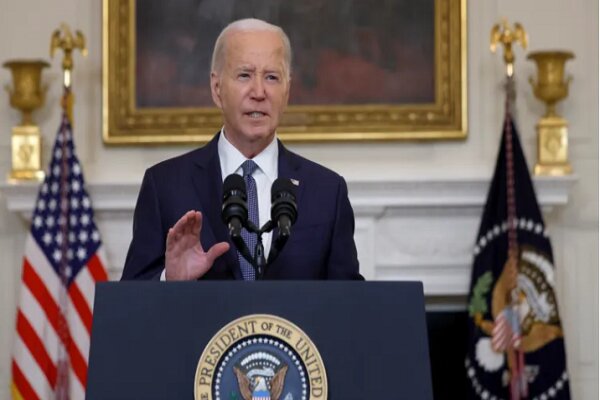
Strategic Council Online: – Opinion: US President Joe Biden recently presented a four-and-a-half-page plan to establish a ceasefire and end the Gaza war. After his speech at the White House, the American President announced that the Zionist regime proposed this plan.
Hamid Khoshayand, an expert on regional issues
Strategic Council Online – Interview: An expert on international issues said: The plans proposed by some Arab governments and the United States for a ceasefire in Gaza and the end of the war are not operational, and rather than looking at solving the crisis in Gaza and Rafah, these countries are after their own national interests.
Strategic Council Online – Opinion: The increasing trend of political and security “challenges” in the Zionist regime is one of the “important consequences” of the Gaza war.
Hamid Khoshayand – expert on regional issues
Strategic Council Online-Opinion: During the past few days, the Gaza Strip witnessed a temporary ceasefire for the mutual release of Zionist and Palestinian prisoners and limited aid to Gaza. The ceasefire was finally implemented not because of respect for the UN General Assembly vote or the Security Council resolution but because of political negotiations, the mediation of Qatar, and the United States’s green light.
Mohammad Mehdi Mazaheri—University professor
Strategic Council Online – Opinion: The Yemeni crisis in recent days has witnessed significant political and field developments that have led the process of equations towards the emergence of horizons for negotiations.
Kamran Karami – Researcher on Saudi affairs
Strategic Council Online – The Eastern Mediterranean, border issues as well as the maritime agreement between Turkey and Libya are among the axes that have caused tensions between Greece and Turkey over the past two years. One of the contentious issues between the two neighbors is the internal developments in Libya. The visits of the leaders of both Libyan factions to Turkey and Greece have been met with fringe and controversy, and the crisis in Libya has practically added to the scope of the traditional rivalry between Athens and Ankara. Libya is in a geopolitically sensitive position, and its developments directly affect the security of Africa, the Middle East and Europe. If the Libyan crisis is resolved, the country can increase its oil production in 2 to 3 years and start oil trade with southern Europe.
Mahmoud Fazeli – Analyst of international affairs
Strategic Council Online – An expert on the Middle East affairs, commenting on the latest political and military developments in Yemen, said that the current developments in Yemen have serious distinctions compared to the developments of the last 6 years, which are indicative of new events.
Strategic Council Online – An analyst of West Asia affairs said that the repeated presentation of the ceasefire plan by Saudi Arabia was done solely for the purpose of hindering the progress in Ma’rib Province, adding that Saudi Arabia is trying to buy time to make it clear to the United States and the West that they seek peace and deceive the public opinion by saying that they are after putting an end to the war and seek peace and ceasefire.
SCFR Online – Opinion: The intensification of U.S. sanctions against Iran on the eve of the U.S. midterm elections indicates Washington’s inability to achieve its war objectives.
SCFR Online – Opinion: The competition between Washington and Beijing over chips and artificial intelligence, simultaneously with the shifting of technological balances, has taken on new economic and security dimensions.
SCFR Online – Opinion: The Shanghai Cooperation Organization summit has created a new opportunity for Iran to transform its membership from a political achievement into economic and transit cooperation.
Strategic Council Online – Note: The Makkah Defense Pact can be seen as a sign of regional countries’ efforts to reduce security dependence on extra-regional powers and redefine the balance in West Asia.
SCFR Online – Opinion: The Ukraine war, by exhausting US military capability on one hand and strengthening European defense capacity on the other, has altered the balance of power in the European continent, cast uncertainty over NATO’s future, and is driving it toward a European NATO.
SCFR Online – Opinion: The dissolution of the SDF, although considered an achievement for Turkey’s security, does not put an end to the challenges arising from the Israeli regime’s aggression and expansionism, refugees, and Syria’s fragility.
SCFR Online – Opinion: Concurrent with the official commencement of the United States’ economic war against our country, focusing on sanctions instruments, isolation, and economic pressure, what has now become increasingly important is the lack of alignment of other major global powers, especially China, with this policy.
SCFR Online – Opinion: The new US sanctions against Iran, despite extensive propaganda, face serious obstacles to success due to the ineffectiveness of sanctions tools and opposition from some of Tehran’s trading partners.
Strategic Council Online – Opinion: The Zionist regime, which enjoyed the comprehensive support of the United States in its recent aggression against Iran, initially believed that with the surprise in the early days, the war would end quickly and the Islamic Republic of Iran would be defeated. However, contrary to the calculations of the regime and the White House, Iran immediately seized the initiative and, in response to the attacks and aggression of the Zionist regime and in self-defense, inflicted irreparable blows on this regime. As a result, the regime was ultimately scrambling to stop the attacks.
Strategic Council Online – Opinion: Recently, the Washington Post published information according to which Congressman Gregory Meeks and Senator Ben Cardin, under pressure from the Biden administration, sold $18 billion worth of military weapons to the Zionist regime. Among them, 50 F-15 fighters have agreed. The cost of these weapons has been mainly financed over a few years by Washington’s annual budget of 3.3 billion dollars for Tel Aviv.
Strategic Council Online: – Opinion: US President Joe Biden recently presented a four-and-a-half-page plan to establish a ceasefire and end the Gaza war. After his speech at the White House, the American President announced that the Zionist regime proposed this plan.
Hamid Khoshayand, an expert on regional issues
Strategic Council Online – Interview: An expert on international issues said: The plans proposed by some Arab governments and the United States for a ceasefire in Gaza and the end of the war are not operational, and rather than looking at solving the crisis in Gaza and Rafah, these countries are after their own national interests.
Strategic Council Online – Opinion: The increasing trend of political and security “challenges” in the Zionist regime is one of the “important consequences” of the Gaza war.
Hamid Khoshayand – expert on regional issues
Strategic Council Online-Opinion: During the past few days, the Gaza Strip witnessed a temporary ceasefire for the mutual release of Zionist and Palestinian prisoners and limited aid to Gaza. The ceasefire was finally implemented not because of respect for the UN General Assembly vote or the Security Council resolution but because of political negotiations, the mediation of Qatar, and the United States’s green light.
Mohammad Mehdi Mazaheri—University professor
Strategic Council Online – Opinion: The Yemeni crisis in recent days has witnessed significant political and field developments that have led the process of equations towards the emergence of horizons for negotiations.
Kamran Karami – Researcher on Saudi affairs
Strategic Council Online – The Eastern Mediterranean, border issues as well as the maritime agreement between Turkey and Libya are among the axes that have caused tensions between Greece and Turkey over the past two years. One of the contentious issues between the two neighbors is the internal developments in Libya. The visits of the leaders of both Libyan factions to Turkey and Greece have been met with fringe and controversy, and the crisis in Libya has practically added to the scope of the traditional rivalry between Athens and Ankara. Libya is in a geopolitically sensitive position, and its developments directly affect the security of Africa, the Middle East and Europe. If the Libyan crisis is resolved, the country can increase its oil production in 2 to 3 years and start oil trade with southern Europe.
Mahmoud Fazeli – Analyst of international affairs
Strategic Council Online – An expert on the Middle East affairs, commenting on the latest political and military developments in Yemen, said that the current developments in Yemen have serious distinctions compared to the developments of the last 6 years, which are indicative of new events.
Strategic Council Online – An analyst of West Asia affairs said that the repeated presentation of the ceasefire plan by Saudi Arabia was done solely for the purpose of hindering the progress in Ma’rib Province, adding that Saudi Arabia is trying to buy time to make it clear to the United States and the West that they seek peace and deceive the public opinion by saying that they are after putting an end to the war and seek peace and ceasefire.
Strategic Council Online – Opinion: The Zionist regime, which enjoyed the comprehensive support of the United States in its recent aggression against Iran, initially believed that with the surprise in the early days, the war would end quickly and the Islamic Republic of Iran would be defeated. However, contrary to the calculations of the regime and the White House, Iran immediately seized the initiative and, in response to the attacks and aggression of the Zionist regime and in self-defense, inflicted irreparable blows on this regime. As a result, the regime was ultimately scrambling to stop the attacks.
Strategic Council Online – Opinion: Recently, the Washington Post published information according to which Congressman Gregory Meeks and Senator Ben Cardin, under pressure from the Biden administration, sold $18 billion worth of military weapons to the Zionist regime. Among them, 50 F-15 fighters have agreed. The cost of these weapons has been mainly financed over a few years by Washington’s annual budget of 3.3 billion dollars for Tel Aviv.
Strategic Council Online: – Opinion: US President Joe Biden recently presented a four-and-a-half-page plan to establish a ceasefire and end the Gaza war. After his speech at the White House, the American President announced that the Zionist regime proposed this plan.
Hamid Khoshayand, an expert on regional issues
Strategic Council Online – Interview: An expert on international issues said: The plans proposed by some Arab governments and the United States for a ceasefire in Gaza and the end of the war are not operational, and rather than looking at solving the crisis in Gaza and Rafah, these countries are after their own national interests.
Strategic Council Online – Opinion: The increasing trend of political and security “challenges” in the Zionist regime is one of the “important consequences” of the Gaza war.
Hamid Khoshayand – expert on regional issues
Strategic Council Online-Opinion: During the past few days, the Gaza Strip witnessed a temporary ceasefire for the mutual release of Zionist and Palestinian prisoners and limited aid to Gaza. The ceasefire was finally implemented not because of respect for the UN General Assembly vote or the Security Council resolution but because of political negotiations, the mediation of Qatar, and the United States’s green light.
Mohammad Mehdi Mazaheri—University professor
Strategic Council Online – Opinion: The Yemeni crisis in recent days has witnessed significant political and field developments that have led the process of equations towards the emergence of horizons for negotiations.
Kamran Karami – Researcher on Saudi affairs
Strategic Council Online – The Eastern Mediterranean, border issues as well as the maritime agreement between Turkey and Libya are among the axes that have caused tensions between Greece and Turkey over the past two years. One of the contentious issues between the two neighbors is the internal developments in Libya. The visits of the leaders of both Libyan factions to Turkey and Greece have been met with fringe and controversy, and the crisis in Libya has practically added to the scope of the traditional rivalry between Athens and Ankara. Libya is in a geopolitically sensitive position, and its developments directly affect the security of Africa, the Middle East and Europe. If the Libyan crisis is resolved, the country can increase its oil production in 2 to 3 years and start oil trade with southern Europe.
Mahmoud Fazeli – Analyst of international affairs
Strategic Council Online – An expert on the Middle East affairs, commenting on the latest political and military developments in Yemen, said that the current developments in Yemen have serious distinctions compared to the developments of the last 6 years, which are indicative of new events.
Strategic Council Online – An analyst of West Asia affairs said that the repeated presentation of the ceasefire plan by Saudi Arabia was done solely for the purpose of hindering the progress in Ma’rib Province, adding that Saudi Arabia is trying to buy time to make it clear to the United States and the West that they seek peace and deceive the public opinion by saying that they are after putting an end to the war and seek peace and ceasefire.
SCFR Online – Opinion: The intensification of U.S. sanctions against Iran on the eve of the U.S. midterm elections indicates Washington’s inability to achieve its war objectives.
SCFR Online – Opinion: The competition between Washington and Beijing over chips and artificial intelligence, simultaneously with the shifting of technological balances, has taken on new economic and security dimensions.
SCFR Online – Opinion: The Shanghai Cooperation Organization summit has created a new opportunity for Iran to transform its membership from a political achievement into economic and transit cooperation.
Strategic Council Online – Note: The Makkah Defense Pact can be seen as a sign of regional countries’ efforts to reduce security dependence on extra-regional powers and redefine the balance in West Asia.
SCFR Online – Opinion: The Ukraine war, by exhausting US military capability on one hand and strengthening European defense capacity on the other, has altered the balance of power in the European continent, cast uncertainty over NATO’s future, and is driving it toward a European NATO.
SCFR Online – Opinion: The dissolution of the SDF, although considered an achievement for Turkey’s security, does not put an end to the challenges arising from the Israeli regime’s aggression and expansionism, refugees, and Syria’s fragility.
SCFR Online – Opinion: Concurrent with the official commencement of the United States’ economic war against our country, focusing on sanctions instruments, isolation, and economic pressure, what has now become increasingly important is the lack of alignment of other major global powers, especially China, with this policy.
SCFR Online – Opinion: The new US sanctions against Iran, despite extensive propaganda, face serious obstacles to success due to the ineffectiveness of sanctions tools and opposition from some of Tehran’s trading partners.
Strategic Council Online – Opinion: The Zionist regime, which enjoyed the comprehensive support of the United States in its recent aggression against Iran, initially believed that with the surprise in the early days, the war would end quickly and the Islamic Republic of Iran would be defeated. However, contrary to the calculations of the regime and the White House, Iran immediately seized the initiative and, in response to the attacks and aggression of the Zionist regime and in self-defense, inflicted irreparable blows on this regime. As a result, the regime was ultimately scrambling to stop the attacks.
Strategic Council Online – Opinion: Recently, the Washington Post published information according to which Congressman Gregory Meeks and Senator Ben Cardin, under pressure from the Biden administration, sold $18 billion worth of military weapons to the Zionist regime. Among them, 50 F-15 fighters have agreed. The cost of these weapons has been mainly financed over a few years by Washington’s annual budget of 3.3 billion dollars for Tel Aviv.
Strategic Council Online: – Opinion: US President Joe Biden recently presented a four-and-a-half-page plan to establish a ceasefire and end the Gaza war. After his speech at the White House, the American President announced that the Zionist regime proposed this plan.
Hamid Khoshayand, an expert on regional issues
Strategic Council Online – Interview: An expert on international issues said: The plans proposed by some Arab governments and the United States for a ceasefire in Gaza and the end of the war are not operational, and rather than looking at solving the crisis in Gaza and Rafah, these countries are after their own national interests.
Strategic Council Online – Opinion: The increasing trend of political and security “challenges” in the Zionist regime is one of the “important consequences” of the Gaza war.
Hamid Khoshayand – expert on regional issues
Strategic Council Online-Opinion: During the past few days, the Gaza Strip witnessed a temporary ceasefire for the mutual release of Zionist and Palestinian prisoners and limited aid to Gaza. The ceasefire was finally implemented not because of respect for the UN General Assembly vote or the Security Council resolution but because of political negotiations, the mediation of Qatar, and the United States’s green light.
Mohammad Mehdi Mazaheri—University professor
Strategic Council Online – Opinion: The Yemeni crisis in recent days has witnessed significant political and field developments that have led the process of equations towards the emergence of horizons for negotiations.
Kamran Karami – Researcher on Saudi affairs
Strategic Council Online – The Eastern Mediterranean, border issues as well as the maritime agreement between Turkey and Libya are among the axes that have caused tensions between Greece and Turkey over the past two years. One of the contentious issues between the two neighbors is the internal developments in Libya. The visits of the leaders of both Libyan factions to Turkey and Greece have been met with fringe and controversy, and the crisis in Libya has practically added to the scope of the traditional rivalry between Athens and Ankara. Libya is in a geopolitically sensitive position, and its developments directly affect the security of Africa, the Middle East and Europe. If the Libyan crisis is resolved, the country can increase its oil production in 2 to 3 years and start oil trade with southern Europe.
Mahmoud Fazeli – Analyst of international affairs
Strategic Council Online – An expert on the Middle East affairs, commenting on the latest political and military developments in Yemen, said that the current developments in Yemen have serious distinctions compared to the developments of the last 6 years, which are indicative of new events.
Strategic Council Online – An analyst of West Asia affairs said that the repeated presentation of the ceasefire plan by Saudi Arabia was done solely for the purpose of hindering the progress in Ma’rib Province, adding that Saudi Arabia is trying to buy time to make it clear to the United States and the West that they seek peace and deceive the public opinion by saying that they are after putting an end to the war and seek peace and ceasefire.
SCFR Online – Opinion: The intensification of U.S. sanctions against Iran on the eve of the U.S. midterm elections indicates Washington’s inability to achieve its war objectives.
SCFR Online – Opinion: The competition between Washington and Beijing over chips and artificial intelligence, simultaneously with the shifting of technological balances, has taken on new economic and security dimensions.
SCFR Online – Opinion: The Shanghai Cooperation Organization summit has created a new opportunity for Iran to transform its membership from a political achievement into economic and transit cooperation.
Strategic Council Online – Note: The Makkah Defense Pact can be seen as a sign of regional countries’ efforts to reduce security dependence on extra-regional powers and redefine the balance in West Asia.
SCFR Online – Opinion: The Ukraine war, by exhausting US military capability on one hand and strengthening European defense capacity on the other, has altered the balance of power in the European continent, cast uncertainty over NATO’s future, and is driving it toward a European NATO.
SCFR Online – Opinion: The dissolution of the SDF, although considered an achievement for Turkey’s security, does not put an end to the challenges arising from the Israeli regime’s aggression and expansionism, refugees, and Syria’s fragility.
SCFR Online – Opinion: Concurrent with the official commencement of the United States’ economic war against our country, focusing on sanctions instruments, isolation, and economic pressure, what has now become increasingly important is the lack of alignment of other major global powers, especially China, with this policy.
SCFR Online – Opinion: The new US sanctions against Iran, despite extensive propaganda, face serious obstacles to success due to the ineffectiveness of sanctions tools and opposition from some of Tehran’s trading partners.
Strategic Council Online – Opinion: The Zionist regime, which enjoyed the comprehensive support of the United States in its recent aggression against Iran, initially believed that with the surprise in the early days, the war would end quickly and the Islamic Republic of Iran would be defeated. However, contrary to the calculations of the regime and the White House, Iran immediately seized the initiative and, in response to the attacks and aggression of the Zionist regime and in self-defense, inflicted irreparable blows on this regime. As a result, the regime was ultimately scrambling to stop the attacks.
Strategic Council Online – Opinion: Recently, the Washington Post published information according to which Congressman Gregory Meeks and Senator Ben Cardin, under pressure from the Biden administration, sold $18 billion worth of military weapons to the Zionist regime. Among them, 50 F-15 fighters have agreed. The cost of these weapons has been mainly financed over a few years by Washington’s annual budget of 3.3 billion dollars for Tel Aviv.
Strategic Council Online: – Opinion: US President Joe Biden recently presented a four-and-a-half-page plan to establish a ceasefire and end the Gaza war. After his speech at the White House, the American President announced that the Zionist regime proposed this plan.
Hamid Khoshayand, an expert on regional issues
Strategic Council Online – Interview: An expert on international issues said: The plans proposed by some Arab governments and the United States for a ceasefire in Gaza and the end of the war are not operational, and rather than looking at solving the crisis in Gaza and Rafah, these countries are after their own national interests.
Strategic Council Online – Opinion: The increasing trend of political and security “challenges” in the Zionist regime is one of the “important consequences” of the Gaza war.
Hamid Khoshayand – expert on regional issues
Strategic Council Online-Opinion: During the past few days, the Gaza Strip witnessed a temporary ceasefire for the mutual release of Zionist and Palestinian prisoners and limited aid to Gaza. The ceasefire was finally implemented not because of respect for the UN General Assembly vote or the Security Council resolution but because of political negotiations, the mediation of Qatar, and the United States’s green light.
Mohammad Mehdi Mazaheri—University professor
Strategic Council Online – Opinion: The Yemeni crisis in recent days has witnessed significant political and field developments that have led the process of equations towards the emergence of horizons for negotiations.
Kamran Karami – Researcher on Saudi affairs
Strategic Council Online – The Eastern Mediterranean, border issues as well as the maritime agreement between Turkey and Libya are among the axes that have caused tensions between Greece and Turkey over the past two years. One of the contentious issues between the two neighbors is the internal developments in Libya. The visits of the leaders of both Libyan factions to Turkey and Greece have been met with fringe and controversy, and the crisis in Libya has practically added to the scope of the traditional rivalry between Athens and Ankara. Libya is in a geopolitically sensitive position, and its developments directly affect the security of Africa, the Middle East and Europe. If the Libyan crisis is resolved, the country can increase its oil production in 2 to 3 years and start oil trade with southern Europe.
Mahmoud Fazeli – Analyst of international affairs
Strategic Council Online – An expert on the Middle East affairs, commenting on the latest political and military developments in Yemen, said that the current developments in Yemen have serious distinctions compared to the developments of the last 6 years, which are indicative of new events.
Strategic Council Online – An analyst of West Asia affairs said that the repeated presentation of the ceasefire plan by Saudi Arabia was done solely for the purpose of hindering the progress in Ma’rib Province, adding that Saudi Arabia is trying to buy time to make it clear to the United States and the West that they seek peace and deceive the public opinion by saying that they are after putting an end to the war and seek peace and ceasefire.
SCFR Online – Opinion: The intensification of U.S. sanctions against Iran on the eve of the U.S. midterm elections indicates Washington’s inability to achieve its war objectives.
SCFR Online – Opinion: The competition between Washington and Beijing over chips and artificial intelligence, simultaneously with the shifting of technological balances, has taken on new economic and security dimensions.
SCFR Online – Opinion: The Shanghai Cooperation Organization summit has created a new opportunity for Iran to transform its membership from a political achievement into economic and transit cooperation.
Strategic Council Online – Note: The Makkah Defense Pact can be seen as a sign of regional countries’ efforts to reduce security dependence on extra-regional powers and redefine the balance in West Asia.
SCFR Online – Opinion: The Ukraine war, by exhausting US military capability on one hand and strengthening European defense capacity on the other, has altered the balance of power in the European continent, cast uncertainty over NATO’s future, and is driving it toward a European NATO.
SCFR Online – Opinion: The dissolution of the SDF, although considered an achievement for Turkey’s security, does not put an end to the challenges arising from the Israeli regime’s aggression and expansionism, refugees, and Syria’s fragility.
SCFR Online – Opinion: Concurrent with the official commencement of the United States’ economic war against our country, focusing on sanctions instruments, isolation, and economic pressure, what has now become increasingly important is the lack of alignment of other major global powers, especially China, with this policy.
SCFR Online – Opinion: The new US sanctions against Iran, despite extensive propaganda, face serious obstacles to success due to the ineffectiveness of sanctions tools and opposition from some of Tehran’s trading partners.
Strategic Council Online – Opinion: The Zionist regime, which enjoyed the comprehensive support of the United States in its recent aggression against Iran, initially believed that with the surprise in the early days, the war would end quickly and the Islamic Republic of Iran would be defeated. However, contrary to the calculations of the regime and the White House, Iran immediately seized the initiative and, in response to the attacks and aggression of the Zionist regime and in self-defense, inflicted irreparable blows on this regime. As a result, the regime was ultimately scrambling to stop the attacks.
Strategic Council Online – Opinion: Recently, the Washington Post published information according to which Congressman Gregory Meeks and Senator Ben Cardin, under pressure from the Biden administration, sold $18 billion worth of military weapons to the Zionist regime. Among them, 50 F-15 fighters have agreed. The cost of these weapons has been mainly financed over a few years by Washington’s annual budget of 3.3 billion dollars for Tel Aviv.
Strategic Council Online: – Opinion: US President Joe Biden recently presented a four-and-a-half-page plan to establish a ceasefire and end the Gaza war. After his speech at the White House, the American President announced that the Zionist regime proposed this plan.
Hamid Khoshayand, an expert on regional issues
Strategic Council Online – Interview: An expert on international issues said: The plans proposed by some Arab governments and the United States for a ceasefire in Gaza and the end of the war are not operational, and rather than looking at solving the crisis in Gaza and Rafah, these countries are after their own national interests.
Strategic Council Online – Opinion: The increasing trend of political and security “challenges” in the Zionist regime is one of the “important consequences” of the Gaza war.
Hamid Khoshayand – expert on regional issues
Strategic Council Online-Opinion: During the past few days, the Gaza Strip witnessed a temporary ceasefire for the mutual release of Zionist and Palestinian prisoners and limited aid to Gaza. The ceasefire was finally implemented not because of respect for the UN General Assembly vote or the Security Council resolution but because of political negotiations, the mediation of Qatar, and the United States’s green light.
Mohammad Mehdi Mazaheri—University professor
Strategic Council Online – Opinion: The Yemeni crisis in recent days has witnessed significant political and field developments that have led the process of equations towards the emergence of horizons for negotiations.
Kamran Karami – Researcher on Saudi affairs
Strategic Council Online – The Eastern Mediterranean, border issues as well as the maritime agreement between Turkey and Libya are among the axes that have caused tensions between Greece and Turkey over the past two years. One of the contentious issues between the two neighbors is the internal developments in Libya. The visits of the leaders of both Libyan factions to Turkey and Greece have been met with fringe and controversy, and the crisis in Libya has practically added to the scope of the traditional rivalry between Athens and Ankara. Libya is in a geopolitically sensitive position, and its developments directly affect the security of Africa, the Middle East and Europe. If the Libyan crisis is resolved, the country can increase its oil production in 2 to 3 years and start oil trade with southern Europe.
Mahmoud Fazeli – Analyst of international affairs
Strategic Council Online – An expert on the Middle East affairs, commenting on the latest political and military developments in Yemen, said that the current developments in Yemen have serious distinctions compared to the developments of the last 6 years, which are indicative of new events.
Strategic Council Online – An analyst of West Asia affairs said that the repeated presentation of the ceasefire plan by Saudi Arabia was done solely for the purpose of hindering the progress in Ma’rib Province, adding that Saudi Arabia is trying to buy time to make it clear to the United States and the West that they seek peace and deceive the public opinion by saying that they are after putting an end to the war and seek peace and ceasefire.
SCFR Online – Opinion: The intensification of U.S. sanctions against Iran on the eve of the U.S. midterm elections indicates Washington’s inability to achieve its war objectives.
SCFR Online – Opinion: The competition between Washington and Beijing over chips and artificial intelligence, simultaneously with the shifting of technological balances, has taken on new economic and security dimensions.
SCFR Online – Opinion: The Shanghai Cooperation Organization summit has created a new opportunity for Iran to transform its membership from a political achievement into economic and transit cooperation.
Strategic Council Online – Note: The Makkah Defense Pact can be seen as a sign of regional countries’ efforts to reduce security dependence on extra-regional powers and redefine the balance in West Asia.
SCFR Online – Opinion: The Ukraine war, by exhausting US military capability on one hand and strengthening European defense capacity on the other, has altered the balance of power in the European continent, cast uncertainty over NATO’s future, and is driving it toward a European NATO.
SCFR Online – Opinion: The dissolution of the SDF, although considered an achievement for Turkey’s security, does not put an end to the challenges arising from the Israeli regime’s aggression and expansionism, refugees, and Syria’s fragility.
SCFR Online – Opinion: Concurrent with the official commencement of the United States’ economic war against our country, focusing on sanctions instruments, isolation, and economic pressure, what has now become increasingly important is the lack of alignment of other major global powers, especially China, with this policy.
SCFR Online – Opinion: The new US sanctions against Iran, despite extensive propaganda, face serious obstacles to success due to the ineffectiveness of sanctions tools and opposition from some of Tehran’s trading partners.
Strategic Council Online – Opinion: The Zionist regime, which enjoyed the comprehensive support of the United States in its recent aggression against Iran, initially believed that with the surprise in the early days, the war would end quickly and the Islamic Republic of Iran would be defeated. However, contrary to the calculations of the regime and the White House, Iran immediately seized the initiative and, in response to the attacks and aggression of the Zionist regime and in self-defense, inflicted irreparable blows on this regime. As a result, the regime was ultimately scrambling to stop the attacks.
Strategic Council Online – Opinion: Recently, the Washington Post published information according to which Congressman Gregory Meeks and Senator Ben Cardin, under pressure from the Biden administration, sold $18 billion worth of military weapons to the Zionist regime. Among them, 50 F-15 fighters have agreed. The cost of these weapons has been mainly financed over a few years by Washington’s annual budget of 3.3 billion dollars for Tel Aviv.
Strategic Council Online: – Opinion: US President Joe Biden recently presented a four-and-a-half-page plan to establish a ceasefire and end the Gaza war. After his speech at the White House, the American President announced that the Zionist regime proposed this plan.
Hamid Khoshayand, an expert on regional issues
Strategic Council Online – Interview: An expert on international issues said: The plans proposed by some Arab governments and the United States for a ceasefire in Gaza and the end of the war are not operational, and rather than looking at solving the crisis in Gaza and Rafah, these countries are after their own national interests.
Strategic Council Online – Opinion: The increasing trend of political and security “challenges” in the Zionist regime is one of the “important consequences” of the Gaza war.
Hamid Khoshayand – expert on regional issues
Strategic Council Online-Opinion: During the past few days, the Gaza Strip witnessed a temporary ceasefire for the mutual release of Zionist and Palestinian prisoners and limited aid to Gaza. The ceasefire was finally implemented not because of respect for the UN General Assembly vote or the Security Council resolution but because of political negotiations, the mediation of Qatar, and the United States’s green light.
Mohammad Mehdi Mazaheri—University professor
Strategic Council Online – Opinion: The Yemeni crisis in recent days has witnessed significant political and field developments that have led the process of equations towards the emergence of horizons for negotiations.
Kamran Karami – Researcher on Saudi affairs
Strategic Council Online – The Eastern Mediterranean, border issues as well as the maritime agreement between Turkey and Libya are among the axes that have caused tensions between Greece and Turkey over the past two years. One of the contentious issues between the two neighbors is the internal developments in Libya. The visits of the leaders of both Libyan factions to Turkey and Greece have been met with fringe and controversy, and the crisis in Libya has practically added to the scope of the traditional rivalry between Athens and Ankara. Libya is in a geopolitically sensitive position, and its developments directly affect the security of Africa, the Middle East and Europe. If the Libyan crisis is resolved, the country can increase its oil production in 2 to 3 years and start oil trade with southern Europe.
Mahmoud Fazeli – Analyst of international affairs
Strategic Council Online – An expert on the Middle East affairs, commenting on the latest political and military developments in Yemen, said that the current developments in Yemen have serious distinctions compared to the developments of the last 6 years, which are indicative of new events.
Strategic Council Online – An analyst of West Asia affairs said that the repeated presentation of the ceasefire plan by Saudi Arabia was done solely for the purpose of hindering the progress in Ma’rib Province, adding that Saudi Arabia is trying to buy time to make it clear to the United States and the West that they seek peace and deceive the public opinion by saying that they are after putting an end to the war and seek peace and ceasefire.
SCFR Online – Opinion: The intensification of U.S. sanctions against Iran on the eve of the U.S. midterm elections indicates Washington’s inability to achieve its war objectives.
SCFR Online – Opinion: The competition between Washington and Beijing over chips and artificial intelligence, simultaneously with the shifting of technological balances, has taken on new economic and security dimensions.
SCFR Online – Opinion: The Shanghai Cooperation Organization summit has created a new opportunity for Iran to transform its membership from a political achievement into economic and transit cooperation.
Strategic Council Online – Note: The Makkah Defense Pact can be seen as a sign of regional countries’ efforts to reduce security dependence on extra-regional powers and redefine the balance in West Asia.
SCFR Online – Opinion: The Ukraine war, by exhausting US military capability on one hand and strengthening European defense capacity on the other, has altered the balance of power in the European continent, cast uncertainty over NATO’s future, and is driving it toward a European NATO.
SCFR Online – Opinion: The dissolution of the SDF, although considered an achievement for Turkey’s security, does not put an end to the challenges arising from the Israeli regime’s aggression and expansionism, refugees, and Syria’s fragility.
SCFR Online – Opinion: Concurrent with the official commencement of the United States’ economic war against our country, focusing on sanctions instruments, isolation, and economic pressure, what has now become increasingly important is the lack of alignment of other major global powers, especially China, with this policy.
SCFR Online – Opinion: The new US sanctions against Iran, despite extensive propaganda, face serious obstacles to success due to the ineffectiveness of sanctions tools and opposition from some of Tehran’s trading partners.