جدیدترین مطالب

The Makkah Pact; Reasons for its Formation and Challenges Ahead

SCFR Online – Opinion: The Makkah Pact, signed between Saudi Arabia, Pakistan, and Turkey under the motto “an attack on one is an attack on all,” is viewed by some analysts less as a full-fledged military coalition and more as an attempt to reduce security dependence on an external power and to establish a regional security mechanism.

Implications of the US-Saudi Nuclear Agreement

SCFR Online – Opinion: The new US-Saudi nuclear agreement, despite legal and political ambiguities, could alter previous non-proliferation standards in West Asia and intensify nuclear competition, ushering it into a new phase.

An Analysis of Recent Turkey-Israeli Regime Tensions

SCFR Online – Opinion: Recent developments in Syria indicate an intensification of strategic rivalry between Turkey and the Israeli regime, but mutual considerations and the role of the United States have limited the likelihood of direct war.

Increasing criticism of the extensive Zionist lobby network

SCFR Online – Opinion: An examination of the mechanisms of the Israeli regime’s influence in the United States depicts a complex picture of shared interests, strategic dependencies, and the limitations of this relationship.

Realities of the Tripartite Makkah Pact

SCFR Online – Interview: The signing of the Makkah agreement between Saudi Arabia, Pakistan, and Turkey has raised questions about the future of the region’s security structure and the position of these countries in West Asian equations. Can this agreement become a genuine collective defense mechanism, or does it have more of a political and deterrent function than creating new military capacity?

Loading

China

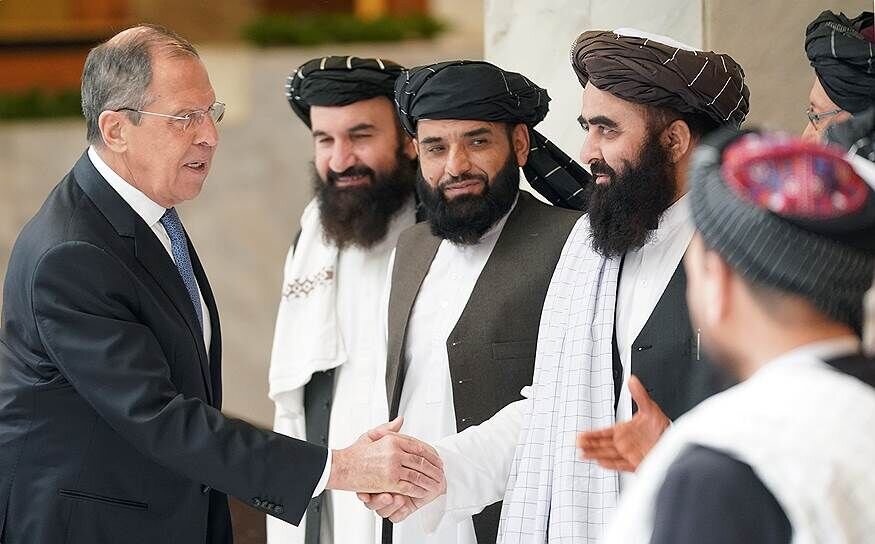
An Analysis of Russia’s Official Recognition of the Taliban

An Analysis of Russia’s Official Recognition of the Taliban

Strategic Council Online – Interview: A former Iranian diplomat stated that Russia’s recognition of the Taliban or the Islamic Emirate of Afghanistan is primarily a security and intelligence matter, and any expansion of political and economic relations with the Taliban will undoubtedly be carried out with Moscow’s specific considerations.

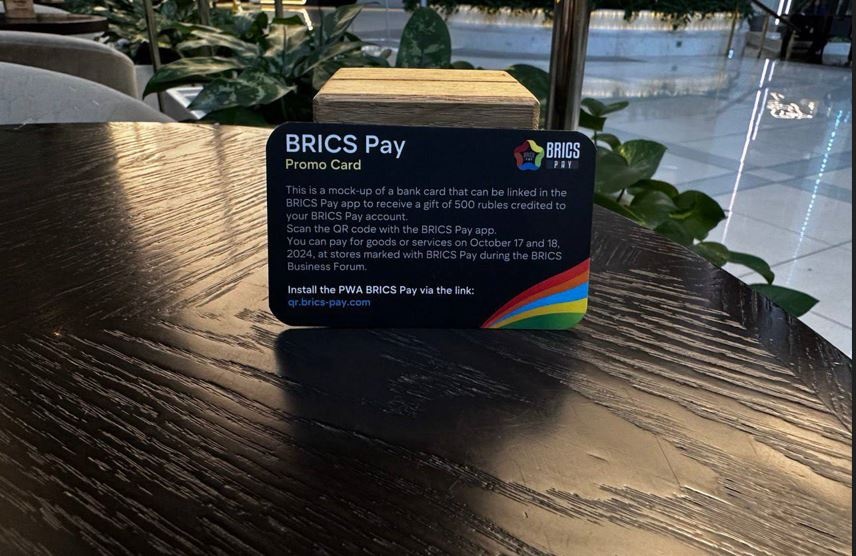
BRICS Initiatives to Reduce Countries’ Dependence on the Dollar and Their Challenges

BRICS Initiatives to Reduce Countries’ Dependence on the Dollar and Their Challenges

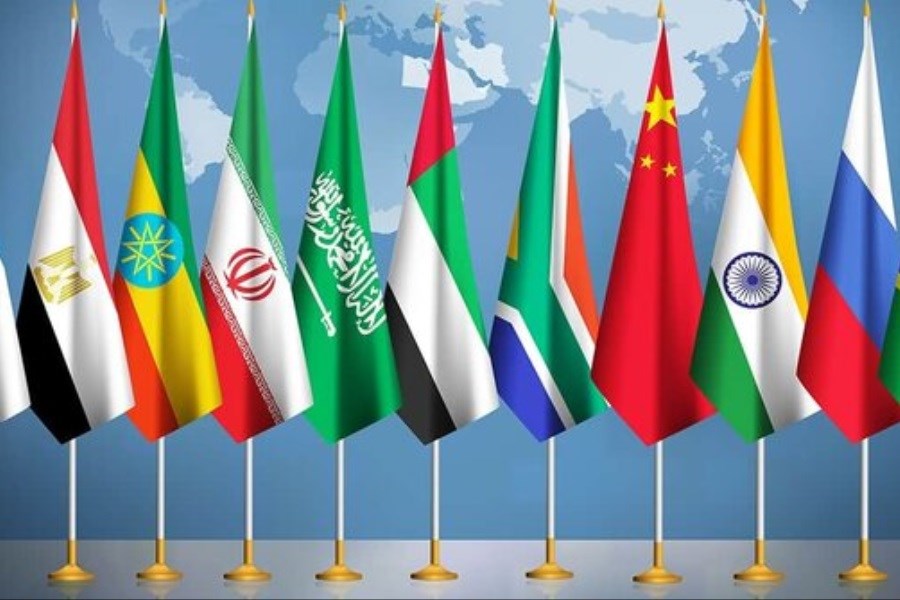
Strategic Council Online – Opinion: The expansion of the BRICS group, particularly with the addition of influential powers such as Iran, Saudi Arabia, the UAE, and Egypt, has sparked a wave of concern in American policymaking circles, especially among conservative factions symbolized by Donald Trump. This fear does not stem merely from the increase in membership. Still, it is rooted in the coalition’s potential to challenge the Western-led economic and political order—particularly the dollar’s exclusive status as the global reserve and exchange currency.

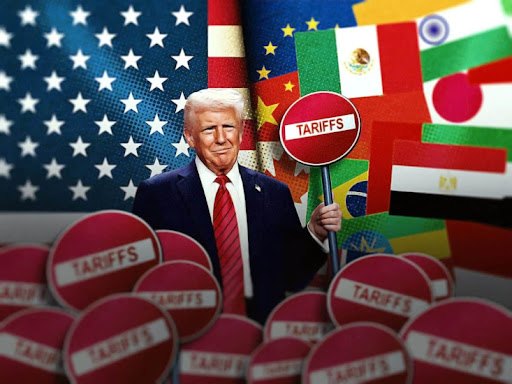
The Global Consequences of Trump’s Tariff War

The Global Consequences of Trump’s Tariff War

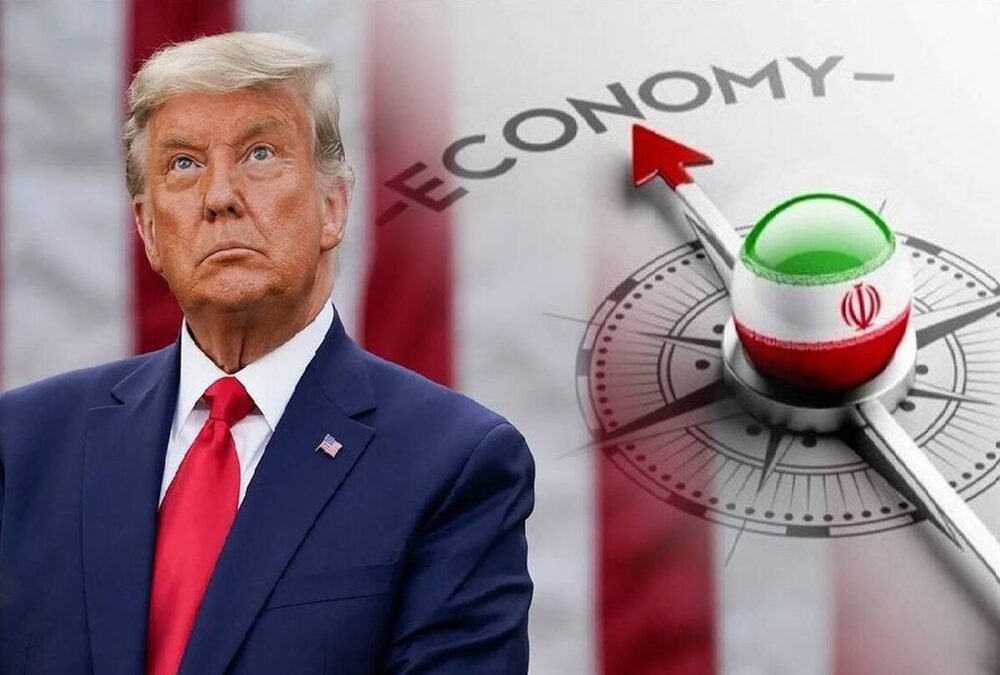
Strategic Council Online – Interview: A senior U.S. affairs analyst stated that the tariff policies of U.S. President Donald Trump have once again exposed the world to the prospect of a full-scale trade war. Trump’s threat to impose a 50% tariff on Brazilian goods and extensive tariffs against over 150 countries, including close U.S. allies like Japan and South Korea, reflects the White House’s aggressive approach to global trade.

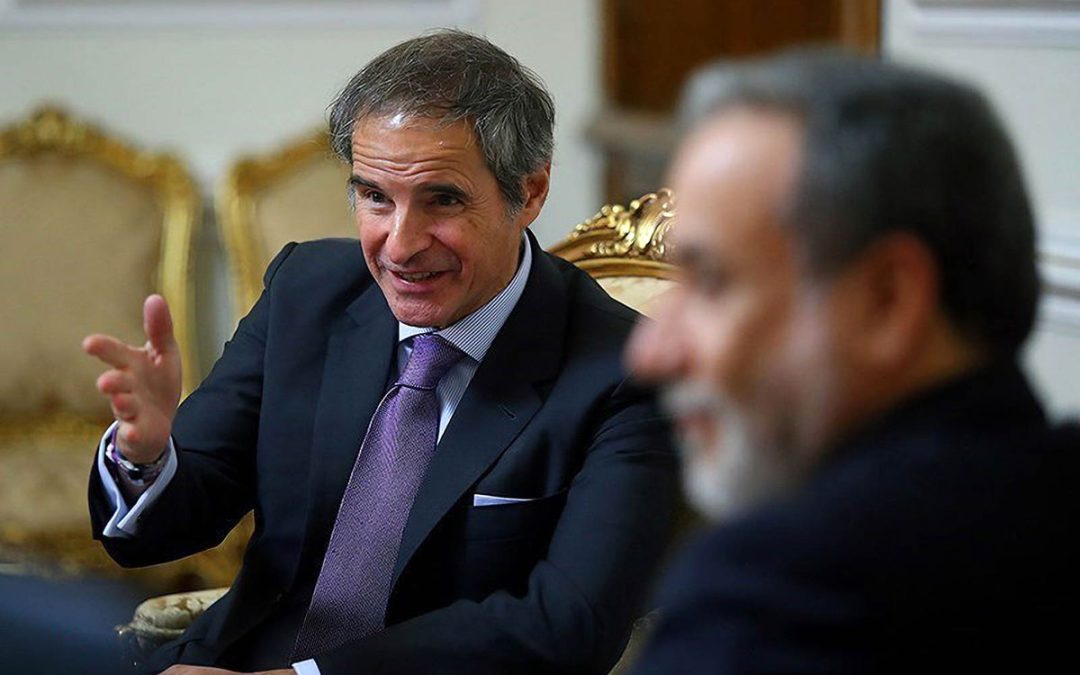
Challenges Ahead for Future Cooperation Between Iran and the IAEA

Challenges Ahead for Future Cooperation Between Iran and the IAEA

Strategic Council Online – Interview: An international affairs expert stated that the recent attacks by the Israeli regime and the U.S. against Iran’s nuclear facilities are the primary challenge to future cooperation between Iran and the International Atomic Energy Agency (IAEA).

Zangezur: A Test for Regional and International Players

Zangezur: A Test for Regional and International Players

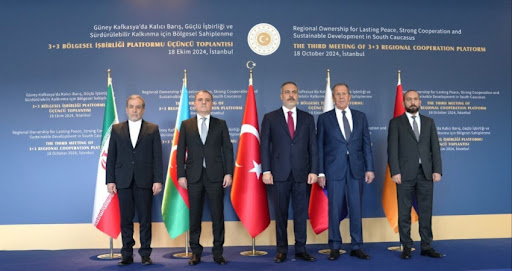
Strategic Council Online – Analysis: On the verge of finalizing the Baku-Yerevan peace agreement, the recent remarks by Mnatsakan Safaryan, Armenia’s Deputy Foreign Minister, regarding the potential handover of the “logistical management” of the Zangezur route to a foreign company have pushed the status of this 32-kilometer strip into a critical phase. The discussion of a foreign operator’s involvement coincides with the meeting between Nikol Pashinyan and Ilham Aliyev in Abu Dhabi—a meeting that, according to regional media, primarily focused on this blocked route.

Iran’s Role in the New World Order

Iran’s Role in the New World Order

Strategic Council Online – Interview: An international affairs analyst stated that the contemporary world is transitioning toward a multipolar order in which major powers such as the United States, China, and Russia are engaged in a complex competition to preserve or expand their global influence. In this context, Iran, as a key player in the region and the Islamic world with significant strategic capabilities—including membership in BRICS and the Shanghai Cooperation Organization (SCO)—can leverage these developments to strengthen its position.

Impact of the U.S.-China Tariff War on Iran’s Economy

Impact of the U.S.-China Tariff War on Iran’s Economy

Strategic Council Online – Interview: An economist and university faculty member stated that the temporary agreement between the U.S. and China to reduce trade tariffs, recently announced in Geneva, is a turning point in easing trade tensions between the two largest economies in the world. This development, which led to positive reactions in global markets and a rise in economic indicators, has indirect consequences for Iran’s economy.

Intensification of U.S. Surveillance and Confrontation with China’s Threats; Trump’s Goal in Regaining Control of Bagram Air Base

Intensification of U.S. Surveillance and Confrontation with China’s Threats; Trump’s Goal in Regaining Control of Bagram Air Base

Strategic Council Online – Opinion: The recent speech by the U.S. President at the Al Udeid military base in Qatar contained a crucial point. For the umpteenth time in recent weeks, Trump, while criticizing the Biden administration’s policy of shutting down Bagram Air Base in Afghanistan as a mistake, emphasized: “We will keep Bagram Air Base. We will not let it go, because it is only an hour away from China.”

A Look at the U.S. Approach to the India-Pakistan Crisis

A Look at the U.S. Approach to the India-Pakistan Crisis

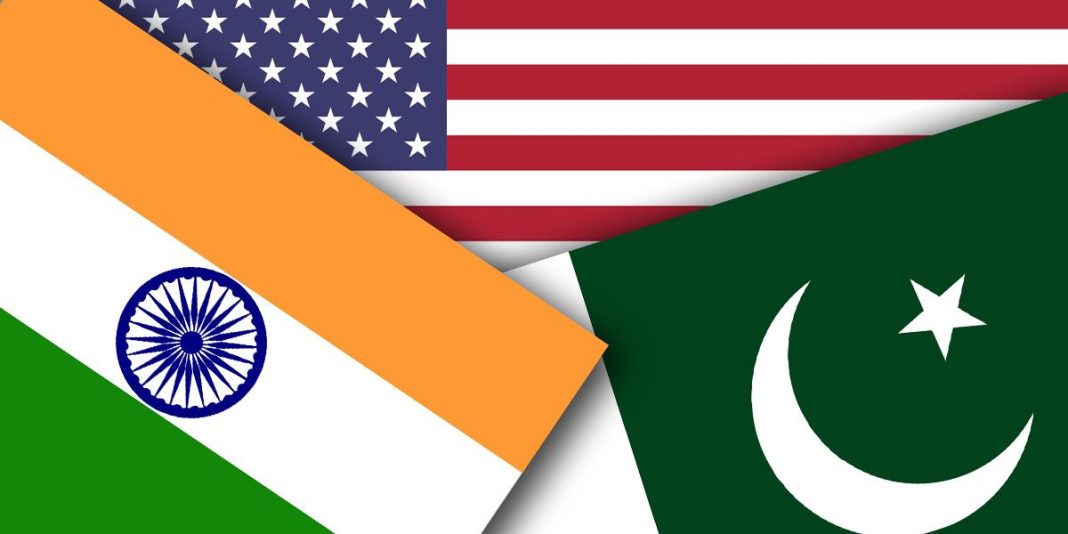
Strategic Council Online – Opinion: The U.S. stance on the tensions between Islamabad and New Delhi was based on urging restraint from both sides, as the United States fears Pakistan may grow closer to China and act as a strategic pivot in anti-American equations.

Factors Influencing Trump’s Tariff Agreement with China

Factors Influencing Trump’s Tariff Agreement with China

Strategic Council Online – Interview: The Secretary-General of the Iran-China Strategic Studies Think Tank stated that the temporary reduction of tariffs between the U.S. and China will not significantly alleviate the distrust among traders and investors, as U.S.-China trade relations during the Trump era remain highly challenging.

أحدث الوظائف

The Makkah Pact; Reasons for its Formation and Challenges Ahead

SCFR Online – Opinion: The Makkah Pact, signed between Saudi Arabia, Pakistan, and Turkey under the motto “an attack on one is an attack on all,” is viewed by some analysts less as a full-fledged military coalition and more as an attempt to reduce security dependence on an external power and to establish a regional security mechanism.

Implications of the US-Saudi Nuclear Agreement

SCFR Online – Opinion: The new US-Saudi nuclear agreement, despite legal and political ambiguities, could alter previous non-proliferation standards in West Asia and intensify nuclear competition, ushering it into a new phase.

An Analysis of Recent Turkey-Israeli Regime Tensions

SCFR Online – Opinion: Recent developments in Syria indicate an intensification of strategic rivalry between Turkey and the Israeli regime, but mutual considerations and the role of the United States have limited the likelihood of direct war.

Increasing criticism of the extensive Zionist lobby network

SCFR Online – Opinion: An examination of the mechanisms of the Israeli regime’s influence in the United States depicts a complex picture of shared interests, strategic dependencies, and the limitations of this relationship.

Realities of the Tripartite Makkah Pact

SCFR Online – Interview: The signing of the Makkah agreement between Saudi Arabia, Pakistan, and Turkey has raised questions about the future of the region’s security structure and the position of these countries in West Asian equations. Can this agreement become a genuine collective defense mechanism, or does it have more of a political and deterrent function than creating new military capacity?

Loading

China

An Analysis of Russia’s Official Recognition of the Taliban

An Analysis of Russia’s Official Recognition of the Taliban

Strategic Council Online – Interview: A former Iranian diplomat stated that Russia’s recognition of the Taliban or the Islamic Emirate of Afghanistan is primarily a security and intelligence matter, and any expansion of political and economic relations with the Taliban will undoubtedly be carried out with Moscow’s specific considerations.

BRICS Initiatives to Reduce Countries’ Dependence on the Dollar and Their Challenges

BRICS Initiatives to Reduce Countries’ Dependence on the Dollar and Their Challenges

Strategic Council Online – Opinion: The expansion of the BRICS group, particularly with the addition of influential powers such as Iran, Saudi Arabia, the UAE, and Egypt, has sparked a wave of concern in American policymaking circles, especially among conservative factions symbolized by Donald Trump. This fear does not stem merely from the increase in membership. Still, it is rooted in the coalition’s potential to challenge the Western-led economic and political order—particularly the dollar’s exclusive status as the global reserve and exchange currency.

The Global Consequences of Trump’s Tariff War

The Global Consequences of Trump’s Tariff War

Strategic Council Online – Interview: A senior U.S. affairs analyst stated that the tariff policies of U.S. President Donald Trump have once again exposed the world to the prospect of a full-scale trade war. Trump’s threat to impose a 50% tariff on Brazilian goods and extensive tariffs against over 150 countries, including close U.S. allies like Japan and South Korea, reflects the White House’s aggressive approach to global trade.

Challenges Ahead for Future Cooperation Between Iran and the IAEA

Challenges Ahead for Future Cooperation Between Iran and the IAEA

Strategic Council Online – Interview: An international affairs expert stated that the recent attacks by the Israeli regime and the U.S. against Iran’s nuclear facilities are the primary challenge to future cooperation between Iran and the International Atomic Energy Agency (IAEA).

Zangezur: A Test for Regional and International Players

Zangezur: A Test for Regional and International Players

Strategic Council Online – Analysis: On the verge of finalizing the Baku-Yerevan peace agreement, the recent remarks by Mnatsakan Safaryan, Armenia’s Deputy Foreign Minister, regarding the potential handover of the “logistical management” of the Zangezur route to a foreign company have pushed the status of this 32-kilometer strip into a critical phase. The discussion of a foreign operator’s involvement coincides with the meeting between Nikol Pashinyan and Ilham Aliyev in Abu Dhabi—a meeting that, according to regional media, primarily focused on this blocked route.

Iran’s Role in the New World Order

Iran’s Role in the New World Order

Strategic Council Online – Interview: An international affairs analyst stated that the contemporary world is transitioning toward a multipolar order in which major powers such as the United States, China, and Russia are engaged in a complex competition to preserve or expand their global influence. In this context, Iran, as a key player in the region and the Islamic world with significant strategic capabilities—including membership in BRICS and the Shanghai Cooperation Organization (SCO)—can leverage these developments to strengthen its position.

Impact of the U.S.-China Tariff War on Iran’s Economy

Impact of the U.S.-China Tariff War on Iran’s Economy

Strategic Council Online – Interview: An economist and university faculty member stated that the temporary agreement between the U.S. and China to reduce trade tariffs, recently announced in Geneva, is a turning point in easing trade tensions between the two largest economies in the world. This development, which led to positive reactions in global markets and a rise in economic indicators, has indirect consequences for Iran’s economy.

Intensification of U.S. Surveillance and Confrontation with China’s Threats; Trump’s Goal in Regaining Control of Bagram Air Base

Intensification of U.S. Surveillance and Confrontation with China’s Threats; Trump’s Goal in Regaining Control of Bagram Air Base

Strategic Council Online – Opinion: The recent speech by the U.S. President at the Al Udeid military base in Qatar contained a crucial point. For the umpteenth time in recent weeks, Trump, while criticizing the Biden administration’s policy of shutting down Bagram Air Base in Afghanistan as a mistake, emphasized: “We will keep Bagram Air Base. We will not let it go, because it is only an hour away from China.”

A Look at the U.S. Approach to the India-Pakistan Crisis

A Look at the U.S. Approach to the India-Pakistan Crisis

Strategic Council Online – Opinion: The U.S. stance on the tensions between Islamabad and New Delhi was based on urging restraint from both sides, as the United States fears Pakistan may grow closer to China and act as a strategic pivot in anti-American equations.

Factors Influencing Trump’s Tariff Agreement with China

Factors Influencing Trump’s Tariff Agreement with China

Strategic Council Online – Interview: The Secretary-General of the Iran-China Strategic Studies Think Tank stated that the temporary reduction of tariffs between the U.S. and China will not significantly alleviate the distrust among traders and investors, as U.S.-China trade relations during the Trump era remain highly challenging.

China

An Analysis of Russia’s Official Recognition of the Taliban

An Analysis of Russia’s Official Recognition of the Taliban

Strategic Council Online – Interview: A former Iranian diplomat stated that Russia’s recognition of the Taliban or the Islamic Emirate of Afghanistan is primarily a security and intelligence matter, and any expansion of political and economic relations with the Taliban will undoubtedly be carried out with Moscow’s specific considerations.

BRICS Initiatives to Reduce Countries’ Dependence on the Dollar and Their Challenges

BRICS Initiatives to Reduce Countries’ Dependence on the Dollar and Their Challenges

Strategic Council Online – Opinion: The expansion of the BRICS group, particularly with the addition of influential powers such as Iran, Saudi Arabia, the UAE, and Egypt, has sparked a wave of concern in American policymaking circles, especially among conservative factions symbolized by Donald Trump. This fear does not stem merely from the increase in membership. Still, it is rooted in the coalition’s potential to challenge the Western-led economic and political order—particularly the dollar’s exclusive status as the global reserve and exchange currency.

The Global Consequences of Trump’s Tariff War

The Global Consequences of Trump’s Tariff War

Strategic Council Online – Interview: A senior U.S. affairs analyst stated that the tariff policies of U.S. President Donald Trump have once again exposed the world to the prospect of a full-scale trade war. Trump’s threat to impose a 50% tariff on Brazilian goods and extensive tariffs against over 150 countries, including close U.S. allies like Japan and South Korea, reflects the White House’s aggressive approach to global trade.

Challenges Ahead for Future Cooperation Between Iran and the IAEA

Challenges Ahead for Future Cooperation Between Iran and the IAEA

Strategic Council Online – Interview: An international affairs expert stated that the recent attacks by the Israeli regime and the U.S. against Iran’s nuclear facilities are the primary challenge to future cooperation between Iran and the International Atomic Energy Agency (IAEA).

Zangezur: A Test for Regional and International Players

Zangezur: A Test for Regional and International Players

Strategic Council Online – Analysis: On the verge of finalizing the Baku-Yerevan peace agreement, the recent remarks by Mnatsakan Safaryan, Armenia’s Deputy Foreign Minister, regarding the potential handover of the “logistical management” of the Zangezur route to a foreign company have pushed the status of this 32-kilometer strip into a critical phase. The discussion of a foreign operator’s involvement coincides with the meeting between Nikol Pashinyan and Ilham Aliyev in Abu Dhabi—a meeting that, according to regional media, primarily focused on this blocked route.

Iran’s Role in the New World Order

Iran’s Role in the New World Order

Strategic Council Online – Interview: An international affairs analyst stated that the contemporary world is transitioning toward a multipolar order in which major powers such as the United States, China, and Russia are engaged in a complex competition to preserve or expand their global influence. In this context, Iran, as a key player in the region and the Islamic world with significant strategic capabilities—including membership in BRICS and the Shanghai Cooperation Organization (SCO)—can leverage these developments to strengthen its position.

Impact of the U.S.-China Tariff War on Iran’s Economy

Impact of the U.S.-China Tariff War on Iran’s Economy

Strategic Council Online – Interview: An economist and university faculty member stated that the temporary agreement between the U.S. and China to reduce trade tariffs, recently announced in Geneva, is a turning point in easing trade tensions between the two largest economies in the world. This development, which led to positive reactions in global markets and a rise in economic indicators, has indirect consequences for Iran’s economy.

Intensification of U.S. Surveillance and Confrontation with China’s Threats; Trump’s Goal in Regaining Control of Bagram Air Base

Intensification of U.S. Surveillance and Confrontation with China’s Threats; Trump’s Goal in Regaining Control of Bagram Air Base

Strategic Council Online – Opinion: The recent speech by the U.S. President at the Al Udeid military base in Qatar contained a crucial point. For the umpteenth time in recent weeks, Trump, while criticizing the Biden administration’s policy of shutting down Bagram Air Base in Afghanistan as a mistake, emphasized: “We will keep Bagram Air Base. We will not let it go, because it is only an hour away from China.”

A Look at the U.S. Approach to the India-Pakistan Crisis

A Look at the U.S. Approach to the India-Pakistan Crisis

Strategic Council Online – Opinion: The U.S. stance on the tensions between Islamabad and New Delhi was based on urging restraint from both sides, as the United States fears Pakistan may grow closer to China and act as a strategic pivot in anti-American equations.

Factors Influencing Trump’s Tariff Agreement with China

Factors Influencing Trump’s Tariff Agreement with China

Strategic Council Online – Interview: The Secretary-General of the Iran-China Strategic Studies Think Tank stated that the temporary reduction of tariffs between the U.S. and China will not significantly alleviate the distrust among traders and investors, as U.S.-China trade relations during the Trump era remain highly challenging.

LATEST CONTENT

The Makkah Pact; Reasons for its Formation and Challenges Ahead

SCFR Online – Opinion: The Makkah Pact, signed between Saudi Arabia, Pakistan, and Turkey under the motto “an attack on one is an attack on all,” is viewed by some analysts less as a full-fledged military coalition and more as an attempt to reduce security dependence on an external power and to establish a regional security mechanism.

Implications of the US-Saudi Nuclear Agreement

SCFR Online – Opinion: The new US-Saudi nuclear agreement, despite legal and political ambiguities, could alter previous non-proliferation standards in West Asia and intensify nuclear competition, ushering it into a new phase.

An Analysis of Recent Turkey-Israeli Regime Tensions

SCFR Online – Opinion: Recent developments in Syria indicate an intensification of strategic rivalry between Turkey and the Israeli regime, but mutual considerations and the role of the United States have limited the likelihood of direct war.

Increasing criticism of the extensive Zionist lobby network

SCFR Online – Opinion: An examination of the mechanisms of the Israeli regime’s influence in the United States depicts a complex picture of shared interests, strategic dependencies, and the limitations of this relationship.

Realities of the Tripartite Makkah Pact

SCFR Online – Interview: The signing of the Makkah agreement between Saudi Arabia, Pakistan, and Turkey has raised questions about the future of the region’s security structure and the position of these countries in West Asian equations. Can this agreement become a genuine collective defense mechanism, or does it have more of a political and deterrent function than creating new military capacity?

Loading

China

An Analysis of Russia’s Official Recognition of the Taliban

An Analysis of Russia’s Official Recognition of the Taliban

Strategic Council Online – Interview: A former Iranian diplomat stated that Russia’s recognition of the Taliban or the Islamic Emirate of Afghanistan is primarily a security and intelligence matter, and any expansion of political and economic relations with the Taliban will undoubtedly be carried out with Moscow’s specific considerations.

BRICS Initiatives to Reduce Countries’ Dependence on the Dollar and Their Challenges

BRICS Initiatives to Reduce Countries’ Dependence on the Dollar and Their Challenges

Strategic Council Online – Opinion: The expansion of the BRICS group, particularly with the addition of influential powers such as Iran, Saudi Arabia, the UAE, and Egypt, has sparked a wave of concern in American policymaking circles, especially among conservative factions symbolized by Donald Trump. This fear does not stem merely from the increase in membership. Still, it is rooted in the coalition’s potential to challenge the Western-led economic and political order—particularly the dollar’s exclusive status as the global reserve and exchange currency.

The Global Consequences of Trump’s Tariff War

The Global Consequences of Trump’s Tariff War

Strategic Council Online – Interview: A senior U.S. affairs analyst stated that the tariff policies of U.S. President Donald Trump have once again exposed the world to the prospect of a full-scale trade war. Trump’s threat to impose a 50% tariff on Brazilian goods and extensive tariffs against over 150 countries, including close U.S. allies like Japan and South Korea, reflects the White House’s aggressive approach to global trade.

Challenges Ahead for Future Cooperation Between Iran and the IAEA

Challenges Ahead for Future Cooperation Between Iran and the IAEA

Strategic Council Online – Interview: An international affairs expert stated that the recent attacks by the Israeli regime and the U.S. against Iran’s nuclear facilities are the primary challenge to future cooperation between Iran and the International Atomic Energy Agency (IAEA).

Zangezur: A Test for Regional and International Players

Zangezur: A Test for Regional and International Players

Strategic Council Online – Analysis: On the verge of finalizing the Baku-Yerevan peace agreement, the recent remarks by Mnatsakan Safaryan, Armenia’s Deputy Foreign Minister, regarding the potential handover of the “logistical management” of the Zangezur route to a foreign company have pushed the status of this 32-kilometer strip into a critical phase. The discussion of a foreign operator’s involvement coincides with the meeting between Nikol Pashinyan and Ilham Aliyev in Abu Dhabi—a meeting that, according to regional media, primarily focused on this blocked route.

Iran’s Role in the New World Order

Iran’s Role in the New World Order

Strategic Council Online – Interview: An international affairs analyst stated that the contemporary world is transitioning toward a multipolar order in which major powers such as the United States, China, and Russia are engaged in a complex competition to preserve or expand their global influence. In this context, Iran, as a key player in the region and the Islamic world with significant strategic capabilities—including membership in BRICS and the Shanghai Cooperation Organization (SCO)—can leverage these developments to strengthen its position.

Impact of the U.S.-China Tariff War on Iran’s Economy

Impact of the U.S.-China Tariff War on Iran’s Economy

Strategic Council Online – Interview: An economist and university faculty member stated that the temporary agreement between the U.S. and China to reduce trade tariffs, recently announced in Geneva, is a turning point in easing trade tensions between the two largest economies in the world. This development, which led to positive reactions in global markets and a rise in economic indicators, has indirect consequences for Iran’s economy.

Intensification of U.S. Surveillance and Confrontation with China’s Threats; Trump’s Goal in Regaining Control of Bagram Air Base

Intensification of U.S. Surveillance and Confrontation with China’s Threats; Trump’s Goal in Regaining Control of Bagram Air Base

Strategic Council Online – Opinion: The recent speech by the U.S. President at the Al Udeid military base in Qatar contained a crucial point. For the umpteenth time in recent weeks, Trump, while criticizing the Biden administration’s policy of shutting down Bagram Air Base in Afghanistan as a mistake, emphasized: “We will keep Bagram Air Base. We will not let it go, because it is only an hour away from China.”

A Look at the U.S. Approach to the India-Pakistan Crisis

A Look at the U.S. Approach to the India-Pakistan Crisis

Strategic Council Online – Opinion: The U.S. stance on the tensions between Islamabad and New Delhi was based on urging restraint from both sides, as the United States fears Pakistan may grow closer to China and act as a strategic pivot in anti-American equations.

Factors Influencing Trump’s Tariff Agreement with China

Factors Influencing Trump’s Tariff Agreement with China

Strategic Council Online – Interview: The Secretary-General of the Iran-China Strategic Studies Think Tank stated that the temporary reduction of tariffs between the U.S. and China will not significantly alleviate the distrust among traders and investors, as U.S.-China trade relations during the Trump era remain highly challenging.

ÚLTIMAS PUBLICACIONES

The Makkah Pact; Reasons for its Formation and Challenges Ahead

SCFR Online – Opinion: The Makkah Pact, signed between Saudi Arabia, Pakistan, and Turkey under the motto “an attack on one is an attack on all,” is viewed by some analysts less as a full-fledged military coalition and more as an attempt to reduce security dependence on an external power and to establish a regional security mechanism.

Implications of the US-Saudi Nuclear Agreement

SCFR Online – Opinion: The new US-Saudi nuclear agreement, despite legal and political ambiguities, could alter previous non-proliferation standards in West Asia and intensify nuclear competition, ushering it into a new phase.

An Analysis of Recent Turkey-Israeli Regime Tensions

SCFR Online – Opinion: Recent developments in Syria indicate an intensification of strategic rivalry between Turkey and the Israeli regime, but mutual considerations and the role of the United States have limited the likelihood of direct war.

Increasing criticism of the extensive Zionist lobby network

SCFR Online – Opinion: An examination of the mechanisms of the Israeli regime’s influence in the United States depicts a complex picture of shared interests, strategic dependencies, and the limitations of this relationship.

Realities of the Tripartite Makkah Pact

SCFR Online – Interview: The signing of the Makkah agreement between Saudi Arabia, Pakistan, and Turkey has raised questions about the future of the region’s security structure and the position of these countries in West Asian equations. Can this agreement become a genuine collective defense mechanism, or does it have more of a political and deterrent function than creating new military capacity?

Loading

China

An Analysis of Russia’s Official Recognition of the Taliban

An Analysis of Russia’s Official Recognition of the Taliban

Strategic Council Online – Interview: A former Iranian diplomat stated that Russia’s recognition of the Taliban or the Islamic Emirate of Afghanistan is primarily a security and intelligence matter, and any expansion of political and economic relations with the Taliban will undoubtedly be carried out with Moscow’s specific considerations.

BRICS Initiatives to Reduce Countries’ Dependence on the Dollar and Their Challenges

BRICS Initiatives to Reduce Countries’ Dependence on the Dollar and Their Challenges

Strategic Council Online – Opinion: The expansion of the BRICS group, particularly with the addition of influential powers such as Iran, Saudi Arabia, the UAE, and Egypt, has sparked a wave of concern in American policymaking circles, especially among conservative factions symbolized by Donald Trump. This fear does not stem merely from the increase in membership. Still, it is rooted in the coalition’s potential to challenge the Western-led economic and political order—particularly the dollar’s exclusive status as the global reserve and exchange currency.

The Global Consequences of Trump’s Tariff War

The Global Consequences of Trump’s Tariff War

Strategic Council Online – Interview: A senior U.S. affairs analyst stated that the tariff policies of U.S. President Donald Trump have once again exposed the world to the prospect of a full-scale trade war. Trump’s threat to impose a 50% tariff on Brazilian goods and extensive tariffs against over 150 countries, including close U.S. allies like Japan and South Korea, reflects the White House’s aggressive approach to global trade.

Challenges Ahead for Future Cooperation Between Iran and the IAEA

Challenges Ahead for Future Cooperation Between Iran and the IAEA

Strategic Council Online – Interview: An international affairs expert stated that the recent attacks by the Israeli regime and the U.S. against Iran’s nuclear facilities are the primary challenge to future cooperation between Iran and the International Atomic Energy Agency (IAEA).

Zangezur: A Test for Regional and International Players

Zangezur: A Test for Regional and International Players

Strategic Council Online – Analysis: On the verge of finalizing the Baku-Yerevan peace agreement, the recent remarks by Mnatsakan Safaryan, Armenia’s Deputy Foreign Minister, regarding the potential handover of the “logistical management” of the Zangezur route to a foreign company have pushed the status of this 32-kilometer strip into a critical phase. The discussion of a foreign operator’s involvement coincides with the meeting between Nikol Pashinyan and Ilham Aliyev in Abu Dhabi—a meeting that, according to regional media, primarily focused on this blocked route.

Iran’s Role in the New World Order

Iran’s Role in the New World Order

Strategic Council Online – Interview: An international affairs analyst stated that the contemporary world is transitioning toward a multipolar order in which major powers such as the United States, China, and Russia are engaged in a complex competition to preserve or expand their global influence. In this context, Iran, as a key player in the region and the Islamic world with significant strategic capabilities—including membership in BRICS and the Shanghai Cooperation Organization (SCO)—can leverage these developments to strengthen its position.

Impact of the U.S.-China Tariff War on Iran’s Economy

Impact of the U.S.-China Tariff War on Iran’s Economy

Strategic Council Online – Interview: An economist and university faculty member stated that the temporary agreement between the U.S. and China to reduce trade tariffs, recently announced in Geneva, is a turning point in easing trade tensions between the two largest economies in the world. This development, which led to positive reactions in global markets and a rise in economic indicators, has indirect consequences for Iran’s economy.

Intensification of U.S. Surveillance and Confrontation with China’s Threats; Trump’s Goal in Regaining Control of Bagram Air Base

Intensification of U.S. Surveillance and Confrontation with China’s Threats; Trump’s Goal in Regaining Control of Bagram Air Base

Strategic Council Online – Opinion: The recent speech by the U.S. President at the Al Udeid military base in Qatar contained a crucial point. For the umpteenth time in recent weeks, Trump, while criticizing the Biden administration’s policy of shutting down Bagram Air Base in Afghanistan as a mistake, emphasized: “We will keep Bagram Air Base. We will not let it go, because it is only an hour away from China.”

A Look at the U.S. Approach to the India-Pakistan Crisis

A Look at the U.S. Approach to the India-Pakistan Crisis

Strategic Council Online – Opinion: The U.S. stance on the tensions between Islamabad and New Delhi was based on urging restraint from both sides, as the United States fears Pakistan may grow closer to China and act as a strategic pivot in anti-American equations.

Factors Influencing Trump’s Tariff Agreement with China

Factors Influencing Trump’s Tariff Agreement with China

Strategic Council Online – Interview: The Secretary-General of the Iran-China Strategic Studies Think Tank stated that the temporary reduction of tariffs between the U.S. and China will not significantly alleviate the distrust among traders and investors, as U.S.-China trade relations during the Trump era remain highly challenging.

ÚLTIMAS PUBLICACIONES

The Makkah Pact; Reasons for its Formation and Challenges Ahead

SCFR Online – Opinion: The Makkah Pact, signed between Saudi Arabia, Pakistan, and Turkey under the motto “an attack on one is an attack on all,” is viewed by some analysts less as a full-fledged military coalition and more as an attempt to reduce security dependence on an external power and to establish a regional security mechanism.

Implications of the US-Saudi Nuclear Agreement

SCFR Online – Opinion: The new US-Saudi nuclear agreement, despite legal and political ambiguities, could alter previous non-proliferation standards in West Asia and intensify nuclear competition, ushering it into a new phase.

An Analysis of Recent Turkey-Israeli Regime Tensions

SCFR Online – Opinion: Recent developments in Syria indicate an intensification of strategic rivalry between Turkey and the Israeli regime, but mutual considerations and the role of the United States have limited the likelihood of direct war.

Increasing criticism of the extensive Zionist lobby network

SCFR Online – Opinion: An examination of the mechanisms of the Israeli regime’s influence in the United States depicts a complex picture of shared interests, strategic dependencies, and the limitations of this relationship.

Realities of the Tripartite Makkah Pact

SCFR Online – Interview: The signing of the Makkah agreement between Saudi Arabia, Pakistan, and Turkey has raised questions about the future of the region’s security structure and the position of these countries in West Asian equations. Can this agreement become a genuine collective defense mechanism, or does it have more of a political and deterrent function than creating new military capacity?

Loading

China

An Analysis of Russia’s Official Recognition of the Taliban

An Analysis of Russia’s Official Recognition of the Taliban

Strategic Council Online – Interview: A former Iranian diplomat stated that Russia’s recognition of the Taliban or the Islamic Emirate of Afghanistan is primarily a security and intelligence matter, and any expansion of political and economic relations with the Taliban will undoubtedly be carried out with Moscow’s specific considerations.

BRICS Initiatives to Reduce Countries’ Dependence on the Dollar and Their Challenges

BRICS Initiatives to Reduce Countries’ Dependence on the Dollar and Their Challenges

Strategic Council Online – Opinion: The expansion of the BRICS group, particularly with the addition of influential powers such as Iran, Saudi Arabia, the UAE, and Egypt, has sparked a wave of concern in American policymaking circles, especially among conservative factions symbolized by Donald Trump. This fear does not stem merely from the increase in membership. Still, it is rooted in the coalition’s potential to challenge the Western-led economic and political order—particularly the dollar’s exclusive status as the global reserve and exchange currency.

The Global Consequences of Trump’s Tariff War

The Global Consequences of Trump’s Tariff War

Strategic Council Online – Interview: A senior U.S. affairs analyst stated that the tariff policies of U.S. President Donald Trump have once again exposed the world to the prospect of a full-scale trade war. Trump’s threat to impose a 50% tariff on Brazilian goods and extensive tariffs against over 150 countries, including close U.S. allies like Japan and South Korea, reflects the White House’s aggressive approach to global trade.

Challenges Ahead for Future Cooperation Between Iran and the IAEA

Challenges Ahead for Future Cooperation Between Iran and the IAEA

Strategic Council Online – Interview: An international affairs expert stated that the recent attacks by the Israeli regime and the U.S. against Iran’s nuclear facilities are the primary challenge to future cooperation between Iran and the International Atomic Energy Agency (IAEA).

Zangezur: A Test for Regional and International Players

Zangezur: A Test for Regional and International Players

Strategic Council Online – Analysis: On the verge of finalizing the Baku-Yerevan peace agreement, the recent remarks by Mnatsakan Safaryan, Armenia’s Deputy Foreign Minister, regarding the potential handover of the “logistical management” of the Zangezur route to a foreign company have pushed the status of this 32-kilometer strip into a critical phase. The discussion of a foreign operator’s involvement coincides with the meeting between Nikol Pashinyan and Ilham Aliyev in Abu Dhabi—a meeting that, according to regional media, primarily focused on this blocked route.

Iran’s Role in the New World Order

Iran’s Role in the New World Order

Strategic Council Online – Interview: An international affairs analyst stated that the contemporary world is transitioning toward a multipolar order in which major powers such as the United States, China, and Russia are engaged in a complex competition to preserve or expand their global influence. In this context, Iran, as a key player in the region and the Islamic world with significant strategic capabilities—including membership in BRICS and the Shanghai Cooperation Organization (SCO)—can leverage these developments to strengthen its position.

Impact of the U.S.-China Tariff War on Iran’s Economy

Impact of the U.S.-China Tariff War on Iran’s Economy

Strategic Council Online – Interview: An economist and university faculty member stated that the temporary agreement between the U.S. and China to reduce trade tariffs, recently announced in Geneva, is a turning point in easing trade tensions between the two largest economies in the world. This development, which led to positive reactions in global markets and a rise in economic indicators, has indirect consequences for Iran’s economy.

Intensification of U.S. Surveillance and Confrontation with China’s Threats; Trump’s Goal in Regaining Control of Bagram Air Base

Intensification of U.S. Surveillance and Confrontation with China’s Threats; Trump’s Goal in Regaining Control of Bagram Air Base

Strategic Council Online – Opinion: The recent speech by the U.S. President at the Al Udeid military base in Qatar contained a crucial point. For the umpteenth time in recent weeks, Trump, while criticizing the Biden administration’s policy of shutting down Bagram Air Base in Afghanistan as a mistake, emphasized: “We will keep Bagram Air Base. We will not let it go, because it is only an hour away from China.”

A Look at the U.S. Approach to the India-Pakistan Crisis

A Look at the U.S. Approach to the India-Pakistan Crisis

Strategic Council Online – Opinion: The U.S. stance on the tensions between Islamabad and New Delhi was based on urging restraint from both sides, as the United States fears Pakistan may grow closer to China and act as a strategic pivot in anti-American equations.

Factors Influencing Trump’s Tariff Agreement with China

Factors Influencing Trump’s Tariff Agreement with China

Strategic Council Online – Interview: The Secretary-General of the Iran-China Strategic Studies Think Tank stated that the temporary reduction of tariffs between the U.S. and China will not significantly alleviate the distrust among traders and investors, as U.S.-China trade relations during the Trump era remain highly challenging.

ÚLTIMAS PUBLICACIONES

The Makkah Pact; Reasons for its Formation and Challenges Ahead

SCFR Online – Opinion: The Makkah Pact, signed between Saudi Arabia, Pakistan, and Turkey under the motto “an attack on one is an attack on all,” is viewed by some analysts less as a full-fledged military coalition and more as an attempt to reduce security dependence on an external power and to establish a regional security mechanism.

Implications of the US-Saudi Nuclear Agreement

SCFR Online – Opinion: The new US-Saudi nuclear agreement, despite legal and political ambiguities, could alter previous non-proliferation standards in West Asia and intensify nuclear competition, ushering it into a new phase.

An Analysis of Recent Turkey-Israeli Regime Tensions

SCFR Online – Opinion: Recent developments in Syria indicate an intensification of strategic rivalry between Turkey and the Israeli regime, but mutual considerations and the role of the United States have limited the likelihood of direct war.

Increasing criticism of the extensive Zionist lobby network

SCFR Online – Opinion: An examination of the mechanisms of the Israeli regime’s influence in the United States depicts a complex picture of shared interests, strategic dependencies, and the limitations of this relationship.

Realities of the Tripartite Makkah Pact

SCFR Online – Interview: The signing of the Makkah agreement between Saudi Arabia, Pakistan, and Turkey has raised questions about the future of the region’s security structure and the position of these countries in West Asian equations. Can this agreement become a genuine collective defense mechanism, or does it have more of a political and deterrent function than creating new military capacity?

Loading

China

An Analysis of Russia’s Official Recognition of the Taliban

An Analysis of Russia’s Official Recognition of the Taliban

Strategic Council Online – Interview: A former Iranian diplomat stated that Russia’s recognition of the Taliban or the Islamic Emirate of Afghanistan is primarily a security and intelligence matter, and any expansion of political and economic relations with the Taliban will undoubtedly be carried out with Moscow’s specific considerations.

BRICS Initiatives to Reduce Countries’ Dependence on the Dollar and Their Challenges

BRICS Initiatives to Reduce Countries’ Dependence on the Dollar and Their Challenges

Strategic Council Online – Opinion: The expansion of the BRICS group, particularly with the addition of influential powers such as Iran, Saudi Arabia, the UAE, and Egypt, has sparked a wave of concern in American policymaking circles, especially among conservative factions symbolized by Donald Trump. This fear does not stem merely from the increase in membership. Still, it is rooted in the coalition’s potential to challenge the Western-led economic and political order—particularly the dollar’s exclusive status as the global reserve and exchange currency.

The Global Consequences of Trump’s Tariff War

The Global Consequences of Trump’s Tariff War

Strategic Council Online – Interview: A senior U.S. affairs analyst stated that the tariff policies of U.S. President Donald Trump have once again exposed the world to the prospect of a full-scale trade war. Trump’s threat to impose a 50% tariff on Brazilian goods and extensive tariffs against over 150 countries, including close U.S. allies like Japan and South Korea, reflects the White House’s aggressive approach to global trade.

Challenges Ahead for Future Cooperation Between Iran and the IAEA

Challenges Ahead for Future Cooperation Between Iran and the IAEA

Strategic Council Online – Interview: An international affairs expert stated that the recent attacks by the Israeli regime and the U.S. against Iran’s nuclear facilities are the primary challenge to future cooperation between Iran and the International Atomic Energy Agency (IAEA).

Zangezur: A Test for Regional and International Players

Zangezur: A Test for Regional and International Players

Strategic Council Online – Analysis: On the verge of finalizing the Baku-Yerevan peace agreement, the recent remarks by Mnatsakan Safaryan, Armenia’s Deputy Foreign Minister, regarding the potential handover of the “logistical management” of the Zangezur route to a foreign company have pushed the status of this 32-kilometer strip into a critical phase. The discussion of a foreign operator’s involvement coincides with the meeting between Nikol Pashinyan and Ilham Aliyev in Abu Dhabi—a meeting that, according to regional media, primarily focused on this blocked route.

Iran’s Role in the New World Order

Iran’s Role in the New World Order

Strategic Council Online – Interview: An international affairs analyst stated that the contemporary world is transitioning toward a multipolar order in which major powers such as the United States, China, and Russia are engaged in a complex competition to preserve or expand their global influence. In this context, Iran, as a key player in the region and the Islamic world with significant strategic capabilities—including membership in BRICS and the Shanghai Cooperation Organization (SCO)—can leverage these developments to strengthen its position.

Impact of the U.S.-China Tariff War on Iran’s Economy

Impact of the U.S.-China Tariff War on Iran’s Economy

Strategic Council Online – Interview: An economist and university faculty member stated that the temporary agreement between the U.S. and China to reduce trade tariffs, recently announced in Geneva, is a turning point in easing trade tensions between the two largest economies in the world. This development, which led to positive reactions in global markets and a rise in economic indicators, has indirect consequences for Iran’s economy.

Intensification of U.S. Surveillance and Confrontation with China’s Threats; Trump’s Goal in Regaining Control of Bagram Air Base

Intensification of U.S. Surveillance and Confrontation with China’s Threats; Trump’s Goal in Regaining Control of Bagram Air Base

Strategic Council Online – Opinion: The recent speech by the U.S. President at the Al Udeid military base in Qatar contained a crucial point. For the umpteenth time in recent weeks, Trump, while criticizing the Biden administration’s policy of shutting down Bagram Air Base in Afghanistan as a mistake, emphasized: “We will keep Bagram Air Base. We will not let it go, because it is only an hour away from China.”

A Look at the U.S. Approach to the India-Pakistan Crisis

A Look at the U.S. Approach to the India-Pakistan Crisis

Strategic Council Online – Opinion: The U.S. stance on the tensions between Islamabad and New Delhi was based on urging restraint from both sides, as the United States fears Pakistan may grow closer to China and act as a strategic pivot in anti-American equations.

Factors Influencing Trump’s Tariff Agreement with China

Factors Influencing Trump’s Tariff Agreement with China

Strategic Council Online – Interview: The Secretary-General of the Iran-China Strategic Studies Think Tank stated that the temporary reduction of tariffs between the U.S. and China will not significantly alleviate the distrust among traders and investors, as U.S.-China trade relations during the Trump era remain highly challenging.

ÚLTIMAS PUBLICACIONES

The Makkah Pact; Reasons for its Formation and Challenges Ahead

SCFR Online – Opinion: The Makkah Pact, signed between Saudi Arabia, Pakistan, and Turkey under the motto “an attack on one is an attack on all,” is viewed by some analysts less as a full-fledged military coalition and more as an attempt to reduce security dependence on an external power and to establish a regional security mechanism.

Implications of the US-Saudi Nuclear Agreement

SCFR Online – Opinion: The new US-Saudi nuclear agreement, despite legal and political ambiguities, could alter previous non-proliferation standards in West Asia and intensify nuclear competition, ushering it into a new phase.

An Analysis of Recent Turkey-Israeli Regime Tensions

SCFR Online – Opinion: Recent developments in Syria indicate an intensification of strategic rivalry between Turkey and the Israeli regime, but mutual considerations and the role of the United States have limited the likelihood of direct war.

Increasing criticism of the extensive Zionist lobby network

SCFR Online – Opinion: An examination of the mechanisms of the Israeli regime’s influence in the United States depicts a complex picture of shared interests, strategic dependencies, and the limitations of this relationship.

Realities of the Tripartite Makkah Pact

SCFR Online – Interview: The signing of the Makkah agreement between Saudi Arabia, Pakistan, and Turkey has raised questions about the future of the region’s security structure and the position of these countries in West Asian equations. Can this agreement become a genuine collective defense mechanism, or does it have more of a political and deterrent function than creating new military capacity?

Loading