جدیدترین مطالب

The Makkah Pact; Reasons for its Formation and Challenges Ahead

SCFR Online – Opinion: The Makkah Pact, signed between Saudi Arabia, Pakistan, and Turkey under the motto “an attack on one is an attack on all,” is viewed by some analysts less as a full-fledged military coalition and more as an attempt to reduce security dependence on an external power and to establish a regional security mechanism.

Implications of the US-Saudi Nuclear Agreement

SCFR Online – Opinion: The new US-Saudi nuclear agreement, despite legal and political ambiguities, could alter previous non-proliferation standards in West Asia and intensify nuclear competition, ushering it into a new phase.

An Analysis of Recent Turkey-Israeli Regime Tensions

SCFR Online – Opinion: Recent developments in Syria indicate an intensification of strategic rivalry between Turkey and the Israeli regime, but mutual considerations and the role of the United States have limited the likelihood of direct war.

Increasing criticism of the extensive Zionist lobby network

SCFR Online – Opinion: An examination of the mechanisms of the Israeli regime’s influence in the United States depicts a complex picture of shared interests, strategic dependencies, and the limitations of this relationship.

Realities of the Tripartite Makkah Pact

SCFR Online – Interview: The signing of the Makkah agreement between Saudi Arabia, Pakistan, and Turkey has raised questions about the future of the region’s security structure and the position of these countries in West Asian equations. Can this agreement become a genuine collective defense mechanism, or does it have more of a political and deterrent function than creating new military capacity?

Strategic Implications of the Reduction of US Weapons Stockpiles

SCFR Online – Opinion: The continuation of the US war against Iran, in addition to increasing operational costs, has called into question the actual capacity of the American arsenal to simultaneously fulfill security commitments on multiple fronts; an issue that affects deterrence, defense production capacity, and Washington’s resource prioritization.

Loading

China

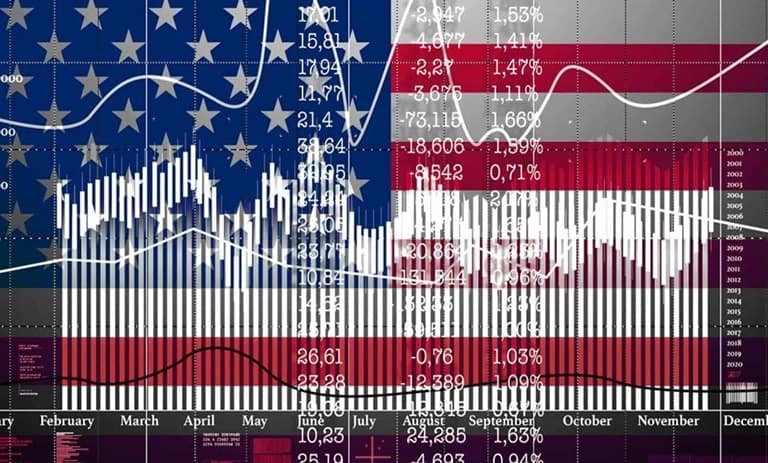
U.S. Economic Recession and Its Domestic and Global Consequences

U.S. Economic Recession and Its Domestic and Global Consequences

Strategic Council Online – Interview: An analyst of U.S. affairs stated that while Donald Trump promised to revive the U.S. economy and restore the country’s industrial glory upon his return to the White House, the latest economic data indicate otherwise. The unemployment rate, which was 3.8% at the beginning of the new administration, has now risen to 4.3%, and factories and construction companies have laid off thousands of workers. Even revised statistics show that in June of this year alone, 13,000 jobs were lost. These developments highlight the gap between Trump’s campaign promises and the economic reality in the U.S.. This divide has overshadowed not only domestic politics but also the country’s economic and geopolitical future.
At the same time, Trump is attempting to shift pressures outward by leveraging geopolitical tools; an example is his threat to the European Union following the fines imposed on Google, an action many observers see as an effort to shift the agenda from domestic recession to external challenges. The question is whether these policies can pull the U.S. economy out of recession or if their consequences will ultimately spill over into the global economy.

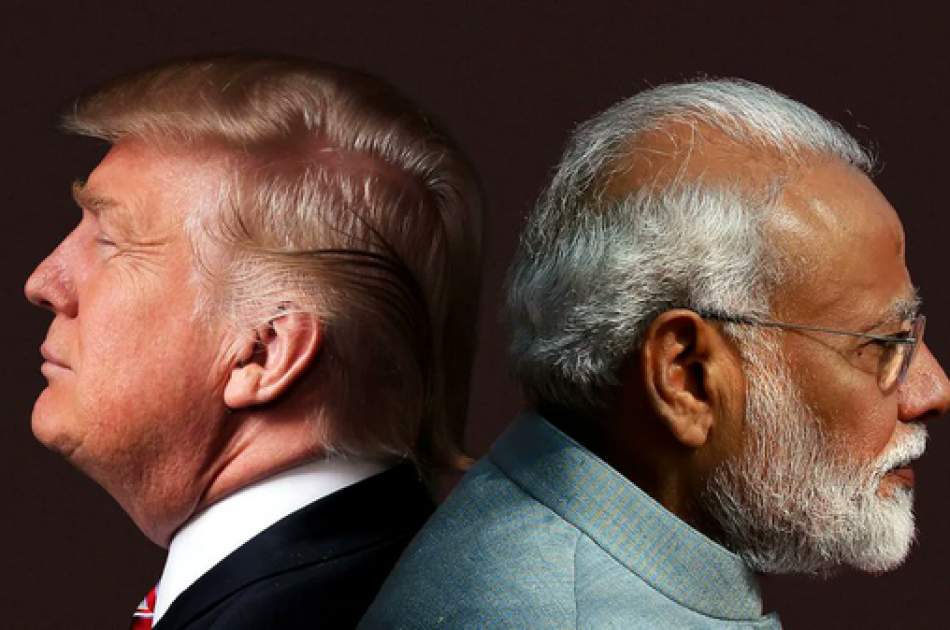
India-US Relations: Strategic Distance or Tactical?

India-US Relations: Strategic Distance or Tactical?

Strategic Council Online – Interview: A former Iranian diplomat stated that India will keep its differences with the United States limited and at the bilateral level, and will not join any power bloc against other powers.

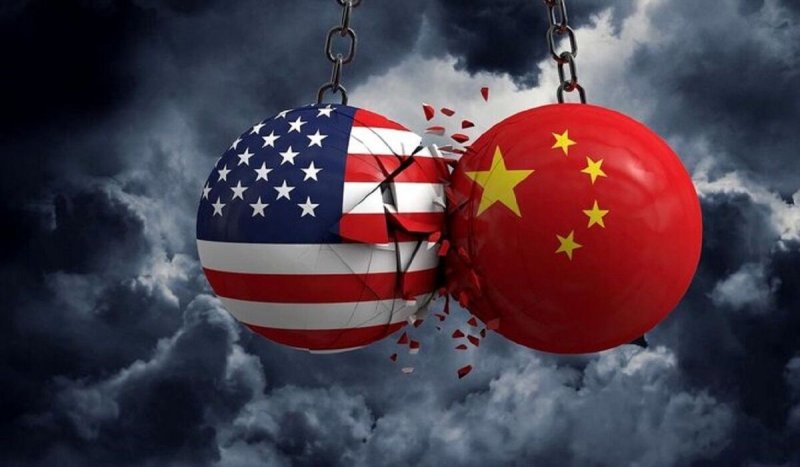
Prospect of a Multipolar Order and the Future of Beijing-Washington Confrontation

Prospect of a Multipolar Order and the Future of Beijing-Washington Confrontation

Strategic Council Online – Interview: A senior analyst on South Asian affairs stated that China’s grand military parade on September 3, 2025, was not merely a display of power; instead, it will mark the beginning of a new chapter in global geopolitical equations. The simultaneous presence of the leaders of China, Russia, and North Korea before the cameras, especially against the backdrop of Beijing’s “nuclear strategic triangle” unveiling, sent a clear message to Washington and its allies that the past unipolar order is collapsing and the world is moving toward multipolarity. China’s new land-based, sea-based, and air-launched missile systems have elevated its nuclear deterrent capability to an unprecedented level, and the sharp reactions from the United States—from Donald Trump’s sarcastic remarks to the Pentagon’s alert—indicate that Washington views these developments as a strategic threat. Many analysts believe that this event, beyond its military dimension, symbolizes the formation of new alliances among Eastern powers against the West. Simultaneously, the arms race and diplomatic pressures in the Asia-Pacific region have accelerated, and security equations in Taiwan and beyond have entered a new phase. It seems that the Beijing parade was not just a military ceremony but the beginning of an era in which the redefinition of power in the twenty-first century will accelerate.

Positive Implications of the Recent SCO Summit on the Belt and Road Initiative

Positive Implications of the Recent SCO Summit on the Belt and Road Initiative

Strategic Council Online – Opinion: China’s Belt and Road Initiative (BRI), also known as the new and modern Silk Road, was launched in 2013 to connect Asia with Africa and Europe through land and maritime networks. Its purpose is to improve regional integration, revive land-based trade over sea and air, and foster economic growth. The project’s name was chosen by Chinese President Xi Jinping, inspired by the Silk Road, which was created 2,000 years ago during the Han dynasty. The Silk Road was, in fact, a vast ancient network of communication that included diverse trade routes connecting China through Eurasia to the Mediterranean Sea for centuries.

Objectives and Messages of China’s Military Drill Concurrent with the SCO Summit

Objectives and Messages of China’s Military Drill Concurrent with the SCO Summit

Strategic Council Online – Interview: A senior analyst on Chinese affairs stated that China’s major military drill on September 3, coinciding with the 80th anniversary of the end of World War II, is far more than a simple military event; it carries immense importance in today’s geopolitical equations. The presence of Vladimir Putin, Masoud Pezeshkian, and Kim Jong-un alongside Xi Jinping not only reflects the convergence of non-Western powers against pressure from the United States and NATO but also demonstrates Beijing’s efforts to consolidate its position as a decisive player in the global order. Among the 26 foreign leaders participating in this parade, none of the Western leaders are present except for Robert Fico, the Prime Minister of Slovakia. Also attending are Alexander Lukashenko, President of Belarus; Prabowo Subianto, President of Indonesia; Aleksandar Vučić, President of Serbia; and Woo Won-sik, Speaker of South Korea’s National Assembly. Li Junhua, Under-Secretary-General of the UN, will also be present on behalf of the organization.
This drill—considered one of the largest military maneuvers in China’s modern history—focuses on showcasing the latest defensive and offensive technologies, including hypersonic weapon systems and advanced communication networks whose capabilities could alter the balance of power in East Asia and even globally. This event is not merely a show of military force but also serves as a tool of deterrence and diplomacy. Under growing economic and diplomatic pressure, China is demonstrating through such drills that it possesses the ability to manage crises and reshape regional equations. In fact, Beijing is seizing this opportunity both to reassure its allies and to warn its rivals that East Asia is no longer under American dominance.

Objectives and Consequences of the South Caucasus Trilateral Agreement

Objectives and Consequences of the South Caucasus Trilateral Agreement

Strategic Council Online – Interview: A senior Eurasian affairs analyst stated that the trilateral agreement between Armenia, the Republic of Azerbaijan, and the United States on August 8, 2025, known as the “Trump Route,” is a turning point in the geopolitical equations of the South Caucasus. This agreement, ostensibly signed for peace and the establishment of a transit corridor between Baku and Nakhchivan, carries serious concerns. From the perspective of analysts, this plan is not merely an economic project but part of the U.S. strategy to enhance its influence in the region and contain regional powers such as Iran and Russia.

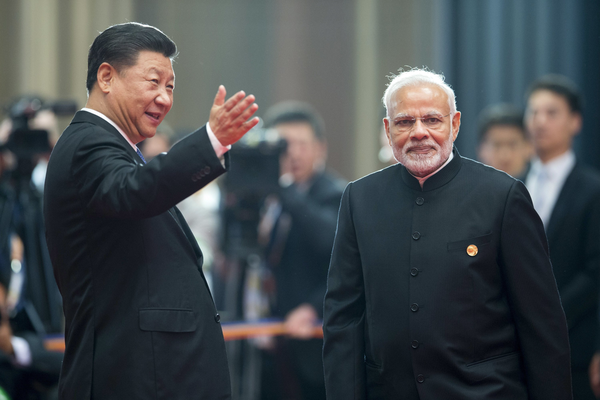
New China-India Engagement: Formation of a New Strategy in Asia

New China-India Engagement: Formation of a New Strategy in Asia

Strategic Council Online – Interview: A senior international relations analyst stated that the recent visit of Wang Yi, China’s Foreign Minister, to New Delhi is not merely a routine diplomatic meeting; rather, it represents a decisive point in the geopolitical equations of South Asia and even the new global order. After four years of tension and distrust stemming from deadly border clashes in Ladakh and Beijing’s full-throated support for Islamabad during the four-day India-Pakistan war, Beijing and New Delhi are now moving towards economic and political reconciliation under circumstances where external variables, including Trump’s tariff pressures and India’s closeness to Russia, have complicated the equation.

France’s Parliament Concerned About the EU’s Catastrophic Strategic Dependence on America

France’s Parliament Concerned About the EU’s Catastrophic Strategic Dependence on America

Strategic Council Online – Interview: A senior international affairs analyst stated that the current geopolitical situation has created an unprecedented space for strategic changes in Europe, adding that the recommendation letter from France’s parliament is essentially a strategic response to these conditions. The release of the French parliament’s 153-page report—dubbed by Arnaud Bertrand (French journalist) as “the most prominent geopolitical document of the century”—has sparked a wave of debate and reactions in global political and intellectual circles. This document describes the European Union’s strategic dependence on the United States as a catastrophic failure and, through 50 practical recommendations, proposes a new path to escape Atlanticist hegemony and move towards equal partnership with China. If the contents and recommendations of this document are taken seriously in Europe, the consequences will extend beyond the geography of the Green Continent and directly impact relations among emerging powers, financial markets, and even international security equations. Furthermore, the document goes beyond “defense independence” to address “economic and monetary independence”—an area hitherto under the shadow of the US dollar and Washington’s policies. From this perspective, the present moment may mark the beginning of a new chapter in international politics, where Europe defines itself as an independent actor in the future multipolar order.

Brussels and Beijing: Cautious Cooperation Based on Dependency with a Flavor of Distrust

Brussels and Beijing: Cautious Cooperation Based on Dependency with a Flavor of Distrust

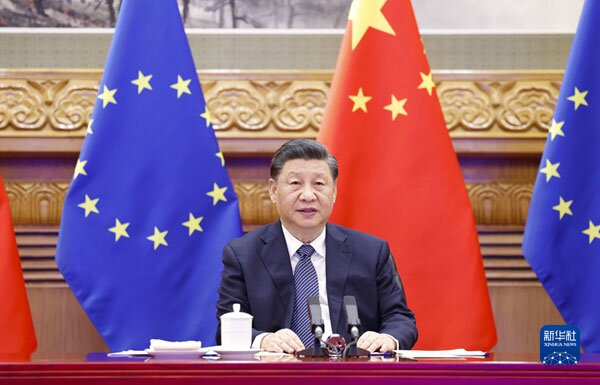
Strategy Council Online – Opinion: At the recent summit of European Union leaders and China, held in Beijing to mark the 50th anniversary of diplomatic relations, the parties once again sought to redefine their relationship in an atmosphere filled with mutual opportunities and threats. While the European Union emphasized the need to deepen cooperation with China, particularly in combating climate change and removing trade barriers, the heavy shadow of the Ukraine crisis and the escalating geopolitical tensions between Washington and Beijing pushed the talks to an unprecedented level of prudence and caution.

Opportunities and Challenges of Cooperation with Global Alliances

Opportunities and Challenges of Cooperation with Global Alliances

Strategic Council Online – Interview: An international affairs expert stated that Iran’s hybrid and multidimensional diplomacy, if combined with a measured, flexible, and more effective approach, could lead to tangible domestic and international achievements. The world is transitioning toward a multipolar order in which power is more dispersed and distributed among multiple actors. In this context, Iran, by adopting an inclusive policy and emphasizing cooperation with alliances such as BRICS and the Shanghai Cooperation Organization (SCO), seeks to reposition itself in the international system strategically. This policy goes beyond a reaction to the so-called Western-imposed isolation; it signifies a normative decision and choice to establish a fairer and more balanced order based on principles of justice, equality, and respect for national sovereignty. However, excessive reliance on specific alliances and blocs could limit Iran’s strategic options.

أحدث الوظائف

The Makkah Pact; Reasons for its Formation and Challenges Ahead

SCFR Online – Opinion: The Makkah Pact, signed between Saudi Arabia, Pakistan, and Turkey under the motto “an attack on one is an attack on all,” is viewed by some analysts less as a full-fledged military coalition and more as an attempt to reduce security dependence on an external power and to establish a regional security mechanism.

Implications of the US-Saudi Nuclear Agreement

SCFR Online – Opinion: The new US-Saudi nuclear agreement, despite legal and political ambiguities, could alter previous non-proliferation standards in West Asia and intensify nuclear competition, ushering it into a new phase.

An Analysis of Recent Turkey-Israeli Regime Tensions

SCFR Online – Opinion: Recent developments in Syria indicate an intensification of strategic rivalry between Turkey and the Israeli regime, but mutual considerations and the role of the United States have limited the likelihood of direct war.

Increasing criticism of the extensive Zionist lobby network

SCFR Online – Opinion: An examination of the mechanisms of the Israeli regime’s influence in the United States depicts a complex picture of shared interests, strategic dependencies, and the limitations of this relationship.

Realities of the Tripartite Makkah Pact

SCFR Online – Interview: The signing of the Makkah agreement between Saudi Arabia, Pakistan, and Turkey has raised questions about the future of the region’s security structure and the position of these countries in West Asian equations. Can this agreement become a genuine collective defense mechanism, or does it have more of a political and deterrent function than creating new military capacity?

Strategic Implications of the Reduction of US Weapons Stockpiles

SCFR Online – Opinion: The continuation of the US war against Iran, in addition to increasing operational costs, has called into question the actual capacity of the American arsenal to simultaneously fulfill security commitments on multiple fronts; an issue that affects deterrence, defense production capacity, and Washington’s resource prioritization.

Loading

China

U.S. Economic Recession and Its Domestic and Global Consequences

U.S. Economic Recession and Its Domestic and Global Consequences

Strategic Council Online – Interview: An analyst of U.S. affairs stated that while Donald Trump promised to revive the U.S. economy and restore the country’s industrial glory upon his return to the White House, the latest economic data indicate otherwise. The unemployment rate, which was 3.8% at the beginning of the new administration, has now risen to 4.3%, and factories and construction companies have laid off thousands of workers. Even revised statistics show that in June of this year alone, 13,000 jobs were lost. These developments highlight the gap between Trump’s campaign promises and the economic reality in the U.S.. This divide has overshadowed not only domestic politics but also the country’s economic and geopolitical future.
At the same time, Trump is attempting to shift pressures outward by leveraging geopolitical tools; an example is his threat to the European Union following the fines imposed on Google, an action many observers see as an effort to shift the agenda from domestic recession to external challenges. The question is whether these policies can pull the U.S. economy out of recession or if their consequences will ultimately spill over into the global economy.

India-US Relations: Strategic Distance or Tactical?

India-US Relations: Strategic Distance or Tactical?

Strategic Council Online – Interview: A former Iranian diplomat stated that India will keep its differences with the United States limited and at the bilateral level, and will not join any power bloc against other powers.

Prospect of a Multipolar Order and the Future of Beijing-Washington Confrontation

Prospect of a Multipolar Order and the Future of Beijing-Washington Confrontation

Strategic Council Online – Interview: A senior analyst on South Asian affairs stated that China’s grand military parade on September 3, 2025, was not merely a display of power; instead, it will mark the beginning of a new chapter in global geopolitical equations. The simultaneous presence of the leaders of China, Russia, and North Korea before the cameras, especially against the backdrop of Beijing’s “nuclear strategic triangle” unveiling, sent a clear message to Washington and its allies that the past unipolar order is collapsing and the world is moving toward multipolarity. China’s new land-based, sea-based, and air-launched missile systems have elevated its nuclear deterrent capability to an unprecedented level, and the sharp reactions from the United States—from Donald Trump’s sarcastic remarks to the Pentagon’s alert—indicate that Washington views these developments as a strategic threat. Many analysts believe that this event, beyond its military dimension, symbolizes the formation of new alliances among Eastern powers against the West. Simultaneously, the arms race and diplomatic pressures in the Asia-Pacific region have accelerated, and security equations in Taiwan and beyond have entered a new phase. It seems that the Beijing parade was not just a military ceremony but the beginning of an era in which the redefinition of power in the twenty-first century will accelerate.

Positive Implications of the Recent SCO Summit on the Belt and Road Initiative

Positive Implications of the Recent SCO Summit on the Belt and Road Initiative

Strategic Council Online – Opinion: China’s Belt and Road Initiative (BRI), also known as the new and modern Silk Road, was launched in 2013 to connect Asia with Africa and Europe through land and maritime networks. Its purpose is to improve regional integration, revive land-based trade over sea and air, and foster economic growth. The project’s name was chosen by Chinese President Xi Jinping, inspired by the Silk Road, which was created 2,000 years ago during the Han dynasty. The Silk Road was, in fact, a vast ancient network of communication that included diverse trade routes connecting China through Eurasia to the Mediterranean Sea for centuries.

Objectives and Messages of China’s Military Drill Concurrent with the SCO Summit

Objectives and Messages of China’s Military Drill Concurrent with the SCO Summit

Strategic Council Online – Interview: A senior analyst on Chinese affairs stated that China’s major military drill on September 3, coinciding with the 80th anniversary of the end of World War II, is far more than a simple military event; it carries immense importance in today’s geopolitical equations. The presence of Vladimir Putin, Masoud Pezeshkian, and Kim Jong-un alongside Xi Jinping not only reflects the convergence of non-Western powers against pressure from the United States and NATO but also demonstrates Beijing’s efforts to consolidate its position as a decisive player in the global order. Among the 26 foreign leaders participating in this parade, none of the Western leaders are present except for Robert Fico, the Prime Minister of Slovakia. Also attending are Alexander Lukashenko, President of Belarus; Prabowo Subianto, President of Indonesia; Aleksandar Vučić, President of Serbia; and Woo Won-sik, Speaker of South Korea’s National Assembly. Li Junhua, Under-Secretary-General of the UN, will also be present on behalf of the organization.
This drill—considered one of the largest military maneuvers in China’s modern history—focuses on showcasing the latest defensive and offensive technologies, including hypersonic weapon systems and advanced communication networks whose capabilities could alter the balance of power in East Asia and even globally. This event is not merely a show of military force but also serves as a tool of deterrence and diplomacy. Under growing economic and diplomatic pressure, China is demonstrating through such drills that it possesses the ability to manage crises and reshape regional equations. In fact, Beijing is seizing this opportunity both to reassure its allies and to warn its rivals that East Asia is no longer under American dominance.

Objectives and Consequences of the South Caucasus Trilateral Agreement

Objectives and Consequences of the South Caucasus Trilateral Agreement

Strategic Council Online – Interview: A senior Eurasian affairs analyst stated that the trilateral agreement between Armenia, the Republic of Azerbaijan, and the United States on August 8, 2025, known as the “Trump Route,” is a turning point in the geopolitical equations of the South Caucasus. This agreement, ostensibly signed for peace and the establishment of a transit corridor between Baku and Nakhchivan, carries serious concerns. From the perspective of analysts, this plan is not merely an economic project but part of the U.S. strategy to enhance its influence in the region and contain regional powers such as Iran and Russia.

New China-India Engagement: Formation of a New Strategy in Asia

New China-India Engagement: Formation of a New Strategy in Asia

Strategic Council Online – Interview: A senior international relations analyst stated that the recent visit of Wang Yi, China’s Foreign Minister, to New Delhi is not merely a routine diplomatic meeting; rather, it represents a decisive point in the geopolitical equations of South Asia and even the new global order. After four years of tension and distrust stemming from deadly border clashes in Ladakh and Beijing’s full-throated support for Islamabad during the four-day India-Pakistan war, Beijing and New Delhi are now moving towards economic and political reconciliation under circumstances where external variables, including Trump’s tariff pressures and India’s closeness to Russia, have complicated the equation.

France’s Parliament Concerned About the EU’s Catastrophic Strategic Dependence on America

France’s Parliament Concerned About the EU’s Catastrophic Strategic Dependence on America

Strategic Council Online – Interview: A senior international affairs analyst stated that the current geopolitical situation has created an unprecedented space for strategic changes in Europe, adding that the recommendation letter from France’s parliament is essentially a strategic response to these conditions. The release of the French parliament’s 153-page report—dubbed by Arnaud Bertrand (French journalist) as “the most prominent geopolitical document of the century”—has sparked a wave of debate and reactions in global political and intellectual circles. This document describes the European Union’s strategic dependence on the United States as a catastrophic failure and, through 50 practical recommendations, proposes a new path to escape Atlanticist hegemony and move towards equal partnership with China. If the contents and recommendations of this document are taken seriously in Europe, the consequences will extend beyond the geography of the Green Continent and directly impact relations among emerging powers, financial markets, and even international security equations. Furthermore, the document goes beyond “defense independence” to address “economic and monetary independence”—an area hitherto under the shadow of the US dollar and Washington’s policies. From this perspective, the present moment may mark the beginning of a new chapter in international politics, where Europe defines itself as an independent actor in the future multipolar order.

Brussels and Beijing: Cautious Cooperation Based on Dependency with a Flavor of Distrust

Brussels and Beijing: Cautious Cooperation Based on Dependency with a Flavor of Distrust

Strategy Council Online – Opinion: At the recent summit of European Union leaders and China, held in Beijing to mark the 50th anniversary of diplomatic relations, the parties once again sought to redefine their relationship in an atmosphere filled with mutual opportunities and threats. While the European Union emphasized the need to deepen cooperation with China, particularly in combating climate change and removing trade barriers, the heavy shadow of the Ukraine crisis and the escalating geopolitical tensions between Washington and Beijing pushed the talks to an unprecedented level of prudence and caution.

Opportunities and Challenges of Cooperation with Global Alliances

Opportunities and Challenges of Cooperation with Global Alliances

Strategic Council Online – Interview: An international affairs expert stated that Iran’s hybrid and multidimensional diplomacy, if combined with a measured, flexible, and more effective approach, could lead to tangible domestic and international achievements. The world is transitioning toward a multipolar order in which power is more dispersed and distributed among multiple actors. In this context, Iran, by adopting an inclusive policy and emphasizing cooperation with alliances such as BRICS and the Shanghai Cooperation Organization (SCO), seeks to reposition itself in the international system strategically. This policy goes beyond a reaction to the so-called Western-imposed isolation; it signifies a normative decision and choice to establish a fairer and more balanced order based on principles of justice, equality, and respect for national sovereignty. However, excessive reliance on specific alliances and blocs could limit Iran’s strategic options.

China

U.S. Economic Recession and Its Domestic and Global Consequences

U.S. Economic Recession and Its Domestic and Global Consequences

Strategic Council Online – Interview: An analyst of U.S. affairs stated that while Donald Trump promised to revive the U.S. economy and restore the country’s industrial glory upon his return to the White House, the latest economic data indicate otherwise. The unemployment rate, which was 3.8% at the beginning of the new administration, has now risen to 4.3%, and factories and construction companies have laid off thousands of workers. Even revised statistics show that in June of this year alone, 13,000 jobs were lost. These developments highlight the gap between Trump’s campaign promises and the economic reality in the U.S.. This divide has overshadowed not only domestic politics but also the country’s economic and geopolitical future.
At the same time, Trump is attempting to shift pressures outward by leveraging geopolitical tools; an example is his threat to the European Union following the fines imposed on Google, an action many observers see as an effort to shift the agenda from domestic recession to external challenges. The question is whether these policies can pull the U.S. economy out of recession or if their consequences will ultimately spill over into the global economy.

India-US Relations: Strategic Distance or Tactical?

India-US Relations: Strategic Distance or Tactical?

Strategic Council Online – Interview: A former Iranian diplomat stated that India will keep its differences with the United States limited and at the bilateral level, and will not join any power bloc against other powers.

Prospect of a Multipolar Order and the Future of Beijing-Washington Confrontation

Prospect of a Multipolar Order and the Future of Beijing-Washington Confrontation

Strategic Council Online – Interview: A senior analyst on South Asian affairs stated that China’s grand military parade on September 3, 2025, was not merely a display of power; instead, it will mark the beginning of a new chapter in global geopolitical equations. The simultaneous presence of the leaders of China, Russia, and North Korea before the cameras, especially against the backdrop of Beijing’s “nuclear strategic triangle” unveiling, sent a clear message to Washington and its allies that the past unipolar order is collapsing and the world is moving toward multipolarity. China’s new land-based, sea-based, and air-launched missile systems have elevated its nuclear deterrent capability to an unprecedented level, and the sharp reactions from the United States—from Donald Trump’s sarcastic remarks to the Pentagon’s alert—indicate that Washington views these developments as a strategic threat. Many analysts believe that this event, beyond its military dimension, symbolizes the formation of new alliances among Eastern powers against the West. Simultaneously, the arms race and diplomatic pressures in the Asia-Pacific region have accelerated, and security equations in Taiwan and beyond have entered a new phase. It seems that the Beijing parade was not just a military ceremony but the beginning of an era in which the redefinition of power in the twenty-first century will accelerate.

Positive Implications of the Recent SCO Summit on the Belt and Road Initiative

Positive Implications of the Recent SCO Summit on the Belt and Road Initiative

Strategic Council Online – Opinion: China’s Belt and Road Initiative (BRI), also known as the new and modern Silk Road, was launched in 2013 to connect Asia with Africa and Europe through land and maritime networks. Its purpose is to improve regional integration, revive land-based trade over sea and air, and foster economic growth. The project’s name was chosen by Chinese President Xi Jinping, inspired by the Silk Road, which was created 2,000 years ago during the Han dynasty. The Silk Road was, in fact, a vast ancient network of communication that included diverse trade routes connecting China through Eurasia to the Mediterranean Sea for centuries.

Objectives and Messages of China’s Military Drill Concurrent with the SCO Summit

Objectives and Messages of China’s Military Drill Concurrent with the SCO Summit

Strategic Council Online – Interview: A senior analyst on Chinese affairs stated that China’s major military drill on September 3, coinciding with the 80th anniversary of the end of World War II, is far more than a simple military event; it carries immense importance in today’s geopolitical equations. The presence of Vladimir Putin, Masoud Pezeshkian, and Kim Jong-un alongside Xi Jinping not only reflects the convergence of non-Western powers against pressure from the United States and NATO but also demonstrates Beijing’s efforts to consolidate its position as a decisive player in the global order. Among the 26 foreign leaders participating in this parade, none of the Western leaders are present except for Robert Fico, the Prime Minister of Slovakia. Also attending are Alexander Lukashenko, President of Belarus; Prabowo Subianto, President of Indonesia; Aleksandar Vučić, President of Serbia; and Woo Won-sik, Speaker of South Korea’s National Assembly. Li Junhua, Under-Secretary-General of the UN, will also be present on behalf of the organization.
This drill—considered one of the largest military maneuvers in China’s modern history—focuses on showcasing the latest defensive and offensive technologies, including hypersonic weapon systems and advanced communication networks whose capabilities could alter the balance of power in East Asia and even globally. This event is not merely a show of military force but also serves as a tool of deterrence and diplomacy. Under growing economic and diplomatic pressure, China is demonstrating through such drills that it possesses the ability to manage crises and reshape regional equations. In fact, Beijing is seizing this opportunity both to reassure its allies and to warn its rivals that East Asia is no longer under American dominance.

Objectives and Consequences of the South Caucasus Trilateral Agreement

Objectives and Consequences of the South Caucasus Trilateral Agreement

Strategic Council Online – Interview: A senior Eurasian affairs analyst stated that the trilateral agreement between Armenia, the Republic of Azerbaijan, and the United States on August 8, 2025, known as the “Trump Route,” is a turning point in the geopolitical equations of the South Caucasus. This agreement, ostensibly signed for peace and the establishment of a transit corridor between Baku and Nakhchivan, carries serious concerns. From the perspective of analysts, this plan is not merely an economic project but part of the U.S. strategy to enhance its influence in the region and contain regional powers such as Iran and Russia.

New China-India Engagement: Formation of a New Strategy in Asia

New China-India Engagement: Formation of a New Strategy in Asia

Strategic Council Online – Interview: A senior international relations analyst stated that the recent visit of Wang Yi, China’s Foreign Minister, to New Delhi is not merely a routine diplomatic meeting; rather, it represents a decisive point in the geopolitical equations of South Asia and even the new global order. After four years of tension and distrust stemming from deadly border clashes in Ladakh and Beijing’s full-throated support for Islamabad during the four-day India-Pakistan war, Beijing and New Delhi are now moving towards economic and political reconciliation under circumstances where external variables, including Trump’s tariff pressures and India’s closeness to Russia, have complicated the equation.

France’s Parliament Concerned About the EU’s Catastrophic Strategic Dependence on America

France’s Parliament Concerned About the EU’s Catastrophic Strategic Dependence on America

Strategic Council Online – Interview: A senior international affairs analyst stated that the current geopolitical situation has created an unprecedented space for strategic changes in Europe, adding that the recommendation letter from France’s parliament is essentially a strategic response to these conditions. The release of the French parliament’s 153-page report—dubbed by Arnaud Bertrand (French journalist) as “the most prominent geopolitical document of the century”—has sparked a wave of debate and reactions in global political and intellectual circles. This document describes the European Union’s strategic dependence on the United States as a catastrophic failure and, through 50 practical recommendations, proposes a new path to escape Atlanticist hegemony and move towards equal partnership with China. If the contents and recommendations of this document are taken seriously in Europe, the consequences will extend beyond the geography of the Green Continent and directly impact relations among emerging powers, financial markets, and even international security equations. Furthermore, the document goes beyond “defense independence” to address “economic and monetary independence”—an area hitherto under the shadow of the US dollar and Washington’s policies. From this perspective, the present moment may mark the beginning of a new chapter in international politics, where Europe defines itself as an independent actor in the future multipolar order.

Brussels and Beijing: Cautious Cooperation Based on Dependency with a Flavor of Distrust

Brussels and Beijing: Cautious Cooperation Based on Dependency with a Flavor of Distrust

Strategy Council Online – Opinion: At the recent summit of European Union leaders and China, held in Beijing to mark the 50th anniversary of diplomatic relations, the parties once again sought to redefine their relationship in an atmosphere filled with mutual opportunities and threats. While the European Union emphasized the need to deepen cooperation with China, particularly in combating climate change and removing trade barriers, the heavy shadow of the Ukraine crisis and the escalating geopolitical tensions between Washington and Beijing pushed the talks to an unprecedented level of prudence and caution.

Opportunities and Challenges of Cooperation with Global Alliances

Opportunities and Challenges of Cooperation with Global Alliances

Strategic Council Online – Interview: An international affairs expert stated that Iran’s hybrid and multidimensional diplomacy, if combined with a measured, flexible, and more effective approach, could lead to tangible domestic and international achievements. The world is transitioning toward a multipolar order in which power is more dispersed and distributed among multiple actors. In this context, Iran, by adopting an inclusive policy and emphasizing cooperation with alliances such as BRICS and the Shanghai Cooperation Organization (SCO), seeks to reposition itself in the international system strategically. This policy goes beyond a reaction to the so-called Western-imposed isolation; it signifies a normative decision and choice to establish a fairer and more balanced order based on principles of justice, equality, and respect for national sovereignty. However, excessive reliance on specific alliances and blocs could limit Iran’s strategic options.

LATEST CONTENT

The Makkah Pact; Reasons for its Formation and Challenges Ahead

SCFR Online – Opinion: The Makkah Pact, signed between Saudi Arabia, Pakistan, and Turkey under the motto “an attack on one is an attack on all,” is viewed by some analysts less as a full-fledged military coalition and more as an attempt to reduce security dependence on an external power and to establish a regional security mechanism.

Implications of the US-Saudi Nuclear Agreement

SCFR Online – Opinion: The new US-Saudi nuclear agreement, despite legal and political ambiguities, could alter previous non-proliferation standards in West Asia and intensify nuclear competition, ushering it into a new phase.

An Analysis of Recent Turkey-Israeli Regime Tensions

SCFR Online – Opinion: Recent developments in Syria indicate an intensification of strategic rivalry between Turkey and the Israeli regime, but mutual considerations and the role of the United States have limited the likelihood of direct war.

Increasing criticism of the extensive Zionist lobby network

SCFR Online – Opinion: An examination of the mechanisms of the Israeli regime’s influence in the United States depicts a complex picture of shared interests, strategic dependencies, and the limitations of this relationship.

Realities of the Tripartite Makkah Pact

SCFR Online – Interview: The signing of the Makkah agreement between Saudi Arabia, Pakistan, and Turkey has raised questions about the future of the region’s security structure and the position of these countries in West Asian equations. Can this agreement become a genuine collective defense mechanism, or does it have more of a political and deterrent function than creating new military capacity?

Strategic Implications of the Reduction of US Weapons Stockpiles

SCFR Online – Opinion: The continuation of the US war against Iran, in addition to increasing operational costs, has called into question the actual capacity of the American arsenal to simultaneously fulfill security commitments on multiple fronts; an issue that affects deterrence, defense production capacity, and Washington’s resource prioritization.

Loading

China

U.S. Economic Recession and Its Domestic and Global Consequences

U.S. Economic Recession and Its Domestic and Global Consequences

Strategic Council Online – Interview: An analyst of U.S. affairs stated that while Donald Trump promised to revive the U.S. economy and restore the country’s industrial glory upon his return to the White House, the latest economic data indicate otherwise. The unemployment rate, which was 3.8% at the beginning of the new administration, has now risen to 4.3%, and factories and construction companies have laid off thousands of workers. Even revised statistics show that in June of this year alone, 13,000 jobs were lost. These developments highlight the gap between Trump’s campaign promises and the economic reality in the U.S.. This divide has overshadowed not only domestic politics but also the country’s economic and geopolitical future.
At the same time, Trump is attempting to shift pressures outward by leveraging geopolitical tools; an example is his threat to the European Union following the fines imposed on Google, an action many observers see as an effort to shift the agenda from domestic recession to external challenges. The question is whether these policies can pull the U.S. economy out of recession or if their consequences will ultimately spill over into the global economy.

India-US Relations: Strategic Distance or Tactical?

India-US Relations: Strategic Distance or Tactical?

Strategic Council Online – Interview: A former Iranian diplomat stated that India will keep its differences with the United States limited and at the bilateral level, and will not join any power bloc against other powers.

Prospect of a Multipolar Order and the Future of Beijing-Washington Confrontation

Prospect of a Multipolar Order and the Future of Beijing-Washington Confrontation

Strategic Council Online – Interview: A senior analyst on South Asian affairs stated that China’s grand military parade on September 3, 2025, was not merely a display of power; instead, it will mark the beginning of a new chapter in global geopolitical equations. The simultaneous presence of the leaders of China, Russia, and North Korea before the cameras, especially against the backdrop of Beijing’s “nuclear strategic triangle” unveiling, sent a clear message to Washington and its allies that the past unipolar order is collapsing and the world is moving toward multipolarity. China’s new land-based, sea-based, and air-launched missile systems have elevated its nuclear deterrent capability to an unprecedented level, and the sharp reactions from the United States—from Donald Trump’s sarcastic remarks to the Pentagon’s alert—indicate that Washington views these developments as a strategic threat. Many analysts believe that this event, beyond its military dimension, symbolizes the formation of new alliances among Eastern powers against the West. Simultaneously, the arms race and diplomatic pressures in the Asia-Pacific region have accelerated, and security equations in Taiwan and beyond have entered a new phase. It seems that the Beijing parade was not just a military ceremony but the beginning of an era in which the redefinition of power in the twenty-first century will accelerate.

Positive Implications of the Recent SCO Summit on the Belt and Road Initiative

Positive Implications of the Recent SCO Summit on the Belt and Road Initiative

Strategic Council Online – Opinion: China’s Belt and Road Initiative (BRI), also known as the new and modern Silk Road, was launched in 2013 to connect Asia with Africa and Europe through land and maritime networks. Its purpose is to improve regional integration, revive land-based trade over sea and air, and foster economic growth. The project’s name was chosen by Chinese President Xi Jinping, inspired by the Silk Road, which was created 2,000 years ago during the Han dynasty. The Silk Road was, in fact, a vast ancient network of communication that included diverse trade routes connecting China through Eurasia to the Mediterranean Sea for centuries.

Objectives and Messages of China’s Military Drill Concurrent with the SCO Summit

Objectives and Messages of China’s Military Drill Concurrent with the SCO Summit

Strategic Council Online – Interview: A senior analyst on Chinese affairs stated that China’s major military drill on September 3, coinciding with the 80th anniversary of the end of World War II, is far more than a simple military event; it carries immense importance in today’s geopolitical equations. The presence of Vladimir Putin, Masoud Pezeshkian, and Kim Jong-un alongside Xi Jinping not only reflects the convergence of non-Western powers against pressure from the United States and NATO but also demonstrates Beijing’s efforts to consolidate its position as a decisive player in the global order. Among the 26 foreign leaders participating in this parade, none of the Western leaders are present except for Robert Fico, the Prime Minister of Slovakia. Also attending are Alexander Lukashenko, President of Belarus; Prabowo Subianto, President of Indonesia; Aleksandar Vučić, President of Serbia; and Woo Won-sik, Speaker of South Korea’s National Assembly. Li Junhua, Under-Secretary-General of the UN, will also be present on behalf of the organization.
This drill—considered one of the largest military maneuvers in China’s modern history—focuses on showcasing the latest defensive and offensive technologies, including hypersonic weapon systems and advanced communication networks whose capabilities could alter the balance of power in East Asia and even globally. This event is not merely a show of military force but also serves as a tool of deterrence and diplomacy. Under growing economic and diplomatic pressure, China is demonstrating through such drills that it possesses the ability to manage crises and reshape regional equations. In fact, Beijing is seizing this opportunity both to reassure its allies and to warn its rivals that East Asia is no longer under American dominance.

Objectives and Consequences of the South Caucasus Trilateral Agreement

Objectives and Consequences of the South Caucasus Trilateral Agreement

Strategic Council Online – Interview: A senior Eurasian affairs analyst stated that the trilateral agreement between Armenia, the Republic of Azerbaijan, and the United States on August 8, 2025, known as the “Trump Route,” is a turning point in the geopolitical equations of the South Caucasus. This agreement, ostensibly signed for peace and the establishment of a transit corridor between Baku and Nakhchivan, carries serious concerns. From the perspective of analysts, this plan is not merely an economic project but part of the U.S. strategy to enhance its influence in the region and contain regional powers such as Iran and Russia.

New China-India Engagement: Formation of a New Strategy in Asia

New China-India Engagement: Formation of a New Strategy in Asia

Strategic Council Online – Interview: A senior international relations analyst stated that the recent visit of Wang Yi, China’s Foreign Minister, to New Delhi is not merely a routine diplomatic meeting; rather, it represents a decisive point in the geopolitical equations of South Asia and even the new global order. After four years of tension and distrust stemming from deadly border clashes in Ladakh and Beijing’s full-throated support for Islamabad during the four-day India-Pakistan war, Beijing and New Delhi are now moving towards economic and political reconciliation under circumstances where external variables, including Trump’s tariff pressures and India’s closeness to Russia, have complicated the equation.

France’s Parliament Concerned About the EU’s Catastrophic Strategic Dependence on America

France’s Parliament Concerned About the EU’s Catastrophic Strategic Dependence on America

Strategic Council Online – Interview: A senior international affairs analyst stated that the current geopolitical situation has created an unprecedented space for strategic changes in Europe, adding that the recommendation letter from France’s parliament is essentially a strategic response to these conditions. The release of the French parliament’s 153-page report—dubbed by Arnaud Bertrand (French journalist) as “the most prominent geopolitical document of the century”—has sparked a wave of debate and reactions in global political and intellectual circles. This document describes the European Union’s strategic dependence on the United States as a catastrophic failure and, through 50 practical recommendations, proposes a new path to escape Atlanticist hegemony and move towards equal partnership with China. If the contents and recommendations of this document are taken seriously in Europe, the consequences will extend beyond the geography of the Green Continent and directly impact relations among emerging powers, financial markets, and even international security equations. Furthermore, the document goes beyond “defense independence” to address “economic and monetary independence”—an area hitherto under the shadow of the US dollar and Washington’s policies. From this perspective, the present moment may mark the beginning of a new chapter in international politics, where Europe defines itself as an independent actor in the future multipolar order.

Brussels and Beijing: Cautious Cooperation Based on Dependency with a Flavor of Distrust

Brussels and Beijing: Cautious Cooperation Based on Dependency with a Flavor of Distrust

Strategy Council Online – Opinion: At the recent summit of European Union leaders and China, held in Beijing to mark the 50th anniversary of diplomatic relations, the parties once again sought to redefine their relationship in an atmosphere filled with mutual opportunities and threats. While the European Union emphasized the need to deepen cooperation with China, particularly in combating climate change and removing trade barriers, the heavy shadow of the Ukraine crisis and the escalating geopolitical tensions between Washington and Beijing pushed the talks to an unprecedented level of prudence and caution.

Opportunities and Challenges of Cooperation with Global Alliances

Opportunities and Challenges of Cooperation with Global Alliances

Strategic Council Online – Interview: An international affairs expert stated that Iran’s hybrid and multidimensional diplomacy, if combined with a measured, flexible, and more effective approach, could lead to tangible domestic and international achievements. The world is transitioning toward a multipolar order in which power is more dispersed and distributed among multiple actors. In this context, Iran, by adopting an inclusive policy and emphasizing cooperation with alliances such as BRICS and the Shanghai Cooperation Organization (SCO), seeks to reposition itself in the international system strategically. This policy goes beyond a reaction to the so-called Western-imposed isolation; it signifies a normative decision and choice to establish a fairer and more balanced order based on principles of justice, equality, and respect for national sovereignty. However, excessive reliance on specific alliances and blocs could limit Iran’s strategic options.

ÚLTIMAS PUBLICACIONES

The Makkah Pact; Reasons for its Formation and Challenges Ahead

SCFR Online – Opinion: The Makkah Pact, signed between Saudi Arabia, Pakistan, and Turkey under the motto “an attack on one is an attack on all,” is viewed by some analysts less as a full-fledged military coalition and more as an attempt to reduce security dependence on an external power and to establish a regional security mechanism.

Implications of the US-Saudi Nuclear Agreement

SCFR Online – Opinion: The new US-Saudi nuclear agreement, despite legal and political ambiguities, could alter previous non-proliferation standards in West Asia and intensify nuclear competition, ushering it into a new phase.

An Analysis of Recent Turkey-Israeli Regime Tensions

SCFR Online – Opinion: Recent developments in Syria indicate an intensification of strategic rivalry between Turkey and the Israeli regime, but mutual considerations and the role of the United States have limited the likelihood of direct war.

Increasing criticism of the extensive Zionist lobby network

SCFR Online – Opinion: An examination of the mechanisms of the Israeli regime’s influence in the United States depicts a complex picture of shared interests, strategic dependencies, and the limitations of this relationship.

Realities of the Tripartite Makkah Pact

SCFR Online – Interview: The signing of the Makkah agreement between Saudi Arabia, Pakistan, and Turkey has raised questions about the future of the region’s security structure and the position of these countries in West Asian equations. Can this agreement become a genuine collective defense mechanism, or does it have more of a political and deterrent function than creating new military capacity?

Strategic Implications of the Reduction of US Weapons Stockpiles

SCFR Online – Opinion: The continuation of the US war against Iran, in addition to increasing operational costs, has called into question the actual capacity of the American arsenal to simultaneously fulfill security commitments on multiple fronts; an issue that affects deterrence, defense production capacity, and Washington’s resource prioritization.

Loading

China

U.S. Economic Recession and Its Domestic and Global Consequences

U.S. Economic Recession and Its Domestic and Global Consequences

Strategic Council Online – Interview: An analyst of U.S. affairs stated that while Donald Trump promised to revive the U.S. economy and restore the country’s industrial glory upon his return to the White House, the latest economic data indicate otherwise. The unemployment rate, which was 3.8% at the beginning of the new administration, has now risen to 4.3%, and factories and construction companies have laid off thousands of workers. Even revised statistics show that in June of this year alone, 13,000 jobs were lost. These developments highlight the gap between Trump’s campaign promises and the economic reality in the U.S.. This divide has overshadowed not only domestic politics but also the country’s economic and geopolitical future.
At the same time, Trump is attempting to shift pressures outward by leveraging geopolitical tools; an example is his threat to the European Union following the fines imposed on Google, an action many observers see as an effort to shift the agenda from domestic recession to external challenges. The question is whether these policies can pull the U.S. economy out of recession or if their consequences will ultimately spill over into the global economy.

India-US Relations: Strategic Distance or Tactical?

India-US Relations: Strategic Distance or Tactical?

Strategic Council Online – Interview: A former Iranian diplomat stated that India will keep its differences with the United States limited and at the bilateral level, and will not join any power bloc against other powers.

Prospect of a Multipolar Order and the Future of Beijing-Washington Confrontation

Prospect of a Multipolar Order and the Future of Beijing-Washington Confrontation

Strategic Council Online – Interview: A senior analyst on South Asian affairs stated that China’s grand military parade on September 3, 2025, was not merely a display of power; instead, it will mark the beginning of a new chapter in global geopolitical equations. The simultaneous presence of the leaders of China, Russia, and North Korea before the cameras, especially against the backdrop of Beijing’s “nuclear strategic triangle” unveiling, sent a clear message to Washington and its allies that the past unipolar order is collapsing and the world is moving toward multipolarity. China’s new land-based, sea-based, and air-launched missile systems have elevated its nuclear deterrent capability to an unprecedented level, and the sharp reactions from the United States—from Donald Trump’s sarcastic remarks to the Pentagon’s alert—indicate that Washington views these developments as a strategic threat. Many analysts believe that this event, beyond its military dimension, symbolizes the formation of new alliances among Eastern powers against the West. Simultaneously, the arms race and diplomatic pressures in the Asia-Pacific region have accelerated, and security equations in Taiwan and beyond have entered a new phase. It seems that the Beijing parade was not just a military ceremony but the beginning of an era in which the redefinition of power in the twenty-first century will accelerate.

Positive Implications of the Recent SCO Summit on the Belt and Road Initiative

Positive Implications of the Recent SCO Summit on the Belt and Road Initiative

Strategic Council Online – Opinion: China’s Belt and Road Initiative (BRI), also known as the new and modern Silk Road, was launched in 2013 to connect Asia with Africa and Europe through land and maritime networks. Its purpose is to improve regional integration, revive land-based trade over sea and air, and foster economic growth. The project’s name was chosen by Chinese President Xi Jinping, inspired by the Silk Road, which was created 2,000 years ago during the Han dynasty. The Silk Road was, in fact, a vast ancient network of communication that included diverse trade routes connecting China through Eurasia to the Mediterranean Sea for centuries.

Objectives and Messages of China’s Military Drill Concurrent with the SCO Summit

Objectives and Messages of China’s Military Drill Concurrent with the SCO Summit

Strategic Council Online – Interview: A senior analyst on Chinese affairs stated that China’s major military drill on September 3, coinciding with the 80th anniversary of the end of World War II, is far more than a simple military event; it carries immense importance in today’s geopolitical equations. The presence of Vladimir Putin, Masoud Pezeshkian, and Kim Jong-un alongside Xi Jinping not only reflects the convergence of non-Western powers against pressure from the United States and NATO but also demonstrates Beijing’s efforts to consolidate its position as a decisive player in the global order. Among the 26 foreign leaders participating in this parade, none of the Western leaders are present except for Robert Fico, the Prime Minister of Slovakia. Also attending are Alexander Lukashenko, President of Belarus; Prabowo Subianto, President of Indonesia; Aleksandar Vučić, President of Serbia; and Woo Won-sik, Speaker of South Korea’s National Assembly. Li Junhua, Under-Secretary-General of the UN, will also be present on behalf of the organization.
This drill—considered one of the largest military maneuvers in China’s modern history—focuses on showcasing the latest defensive and offensive technologies, including hypersonic weapon systems and advanced communication networks whose capabilities could alter the balance of power in East Asia and even globally. This event is not merely a show of military force but also serves as a tool of deterrence and diplomacy. Under growing economic and diplomatic pressure, China is demonstrating through such drills that it possesses the ability to manage crises and reshape regional equations. In fact, Beijing is seizing this opportunity both to reassure its allies and to warn its rivals that East Asia is no longer under American dominance.

Objectives and Consequences of the South Caucasus Trilateral Agreement

Objectives and Consequences of the South Caucasus Trilateral Agreement

Strategic Council Online – Interview: A senior Eurasian affairs analyst stated that the trilateral agreement between Armenia, the Republic of Azerbaijan, and the United States on August 8, 2025, known as the “Trump Route,” is a turning point in the geopolitical equations of the South Caucasus. This agreement, ostensibly signed for peace and the establishment of a transit corridor between Baku and Nakhchivan, carries serious concerns. From the perspective of analysts, this plan is not merely an economic project but part of the U.S. strategy to enhance its influence in the region and contain regional powers such as Iran and Russia.

New China-India Engagement: Formation of a New Strategy in Asia

New China-India Engagement: Formation of a New Strategy in Asia

Strategic Council Online – Interview: A senior international relations analyst stated that the recent visit of Wang Yi, China’s Foreign Minister, to New Delhi is not merely a routine diplomatic meeting; rather, it represents a decisive point in the geopolitical equations of South Asia and even the new global order. After four years of tension and distrust stemming from deadly border clashes in Ladakh and Beijing’s full-throated support for Islamabad during the four-day India-Pakistan war, Beijing and New Delhi are now moving towards economic and political reconciliation under circumstances where external variables, including Trump’s tariff pressures and India’s closeness to Russia, have complicated the equation.

France’s Parliament Concerned About the EU’s Catastrophic Strategic Dependence on America

France’s Parliament Concerned About the EU’s Catastrophic Strategic Dependence on America

Strategic Council Online – Interview: A senior international affairs analyst stated that the current geopolitical situation has created an unprecedented space for strategic changes in Europe, adding that the recommendation letter from France’s parliament is essentially a strategic response to these conditions. The release of the French parliament’s 153-page report—dubbed by Arnaud Bertrand (French journalist) as “the most prominent geopolitical document of the century”—has sparked a wave of debate and reactions in global political and intellectual circles. This document describes the European Union’s strategic dependence on the United States as a catastrophic failure and, through 50 practical recommendations, proposes a new path to escape Atlanticist hegemony and move towards equal partnership with China. If the contents and recommendations of this document are taken seriously in Europe, the consequences will extend beyond the geography of the Green Continent and directly impact relations among emerging powers, financial markets, and even international security equations. Furthermore, the document goes beyond “defense independence” to address “economic and monetary independence”—an area hitherto under the shadow of the US dollar and Washington’s policies. From this perspective, the present moment may mark the beginning of a new chapter in international politics, where Europe defines itself as an independent actor in the future multipolar order.

Brussels and Beijing: Cautious Cooperation Based on Dependency with a Flavor of Distrust

Brussels and Beijing: Cautious Cooperation Based on Dependency with a Flavor of Distrust

Strategy Council Online – Opinion: At the recent summit of European Union leaders and China, held in Beijing to mark the 50th anniversary of diplomatic relations, the parties once again sought to redefine their relationship in an atmosphere filled with mutual opportunities and threats. While the European Union emphasized the need to deepen cooperation with China, particularly in combating climate change and removing trade barriers, the heavy shadow of the Ukraine crisis and the escalating geopolitical tensions between Washington and Beijing pushed the talks to an unprecedented level of prudence and caution.

Opportunities and Challenges of Cooperation with Global Alliances

Opportunities and Challenges of Cooperation with Global Alliances

Strategic Council Online – Interview: An international affairs expert stated that Iran’s hybrid and multidimensional diplomacy, if combined with a measured, flexible, and more effective approach, could lead to tangible domestic and international achievements. The world is transitioning toward a multipolar order in which power is more dispersed and distributed among multiple actors. In this context, Iran, by adopting an inclusive policy and emphasizing cooperation with alliances such as BRICS and the Shanghai Cooperation Organization (SCO), seeks to reposition itself in the international system strategically. This policy goes beyond a reaction to the so-called Western-imposed isolation; it signifies a normative decision and choice to establish a fairer and more balanced order based on principles of justice, equality, and respect for national sovereignty. However, excessive reliance on specific alliances and blocs could limit Iran’s strategic options.

ÚLTIMAS PUBLICACIONES

The Makkah Pact; Reasons for its Formation and Challenges Ahead

SCFR Online – Opinion: The Makkah Pact, signed between Saudi Arabia, Pakistan, and Turkey under the motto “an attack on one is an attack on all,” is viewed by some analysts less as a full-fledged military coalition and more as an attempt to reduce security dependence on an external power and to establish a regional security mechanism.

Implications of the US-Saudi Nuclear Agreement

SCFR Online – Opinion: The new US-Saudi nuclear agreement, despite legal and political ambiguities, could alter previous non-proliferation standards in West Asia and intensify nuclear competition, ushering it into a new phase.

An Analysis of Recent Turkey-Israeli Regime Tensions

SCFR Online – Opinion: Recent developments in Syria indicate an intensification of strategic rivalry between Turkey and the Israeli regime, but mutual considerations and the role of the United States have limited the likelihood of direct war.

Increasing criticism of the extensive Zionist lobby network

SCFR Online – Opinion: An examination of the mechanisms of the Israeli regime’s influence in the United States depicts a complex picture of shared interests, strategic dependencies, and the limitations of this relationship.

Realities of the Tripartite Makkah Pact

SCFR Online – Interview: The signing of the Makkah agreement between Saudi Arabia, Pakistan, and Turkey has raised questions about the future of the region’s security structure and the position of these countries in West Asian equations. Can this agreement become a genuine collective defense mechanism, or does it have more of a political and deterrent function than creating new military capacity?

Strategic Implications of the Reduction of US Weapons Stockpiles

SCFR Online – Opinion: The continuation of the US war against Iran, in addition to increasing operational costs, has called into question the actual capacity of the American arsenal to simultaneously fulfill security commitments on multiple fronts; an issue that affects deterrence, defense production capacity, and Washington’s resource prioritization.

Loading

China

U.S. Economic Recession and Its Domestic and Global Consequences

U.S. Economic Recession and Its Domestic and Global Consequences

Strategic Council Online – Interview: An analyst of U.S. affairs stated that while Donald Trump promised to revive the U.S. economy and restore the country’s industrial glory upon his return to the White House, the latest economic data indicate otherwise. The unemployment rate, which was 3.8% at the beginning of the new administration, has now risen to 4.3%, and factories and construction companies have laid off thousands of workers. Even revised statistics show that in June of this year alone, 13,000 jobs were lost. These developments highlight the gap between Trump’s campaign promises and the economic reality in the U.S.. This divide has overshadowed not only domestic politics but also the country’s economic and geopolitical future.
At the same time, Trump is attempting to shift pressures outward by leveraging geopolitical tools; an example is his threat to the European Union following the fines imposed on Google, an action many observers see as an effort to shift the agenda from domestic recession to external challenges. The question is whether these policies can pull the U.S. economy out of recession or if their consequences will ultimately spill over into the global economy.

India-US Relations: Strategic Distance or Tactical?

India-US Relations: Strategic Distance or Tactical?

Strategic Council Online – Interview: A former Iranian diplomat stated that India will keep its differences with the United States limited and at the bilateral level, and will not join any power bloc against other powers.

Prospect of a Multipolar Order and the Future of Beijing-Washington Confrontation

Prospect of a Multipolar Order and the Future of Beijing-Washington Confrontation

Strategic Council Online – Interview: A senior analyst on South Asian affairs stated that China’s grand military parade on September 3, 2025, was not merely a display of power; instead, it will mark the beginning of a new chapter in global geopolitical equations. The simultaneous presence of the leaders of China, Russia, and North Korea before the cameras, especially against the backdrop of Beijing’s “nuclear strategic triangle” unveiling, sent a clear message to Washington and its allies that the past unipolar order is collapsing and the world is moving toward multipolarity. China’s new land-based, sea-based, and air-launched missile systems have elevated its nuclear deterrent capability to an unprecedented level, and the sharp reactions from the United States—from Donald Trump’s sarcastic remarks to the Pentagon’s alert—indicate that Washington views these developments as a strategic threat. Many analysts believe that this event, beyond its military dimension, symbolizes the formation of new alliances among Eastern powers against the West. Simultaneously, the arms race and diplomatic pressures in the Asia-Pacific region have accelerated, and security equations in Taiwan and beyond have entered a new phase. It seems that the Beijing parade was not just a military ceremony but the beginning of an era in which the redefinition of power in the twenty-first century will accelerate.

Positive Implications of the Recent SCO Summit on the Belt and Road Initiative

Positive Implications of the Recent SCO Summit on the Belt and Road Initiative

Strategic Council Online – Opinion: China’s Belt and Road Initiative (BRI), also known as the new and modern Silk Road, was launched in 2013 to connect Asia with Africa and Europe through land and maritime networks. Its purpose is to improve regional integration, revive land-based trade over sea and air, and foster economic growth. The project’s name was chosen by Chinese President Xi Jinping, inspired by the Silk Road, which was created 2,000 years ago during the Han dynasty. The Silk Road was, in fact, a vast ancient network of communication that included diverse trade routes connecting China through Eurasia to the Mediterranean Sea for centuries.

Objectives and Messages of China’s Military Drill Concurrent with the SCO Summit

Objectives and Messages of China’s Military Drill Concurrent with the SCO Summit

Strategic Council Online – Interview: A senior analyst on Chinese affairs stated that China’s major military drill on September 3, coinciding with the 80th anniversary of the end of World War II, is far more than a simple military event; it carries immense importance in today’s geopolitical equations. The presence of Vladimir Putin, Masoud Pezeshkian, and Kim Jong-un alongside Xi Jinping not only reflects the convergence of non-Western powers against pressure from the United States and NATO but also demonstrates Beijing’s efforts to consolidate its position as a decisive player in the global order. Among the 26 foreign leaders participating in this parade, none of the Western leaders are present except for Robert Fico, the Prime Minister of Slovakia. Also attending are Alexander Lukashenko, President of Belarus; Prabowo Subianto, President of Indonesia; Aleksandar Vučić, President of Serbia; and Woo Won-sik, Speaker of South Korea’s National Assembly. Li Junhua, Under-Secretary-General of the UN, will also be present on behalf of the organization.
This drill—considered one of the largest military maneuvers in China’s modern history—focuses on showcasing the latest defensive and offensive technologies, including hypersonic weapon systems and advanced communication networks whose capabilities could alter the balance of power in East Asia and even globally. This event is not merely a show of military force but also serves as a tool of deterrence and diplomacy. Under growing economic and diplomatic pressure, China is demonstrating through such drills that it possesses the ability to manage crises and reshape regional equations. In fact, Beijing is seizing this opportunity both to reassure its allies and to warn its rivals that East Asia is no longer under American dominance.

Objectives and Consequences of the South Caucasus Trilateral Agreement

Objectives and Consequences of the South Caucasus Trilateral Agreement

Strategic Council Online – Interview: A senior Eurasian affairs analyst stated that the trilateral agreement between Armenia, the Republic of Azerbaijan, and the United States on August 8, 2025, known as the “Trump Route,” is a turning point in the geopolitical equations of the South Caucasus. This agreement, ostensibly signed for peace and the establishment of a transit corridor between Baku and Nakhchivan, carries serious concerns. From the perspective of analysts, this plan is not merely an economic project but part of the U.S. strategy to enhance its influence in the region and contain regional powers such as Iran and Russia.

New China-India Engagement: Formation of a New Strategy in Asia

New China-India Engagement: Formation of a New Strategy in Asia

Strategic Council Online – Interview: A senior international relations analyst stated that the recent visit of Wang Yi, China’s Foreign Minister, to New Delhi is not merely a routine diplomatic meeting; rather, it represents a decisive point in the geopolitical equations of South Asia and even the new global order. After four years of tension and distrust stemming from deadly border clashes in Ladakh and Beijing’s full-throated support for Islamabad during the four-day India-Pakistan war, Beijing and New Delhi are now moving towards economic and political reconciliation under circumstances where external variables, including Trump’s tariff pressures and India’s closeness to Russia, have complicated the equation.

France’s Parliament Concerned About the EU’s Catastrophic Strategic Dependence on America

France’s Parliament Concerned About the EU’s Catastrophic Strategic Dependence on America

Strategic Council Online – Interview: A senior international affairs analyst stated that the current geopolitical situation has created an unprecedented space for strategic changes in Europe, adding that the recommendation letter from France’s parliament is essentially a strategic response to these conditions. The release of the French parliament’s 153-page report—dubbed by Arnaud Bertrand (French journalist) as “the most prominent geopolitical document of the century”—has sparked a wave of debate and reactions in global political and intellectual circles. This document describes the European Union’s strategic dependence on the United States as a catastrophic failure and, through 50 practical recommendations, proposes a new path to escape Atlanticist hegemony and move towards equal partnership with China. If the contents and recommendations of this document are taken seriously in Europe, the consequences will extend beyond the geography of the Green Continent and directly impact relations among emerging powers, financial markets, and even international security equations. Furthermore, the document goes beyond “defense independence” to address “economic and monetary independence”—an area hitherto under the shadow of the US dollar and Washington’s policies. From this perspective, the present moment may mark the beginning of a new chapter in international politics, where Europe defines itself as an independent actor in the future multipolar order.

Brussels and Beijing: Cautious Cooperation Based on Dependency with a Flavor of Distrust

Brussels and Beijing: Cautious Cooperation Based on Dependency with a Flavor of Distrust

Strategy Council Online – Opinion: At the recent summit of European Union leaders and China, held in Beijing to mark the 50th anniversary of diplomatic relations, the parties once again sought to redefine their relationship in an atmosphere filled with mutual opportunities and threats. While the European Union emphasized the need to deepen cooperation with China, particularly in combating climate change and removing trade barriers, the heavy shadow of the Ukraine crisis and the escalating geopolitical tensions between Washington and Beijing pushed the talks to an unprecedented level of prudence and caution.

Opportunities and Challenges of Cooperation with Global Alliances

Opportunities and Challenges of Cooperation with Global Alliances

Strategic Council Online – Interview: An international affairs expert stated that Iran’s hybrid and multidimensional diplomacy, if combined with a measured, flexible, and more effective approach, could lead to tangible domestic and international achievements. The world is transitioning toward a multipolar order in which power is more dispersed and distributed among multiple actors. In this context, Iran, by adopting an inclusive policy and emphasizing cooperation with alliances such as BRICS and the Shanghai Cooperation Organization (SCO), seeks to reposition itself in the international system strategically. This policy goes beyond a reaction to the so-called Western-imposed isolation; it signifies a normative decision and choice to establish a fairer and more balanced order based on principles of justice, equality, and respect for national sovereignty. However, excessive reliance on specific alliances and blocs could limit Iran’s strategic options.

ÚLTIMAS PUBLICACIONES

The Makkah Pact; Reasons for its Formation and Challenges Ahead

SCFR Online – Opinion: The Makkah Pact, signed between Saudi Arabia, Pakistan, and Turkey under the motto “an attack on one is an attack on all,” is viewed by some analysts less as a full-fledged military coalition and more as an attempt to reduce security dependence on an external power and to establish a regional security mechanism.

Implications of the US-Saudi Nuclear Agreement

SCFR Online – Opinion: The new US-Saudi nuclear agreement, despite legal and political ambiguities, could alter previous non-proliferation standards in West Asia and intensify nuclear competition, ushering it into a new phase.

An Analysis of Recent Turkey-Israeli Regime Tensions

SCFR Online – Opinion: Recent developments in Syria indicate an intensification of strategic rivalry between Turkey and the Israeli regime, but mutual considerations and the role of the United States have limited the likelihood of direct war.

Increasing criticism of the extensive Zionist lobby network

SCFR Online – Opinion: An examination of the mechanisms of the Israeli regime’s influence in the United States depicts a complex picture of shared interests, strategic dependencies, and the limitations of this relationship.

Realities of the Tripartite Makkah Pact

SCFR Online – Interview: The signing of the Makkah agreement between Saudi Arabia, Pakistan, and Turkey has raised questions about the future of the region’s security structure and the position of these countries in West Asian equations. Can this agreement become a genuine collective defense mechanism, or does it have more of a political and deterrent function than creating new military capacity?

Strategic Implications of the Reduction of US Weapons Stockpiles

SCFR Online – Opinion: The continuation of the US war against Iran, in addition to increasing operational costs, has called into question the actual capacity of the American arsenal to simultaneously fulfill security commitments on multiple fronts; an issue that affects deterrence, defense production capacity, and Washington’s resource prioritization.

Loading

China

U.S. Economic Recession and Its Domestic and Global Consequences

U.S. Economic Recession and Its Domestic and Global Consequences

Strategic Council Online – Interview: An analyst of U.S. affairs stated that while Donald Trump promised to revive the U.S. economy and restore the country’s industrial glory upon his return to the White House, the latest economic data indicate otherwise. The unemployment rate, which was 3.8% at the beginning of the new administration, has now risen to 4.3%, and factories and construction companies have laid off thousands of workers. Even revised statistics show that in June of this year alone, 13,000 jobs were lost. These developments highlight the gap between Trump’s campaign promises and the economic reality in the U.S.. This divide has overshadowed not only domestic politics but also the country’s economic and geopolitical future.
At the same time, Trump is attempting to shift pressures outward by leveraging geopolitical tools; an example is his threat to the European Union following the fines imposed on Google, an action many observers see as an effort to shift the agenda from domestic recession to external challenges. The question is whether these policies can pull the U.S. economy out of recession or if their consequences will ultimately spill over into the global economy.

India-US Relations: Strategic Distance or Tactical?

India-US Relations: Strategic Distance or Tactical?

Strategic Council Online – Interview: A former Iranian diplomat stated that India will keep its differences with the United States limited and at the bilateral level, and will not join any power bloc against other powers.

Prospect of a Multipolar Order and the Future of Beijing-Washington Confrontation

Prospect of a Multipolar Order and the Future of Beijing-Washington Confrontation

Strategic Council Online – Interview: A senior analyst on South Asian affairs stated that China’s grand military parade on September 3, 2025, was not merely a display of power; instead, it will mark the beginning of a new chapter in global geopolitical equations. The simultaneous presence of the leaders of China, Russia, and North Korea before the cameras, especially against the backdrop of Beijing’s “nuclear strategic triangle” unveiling, sent a clear message to Washington and its allies that the past unipolar order is collapsing and the world is moving toward multipolarity. China’s new land-based, sea-based, and air-launched missile systems have elevated its nuclear deterrent capability to an unprecedented level, and the sharp reactions from the United States—from Donald Trump’s sarcastic remarks to the Pentagon’s alert—indicate that Washington views these developments as a strategic threat. Many analysts believe that this event, beyond its military dimension, symbolizes the formation of new alliances among Eastern powers against the West. Simultaneously, the arms race and diplomatic pressures in the Asia-Pacific region have accelerated, and security equations in Taiwan and beyond have entered a new phase. It seems that the Beijing parade was not just a military ceremony but the beginning of an era in which the redefinition of power in the twenty-first century will accelerate.

Positive Implications of the Recent SCO Summit on the Belt and Road Initiative

Positive Implications of the Recent SCO Summit on the Belt and Road Initiative

Strategic Council Online – Opinion: China’s Belt and Road Initiative (BRI), also known as the new and modern Silk Road, was launched in 2013 to connect Asia with Africa and Europe through land and maritime networks. Its purpose is to improve regional integration, revive land-based trade over sea and air, and foster economic growth. The project’s name was chosen by Chinese President Xi Jinping, inspired by the Silk Road, which was created 2,000 years ago during the Han dynasty. The Silk Road was, in fact, a vast ancient network of communication that included diverse trade routes connecting China through Eurasia to the Mediterranean Sea for centuries.

Objectives and Messages of China’s Military Drill Concurrent with the SCO Summit

Objectives and Messages of China’s Military Drill Concurrent with the SCO Summit

Strategic Council Online – Interview: A senior analyst on Chinese affairs stated that China’s major military drill on September 3, coinciding with the 80th anniversary of the end of World War II, is far more than a simple military event; it carries immense importance in today’s geopolitical equations. The presence of Vladimir Putin, Masoud Pezeshkian, and Kim Jong-un alongside Xi Jinping not only reflects the convergence of non-Western powers against pressure from the United States and NATO but also demonstrates Beijing’s efforts to consolidate its position as a decisive player in the global order. Among the 26 foreign leaders participating in this parade, none of the Western leaders are present except for Robert Fico, the Prime Minister of Slovakia. Also attending are Alexander Lukashenko, President of Belarus; Prabowo Subianto, President of Indonesia; Aleksandar Vučić, President of Serbia; and Woo Won-sik, Speaker of South Korea’s National Assembly. Li Junhua, Under-Secretary-General of the UN, will also be present on behalf of the organization.
This drill—considered one of the largest military maneuvers in China’s modern history—focuses on showcasing the latest defensive and offensive technologies, including hypersonic weapon systems and advanced communication networks whose capabilities could alter the balance of power in East Asia and even globally. This event is not merely a show of military force but also serves as a tool of deterrence and diplomacy. Under growing economic and diplomatic pressure, China is demonstrating through such drills that it possesses the ability to manage crises and reshape regional equations. In fact, Beijing is seizing this opportunity both to reassure its allies and to warn its rivals that East Asia is no longer under American dominance.

Objectives and Consequences of the South Caucasus Trilateral Agreement

Objectives and Consequences of the South Caucasus Trilateral Agreement

Strategic Council Online – Interview: A senior Eurasian affairs analyst stated that the trilateral agreement between Armenia, the Republic of Azerbaijan, and the United States on August 8, 2025, known as the “Trump Route,” is a turning point in the geopolitical equations of the South Caucasus. This agreement, ostensibly signed for peace and the establishment of a transit corridor between Baku and Nakhchivan, carries serious concerns. From the perspective of analysts, this plan is not merely an economic project but part of the U.S. strategy to enhance its influence in the region and contain regional powers such as Iran and Russia.

New China-India Engagement: Formation of a New Strategy in Asia

New China-India Engagement: Formation of a New Strategy in Asia

Strategic Council Online – Interview: A senior international relations analyst stated that the recent visit of Wang Yi, China’s Foreign Minister, to New Delhi is not merely a routine diplomatic meeting; rather, it represents a decisive point in the geopolitical equations of South Asia and even the new global order. After four years of tension and distrust stemming from deadly border clashes in Ladakh and Beijing’s full-throated support for Islamabad during the four-day India-Pakistan war, Beijing and New Delhi are now moving towards economic and political reconciliation under circumstances where external variables, including Trump’s tariff pressures and India’s closeness to Russia, have complicated the equation.

France’s Parliament Concerned About the EU’s Catastrophic Strategic Dependence on America

France’s Parliament Concerned About the EU’s Catastrophic Strategic Dependence on America

Strategic Council Online – Interview: A senior international affairs analyst stated that the current geopolitical situation has created an unprecedented space for strategic changes in Europe, adding that the recommendation letter from France’s parliament is essentially a strategic response to these conditions. The release of the French parliament’s 153-page report—dubbed by Arnaud Bertrand (French journalist) as “the most prominent geopolitical document of the century”—has sparked a wave of debate and reactions in global political and intellectual circles. This document describes the European Union’s strategic dependence on the United States as a catastrophic failure and, through 50 practical recommendations, proposes a new path to escape Atlanticist hegemony and move towards equal partnership with China. If the contents and recommendations of this document are taken seriously in Europe, the consequences will extend beyond the geography of the Green Continent and directly impact relations among emerging powers, financial markets, and even international security equations. Furthermore, the document goes beyond “defense independence” to address “economic and monetary independence”—an area hitherto under the shadow of the US dollar and Washington’s policies. From this perspective, the present moment may mark the beginning of a new chapter in international politics, where Europe defines itself as an independent actor in the future multipolar order.

Brussels and Beijing: Cautious Cooperation Based on Dependency with a Flavor of Distrust

Brussels and Beijing: Cautious Cooperation Based on Dependency with a Flavor of Distrust

Strategy Council Online – Opinion: At the recent summit of European Union leaders and China, held in Beijing to mark the 50th anniversary of diplomatic relations, the parties once again sought to redefine their relationship in an atmosphere filled with mutual opportunities and threats. While the European Union emphasized the need to deepen cooperation with China, particularly in combating climate change and removing trade barriers, the heavy shadow of the Ukraine crisis and the escalating geopolitical tensions between Washington and Beijing pushed the talks to an unprecedented level of prudence and caution.

Opportunities and Challenges of Cooperation with Global Alliances

Opportunities and Challenges of Cooperation with Global Alliances

Strategic Council Online – Interview: An international affairs expert stated that Iran’s hybrid and multidimensional diplomacy, if combined with a measured, flexible, and more effective approach, could lead to tangible domestic and international achievements. The world is transitioning toward a multipolar order in which power is more dispersed and distributed among multiple actors. In this context, Iran, by adopting an inclusive policy and emphasizing cooperation with alliances such as BRICS and the Shanghai Cooperation Organization (SCO), seeks to reposition itself in the international system strategically. This policy goes beyond a reaction to the so-called Western-imposed isolation; it signifies a normative decision and choice to establish a fairer and more balanced order based on principles of justice, equality, and respect for national sovereignty. However, excessive reliance on specific alliances and blocs could limit Iran’s strategic options.

ÚLTIMAS PUBLICACIONES

The Makkah Pact; Reasons for its Formation and Challenges Ahead

SCFR Online – Opinion: The Makkah Pact, signed between Saudi Arabia, Pakistan, and Turkey under the motto “an attack on one is an attack on all,” is viewed by some analysts less as a full-fledged military coalition and more as an attempt to reduce security dependence on an external power and to establish a regional security mechanism.

Implications of the US-Saudi Nuclear Agreement

SCFR Online – Opinion: The new US-Saudi nuclear agreement, despite legal and political ambiguities, could alter previous non-proliferation standards in West Asia and intensify nuclear competition, ushering it into a new phase.

An Analysis of Recent Turkey-Israeli Regime Tensions

SCFR Online – Opinion: Recent developments in Syria indicate an intensification of strategic rivalry between Turkey and the Israeli regime, but mutual considerations and the role of the United States have limited the likelihood of direct war.

Increasing criticism of the extensive Zionist lobby network

SCFR Online – Opinion: An examination of the mechanisms of the Israeli regime’s influence in the United States depicts a complex picture of shared interests, strategic dependencies, and the limitations of this relationship.

Realities of the Tripartite Makkah Pact

SCFR Online – Interview: The signing of the Makkah agreement between Saudi Arabia, Pakistan, and Turkey has raised questions about the future of the region’s security structure and the position of these countries in West Asian equations. Can this agreement become a genuine collective defense mechanism, or does it have more of a political and deterrent function than creating new military capacity?

Strategic Implications of the Reduction of US Weapons Stockpiles

SCFR Online – Opinion: The continuation of the US war against Iran, in addition to increasing operational costs, has called into question the actual capacity of the American arsenal to simultaneously fulfill security commitments on multiple fronts; an issue that affects deterrence, defense production capacity, and Washington’s resource prioritization.

Loading