Reasons for the Ineffectiveness of Trump’s “Economic War” against Iran
SCFR Online – Opinion: The intensification of U.S. sanctions against Iran on the eve of the U.S. midterm elections indicates Washington’s inability to achieve its war objectives.
SCFR Online – Opinion: The competition between Washington and Beijing over chips and artificial intelligence, simultaneously with the shifting of technological balances, has taken on new economic and security dimensions.
SCFR Online – Opinion: The Shanghai Cooperation Organization summit has created a new opportunity for Iran to transform its membership from a political achievement into economic and transit cooperation.
Strategic Council Online – Note: The Makkah Defense Pact can be seen as a sign of regional countries’ efforts to reduce security dependence on extra-regional powers and redefine the balance in West Asia.
SCFR Online – Opinion: The Ukraine war, by exhausting US military capability on one hand and strengthening European defense capacity on the other, has altered the balance of power in the European continent, cast uncertainty over NATO’s future, and is driving it toward a European NATO.
SCFR Online – Opinion: The dissolution of the SDF, although considered an achievement for Turkey’s security, does not put an end to the challenges arising from the Israeli regime’s aggression and expansionism, refugees, and Syria’s fragility.
SCFR Online – Opinion: Concurrent with the official commencement of the United States’ economic war against our country, focusing on sanctions instruments, isolation, and economic pressure, what has now become increasingly important is the lack of alignment of other major global powers, especially China, with this policy.
SCFR Online – Opinion: The new US sanctions against Iran, despite extensive propaganda, face serious obstacles to success due to the ineffectiveness of sanctions tools and opposition from some of Tehran’s trading partners.
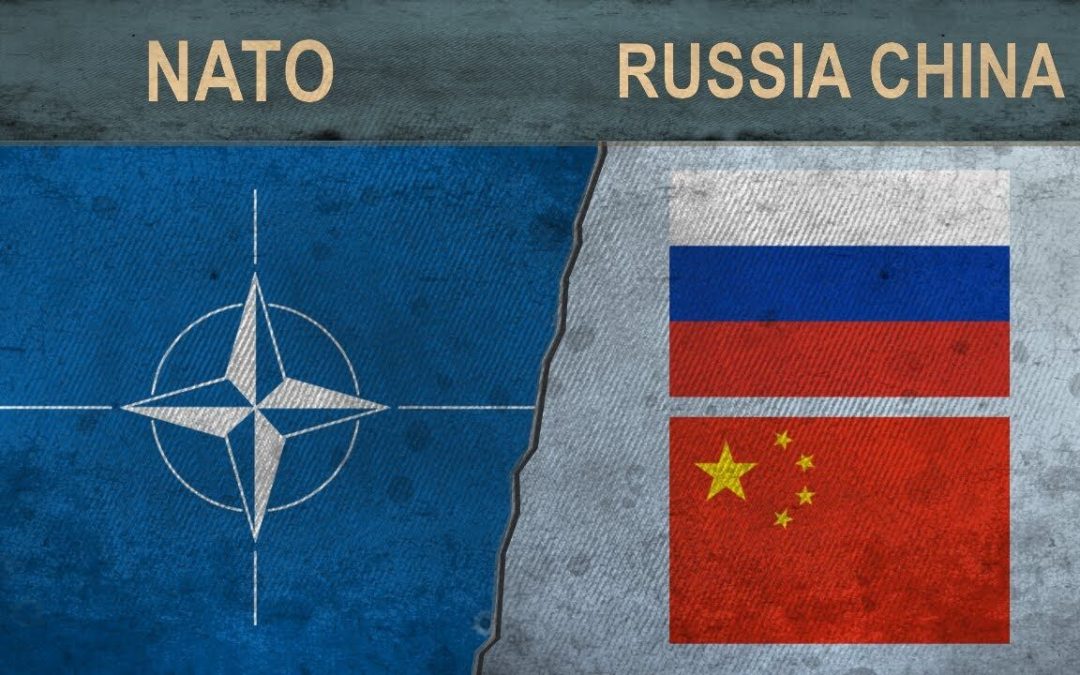
Strategic Council Online – Opinion: The escalating possibility of confrontation between the world’s Eastern and Western powers, particularly after the Russia-Ukraine war, along with the consolidation of China’s narrative of itself as the largest developing country with the capacity to lead the Global South, has become a threatening issue for the West, led by America and Europe. In this context, Mark Rutte, the Secretary-General of NATO, recently spoke at a press conference in Berlin about the necessity of European military modernization and called for “changing defense postures” in line with the increasing international military threats.
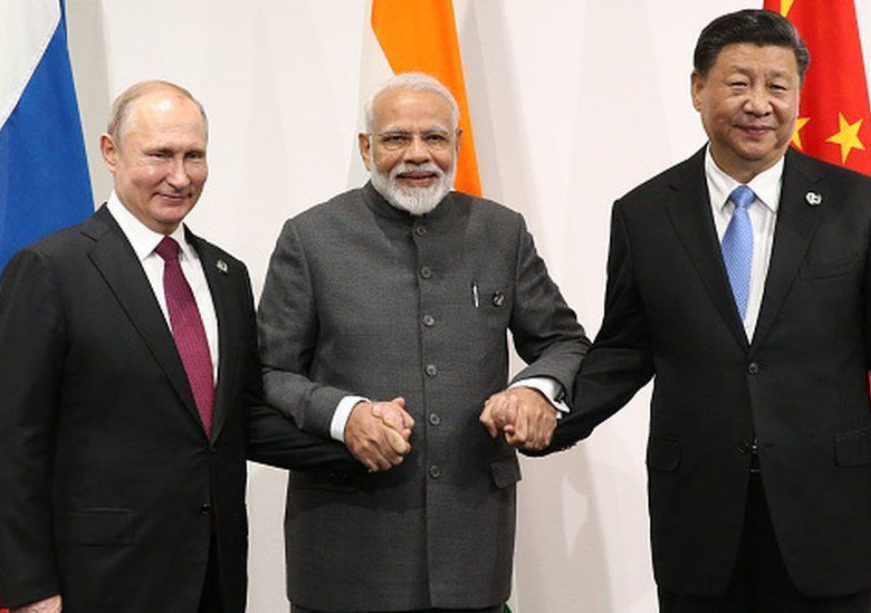
Strategic Council Online – Opinion: The 25th Shanghai Cooperation Organization (SCO) Summit in Tianjin, China, can be considered one of the most significant events in recent years in terms of global power dynamics. Through its impressive hosting and the announcement of various economic and political initiatives, China attempted to present an image of a gradual transition from the West-centric financial order. The presence of leaders from Russia, India, and Central Asian countries also demonstrated that the idea of multipolarity is no longer merely a slogan but is being pursued through economic and institutional cooperation. The coincidence of the Shanghai Summit with the military parade in Beijing commemorating the 80th anniversary of China’s victory over Japan also highlighted the integration of the “hard power–soft power” strategy on the international stage.
Strategic Council Online – Interview: An international affairs analyst stated that the United States’ imposition of 50% tariffs on Indian export goods has not only severely impacted the economic relations between the two countries but has also opened a new path in New Delhi’s foreign policy. While Washington has justified this move as “punishing” India for purchasing oil from Russia, the Narendra Modi government has called it unfair and emphasized the necessity of ensuring its country’s energy security. However, India’s reaction has not been limited to mere verbal statements; Modi’s visit to China and participation in the Shanghai Cooperation Organization summit can practically be assessed as a strategic pivot towards the East. Simultaneously, diplomatic exchanges among the three Asian powers have accelerated: China’s Foreign Minister visited New Delhi, his Indian counterpart went to Moscow, and Modi, in his meeting with Beijing’s leaders, sent a clear message of India’s desire for closer cooperation with Russia and China. In this context, the Indian Prime Minister’s lack of response to several phone calls from Trump suggests that New Delhi is redefining its foreign policy priorities in response to Washington’s pressure. Many analysts believe that India’s recent actions are not merely short-term reactions but rather a sign of a new balance of power forming in Asia’s equations.
Strategic Council Online – Opinion: Chinese officials have recently warned that Europe’s approach to importing electric cars from China will spark a trade war because heavy tariffs have been imposed on importing Chinese-made electric cars.
Strategic Council Online – Interview: A faculty member of the Institute of Strategic Studies said that it should be seen whether the Chinese will violate the agreement to re-establish military relations with the United States due to Biden’s calling Xi Jinping a dictator, added: If once again they conclude that establishment of relations between the military forces of the two countries should be delayed, it shows that the recent meeting between the two presidents has not been successful.
Strategic Council Online – Interview: An expert on Russian affairs stated that despite some challenges and uncertainties, the relationship between Moscow and Beijing has somehow insured the Russian economy; at the same time, she said that the West has a long-term plan to weaken Russia through sanctions.
Strategic Council Online—Interview: A faculty member of Tehran University analyzed the efforts of Western countries to legislate in this regard by stating that Westerners accuse China that the inference method and reasoning process of their artificial intelligence-based systems is without orientation and cannot be described.
Strategic Council Online – Interview: A university professor said it seems that with the fall of the Chinese balloon, this country has expanded its competition with the United States into the intelligence and security arena, and this has caused concerns about the intensification of China’s surveillance activities in the United States and expansion of competition with that country from the economic field to the field of intelligence and espionage. He added: The current tensions and crisis-making between the United States and China will continue for at least a 25-year period in the future, and the world is moving towards a dangerous military confrontation.
Online Strategic Council: The President of Iran’s Strategic Council on Foreign Relations emphasized the necessity of cooperation and coordination between Afghanistan’s neighboring countries to contribute to stability, peace and prosperity in that country.
Strategic Council Online – Opinion: In December, a several-day joint conference was held in Washington with the participation of 49 African countries. The purpose of this conference was to discuss common priorities as well as how to develop relations between the United States and African countries.
Hossein Sayyahi- Researcher on international politics
SCFR Online – Opinion: The intensification of U.S. sanctions against Iran on the eve of the U.S. midterm elections indicates Washington’s inability to achieve its war objectives.
SCFR Online – Opinion: The competition between Washington and Beijing over chips and artificial intelligence, simultaneously with the shifting of technological balances, has taken on new economic and security dimensions.
SCFR Online – Opinion: The Shanghai Cooperation Organization summit has created a new opportunity for Iran to transform its membership from a political achievement into economic and transit cooperation.
Strategic Council Online – Note: The Makkah Defense Pact can be seen as a sign of regional countries’ efforts to reduce security dependence on extra-regional powers and redefine the balance in West Asia.
SCFR Online – Opinion: The Ukraine war, by exhausting US military capability on one hand and strengthening European defense capacity on the other, has altered the balance of power in the European continent, cast uncertainty over NATO’s future, and is driving it toward a European NATO.
SCFR Online – Opinion: The dissolution of the SDF, although considered an achievement for Turkey’s security, does not put an end to the challenges arising from the Israeli regime’s aggression and expansionism, refugees, and Syria’s fragility.
SCFR Online – Opinion: Concurrent with the official commencement of the United States’ economic war against our country, focusing on sanctions instruments, isolation, and economic pressure, what has now become increasingly important is the lack of alignment of other major global powers, especially China, with this policy.
SCFR Online – Opinion: The new US sanctions against Iran, despite extensive propaganda, face serious obstacles to success due to the ineffectiveness of sanctions tools and opposition from some of Tehran’s trading partners.
Strategic Council Online – Opinion: The escalating possibility of confrontation between the world’s Eastern and Western powers, particularly after the Russia-Ukraine war, along with the consolidation of China’s narrative of itself as the largest developing country with the capacity to lead the Global South, has become a threatening issue for the West, led by America and Europe. In this context, Mark Rutte, the Secretary-General of NATO, recently spoke at a press conference in Berlin about the necessity of European military modernization and called for “changing defense postures” in line with the increasing international military threats.
Strategic Council Online – Opinion: The 25th Shanghai Cooperation Organization (SCO) Summit in Tianjin, China, can be considered one of the most significant events in recent years in terms of global power dynamics. Through its impressive hosting and the announcement of various economic and political initiatives, China attempted to present an image of a gradual transition from the West-centric financial order. The presence of leaders from Russia, India, and Central Asian countries also demonstrated that the idea of multipolarity is no longer merely a slogan but is being pursued through economic and institutional cooperation. The coincidence of the Shanghai Summit with the military parade in Beijing commemorating the 80th anniversary of China’s victory over Japan also highlighted the integration of the “hard power–soft power” strategy on the international stage.
Strategic Council Online – Interview: An international affairs analyst stated that the United States’ imposition of 50% tariffs on Indian export goods has not only severely impacted the economic relations between the two countries but has also opened a new path in New Delhi’s foreign policy. While Washington has justified this move as “punishing” India for purchasing oil from Russia, the Narendra Modi government has called it unfair and emphasized the necessity of ensuring its country’s energy security. However, India’s reaction has not been limited to mere verbal statements; Modi’s visit to China and participation in the Shanghai Cooperation Organization summit can practically be assessed as a strategic pivot towards the East. Simultaneously, diplomatic exchanges among the three Asian powers have accelerated: China’s Foreign Minister visited New Delhi, his Indian counterpart went to Moscow, and Modi, in his meeting with Beijing’s leaders, sent a clear message of India’s desire for closer cooperation with Russia and China. In this context, the Indian Prime Minister’s lack of response to several phone calls from Trump suggests that New Delhi is redefining its foreign policy priorities in response to Washington’s pressure. Many analysts believe that India’s recent actions are not merely short-term reactions but rather a sign of a new balance of power forming in Asia’s equations.
Strategic Council Online – Opinion: Chinese officials have recently warned that Europe’s approach to importing electric cars from China will spark a trade war because heavy tariffs have been imposed on importing Chinese-made electric cars.
Strategic Council Online – Interview: A faculty member of the Institute of Strategic Studies said that it should be seen whether the Chinese will violate the agreement to re-establish military relations with the United States due to Biden’s calling Xi Jinping a dictator, added: If once again they conclude that establishment of relations between the military forces of the two countries should be delayed, it shows that the recent meeting between the two presidents has not been successful.
Strategic Council Online – Interview: An expert on Russian affairs stated that despite some challenges and uncertainties, the relationship between Moscow and Beijing has somehow insured the Russian economy; at the same time, she said that the West has a long-term plan to weaken Russia through sanctions.
Strategic Council Online—Interview: A faculty member of Tehran University analyzed the efforts of Western countries to legislate in this regard by stating that Westerners accuse China that the inference method and reasoning process of their artificial intelligence-based systems is without orientation and cannot be described.
Strategic Council Online – Interview: A university professor said it seems that with the fall of the Chinese balloon, this country has expanded its competition with the United States into the intelligence and security arena, and this has caused concerns about the intensification of China’s surveillance activities in the United States and expansion of competition with that country from the economic field to the field of intelligence and espionage. He added: The current tensions and crisis-making between the United States and China will continue for at least a 25-year period in the future, and the world is moving towards a dangerous military confrontation.
Online Strategic Council: The President of Iran’s Strategic Council on Foreign Relations emphasized the necessity of cooperation and coordination between Afghanistan’s neighboring countries to contribute to stability, peace and prosperity in that country.
Strategic Council Online – Opinion: In December, a several-day joint conference was held in Washington with the participation of 49 African countries. The purpose of this conference was to discuss common priorities as well as how to develop relations between the United States and African countries.
Hossein Sayyahi- Researcher on international politics
Strategic Council Online – Opinion: The escalating possibility of confrontation between the world’s Eastern and Western powers, particularly after the Russia-Ukraine war, along with the consolidation of China’s narrative of itself as the largest developing country with the capacity to lead the Global South, has become a threatening issue for the West, led by America and Europe. In this context, Mark Rutte, the Secretary-General of NATO, recently spoke at a press conference in Berlin about the necessity of European military modernization and called for “changing defense postures” in line with the increasing international military threats.
Strategic Council Online – Opinion: The 25th Shanghai Cooperation Organization (SCO) Summit in Tianjin, China, can be considered one of the most significant events in recent years in terms of global power dynamics. Through its impressive hosting and the announcement of various economic and political initiatives, China attempted to present an image of a gradual transition from the West-centric financial order. The presence of leaders from Russia, India, and Central Asian countries also demonstrated that the idea of multipolarity is no longer merely a slogan but is being pursued through economic and institutional cooperation. The coincidence of the Shanghai Summit with the military parade in Beijing commemorating the 80th anniversary of China’s victory over Japan also highlighted the integration of the “hard power–soft power” strategy on the international stage.
Strategic Council Online – Interview: An international affairs analyst stated that the United States’ imposition of 50% tariffs on Indian export goods has not only severely impacted the economic relations between the two countries but has also opened a new path in New Delhi’s foreign policy. While Washington has justified this move as “punishing” India for purchasing oil from Russia, the Narendra Modi government has called it unfair and emphasized the necessity of ensuring its country’s energy security. However, India’s reaction has not been limited to mere verbal statements; Modi’s visit to China and participation in the Shanghai Cooperation Organization summit can practically be assessed as a strategic pivot towards the East. Simultaneously, diplomatic exchanges among the three Asian powers have accelerated: China’s Foreign Minister visited New Delhi, his Indian counterpart went to Moscow, and Modi, in his meeting with Beijing’s leaders, sent a clear message of India’s desire for closer cooperation with Russia and China. In this context, the Indian Prime Minister’s lack of response to several phone calls from Trump suggests that New Delhi is redefining its foreign policy priorities in response to Washington’s pressure. Many analysts believe that India’s recent actions are not merely short-term reactions but rather a sign of a new balance of power forming in Asia’s equations.
Strategic Council Online – Opinion: Chinese officials have recently warned that Europe’s approach to importing electric cars from China will spark a trade war because heavy tariffs have been imposed on importing Chinese-made electric cars.
Strategic Council Online – Interview: A faculty member of the Institute of Strategic Studies said that it should be seen whether the Chinese will violate the agreement to re-establish military relations with the United States due to Biden’s calling Xi Jinping a dictator, added: If once again they conclude that establishment of relations between the military forces of the two countries should be delayed, it shows that the recent meeting between the two presidents has not been successful.
Strategic Council Online – Interview: An expert on Russian affairs stated that despite some challenges and uncertainties, the relationship between Moscow and Beijing has somehow insured the Russian economy; at the same time, she said that the West has a long-term plan to weaken Russia through sanctions.
Strategic Council Online—Interview: A faculty member of Tehran University analyzed the efforts of Western countries to legislate in this regard by stating that Westerners accuse China that the inference method and reasoning process of their artificial intelligence-based systems is without orientation and cannot be described.
Strategic Council Online – Interview: A university professor said it seems that with the fall of the Chinese balloon, this country has expanded its competition with the United States into the intelligence and security arena, and this has caused concerns about the intensification of China’s surveillance activities in the United States and expansion of competition with that country from the economic field to the field of intelligence and espionage. He added: The current tensions and crisis-making between the United States and China will continue for at least a 25-year period in the future, and the world is moving towards a dangerous military confrontation.
Online Strategic Council: The President of Iran’s Strategic Council on Foreign Relations emphasized the necessity of cooperation and coordination between Afghanistan’s neighboring countries to contribute to stability, peace and prosperity in that country.
Strategic Council Online – Opinion: In December, a several-day joint conference was held in Washington with the participation of 49 African countries. The purpose of this conference was to discuss common priorities as well as how to develop relations between the United States and African countries.
Hossein Sayyahi- Researcher on international politics
SCFR Online – Opinion: The intensification of U.S. sanctions against Iran on the eve of the U.S. midterm elections indicates Washington’s inability to achieve its war objectives.
SCFR Online – Opinion: The competition between Washington and Beijing over chips and artificial intelligence, simultaneously with the shifting of technological balances, has taken on new economic and security dimensions.
SCFR Online – Opinion: The Shanghai Cooperation Organization summit has created a new opportunity for Iran to transform its membership from a political achievement into economic and transit cooperation.
Strategic Council Online – Note: The Makkah Defense Pact can be seen as a sign of regional countries’ efforts to reduce security dependence on extra-regional powers and redefine the balance in West Asia.
SCFR Online – Opinion: The Ukraine war, by exhausting US military capability on one hand and strengthening European defense capacity on the other, has altered the balance of power in the European continent, cast uncertainty over NATO’s future, and is driving it toward a European NATO.
SCFR Online – Opinion: The dissolution of the SDF, although considered an achievement for Turkey’s security, does not put an end to the challenges arising from the Israeli regime’s aggression and expansionism, refugees, and Syria’s fragility.
SCFR Online – Opinion: Concurrent with the official commencement of the United States’ economic war against our country, focusing on sanctions instruments, isolation, and economic pressure, what has now become increasingly important is the lack of alignment of other major global powers, especially China, with this policy.
SCFR Online – Opinion: The new US sanctions against Iran, despite extensive propaganda, face serious obstacles to success due to the ineffectiveness of sanctions tools and opposition from some of Tehran’s trading partners.
Strategic Council Online – Opinion: The escalating possibility of confrontation between the world’s Eastern and Western powers, particularly after the Russia-Ukraine war, along with the consolidation of China’s narrative of itself as the largest developing country with the capacity to lead the Global South, has become a threatening issue for the West, led by America and Europe. In this context, Mark Rutte, the Secretary-General of NATO, recently spoke at a press conference in Berlin about the necessity of European military modernization and called for “changing defense postures” in line with the increasing international military threats.
Strategic Council Online – Opinion: The 25th Shanghai Cooperation Organization (SCO) Summit in Tianjin, China, can be considered one of the most significant events in recent years in terms of global power dynamics. Through its impressive hosting and the announcement of various economic and political initiatives, China attempted to present an image of a gradual transition from the West-centric financial order. The presence of leaders from Russia, India, and Central Asian countries also demonstrated that the idea of multipolarity is no longer merely a slogan but is being pursued through economic and institutional cooperation. The coincidence of the Shanghai Summit with the military parade in Beijing commemorating the 80th anniversary of China’s victory over Japan also highlighted the integration of the “hard power–soft power” strategy on the international stage.
Strategic Council Online – Interview: An international affairs analyst stated that the United States’ imposition of 50% tariffs on Indian export goods has not only severely impacted the economic relations between the two countries but has also opened a new path in New Delhi’s foreign policy. While Washington has justified this move as “punishing” India for purchasing oil from Russia, the Narendra Modi government has called it unfair and emphasized the necessity of ensuring its country’s energy security. However, India’s reaction has not been limited to mere verbal statements; Modi’s visit to China and participation in the Shanghai Cooperation Organization summit can practically be assessed as a strategic pivot towards the East. Simultaneously, diplomatic exchanges among the three Asian powers have accelerated: China’s Foreign Minister visited New Delhi, his Indian counterpart went to Moscow, and Modi, in his meeting with Beijing’s leaders, sent a clear message of India’s desire for closer cooperation with Russia and China. In this context, the Indian Prime Minister’s lack of response to several phone calls from Trump suggests that New Delhi is redefining its foreign policy priorities in response to Washington’s pressure. Many analysts believe that India’s recent actions are not merely short-term reactions but rather a sign of a new balance of power forming in Asia’s equations.
Strategic Council Online – Opinion: Chinese officials have recently warned that Europe’s approach to importing electric cars from China will spark a trade war because heavy tariffs have been imposed on importing Chinese-made electric cars.
Strategic Council Online – Interview: A faculty member of the Institute of Strategic Studies said that it should be seen whether the Chinese will violate the agreement to re-establish military relations with the United States due to Biden’s calling Xi Jinping a dictator, added: If once again they conclude that establishment of relations between the military forces of the two countries should be delayed, it shows that the recent meeting between the two presidents has not been successful.
Strategic Council Online – Interview: An expert on Russian affairs stated that despite some challenges and uncertainties, the relationship between Moscow and Beijing has somehow insured the Russian economy; at the same time, she said that the West has a long-term plan to weaken Russia through sanctions.
Strategic Council Online—Interview: A faculty member of Tehran University analyzed the efforts of Western countries to legislate in this regard by stating that Westerners accuse China that the inference method and reasoning process of their artificial intelligence-based systems is without orientation and cannot be described.
Strategic Council Online – Interview: A university professor said it seems that with the fall of the Chinese balloon, this country has expanded its competition with the United States into the intelligence and security arena, and this has caused concerns about the intensification of China’s surveillance activities in the United States and expansion of competition with that country from the economic field to the field of intelligence and espionage. He added: The current tensions and crisis-making between the United States and China will continue for at least a 25-year period in the future, and the world is moving towards a dangerous military confrontation.
Online Strategic Council: The President of Iran’s Strategic Council on Foreign Relations emphasized the necessity of cooperation and coordination between Afghanistan’s neighboring countries to contribute to stability, peace and prosperity in that country.
Strategic Council Online – Opinion: In December, a several-day joint conference was held in Washington with the participation of 49 African countries. The purpose of this conference was to discuss common priorities as well as how to develop relations between the United States and African countries.
Hossein Sayyahi- Researcher on international politics
SCFR Online – Opinion: The intensification of U.S. sanctions against Iran on the eve of the U.S. midterm elections indicates Washington’s inability to achieve its war objectives.
SCFR Online – Opinion: The competition between Washington and Beijing over chips and artificial intelligence, simultaneously with the shifting of technological balances, has taken on new economic and security dimensions.
SCFR Online – Opinion: The Shanghai Cooperation Organization summit has created a new opportunity for Iran to transform its membership from a political achievement into economic and transit cooperation.
Strategic Council Online – Note: The Makkah Defense Pact can be seen as a sign of regional countries’ efforts to reduce security dependence on extra-regional powers and redefine the balance in West Asia.
SCFR Online – Opinion: The Ukraine war, by exhausting US military capability on one hand and strengthening European defense capacity on the other, has altered the balance of power in the European continent, cast uncertainty over NATO’s future, and is driving it toward a European NATO.
SCFR Online – Opinion: The dissolution of the SDF, although considered an achievement for Turkey’s security, does not put an end to the challenges arising from the Israeli regime’s aggression and expansionism, refugees, and Syria’s fragility.
SCFR Online – Opinion: Concurrent with the official commencement of the United States’ economic war against our country, focusing on sanctions instruments, isolation, and economic pressure, what has now become increasingly important is the lack of alignment of other major global powers, especially China, with this policy.
SCFR Online – Opinion: The new US sanctions against Iran, despite extensive propaganda, face serious obstacles to success due to the ineffectiveness of sanctions tools and opposition from some of Tehran’s trading partners.
Strategic Council Online – Opinion: The escalating possibility of confrontation between the world’s Eastern and Western powers, particularly after the Russia-Ukraine war, along with the consolidation of China’s narrative of itself as the largest developing country with the capacity to lead the Global South, has become a threatening issue for the West, led by America and Europe. In this context, Mark Rutte, the Secretary-General of NATO, recently spoke at a press conference in Berlin about the necessity of European military modernization and called for “changing defense postures” in line with the increasing international military threats.
Strategic Council Online – Opinion: The 25th Shanghai Cooperation Organization (SCO) Summit in Tianjin, China, can be considered one of the most significant events in recent years in terms of global power dynamics. Through its impressive hosting and the announcement of various economic and political initiatives, China attempted to present an image of a gradual transition from the West-centric financial order. The presence of leaders from Russia, India, and Central Asian countries also demonstrated that the idea of multipolarity is no longer merely a slogan but is being pursued through economic and institutional cooperation. The coincidence of the Shanghai Summit with the military parade in Beijing commemorating the 80th anniversary of China’s victory over Japan also highlighted the integration of the “hard power–soft power” strategy on the international stage.
Strategic Council Online – Interview: An international affairs analyst stated that the United States’ imposition of 50% tariffs on Indian export goods has not only severely impacted the economic relations between the two countries but has also opened a new path in New Delhi’s foreign policy. While Washington has justified this move as “punishing” India for purchasing oil from Russia, the Narendra Modi government has called it unfair and emphasized the necessity of ensuring its country’s energy security. However, India’s reaction has not been limited to mere verbal statements; Modi’s visit to China and participation in the Shanghai Cooperation Organization summit can practically be assessed as a strategic pivot towards the East. Simultaneously, diplomatic exchanges among the three Asian powers have accelerated: China’s Foreign Minister visited New Delhi, his Indian counterpart went to Moscow, and Modi, in his meeting with Beijing’s leaders, sent a clear message of India’s desire for closer cooperation with Russia and China. In this context, the Indian Prime Minister’s lack of response to several phone calls from Trump suggests that New Delhi is redefining its foreign policy priorities in response to Washington’s pressure. Many analysts believe that India’s recent actions are not merely short-term reactions but rather a sign of a new balance of power forming in Asia’s equations.
Strategic Council Online – Opinion: Chinese officials have recently warned that Europe’s approach to importing electric cars from China will spark a trade war because heavy tariffs have been imposed on importing Chinese-made electric cars.
Strategic Council Online – Interview: A faculty member of the Institute of Strategic Studies said that it should be seen whether the Chinese will violate the agreement to re-establish military relations with the United States due to Biden’s calling Xi Jinping a dictator, added: If once again they conclude that establishment of relations between the military forces of the two countries should be delayed, it shows that the recent meeting between the two presidents has not been successful.
Strategic Council Online – Interview: An expert on Russian affairs stated that despite some challenges and uncertainties, the relationship between Moscow and Beijing has somehow insured the Russian economy; at the same time, she said that the West has a long-term plan to weaken Russia through sanctions.
Strategic Council Online—Interview: A faculty member of Tehran University analyzed the efforts of Western countries to legislate in this regard by stating that Westerners accuse China that the inference method and reasoning process of their artificial intelligence-based systems is without orientation and cannot be described.
Strategic Council Online – Interview: A university professor said it seems that with the fall of the Chinese balloon, this country has expanded its competition with the United States into the intelligence and security arena, and this has caused concerns about the intensification of China’s surveillance activities in the United States and expansion of competition with that country from the economic field to the field of intelligence and espionage. He added: The current tensions and crisis-making between the United States and China will continue for at least a 25-year period in the future, and the world is moving towards a dangerous military confrontation.
Online Strategic Council: The President of Iran’s Strategic Council on Foreign Relations emphasized the necessity of cooperation and coordination between Afghanistan’s neighboring countries to contribute to stability, peace and prosperity in that country.
Strategic Council Online – Opinion: In December, a several-day joint conference was held in Washington with the participation of 49 African countries. The purpose of this conference was to discuss common priorities as well as how to develop relations between the United States and African countries.
Hossein Sayyahi- Researcher on international politics
SCFR Online – Opinion: The intensification of U.S. sanctions against Iran on the eve of the U.S. midterm elections indicates Washington’s inability to achieve its war objectives.
SCFR Online – Opinion: The competition between Washington and Beijing over chips and artificial intelligence, simultaneously with the shifting of technological balances, has taken on new economic and security dimensions.
SCFR Online – Opinion: The Shanghai Cooperation Organization summit has created a new opportunity for Iran to transform its membership from a political achievement into economic and transit cooperation.
Strategic Council Online – Note: The Makkah Defense Pact can be seen as a sign of regional countries’ efforts to reduce security dependence on extra-regional powers and redefine the balance in West Asia.
SCFR Online – Opinion: The Ukraine war, by exhausting US military capability on one hand and strengthening European defense capacity on the other, has altered the balance of power in the European continent, cast uncertainty over NATO’s future, and is driving it toward a European NATO.
SCFR Online – Opinion: The dissolution of the SDF, although considered an achievement for Turkey’s security, does not put an end to the challenges arising from the Israeli regime’s aggression and expansionism, refugees, and Syria’s fragility.
SCFR Online – Opinion: Concurrent with the official commencement of the United States’ economic war against our country, focusing on sanctions instruments, isolation, and economic pressure, what has now become increasingly important is the lack of alignment of other major global powers, especially China, with this policy.
SCFR Online – Opinion: The new US sanctions against Iran, despite extensive propaganda, face serious obstacles to success due to the ineffectiveness of sanctions tools and opposition from some of Tehran’s trading partners.
Strategic Council Online – Opinion: The escalating possibility of confrontation between the world’s Eastern and Western powers, particularly after the Russia-Ukraine war, along with the consolidation of China’s narrative of itself as the largest developing country with the capacity to lead the Global South, has become a threatening issue for the West, led by America and Europe. In this context, Mark Rutte, the Secretary-General of NATO, recently spoke at a press conference in Berlin about the necessity of European military modernization and called for “changing defense postures” in line with the increasing international military threats.
Strategic Council Online – Opinion: The 25th Shanghai Cooperation Organization (SCO) Summit in Tianjin, China, can be considered one of the most significant events in recent years in terms of global power dynamics. Through its impressive hosting and the announcement of various economic and political initiatives, China attempted to present an image of a gradual transition from the West-centric financial order. The presence of leaders from Russia, India, and Central Asian countries also demonstrated that the idea of multipolarity is no longer merely a slogan but is being pursued through economic and institutional cooperation. The coincidence of the Shanghai Summit with the military parade in Beijing commemorating the 80th anniversary of China’s victory over Japan also highlighted the integration of the “hard power–soft power” strategy on the international stage.
Strategic Council Online – Interview: An international affairs analyst stated that the United States’ imposition of 50% tariffs on Indian export goods has not only severely impacted the economic relations between the two countries but has also opened a new path in New Delhi’s foreign policy. While Washington has justified this move as “punishing” India for purchasing oil from Russia, the Narendra Modi government has called it unfair and emphasized the necessity of ensuring its country’s energy security. However, India’s reaction has not been limited to mere verbal statements; Modi’s visit to China and participation in the Shanghai Cooperation Organization summit can practically be assessed as a strategic pivot towards the East. Simultaneously, diplomatic exchanges among the three Asian powers have accelerated: China’s Foreign Minister visited New Delhi, his Indian counterpart went to Moscow, and Modi, in his meeting with Beijing’s leaders, sent a clear message of India’s desire for closer cooperation with Russia and China. In this context, the Indian Prime Minister’s lack of response to several phone calls from Trump suggests that New Delhi is redefining its foreign policy priorities in response to Washington’s pressure. Many analysts believe that India’s recent actions are not merely short-term reactions but rather a sign of a new balance of power forming in Asia’s equations.
Strategic Council Online – Opinion: Chinese officials have recently warned that Europe’s approach to importing electric cars from China will spark a trade war because heavy tariffs have been imposed on importing Chinese-made electric cars.
Strategic Council Online – Interview: A faculty member of the Institute of Strategic Studies said that it should be seen whether the Chinese will violate the agreement to re-establish military relations with the United States due to Biden’s calling Xi Jinping a dictator, added: If once again they conclude that establishment of relations between the military forces of the two countries should be delayed, it shows that the recent meeting between the two presidents has not been successful.
Strategic Council Online – Interview: An expert on Russian affairs stated that despite some challenges and uncertainties, the relationship between Moscow and Beijing has somehow insured the Russian economy; at the same time, she said that the West has a long-term plan to weaken Russia through sanctions.
Strategic Council Online—Interview: A faculty member of Tehran University analyzed the efforts of Western countries to legislate in this regard by stating that Westerners accuse China that the inference method and reasoning process of their artificial intelligence-based systems is without orientation and cannot be described.
Strategic Council Online – Interview: A university professor said it seems that with the fall of the Chinese balloon, this country has expanded its competition with the United States into the intelligence and security arena, and this has caused concerns about the intensification of China’s surveillance activities in the United States and expansion of competition with that country from the economic field to the field of intelligence and espionage. He added: The current tensions and crisis-making between the United States and China will continue for at least a 25-year period in the future, and the world is moving towards a dangerous military confrontation.
Online Strategic Council: The President of Iran’s Strategic Council on Foreign Relations emphasized the necessity of cooperation and coordination between Afghanistan’s neighboring countries to contribute to stability, peace and prosperity in that country.
Strategic Council Online – Opinion: In December, a several-day joint conference was held in Washington with the participation of 49 African countries. The purpose of this conference was to discuss common priorities as well as how to develop relations between the United States and African countries.
Hossein Sayyahi- Researcher on international politics
SCFR Online – Opinion: The intensification of U.S. sanctions against Iran on the eve of the U.S. midterm elections indicates Washington’s inability to achieve its war objectives.
SCFR Online – Opinion: The competition between Washington and Beijing over chips and artificial intelligence, simultaneously with the shifting of technological balances, has taken on new economic and security dimensions.
SCFR Online – Opinion: The Shanghai Cooperation Organization summit has created a new opportunity for Iran to transform its membership from a political achievement into economic and transit cooperation.
Strategic Council Online – Note: The Makkah Defense Pact can be seen as a sign of regional countries’ efforts to reduce security dependence on extra-regional powers and redefine the balance in West Asia.
SCFR Online – Opinion: The Ukraine war, by exhausting US military capability on one hand and strengthening European defense capacity on the other, has altered the balance of power in the European continent, cast uncertainty over NATO’s future, and is driving it toward a European NATO.
SCFR Online – Opinion: The dissolution of the SDF, although considered an achievement for Turkey’s security, does not put an end to the challenges arising from the Israeli regime’s aggression and expansionism, refugees, and Syria’s fragility.
SCFR Online – Opinion: Concurrent with the official commencement of the United States’ economic war against our country, focusing on sanctions instruments, isolation, and economic pressure, what has now become increasingly important is the lack of alignment of other major global powers, especially China, with this policy.
SCFR Online – Opinion: The new US sanctions against Iran, despite extensive propaganda, face serious obstacles to success due to the ineffectiveness of sanctions tools and opposition from some of Tehran’s trading partners.
Strategic Council Online – Opinion: The escalating possibility of confrontation between the world’s Eastern and Western powers, particularly after the Russia-Ukraine war, along with the consolidation of China’s narrative of itself as the largest developing country with the capacity to lead the Global South, has become a threatening issue for the West, led by America and Europe. In this context, Mark Rutte, the Secretary-General of NATO, recently spoke at a press conference in Berlin about the necessity of European military modernization and called for “changing defense postures” in line with the increasing international military threats.
Strategic Council Online – Opinion: The 25th Shanghai Cooperation Organization (SCO) Summit in Tianjin, China, can be considered one of the most significant events in recent years in terms of global power dynamics. Through its impressive hosting and the announcement of various economic and political initiatives, China attempted to present an image of a gradual transition from the West-centric financial order. The presence of leaders from Russia, India, and Central Asian countries also demonstrated that the idea of multipolarity is no longer merely a slogan but is being pursued through economic and institutional cooperation. The coincidence of the Shanghai Summit with the military parade in Beijing commemorating the 80th anniversary of China’s victory over Japan also highlighted the integration of the “hard power–soft power” strategy on the international stage.
Strategic Council Online – Interview: An international affairs analyst stated that the United States’ imposition of 50% tariffs on Indian export goods has not only severely impacted the economic relations between the two countries but has also opened a new path in New Delhi’s foreign policy. While Washington has justified this move as “punishing” India for purchasing oil from Russia, the Narendra Modi government has called it unfair and emphasized the necessity of ensuring its country’s energy security. However, India’s reaction has not been limited to mere verbal statements; Modi’s visit to China and participation in the Shanghai Cooperation Organization summit can practically be assessed as a strategic pivot towards the East. Simultaneously, diplomatic exchanges among the three Asian powers have accelerated: China’s Foreign Minister visited New Delhi, his Indian counterpart went to Moscow, and Modi, in his meeting with Beijing’s leaders, sent a clear message of India’s desire for closer cooperation with Russia and China. In this context, the Indian Prime Minister’s lack of response to several phone calls from Trump suggests that New Delhi is redefining its foreign policy priorities in response to Washington’s pressure. Many analysts believe that India’s recent actions are not merely short-term reactions but rather a sign of a new balance of power forming in Asia’s equations.
Strategic Council Online – Opinion: Chinese officials have recently warned that Europe’s approach to importing electric cars from China will spark a trade war because heavy tariffs have been imposed on importing Chinese-made electric cars.
Strategic Council Online – Interview: A faculty member of the Institute of Strategic Studies said that it should be seen whether the Chinese will violate the agreement to re-establish military relations with the United States due to Biden’s calling Xi Jinping a dictator, added: If once again they conclude that establishment of relations between the military forces of the two countries should be delayed, it shows that the recent meeting between the two presidents has not been successful.
Strategic Council Online – Interview: An expert on Russian affairs stated that despite some challenges and uncertainties, the relationship between Moscow and Beijing has somehow insured the Russian economy; at the same time, she said that the West has a long-term plan to weaken Russia through sanctions.
Strategic Council Online—Interview: A faculty member of Tehran University analyzed the efforts of Western countries to legislate in this regard by stating that Westerners accuse China that the inference method and reasoning process of their artificial intelligence-based systems is without orientation and cannot be described.
Strategic Council Online – Interview: A university professor said it seems that with the fall of the Chinese balloon, this country has expanded its competition with the United States into the intelligence and security arena, and this has caused concerns about the intensification of China’s surveillance activities in the United States and expansion of competition with that country from the economic field to the field of intelligence and espionage. He added: The current tensions and crisis-making between the United States and China will continue for at least a 25-year period in the future, and the world is moving towards a dangerous military confrontation.
Online Strategic Council: The President of Iran’s Strategic Council on Foreign Relations emphasized the necessity of cooperation and coordination between Afghanistan’s neighboring countries to contribute to stability, peace and prosperity in that country.
Strategic Council Online – Opinion: In December, a several-day joint conference was held in Washington with the participation of 49 African countries. The purpose of this conference was to discuss common priorities as well as how to develop relations between the United States and African countries.
Hossein Sayyahi- Researcher on international politics
SCFR Online – Opinion: The intensification of U.S. sanctions against Iran on the eve of the U.S. midterm elections indicates Washington’s inability to achieve its war objectives.
SCFR Online – Opinion: The competition between Washington and Beijing over chips and artificial intelligence, simultaneously with the shifting of technological balances, has taken on new economic and security dimensions.
SCFR Online – Opinion: The Shanghai Cooperation Organization summit has created a new opportunity for Iran to transform its membership from a political achievement into economic and transit cooperation.
Strategic Council Online – Note: The Makkah Defense Pact can be seen as a sign of regional countries’ efforts to reduce security dependence on extra-regional powers and redefine the balance in West Asia.
SCFR Online – Opinion: The Ukraine war, by exhausting US military capability on one hand and strengthening European defense capacity on the other, has altered the balance of power in the European continent, cast uncertainty over NATO’s future, and is driving it toward a European NATO.
SCFR Online – Opinion: The dissolution of the SDF, although considered an achievement for Turkey’s security, does not put an end to the challenges arising from the Israeli regime’s aggression and expansionism, refugees, and Syria’s fragility.
SCFR Online – Opinion: Concurrent with the official commencement of the United States’ economic war against our country, focusing on sanctions instruments, isolation, and economic pressure, what has now become increasingly important is the lack of alignment of other major global powers, especially China, with this policy.
SCFR Online – Opinion: The new US sanctions against Iran, despite extensive propaganda, face serious obstacles to success due to the ineffectiveness of sanctions tools and opposition from some of Tehran’s trading partners.